Ghumoopedia — Explore, Discover, Experience
Sign in
Galtaji, near Banskhoh

City guide · Rajasthan

Banskhoh

Banskhoh is a small settlement in the eastern part of Jaipur district, within the wider Bassi area. Its importance is chiefly local: it serves residents of nearby villages and is connected to Bassi, a regional administrative and service centre, as well as to the Jaipur–Dausa corridor.

Famous for

  • Rural setting in Jaipur district
  • Bassi–Dausa regional corridor
  • Local temples and worship
  • Everyday Rajasthani village life

Why Banskhoh matters

Banskhoh is a small settlement in the eastern part of Jaipur district, within the wider Bassi area. Its importance is chiefly local: it serves residents of nearby villages and is connected to Bassi, a regional administrative and service centre, as well as to the Jaipur–Dausa corridor. The surrounding landscape and rural character offer a quieter contrast to Jaipur’s busy urban districts.

Visitors are more likely to stop here while travelling through the region or visiting family than to come for a major landmark or established tourist circuit. Local temples, village streets and the rhythms of everyday life provide a glimpse of rural Rajasthan. Bassi is the more useful nearby centre for a wider range of services, while Jaipur offers major cultural attractions, accommodation and transport connections. Banskhoh’s appeal is therefore its setting and its place in the network of settlements east of Jaipur, rather than a nationally recognised monument, craft or industry.
Famous for: crafts, trade & products

Banskhoh is not widely identified with a signature textile, handicraft, GI-tagged product or large industrial sector. Its economy and local exchange are better understood in the context of the surrounding rural settlements and the nearby service centre of Bassi. Small shops and everyday businesses serve local needs; for a broader selection of goods, visitors are more likely to find markets and services in Bassi or Jaipur.

The area is part of Rajasthan’s wider food and craft region, but products associated with the state should not be mistaken for specialities made specifically in Banskhoh. Jaipur is the practical destination for dedicated craft shopping, including textiles, jewellery and artisan goods, while Bassi is more convenient for routine purchases nearby. There is no single established visitor market or craft quarter in Banskhoh. Travellers interested in local commerce can explore the village’s central streets and ask locally about seasonal produce or small-scale makers, keeping in mind that availability varies.

History

Banskhoh’s story is closely tied to the settlement patterns and administration of the Jaipur region. Its growth has been shaped more by village life, farming and connections with neighbouring settlements than by a single palace, fort or historic trade route.

Under British paramountcy, Jaipur continued as a princely state; after Independence, it became part of Rajasthan and its local administration was reorganised within the modern district and sub-district system. Banskhoh’s links with Bassi remain important for public services and regional movement. In recent decades, better road and rail connections and Jaipur’s outward growth have made travel between rural settlements and the city more practical. Development has been gradual, with the settlement retaining a distinctly local character.

Food, festivals & culture

Daily life in Banskhoh reflects the customs of the Jaipur region. Hindi is widely used, alongside local Rajasthani speech, including Dhundhari influences. Meals commonly draw on familiar regional fare such as dal-baati-churma, seasonal vegetables, breads and snacks; sweets such as ghewar are especially associated with festive occasions across the region. These are regional foods rather than products unique to Banskhoh.

Holi, Diwali, Teej and Gangaur are observed in their usual seasonal periods, with household rituals, community gatherings and worship shaping the celebrations. Religious life centres on local temples and family observances; visitors should ask locally about access and customary etiquette. Folk devotional singing and bhajans are part of worship and community occasions, while Rajasthani folk music and dance are more often encountered at larger celebrations than as scheduled performances for visitors. The atmosphere is generally that of a village community rather than a formal cultural destination.

Visiting the city

The cooler months, roughly October to March, are generally the most comfortable time to visit. Summers can be very hot, while the monsoon brings rain and greener countryside. Jaipur International Airport is the nearest major airport. Banskhoh Railway Station serves the locality; Jaipur Junction is the larger rail hub for onward connections. Check current services before setting out, as connections can vary.

Local travel is easiest by road, with private vehicles and locally available taxis or shared transport connecting Banskhoh with Bassi and other nearby settlements. There is no established tourist neighbourhood or visitor circuit: explore the village centre and local places of worship respectfully, then use Bassi for more services. Jaipur is the better base for accommodation and major attractions. Carry water in warm weather and ask residents before photographing people or religious sites.

Trips from the city

Nearest places to visit from Banskhoh

Our closest destination guides, by straight-line distance.

Galtaji

6 km away · Jaipur district

Galtaji

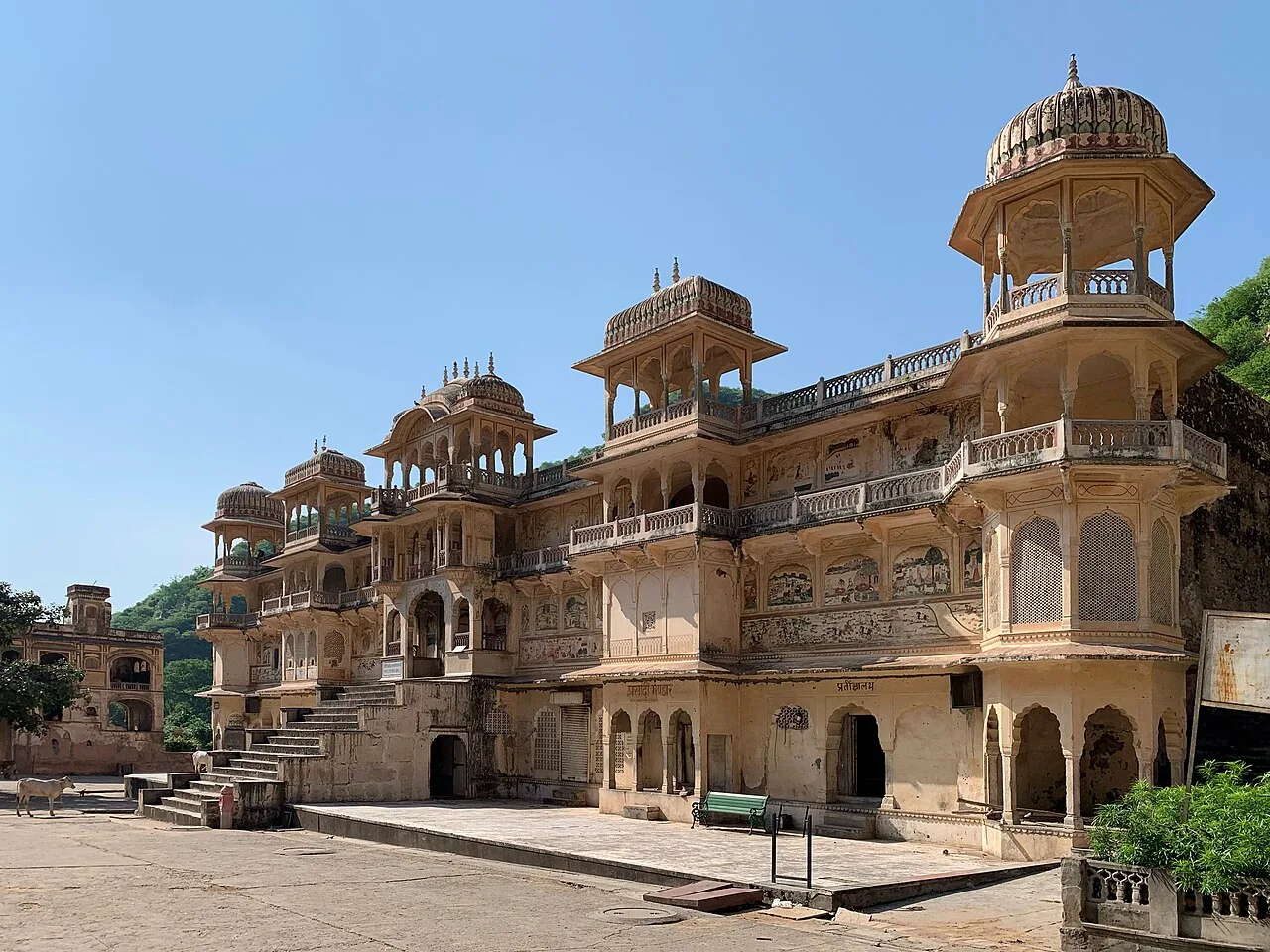
Galtaji is an ancient Hindu pilgrimage complex in Jaipur district, around 10 km east of Jaipur. Pilgrims visit its temples and bathe in tanks fed by a hillside spring.

Bhangarh Fort

32 km away · Alwar district

Bhangarh Fort

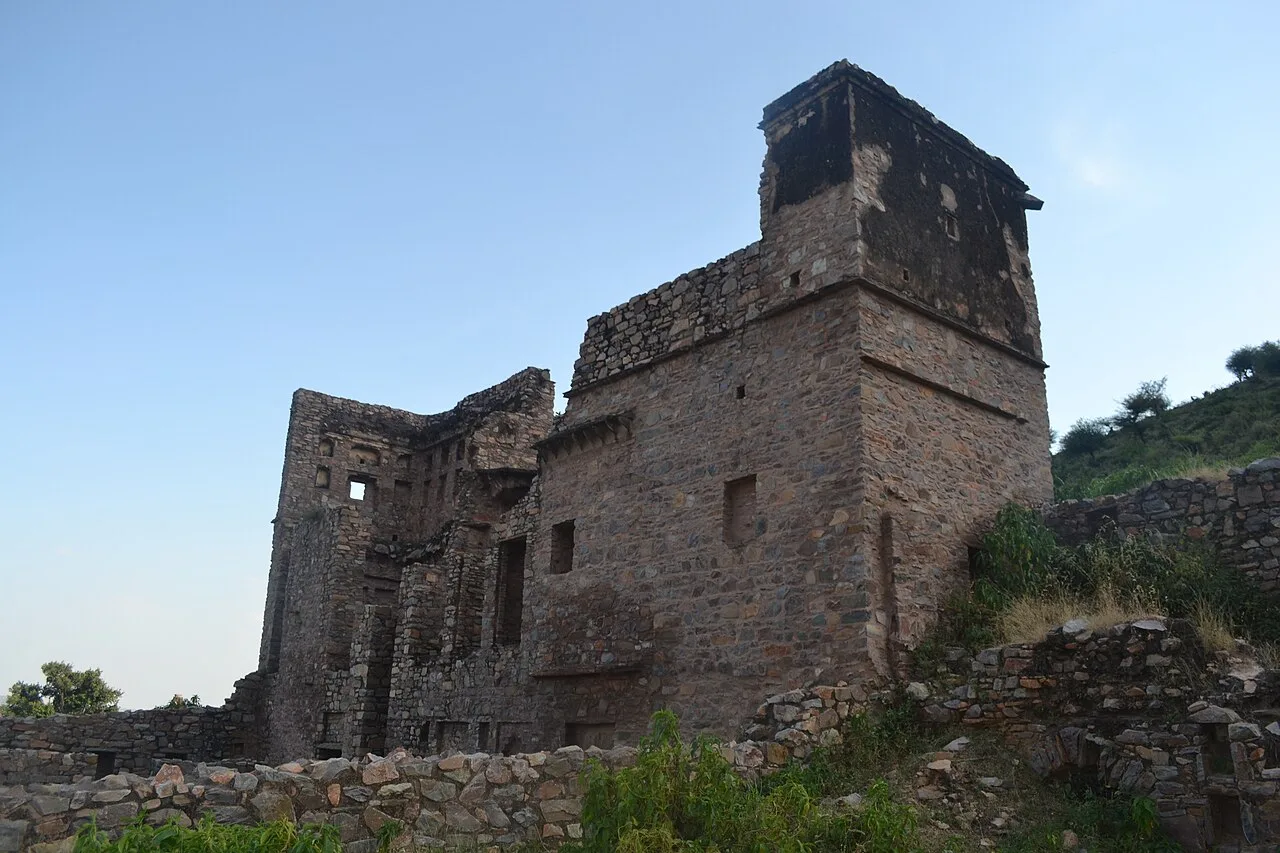
Dating to the sixteenth century, Bhangarh Fort in Rajasthan is linked to Madho Singh’s residence. Visitors come to view the preserved fort and its surrounding precincts.

Jal Mahal

33 km away · Jaipur district

Jal Mahal

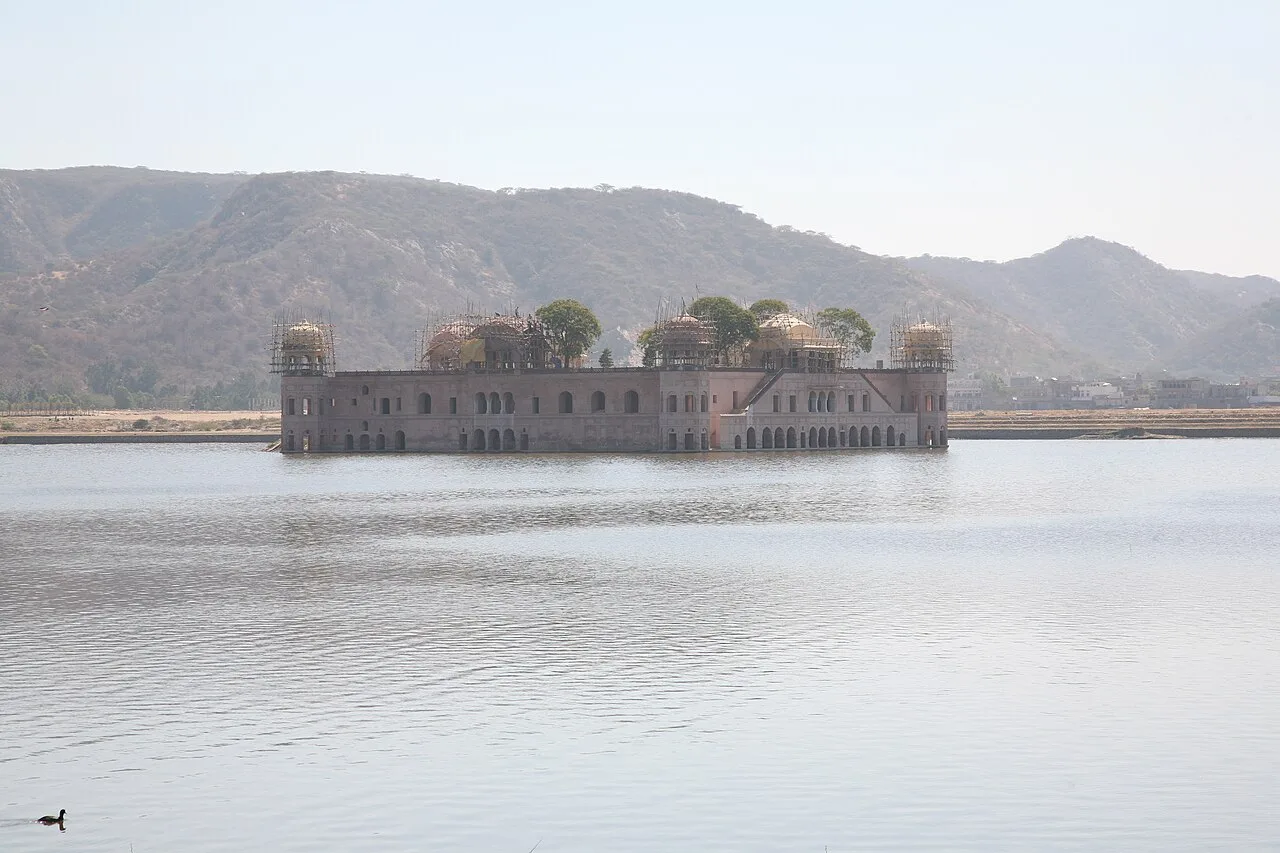
Jal Mahal is a historic palace set within Man Sagar Lake in Jaipur, Rajasthan. Visitors come to see the palace in its lake setting.

Albert Hall Museum

34 km away · Jaipur district

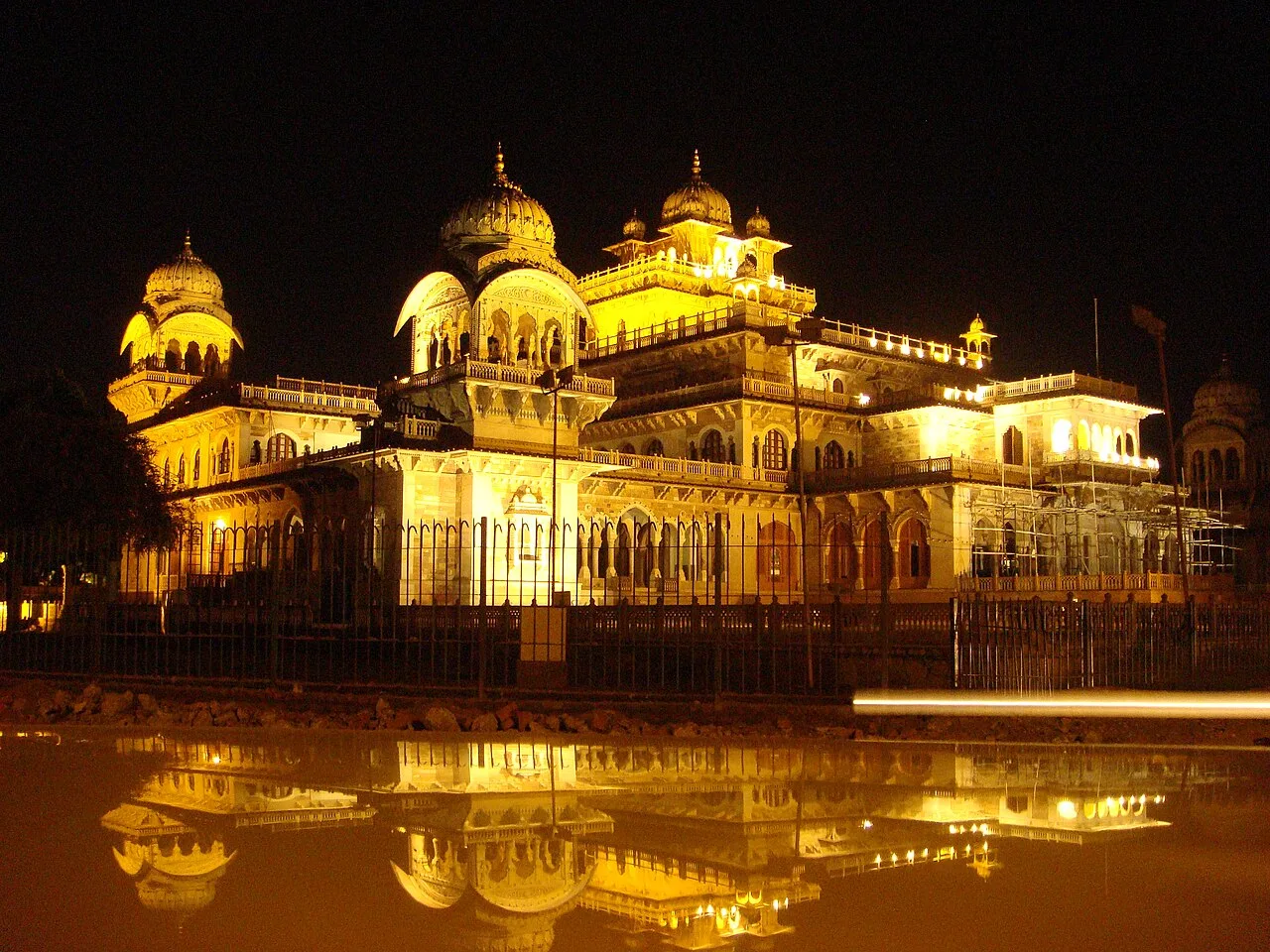
Albert Hall Museum

Set in Jaipur’s Ram Niwas Garden, Albert Hall Museum is Rajasthan’s state museum and its oldest museum. Visitors come to explore its varied collections and Indo-Saracenic architecture.

Amber Fort

34 km away · Jaipur district

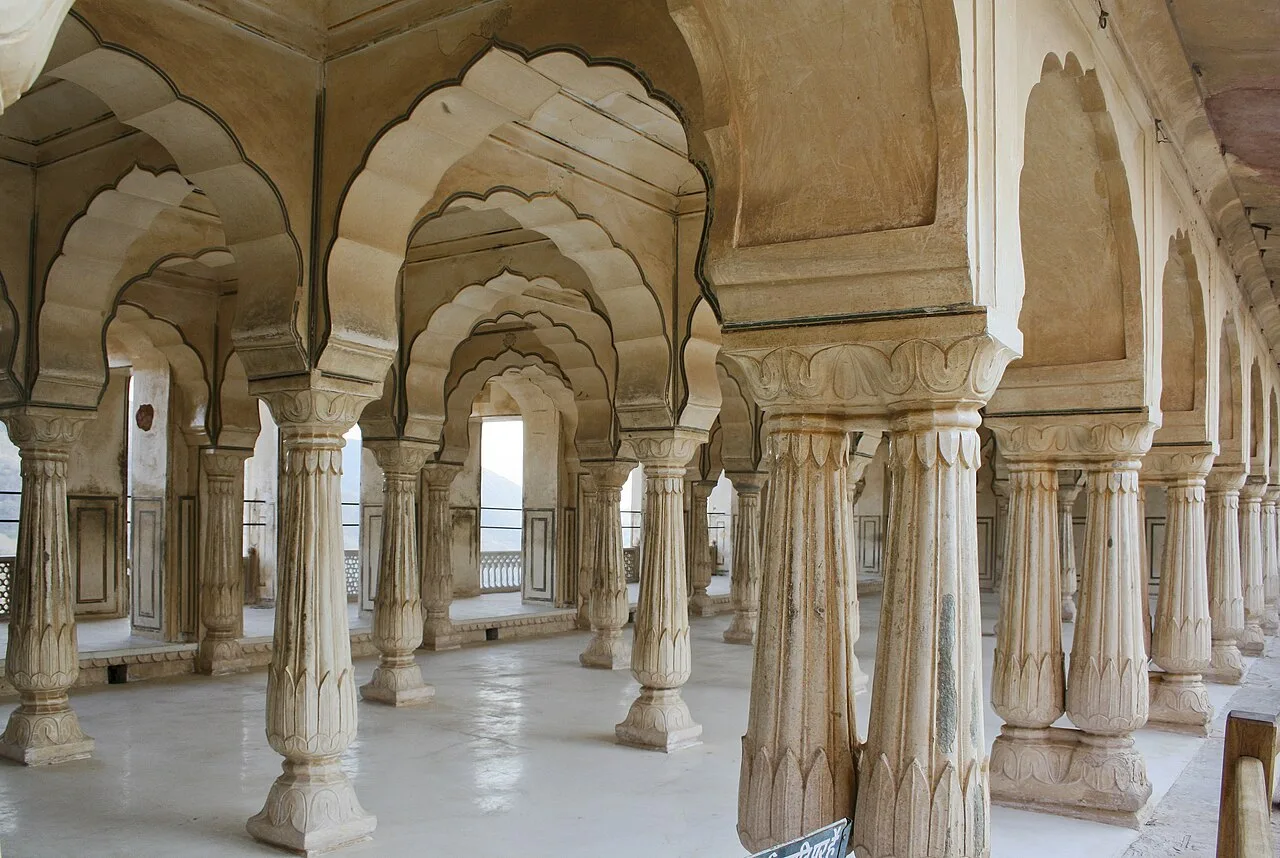
Amber Fort

Amber Fort, also known as Amer Palace, is a hilltop fort in Amer, Rajasthan. Visitors explore its Rajput and Mughal-influenced design, palace halls and setting above Maota Lake.

Birla Mandir

34 km away · Jaipur district

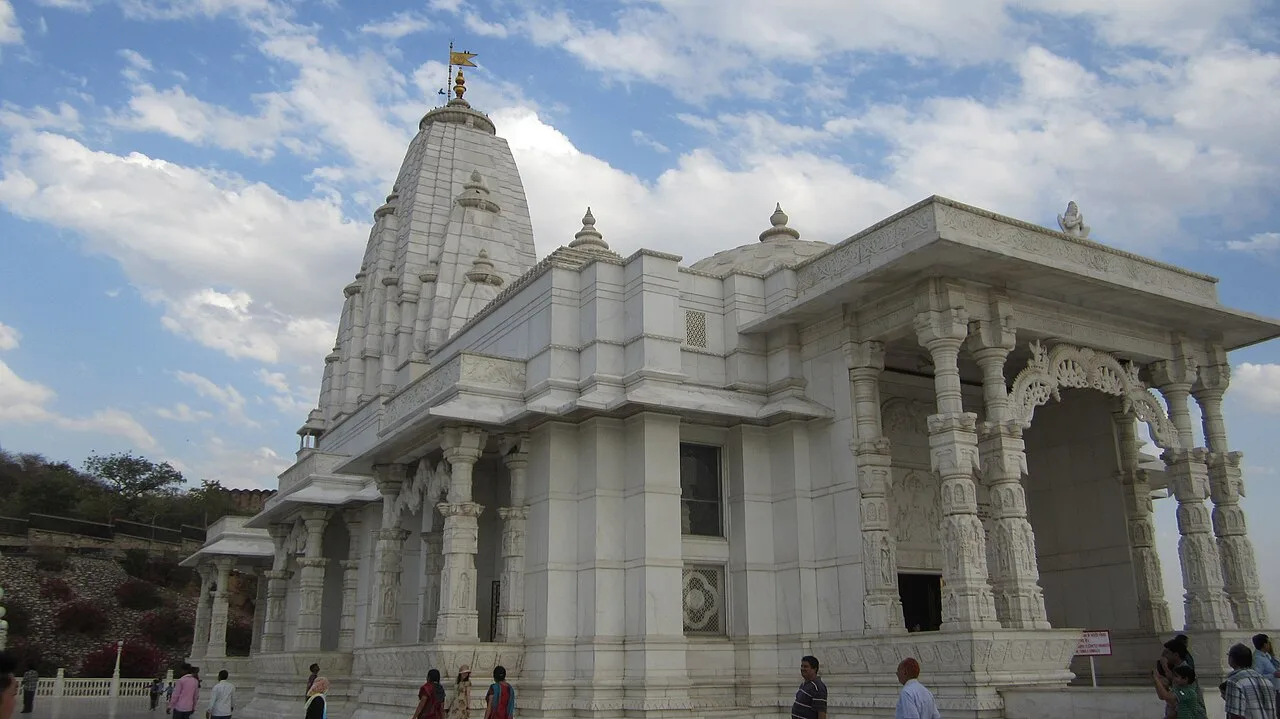
Birla Mandir

Birla Mandir, also known as Lakshmi Narayan Temple, is a Hindu place of worship in Jaipur, Rajasthan. Visitors come to worship and see its marble shrine and sacred images.

City Palace, Jaipur

34 km away · Jaipur district

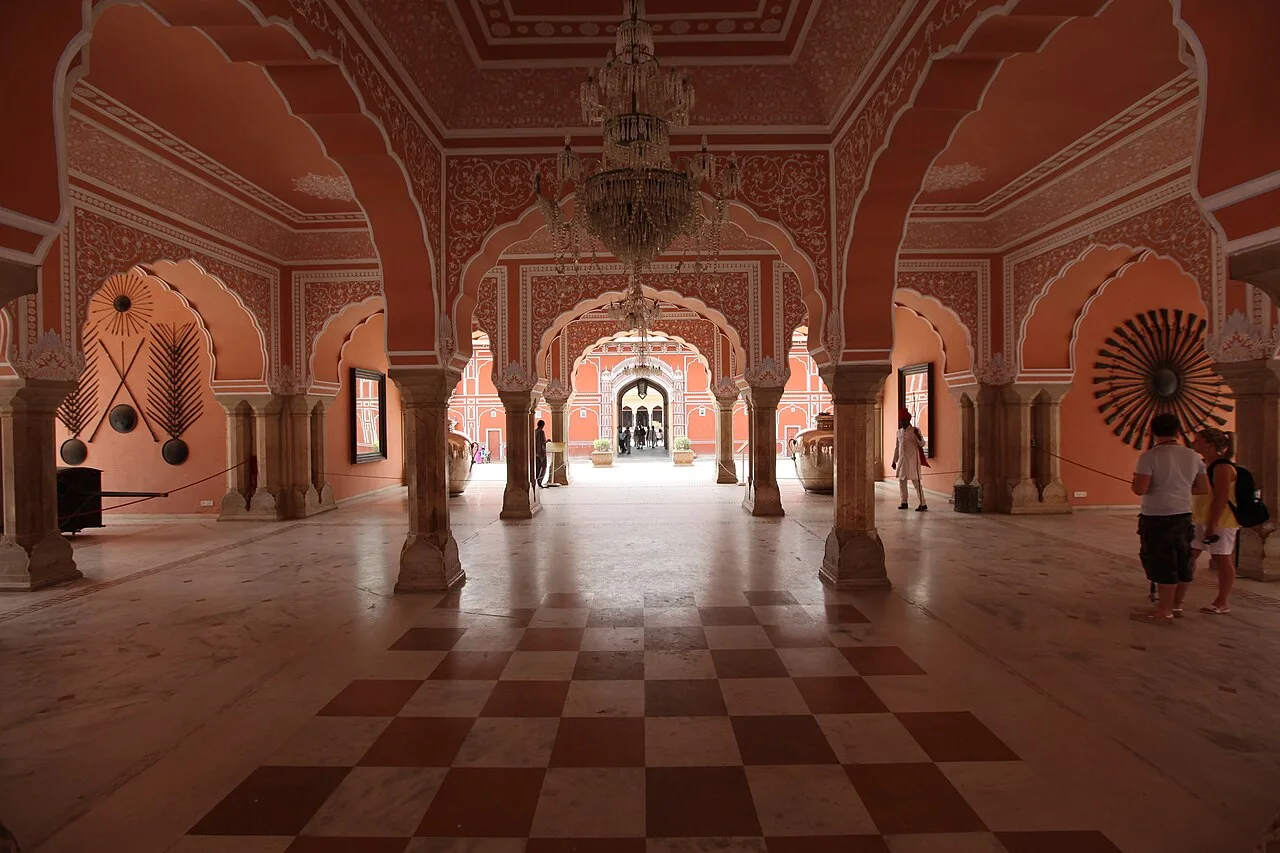
City Palace, Jaipur

A historic royal complex in Jaipur, the City Palace served the city’s rulers and remains the royal family’s home. Visitors come to see its architecture and explore the museum.

Hawa Mahal

34 km away · Jaipur district

Hawa Mahal

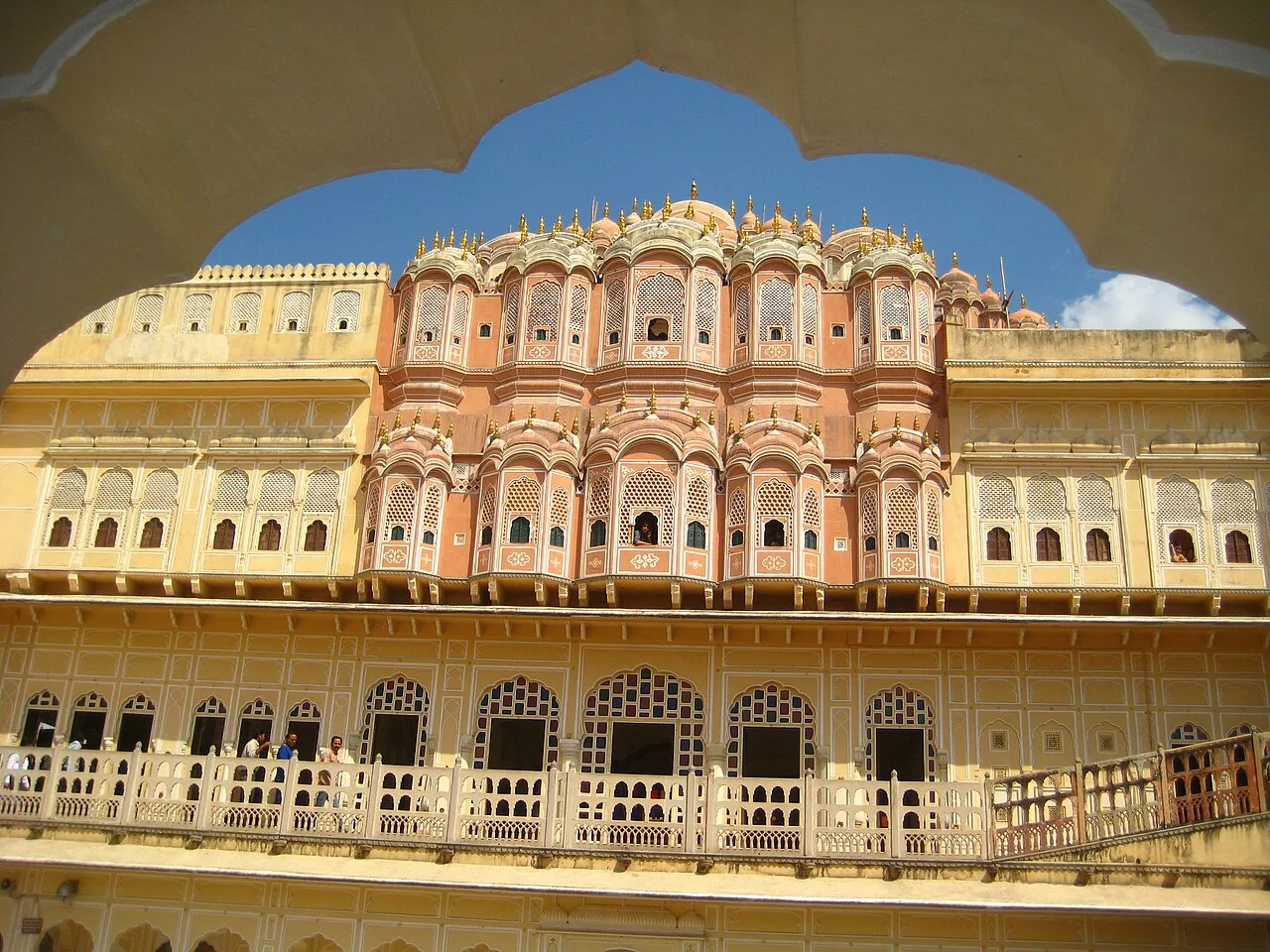
Hawa Mahal is a sandstone palace in Jaipur, recognised for its honeycomb façade and 953 lattice-screened jharokhas. Visitors come to see its distinctive design and learn how its openings provided privacy and ventilation.

Map

Banskhoh on the map

  1. 1Galtaji
  2. 2Bhangarh Fort
  3. 3Jal Mahal
  4. 4Albert Hall Museum
  5. 5Amber Fort
  6. 6Birla Mandir
  7. 7City Palace, Jaipur
  8. 8Hawa Mahal

Rajasthan

Other cities to explore