Ghumoopedia — Explore, Discover, Experience
Sign in
Nawalgarh, near Babai

City guide · Rajasthan

Babai

Babai is a small settlement in Rajasthan, where everyday life is shaped more by its surrounding rural community than by large visitor attractions or a nationally known commercial district. Its value to travellers lies in experiencing the quieter side of the state: village streets, local places of worship and the rhythms of farming and community life.

Famous for

  • Shekhawati regional setting
  • Rural Rajasthan life
  • Local worship traditions

Why Babai matters

Babai is a small settlement in Rajasthan, where everyday life is shaped more by its surrounding rural community than by large visitor attractions or a nationally known commercial district. Its value to travellers lies in experiencing the quieter side of the state: village streets, local places of worship and the rhythms of farming and community life. The wider Shekhawati region is known for its historic towns and distinctive architectural heritage, although that reputation should not be taken to mean that Babai itself has a documented group of landmark havelis or major tourist sites.

Babai should not be confused with Badbar, a separate village in Jhunjhunu District. Information associated with Badbar, including its reputation for residents serving in the armed and paramilitary forces, cannot safely be assigned to Babai. Visitors considering a stop here should treat it as a rural destination and confirm local access and points of interest before travelling. Its appeal is chiefly regional and community-based rather than that of a purpose-built sightseeing centre.
Famous for: crafts, trade & products

No widely established textile, saree, handicraft, GI-tagged product or large-scale industry is specifically associated with Babai. It is therefore best approached as a local settlement rather than as a destination for specialist shopping. Small shops and everyday markets, where present, cater primarily to residents; travellers looking for a wider range of goods should plan to shop in a larger nearby town rather than expect a dedicated craft bazaar in Babai.

The wider Shekhawati area has a strong heritage of painted architecture and merchant patronage, but these regional traditions should not be presented as products made or sold in Babai without local confirmation. For crafts, textiles and locally made souvenirs, ask residents or traders about current markets in the nearest larger town. Visitors interested in local commerce may find ordinary shops and weekly-market activity more informative than a formal shopping itinerary.

History

Its setting can be understood against the broader history of Shekhawati, a region of Rajasthan historically associated with princely-era estates and local chiefs. Towns across the region developed through agriculture, trade and the patronage of merchant families, leaving a notable architectural legacy in some places; this regional pattern should not be mistaken for evidence of particular monuments or ruling lineages in Babai.

During British rule, the area formed part of the patchwork of princely administrations in Rajputana, before the integration of Rajasthan after independence. In modern times, settlements such as Babai have remained part of a largely rural landscape, connected to surrounding towns for administration, education, transport and trade. More precise claims about Babai’s own past require local records or oral histories.

Food, festivals & culture

Daily culture in Babai is likely to reflect the wider rural traditions of Rajasthan and the Shekhawati region. Hindi is widely useful to visitors, alongside local Rajasthani speech varieties. Meals across the region commonly draw on grains, pulses, dairy and stored ingredients suited to a dry climate; dishes such as bajra roti, dal and ker-sangri are regional examples, not guaranteed Babai specialities. Sweets and snacks are generally found through local household cooking and ordinary shops rather than a known destination food scene.

Holi in spring, Teej and Gangaur during the warmer months, and Diwali in autumn are important across Rajasthan, with local observance varying by community and year. Village temples and other places of worship often serve as gathering points, but no particular shrine in Babai is established here as a major pilgrimage site. Folk songs, devotional music and community celebrations are part of the region’s cultural life; visitors should ask locally about events taking place during their stay.

Visiting the city

The cooler months, roughly November to February, are generally the most comfortable for visiting rural Rajasthan. Jaipur International Airport is the main named airport option for reaching the region, followed by a road journey. Jhunjhunu railway station is a regional railhead to consider; Babai may require onward travel by road, and visitors should confirm the best connection for the exact village before setting out.

Local travel is most practical by car or hired taxi, with buses or shared vehicles depending on the route and day. Babai is better suited to a short, locally arranged visit than to a sightseeing itinerary. Explore the settlement respectfully on foot, ask before photographing residents or homes, and seek directions to any functioning village temples or nearby markets. Use a larger nearby town for accommodation and broader services if these are not available locally.

Trips from the city

Nearest places to visit from Babai

Our closest destination guides, by straight-line distance.

Nawalgarh

49 km away · Jhunjhunu district

Nawalgarh

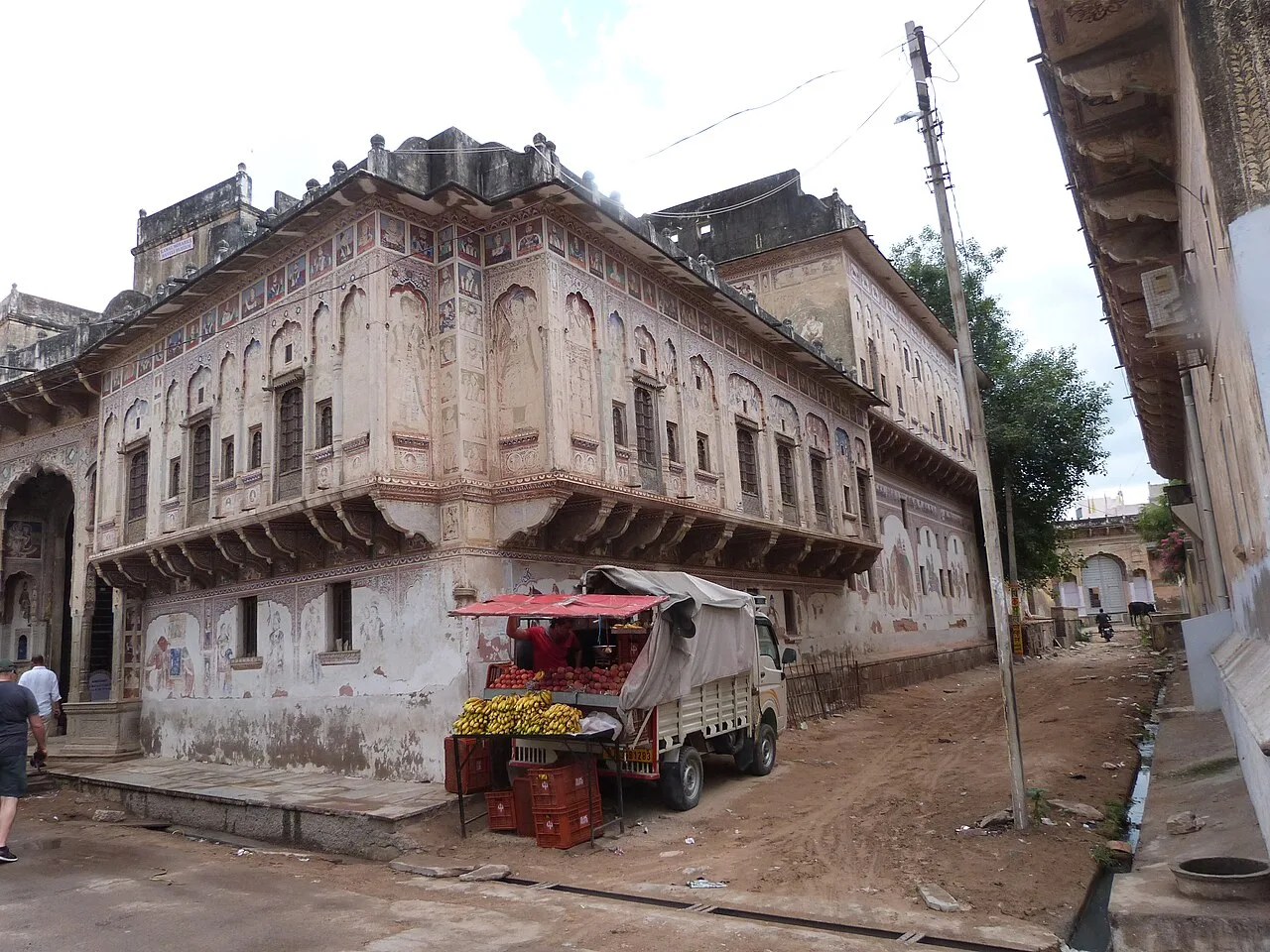
Nawalgarh is a heritage city in Rajasthan’s Shekhawati region, within Jhunjhunu district. Visitors are drawn by its heritage character, and it is 30.5 km from Sikar and 39.2 km from Jhunjhunu.

Mandawa

63 km away · Jhunjhunu district

Mandawa

Mandawa is a town in Rajasthan’s Jhunjhunu district, within the Shekhawati region. Travellers visit it as part of journeys through the region and nearby Jhunjhunu.

Khatu Shyam Temple

68 km away · Sikar district

Khatu Shyam Temple

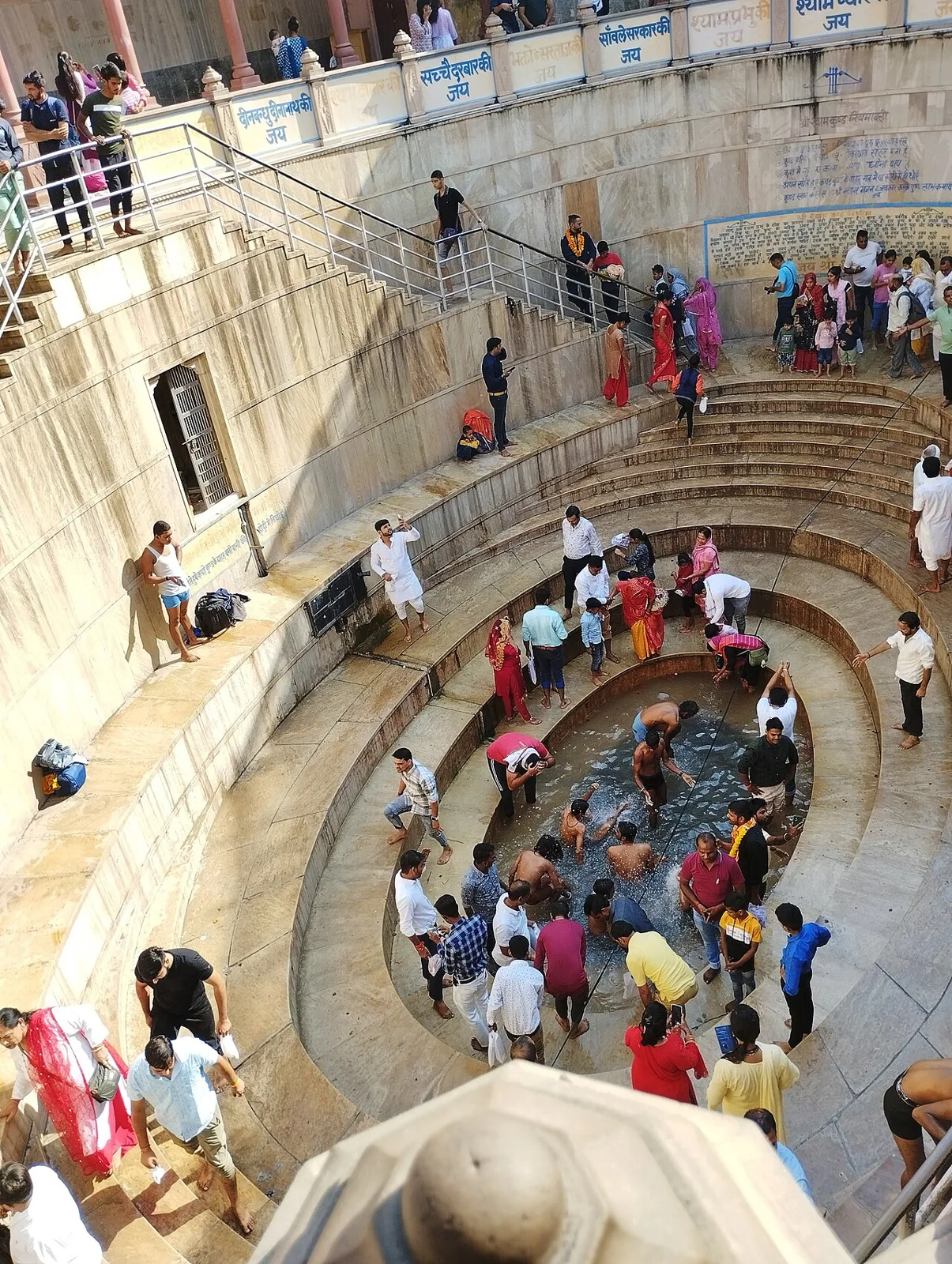
In KhatuShyamJi town, Rajasthan, this Hindu shrine honours Khatu Shyam, believed to be a divine manifestation of Barbareek from the Mahabharat. Pilgrims visit throughout the year, especially for the Falgun Mela.

Samode

76 km away · Jaipur district

Samode

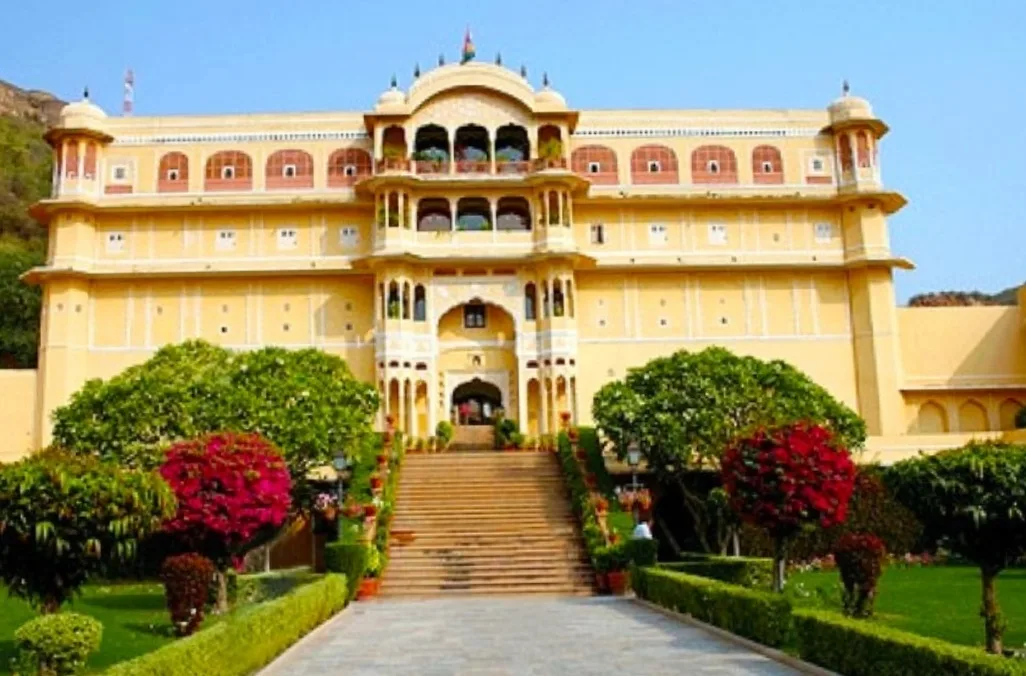
Samode is a village in Rajasthan’s Aravalli hills, north-west of Jaipur. Visitors come for its palace, haveli and garden, historic properties now operated as heritage hotels.

Siliserh Lake

85 km away · Alwar district

Siliserh Lake

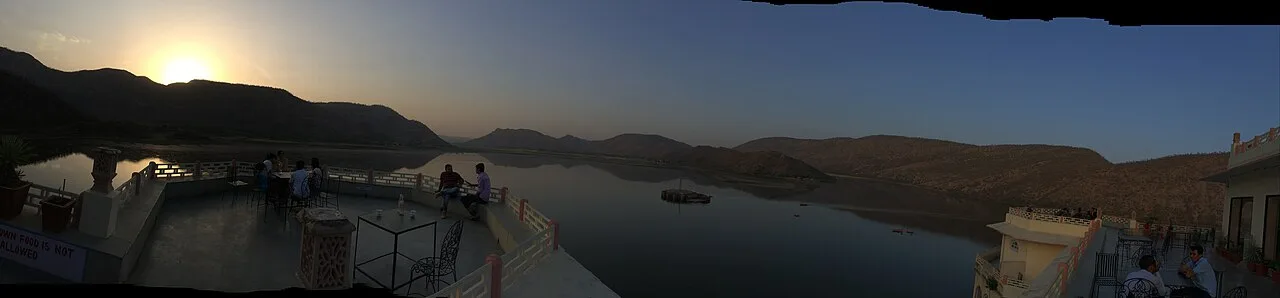
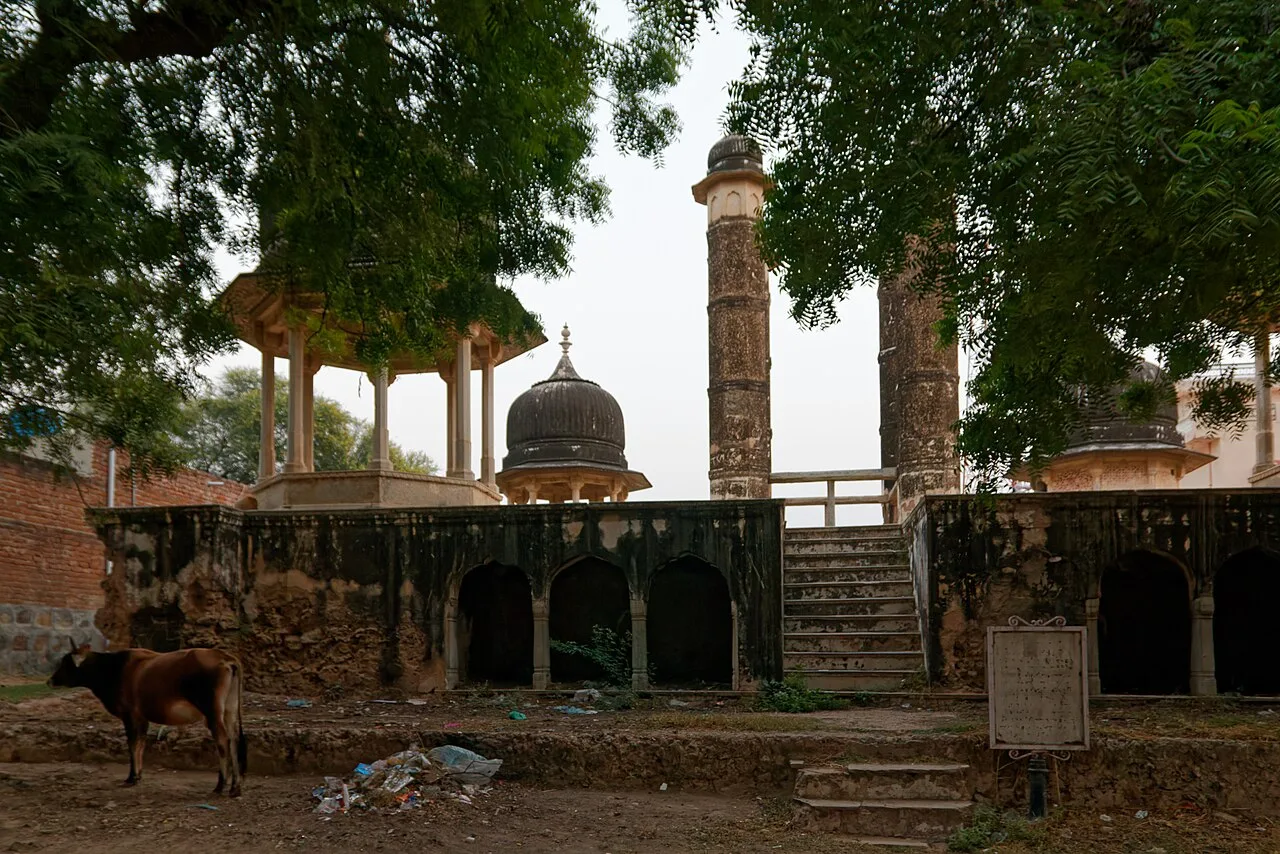
Siliserh Lake is an artificial lake in Rajasthan, southwest of Alwar, with wooded banks and cenotaphs along its embankment that visitors come to see.

Sariska Tiger Reserve

92 km away · Alwar district

Sariska Tiger Reserve

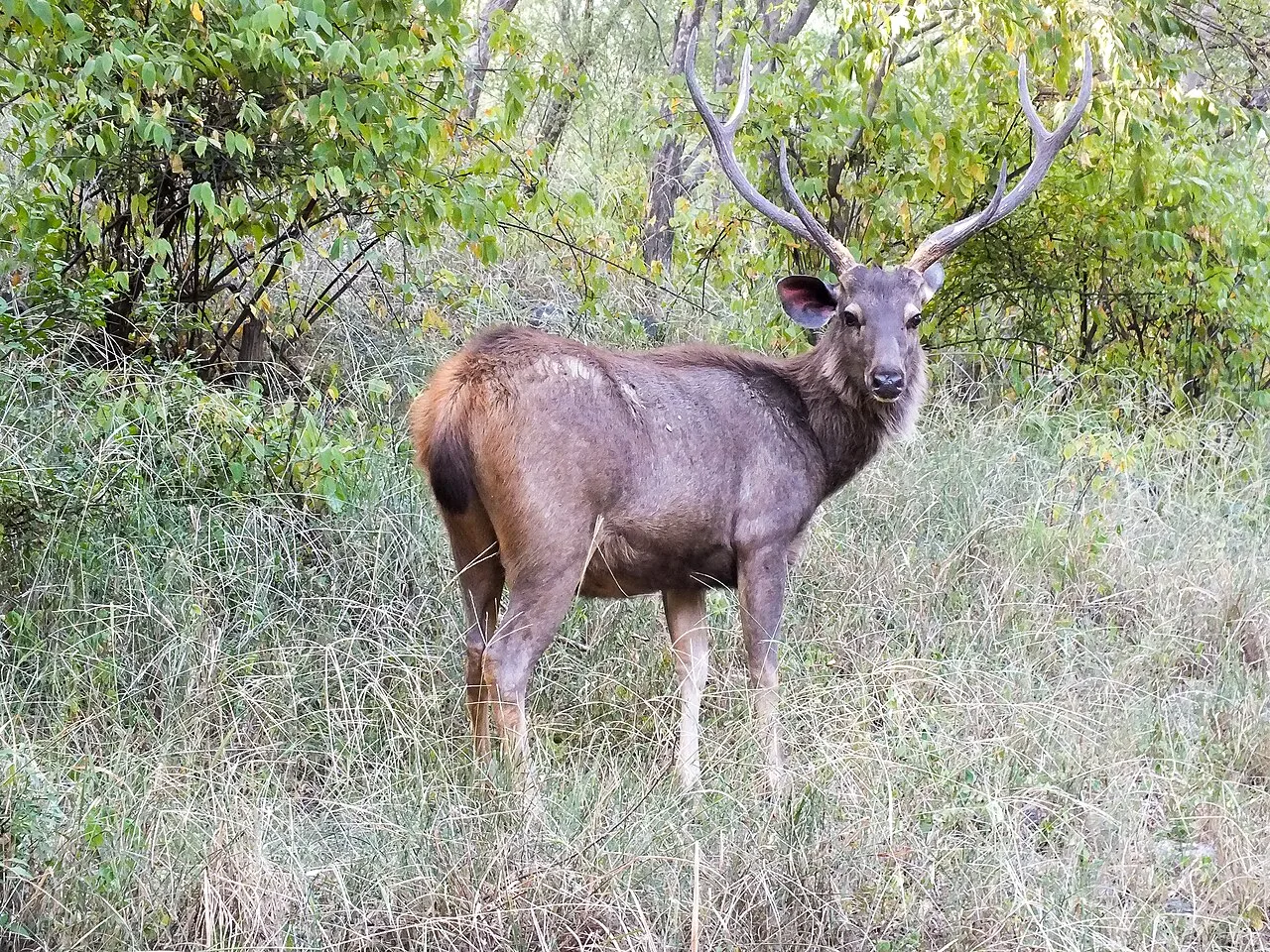
Sariska Tiger Reserve, in Rajasthan’s Alwar district, is a protected area with tiger-reserve status and varied forest, grassland and rocky habitats. Visitors come to experience its wildlife and conservation setting.

Amber Fort

101 km away · Jaipur district

Amber Fort

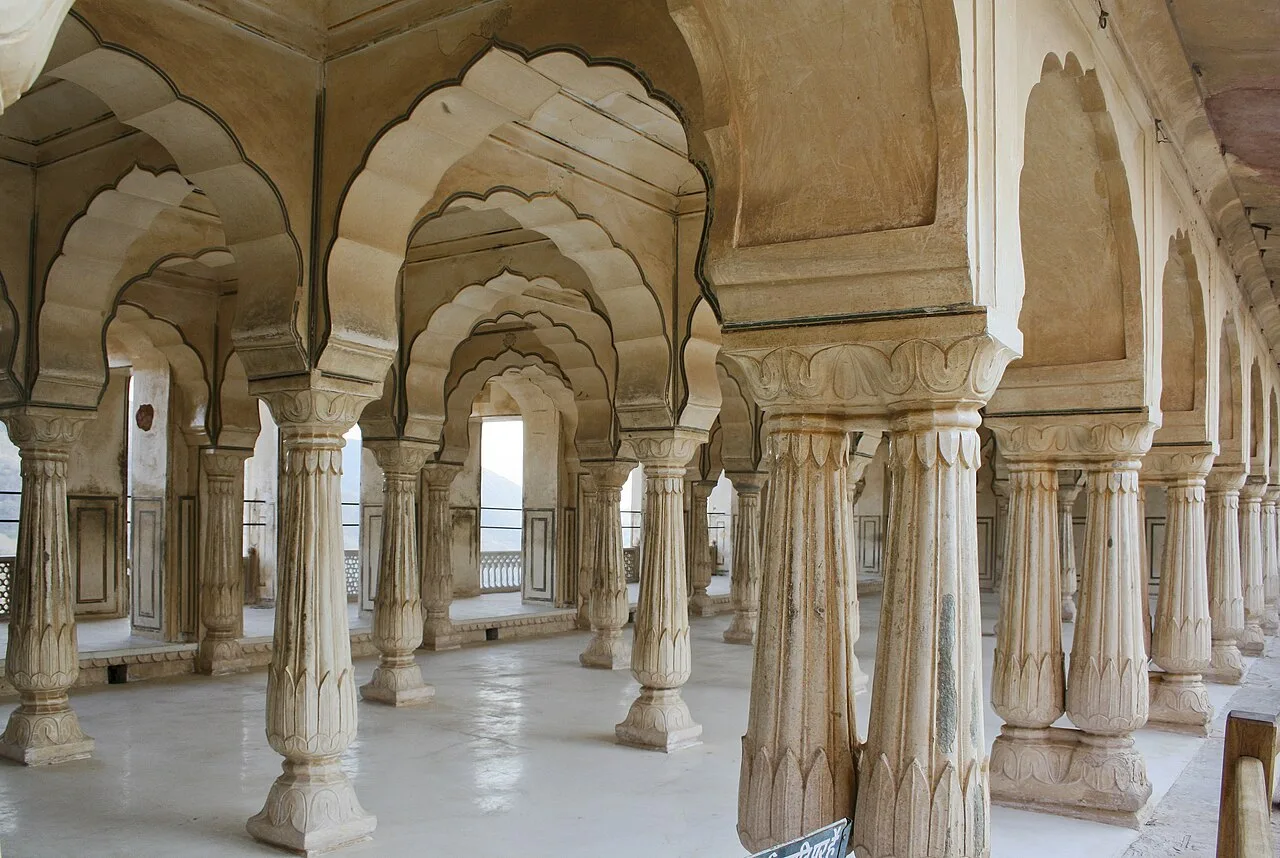
Amber Fort, also known as Amer Palace, is a hilltop fort in Amer, Rajasthan. Visitors explore its Rajput and Mughal-influenced design, palace halls and setting above Maota Lake.

Jaigarh Fort

101 km away · Jaipur district

Jaigarh Fort

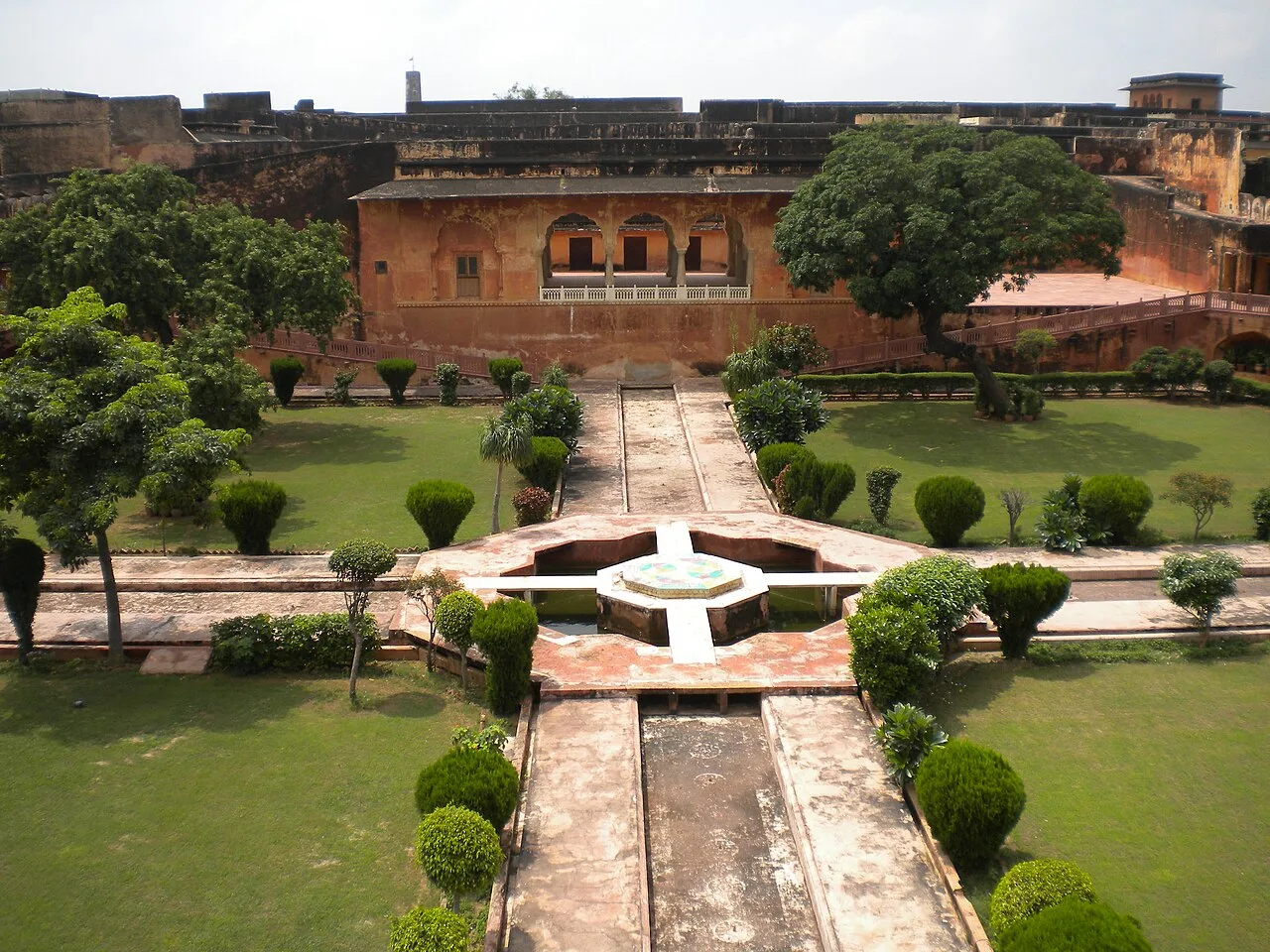
Near Amer in Rajasthan, Jaigarh Fort occupies a hilltop above Amer Fort and Maota Lake. Visitors come to see its historic fortifications, its connection to Amer Fort and the Jaivana cannon.

Map

Babai on the map

  1. 1Nawalgarh
  2. 2Mandawa
  3. 3Khatu Shyam Temple
  4. 4Samode
  5. 5Siliserh Lake
  6. 6Sariska Tiger Reserve
  7. 7Amber Fort
  8. 8Jaigarh Fort

Rajasthan

Other cities to explore