Ghumoopedia — Explore, Discover, Experience
Sign in

City guide · Rajasthan

Bhiwadi

Bhiwadi is a planned city in Rajasthan’s Khairthal-Tijara district, on the state’s border with Haryana and within the National Capital Region. Its importance comes chiefly from its role as an industrial and employment centre linked to the wider Delhi–Gurugram–Rewari corridor.

Famous for

  • Planned industrial city
  • Automobile manufacturing
  • Steel and metal industries
  • Japanese and Taiwanese firms
  • Delhi-NCR border location

Why Bhiwadi matters

Bhiwadi is a planned city in Rajasthan’s Khairthal-Tijara district, on the state’s border with Haryana and within the National Capital Region. Its importance comes chiefly from its role as an industrial and employment centre linked to the wider Delhi–Gurugram–Rewari corridor. Large and small businesses operate across its industrial, commercial and residential zones, with activity ranging from steel and metal production to automobile and electronics manufacturing. Japanese and Taiwanese companies are among the international businesses associated with the city.

Bhiwadi is not a conventional heritage-tourism destination, but it can be useful for business travel and as a base for exploring parts of northeastern Rajasthan and southern Haryana. Its location also puts it within reach of larger regional centres and attractions such as Alwar and Sariska Tiger Reserve, though these require separate journeys. Visitors should be aware that air quality can be poor, particularly at some times of year, and check current conditions before planning outdoor activities. The city’s character is shaped more by industry, migration and ongoing urban growth than by a concentrated old-town or monument district.
Famous for: crafts, trade & products

Bhiwadi is best known for manufacturing and industrial trade rather than a distinctive craft, textile or food product. Its industrial estates host businesses in fields including steel and metal processing, automobiles, electronics and related manufacturing. Japanese and Taiwanese firms contribute to its international business profile. These goods are generally made for industrial supply chains and are not usually presented as visitor-oriented products in a central craft bazaar.

There is no widely established Bhiwadi-specific GI-tagged product or signature saree tradition to seek out. For everyday shopping, visitors can use the city’s commercial areas and neighbourhood markets for clothing, groceries, household needs and prepared food; the exact mix varies by locality. Industrial zones are workplaces, not sightseeing markets, and access or retail options may be limited. Travellers looking for Rajasthan’s better-known handicrafts, textiles or heritage shopping may find a broader selection in established tourist centres elsewhere in the state. In Bhiwadi, the most representative local “trade” experience is its modern industrial landscape and the businesses serving workers and residents, rather than a historic marketplace or specialist artisan quarter.

History

Bhiwadi’s modern story is primarily one of planned urban and industrial development. Unlike Rajasthan’s prominent former princely capitals and historic towns, it is not widely known for a substantial old royal centre, palace complex or a distinct colonial-era urban quarter. Its growth has been shaped more by its strategic position near the Haryana border and its connection to the expanding Delhi–Gurugram regional economy.

Industrial estates and supporting commercial and residential areas developed together, giving the city a planned, zoned character. Manufacturing brought employment and encouraged migration, while road connections helped link Bhiwadi with nearby towns and larger markets. The presence of international companies, including Japanese and Taiwanese firms, reflects its place in contemporary industrial networks. Today it is part of Khairthal-Tijara district and the National Capital Region, and continues to grow as a centre for production and regional business. Visitors seeking a detailed account of older rulers or colonial events will find that Bhiwadi’s best-known history is its relatively recent transformation into an industrial city.

Food, festivals & culture

Bhiwadi’s everyday culture reflects its mixed workforce and its location between Rajasthan and Haryana. Hindi is widely used, alongside regional speech forms and languages brought by people who have moved here for work. Food is similarly varied: local eateries and homes serve familiar North Indian meals, with Rajasthani and Haryanvi influences alongside dishes from other parts of India. Sweets and snacks are readily found in neighbourhood shops, though Bhiwadi is not especially known for a signature sweet or regional food product.

Holi, Diwali and Navratri are commonly observed, while Teej reflects Rajasthan’s seasonal and devotional traditions. Eid and Gurpurab are also marked by communities in the city. The festival calendar often follows the wider North Indian pattern, with celebrations taking place according to the lunar calendar rather than fixed dates. Temples, mosques and gurdwaras serve local residents and provide places for worship and community gatherings. Music and dance are diverse rather than centred on a single local performance tradition; folk forms from Rajasthan and neighbouring Haryana may be heard alongside popular Hindi music and devotional singing.

Visiting the city

The cooler months, roughly October to March, are generally the most comfortable for visiting. Summers can be very hot, and air quality may be poor, so check current conditions before making outdoor plans. Indira Gandhi International Airport in Delhi is the nearest major airport, about 55 km away. Rewari Junction is the nearest major railway station, around 26 km from Bhiwadi.

Road access is via the Delhi–Jaipur highway corridor and routes through Dharuhera; journeys can be affected by traffic. Taxis and other local transport can be used to move between residential, commercial and industrial zones, which are spread across the city. For a brief visit, explore the commercial areas for everyday shops and dining, and observe the industrial districts from public roads rather than expecting a historic centre or visitor-focused craft quarter. Alwar and Sariska are regional excursions, not neighbourhood stops.

Trips from the city

Nearest places to visit from Bhiwadi

Our closest destination guides, by straight-line distance.

Siliserh Lake

82 km away · Alwar district

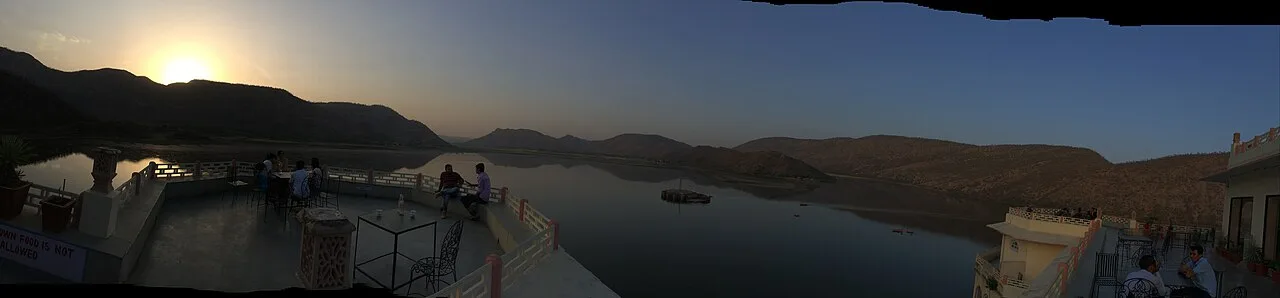
Siliserh Lake

Siliserh Lake is an artificial lake in Rajasthan, southwest of Alwar, with wooded banks and cenotaphs along its embankment that visitors come to see.

Deeg Palace

94 km away · Bharatpur district

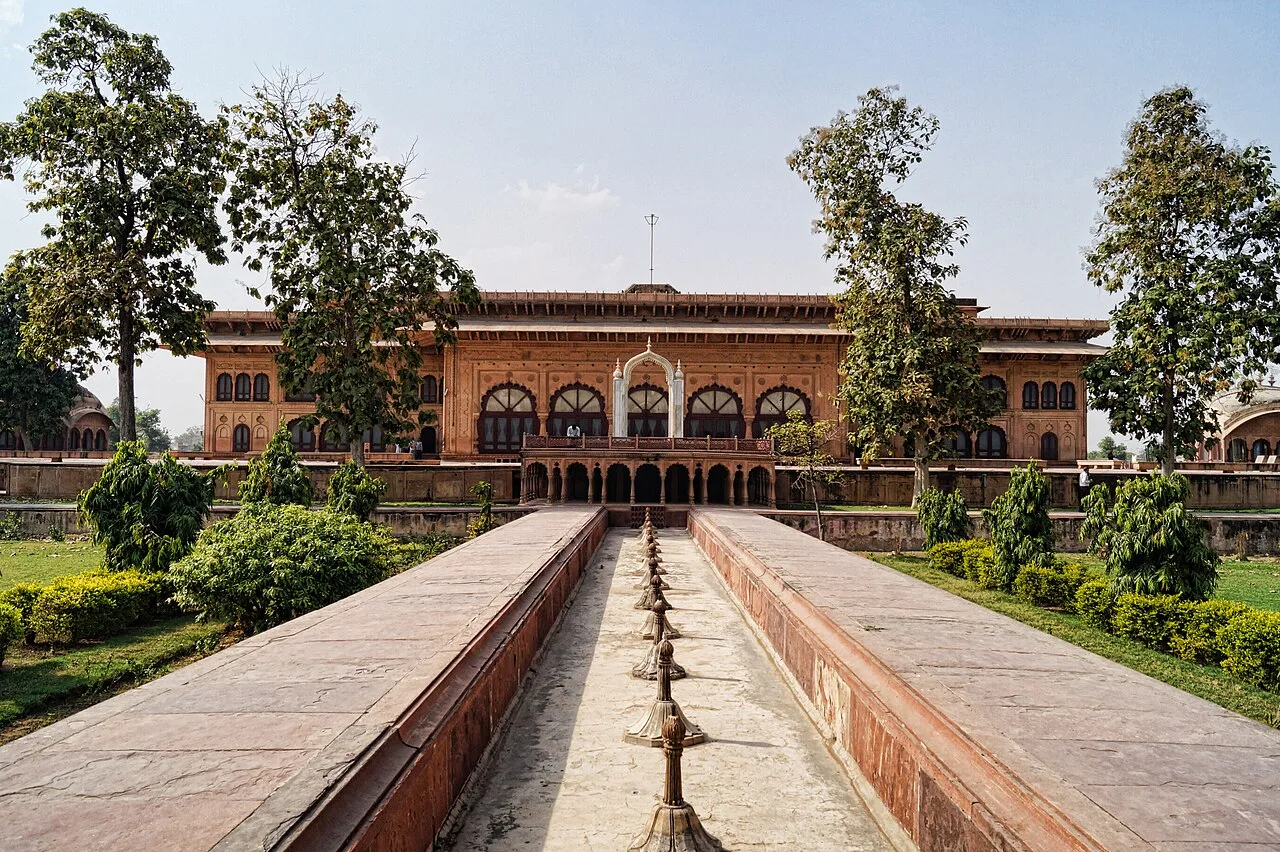
Deeg Palace

Deeg Palace is an eighteenth-century royal summer residence in Rajasthan; visitors come to see its Mughal and Rajput design and learn about its former defensive role.

Sariska Tiger Reserve

108 km away · Alwar district

Sariska Tiger Reserve

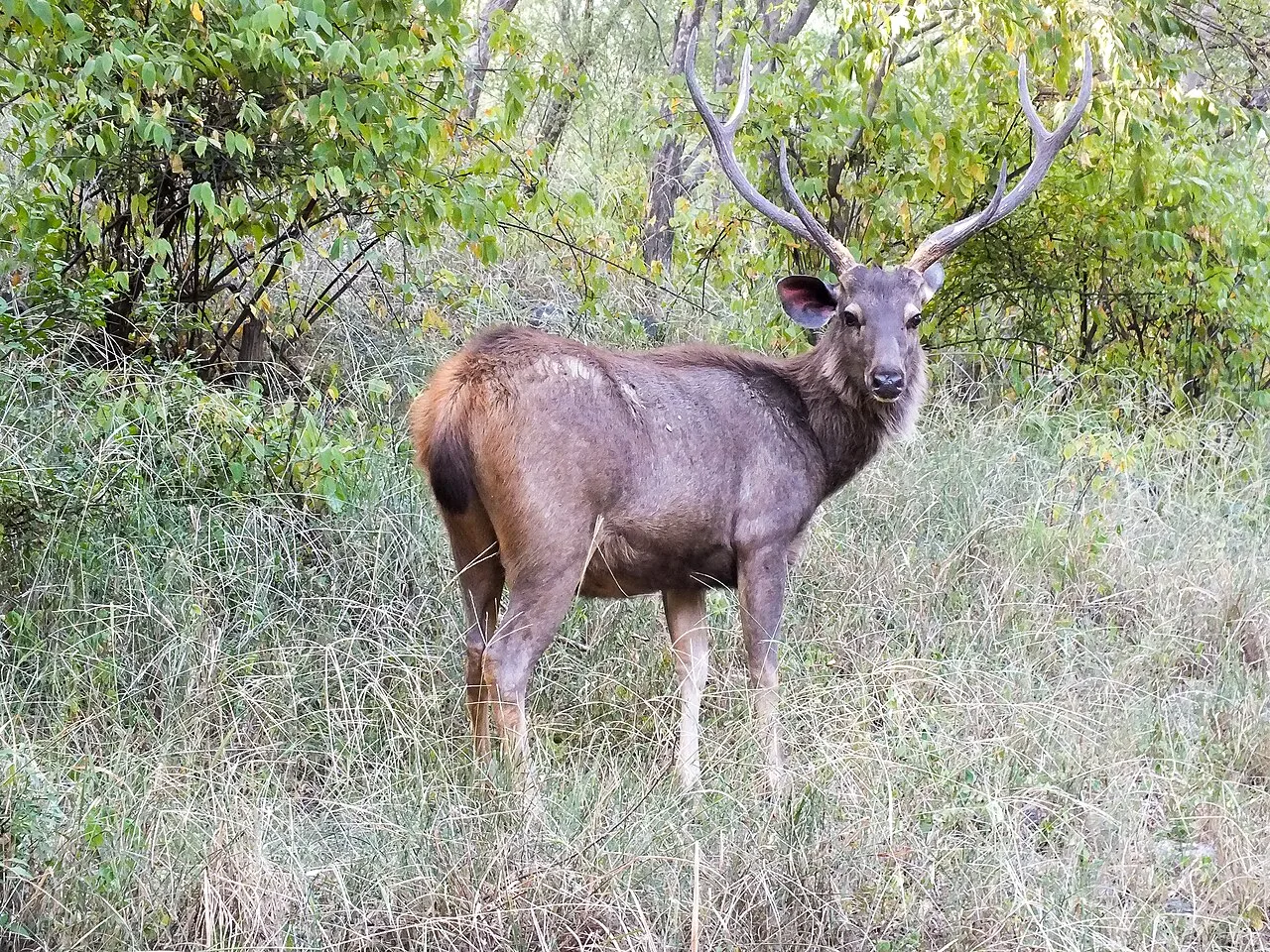
Sariska Tiger Reserve, in Rajasthan’s Alwar district, is a protected area with tiger-reserve status and varied forest, grassland and rocky habitats. Visitors come to experience its wildlife and conservation setting.

Lohagarh Fort

127 km away · Bharatpur district

Lohagarh Fort

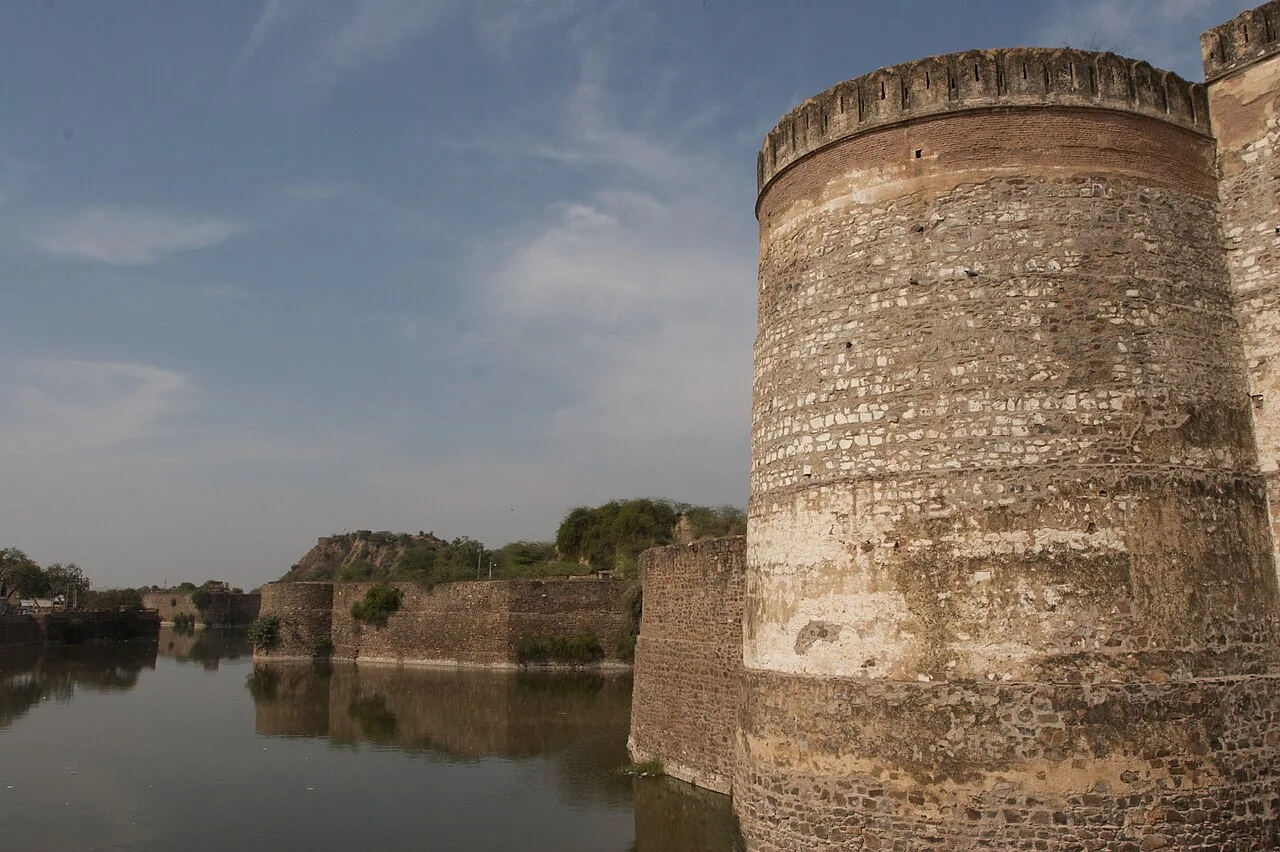
Lohagarh Fort is an eighteenth-century stronghold in Bharatpur, Rajasthan, commissioned by Maharaja Suraj Mal in 1732. Visitors learn about its resistance to British attacks and its eventual capture.

Keoladeo National Park

133 km away · Bharatpur district

Keoladeo National Park

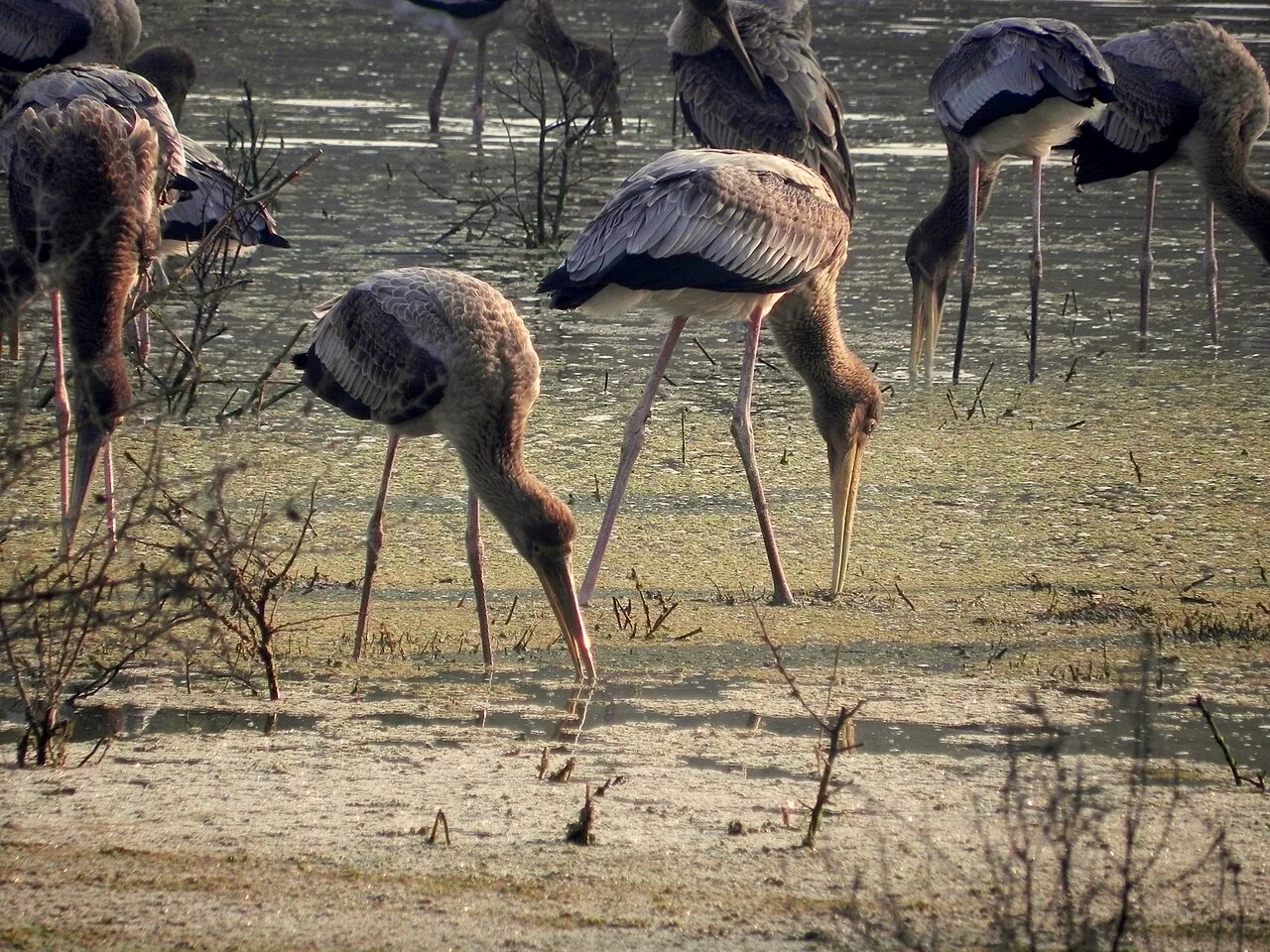
Keoladeo National Park is a wetland and wildlife reserve in Bharatpur district, Rajasthan. Visitors come to see its varied birdlife, particularly the many species that gather there during winter.

Bhangarh Fort

136 km away · Alwar district

Bhangarh Fort

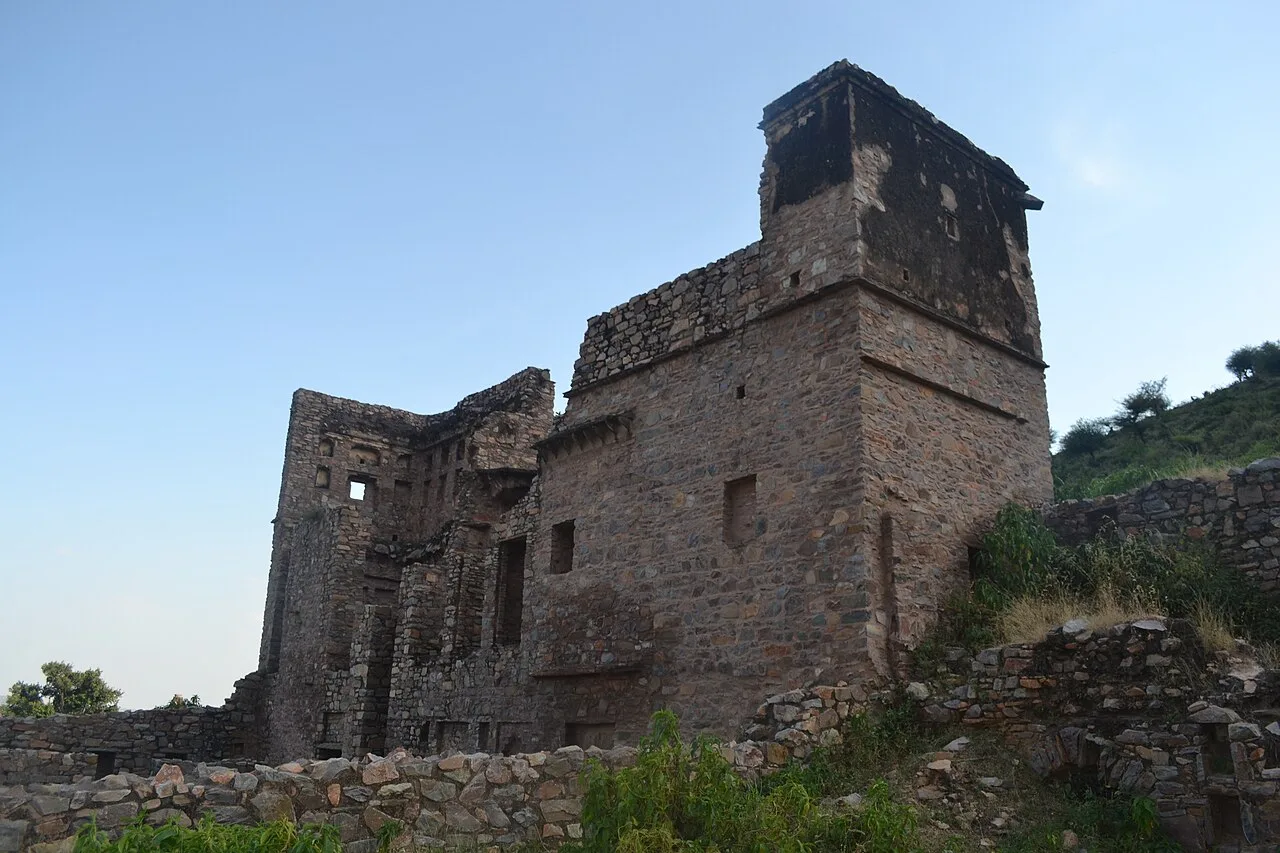
Dating to the sixteenth century, Bhangarh Fort in Rajasthan is linked to Madho Singh’s residence. Visitors come to view the preserved fort and its surrounding precincts.

Chand Baori

136 km away · Dausa district

Chand Baori

In Abhaneri, Chand Baori is a historic Rajasthan stepwell known for its depth and tiered stairways. Visitors come to see its inverted-pyramid layout and large reservoir.

Mehandipur Balaji Temple

141 km away · Dausa district

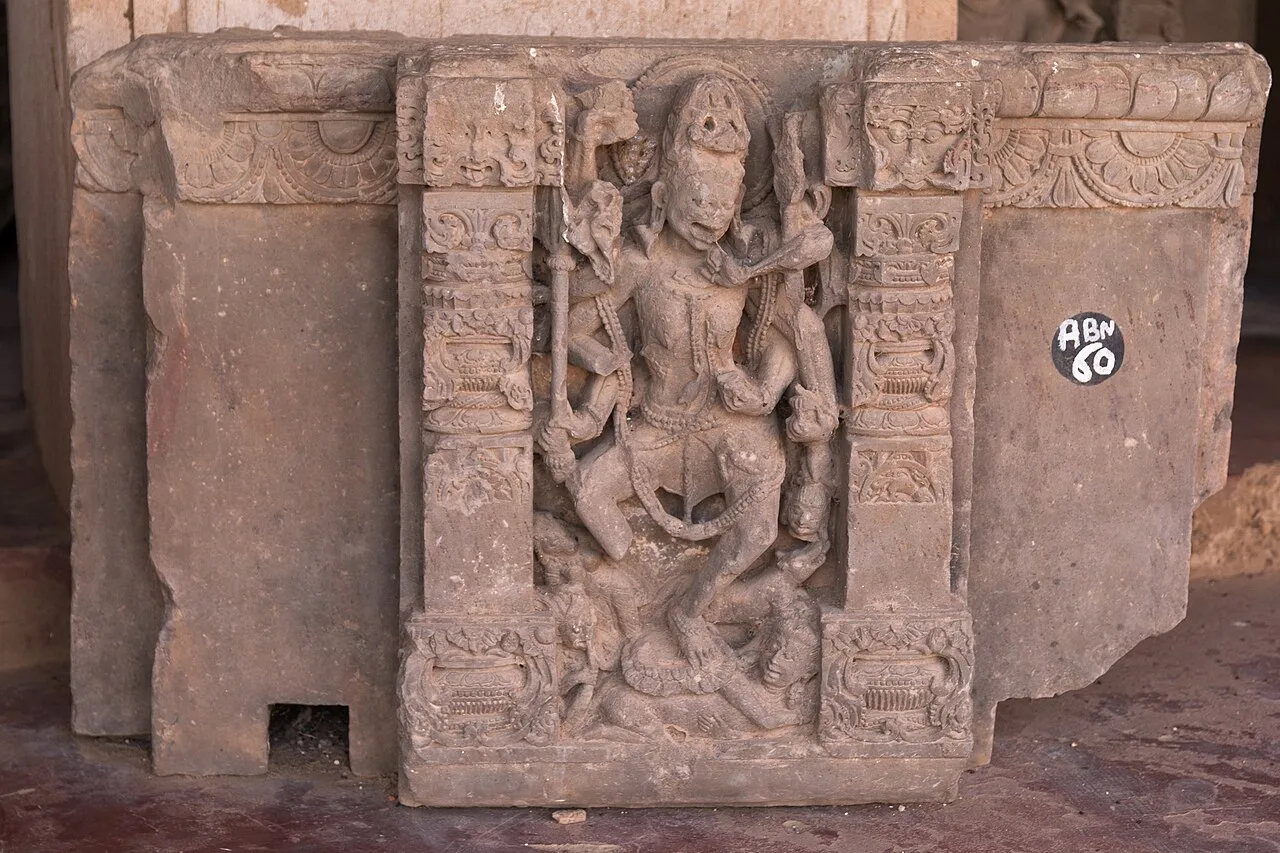
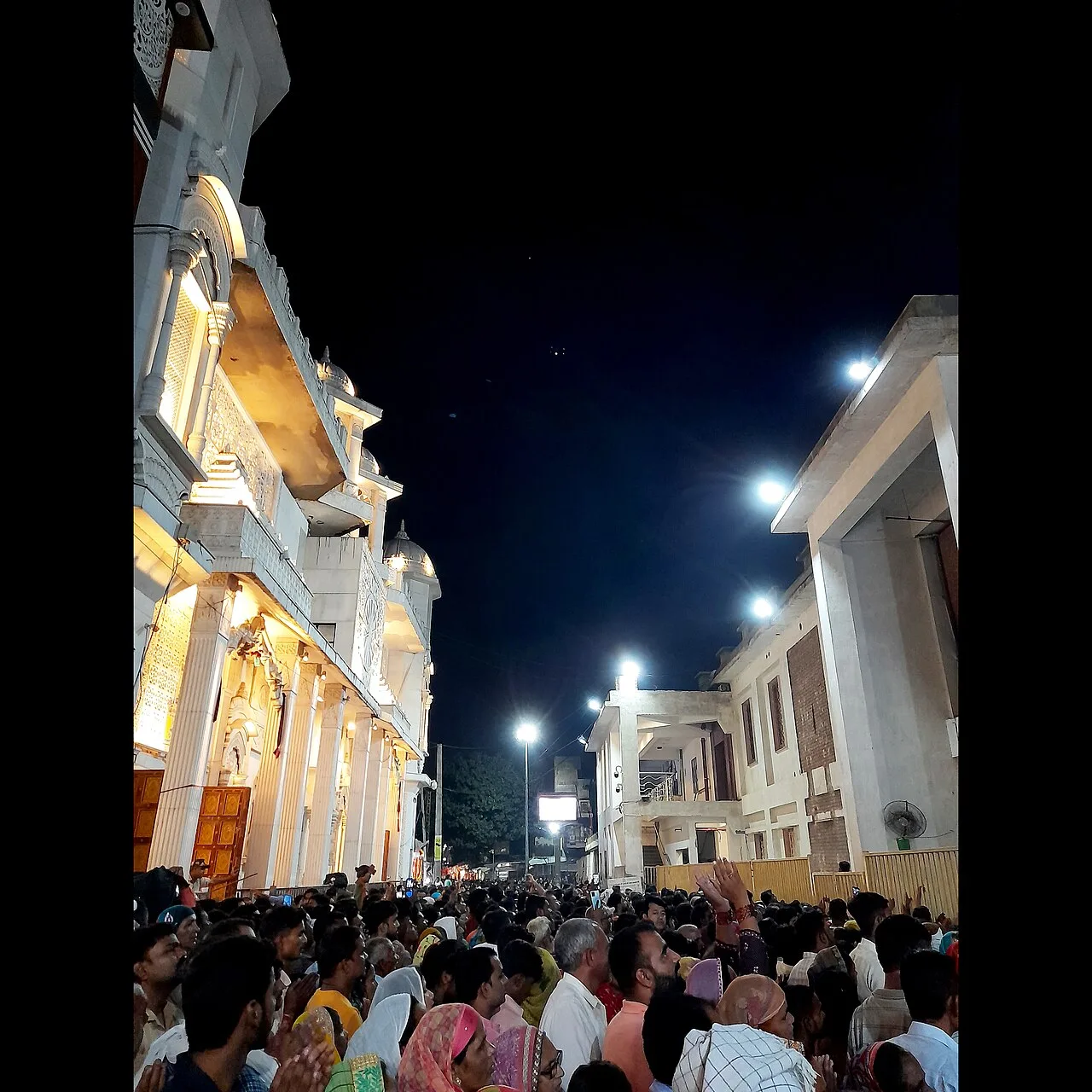
Mehandipur Balaji Temple

In Rajasthan’s Dausa district, Mehandipur Balaji Temple is a Hindu place of worship devoted to Hanuman. Pilgrims visit for its reputation for ritual healing and ceremonies to remove evil spirits.

Map

Bhiwadi on the map

  1. 1Siliserh Lake
  2. 2Deeg Palace
  3. 3Sariska Tiger Reserve
  4. 4Lohagarh Fort
  5. 5Keoladeo National Park
  6. 6Bhangarh Fort
  7. 7Chand Baori
  8. 8Mehandipur Balaji Temple

Rajasthan

Other cities to explore