Ghumoopedia — Explore, Discover, Experience
Sign in
Tal Chhapar Sanctuary, near Didwana

City guide · Rajasthan

Didwana

Didwana is a historic town in Rajasthan’s Marwar region and today serves as the headquarters of Didwana-Kuchaman district. Its setting beside Didwana Salt Lake gives the city a distinctive landscape, while its position between regional centres has long made it a local hub for administration, trade and travel.

Famous for

  • Didwana Salt Lake
  • Marwar gateway
  • Marwari language
  • District headquarters
  • Jodhpur–Delhi rail link

Why Didwana matters

Didwana is a historic town in Rajasthan’s Marwar region and today serves as the headquarters of Didwana-Kuchaman district. Its setting beside Didwana Salt Lake gives the city a distinctive landscape, while its position between regional centres has long made it a local hub for administration, trade and travel. It is also associated with the traditional epithets “the lion gateway of Marwar” and “the archway of Merta.”

Visitors are drawn by the salt lake, the character of the old town and the chance to experience everyday life in a smaller Rajasthani city. Didwana is also a useful stop for travellers moving through the region by road or rail. Marwari is widely spoken, alongside Hindi, and local markets and neighbourhoods offer a window onto regional customs. Its status changed in 2023, when it became the headquarters of a separate district after previously being administered within Nagaur district.
Famous for: crafts, trade & products

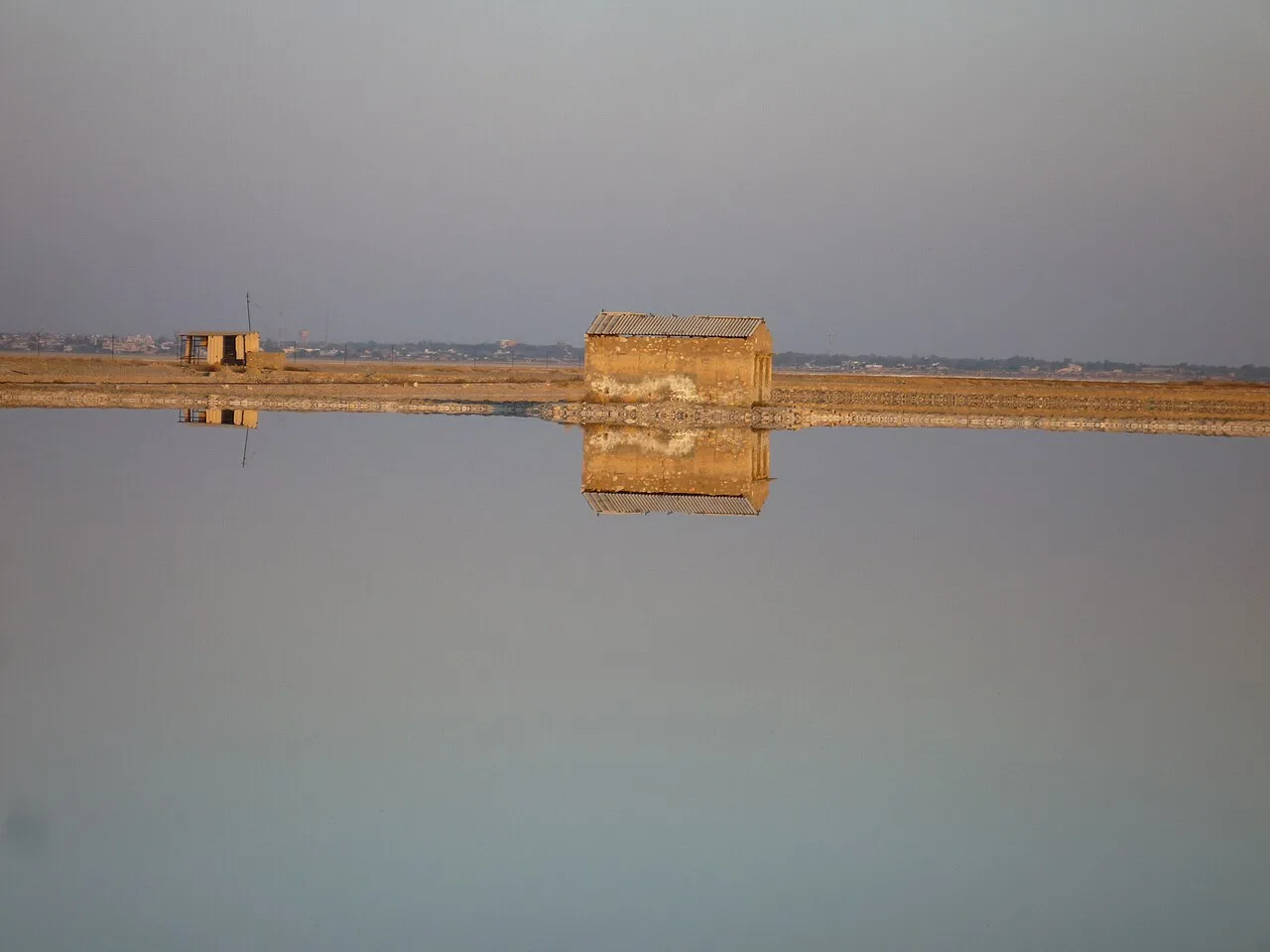
Didwana’s clearest local product association is its saline lake and the salt landscape around it. The lake has a history of salt production, although visitors should not assume that every lakeside area is an operating works or open for unrestricted access. The town is not widely identified with a single signature textile, handicraft or GI-tagged product; its role is more that of a regional service and market centre.

The central bazaar and neighbourhood shops are practical places to look for everyday Rajasthani clothing, household goods, snacks and locally traded provisions. These are useful for experiencing the town’s commercial life rather than for seeking a specialist craft market. As district headquarters, Didwana also has government offices and civic institutions that serve surrounding settlements. Visitors looking for a particular artisan, product or salt-related activity should check locally before making a special trip, since availability and access can vary.

History

Didwana’s past is linked to the wider history of Marwar and to its location beside a major salt lake. Puranic traditions associate the place with the names Abhanagri and Upakashi, though such references belong to the town’s historical and religious lore rather than a fully documented modern chronology. Its traditional descriptions as a gateway to Marwar and an archway to Merta reflect its place in regional routes and connections.

During the colonial period, this part of Rajasthan was shaped by princely-state administration. In more recent administrative history, Didwana functioned as a subdistrict within Nagaur district. Rail connectivity on the Jodhpur–Delhi broad-gauge route helped link the town with other parts of the region and supported its role as a local centre. On 4 August 2023, Didwana became the headquarters of the newly established Didwana-Kuchaman district, marking a significant change in its administrative importance.

Food, festivals & culture

Daily life in Didwana reflects the customs of the Marwar region. Marwari is the principal local language, and Hindi is also commonly used. Meals draw on familiar Rajasthani flavours: visitors may find dishes such as dal baati churma, gatte preparations and seasonal vegetable dishes, alongside tea, savoury snacks and sweets. These are regional favourites rather than dishes unique to Didwana; availability varies between eateries and seasons.

Holi, usually in spring, and Diwali, in autumn, are widely observed, while Teej and Gangaur bring seasonal celebrations associated with Rajasthan. Eid is also marked by the town’s Muslim community. Folk music and dance traditions such as songs accompanied by regional instruments and performances of ghoomar belong to the wider cultural setting, though they are not necessarily staged for visitors. Neighbourhood temples and mosques serve as places of worship and community gathering; respectful dress and observance are appreciated.

Visiting the city

The cooler months, roughly October to March, are generally the most comfortable time to visit; summer can be very hot. Kishangarh Airport is a nearby air gateway, while Jaipur and Jodhpur offer alternatives with broader connections. Didwana Railway Station lies on the Jodhpur–Delhi broad-gauge route and is the main rail stop for the city.

Auto-rickshaws and local taxis are useful for getting around, and the central market area is best explored on foot. Allow time for the older neighbourhoods, the bazaar and views toward Didwana Salt Lake. The lake is a working and natural landscape, so check locally about access and avoid entering restricted areas. District offices and newer civic areas show the town’s present-day administrative role.

Trips from the city

Nearest places to visit from Didwana

Our closest destination guides, by straight-line distance.

Tal Chhapar Sanctuary

46 km away · Churu district

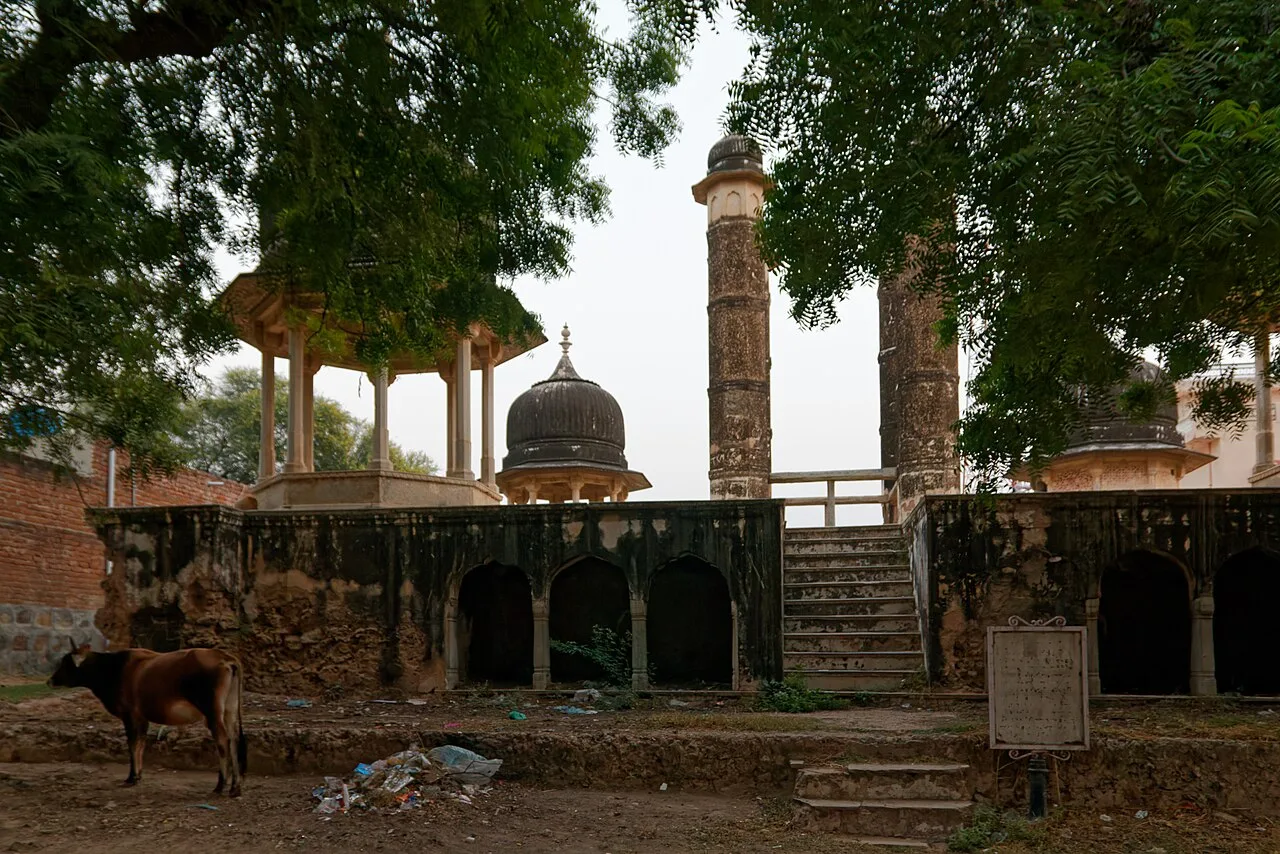
Tal Chhapar Sanctuary

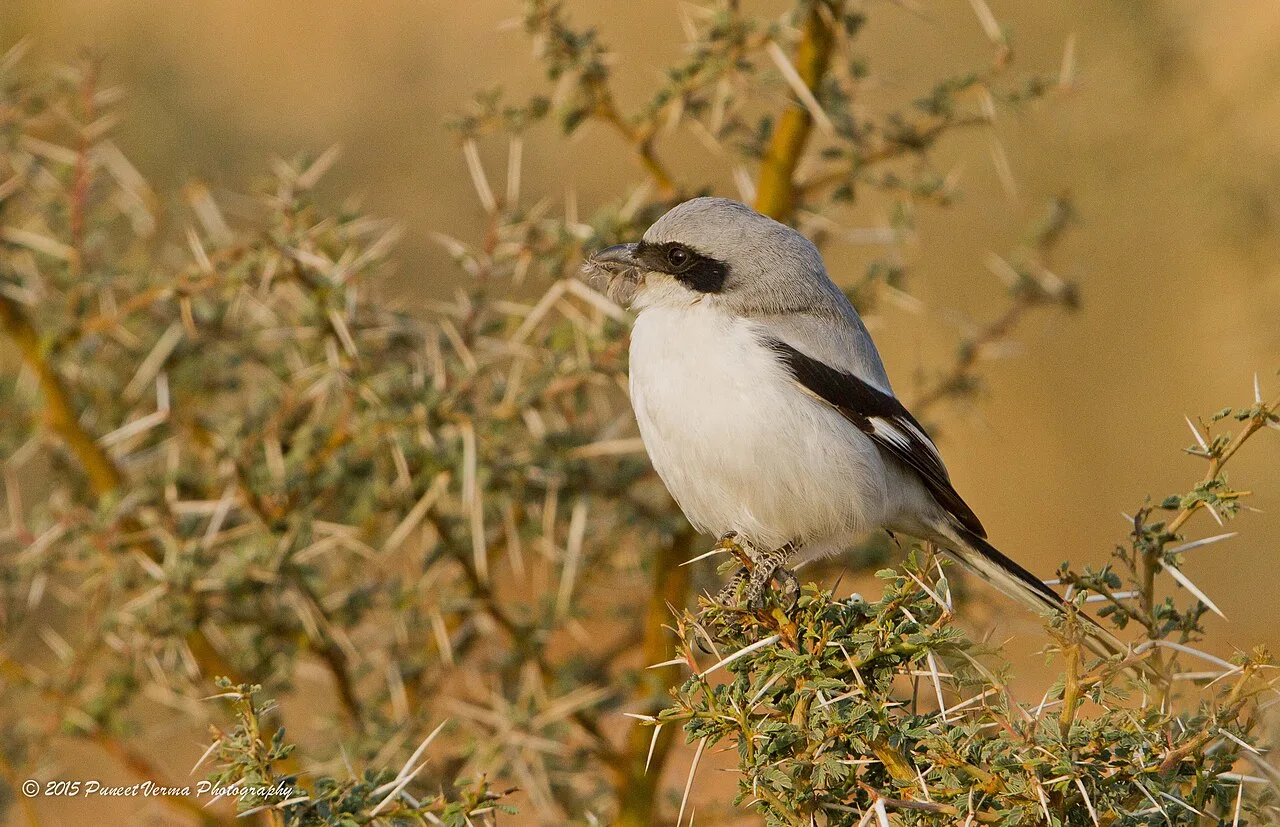
Tal Chhapar is a wildlife sanctuary in Rajasthan’s Churu district, known for blackbucks and birdlife. Visitors come to see its wildlife in a setting near the Great Indian Desert.

Sambhar Salt Lake

71 km away · Jaipur district

Sambhar Salt Lake

Sambhar Salt Lake is Rajasthan’s largest inland salt lake, in Jaipur district. Visitors come to see the lake and the historic settlement of Sambhar Lake Town, which it surrounds.

Khatu Shyam Temple

82 km away · Sikar district

Khatu Shyam Temple

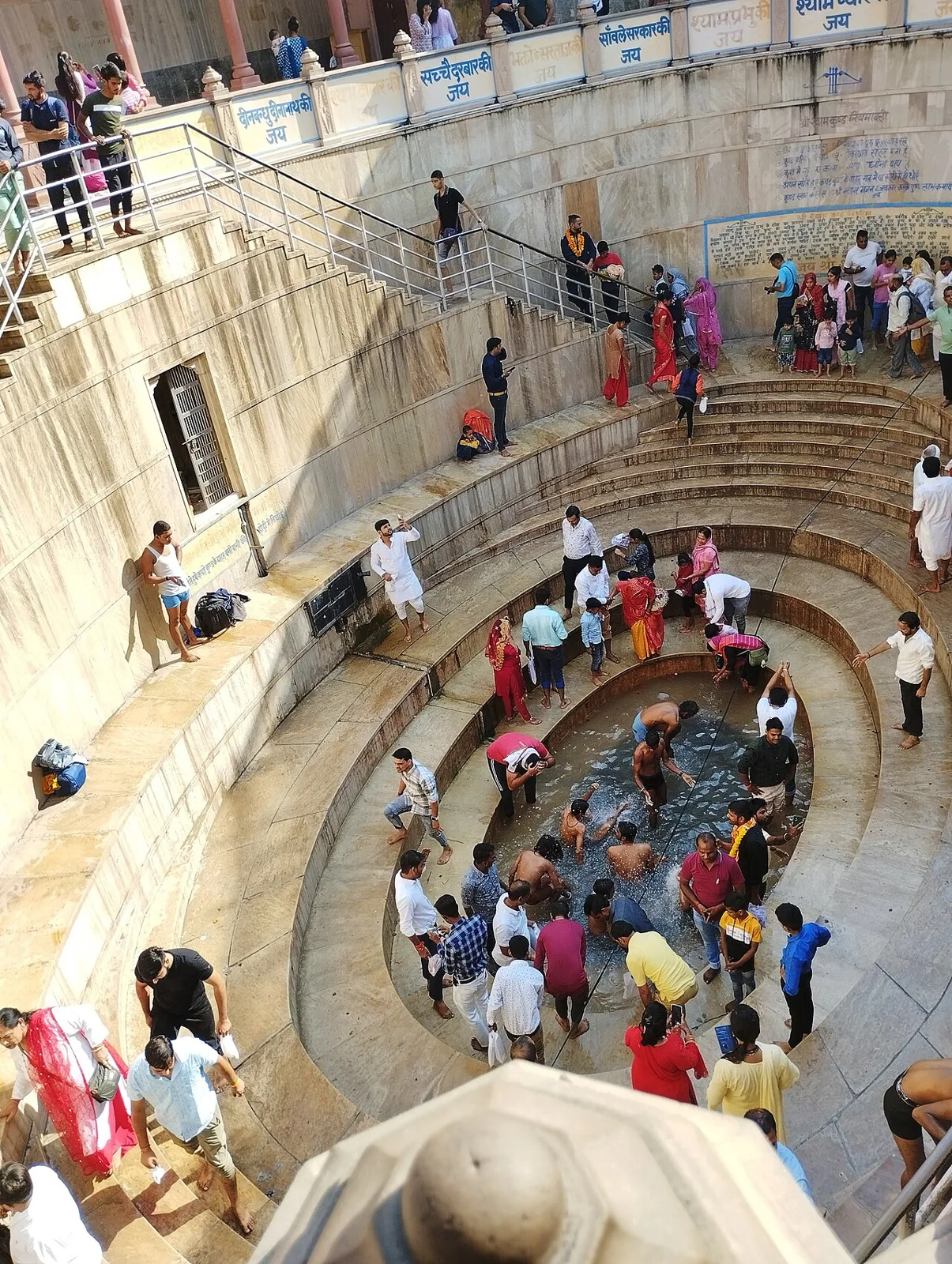
In KhatuShyamJi town, Rajasthan, this Hindu shrine honours Khatu Shyam, believed to be a divine manifestation of Barbareek from the Mahabharat. Pilgrims visit throughout the year, especially for the Falgun Mela.

Nawalgarh

84 km away · Jhunjhunu district

Nawalgarh

Nawalgarh is a heritage city in Rajasthan’s Shekhawati region, within Jhunjhunu district. Visitors are drawn by its heritage character, and it is 30.5 km from Sikar and 39.2 km from Jhunjhunu.

Mandawa

92 km away · Jhunjhunu district

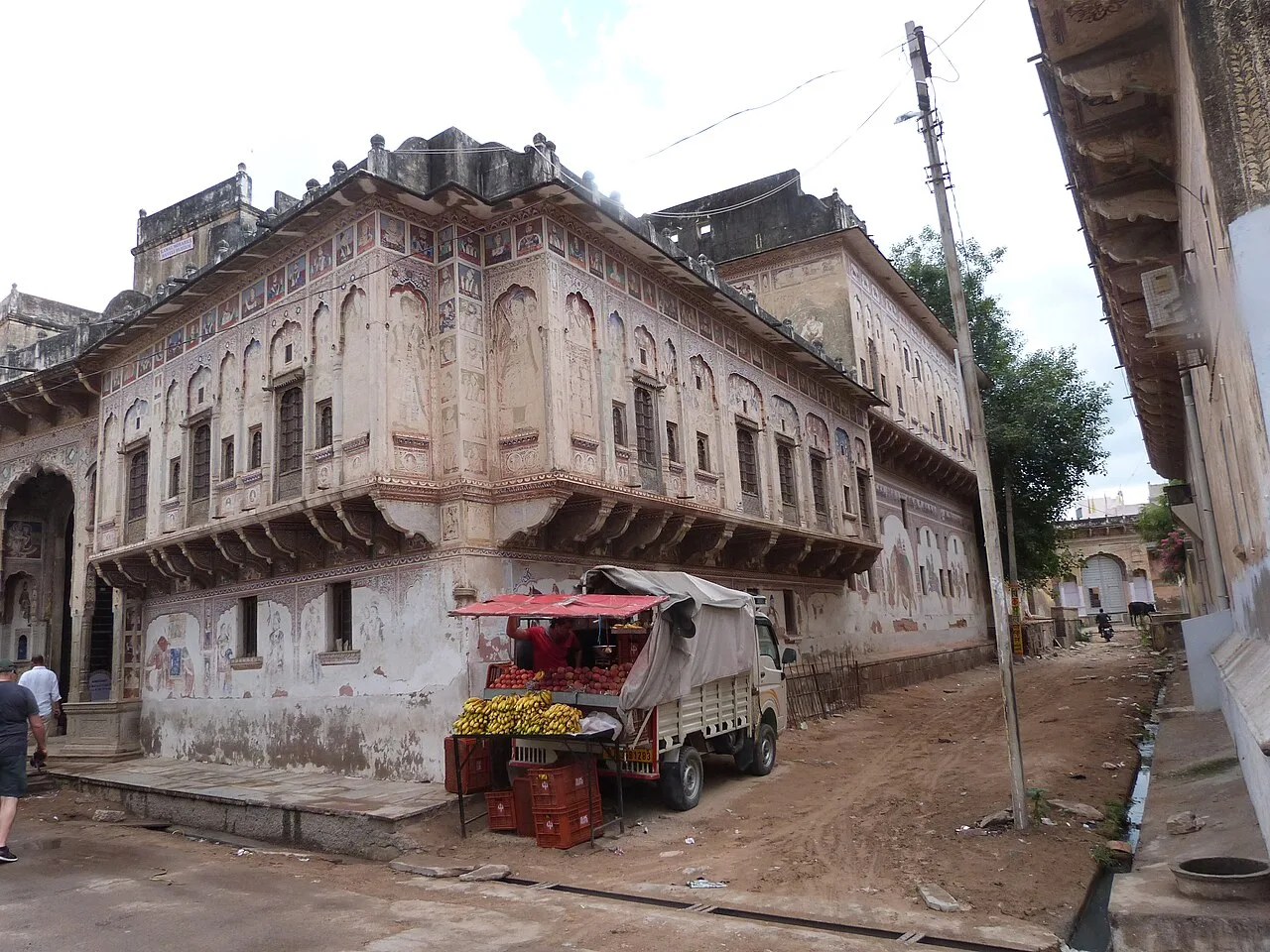
Mandawa

Mandawa is a town in Rajasthan’s Jhunjhunu district, within the Shekhawati region. Travellers visit it as part of journeys through the region and nearby Jhunjhunu.

Brahma Temple

102 km away · Ajmer district

Brahma Temple

Located in Pushkar, Rajasthan, the Brahma Temple is a Hindu shrine near Pushkar Lake and among India’s few temples for Brahma. Pilgrims especially gather there on Kartik Poornima.

Pushkar

102 km away · Ajmer district

Pushkar

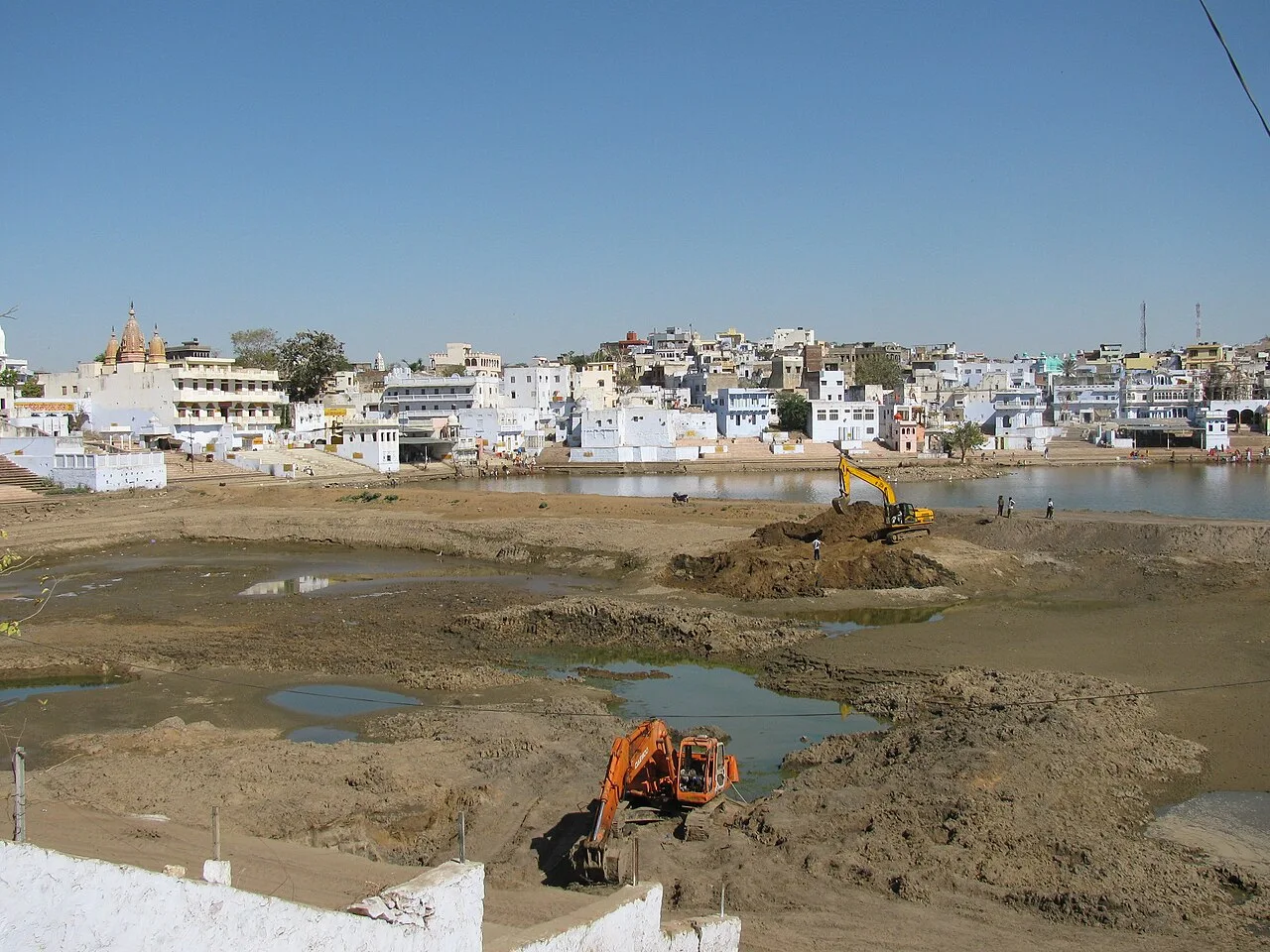
Pushkar is a historic pilgrimage town in Rajasthan, centred on a sacred lake and temples, including one of the few shrines to Brahma. Visitors come for worship, ritual bathing and its heritage.

Pushkar Lake

102 km away · Ajmer district

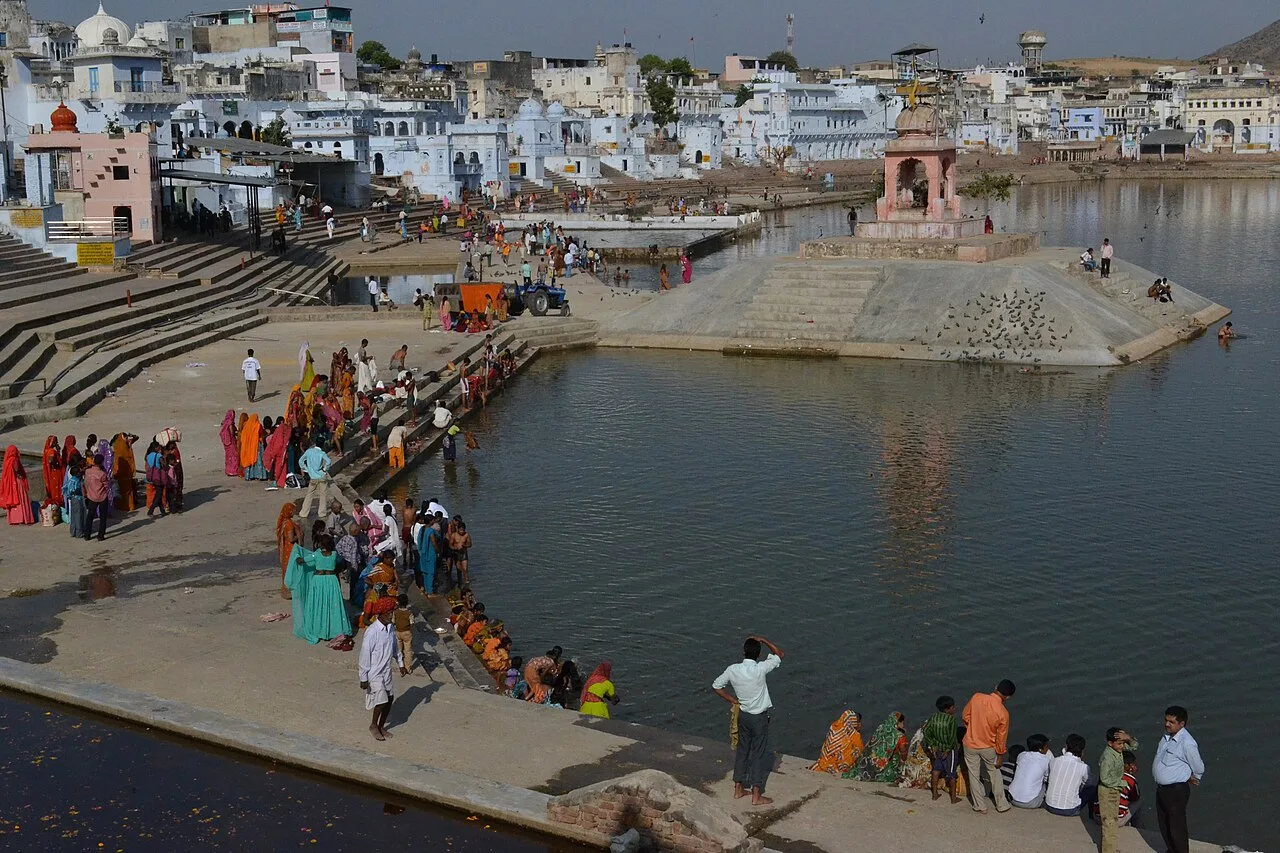
Pushkar Lake

Pushkar Lake, also called Pushkar Sarovar, is a sacred lake in Rajasthan’s Ajmer district. Pilgrims come to bathe at its ghats, especially around Kartik Poornima, when the Pushkar Fair takes place.

Map

Didwana on the map

  1. 1Tal Chhapar Sanctuary
  2. 2Sambhar Salt Lake
  3. 3Khatu Shyam Temple
  4. 4Nawalgarh
  5. 5Mandawa
  6. 6Brahma Temple
  7. 7Pushkar
  8. 8Pushkar Lake

Rajasthan

Other cities to explore