Ghumoopedia — Explore, Discover, Experience
Sign in
Nawalgarh, near Khetri Nagar

City guide · Rajasthan

Khetri Nagar

Khetri Nagar is an industrial township in Jhunjhunu district, in Rajasthan’s Shekhawati region. Its identity is closely connected with the Khetri Copper Complex, a major part of the area’s industrial story.

Famous for

  • Khetri Copper Complex
  • Copper mining heritage
  • Khetri Fort
  • Bhopalgarh hill
  • Shekhawati heritage
  • Vivekananda and Ajit Singh

Why Khetri Nagar matters

Khetri Nagar is an industrial township in Jhunjhunu district, in Rajasthan’s Shekhawati region. Its identity is closely connected with the Khetri Copper Complex, a major part of the area’s industrial story. The nearby historic town of Khetri, about 10 kilometres away, adds a different draw: Shekhawat-era architecture, hilltop views and the old fort landscape around Bhopalgarh.

Visitors often combine the two places to see how modern industry sits alongside the region’s older princely heritage. Khetri Fort and the surrounding hills are key stops, while the association between Khetri’s ruler Ajit Singh and Swami Vivekananda gives the area a place in accounts of the monk’s life. Khetri Nagar is not chiefly a resort or shopping destination; it is most rewarding for travellers interested in copper production, local history and the varied landscapes of Shekhawati. Its bazaars and neighbourhoods also offer a glimpse of everyday life in a Rajasthan township.
Famous for: crafts, trade & products

Khetri Nagar is best known for copper and the Khetri Copper Complex, associated with Hindustan Copper Limited. Mining and copper-processing activity shaped the township and remain central to its identity. The complex is an industrial site rather than a conventional visitor attraction, so access to operational areas may be restricted; visitors should check locally before planning a visit. The town is not widely identified with a particular textile, handicraft or GI-tagged product.

For everyday shopping, local markets and shops serve residents with household goods, clothing, snacks and regional provisions. They are useful places to sample the rhythms of a working township, though they are not specialist craft markets. Travellers looking for Shekhawati’s better-known painted havelis and heritage shopping will find a wider choice in other towns across the region. In Khetri itself, the strongest cultural interest lies in the contrast between the industrial township and nearby old Khetri, where the fort, historic streets and hill setting provide context for the area’s former princely status.

History

The history of Khetri Nagar is closely linked to that of nearby Khetri, an old Shekhawat thikana in Shekhawati. The settlement developed under the region’s Rajput rulers, particularly Bhopal Singh, who established Khetri as a seat of power and built Khetri Fort in 1754. Bhopalgarh, the hill above the old town, remains a prominent feature of the landscape. In the nineteenth century, Raja Ajit Singh Bahadur ruled Khetri and became known for his association with Swami Vivekananda; accounts link the ruler with the monk’s adoption of the name Vivekananda.

During the colonial period, Khetri continued as a princely estate under British paramountcy. After independence, the former princely territories became part of Rajasthan. Khetri Nagar grew later as an industrial township around the copper complex, bringing a modern planned settlement and a workforce to an area whose older history is centred on the nearby fort town. The two places are related but distinct.

Food, festivals & culture

Food in Khetri Nagar reflects the wider Shekhawati and Rajasthani kitchen. Visitors may find dal baati churma, gatte ki sabzi, ker sangri and seasonal local preparations at eateries or in homes; sweets such as ghevar are more commonly associated with festive occasions. Availability varies, and the town is better understood as a residential and industrial centre than as a dedicated food destination.

Hindi is widely used, alongside local Rajasthani speech and the Shekhawati dialect. The annual calendar follows familiar regional celebrations: Teej and Gangaur are observed around the monsoon and spring seasons, while Holi, Diwali, Navratri and Makar Sankranti bring community gatherings at different times of year. Folk songs and dances such as ghoomar are part of the broader regional tradition, though performances are not guaranteed for visitors. Neighbourhood temples and shrines serve local worshippers; the historic temples and religious sites of old Khetri can be explored alongside its fort and heritage streets.

Visiting the city

The cooler months, roughly October to March, are generally the most comfortable for exploring; summer afternoons can be very hot. Jaipur International Airport is the principal airport for reaching the area. Chirawa railway station is a nearby rail option, while road travel is needed for the final leg to Khetri Nagar. Check current transport connections before setting out, as services and routes can change.

Local taxis and private vehicles are practical for moving between Khetri Nagar, old Khetri and the surrounding hills; ask locally about transport availability. Explore the township and its market for everyday life, then set aside time for Khetri town, Khetri Fort and the Bhopalgarh hill area. The industrial complex is not a general sightseeing site, so confirm access in advance and follow any on-site restrictions.

Trips from the city

Nearest places to visit from Khetri Nagar

Our closest destination guides, by straight-line distance.

Nawalgarh

54 km away · Jhunjhunu district

Nawalgarh

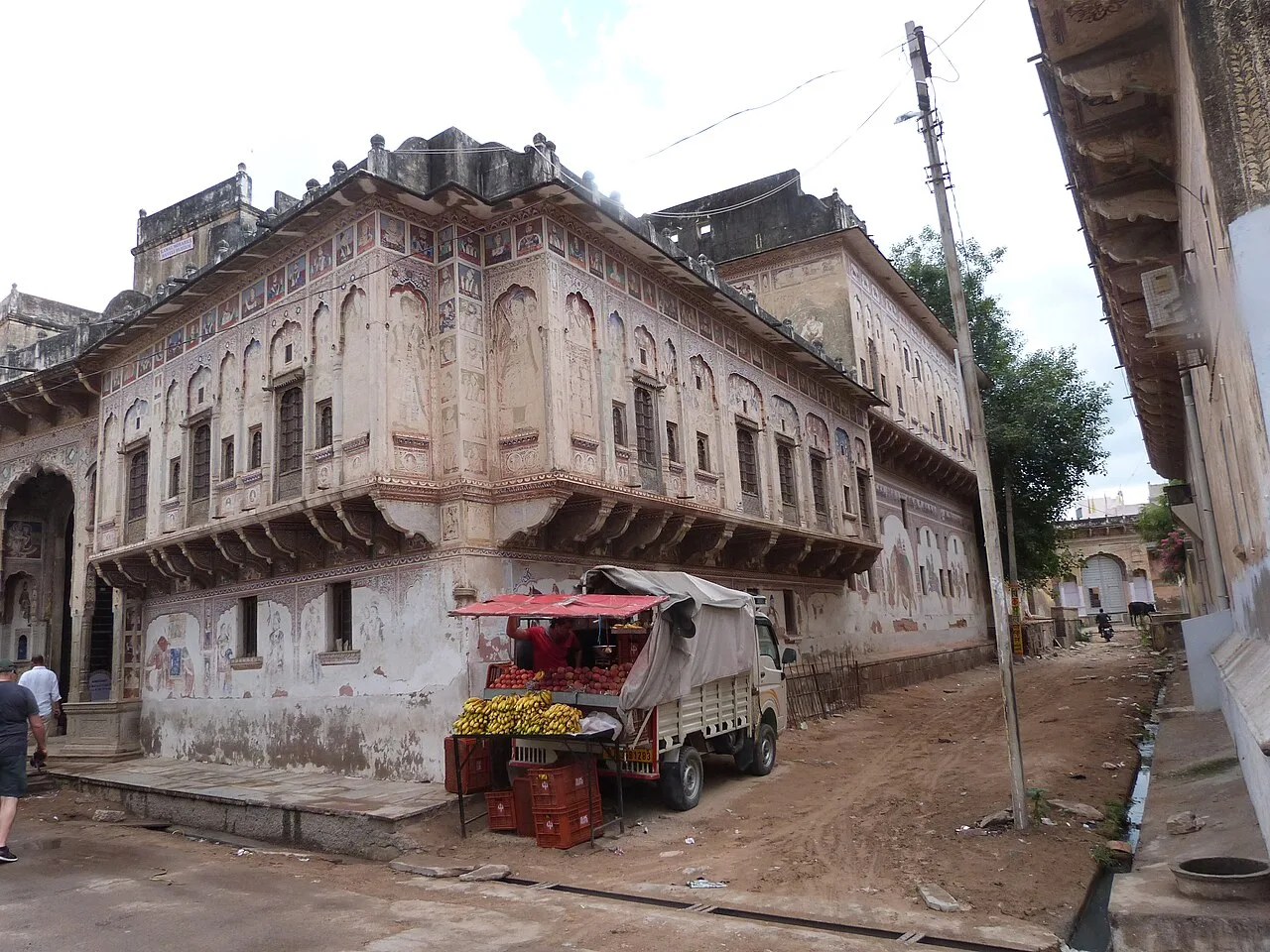
Nawalgarh is a heritage city in Rajasthan’s Shekhawati region, within Jhunjhunu district. Visitors are drawn by its heritage character, and it is 30.5 km from Sikar and 39.2 km from Jhunjhunu.

Mandawa

63 km away · Jhunjhunu district

Mandawa

Mandawa is a town in Rajasthan’s Jhunjhunu district, within the Shekhawati region. Travellers visit it as part of journeys through the region and nearby Jhunjhunu.

Khatu Shyam Temple

80 km away · Sikar district

Khatu Shyam Temple

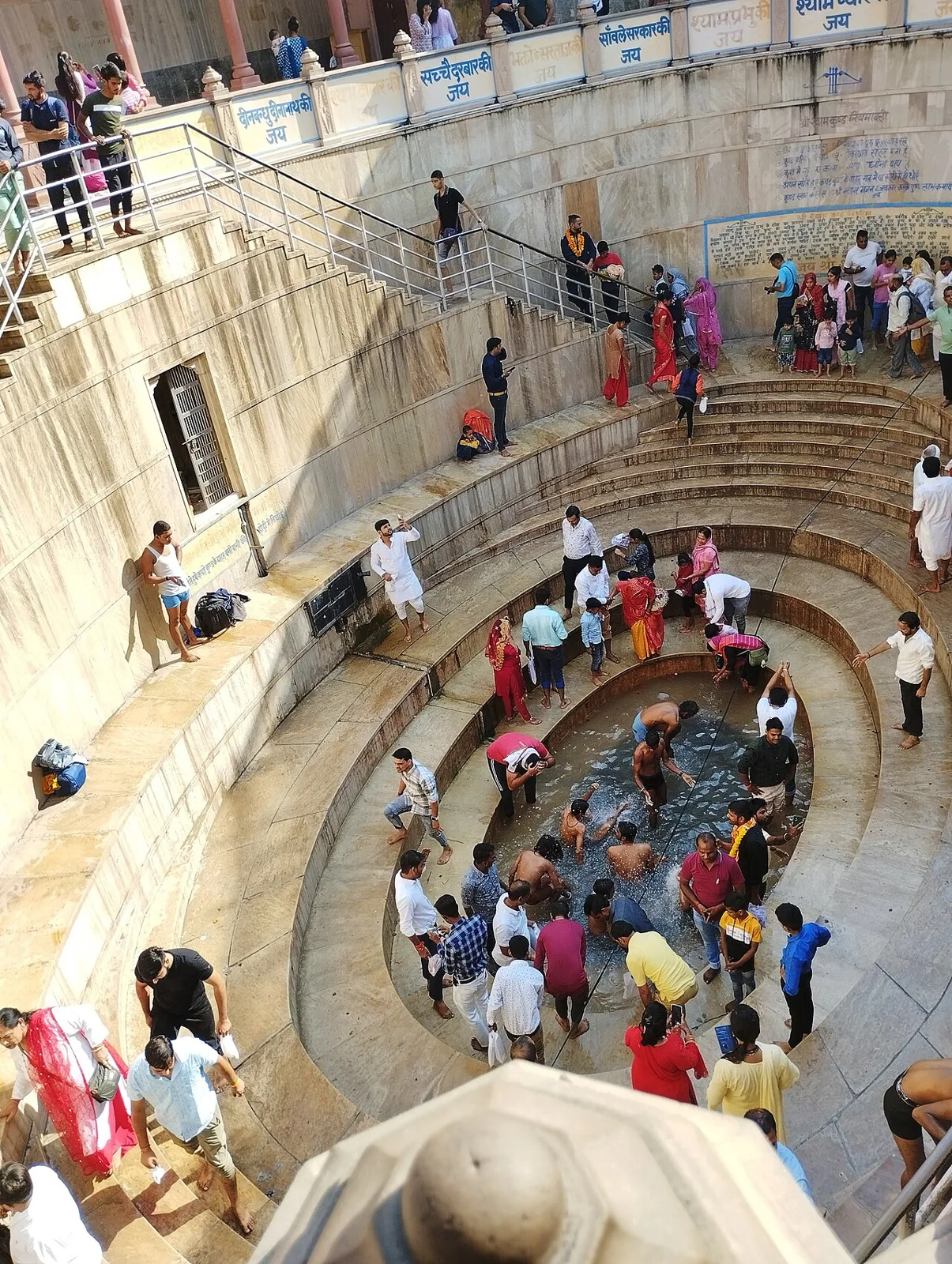
In KhatuShyamJi town, Rajasthan, this Hindu shrine honours Khatu Shyam, believed to be a divine manifestation of Barbareek from the Mahabharat. Pilgrims visit throughout the year, especially for the Falgun Mela.

Samode

88 km away · Jaipur district

Samode

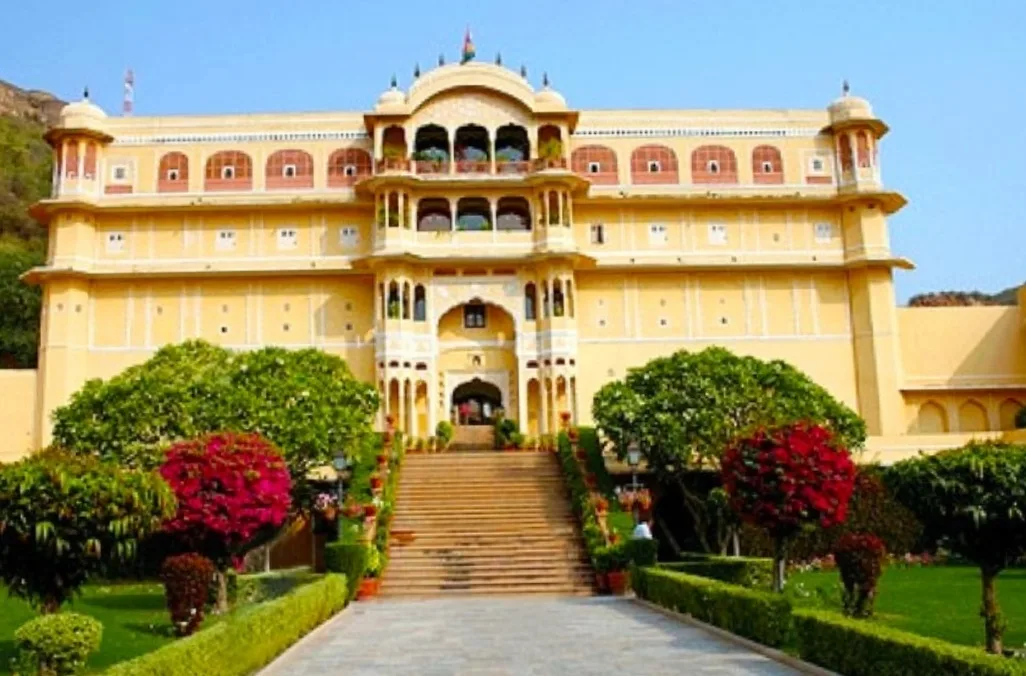
Samode is a village in Rajasthan’s Aravalli hills, north-west of Jaipur. Visitors come for its palace, haveli and garden, historic properties now operated as heritage hotels.

Siliserh Lake

90 km away · Alwar district

Siliserh Lake

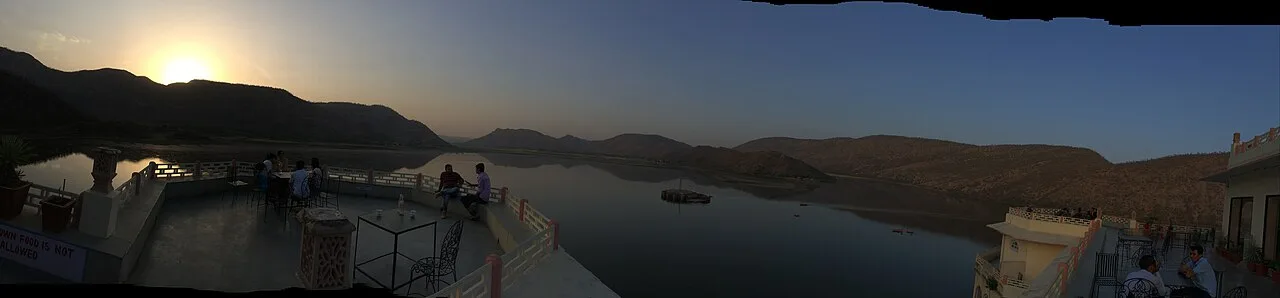
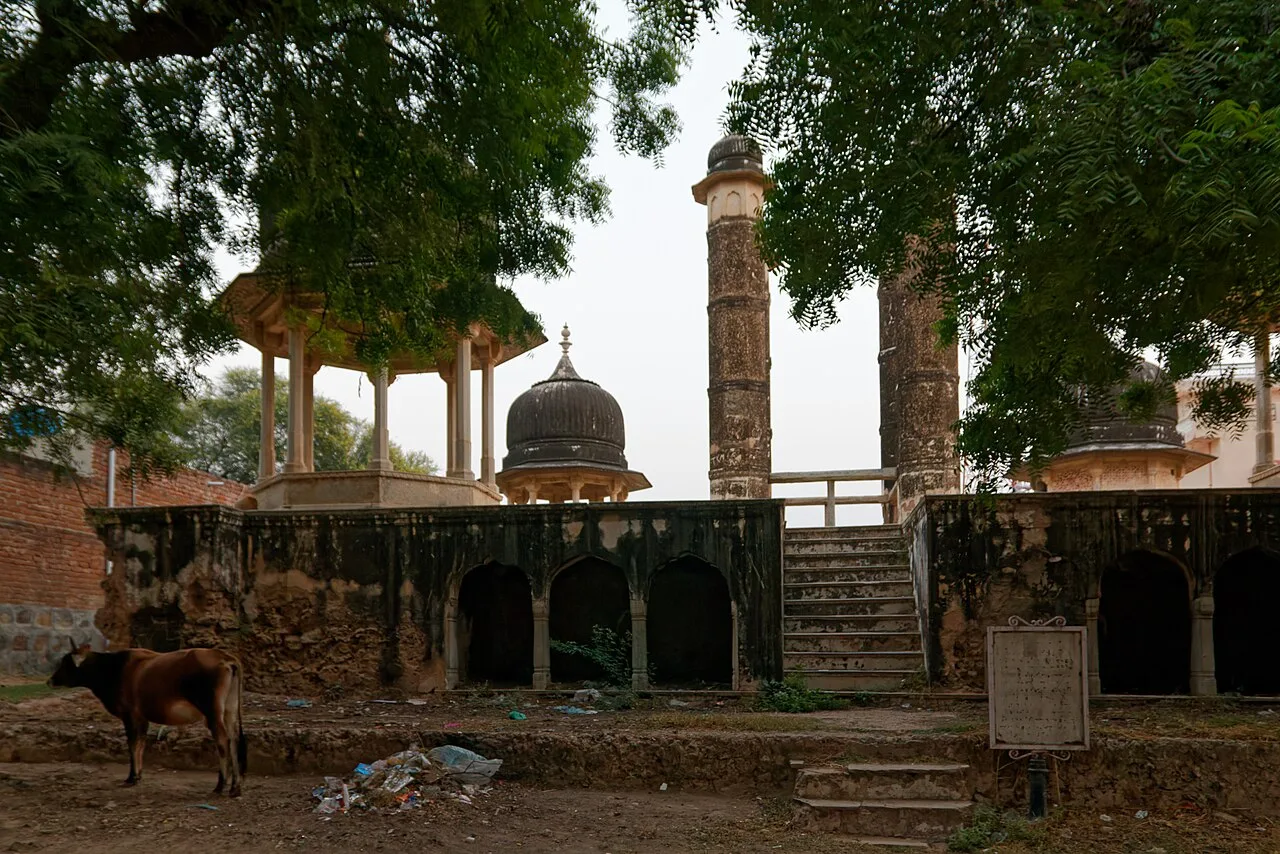
Siliserh Lake is an artificial lake in Rajasthan, southwest of Alwar, with wooded banks and cenotaphs along its embankment that visitors come to see.

Sariska Tiger Reserve

99 km away · Alwar district

Sariska Tiger Reserve

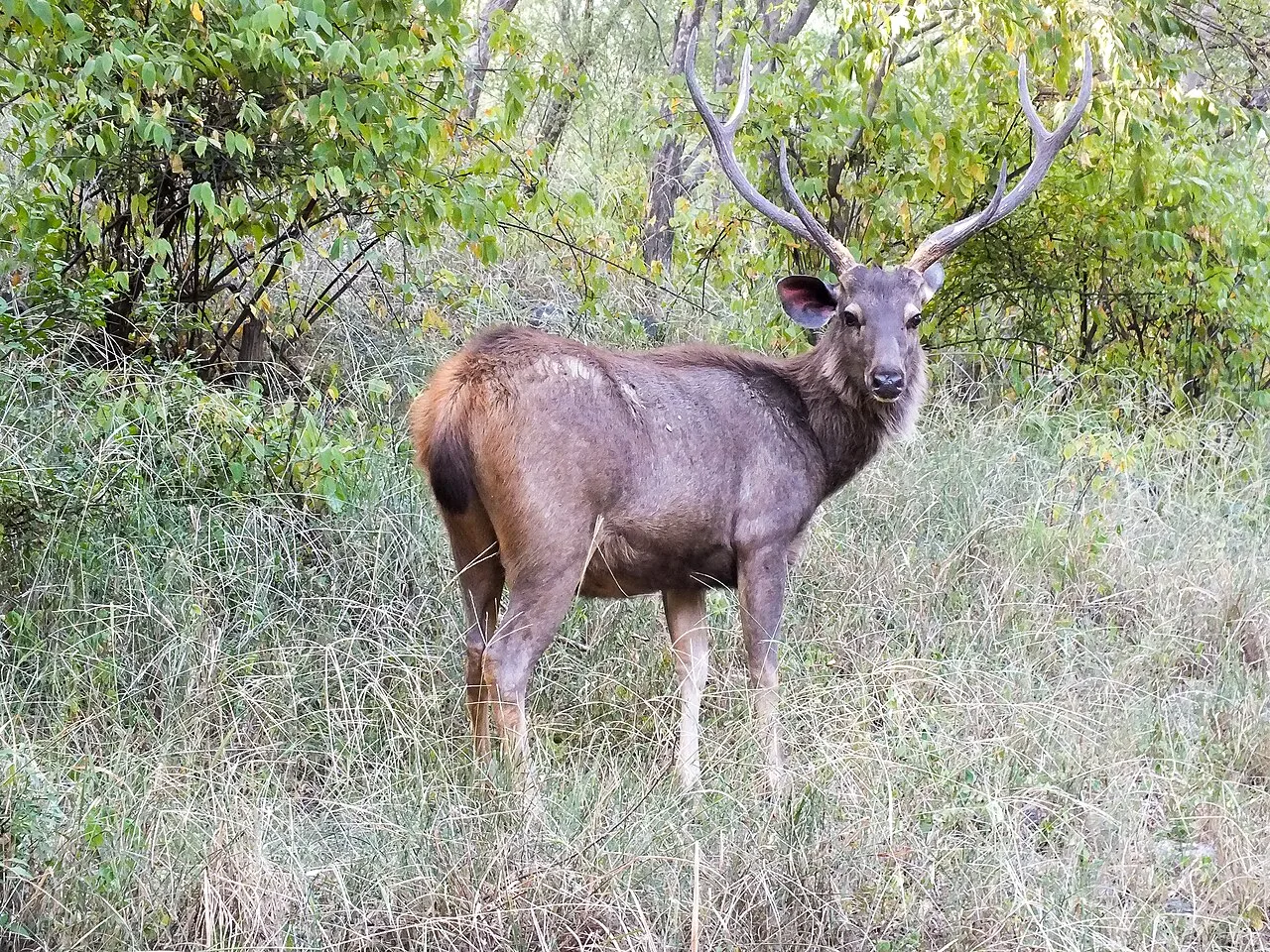
Sariska Tiger Reserve, in Rajasthan’s Alwar district, is a protected area with tiger-reserve status and varied forest, grassland and rocky habitats. Visitors come to experience its wildlife and conservation setting.

Bhangarh Fort

112 km away · Alwar district

Bhangarh Fort

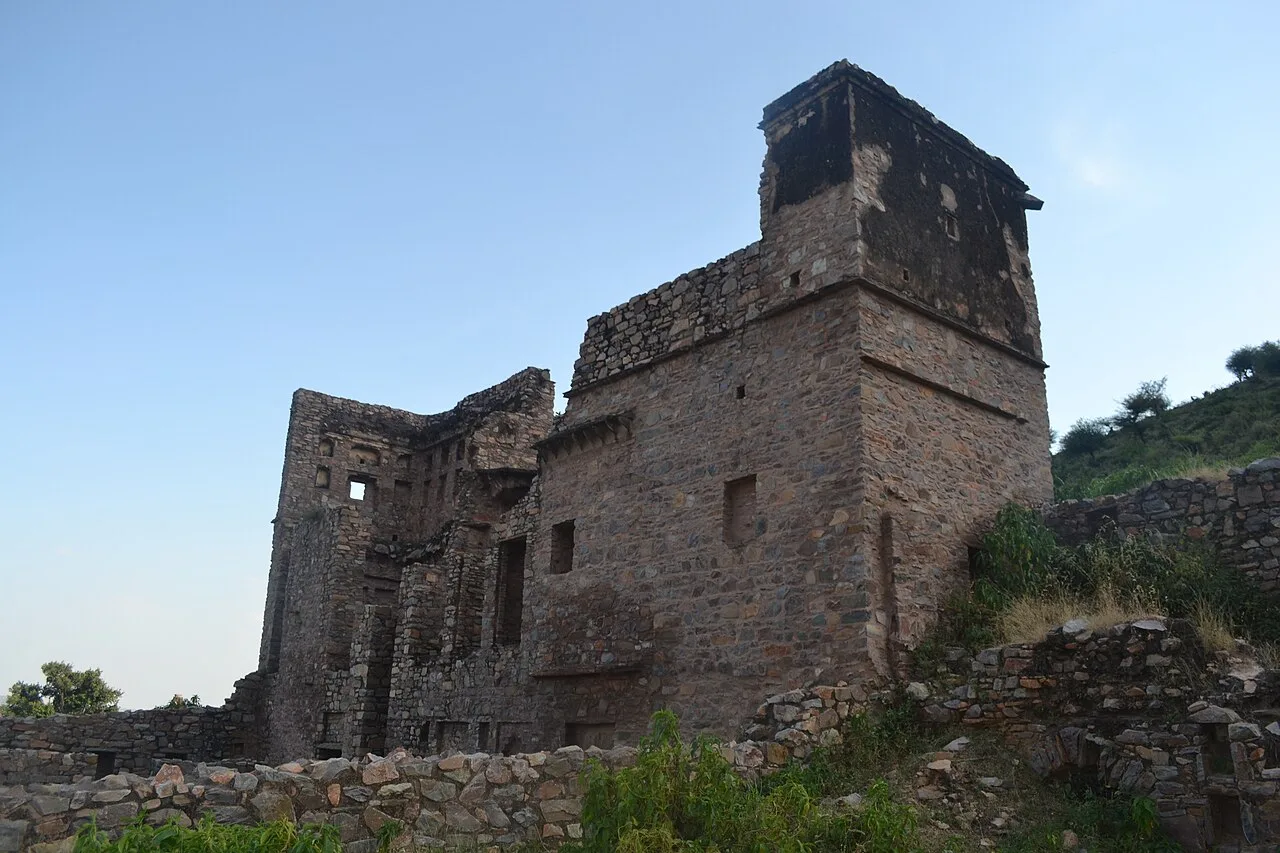
Dating to the sixteenth century, Bhangarh Fort in Rajasthan is linked to Madho Singh’s residence. Visitors come to view the preserved fort and its surrounding precincts.

Amber Fort

113 km away · Jaipur district

Amber Fort

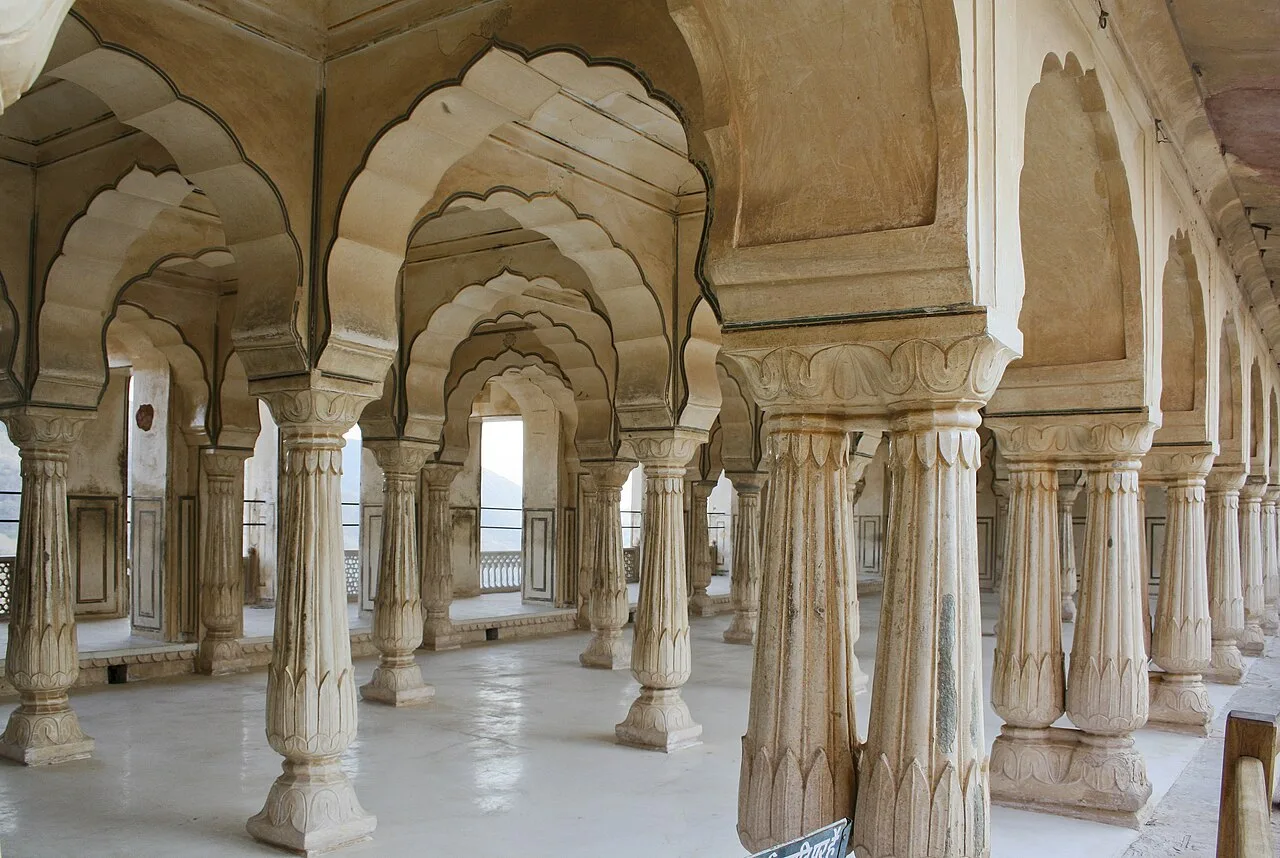
Amber Fort, also known as Amer Palace, is a hilltop fort in Amer, Rajasthan. Visitors explore its Rajput and Mughal-influenced design, palace halls and setting above Maota Lake.

Map

Khetri Nagar on the map

  1. 1Nawalgarh
  2. 2Mandawa
  3. 3Khatu Shyam Temple
  4. 4Samode
  5. 5Siliserh Lake
  6. 6Sariska Tiger Reserve
  7. 7Bhangarh Fort
  8. 8Amber Fort

Rajasthan

Other cities to explore