Ghumoopedia — Explore, Discover, Experience
Sign in

City guide · Rajasthan

Nimaj

Nimaj is a small town in Jaitaran tehsil, in Rajasthan’s Beawar district. Its importance is primarily local: it serves residents and surrounding rural settlements, rather than functioning as a large tourist or commercial centre.

Famous for

  • Jaitaran tehsil location
  • Rural Marwar setting
  • Historic statutory-town status

Why Nimaj matters

Nimaj is a small town in Jaitaran tehsil, in Rajasthan’s Beawar district. Its importance is primarily local: it serves residents and surrounding rural settlements, rather than functioning as a large tourist or commercial centre. The town’s position within the Marwar region connects it to the everyday life, trading networks and traditions of western Rajasthan.

Nimaj is not widely documented as a destination with a signature monument, craft or product that draws visitors from across India. Travellers passing through may find interest in its modest town centre and the surrounding rural landscape, and can use it as a stopping point when exploring the wider Jaitaran area. Its historical note is administrative: Nimaj held statutory-town status from 1901 to 1951. Today it is classified as a town. Visitors looking for a particular attraction or heritage property should confirm local access and current details before making a special journey, as readily available information about visitor facilities is limited.
Famous for: crafts, trade & products

Nimaj does not have a widely documented signature textile, saree, handicraft, GI-tagged product or major industry. It is best understood as a local service and trading centre for nearby settlements, where shops and small businesses cater chiefly to residents’ everyday needs. The town’s connection to the wider Marwar region may be reflected in the goods found in ordinary local commerce, but these should not be mistaken for a formally recognised Nimaj speciality.

Visitors can browse the central market area for routine provisions and locally used goods, while keeping expectations modest: there is no well-established tourist shopping district or documented craft bazaar. Rajasthan is known for textiles, leatherwork, metalwork and other crafts, but availability in Nimaj should be checked locally rather than assumed. No particular institution, market or manufacturing sector is reliably established as a visitor attraction in town. For a broader selection of regional products, travellers may need to look to larger towns and cities in the surrounding area.

History

Nimaj’s town-level history is not extensively documented in widely accessible accounts, so specific claims about its founding, early rulers or particular battles should be treated cautiously. It lies in the historic Marwar region, whose settlements developed within a landscape shaped by local Rajput polities, rural agriculture and trade. That regional background provides context, but does not by itself establish a detailed sequence of rulers for Nimaj.

A clear administrative milestone is that Nimaj was a statutory town from 1901 to 1951, a period spanning British rule and the early years after Indian independence. Its later classification as a town reflects its present administrative description; it is now in Jaitaran tehsil of Beawar district, Rajasthan. The change from statutory-town status does not, on its own, indicate that the settlement disappeared or ceased to serve its surrounding area. Nimaj’s modern growth is best understood as that of a small regional town, rather than as a major industrial or metropolitan centre.

Food, festivals & culture

Nimaj belongs to the cultural world of Marwar, where Marwari is widely spoken alongside Hindi. There is little reliable town-specific documentation of distinctive local dishes, performance traditions or annual fairs, so regional customs offer the safest guide rather than claims of a unique Nimaj speciality. Everyday Rajasthani cooking commonly includes millet-based breads, lentils and seasonal vegetables; dishes such as dal baati churma and ker sangri are associated with the wider region, though their availability varies from household to household.

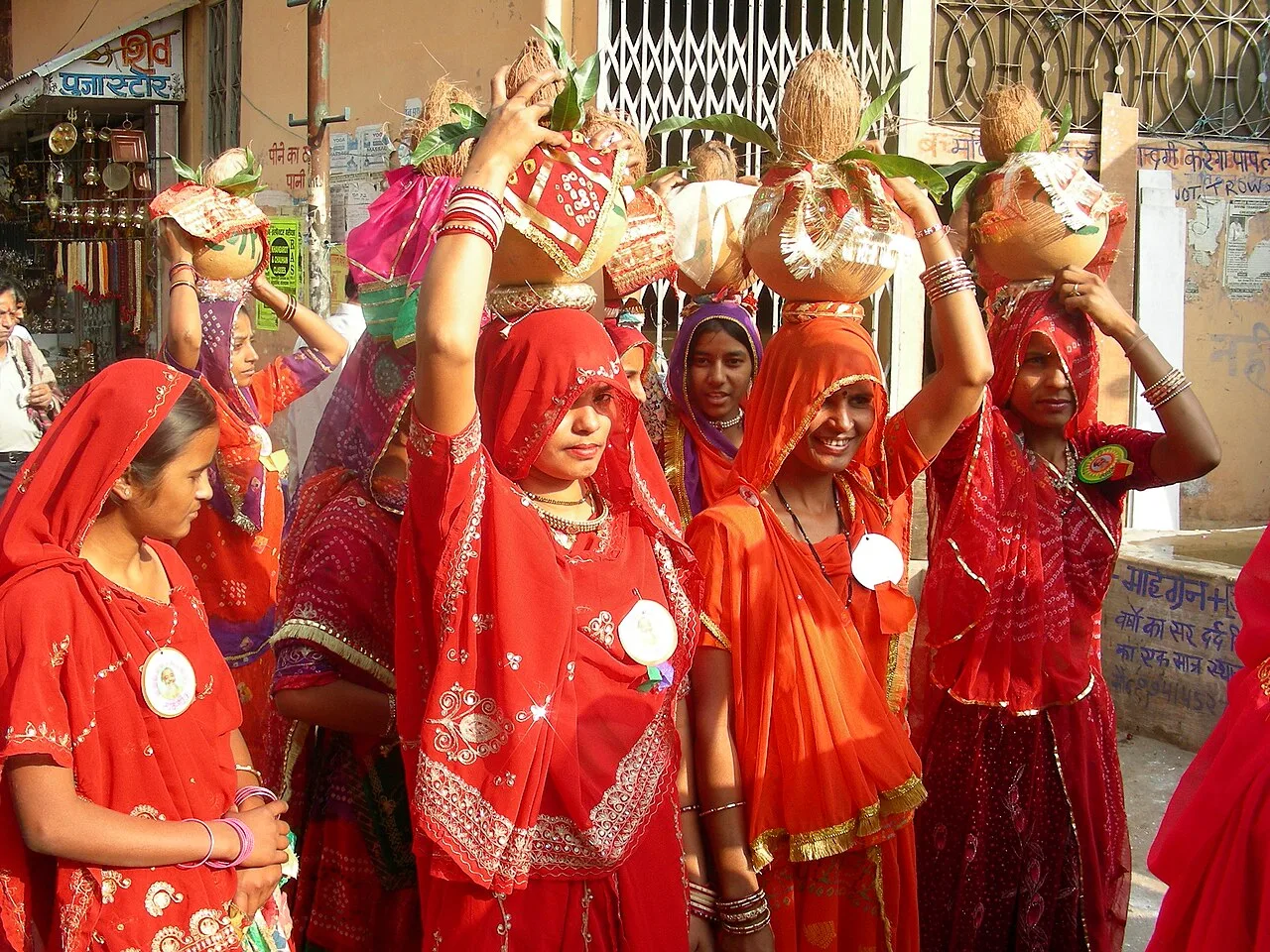
Holi in spring and Diwali in autumn are among the major festivals commonly observed across Rajasthan. Teej and Gangaur are also important in many parts of the state, with local forms of celebration differing by community. Folk music and dance traditions such as bhajan singing, ghoomar and kalbelia belong to Rajasthan’s wider cultural repertoire, but should not be assumed to have regular public performances in Nimaj. Residents worship at local places of worship; visitors should ask locally about access, customs and any community events.

Visiting the city

The cooler months, roughly October to March, are generally the most comfortable for visiting Rajasthan; summers can be very hot, while monsoon conditions vary. Jodhpur Airport is a possible air gateway, but travellers should compare routes and onward road connections before booking. Sojat Road railway station is a nearby rail option to check; the most convenient station depends on the service and final road journey. Confirm current connections locally, as transport arrangements can change.

Nimaj is easiest to explore by road, with local hired vehicles or taxis useful for reaching nearby settlements. Within town, the central market and adjoining residential lanes offer a simple introduction to daily life, rather than a formal sightseeing circuit. There is no clearly established visitor district or extensive tourist infrastructure, so arrange onward transport and accommodation in advance, particularly if Nimaj is the main destination.

Trips from the city

Nearest places to visit from Nimaj

Our closest destination guides, by straight-line distance.

Brahma Temple

67 km away · Ajmer district

Brahma Temple

Located in Pushkar, Rajasthan, the Brahma Temple is a Hindu shrine near Pushkar Lake and among India’s few temples for Brahma. Pilgrims especially gather there on Kartik Poornima.

Pushkar

67 km away · Ajmer district

Pushkar

Pushkar is a historic pilgrimage town in Rajasthan, centred on a sacred lake and temples, including one of the few shrines to Brahma. Visitors come for worship, ritual bathing and its heritage.

Pushkar Lake

67 km away · Ajmer district

Pushkar Lake

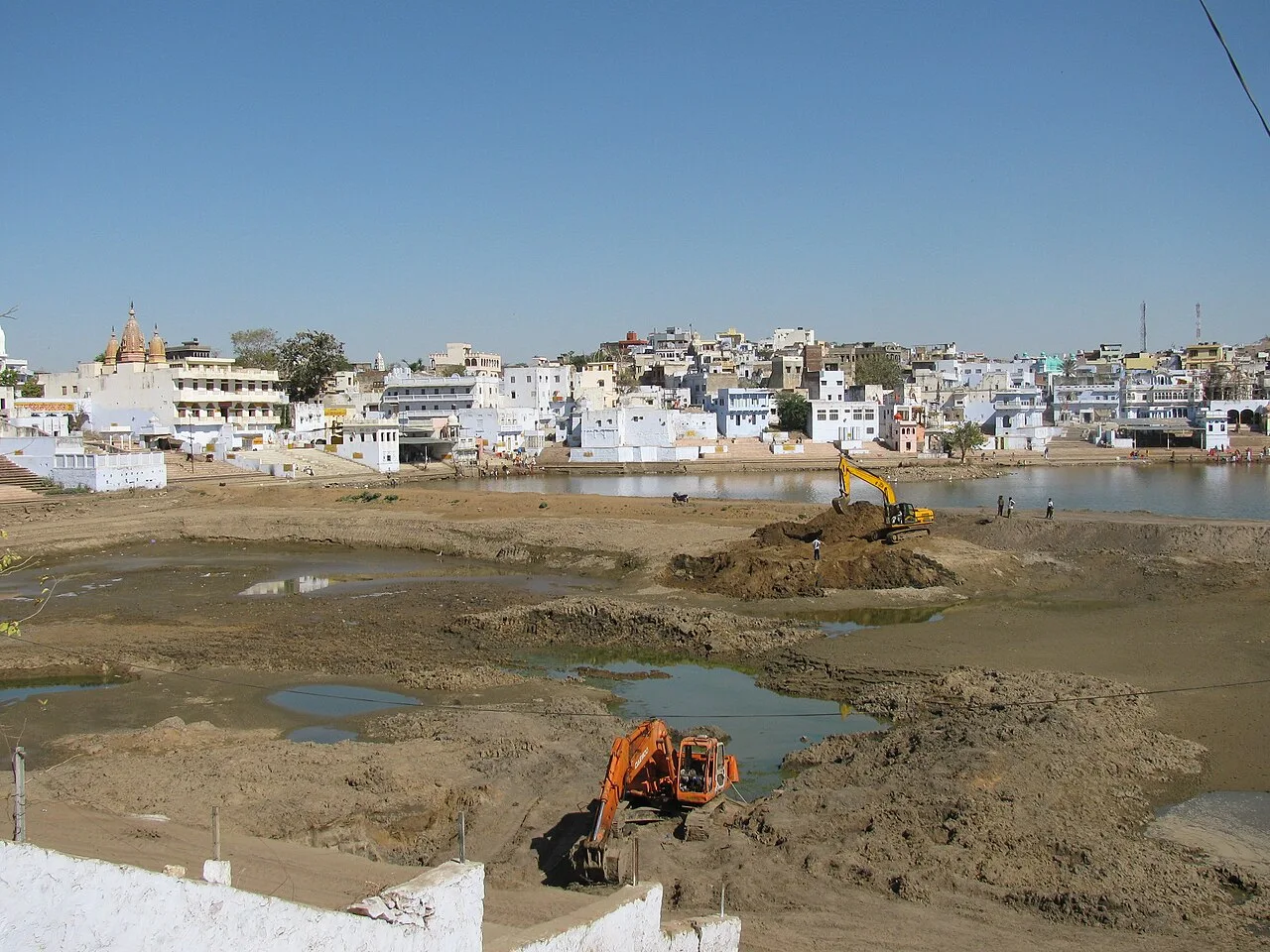
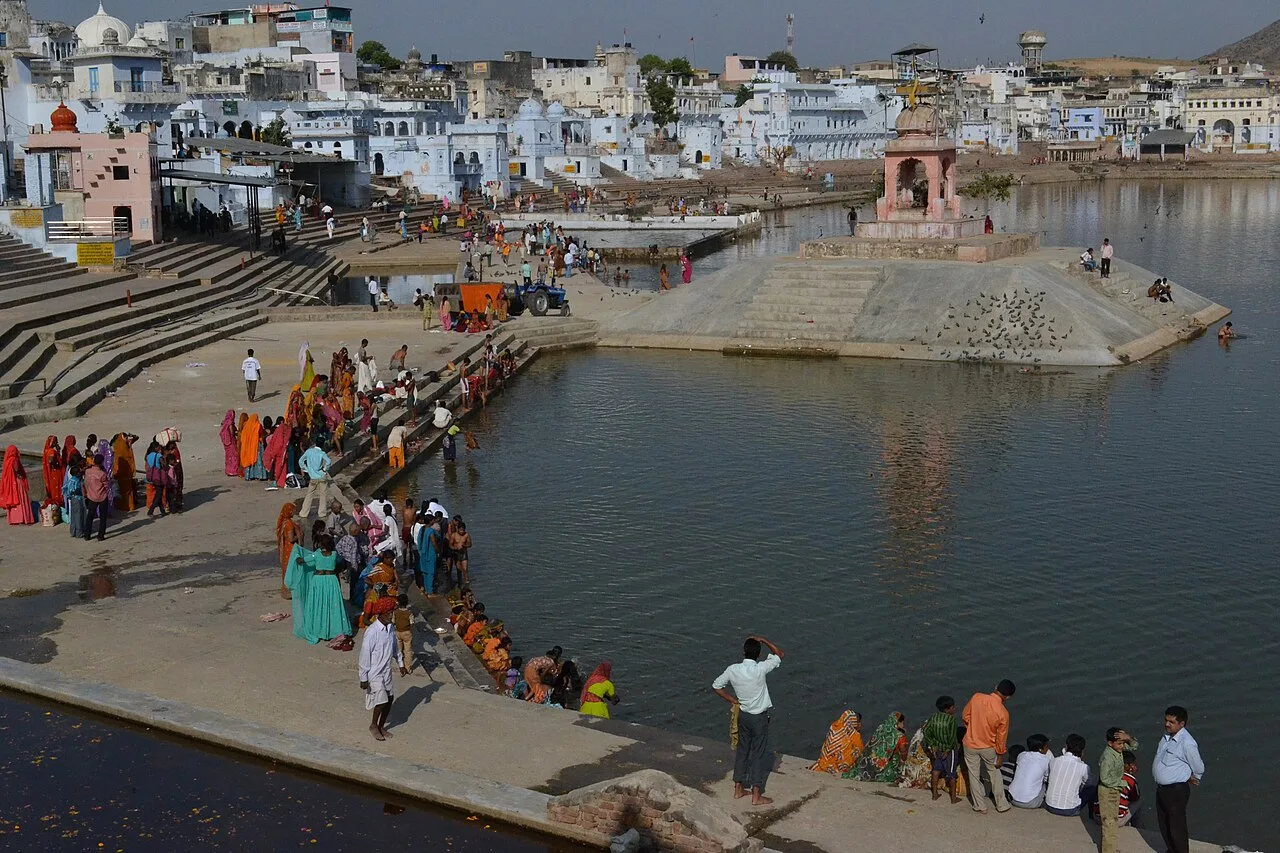
Pushkar Lake, also called Pushkar Sarovar, is a sacred lake in Rajasthan’s Ajmer district. Pilgrims come to bathe at its ghats, especially around Kartik Poornima, when the Pushkar Fair takes place.

Taragarh Fort, Ajmer

70 km away · Ajmer district

Taragarh Fort, Ajmer

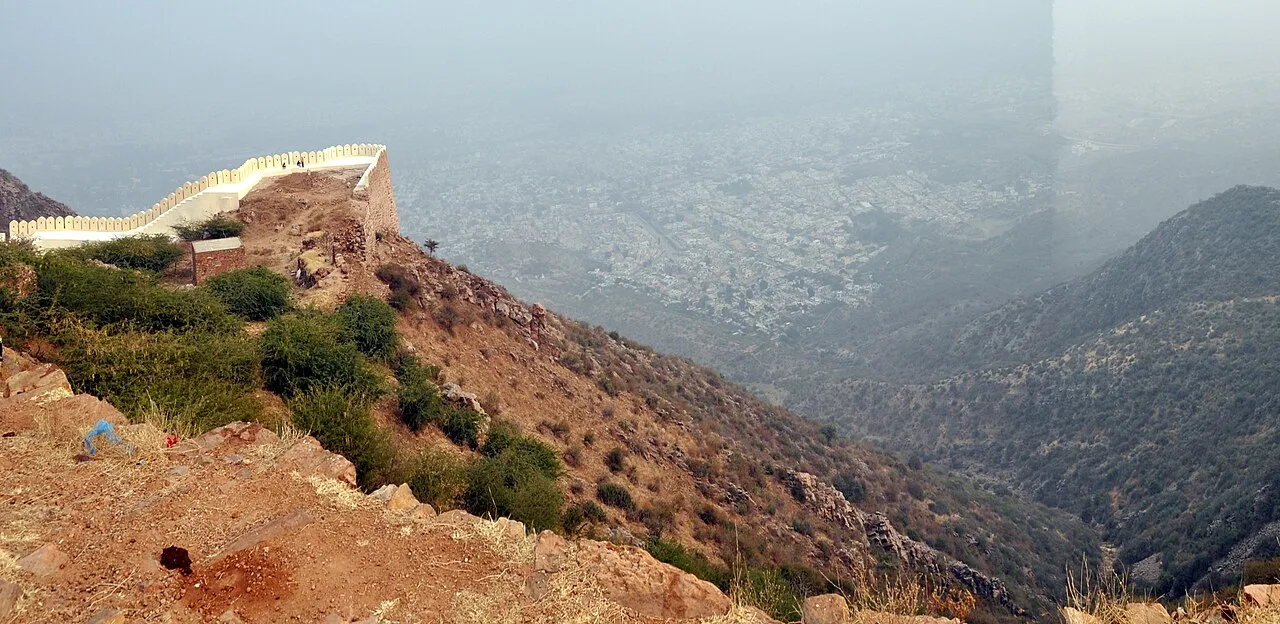
Set on a steep slope in Ajmer, Rajasthan, Taragarh Fort is a historic stronghold associated with the Parmar Rajputs and Ajayaraja Chauhan. Visitors come to see the fortress and learn about its earlier name, Ajaymeru Durg.

Adhai Din Ka Jhonpra

71 km away · Ajmer district

Adhai Din Ka Jhonpra

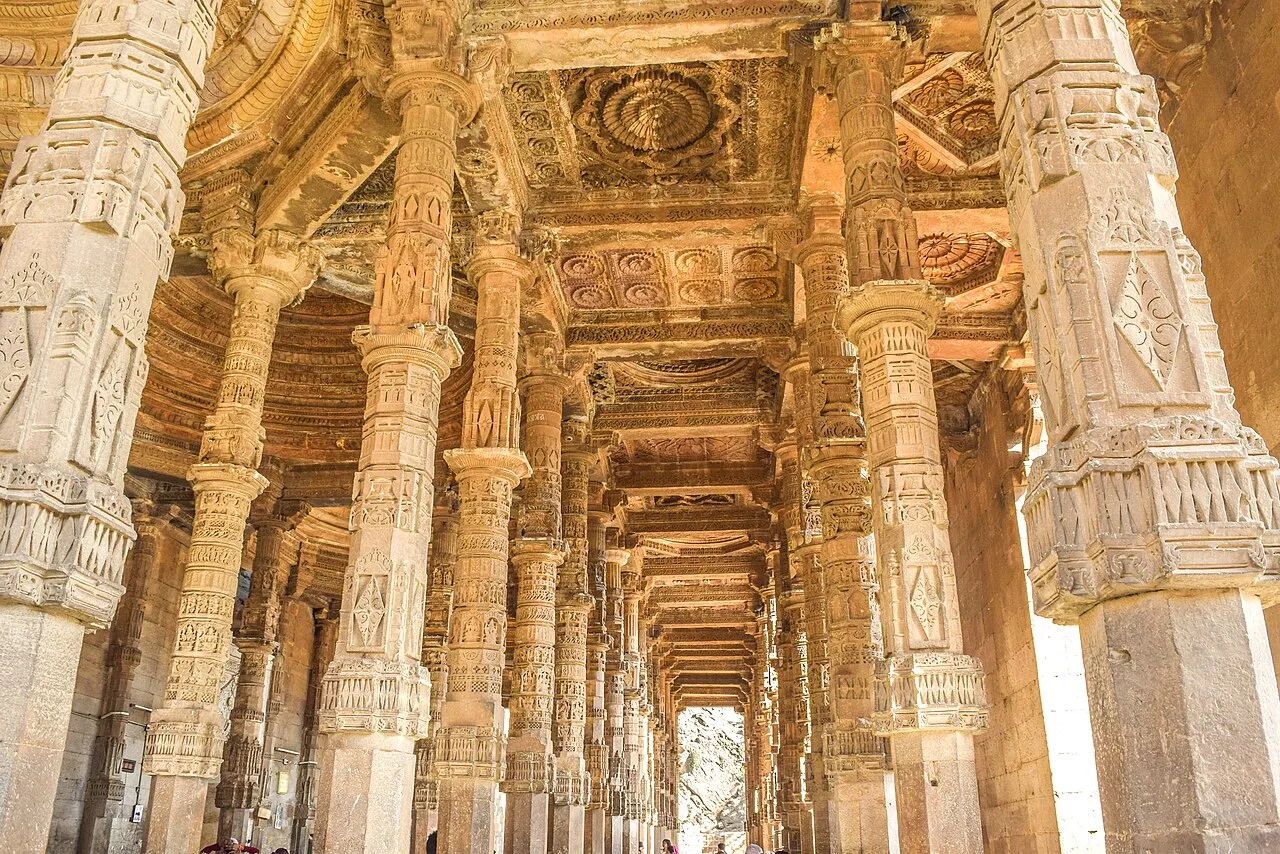
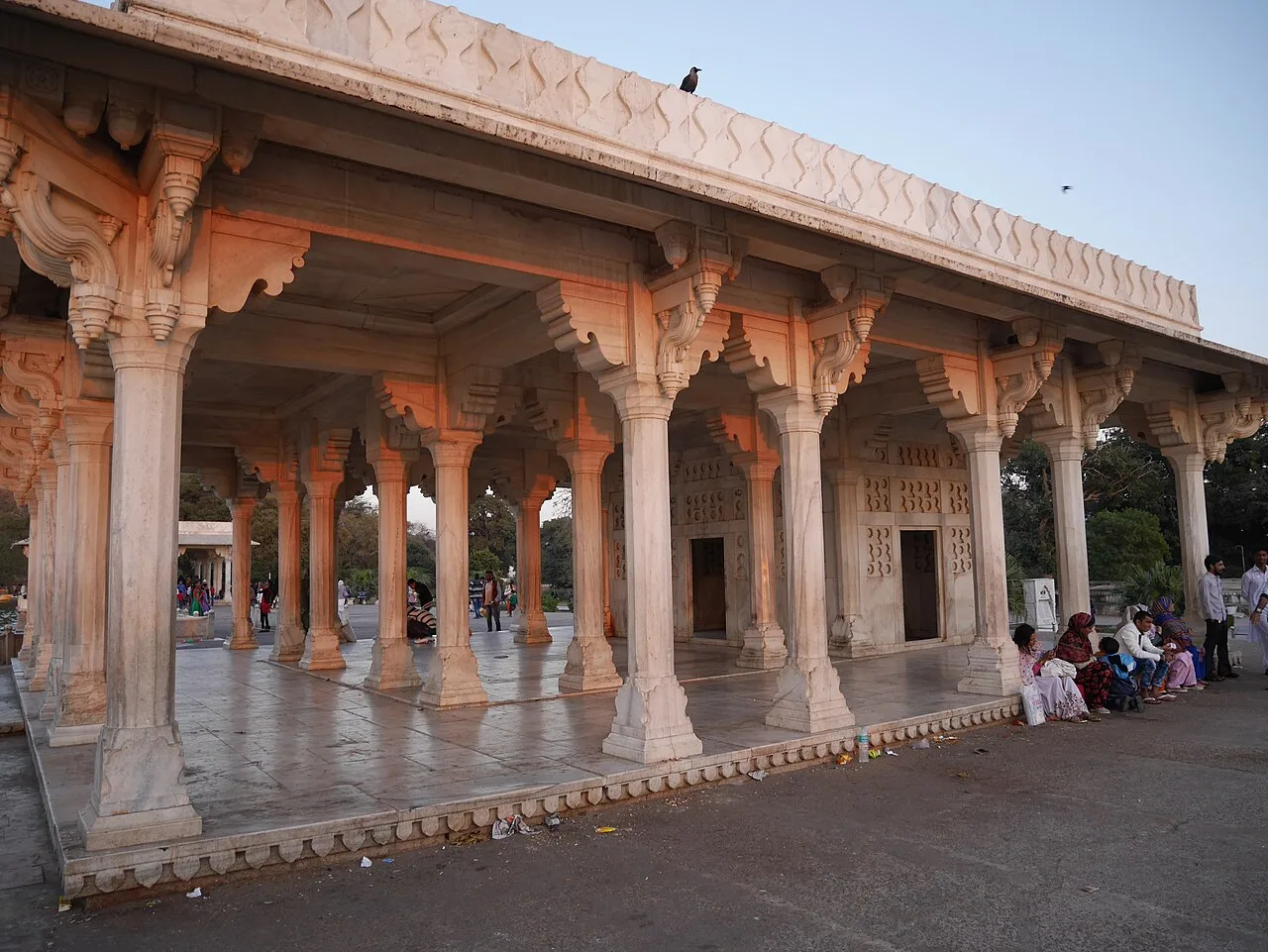
This former mosque in Ajmer, Rajasthan, is among India’s oldest mosques and the city’s oldest surviving monument. Visitors come to see its early Indo-Islamic design and its Hindu, Jain and Islamic architectural elements.

Shrine of Mu'in al-Din Chishti

71 km away · Ajmer district

Shrine of Mu'in al-Din Chishti

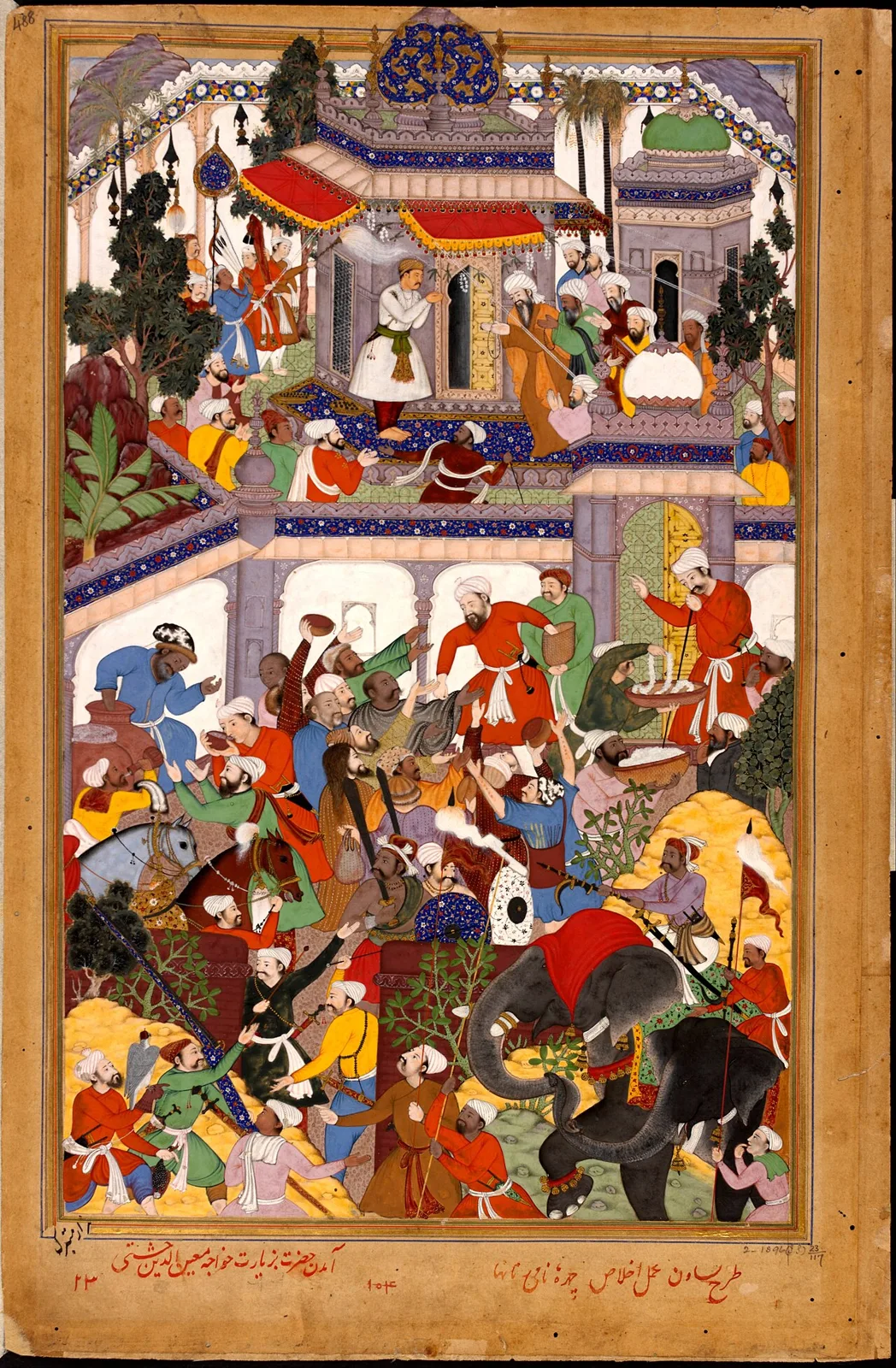
A Sufi pilgrimage complex in Ajmer, Rajasthan, centred on Mu'in al-Din Chishti’s shrine and including tombs and a mosque. Sunni Muslims visit in large numbers, particularly for Chishti’s urs.

Ana Sagar Lake

72 km away · Ajmer district

Ana Sagar Lake

Ana Sagar is a man-made lake in Ajmer, Rajasthan, associated with its builder Arnoraja, also called Ana. Visitors come to see this historic water body, which extends across 13 km.

Umaid Bhawan Palace

96 km away · Jodhpur district

Umaid Bhawan Palace

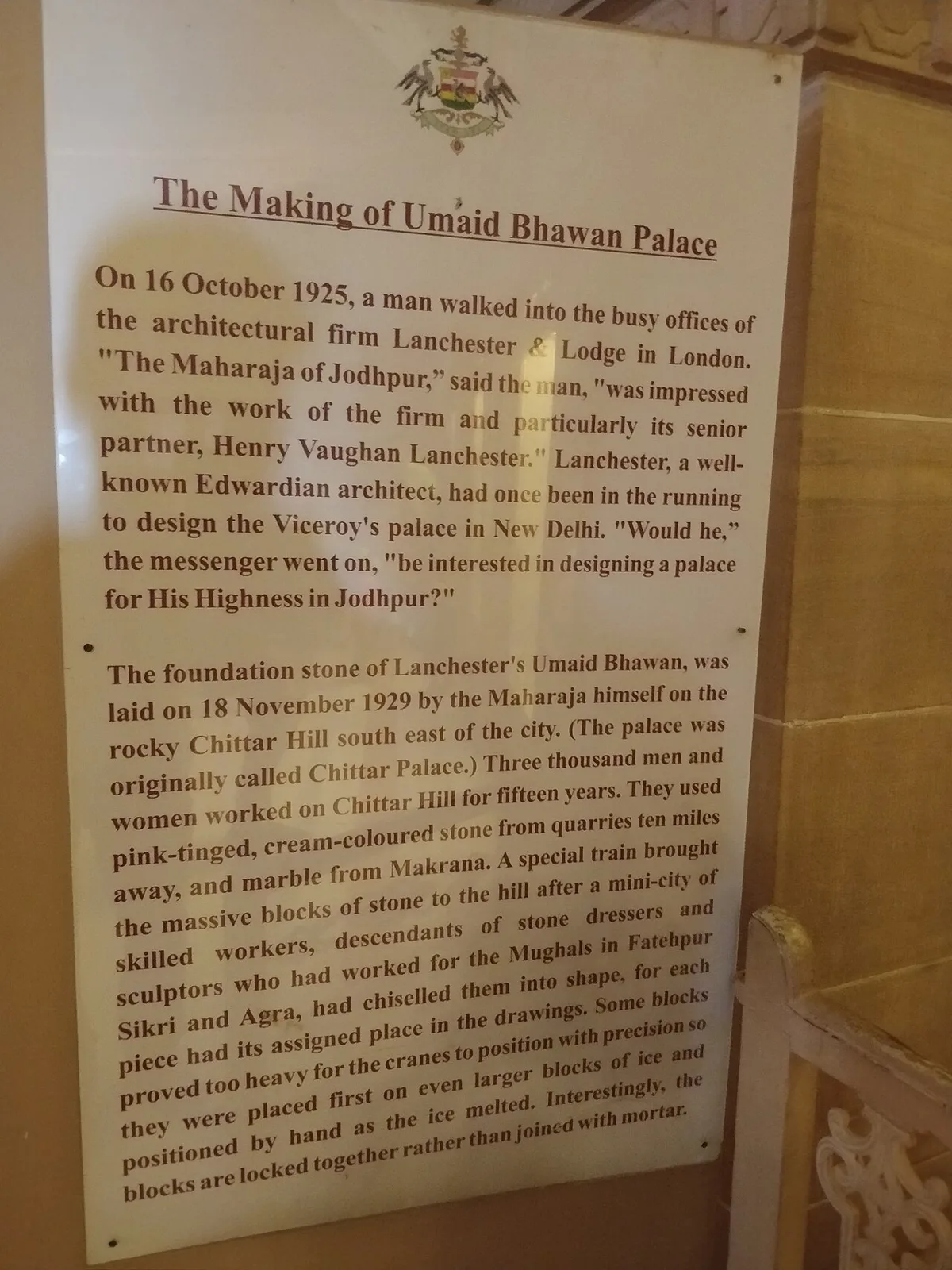
Umaid Bhawan Palace is a major residence in Jodhpur, Rajasthan, with a hotel-managed section and a museum. Visitors come to see the royal home and its museum.

Map

Nimaj on the map

  1. 1Brahma Temple
  2. 2Pushkar
  3. 3Pushkar Lake
  4. 4Taragarh Fort, Ajmer
  5. 5Adhai Din Ka Jhonpra
  6. 6Shrine of Mu'in al-Din Chishti
  7. 7Ana Sagar Lake
  8. 8Umaid Bhawan Palace

Rajasthan

Other cities to explore