Ghumoopedia — Explore, Discover, Experience
Sign in
Mehandipur Balaji Temple, near Bhusawar

City guide · Rajasthan

Bhusawar

Bhusawar is a municipality and tehsil headquarters in Bharatpur district, in eastern Rajasthan. About 55 km from Bharatpur city and 138 km from Jaipur, it serves as a local administrative and trading centre for nearby settlements.

Famous for

  • Bhusawar pickles
  • Historic Vusāvaṭa marketplace
  • Bharatpur district heritage

Why Bhusawar matters

Bhusawar is a municipality and tehsil headquarters in Bharatpur district, in eastern Rajasthan. About 55 km from Bharatpur city and 138 km from Jaipur, it serves as a local administrative and trading centre for nearby settlements. Its best-known product association is pickles, which give the town a distinctive place in the region’s everyday food culture.

Bhusawar is not primarily known as a major monument or resort destination. Its appeal is more local: visitors can experience a small-town market, regional cooking and the rhythms of life in this part of Rajasthan. The town also has a notable historical association with Vusāvaṭa, a marketplace mentioned in a 10th-century inscription found near Bayana. That connection gives Bhusawar interest for travellers exploring the older history of the Bharatpur region. It can be visited as a short stop or included in a wider journey linking Bharatpur and Bayana, while its bazaar and local food are the most direct reasons to pause in town.
Famous for: crafts, trade & products

Bhusawar is chiefly associated with pickles. They are the town’s clearest locally recognised product, and visitors can look for them in the town bazaar and ask shopkeepers about locally made varieties. The association is part of Bhusawar’s everyday food identity rather than a claim to a formally designated regional label.

Bhusawar is not especially identified with a particular saree or textile tradition, a signature handicraft, or a widely recognised GI-tagged product. Nor is it known as a major manufacturing centre. Its commercial life is centred on local needs and the surrounding settlements, so the market is the most useful place to browse for food products and ordinary household goods. Travellers looking for specialist crafts or a broad selection of Rajasthan textiles may find more choice in larger cities. For a visit focused on Bhusawar itself, sampling or buying pickles locally offers the most grounded connection to its reputation; specific makers and varieties are best confirmed in person.

History

Bhusawar’s documented past includes an association with Vusāvaṭa, a marketplace named in an inscription found near Bayana and dated 8 January 955. Historian R. D. Banerji identified Vusāvaṭa with Bhusawar, though the identification is not certain. The inscription describes Chittralekhā, possibly a queen consort of the Kachchhapaghata ruler Maṅgalārāja of Gwalior, founding a Vishnu temple at an unspecified location and assigning revenue for its upkeep. One grant drew three drammas from the marketplace at Vusāvaṭa, perhaps as a fee on horse-borne goods. This reference suggests the settlement or its market had a role in regional commerce by the 10th century.

A detailed account of Bhusawar’s later local history, including specific colonial-era developments, is not firmly established here. In modern Rajasthan it functions as a municipality and the headquarters of Bhusawar Tehsil in Bharatpur district, serving administrative and market needs for the surrounding area.

Food, festivals & culture

Pickles are central to Bhusawar’s food reputation. Everyday meals reflect the broader cuisine of eastern Rajasthan, where dishes such as dal baati churma, besan-based preparations and seasonal vegetables are familiar; these are regional foods rather than uniquely Bhusawar specialities. Local sweet shops and eateries are the best places to see what is being prepared during a visit.

Hindi is widely used, alongside local speech shaped by the Braj-influenced languages of the Bharatpur region. Holi, usually celebrated in spring, is an important seasonal festival in this part of Rajasthan. Diwali in autumn, Teej during the monsoon season and Gangaur in spring are also observed across the region, though customs vary between communities. Folk music and dance traditions form part of wider Rajasthani cultural life. Within Bhusawar, visitors can look for neighbourhood temples and local shrines; the town is not widely known for a single major pilgrimage complex or a named performing-arts venue.

Visiting the city

The cooler months, roughly October to March, are generally the most comfortable for exploring Bhusawar; summers can be very hot, while the monsoon brings rain and humidity. Agra Airport is a nearby air gateway, though services may be limited; Jaipur International Airport is another option with broader connections. Bharatpur Junction is the principal railway station to consider for onward road travel, with Bayana Junction also serving the wider region.

Bhusawar is easiest to explore by auto-rickshaw, local taxi or on foot around the central market, depending on the distance. The bazaar and nearby neighbourhood temples offer a simple introduction to the town. Allow time to browse food shops for pickles, and use Bhusawar as a stop on a wider Bharatpur–Bayana itinerary if exploring the district’s historical and natural attractions.

Trips from the city

Nearest places to visit from Bhusawar

Our closest destination guides, by straight-line distance.

Mehandipur Balaji Temple

28 km away · Dausa district

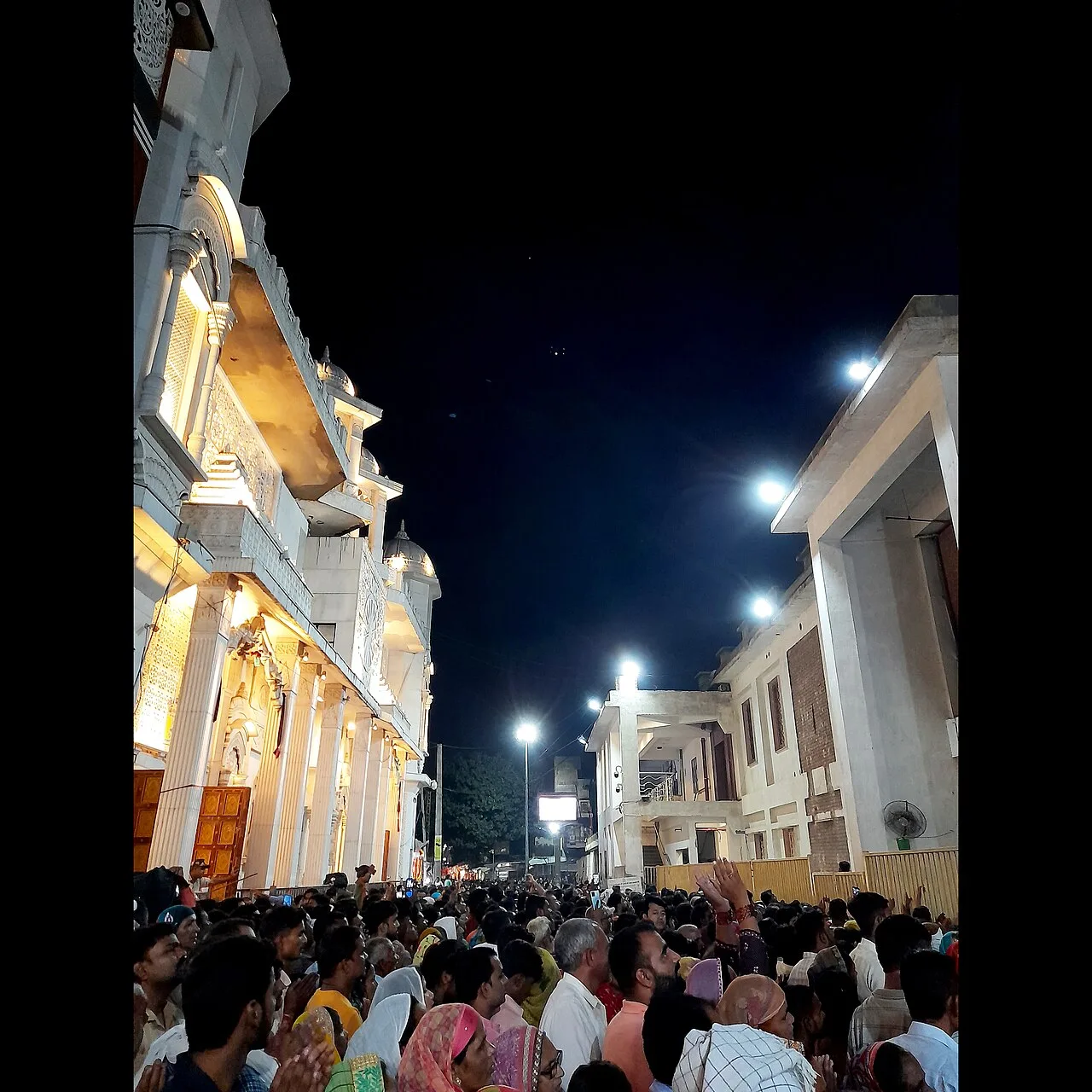
Mehandipur Balaji Temple

In Rajasthan’s Dausa district, Mehandipur Balaji Temple is a Hindu place of worship devoted to Hanuman. Pilgrims visit for its reputation for ritual healing and ceremonies to remove evil spirits.

Chand Baori

44 km away · Dausa district

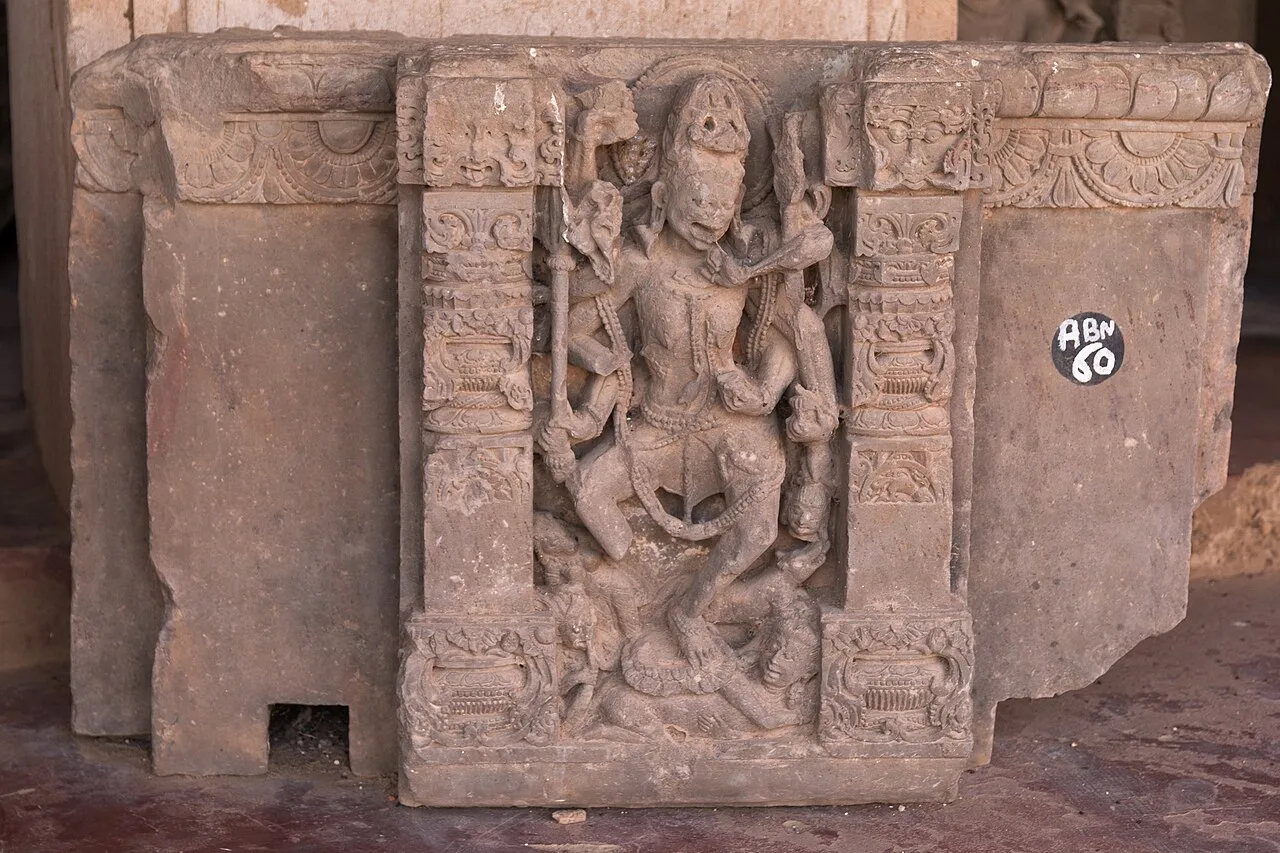
Chand Baori

In Abhaneri, Chand Baori is a historic Rajasthan stepwell known for its depth and tiered stairways. Visitors come to see its inverted-pyramid layout and large reservoir.

Keoladeo National Park

48 km away · Bharatpur district

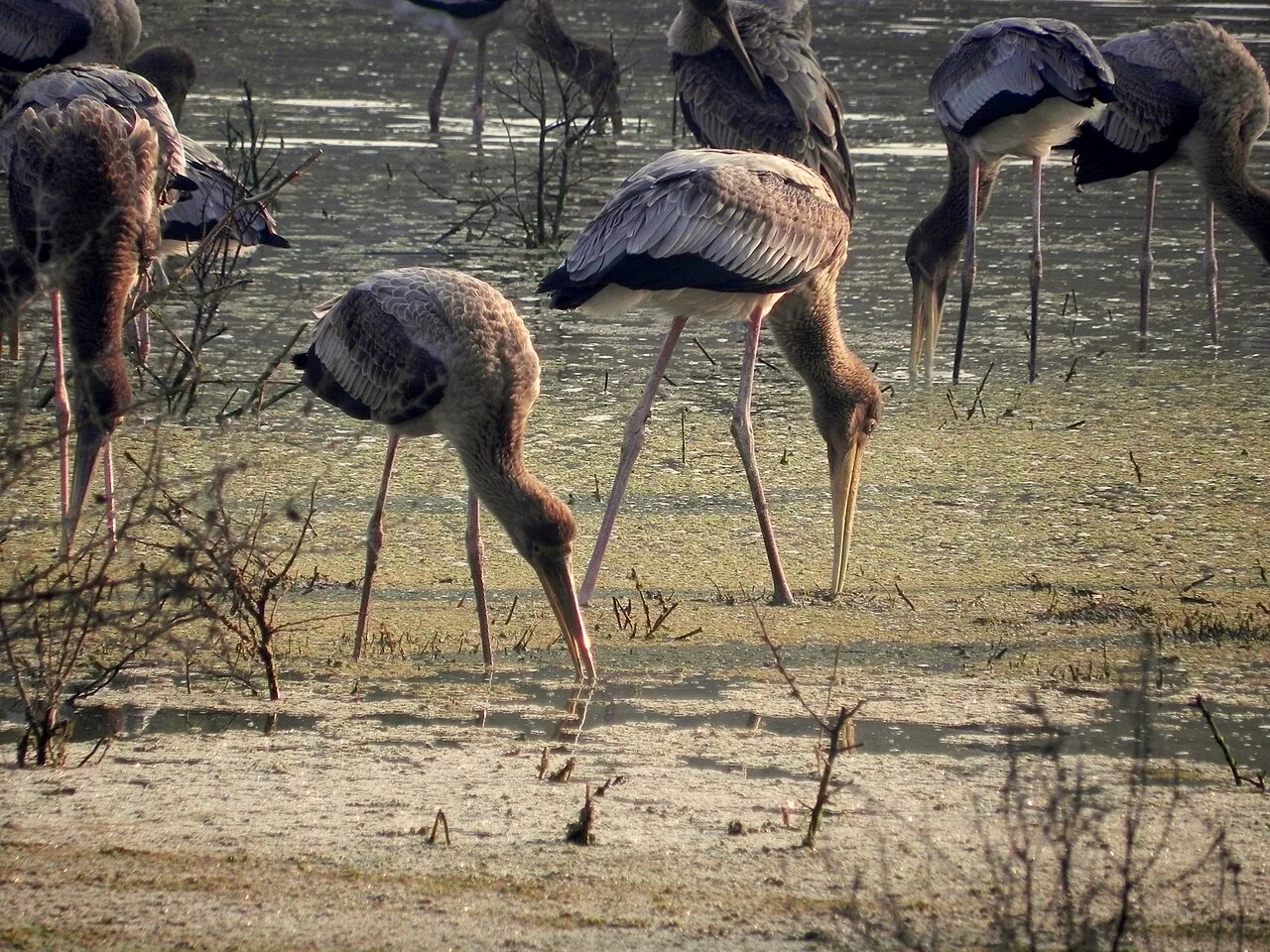
Keoladeo National Park

Keoladeo National Park is a wetland and wildlife reserve in Bharatpur district, Rajasthan. Visitors come to see its varied birdlife, particularly the many species that gather there during winter.

Lohagarh Fort

49 km away · Bharatpur district

Lohagarh Fort

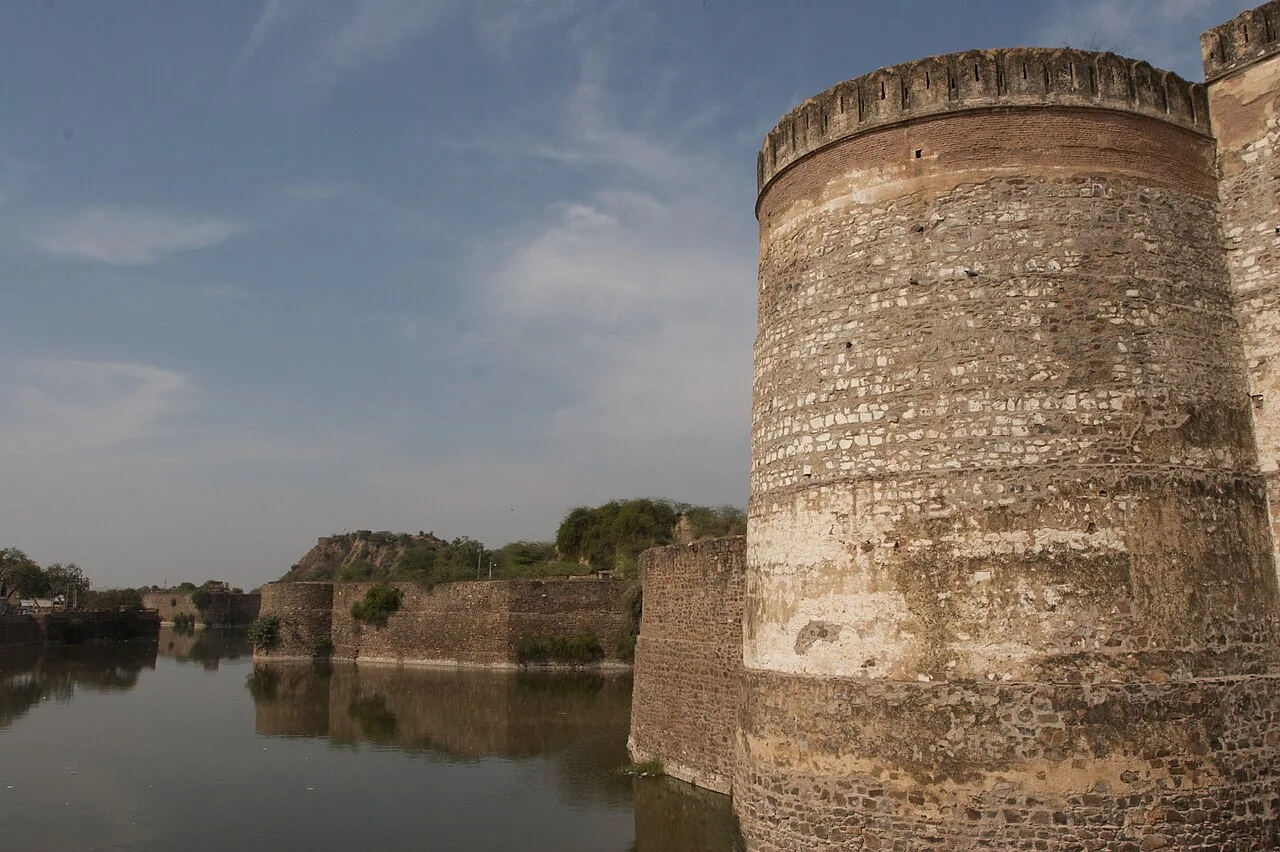
Lohagarh Fort is an eighteenth-century stronghold in Bharatpur, Rajasthan, commissioned by Maharaja Suraj Mal in 1732. Visitors learn about its resistance to British attacks and its eventual capture.

Deeg Palace

55 km away · Bharatpur district

Deeg Palace

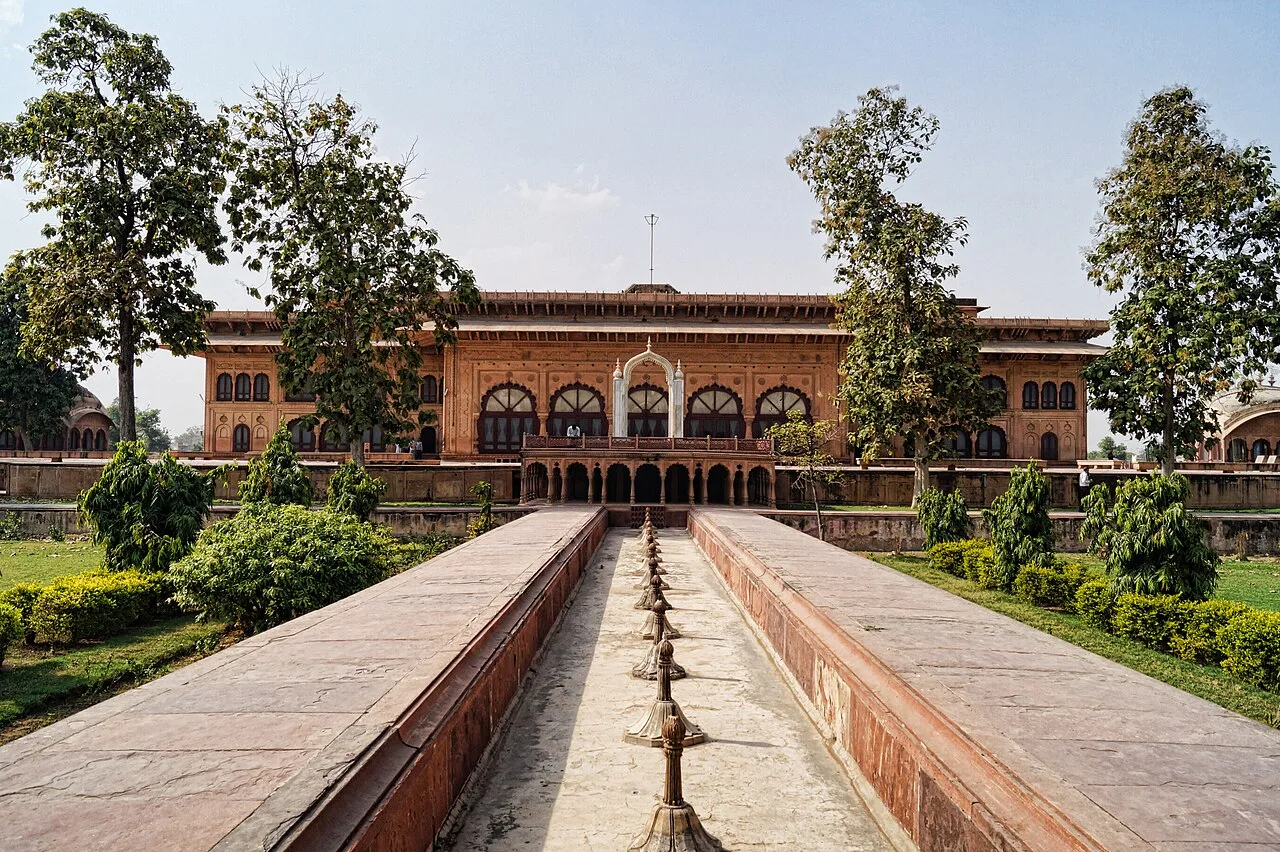
Deeg Palace is an eighteenth-century royal summer residence in Rajasthan; visitors come to see its Mughal and Rajput design and learn about its former defensive role.

Sariska Tiger Reserve

68 km away · Alwar district

Sariska Tiger Reserve

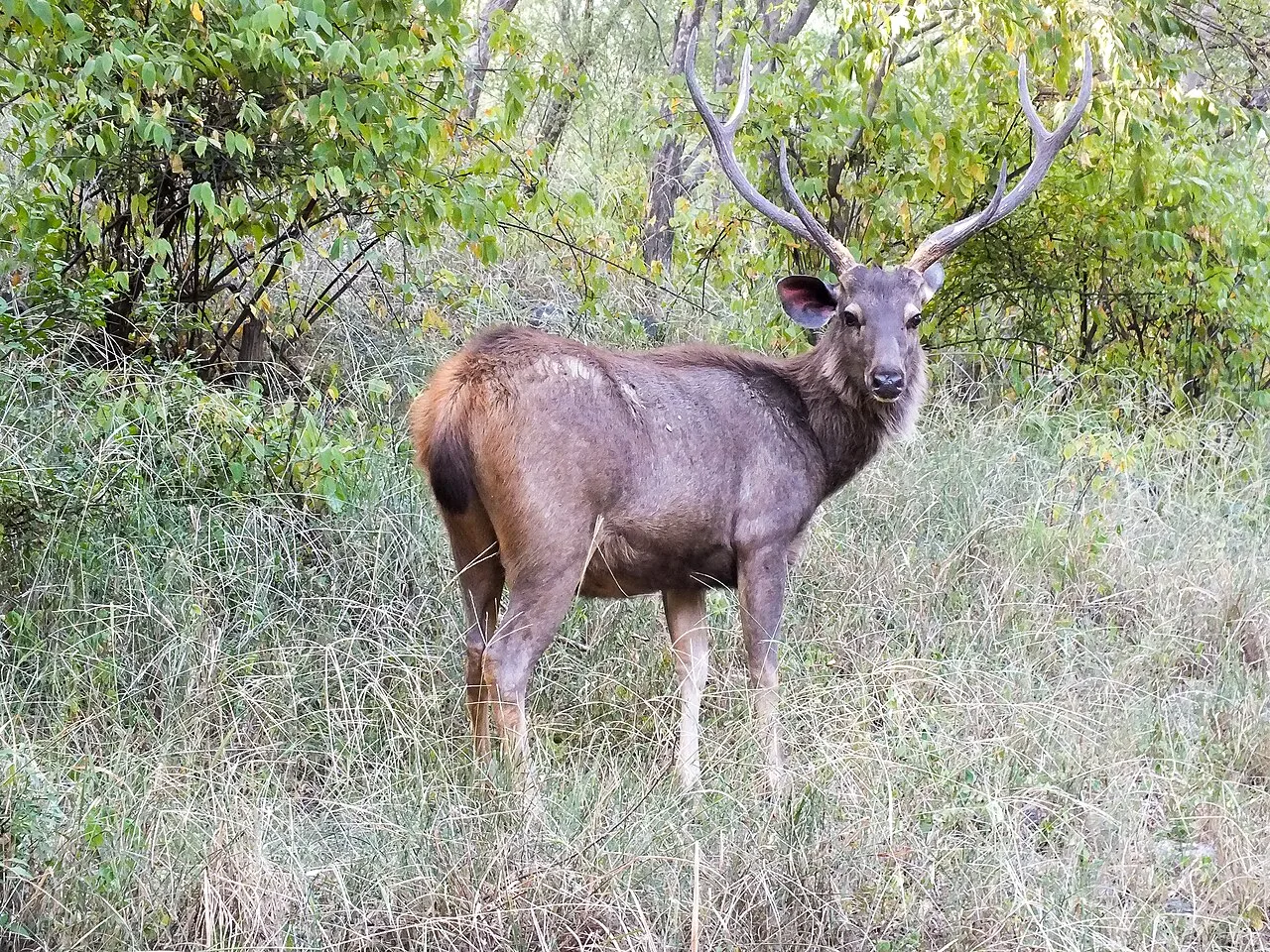
Sariska Tiger Reserve, in Rajasthan’s Alwar district, is a protected area with tiger-reserve status and varied forest, grassland and rocky habitats. Visitors come to experience its wildlife and conservation setting.

Siliserh Lake

75 km away · Alwar district

Siliserh Lake

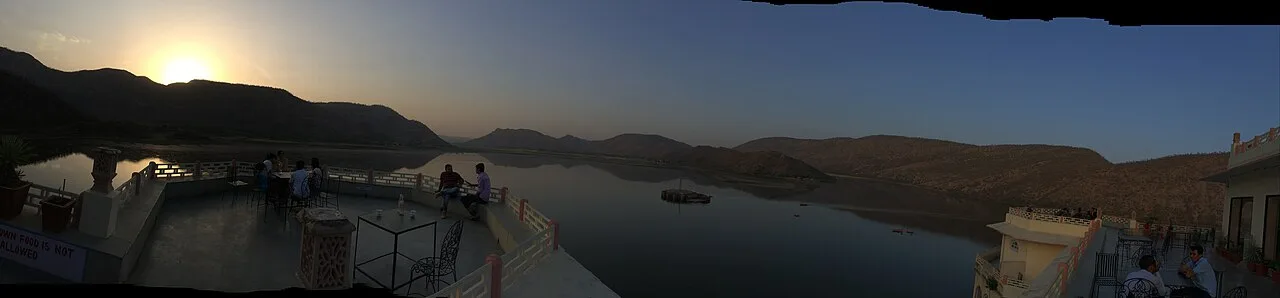
Siliserh Lake is an artificial lake in Rajasthan, southwest of Alwar, with wooded banks and cenotaphs along its embankment that visitors come to see.

Bhangarh Fort

76 km away · Alwar district

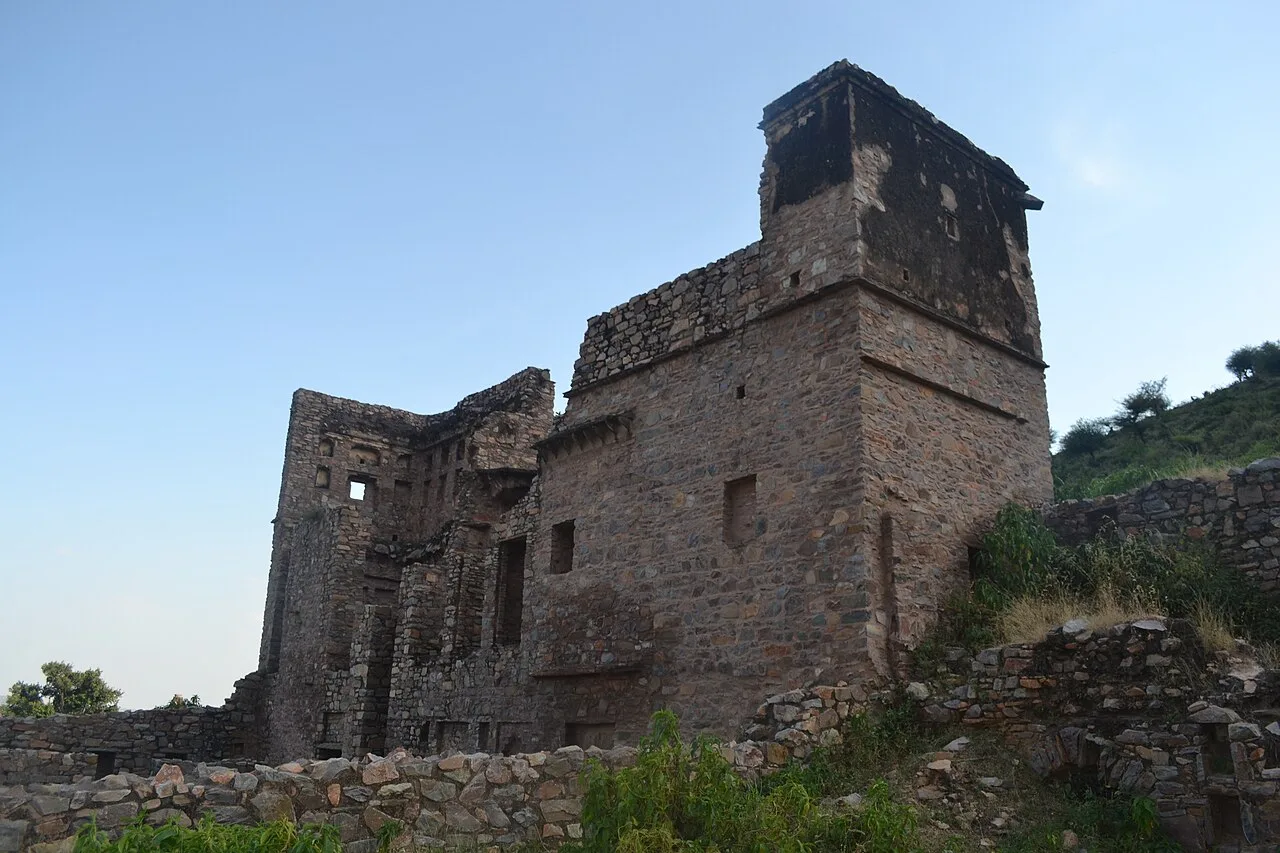
Bhangarh Fort

Dating to the sixteenth century, Bhangarh Fort in Rajasthan is linked to Madho Singh’s residence. Visitors come to view the preserved fort and its surrounding precincts.

Map

Bhusawar on the map

  1. 1Mehandipur Balaji Temple
  2. 2Chand Baori
  3. 3Keoladeo National Park
  4. 4Lohagarh Fort
  5. 5Deeg Palace
  6. 6Sariska Tiger Reserve
  7. 7Siliserh Lake
  8. 8Bhangarh Fort

Rajasthan

Other cities to explore