Ghumoopedia — Explore, Discover, Experience
Sign in
Taragarh Fort, Ajmer, near Nasirabad

City guide · Rajasthan

Nasirabad

Nasirabad is a cantonment town in Ajmer district, set in Rajasthan’s historic Ajmer region. Its most distinctive role today is as a military station: the cantonment shapes the town’s identity and supports a community of service personnel, veterans, families and civilian residents.

Famous for

  • Nasirabad Cantonment
  • British-era military station
  • Ochterlony namesake
  • Rajputana missionary history

Why Nasirabad matters

Nasirabad is a cantonment town in Ajmer district, set in Rajasthan’s historic Ajmer region. Its most distinctive role today is as a military station: the cantonment shapes the town’s identity and supports a community of service personnel, veterans, families and civilian residents. Because much of the station is a working, controlled military area, visitors should treat it as an active cantonment rather than an open-air heritage attraction.

The town’s name carries a link to the late Mughal and colonial periods. It is associated with British officer Sir David Ochterlony, who received the title Nasir-ud-Daula from Mughal emperor Shah Alam II. Nasirabad is also noted in accounts of early Christian missionary activity in Rajputana. For most travellers, it is a quieter stop or practical base in the wider Ajmer area, rather than a destination with a large circuit of visitor attractions. Its appeal lies in its military history, local town life and connections to nearby Ajmer and the region’s heritage sites.
Famous for: crafts, trade & products

Nasirabad is not widely known as a centre for a particular textile, handicraft, GI-tagged product or large consumer industry. Its best-known institution is the cantonment, which remains central to the town’s identity and daily life. Military facilities are active and may be restricted; visitors should not assume that cantonment grounds or installations are open to the public.

The town’s ordinary bazaars and shops mainly serve local residents, nearby communities and military families, with everyday food, household goods and clothing rather than a distinct tourist-shopping tradition. Travellers can look there for routine provisions and locally sold Rajasthani items, but should not expect a concentrated craft market or a signature Nasirabad product. For a broader choice of regional textiles, handicrafts and souvenirs, Ajmer is the more practical nearby shopping stop. Ask shopkeepers about the origin of goods, especially when buying items described as locally made or regionally distinctive. Nasirabad’s principal claim is its military and historical identity, not a recognised craft or trade speciality.

History

Nasirabad’s history is closely tied to the growth of British military power in Rajputana. It developed as a cantonment and became known as a station for troops and officers. The town’s name is linked to Sir David Ochterlony, a British officer honoured by Mughal emperor Shah Alam II with the title Nasir-ud-Daula, meaning “Defender of the State.” The name reflects the layered political history of the region, where Mughal authority and expanding British influence overlapped.

Nasirabad also has a place in the history of Christian missions in Rajputana. Missionary work began here during the 1860s, in the period of a plague epidemic; it was described as the second such station in the region after Beawar. In the modern era, the cantonment has continued to define the town’s character and employment, alongside civilian neighbourhoods and local commerce. Nasirabad is now part of Ajmer district in Rajasthan, retaining a strong association with military life and its colonial-era past.

Food, festivals & culture

Daily life in Nasirabad reflects its place in Rajasthan as well as its cantonment community. Hindi is widely used, and Rajasthani speech and Urdu are also heard. The town does not have a single nationally recognised dish or sweet of its own. Visitors will find familiar regional and North Indian fare; Rajasthani foods such as dal baati churma, gatte ki sabzi and ker sangri are part of the wider culinary tradition, while sweets vary by shop and season.

Holi and Diwali are celebrated in spring and autumn respectively, while Teej and Gangaur bring seasonal Rajasthani traditions. Eid and Christmas are also observed by local communities. Folk songs, devotional music and bhajans are part of the wider cultural landscape, though performances are generally community-based rather than staged as a regular tourist programme. Local temples, mosques and churches serve residents; the town’s religious life is varied, but individual places may have limited visitor facilities. For larger cultural events and a wider range of heritage sites, nearby Ajmer offers more options.

Visiting the city

The cooler months, particularly November to February, are generally the most comfortable time to visit. Kishangarh Airport is the nearest airport serving the Ajmer region; Jaipur International Airport is another option with broader connections. Nasirabad has its own railway station, while Ajmer Junction is the main nearby rail hub for wider connections.

Auto-rickshaws and local taxis are practical ways to get around town, though availability can vary. The civilian bazaar and central neighbourhoods offer a look at everyday town life. Visitors interested in the cantonment’s history should respect security rules: military installations and some areas may be restricted, so check locally before entering. Nasirabad can also work as a quiet base for exploring Ajmer and nearby regional attractions, with onward travel arranged from town or Ajmer.

Trips from the city

Nearest places to visit from Nasirabad

Our closest destination guides, by straight-line distance.

Taragarh Fort, Ajmer

19 km away · Ajmer district

Taragarh Fort, Ajmer

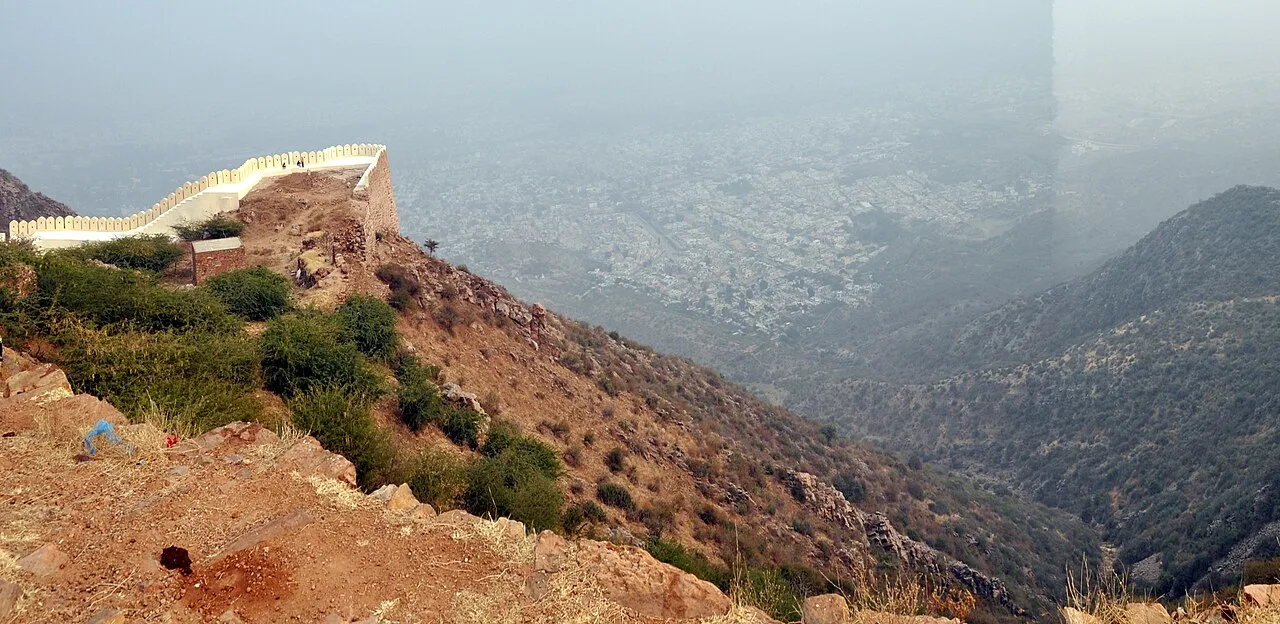
Set on a steep slope in Ajmer, Rajasthan, Taragarh Fort is a historic stronghold associated with the Parmar Rajputs and Ajayaraja Chauhan. Visitors come to see the fortress and learn about its earlier name, Ajaymeru Durg.

Adhai Din Ka Jhonpra

20 km away · Ajmer district

Adhai Din Ka Jhonpra

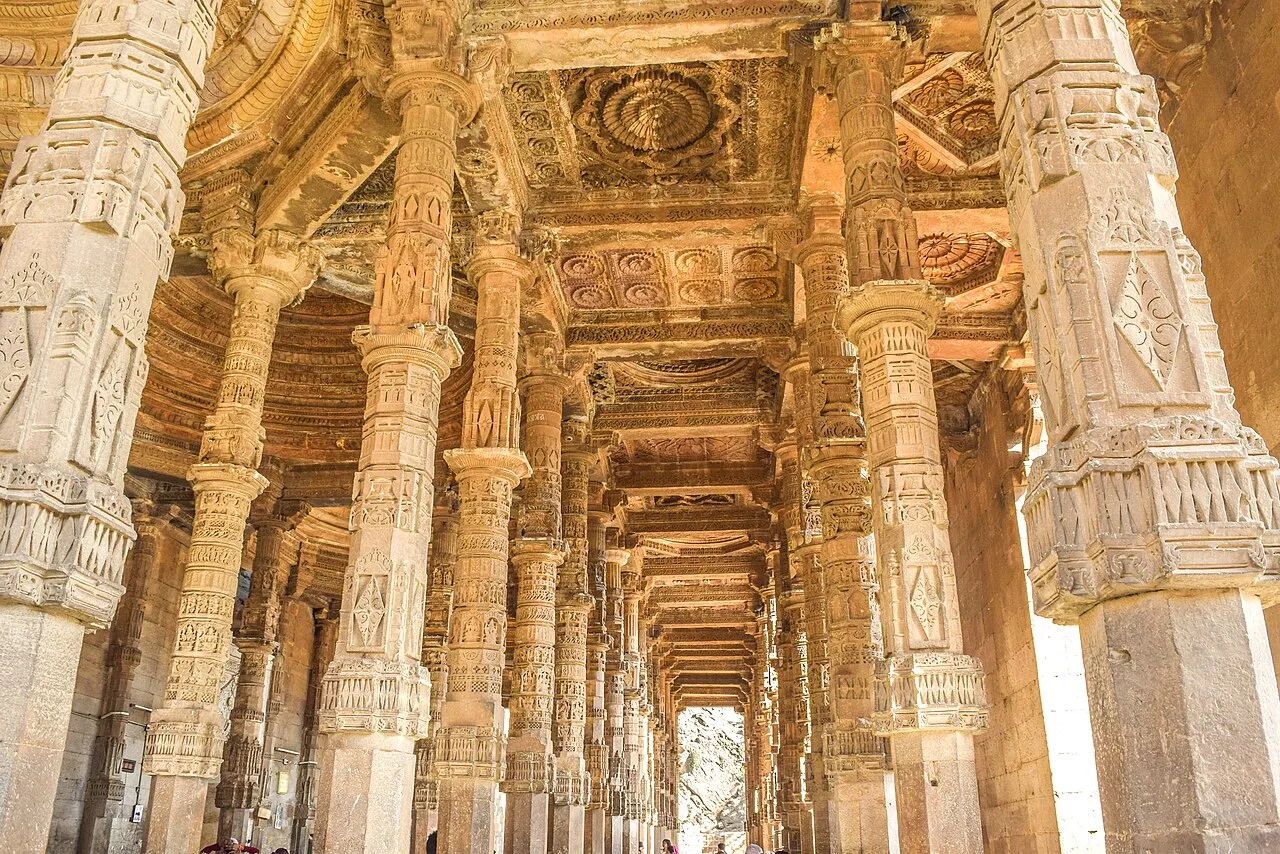
This former mosque in Ajmer, Rajasthan, is among India’s oldest mosques and the city’s oldest surviving monument. Visitors come to see its early Indo-Islamic design and its Hindu, Jain and Islamic architectural elements.

Shrine of Mu'in al-Din Chishti

20 km away · Ajmer district

Shrine of Mu'in al-Din Chishti

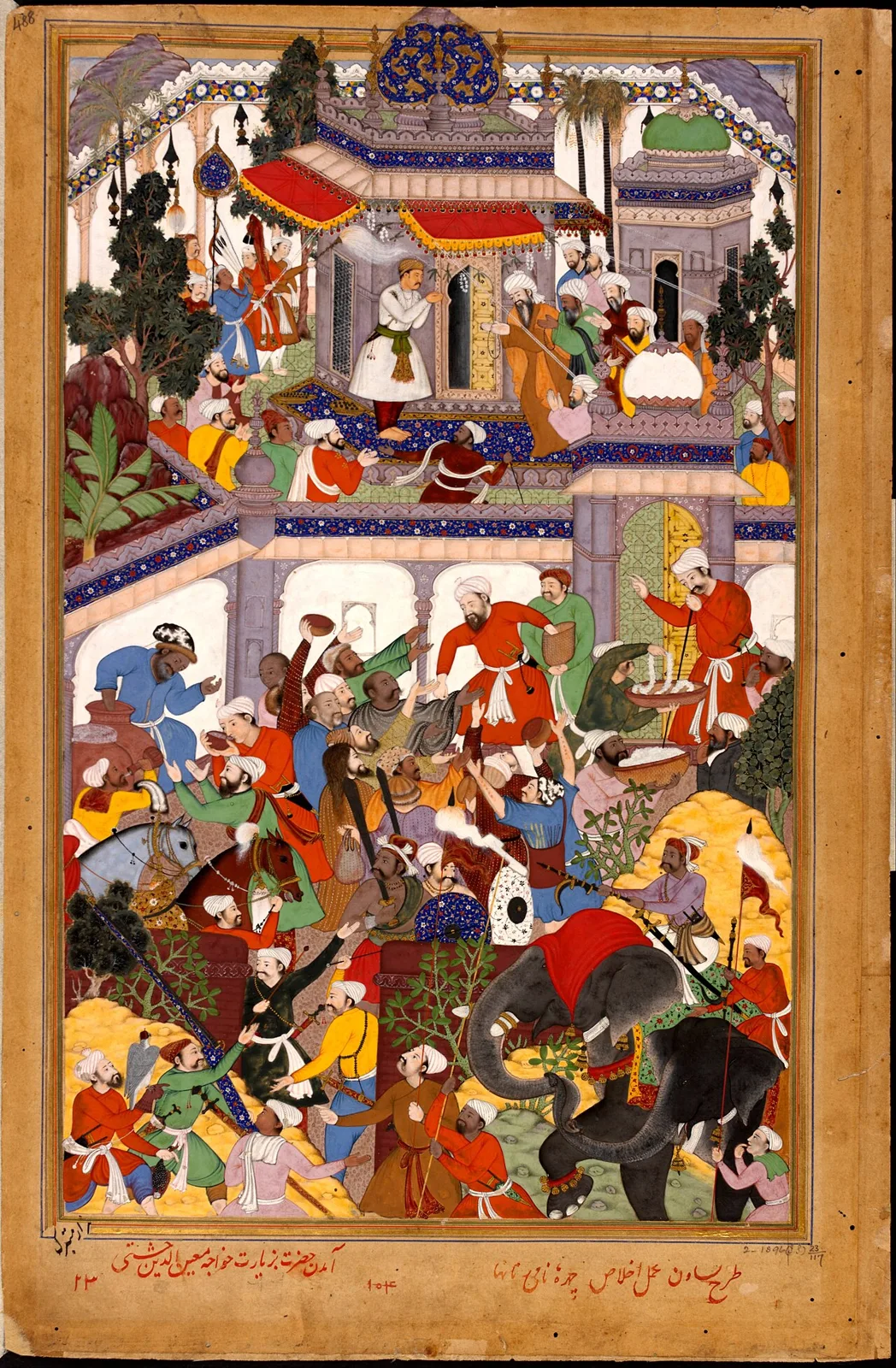
A Sufi pilgrimage complex in Ajmer, Rajasthan, centred on Mu'in al-Din Chishti’s shrine and including tombs and a mosque. Sunni Muslims visit in large numbers, particularly for Chishti’s urs.

Ana Sagar Lake

22 km away · Ajmer district

Ana Sagar Lake

Ana Sagar is a man-made lake in Ajmer, Rajasthan, associated with its builder Arnoraja, also called Ana. Visitors come to see this historic water body, which extends across 13 km.

Brahma Temple

27 km away · Ajmer district

Brahma Temple

Located in Pushkar, Rajasthan, the Brahma Temple is a Hindu shrine near Pushkar Lake and among India’s few temples for Brahma. Pilgrims especially gather there on Kartik Poornima.

Pushkar

27 km away · Ajmer district

Pushkar

Pushkar is a historic pilgrimage town in Rajasthan, centred on a sacred lake and temples, including one of the few shrines to Brahma. Visitors come for worship, ritual bathing and its heritage.

Pushkar Lake

27 km away · Ajmer district

Pushkar Lake

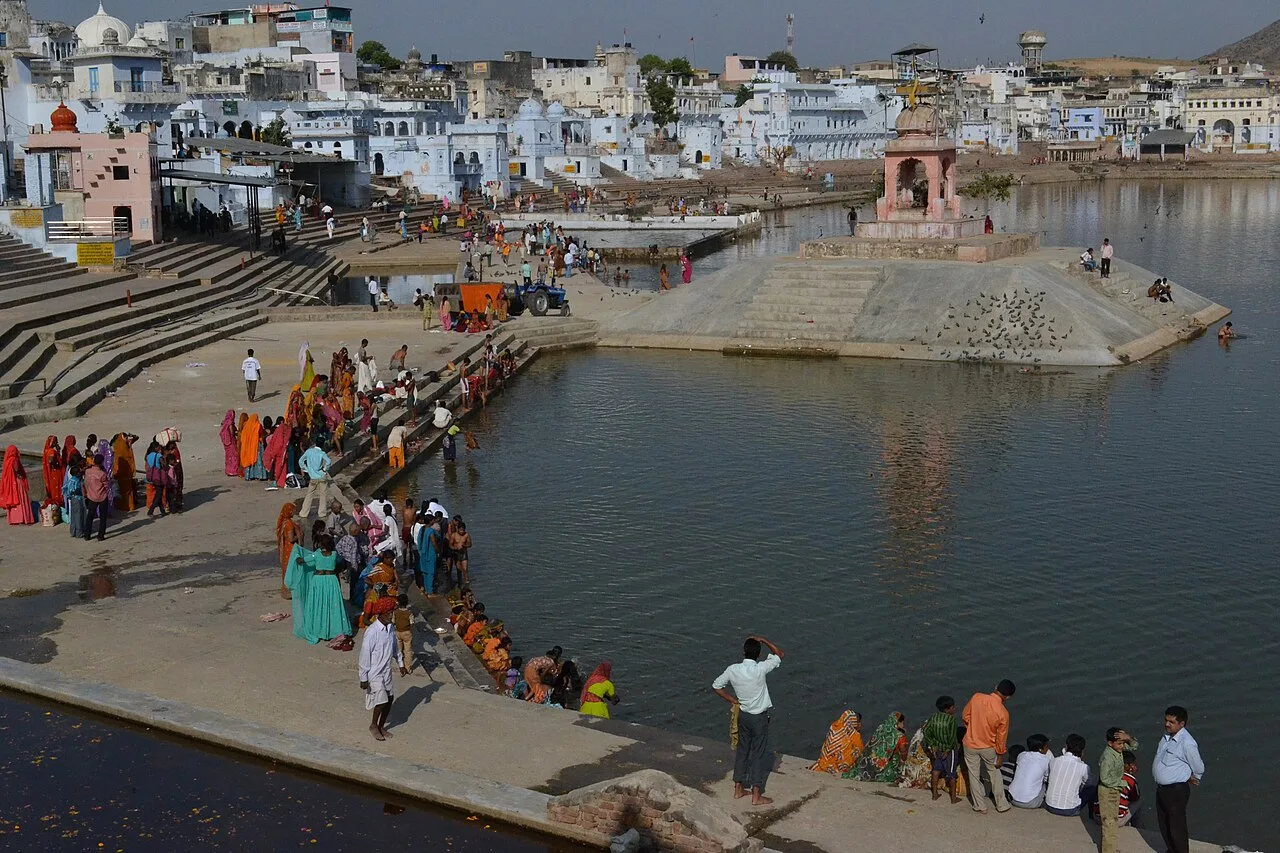
Pushkar Lake, also called Pushkar Sarovar, is a sacred lake in Rajasthan’s Ajmer district. Pilgrims come to bathe at its ghats, especially around Kartik Poornima, when the Pushkar Fair takes place.

Sambhar Salt Lake

79 km away · Jaipur district

Sambhar Salt Lake

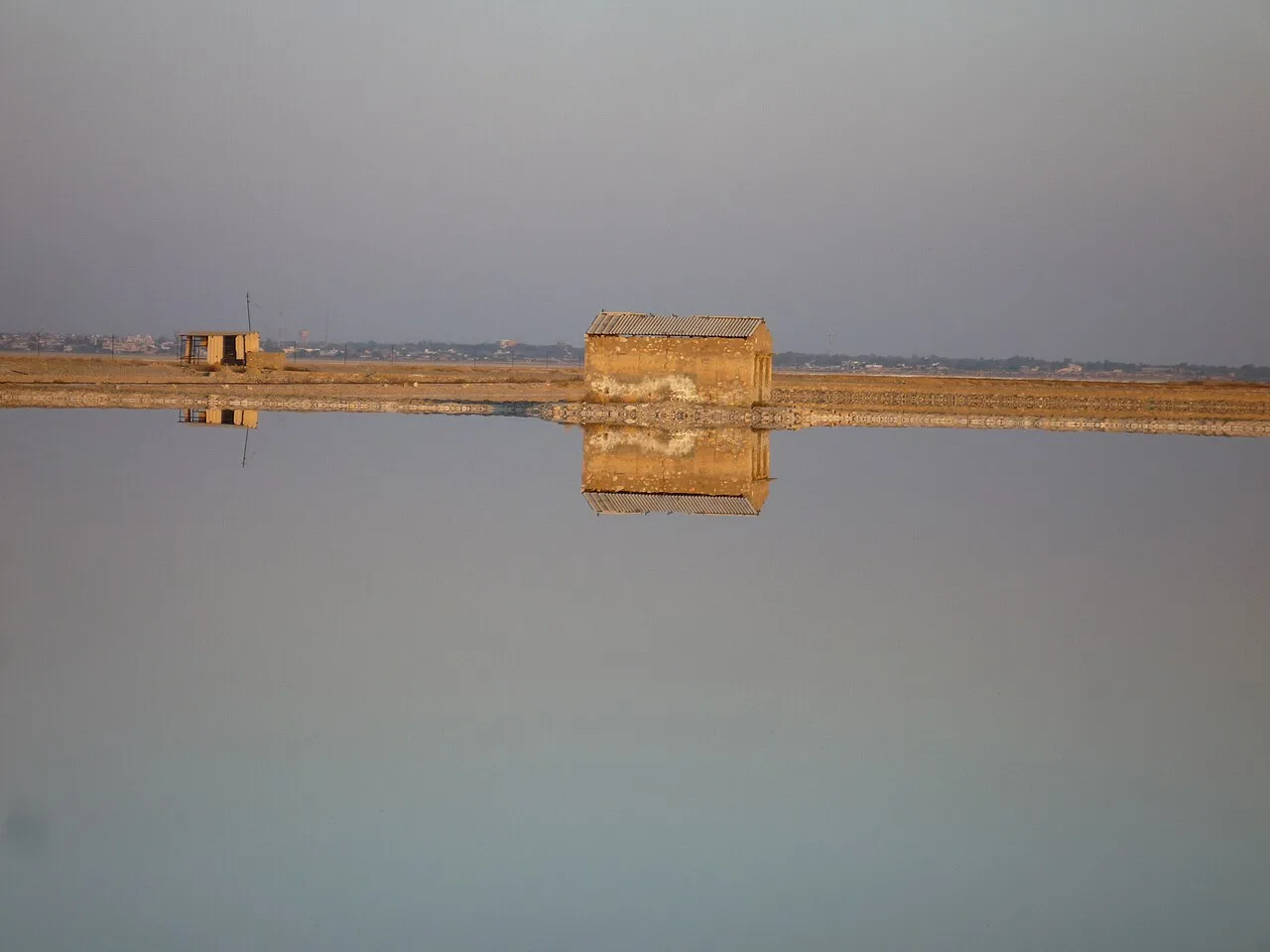
Sambhar Salt Lake is Rajasthan’s largest inland salt lake, in Jaipur district. Visitors come to see the lake and the historic settlement of Sambhar Lake Town, which it surrounds.

Map

Nasirabad on the map

  1. 1Taragarh Fort, Ajmer
  2. 2Adhai Din Ka Jhonpra
  3. 3Shrine of Mu'in al-Din Chishti
  4. 4Ana Sagar Lake
  5. 5Brahma Temple
  6. 6Pushkar
  7. 7Pushkar Lake
  8. 8Sambhar Salt Lake

Rajasthan

Other cities to explore