Ghumoopedia — Explore, Discover, Experience
Sign in
Samode, near Shahpura

City guide · Rajasthan

Shahpura

Shahpura is a historic town in Rajasthan’s Jaipur region, known chiefly for its association with the Shekhawat clan and the old Amarsar-Manoharpur line. Its significance comes less from large-scale industry or a single nationally famous monument than from its place in the history of local Rajput rule.

Famous for

  • Shekhawat clan heritage
  • Amarsar-Manoharpur lineage
  • Historic town near Jaipur
  • Traditional Rajasthan town life

Why Shahpura matters

Shahpura is a historic town in Rajasthan’s Jaipur region, known chiefly for its association with the Shekhawat clan and the old Amarsar-Manoharpur line. Its significance comes less from large-scale industry or a single nationally famous monument than from its place in the history of local Rajput rule. The town offers a quieter stop for visitors interested in the stories behind Rajasthan’s former seats of power and in the everyday character of a regional market town.

For travellers, Shahpura can be explored as a short visit from Jaipur or as part of a wider journey through the countryside north of the city. Its older streets, local places of worship and bazaar provide a sense of the town’s continuing community life. Visitors should keep expectations measured: Shahpura is not a major resort destination, but its historical associations give it a distinct identity within the Jaipur region. Its proximity to Jaipur also makes it accessible to travellers combining smaller heritage towns with the state capital.
Famous for: crafts, trade & products

Shahpura is best known for its historical connection to the Shekhawat lineage, rather than for a widely recognised textile, handicraft or industrial speciality. It is not commonly identified as a centre for a GI-tagged product, and visitors should not assume that crafts associated with other parts of Rajasthan are made locally. The town’s everyday shops and bazaar serve residents and nearby villages, with general household goods, clothing and regional necessities rather than a dedicated tourist craft market.

For a sense of local commerce, browse the central bazaar and adjoining streets, where small retailers and food shops reflect the needs of the surrounding area. Travellers looking specifically for block-printed textiles, jewellery, blue pottery or a broad selection of Rajasthan handicrafts will find more choice in Jaipur’s established markets. Shahpura’s strongest point of interest is its heritage and local setting, so shopping is best treated as a chance to see ordinary town life rather than as a destination-led craft experience. Ask locally about any artisan work or seasonal stalls during a visit, as offerings can vary.

History

Shahpura’s story is tied to the Shekhawats, a branch of the wider Kachhwaha Rajput lineage associated with Maharao Shekha. Shekha’s son Raimal held Amarsar, which became an important seat of the clan. After Raimal, Rao Suja succeeded him but left Amarsar during the period of Sher Shah’s campaigns. Suja’s son Rao Lunkaran later recovered the seat, and it passed in turn to his son Rao Manohar.

In the time of Rao Bishan Singh, Shahpura became the capital of the old Amarsar-Manoharpur line, giving the town its lasting place in regional history. During the colonial era, local rule formed part of the wider political landscape of Rajputana, where hereditary houses retained a strong role in local identity. In modern times Shahpura has developed as a municipality and regional service town. Its historic importance remains closely linked to its former ruling family and the changing centres of authority around Jaipur.

Food, festivals & culture

Daily life in Shahpura reflects the food and customs of the Jaipur region. Local eateries commonly serve Rajasthani and North Indian staples; dal baati churma, gatte ki sabzi and seasonal ker sangri are familiar regional dishes. Sweets such as ghewar are especially associated with festive occasions, while the selection in town varies by shop and season. Hindi is widely used, alongside local Rajasthani speech, including forms of Dhundhari heard across the Jaipur area.

Holi in spring, Gangaur after Holi, Teej during the monsoon and Diwali in autumn are important points in the regional festival calendar. Celebrations may include worship, family gatherings, processions or community events, with details differing from year to year. Temples and neighbourhood shrines provide settings for everyday devotion and festival observances. Folk songs, devotional bhajans and traditional Rajasthani dance forms are part of the broader cultural landscape; performances are more likely at festivals and private celebrations than as a regular visitor attraction.

Visiting the city

The cooler months, roughly October to March, are generally the most comfortable time to visit. Jaipur International Airport and Jaipur Junction railway station are the main air and rail gateways; from Jaipur, continue by road to Shahpura. Buses and private vehicles serve the regional road network, while autos or local taxis are useful for short trips within town. Confirm onward connections locally, as services and availability can change.

Start in the old town and central bazaar to see the everyday streets and local shops, then visit nearby places of worship and ask residents about sites connected with the town’s Shekhawat history. The surrounding countryside offers a quieter contrast to Jaipur, but Shahpura is best approached as a modest heritage stop rather than a destination with a large set of formal visitor attractions. A road trip combining it with Jaipur and other nearby towns can make for a fuller itinerary.

Trips from the city

Nearest places to visit from Shahpura

Our closest destination guides, by straight-line distance.

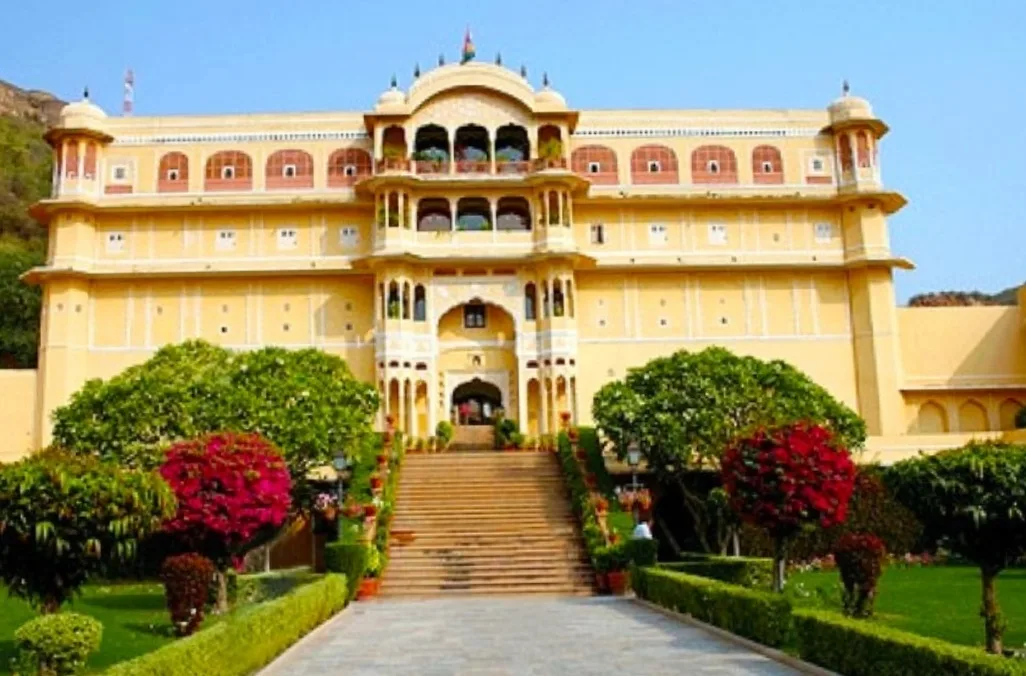
Samode

26 km away · Jaipur district

Samode

Samode is a village in Rajasthan’s Aravalli hills, north-west of Jaipur. Visitors come for its palace, haveli and garden, historic properties now operated as heritage hotels.

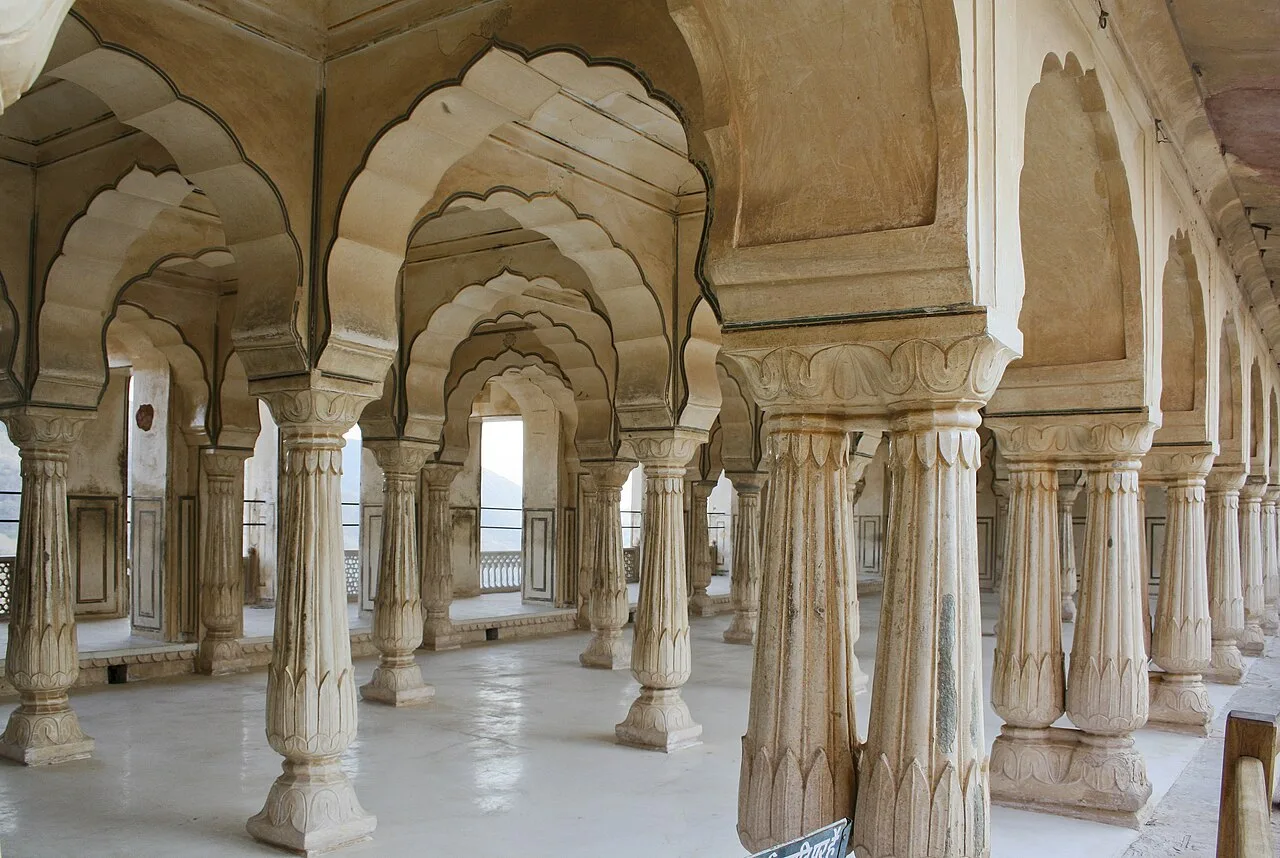
Amber Fort

46 km away · Jaipur district

Amber Fort

Amber Fort, also known as Amer Palace, is a hilltop fort in Amer, Rajasthan. Visitors explore its Rajput and Mughal-influenced design, palace halls and setting above Maota Lake.

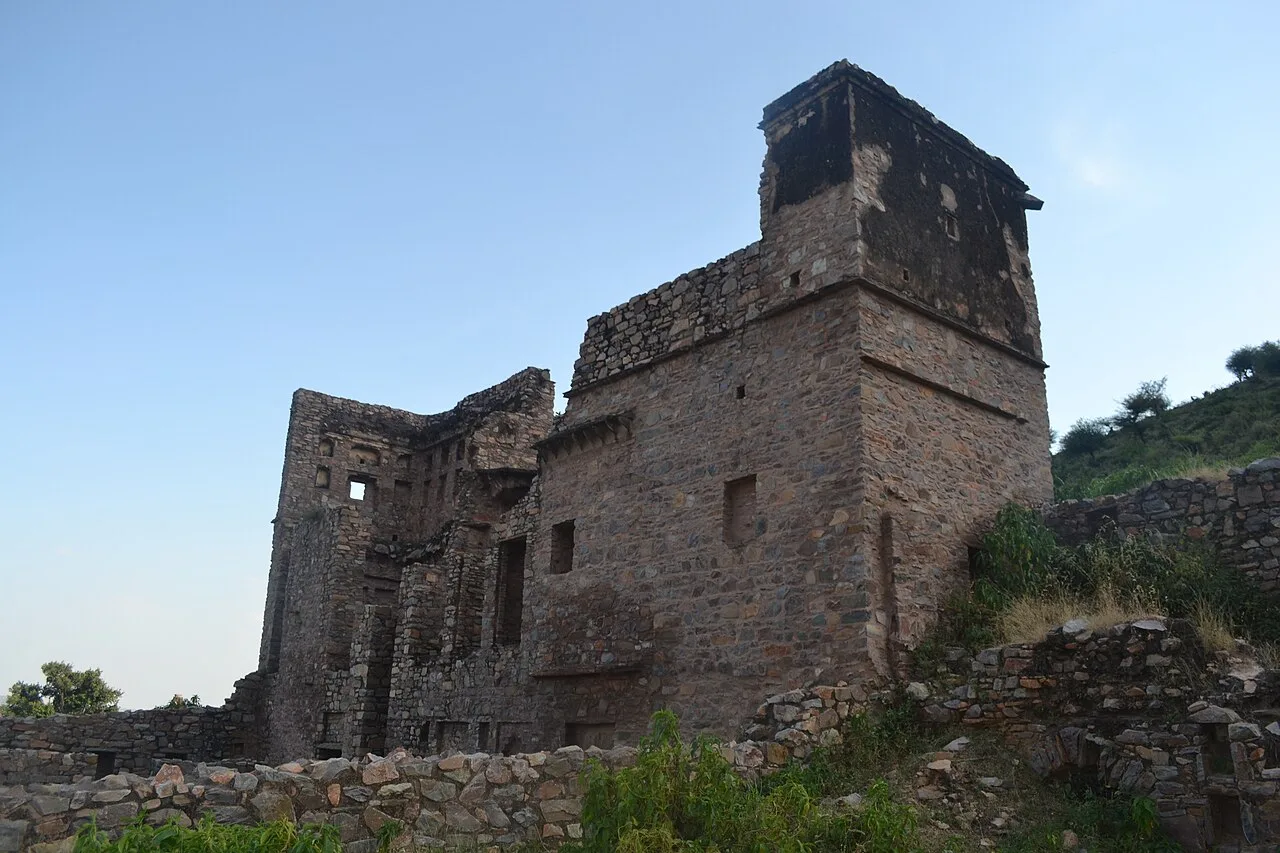
Bhangarh Fort

46 km away · Alwar district

Bhangarh Fort

Dating to the sixteenth century, Bhangarh Fort in Rajasthan is linked to Madho Singh’s residence. Visitors come to view the preserved fort and its surrounding precincts.

Jaigarh Fort

46 km away · Jaipur district

Jaigarh Fort

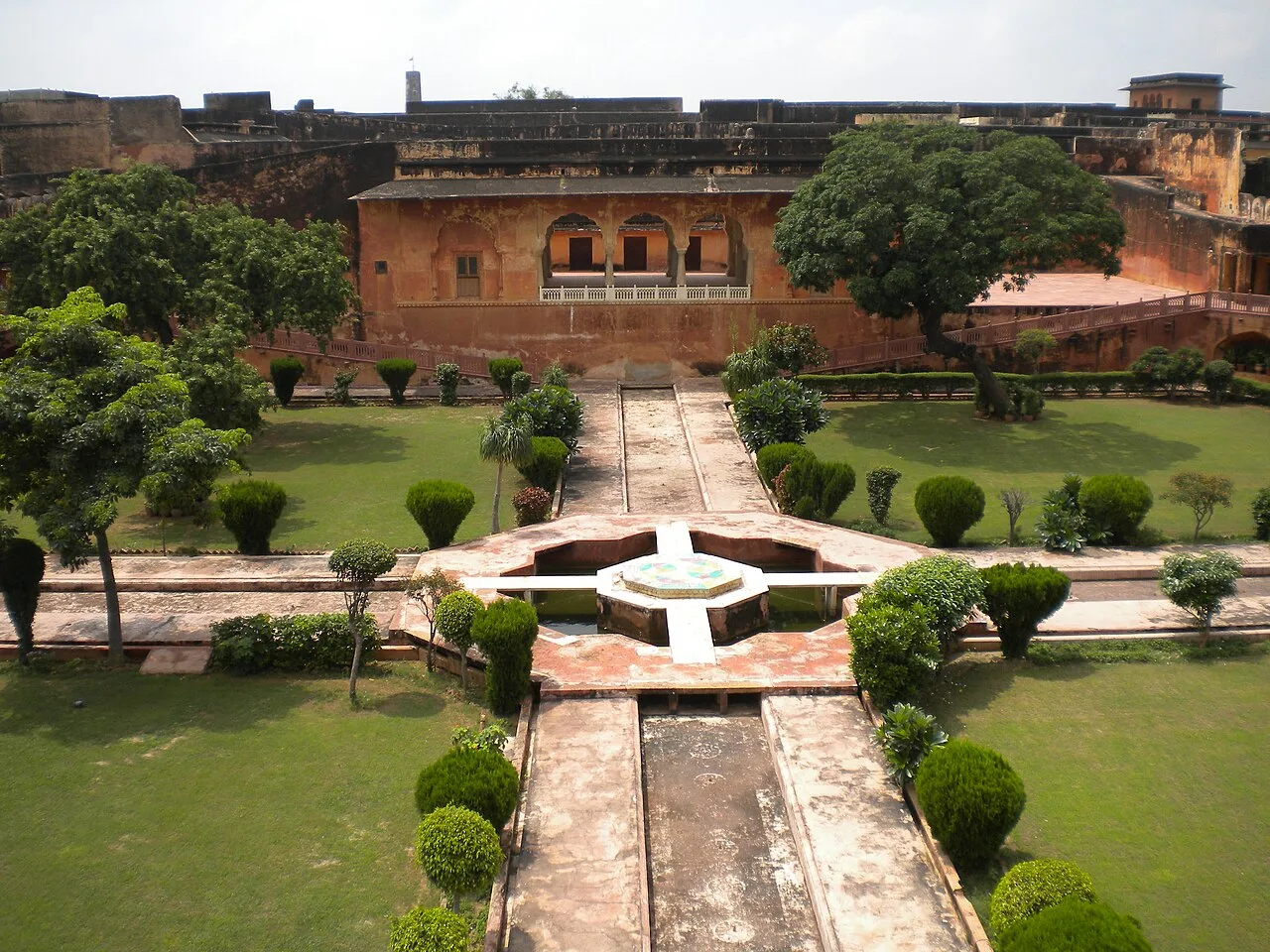
Near Amer in Rajasthan, Jaigarh Fort occupies a hilltop above Amer Fort and Maota Lake. Visitors come to see its historic fortifications, its connection to Amer Fort and the Jaivana cannon.

Sariska Tiger Reserve

48 km away · Alwar district

Sariska Tiger Reserve

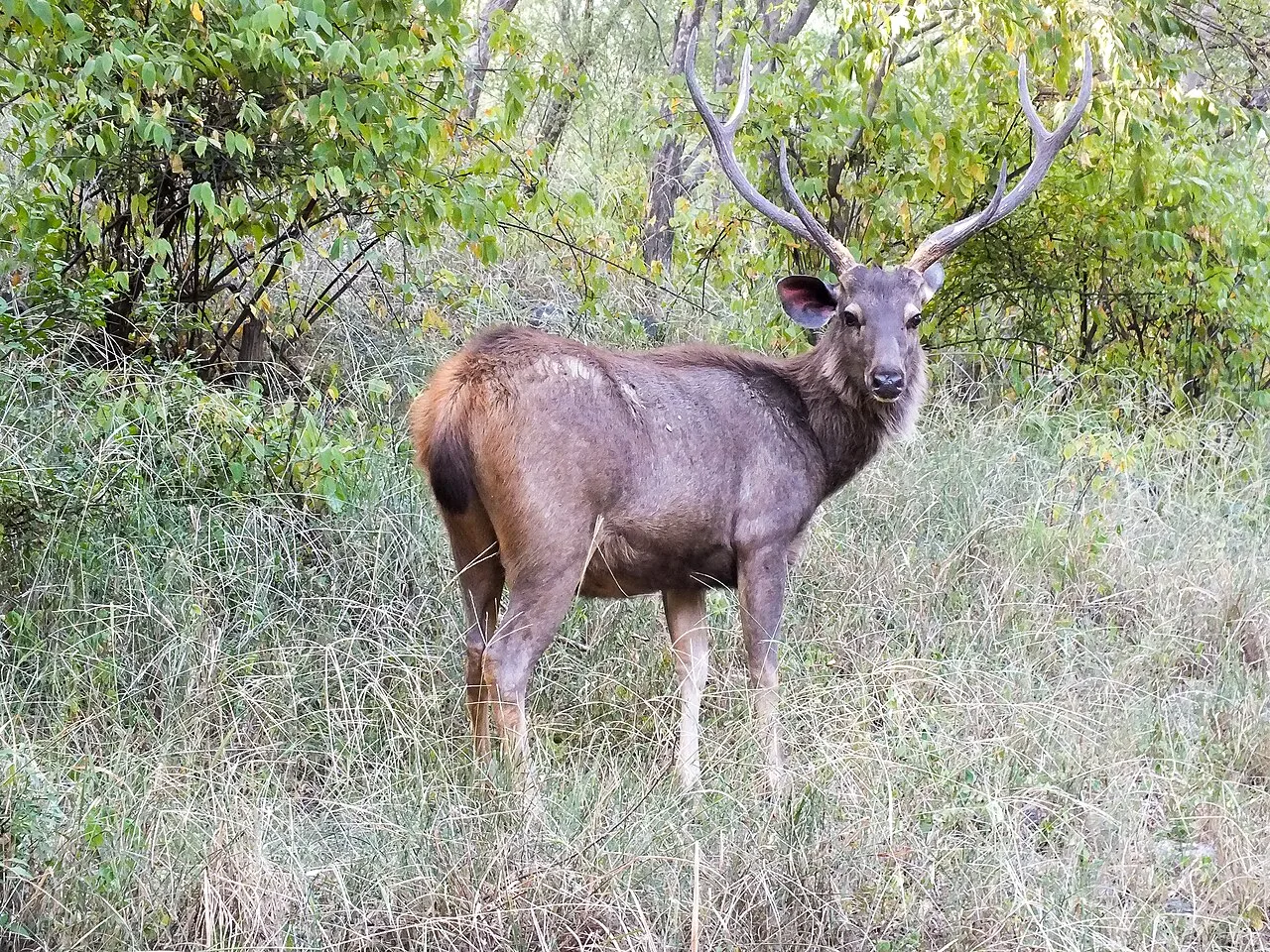
Sariska Tiger Reserve, in Rajasthan’s Alwar district, is a protected area with tiger-reserve status and varied forest, grassland and rocky habitats. Visitors come to experience its wildlife and conservation setting.

Jal Mahal

50 km away · Jaipur district

Jal Mahal

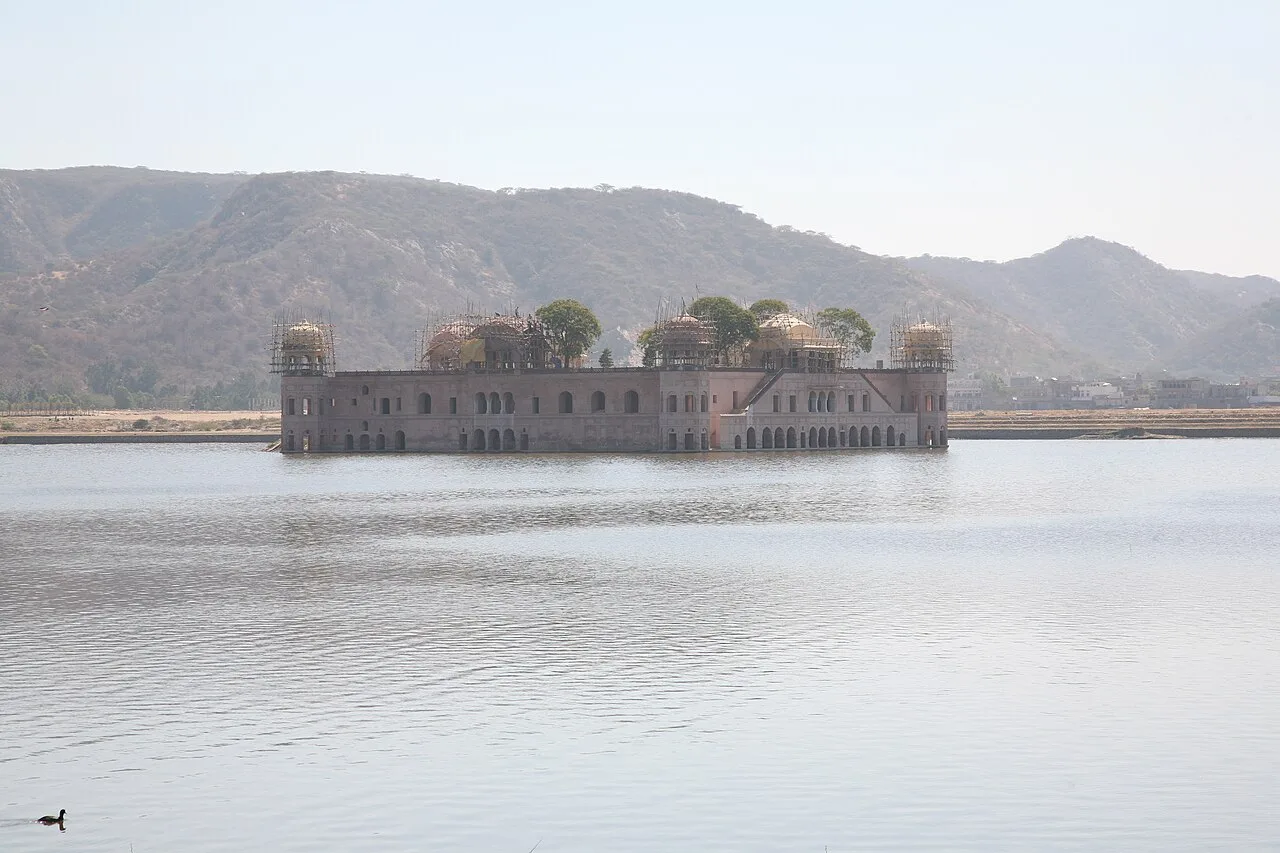
Jal Mahal is a historic palace set within Man Sagar Lake in Jaipur, Rajasthan. Visitors come to see the palace in its lake setting.

Nahargarh Fort

52 km away · Jaipur district

Nahargarh Fort

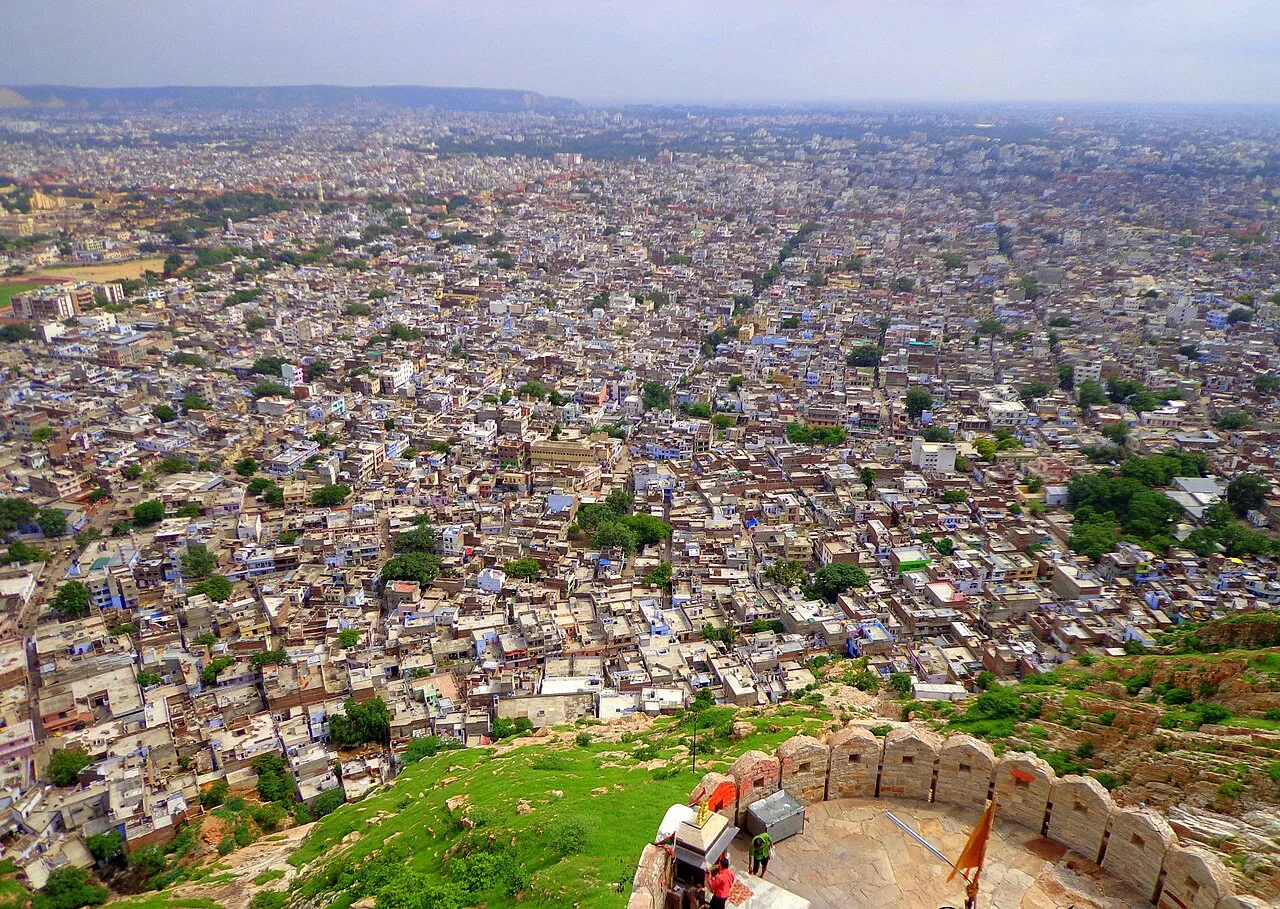
Nahargarh Fort is a historic stronghold in Jaipur, Rajasthan, overlooking the city from the Aravalli range. Visitors come for its elevated outlook and its role in Jaipur’s former defences.

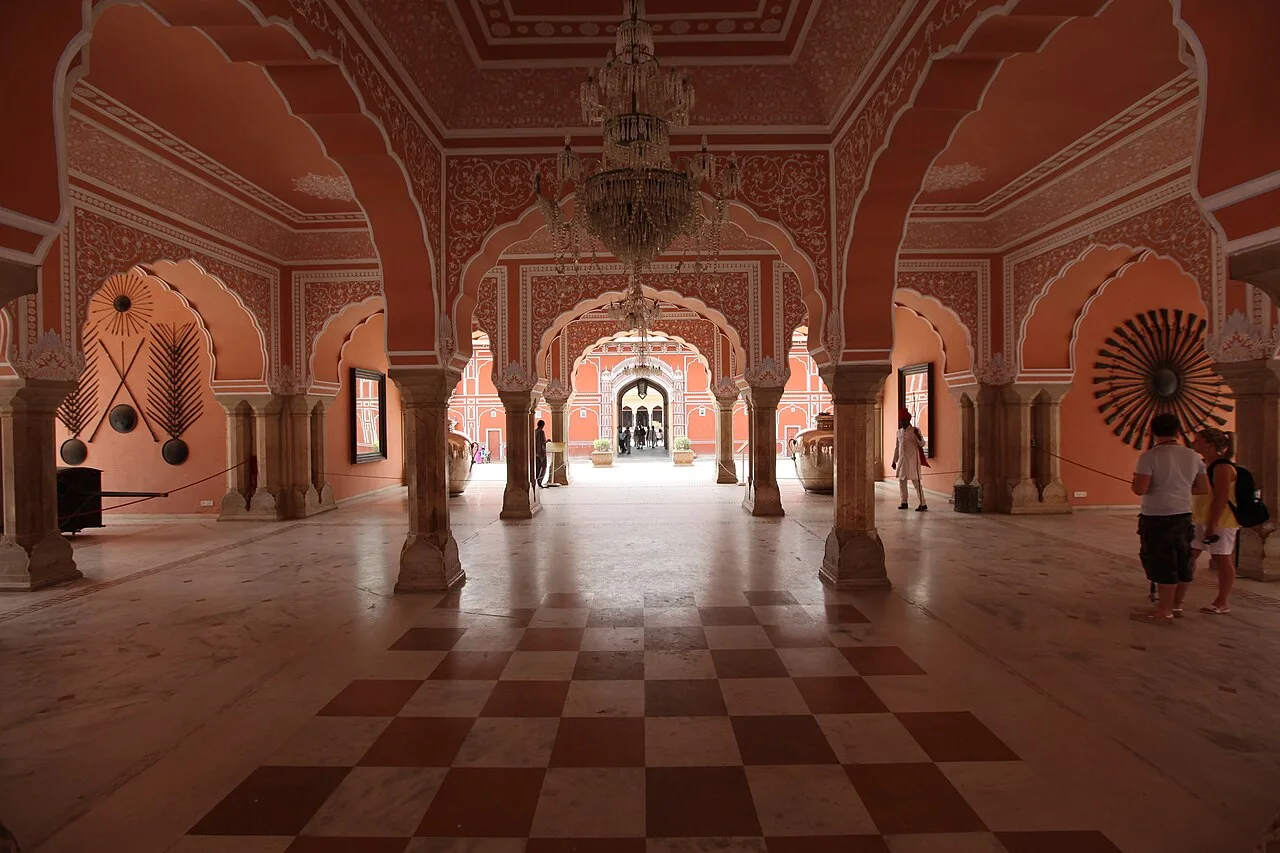
City Palace, Jaipur

53 km away · Jaipur district

City Palace, Jaipur

A historic royal complex in Jaipur, the City Palace served the city’s rulers and remains the royal family’s home. Visitors come to see its architecture and explore the museum.

Map

Shahpura on the map

  1. 1Samode
  2. 2Amber Fort
  3. 3Bhangarh Fort
  4. 4Jaigarh Fort
  5. 5Sariska Tiger Reserve
  6. 6Jal Mahal
  7. 7Nahargarh Fort
  8. 8City Palace, Jaipur

Rajasthan

Other cities to explore