Ghumoopedia — Explore, Discover, Experience
Sign in
Tal Chhapar Sanctuary, near Rajaldesar

City guide · Rajasthan

Rajaldesar

Rajaldesar is a town and tehsil headquarters in Churu district, in the semi-arid landscape of northern Rajasthan. Its regional role is practical as well as cultural: it serves nearby settlements and connects them with the district and wider state through the railway and National Highway 11.

Famous for

  • Ghindar Holi dance
  • Male stick dancers
  • Churu district location
  • National Highway 11 access
  • Rajasthan railway connection

Why Rajaldesar matters

Rajaldesar is a town and tehsil headquarters in Churu district, in the semi-arid landscape of northern Rajasthan. Its regional role is practical as well as cultural: it serves nearby settlements and connects them with the district and wider state through the railway and National Highway 11. The surrounding area is open, dry country, where seasonal temperatures can vary sharply between cold winter nights and very hot summer days.

The town is best known beyond its immediate area for Ghindar, a traditional folk dance performed by men with sticks around Holi. That seasonal performance gives visitors a distinctive glimpse of local celebration and community participation. Rajaldesar is not primarily a large sightseeing centre, so a visit is often about experiencing a working Rajasthan town, its everyday bazaars and its festival traditions rather than following a list of major monuments. Travellers passing through can use it as a stop or a base for exploring the wider Churu region, while those interested in folk culture may find the Holi period especially rewarding. Its rail and road links help maintain its importance as a local centre.
Famous for: crafts, trade & products

Rajaldesar is not widely identified as a centre for a particular textile, saree, handicraft or GI-tagged product. Its best-known cultural distinction is Ghindar, the stick dance associated with Holi. Visitors looking for everyday regional goods can browse the town’s general bazaar and shops near the central commercial area; these serve local needs rather than forming a nationally recognised specialty market. Availability and selection may vary, so travellers seeking a specific craft or product should check locally.

The town’s shops and small businesses reflect its role as a service centre for nearby villages. Rajasthan’s broader food and craft traditions may be encountered in local retail, but they should not be mistaken for products unique to Rajaldesar. No particular large-scale industry or specialist institution is clearly established as the town’s signature attraction. For a more extensive choice of recognised crafts, textiles and regional merchandise, visitors may need to explore larger towns and cities in Rajasthan. In Rajaldesar, the most distinctive cultural experience is more likely to be a community celebration than a dedicated shopping trail.

History

Rajaldesar’s history is connected with the wider Churu region, which formed part of the princely state of Bikaner before the integration of princely territories into modern Rajasthan. During the colonial era, Bikaner was a princely state under British paramountcy; local life and administration in the region developed within that political setting. A detailed, well-established account of Rajaldesar’s early settlement or specific ruling families is not readily available, so its history is best understood in this regional context rather than through claims about particular monuments or dynasties.

In modern times, Rajaldesar has developed as a town and tehsil centre serving surrounding communities. Rail access and National Highway 11 have strengthened its connections with other parts of Rajasthan and supported everyday movement of people and goods. Its present identity combines these transport links and local administrative functions with continuing cultural practices, especially the Ghindar performance around Holi. The town’s growth is characteristic of a regional centre in a largely rural district, rather than a place transformed by a single major industrial or tourism development.

Food, festivals & culture

Holi is the cultural highlight most closely associated with Rajaldesar. Around the spring festival, male performers take part in Ghindar, a traditional dance using sticks. The performance makes the celebration a particularly interesting time for visitors, though local schedules and public access can vary. Other widely observed occasions in Rajasthan, including Diwali and the monsoon-season Teej, may also be marked by families and communities. Hindi and local Rajasthani varieties, including Marwari, are used in daily life.

Local meals are likely to draw on the wider cuisine of the dry region: millet breads, lentils, gram-flour dishes and preparations using preserved desert vegetables are familiar across Rajasthan. These are regional food traditions rather than dishes uniquely attributed to Rajaldesar. Sweets and snacks can be found in ordinary local shops, with offerings depending on the season. Neighbourhood temples and shrines form part of everyday religious life, but the town is not especially known for a single widely publicised pilgrimage site. For a visitor, a festival gathering or an invitation to a local celebration offers a better window into community life than a formal cultural itinerary.

Visiting the city

The most comfortable time to visit is generally from late autumn through winter, when daytime conditions are milder. Summers can be intensely hot, while winter nights may be very cold. The nearest airport is Nal Airport, also known as Bikaner Airport; for a broader choice of scheduled air connections, travellers may consider Jaipur International Airport. Check current flight availability before planning around Nal. Rajaldesar has a railway station, and National Highway 11 provides road access. Local movement is typically by auto-rickshaw, taxi or other locally available transport; confirm arrangements on arrival.

For a short visit, explore the central bazaar, the area around the railway station and local places of worship. These are practical ways to see the town’s everyday rhythm. If your main interest is Ghindar, plan around Holi and ask locally where performances are being held, since venues and arrangements can change.

Trips from the city

Nearest places to visit from Rajaldesar

Our closest destination guides, by straight-line distance.

Tal Chhapar Sanctuary

26 km away · Churu district

Tal Chhapar Sanctuary

Tal Chhapar is a wildlife sanctuary in Rajasthan’s Churu district, known for blackbucks and birdlife. Visitors come to see its wildlife in a setting near the Great Indian Desert.

Mandawa

66 km away · Jhunjhunu district

Mandawa

Mandawa is a town in Rajasthan’s Jhunjhunu district, within the Shekhawati region. Travellers visit it as part of journeys through the region and nearby Jhunjhunu.

Nawalgarh

81 km away · Jhunjhunu district

Nawalgarh

Nawalgarh is a heritage city in Rajasthan’s Shekhawati region, within Jhunjhunu district. Visitors are drawn by its heritage character, and it is 30.5 km from Sikar and 39.2 km from Jhunjhunu.

Lalgarh Palace

112 km away · Bikaner district

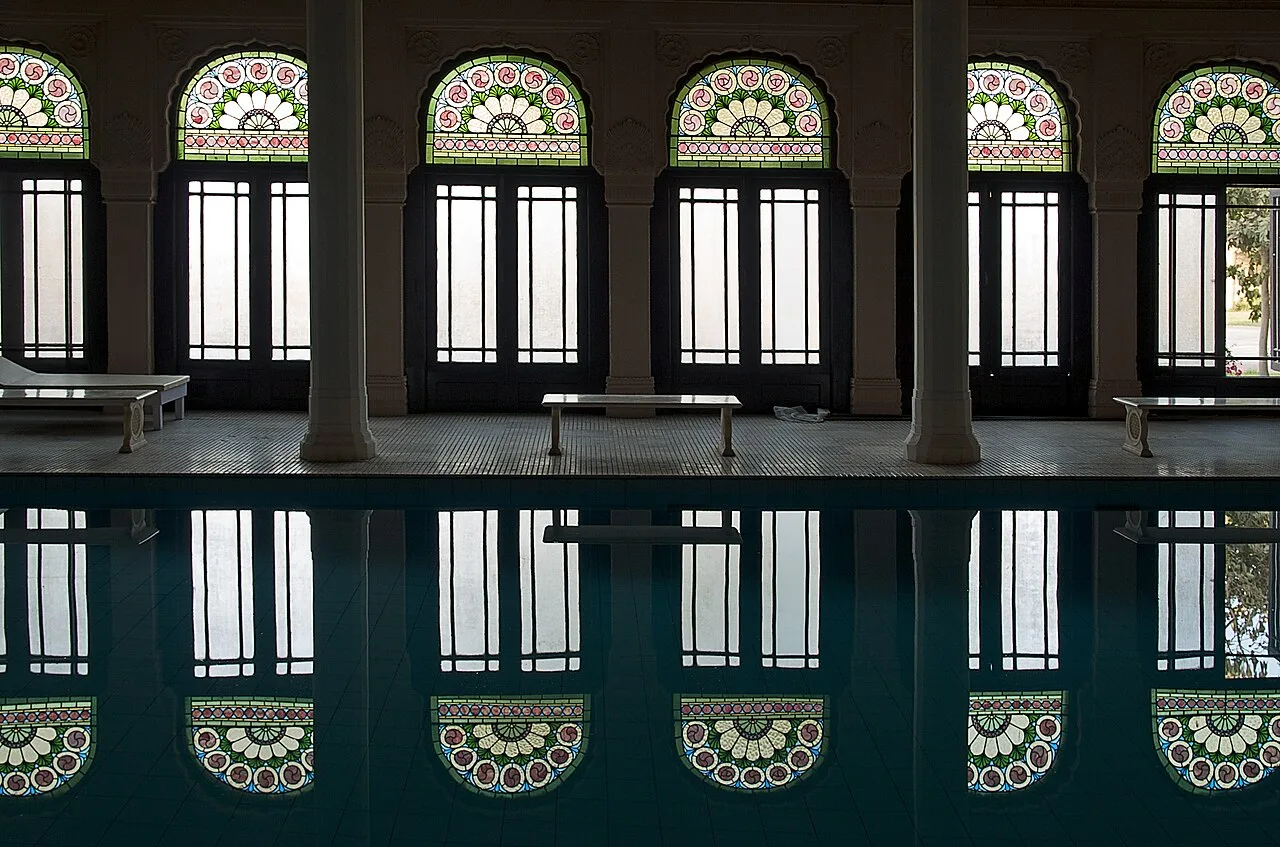
Lalgarh Palace

Lalgarh Palace is a palace and heritage-hotel property in Bikaner, Rajasthan, created for Maharaja Sir Ganga Singh. Visitors come to see the residence and its links to Bikaner’s royal history.

Junagarh Fort

114 km away · Bikaner district

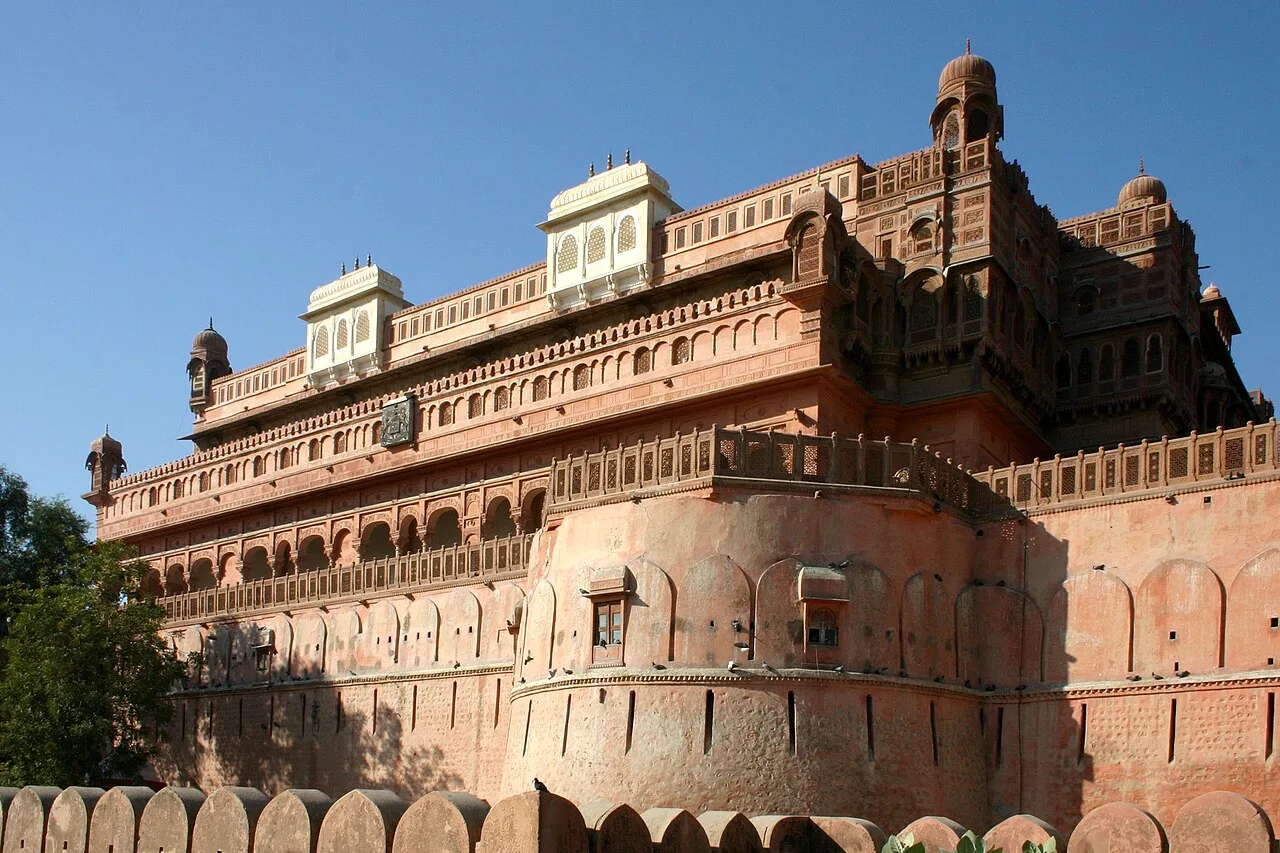
Junagarh Fort

Junagarh Fort is a historic complex in Bikaner, Rajasthan, known for its palaces, temples and pavilions. Visitors can explore its layered history and blend of architectural traditions.

Karni Mata Temple

114 km away · Bikaner district

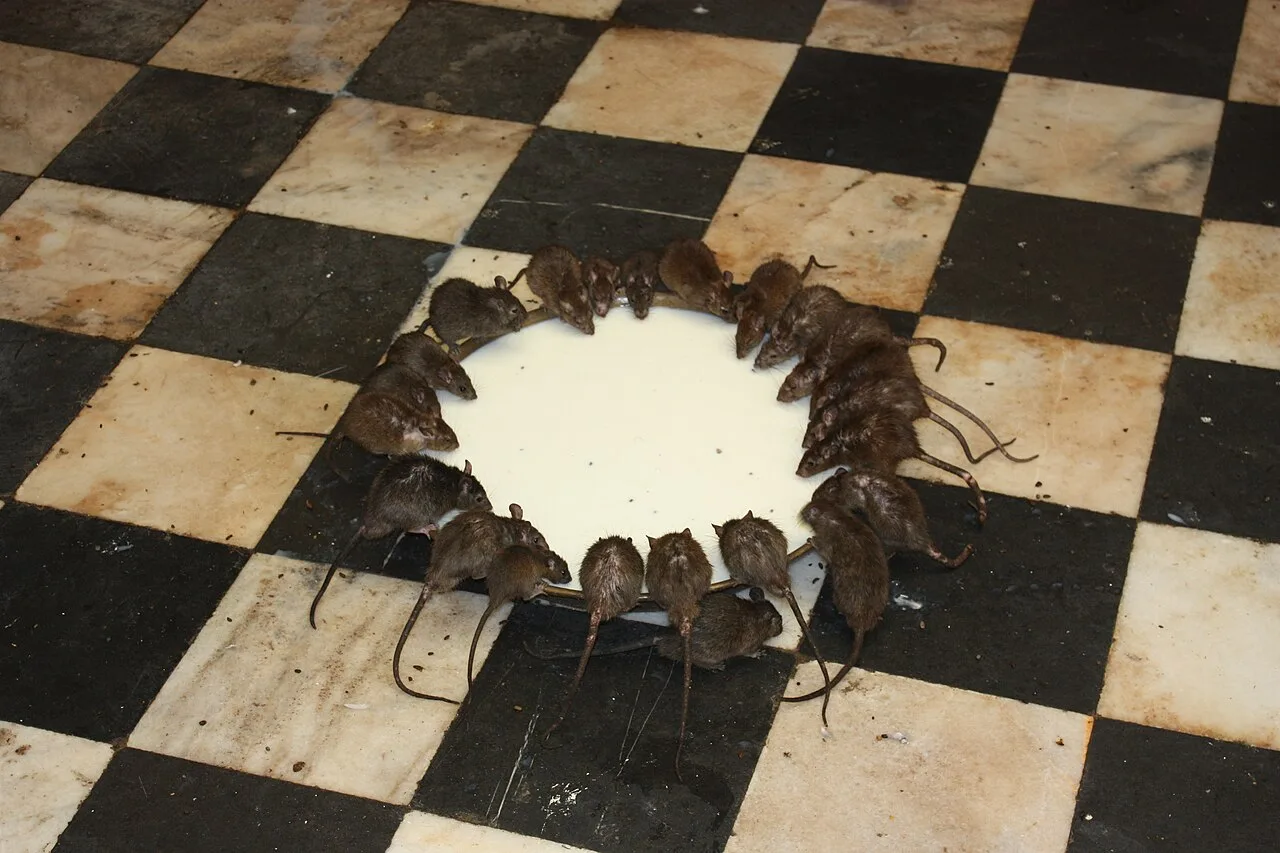
Karni Mata Temple

Karni Mata Temple is a Hindu shrine in Deshnoke, Rajasthan, associated with Karni Mata and sacred kābā rodents. Pilgrims seek blessings there, while visitors come to see its distinctive rat population.

Khatu Shyam Temple

118 km away · Sikar district

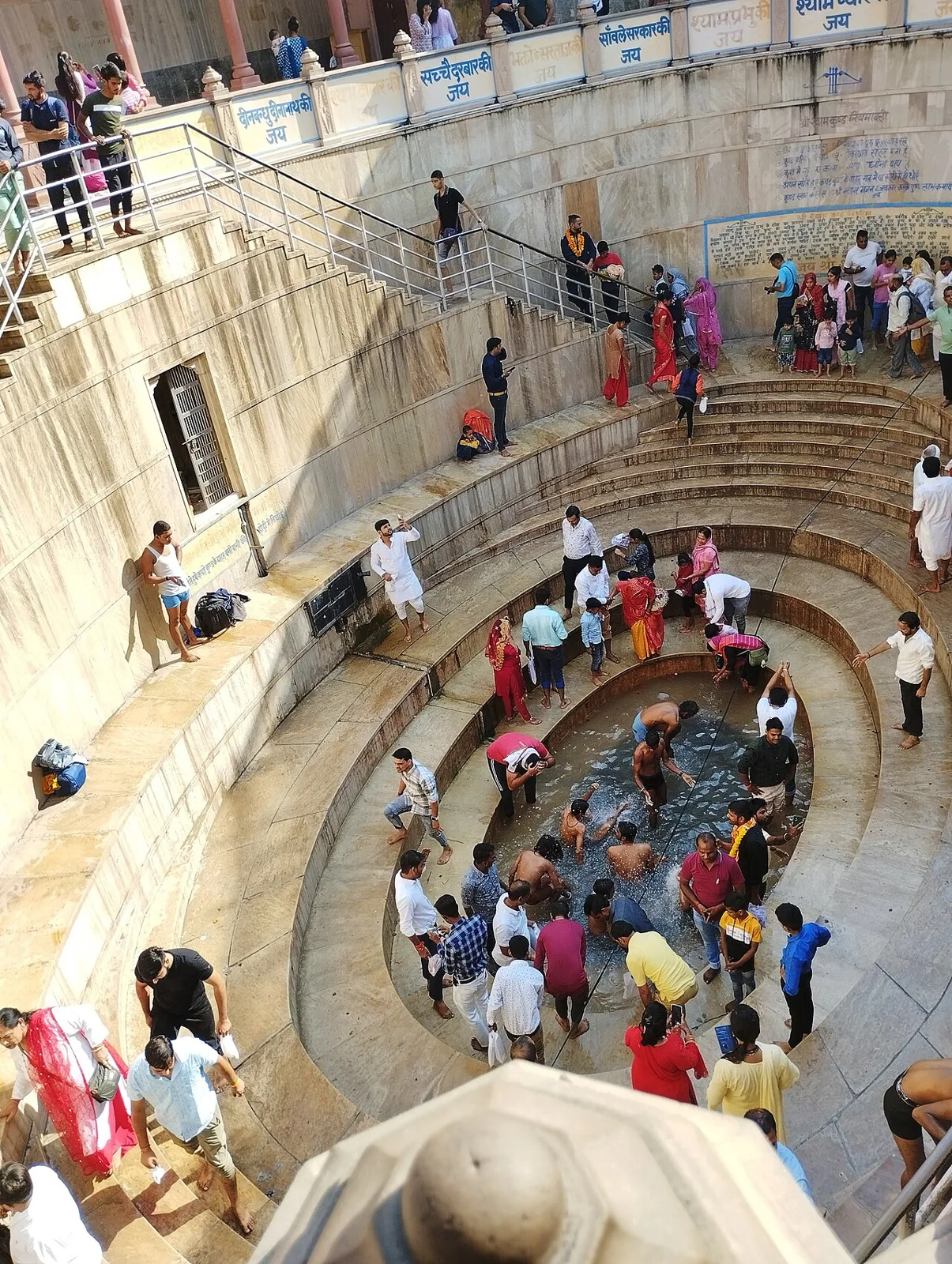
Khatu Shyam Temple

In KhatuShyamJi town, Rajasthan, this Hindu shrine honours Khatu Shyam, believed to be a divine manifestation of Barbareek from the Mahabharat. Pilgrims visit throughout the year, especially for the Falgun Mela.

Sambhar Salt Lake

135 km away · Jaipur district

Sambhar Salt Lake

Sambhar Salt Lake is Rajasthan’s largest inland salt lake, in Jaipur district. Visitors come to see the lake and the historic settlement of Sambhar Lake Town, which it surrounds.

Map

Rajaldesar on the map

  1. 1Tal Chhapar Sanctuary
  2. 2Mandawa
  3. 3Nawalgarh
  4. 4Lalgarh Palace
  5. 5Junagarh Fort
  6. 6Karni Mata Temple
  7. 7Khatu Shyam Temple
  8. 8Sambhar Salt Lake

Rajasthan

Other cities to explore