Ghumoopedia — Explore, Discover, Experience
Sign in
Mandawa, near Jhunjhunu

City guide · Rajasthan

Jhunjhunu

Jhunjhunu is the administrative headquarters of its district and a key service and trading centre in the Shekhawati region of northeastern Rajasthan. It is a practical base for exploring a landscape known for ornate merchant havelis, painted façades, stepwells and desert-edge towns.

Famous for

  • Shekhawati frescoed havelis
  • Rani Sati Temple
  • Khetri Mahal
  • Badalgarh Fort
  • Shekhawati folk traditions

Why Jhunjhunu matters

Jhunjhunu is the administrative headquarters of its district and a key service and trading centre in the Shekhawati region of northeastern Rajasthan. It is a practical base for exploring a landscape known for ornate merchant havelis, painted façades, stepwells and desert-edge towns. In the city, the Rani Sati Temple draws pilgrims, while Khetri Mahal, Badalgarh Fort and the old quarters offer glimpses of its architectural past.

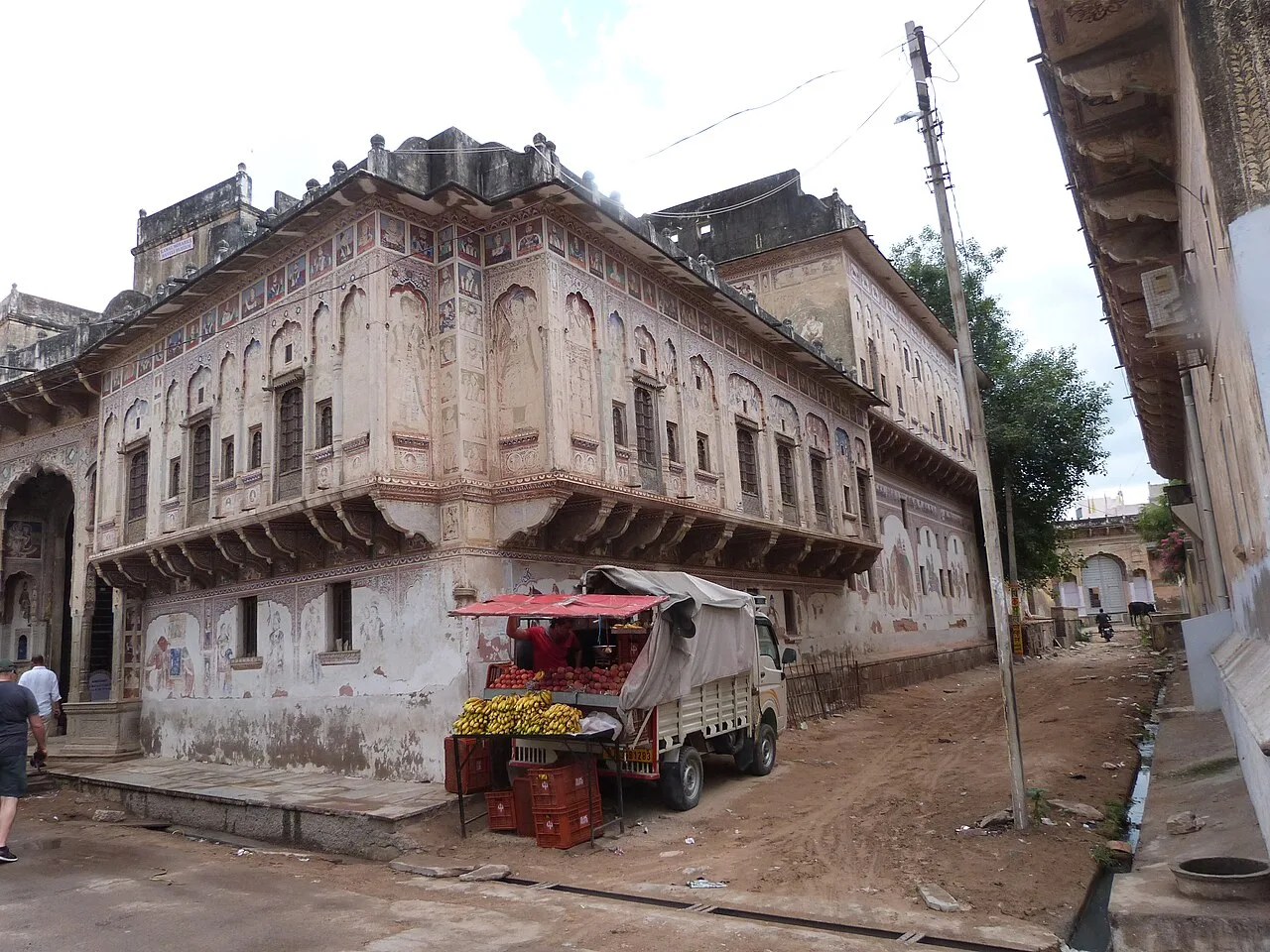
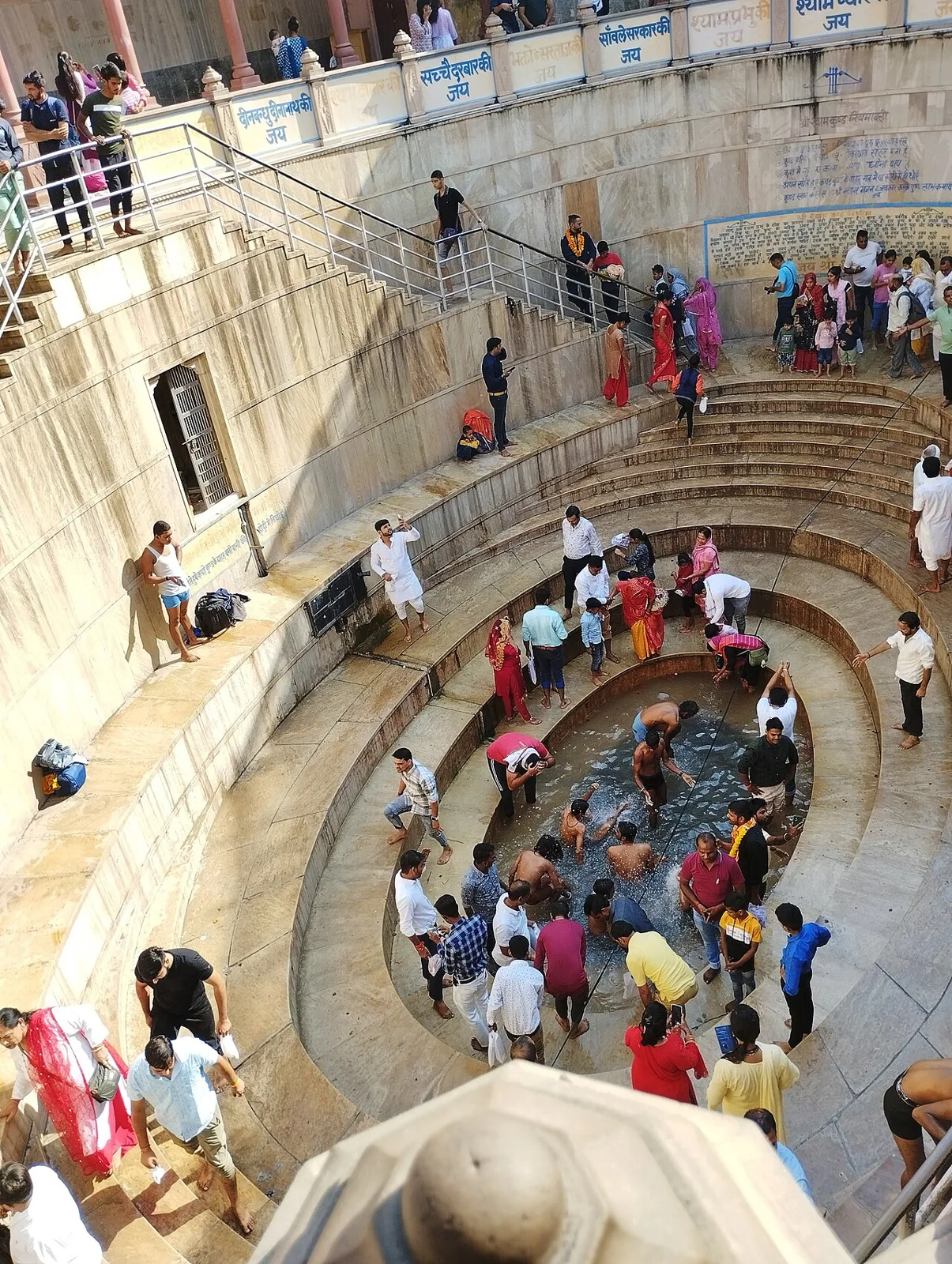
Visitors come chiefly for Shekhawati’s frescoes and historic streets, often combining Jhunjhunu with nearby towns such as Mandawa and Nawalgarh. The city also serves residents from surrounding villages through its markets, transport connections and public institutions. Its character blends busy everyday commerce with a slower, heritage-focused visitor experience: a morning in the old town can lead from a temple visit to a walk past havelis and shaded water structures. Jhunjhunu is not primarily a resort destination; its appeal lies in its place within Shekhawati and in the contrast between living neighbourhoods and richly decorated buildings.
Famous for: crafts, trade & products

Jhunjhunu is best known commercially as a district hub rather than as the centre of a single signature textile or manufacturing industry. Its markets serve local households and visitors with everyday clothing, fabrics, jewellery, utensils, sweets and household goods. The older bazaar lanes are a good place to browse small shops and observe local trade; larger shopping streets offer a wider range of practical goods. Visitors looking for souvenirs can ask shopkeepers about locally made decorative items and traditional Rajasthan crafts, but should check where an item was made rather than assume it is specific to Jhunjhunu.

The city is not widely associated with a distinct GI-tagged product, a famous saree tradition or a major craft cluster. Shekhawati’s strongest cultural asset is its painted architecture: havelis and other historic buildings display murals and ornamental details that can be appreciated on heritage walks. Local businesses also support the district’s administrative and service economy. For a meaningful purchase, look for handmade work in established shops and ask about materials and makers; for architectural art, the old town itself is the most compelling place to see the region’s visual heritage.

History

Jhunjhunu’s early history is associated with the Kaimkhani rulers, a Muslim dynasty that governed parts of Shekhawati. The town is traditionally linked to Jhunjha, from whom its name is said to derive. In the eighteenth century, Thakur Shardul Singh of the Shekhawat clan took control of Jhunjhunu, an event commonly dated to 1730. The town subsequently became an important seat in the region, while Shekhawati’s ruling houses and merchant communities shaped its built environment.

As trade expanded, prosperous merchants commissioned havelis decorated with painted scenes, floral patterns and ornamental façades. Many of these buildings were constructed or embellished over the eighteenth, nineteenth and early twentieth centuries, leaving the town with a distinctive architectural inheritance. During the colonial period, Shekhawati’s local rulers operated within the wider framework of British paramountcy, while commerce and connections beyond the region continued to influence town life. After independence, Jhunjhunu developed further as a district headquarters, with government services, education, transport and local trade supporting its role as a regional centre.

Food, festivals & culture

Everyday food draws on familiar Shekhawati and Rajasthani cooking. Meals may include dal-baati-churma, gatte ki sabzi, bajra roti and seasonal preparations such as ker-sangri. Shops and sweet counters sell treats such as ghewar and other milk- or flour-based sweets; availability varies by season and occasion. Hindi is widely used, alongside Rajasthani speech and the local Shekhawati dialect.

The annual calendar follows Rajasthan’s seasonal rhythm. Gangaur is celebrated in spring, Teej during the monsoon period, and Holi and Diwali bring community gatherings and family observances. The Rani Sati Temple is a major place of worship and pilgrimage, while Bihari Ji Temple and other neighbourhood shrines reflect the city’s devotional life. Folk songs, devotional music and traditional dance forms such as ghoomar are part of the wider regional culture, particularly at celebrations. Visitors should dress respectfully at religious sites and follow local guidance on photography and temple customs.

Visiting the city

October to March is generally the most comfortable season to visit, with cooler days suited to walking around the old town; summers can be very hot, and monsoon weather may affect travel plans. Jaipur International Airport is a main air gateway for the region, while Jhunjhunu Railway Station is the city’s principal rail station. Buses and road connections link Jhunjhunu with other towns in Shekhawati and larger Rajasthan cities.

Auto-rickshaws and taxis are useful for getting around, while the old quarters are best explored on foot. Begin near the Rani Sati Temple, then visit the historic lanes and havelis, Khetri Mahal and Badalgarh Fort. The central bazaar is convenient for browsing shops and sampling local sweets. Allow time for nearby Shekhawati towns if you want to see a wider range of frescoed buildings; confirm local transport arrangements before setting out.

Trips from the city

Nearest places to visit from Jhunjhunu

Our closest destination guides, by straight-line distance.

Mandawa

26 km away · Jhunjhunu district

Mandawa

Mandawa is a town in Rajasthan’s Jhunjhunu district, within the Shekhawati region. Travellers visit it as part of journeys through the region and nearby Jhunjhunu.

Nawalgarh

34 km away · Jhunjhunu district

Nawalgarh

Nawalgarh is a heritage city in Rajasthan’s Shekhawati region, within Jhunjhunu district. Visitors are drawn by its heritage character, and it is 30.5 km from Sikar and 39.2 km from Jhunjhunu.

Khatu Shyam Temple

85 km away · Sikar district

Khatu Shyam Temple

In KhatuShyamJi town, Rajasthan, this Hindu shrine honours Khatu Shyam, believed to be a divine manifestation of Barbareek from the Mahabharat. Pilgrims visit throughout the year, especially for the Falgun Mela.

Tal Chhapar Sanctuary

101 km away · Churu district

Tal Chhapar Sanctuary

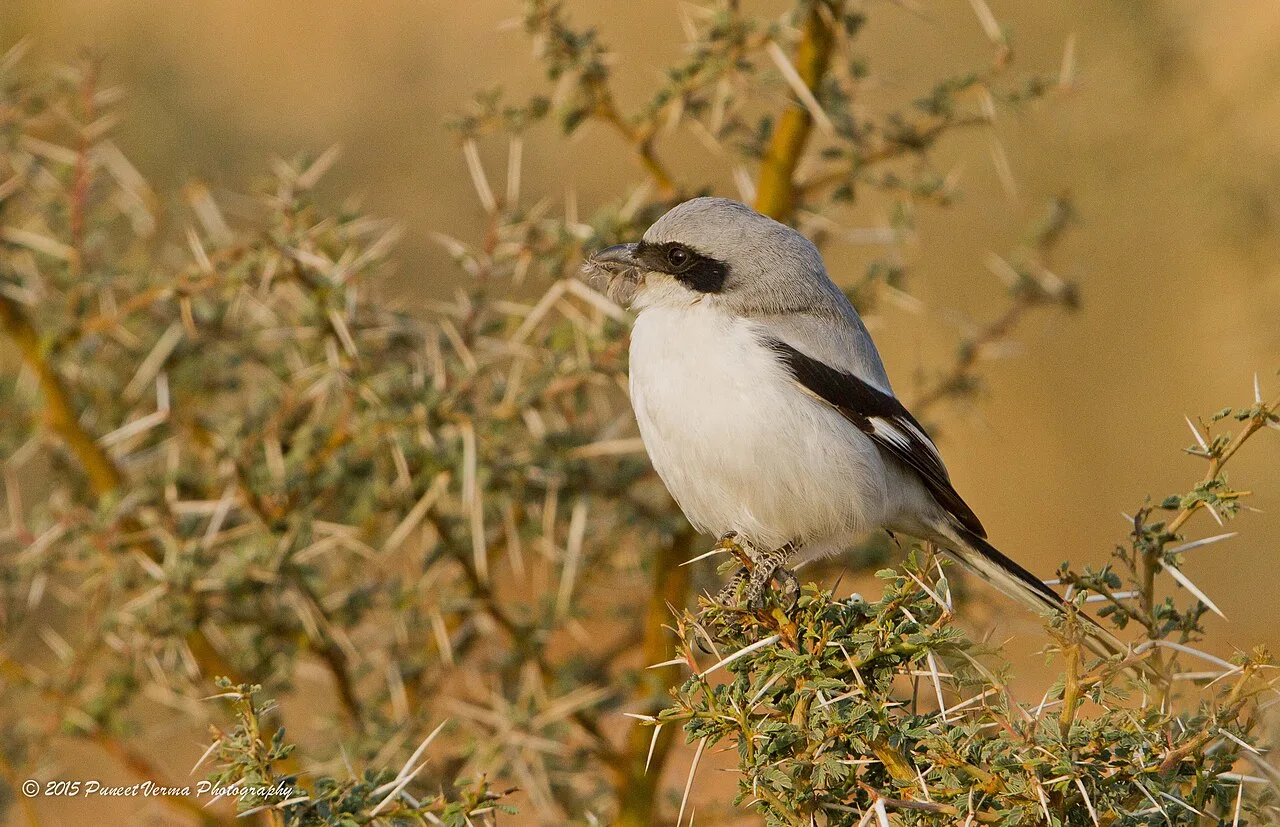
Tal Chhapar is a wildlife sanctuary in Rajasthan’s Churu district, known for blackbucks and birdlife. Visitors come to see its wildlife in a setting near the Great Indian Desert.

Samode

110 km away · Jaipur district

Samode

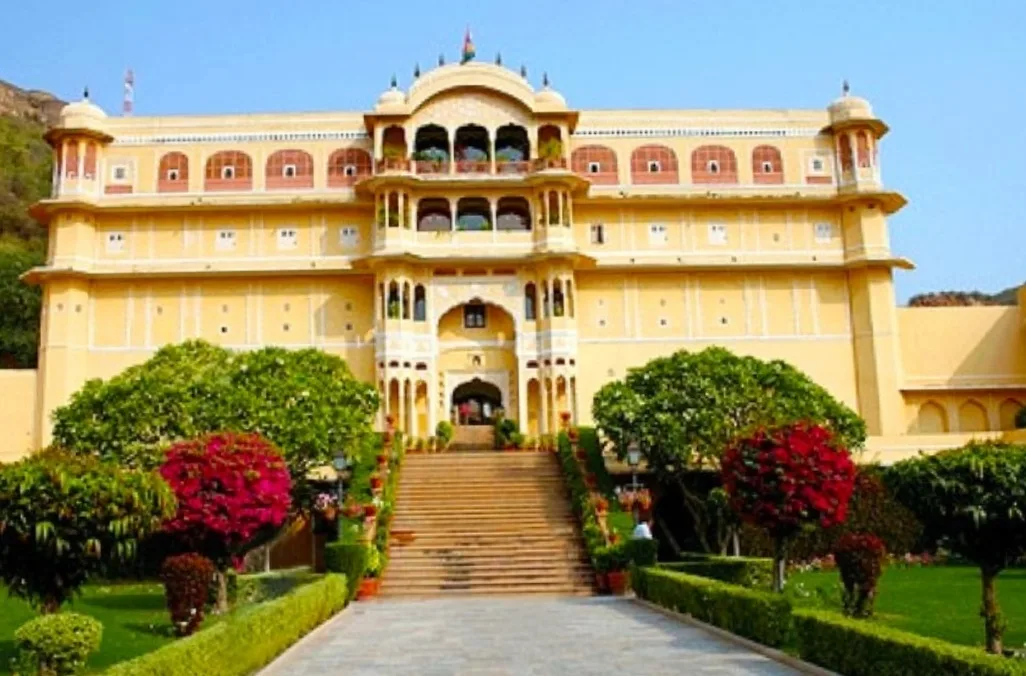
Samode is a village in Rajasthan’s Aravalli hills, north-west of Jaipur. Visitors come for its palace, haveli and garden, historic properties now operated as heritage hotels.

Siliserh Lake

129 km away · Alwar district

Siliserh Lake

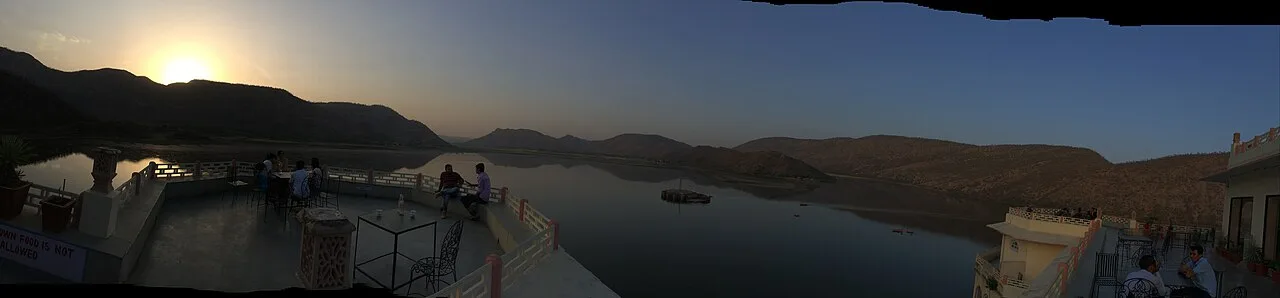
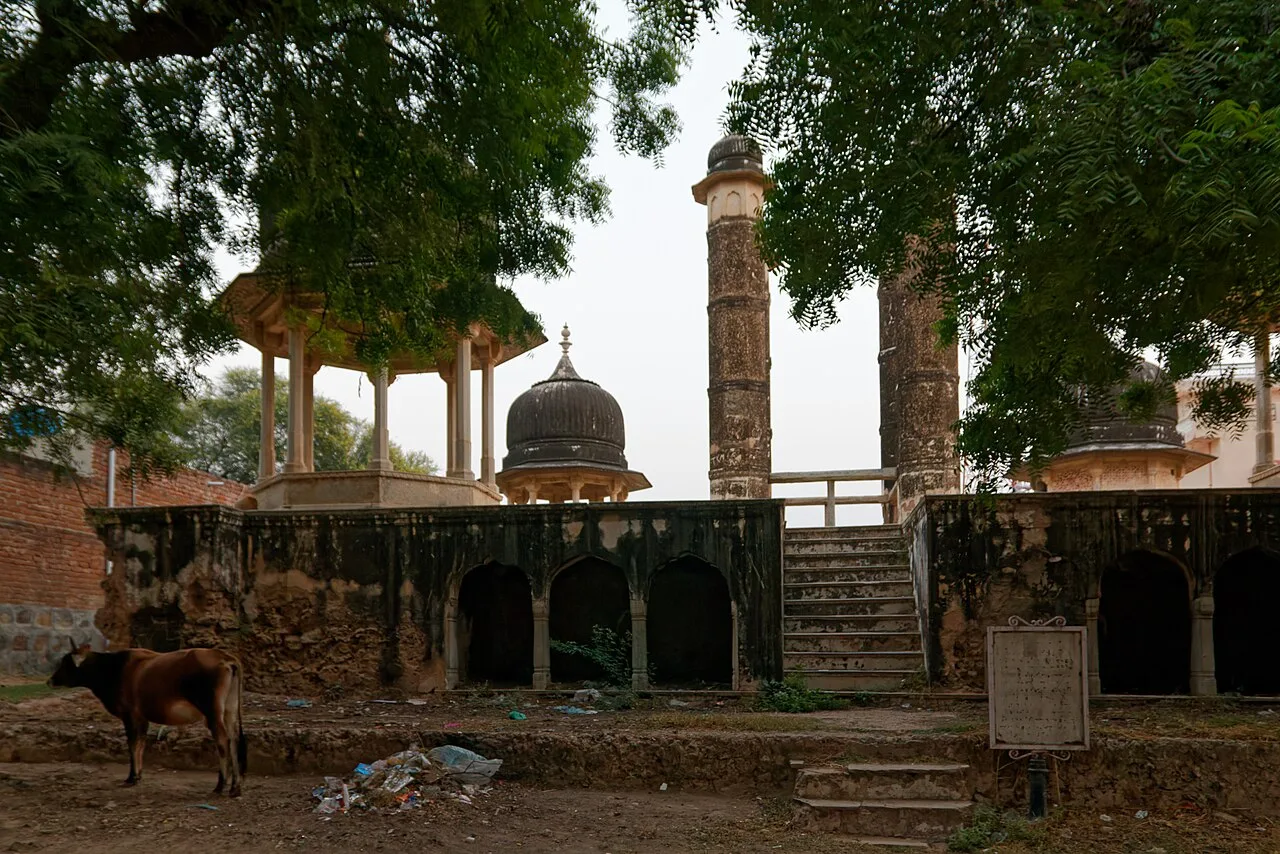
Siliserh Lake is an artificial lake in Rajasthan, southwest of Alwar, with wooded banks and cenotaphs along its embankment that visitors come to see.

Amber Fort

134 km away · Jaipur district

Amber Fort

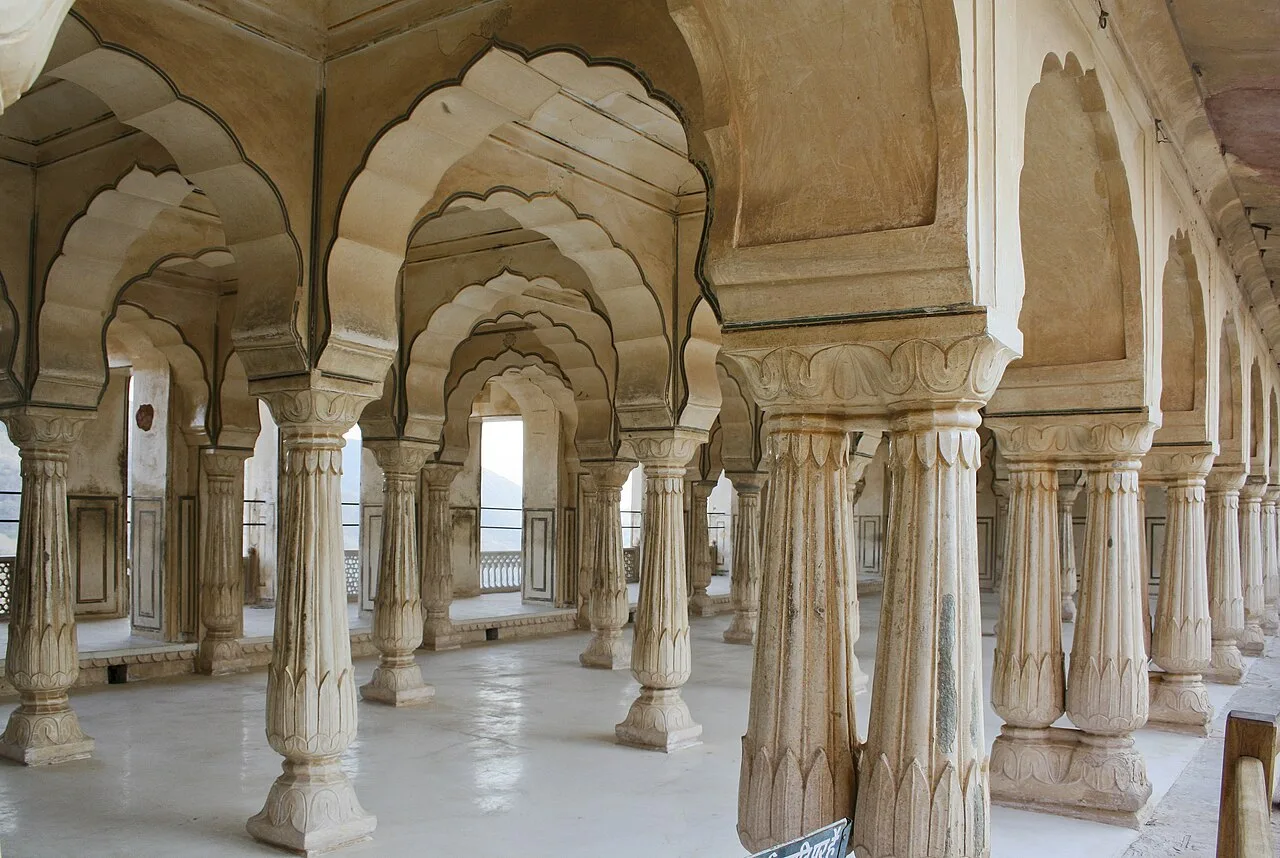
Amber Fort, also known as Amer Palace, is a hilltop fort in Amer, Rajasthan. Visitors explore its Rajput and Mughal-influenced design, palace halls and setting above Maota Lake.

Jaigarh Fort

134 km away · Jaipur district

Jaigarh Fort

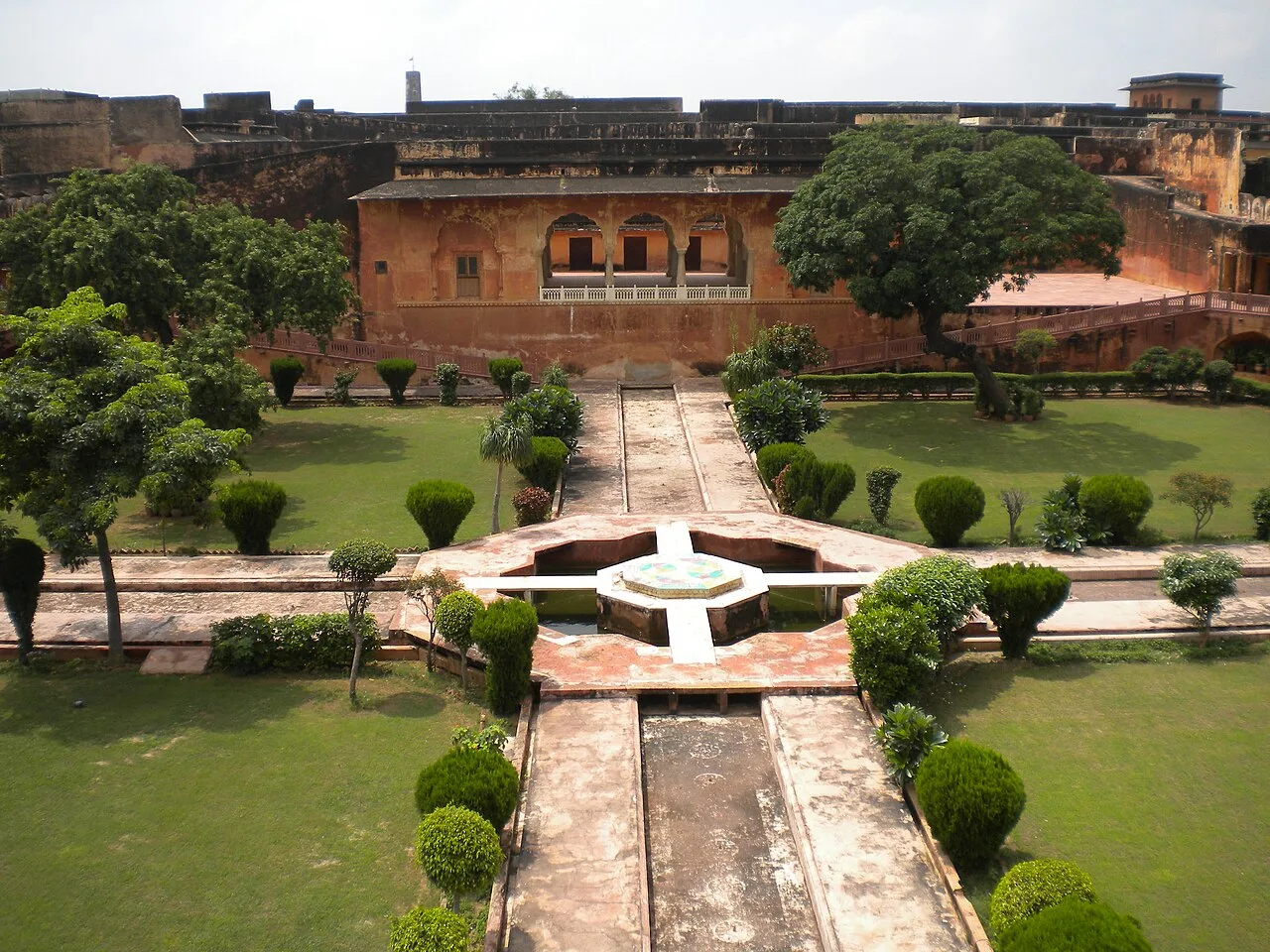
Near Amer in Rajasthan, Jaigarh Fort occupies a hilltop above Amer Fort and Maota Lake. Visitors come to see its historic fortifications, its connection to Amer Fort and the Jaivana cannon.

Map

Jhunjhunu on the map

  1. 1Mandawa
  2. 2Nawalgarh
  3. 3Khatu Shyam Temple
  4. 4Tal Chhapar Sanctuary
  5. 5Samode
  6. 6Siliserh Lake
  7. 7Amber Fort
  8. 8Jaigarh Fort

Rajasthan

Other cities to explore