Ghumoopedia — Explore, Discover, Experience
Sign in
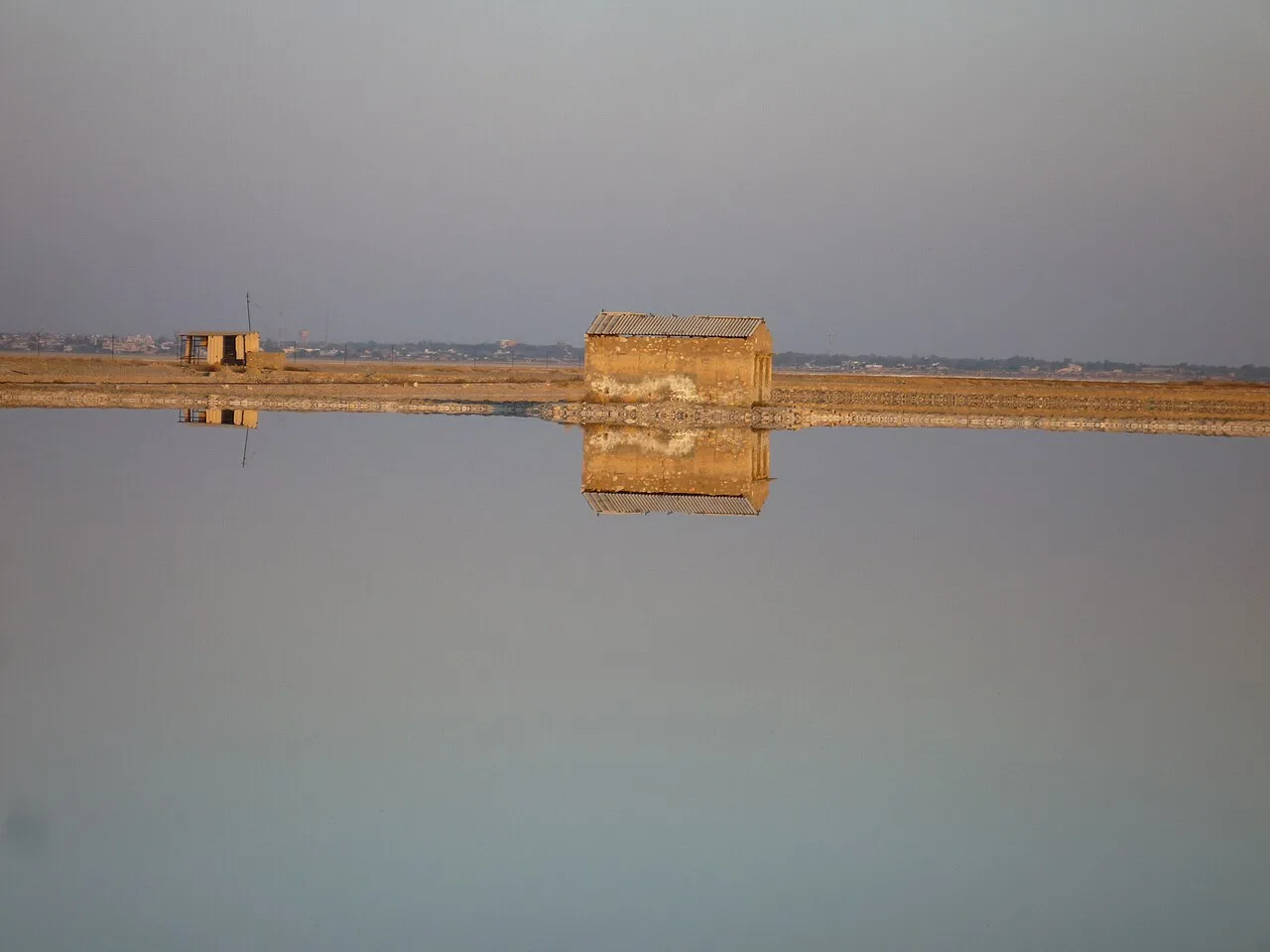
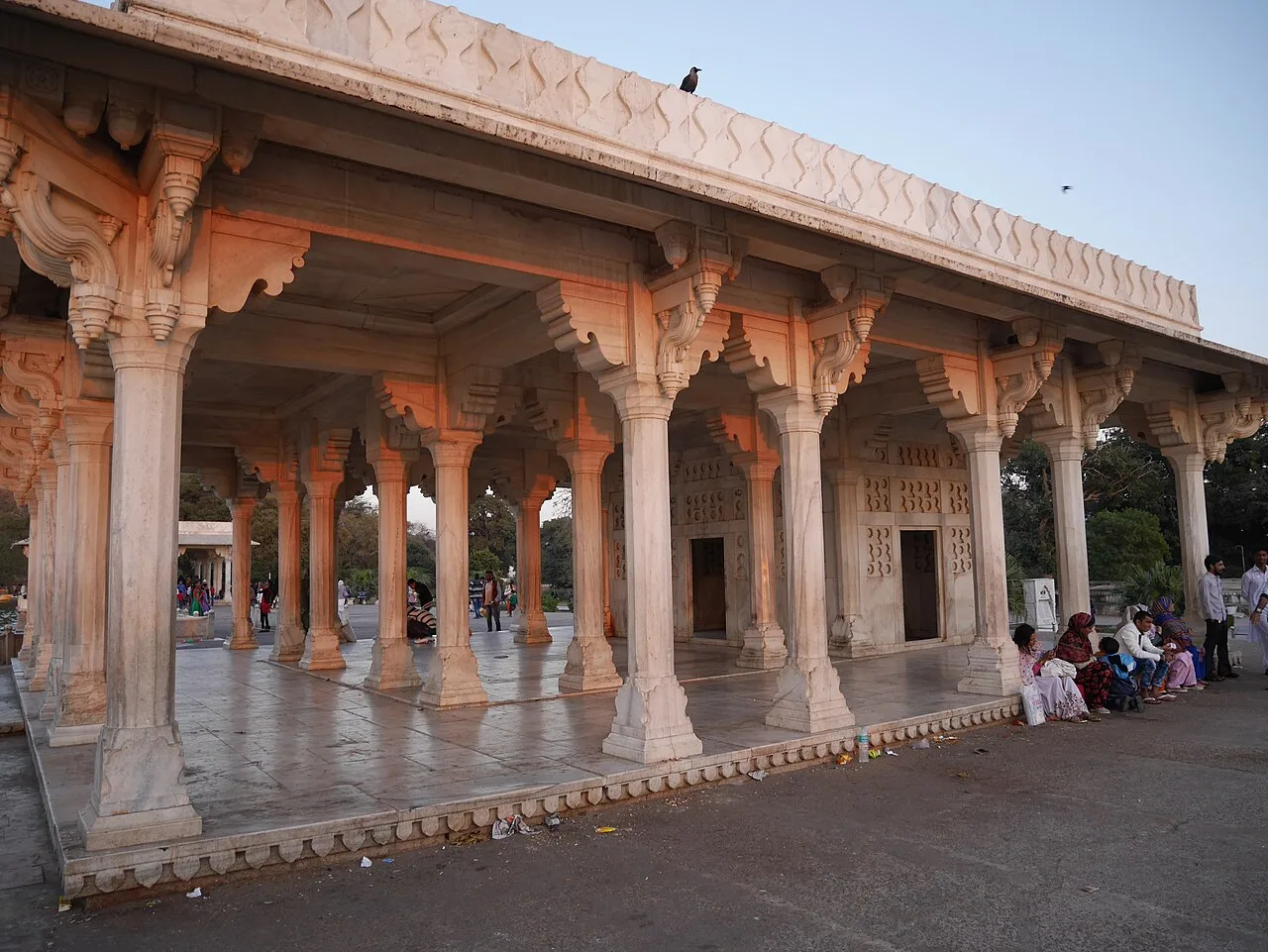
Ana Sagar Lake, near Kishangarh

City guide · Rajasthan

Kishangarh

Kishangarh is a historic city in Ajmer district, Rajasthan, known both for its royal past and its prominent marble trade. Founded by Rathore ruler Kishan Singh, it became the capital of the former Kishangarh State.

Famous for

  • Kishangarh marble trade
  • Kishangarh miniature paintings
  • Bani Thani portrait
  • Kishangarh Fort and palace

Why Kishangarh matters

Kishangarh is a historic city in Ajmer district, Rajasthan, known both for its royal past and its prominent marble trade. Founded by Rathore ruler Kishan Singh, it became the capital of the former Kishangarh State. Today, marble cutting, finishing and trade give the city an important place in Rajasthan’s stone industry, while its historic buildings and distinctive painting tradition draw visitors interested in art and heritage.

The city is especially associated with the Kishangarh school of miniature painting and the celebrated Bani Thani portrait. Visitors can explore the old fort and palace precincts, see the landscape around Gondulav Lake, and visit the marble yards and the striking pale expanse often called the Marble Dump Yard. Kishangarh also serves as a gateway for journeys around Ajmer district, with rail and air connections supporting its regional role. Its appeal lies in the contrast between a working industrial centre and a legacy of courtly art, architecture and Rajput history.
Famous for: crafts, trade & products

Kishangarh is best known today for marble. Quarries elsewhere in Rajasthan supply much of the stone processed here, while local units cut, polish and finish marble for construction and decorative use. Marble yards and showrooms around the industrial and market areas display slabs, tiles and stonework; visitors looking to buy should compare products in person and confirm transport arrangements directly with sellers. The large marble-waste landscape on the outskirts is a striking reminder of the scale of this trade.

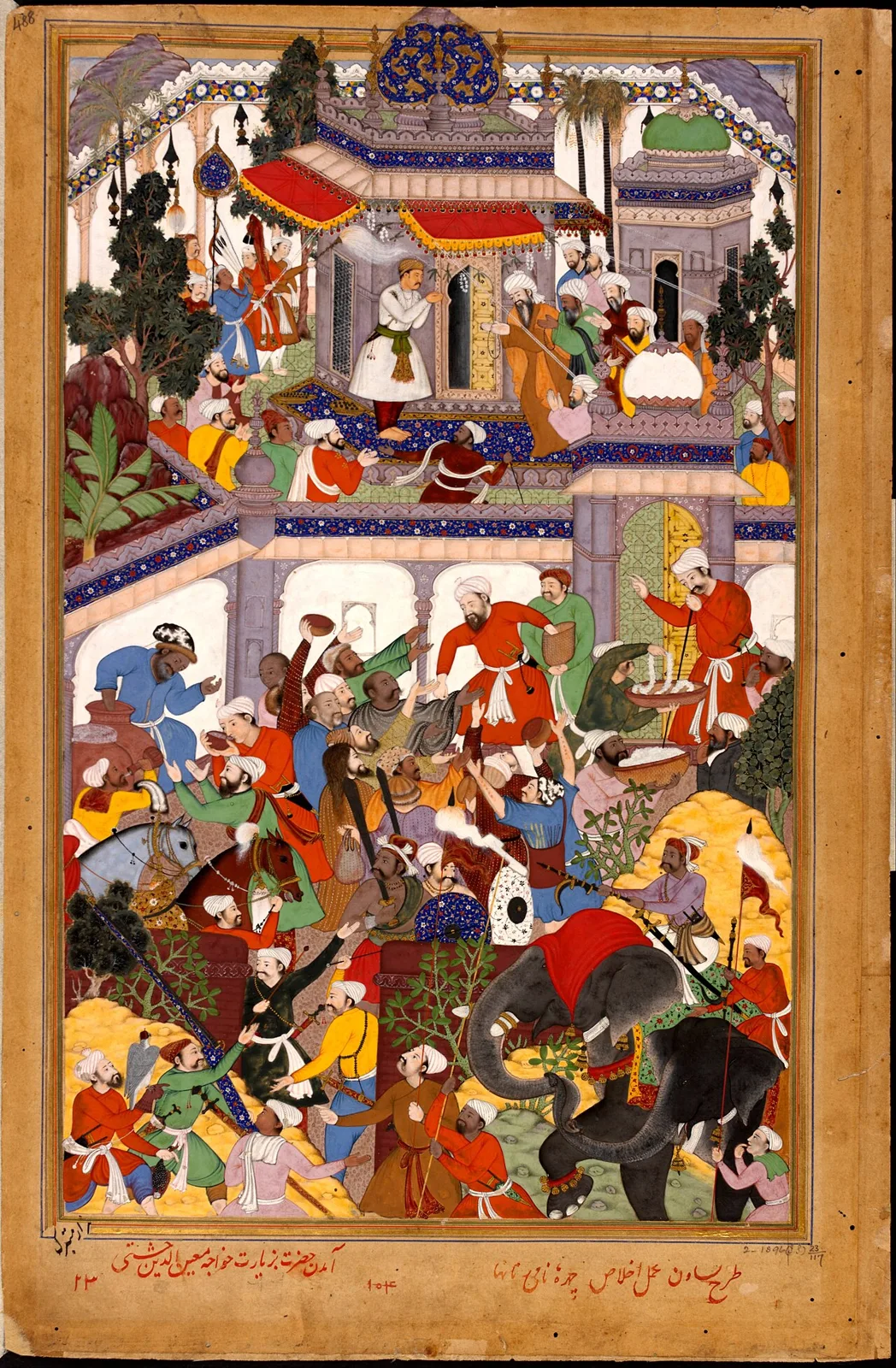
The city also has a place in Indian art history through the Kishangarh school of miniature painting. Its graceful figures, lyrical landscapes and refined court style are closely linked with the image known as Bani Thani. Reproductions and related artworks may be found through local art and handicraft sellers, while important historical works are held in collections beyond the city. Kishangarh is not chiefly known as a saree or textile centre, and no particular local GI-tagged product is widely associated with it. For visitors, the most reliable places to explore its commercial identity are the marble showrooms and yards; heritage sites and art displays offer a different view of the city’s craft legacy.

History

Kishangarh State was established by the Rathore prince Kishan Singh, who came from the Jodhpur royal family. The state’s foundation is dated to 1609, while Kishangarh city is associated with its establishment in 1611 near Gondulav Lake. It became the capital of the princely state, which later formed part of the Rajputana Agency under British rule. A municipality was established in 1892.

The state faced severe drought and famine around 1899–1900. Maharaja Madan Singh, who took the throne in 1900, oversaw measures that included extending irrigation from tanks and wells and encouraging cotton-ginning and pressing works. Kishangarh’s court also fostered the miniature-painting tradition for which the city became renowned. After independence and the integration of princely states into Rajasthan, Kishangarh developed as a regional commercial centre. Its marble-processing and trading sector now shapes much of its modern economy, alongside transport links and services connecting it with Ajmer and other parts of the state.

Food, festivals & culture

Everyday food draws on the flavours of Rajasthan: dal baati churma, gatte ki sabzi, ker sangri and seasonal sweets such as ghevar are familiar choices. Local restaurants and sweet shops offer these alongside everyday North Indian dishes. Hindi is widely used, and Rajasthani speech, including Marwari-influenced forms, is heard in daily life.

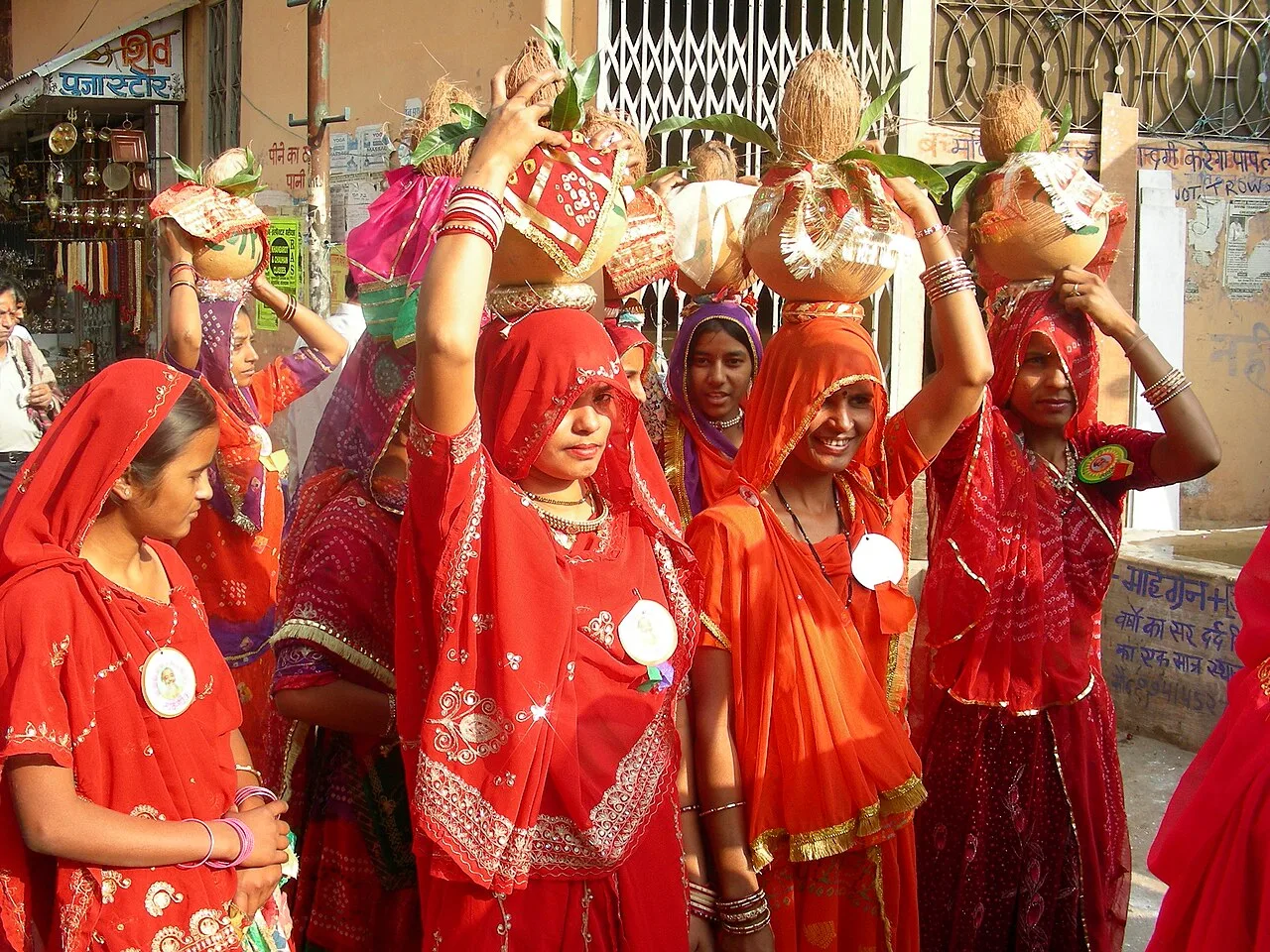
Holi, usually celebrated in spring, and Diwali, in autumn, are major occasions. Gangaur, a spring festival honouring Gauri, and Teej, commonly celebrated during the monsoon season, are also part of Rajasthan’s festive calendar. Family gatherings, decorated shrines and community observances mark these celebrations. Kishangarh’s cultural identity is strongly tied to its courtly art heritage, particularly its miniature-painting style, as well as to Hindu places of worship across the city. Visitors should check locally for public celebrations or access to particular religious and heritage sites.

Visiting the city

The cooler months, roughly October to March, are generally the most comfortable for sightseeing. Kishangarh Airport serves the city; check current flight availability before planning around it. Kishangarh railway station is the main rail stop in town, with road connections linking the city to Ajmer and other regional destinations.

Auto-rickshaws and local taxis are useful for getting between the station, old city and commercial districts; a taxi is convenient for sites farther apart, including the marble yards. Explore the old fort and palace area for architecture, Gondulav Lake for a change of pace, and the marble market and industrial district to understand the city’s present-day trade. Marble-waste landscapes on the outskirts can be visually distinctive, but access and viewpoints may vary, so follow local guidance and avoid entering active work areas.

Trips from the city

Nearest places to visit from Kishangarh

Our closest destination guides, by straight-line distance.

Ana Sagar Lake

26 km away · Ajmer district

Ana Sagar Lake

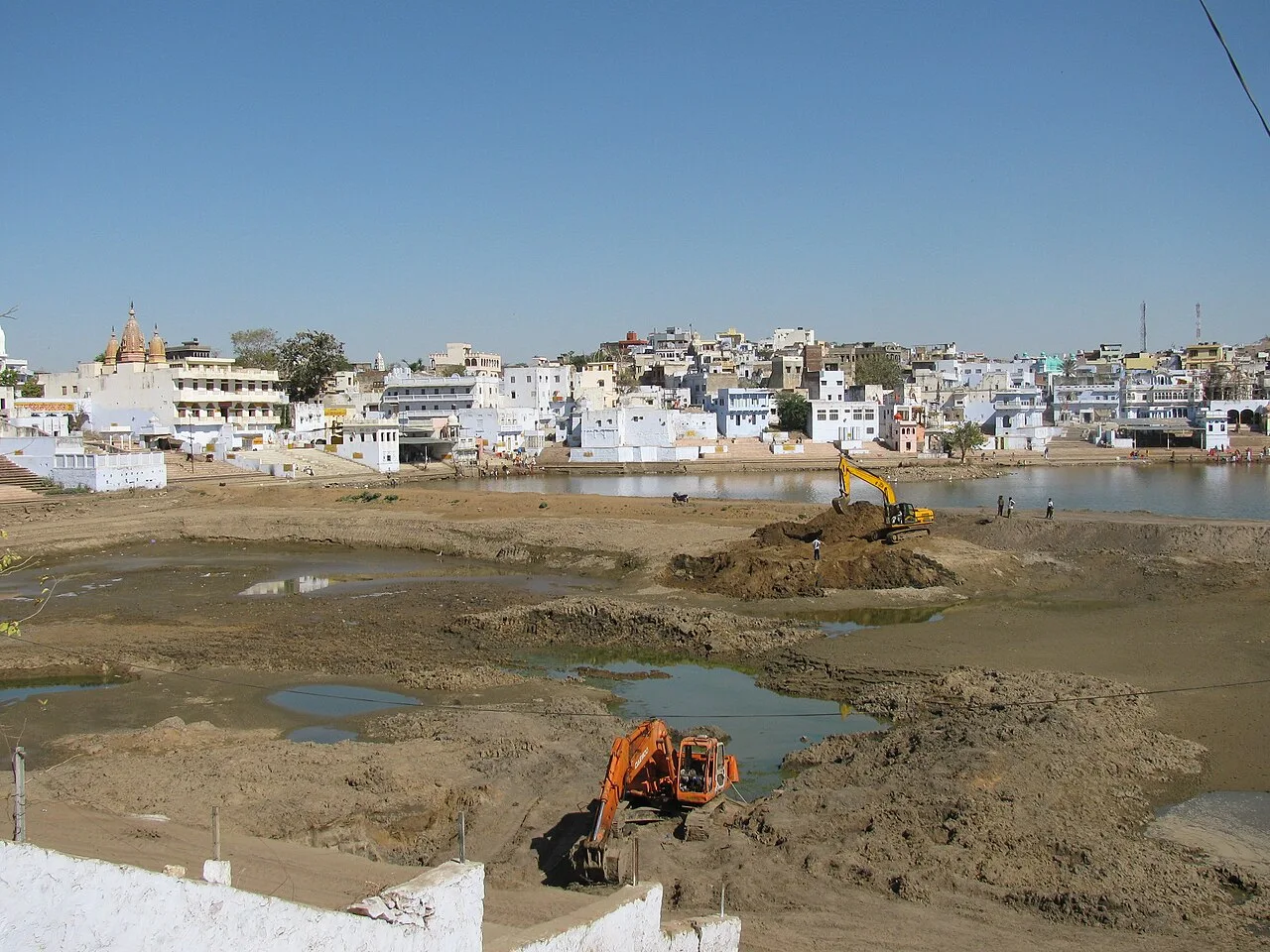
Ana Sagar is a man-made lake in Ajmer, Rajasthan, associated with its builder Arnoraja, also called Ana. Visitors come to see this historic water body, which extends across 13 km.

Adhai Din Ka Jhonpra

27 km away · Ajmer district

Adhai Din Ka Jhonpra

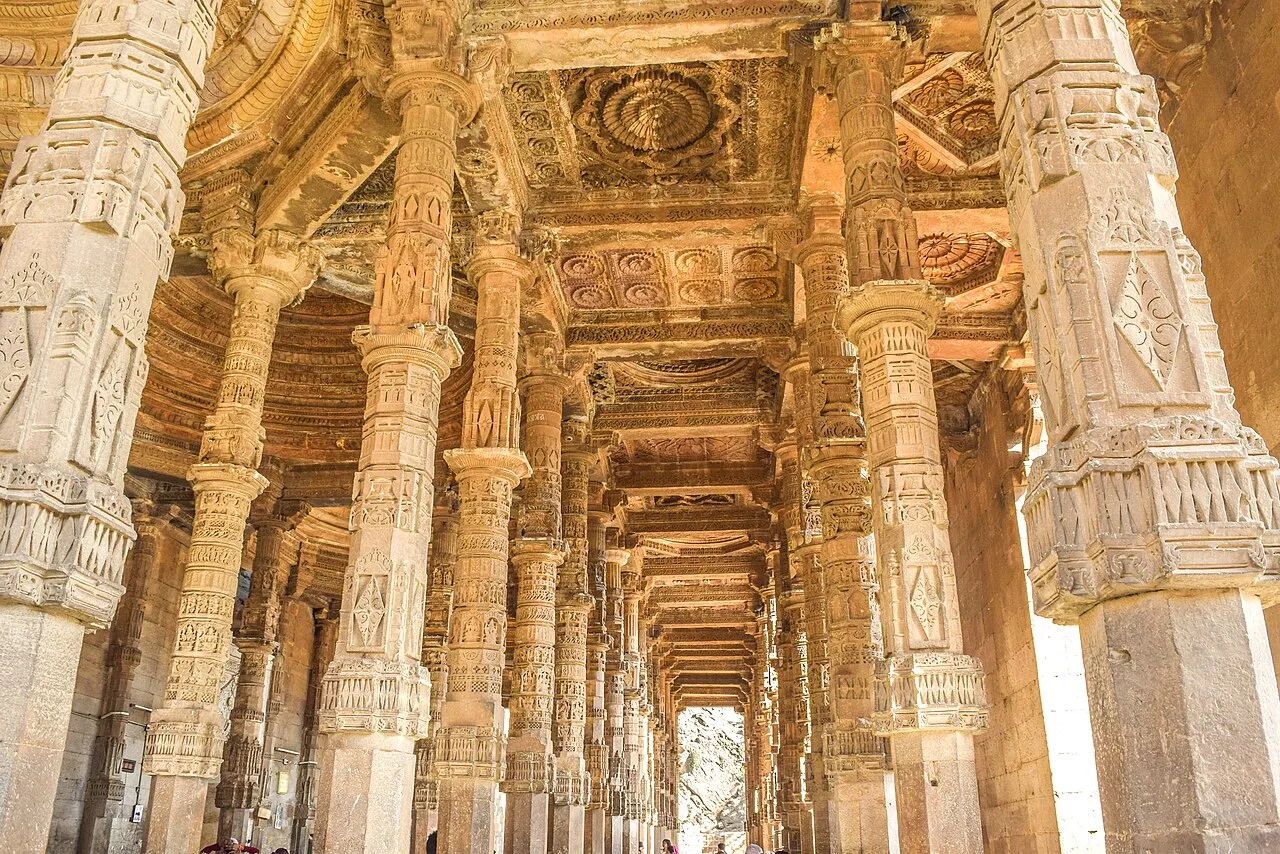
This former mosque in Ajmer, Rajasthan, is among India’s oldest mosques and the city’s oldest surviving monument. Visitors come to see its early Indo-Islamic design and its Hindu, Jain and Islamic architectural elements.

Shrine of Mu'in al-Din Chishti

27 km away · Ajmer district

Shrine of Mu'in al-Din Chishti

A Sufi pilgrimage complex in Ajmer, Rajasthan, centred on Mu'in al-Din Chishti’s shrine and including tombs and a mosque. Sunni Muslims visit in large numbers, particularly for Chishti’s urs.

Taragarh Fort, Ajmer

29 km away · Ajmer district

Taragarh Fort, Ajmer

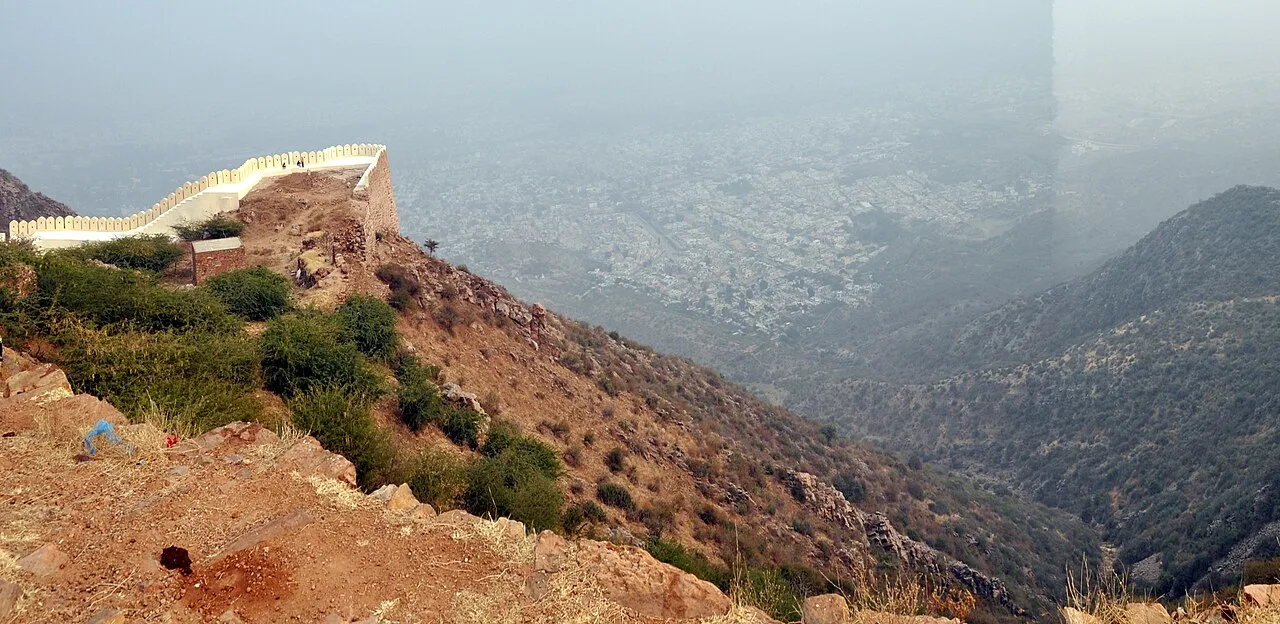
Set on a steep slope in Ajmer, Rajasthan, Taragarh Fort is a historic stronghold associated with the Parmar Rajputs and Ajayaraja Chauhan. Visitors come to see the fortress and learn about its earlier name, Ajaymeru Durg.

Brahma Temple

32 km away · Ajmer district

Brahma Temple

Located in Pushkar, Rajasthan, the Brahma Temple is a Hindu shrine near Pushkar Lake and among India’s few temples for Brahma. Pilgrims especially gather there on Kartik Poornima.

Pushkar

32 km away · Ajmer district

Pushkar

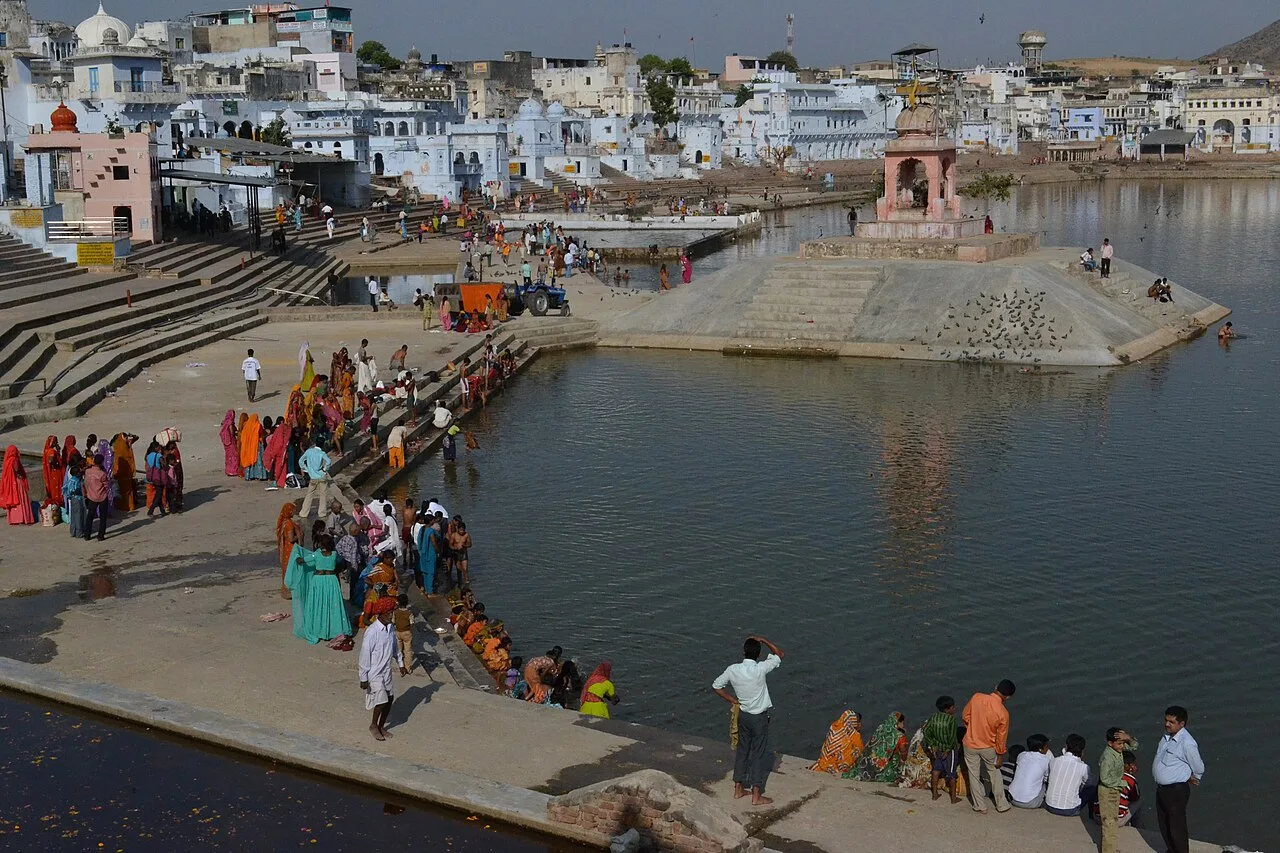
Pushkar is a historic pilgrimage town in Rajasthan, centred on a sacred lake and temples, including one of the few shrines to Brahma. Visitors come for worship, ritual bathing and its heritage.

Pushkar Lake

32 km away · Ajmer district

Pushkar Lake

Pushkar Lake, also called Pushkar Sarovar, is a sacred lake in Rajasthan’s Ajmer district. Pilgrims come to bathe at its ghats, especially around Kartik Poornima, when the Pushkar Fair takes place.

Sambhar Salt Lake

45 km away · Jaipur district

Sambhar Salt Lake

Sambhar Salt Lake is Rajasthan’s largest inland salt lake, in Jaipur district. Visitors come to see the lake and the historic settlement of Sambhar Lake Town, which it surrounds.

Map

Kishangarh on the map

  1. 1Ana Sagar Lake
  2. 2Adhai Din Ka Jhonpra
  3. 3Shrine of Mu'in al-Din Chishti
  4. 4Taragarh Fort, Ajmer
  5. 5Brahma Temple
  6. 6Pushkar
  7. 7Pushkar Lake
  8. 8Sambhar Salt Lake

Rajasthan

Other cities to explore