Ghumoopedia — Explore, Discover, Experience
Sign in
Nawalgarh, near Sikar

City guide · Rajasthan

Sikar

Sikar is the administrative centre of Sikar district and a major city in the Shekhawati region of northeastern Rajasthan. It serves nearby towns and rural communities as a hub for transport, education and agricultural commerce.

Famous for

  • Shekhawati havelis
  • Competitive exam coaching
  • Agricultural trade
  • Historic city gates
  • Harshnath Temple
  • Khatu Shyam Temple

Why Sikar matters

Sikar is the administrative centre of Sikar district and a major city in the Shekhawati region of northeastern Rajasthan. It serves nearby towns and rural communities as a hub for transport, education and agricultural commerce. Its position west of the Aravalli range has helped make it an important market for produce from the surrounding plains, while road and rail connections link it with Jaipur and other parts of Rajasthan.

The city is especially recognised for its competitive-examination coaching institutes, which draw students from across the state and beyond. Its older quarters offer a different appeal: Sikar was once the seat of a prominent Jaipur State estate, and its walled historic centre retains traditional havelis and gateways. Visitors also use the city as a base for exploring Shekhawati’s painted architecture and nearby religious sites. Khatu Shyam Temple, in the wider district, is a major pilgrimage destination, while the hilltop setting and historic shrine at Harshnath attract visitors interested in heritage and the Aravalli landscape.
Famous for: crafts, trade & products

Sikar is better known for education and agricultural commerce than for a signature textile or handicraft industry. Coaching institutes form a prominent part of the modern city, particularly for students preparing for engineering, medical and other competitive examinations. The city’s agricultural markets serve the surrounding farming region, trading in a range of cereals, pulses and oilseeds. Visitors can get a sense of this commercial life in the market areas of the old city and at local produce markets.

Sikar does not have a widely recognised city-specific GI-tagged product or a single craft that defines its identity. Its heritage is more visible in the traditional havelis and their painted architectural details than in a dedicated craft bazaar. General shops in the central markets sell clothing, household goods, sweets and regional merchandise; these are practical places to browse, rather than specialist destinations for a particular Sikar-made textile. For locally made items or regional handicrafts, ask in the main market about current availability, as the range can vary. The city’s most distinctive modern institution is its coaching sector, while its historic commercial role is reflected in its busy bazaars and agricultural trade.

History

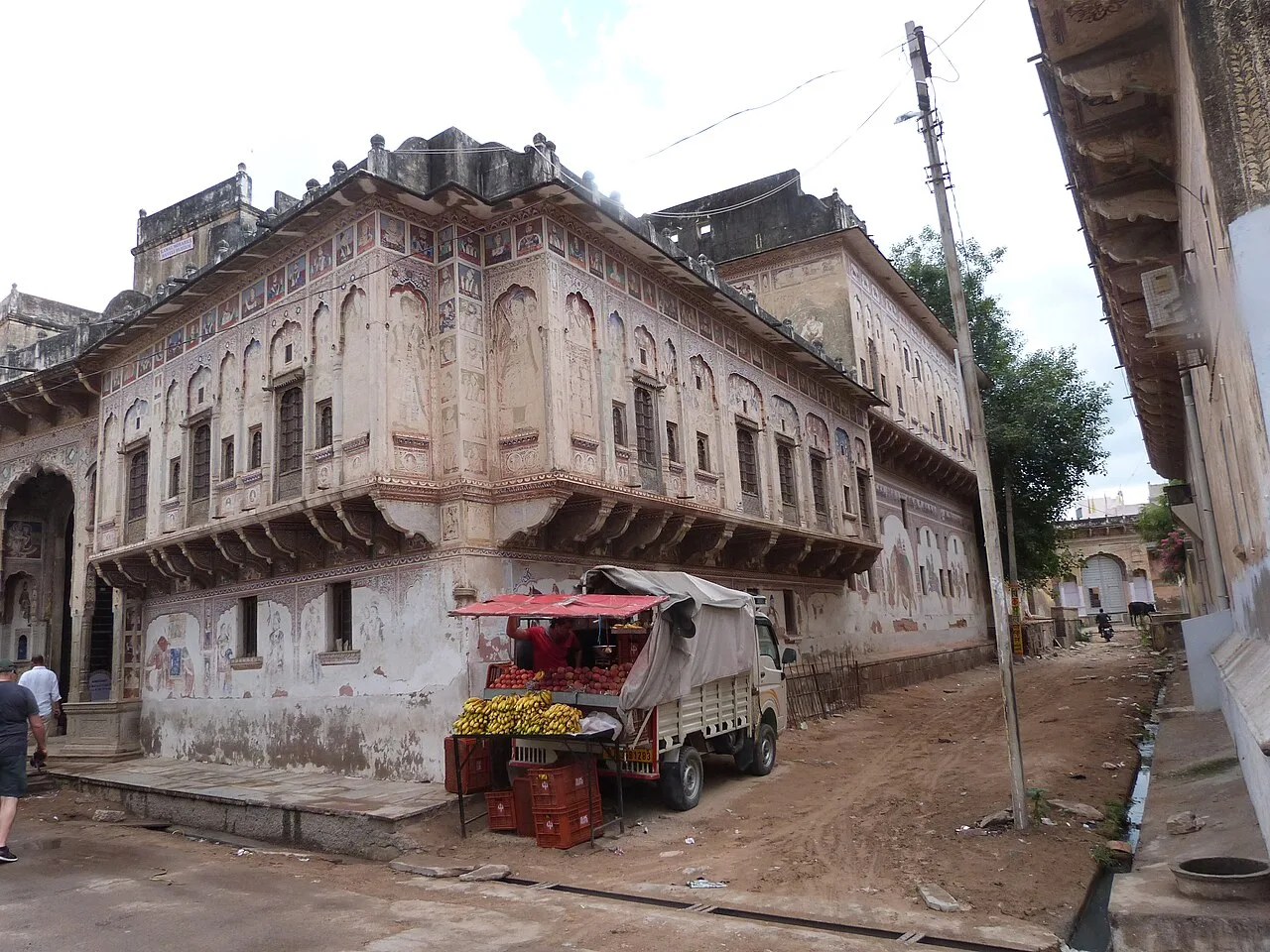
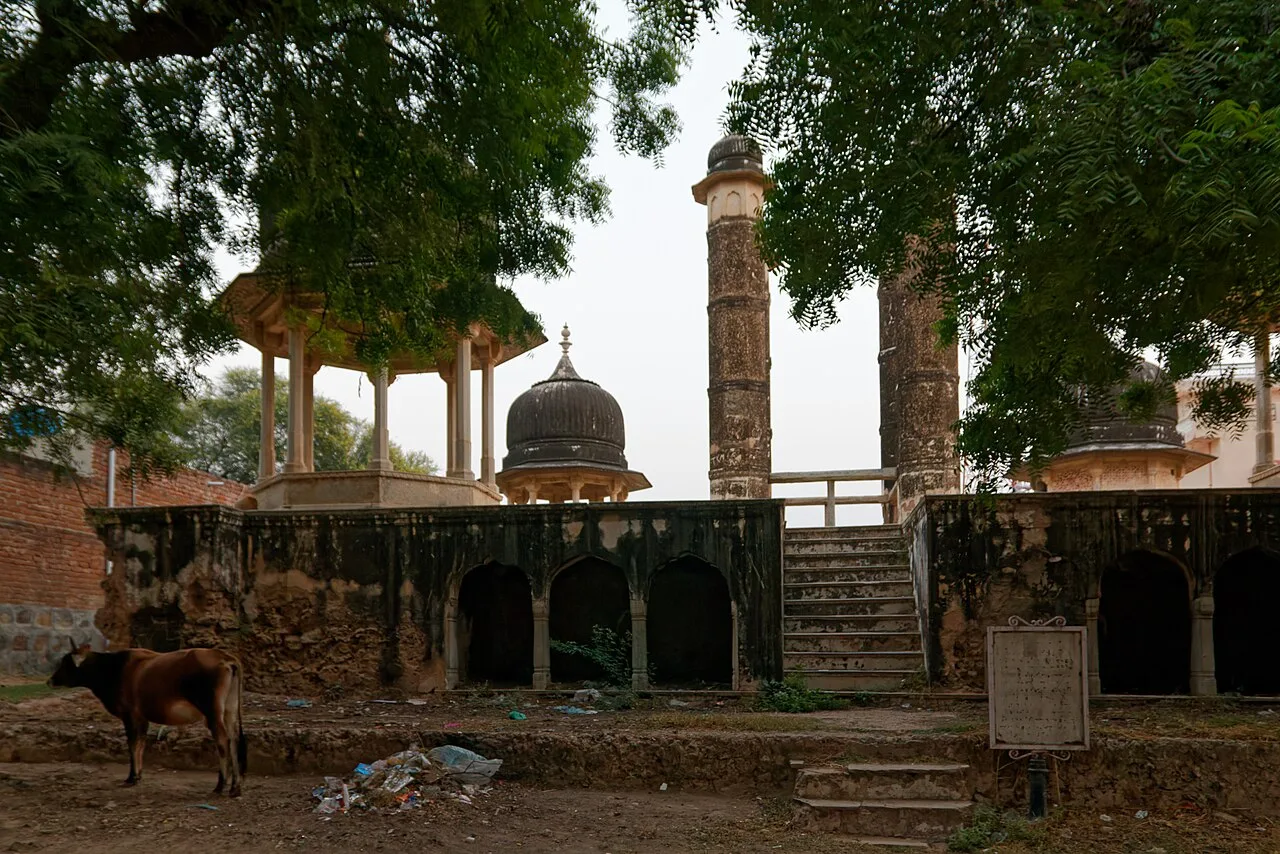
Sikar developed as the seat of the Sikar thikana, a large estate within the former Jaipur State. It was part of the Shekhawati region, where ruling families, merchants and local communities shaped a distinctive built heritage. The old city was enclosed by fortified walls and entered through seven gates, including Bawari, Fatehpuri, Nani, Surajpole and Chandpole. Havelis built by prosperous families added elaborately decorated residences to the urban landscape.

During the colonial period, Sikar remained within the Jaipur princely state rather than becoming a directly administered British city. The wider region’s trading networks and merchant wealth helped sustain its towns and architecture. After India’s independence and the integration of princely states into Rajasthan, Sikar grew as a district headquarters and service centre. Roads, rail links, agricultural commerce and educational institutions contributed to its modern role. In recent decades, the growth of coaching institutes has brought a large student population and made education a defining feature of the city’s contemporary economy.

Food, festivals & culture

Everyday food in Sikar reflects the wider Rajasthani kitchen. Meals commonly feature dal baati churma, gatte ki sabzi, bajra roti and seasonal preparations such as ker sangri; local sweet shops offer familiar regional mithai. Recipes and menus vary between households and restaurants, so visitors can look to the central markets for a broad introduction to local food.

Hindi is widely used, alongside Shekhawati and other Rajasthani speech forms. Folk music and dance traditions, including ghoomar, are part of regional celebrations and community events. Gangaur and Teej are observed in spring and the monsoon season respectively, while Holi and Diwali bring the usual calendar of gatherings and festivities. The annual Phalguna fair at Khatu Shyam Temple draws large numbers of devotees to the district. Within and around Sikar, temples and older religious sites remain important to daily worship; Harshnath Temple, in the hills, is a notable heritage and pilgrimage destination.

Visiting the city

The cooler months, roughly October to March, are generally the most comfortable time to visit. Summers can be very hot, while the monsoon brings greener scenery to the surrounding hills. Jaipur International Airport is the nearest major airport, about 115 km away. Sikar Junction is the city’s main railway station, with road services connecting Sikar to Jaipur and nearby towns.

Auto-rickshaws, taxis and local buses are useful for getting around; a hired vehicle is convenient for sites outside the centre. Explore the old walled city, its gates, havelis and central markets on foot where practical. Sikar also makes a base for visits to Khatu Shyam Temple and Harshnath. Check local travel conditions before setting out for outlying sites, especially during the monsoon.

Trips from the city

Nearest places to visit from Sikar

Our closest destination guides, by straight-line distance.

Nawalgarh

29 km away · Jhunjhunu district

Nawalgarh

Nawalgarh is a heritage city in Rajasthan’s Shekhawati region, within Jhunjhunu district. Visitors are drawn by its heritage character, and it is 30.5 km from Sikar and 39.2 km from Jhunjhunu.

Khatu Shyam Temple

38 km away · Sikar district

Khatu Shyam Temple

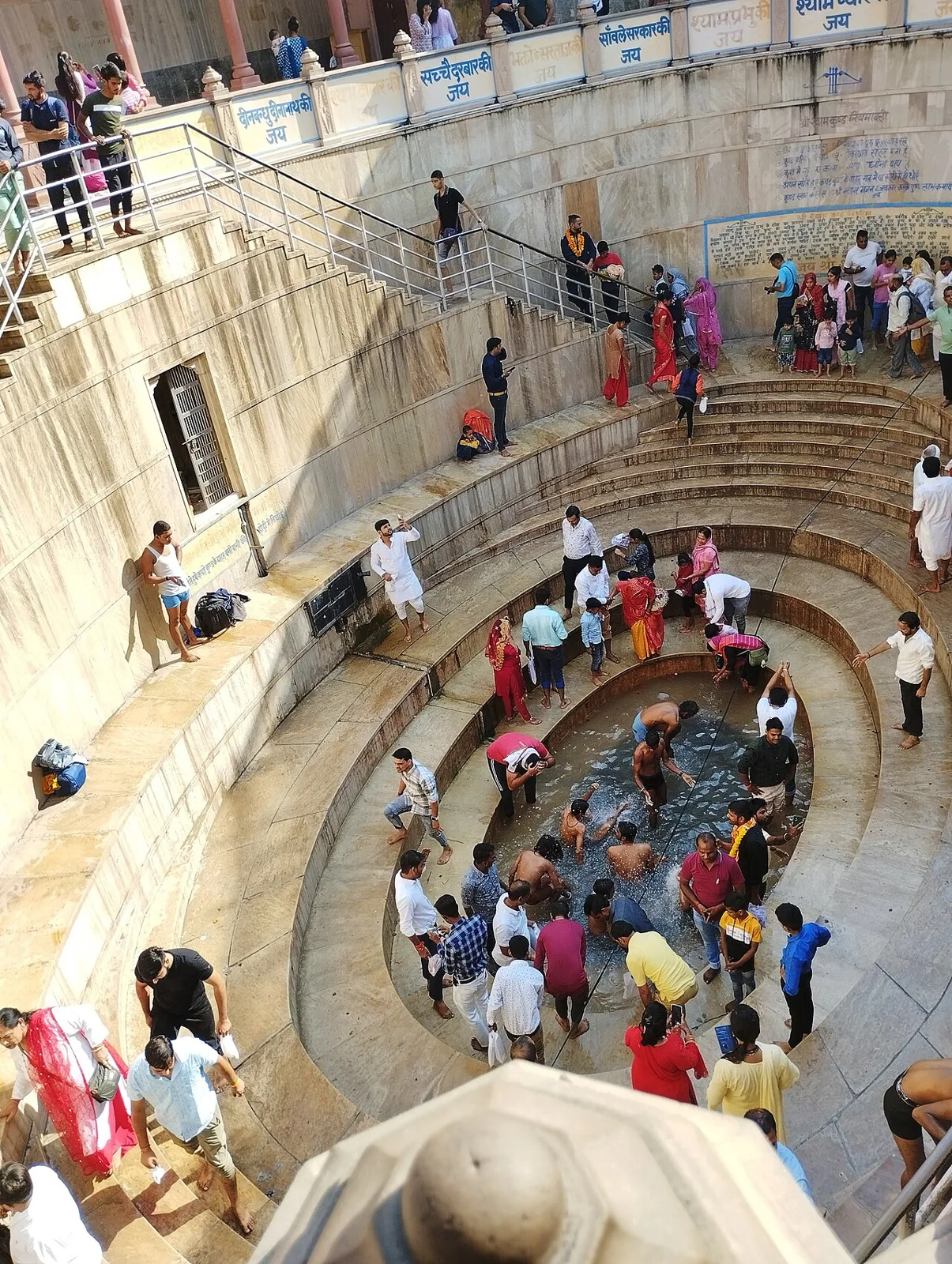
In KhatuShyamJi town, Rajasthan, this Hindu shrine honours Khatu Shyam, believed to be a divine manifestation of Barbareek from the Mahabharat. Pilgrims visit throughout the year, especially for the Falgun Mela.

Mandawa

49 km away · Jhunjhunu district

Mandawa

Mandawa is a town in Rajasthan’s Jhunjhunu district, within the Shekhawati region. Travellers visit it as part of journeys through the region and nearby Jhunjhunu.

Tal Chhapar Sanctuary

72 km away · Churu district

Tal Chhapar Sanctuary

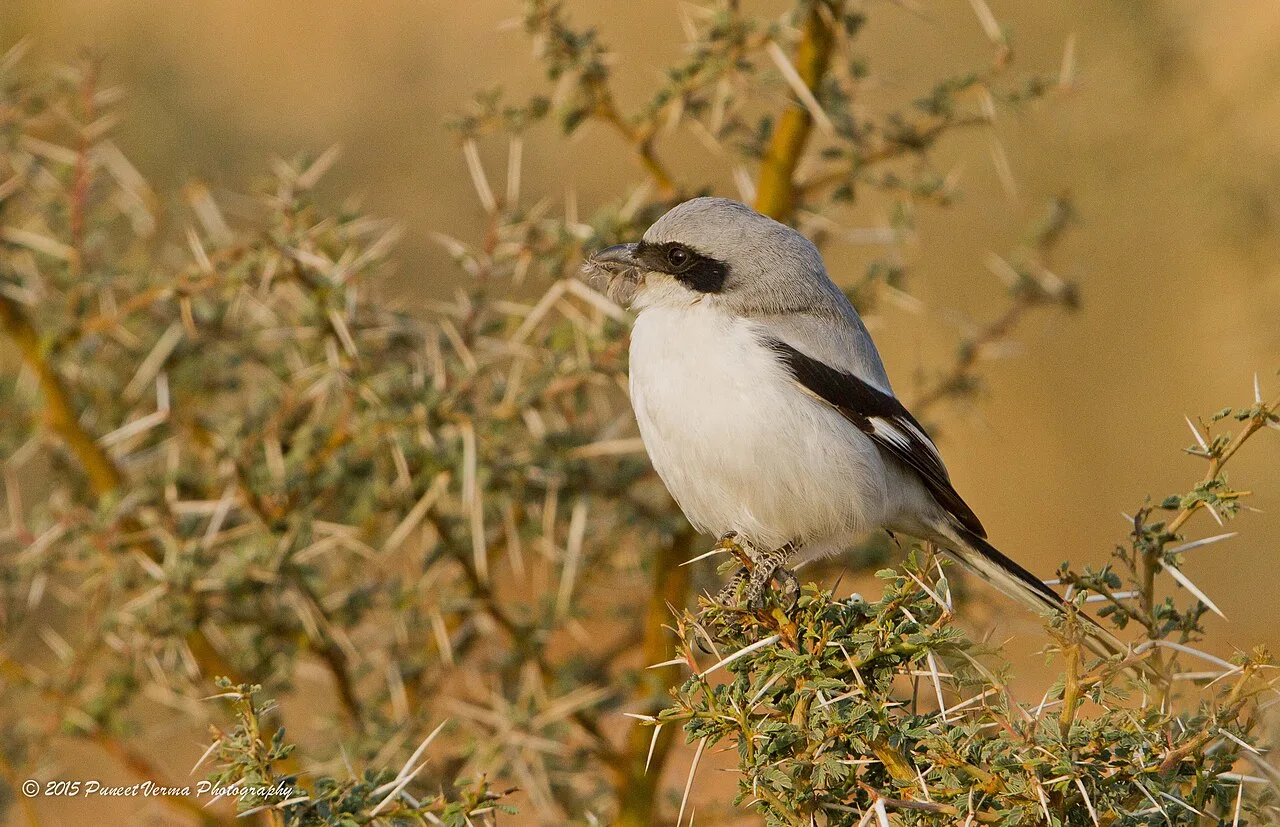
Tal Chhapar is a wildlife sanctuary in Rajasthan’s Churu district, known for blackbucks and birdlife. Visitors come to see its wildlife in a setting near the Great Indian Desert.

Sambhar Salt Lake

75 km away · Jaipur district

Sambhar Salt Lake

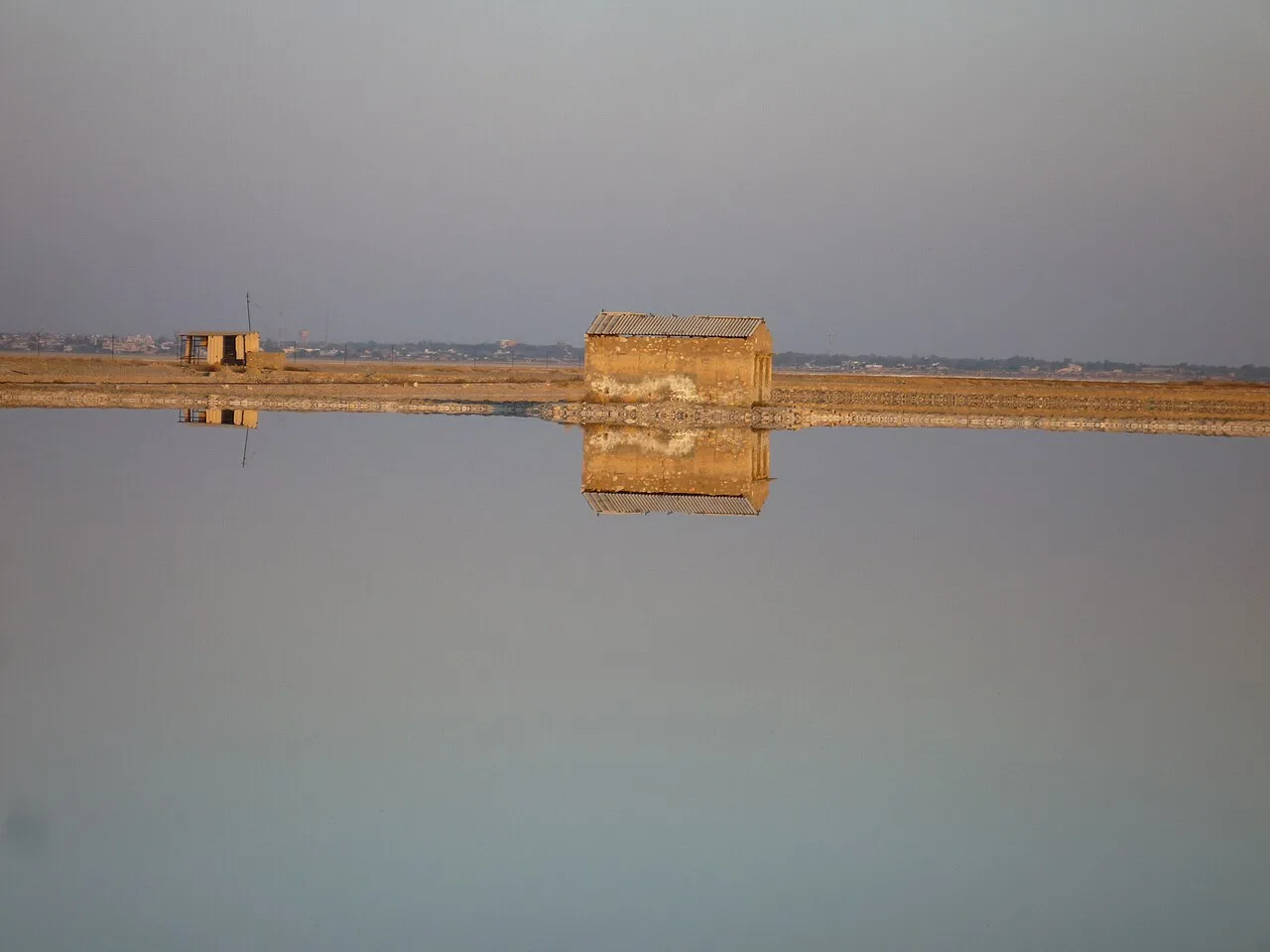
Sambhar Salt Lake is Rajasthan’s largest inland salt lake, in Jaipur district. Visitors come to see the lake and the historic settlement of Sambhar Lake Town, which it surrounds.

Samode

80 km away · Jaipur district

Samode

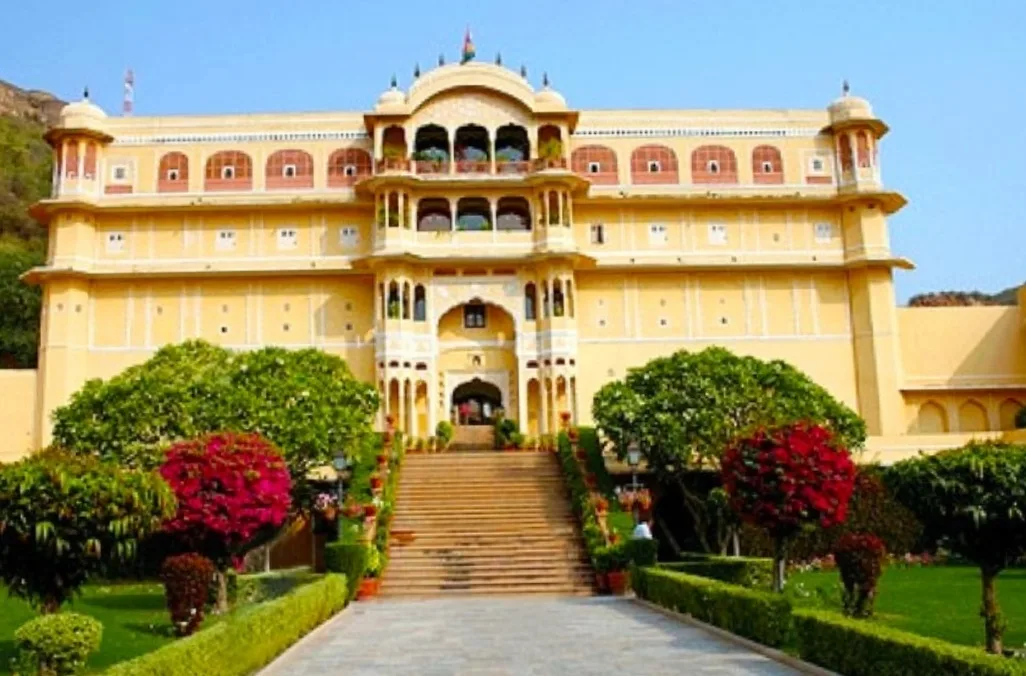
Samode is a village in Rajasthan’s Aravalli hills, north-west of Jaipur. Visitors come for its palace, haveli and garden, historic properties now operated as heritage hotels.

Amber Fort

99 km away · Jaipur district

Amber Fort

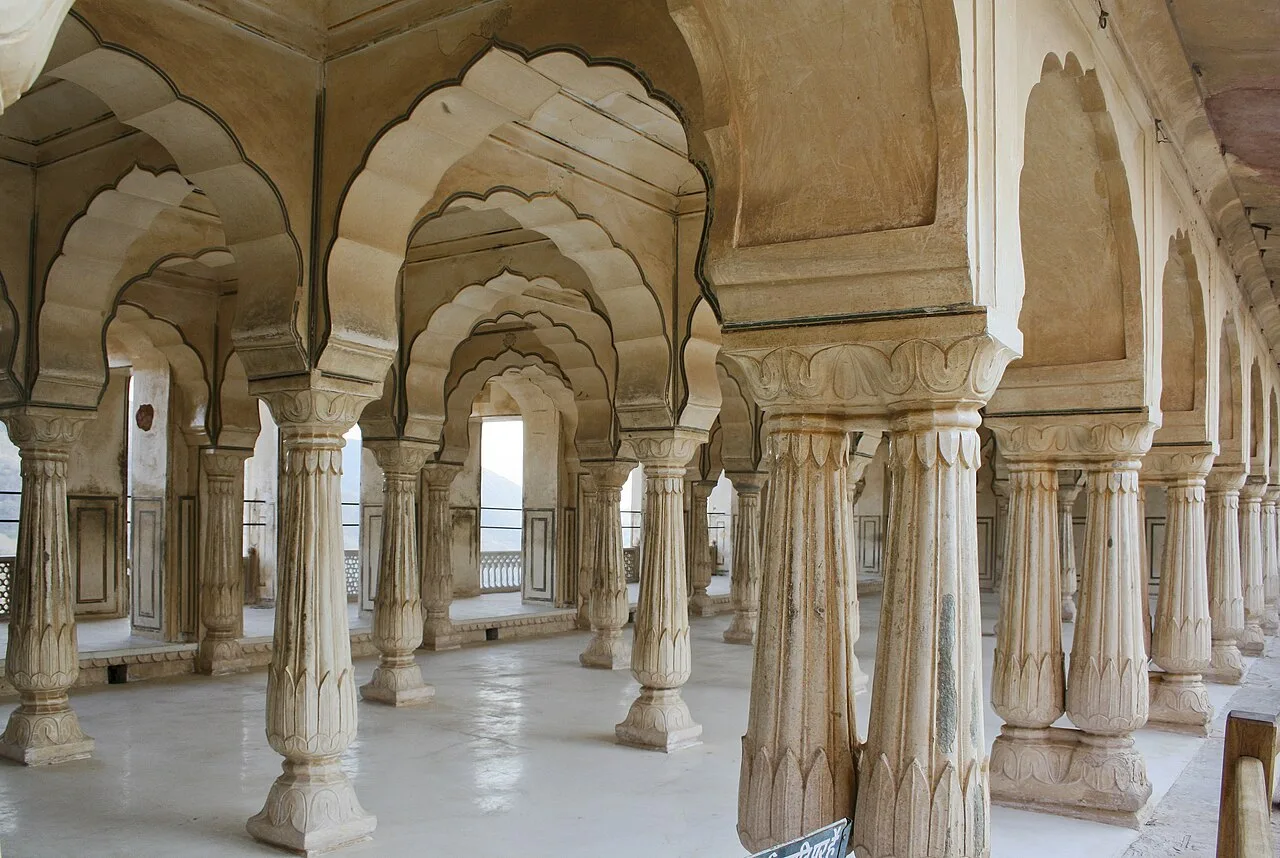
Amber Fort, also known as Amer Palace, is a hilltop fort in Amer, Rajasthan. Visitors explore its Rajput and Mughal-influenced design, palace halls and setting above Maota Lake.

Jaigarh Fort

99 km away · Jaipur district

Jaigarh Fort

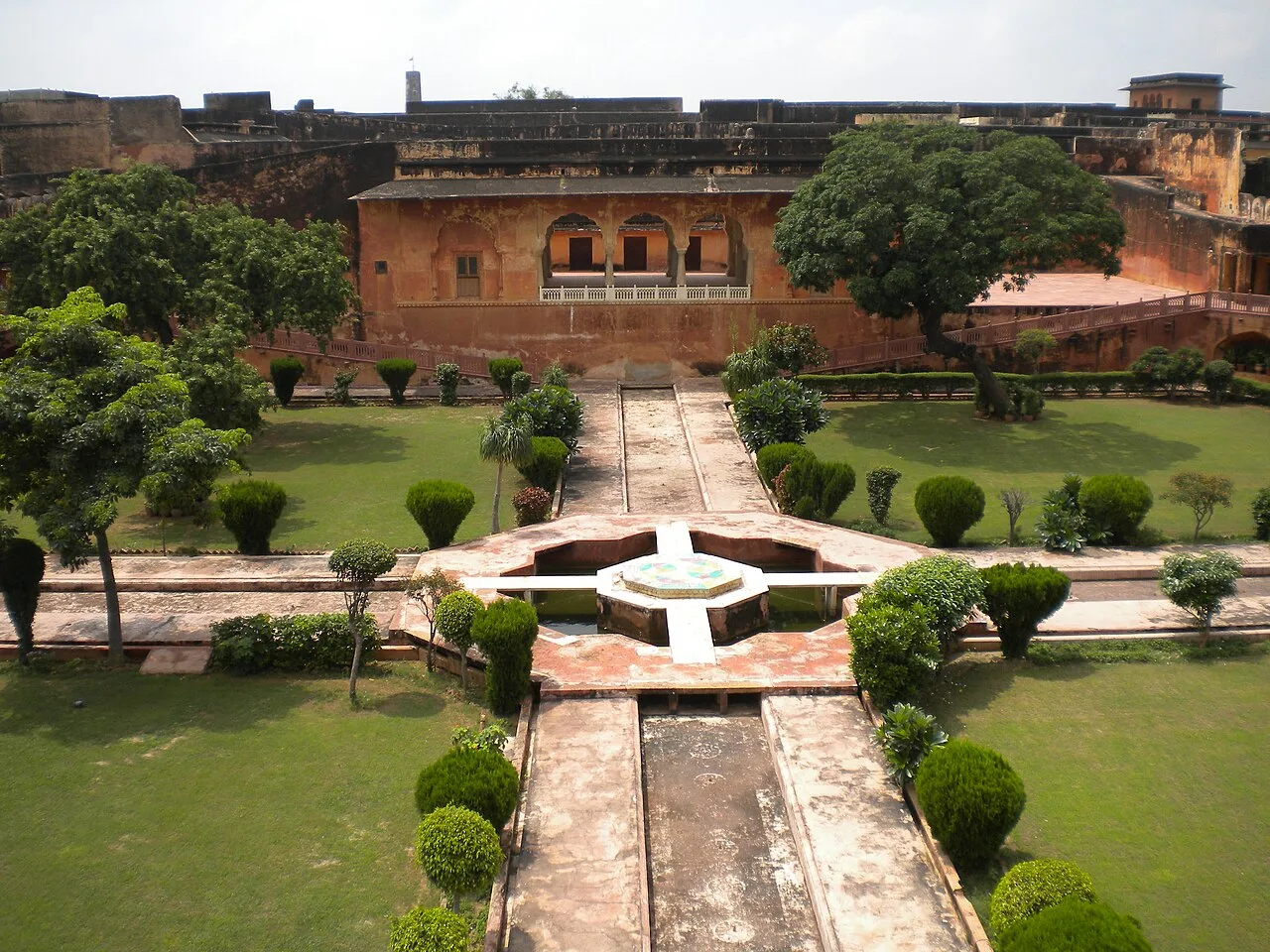
Near Amer in Rajasthan, Jaigarh Fort occupies a hilltop above Amer Fort and Maota Lake. Visitors come to see its historic fortifications, its connection to Amer Fort and the Jaivana cannon.

Map

Sikar on the map

  1. 1Nawalgarh
  2. 2Khatu Shyam Temple
  3. 3Mandawa
  4. 4Tal Chhapar Sanctuary
  5. 5Sambhar Salt Lake
  6. 6Samode
  7. 7Amber Fort
  8. 8Jaigarh Fort

Rajasthan

Other cities to explore