Ghumoopedia — Explore, Discover, Experience
Sign in
Mandawa, near Pilani

City guide · Rajasthan

Pilani

Pilani is a town in Rajasthan’s Jhunjhunu district, best known as the home of Birla Institute of Technology and Science, Pilani (BITS Pilani), and as the birthplace of industrialist and philanthropist G. D.

Famous for

  • BITS Pilani
  • G. D. Birla’s birthplace
  • Birla Saraswati Temple
  • Shekhawati heritage

Why Pilani matters

Pilani is a town in Rajasthan’s Jhunjhunu district, best known as the home of Birla Institute of Technology and Science, Pilani (BITS Pilani), and as the birthplace of industrialist and philanthropist G. D. Birla. Its identity is closely tied to education: generations of students come here for the institute, while its campus and Birla-era landmarks give the town a distinctive character within the Shekhawati region.

Visitors are drawn mainly by the BITS campus, the Birla Saraswati Temple and places associated with the Birla family. Pilani is also a useful base for exploring the region’s painted havelis and historic towns, though it is quieter and less oriented towards sightseeing than nearby Shekhawati destinations. The town serves its surrounding communities through education, research, local trade and everyday services. Its appeal lies in this combination of a nationally recognised academic institution, a notable business-family history and a small-town setting in northeastern Rajasthan.
Famous for: crafts, trade & products

Pilani is not especially associated with a signature saree, textile, handicraft or GI-tagged product. Its best-known institutions are its defining local assets: BITS Pilani, the Birla Education Trust and the Central Electronics Engineering Research Institute (CEERI), a CSIR research centre. Education and research, rather than a large tourist-shopping industry, shape much of the town’s public identity and economy.

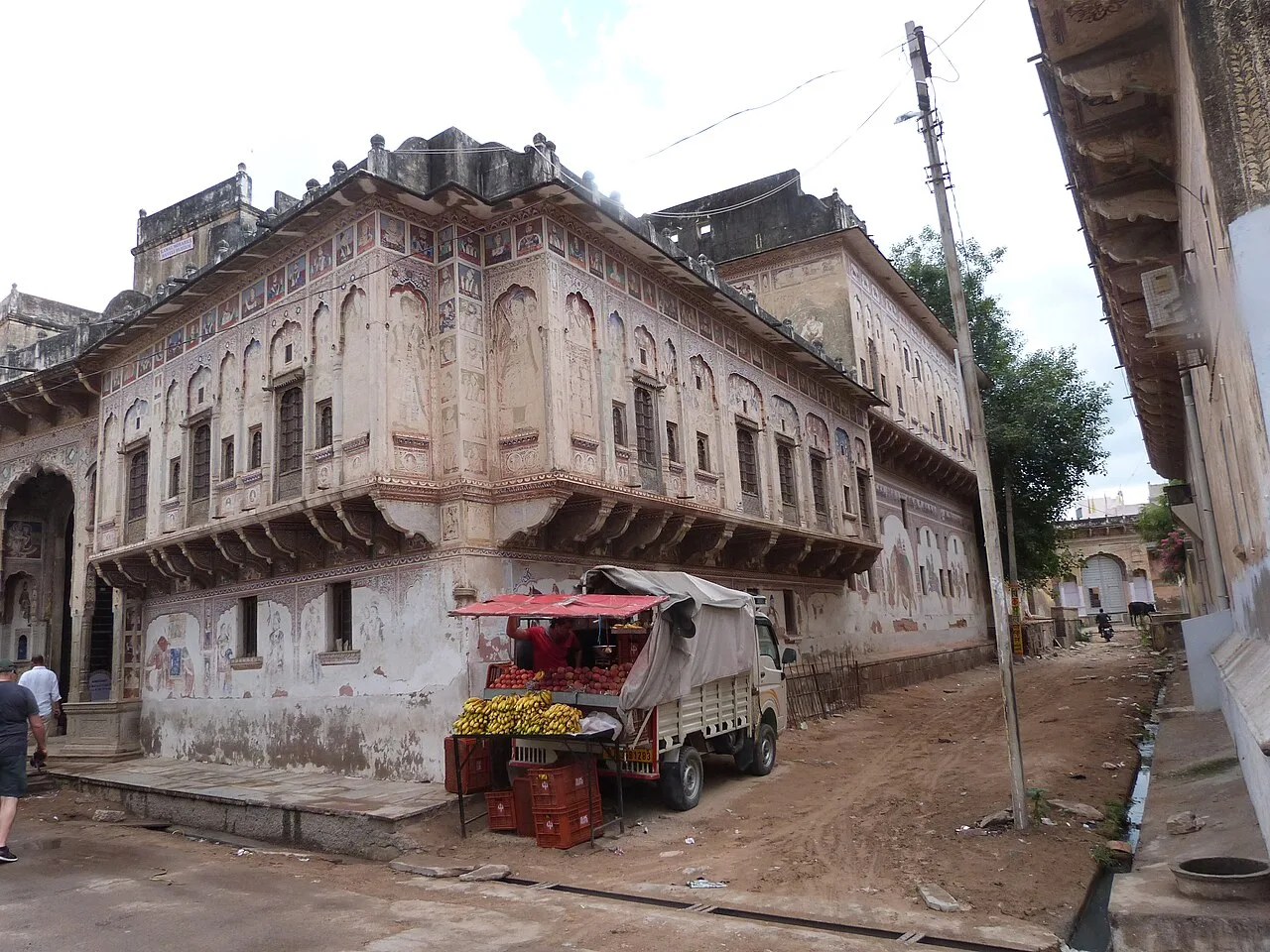
For everyday shopping, browse the town’s local bazaars and shops around the main market and bus-stand area, where residents buy clothing, household goods, snacks and sweets. Availability varies, and shoppers should not expect a specialist craft market. The wider Shekhawati region is known for elaborately painted havelis and local architectural traditions; these are best experienced in heritage towns such as Mandawa and Nawalgarh. Pilani can be a starting point for regional excursions, but visitors seeking a particular craft or textile should check what is available in the destination town rather than assume it is made or sold locally.

History

Pilani lies in Shekhawati, a historic tract of northeastern Rajasthan whose towns and estates developed under local rulers and the Jaipur princely state. During the colonial period, Jaipur remained a princely state under British paramountcy. The area’s older built heritage is most visible in the painted havelis and other historic buildings found across Shekhawati.

Pilani’s modern growth is closely linked to the Birla family. G. D. Birla was born here, and the family’s support for education helped establish the institutions that transformed the town. Birla educational initiatives developed over the twentieth century into the institution now known as BITS Pilani, brought together in its present form in 1964. The presence of CEERI added a research role alongside the town’s educational one. After Indian independence and the integration of princely states into Rajasthan, Pilani continued to grow around these institutions, drawing students, researchers and staff from across India.

Food, festivals & culture

Pilani shares the food traditions of Shekhawati and Rajasthan. Everyday meals may include bajra roti, dal, gatte ki sabzi and ker sangri, while dal baati churma is a familiar regional favourite. Sweet shops and market eateries serve snacks and seasonal sweets; ghevar is especially associated with the monsoon-season festival of Teej. These are regional foods rather than dishes unique to Pilani.

Hindi is widely used, alongside Shekhawati forms of Rajasthani in local life. Hindu festivals such as Holi, Diwali, Gangaur and Teej are observed, with celebrations following the Hindu calendar and seasons. Folk traditions of the wider region include devotional singing, dhol and chang rhythms, and dances such as ghoomar. The Birla Saraswati Temple, on the BITS campus, is a prominent place of worship and a notable local landmark. As an academic town, Pilani also has a diverse student community, giving its everyday culture a mix of regional customs and campus life.

Visiting the city

October to March is generally the most comfortable season to visit; summer can be very hot, while monsoon brings rain and humidity. The nearest commonly used major airport is Indira Gandhi International Airport in Delhi. Chirawa railway station is the nearest rail stop; Loharu Junction is another option with broader rail connections. Check current routes before travelling, as connections can vary.

Auto-rickshaws and local taxis are useful for getting around town, and some central areas can be explored on foot. Allow time for the BITS Pilani campus and Birla Saraswati Temple, and ask about visitor access before entering campus facilities. The local bazaar is a good place to see everyday town life. Pilani also works as a base for day trips to Shekhawati heritage towns such as Mandawa and Nawalgarh.

Trips from the city

Nearest places to visit from Pilani

Our closest destination guides, by straight-line distance.

Mandawa

57 km away · Jhunjhunu district

Mandawa

Mandawa is a town in Rajasthan’s Jhunjhunu district, within the Shekhawati region. Travellers visit it as part of journeys through the region and nearby Jhunjhunu.

Nawalgarh

67 km away · Jhunjhunu district

Nawalgarh

Nawalgarh is a heritage city in Rajasthan’s Shekhawati region, within Jhunjhunu district. Visitors are drawn by its heritage character, and it is 30.5 km from Sikar and 39.2 km from Jhunjhunu.

Khatu Shyam Temple

113 km away · Sikar district

Khatu Shyam Temple

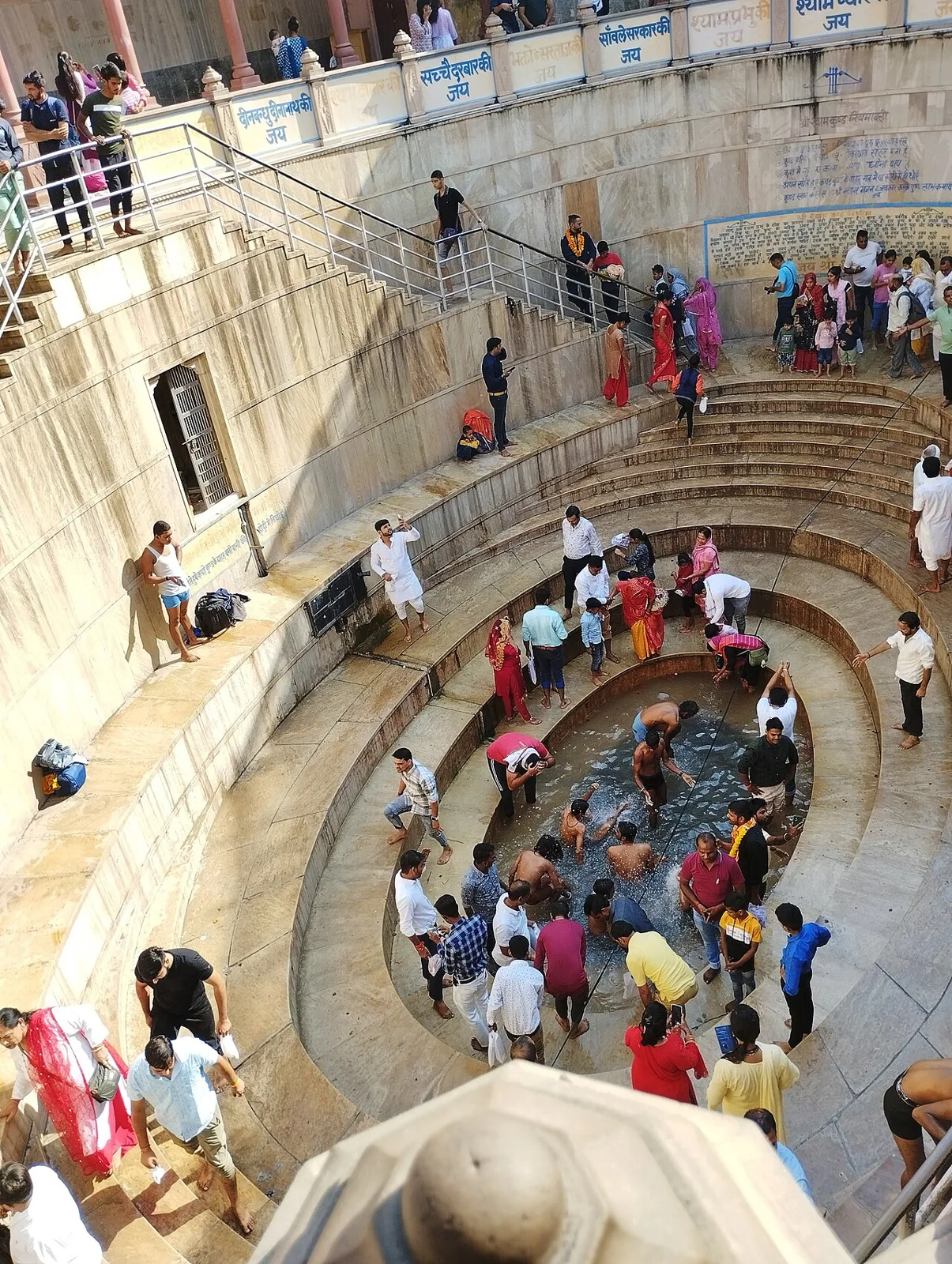
In KhatuShyamJi town, Rajasthan, this Hindu shrine honours Khatu Shyam, believed to be a divine manifestation of Barbareek from the Mahabharat. Pilgrims visit throughout the year, especially for the Falgun Mela.

Siliserh Lake

130 km away · Alwar district

Siliserh Lake

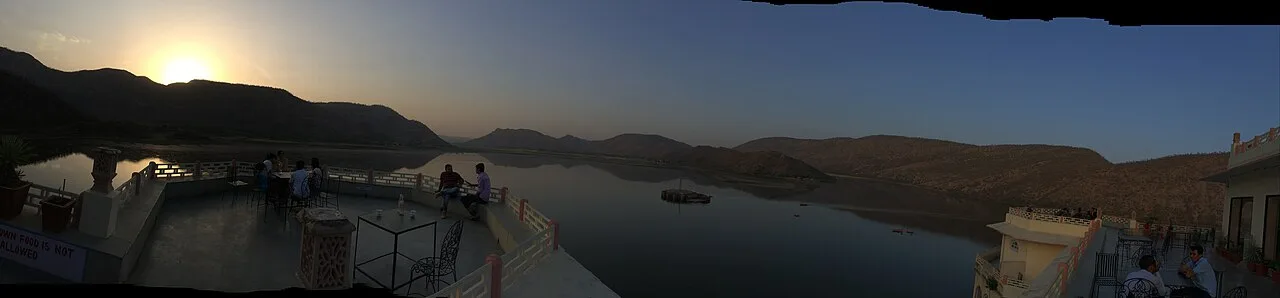
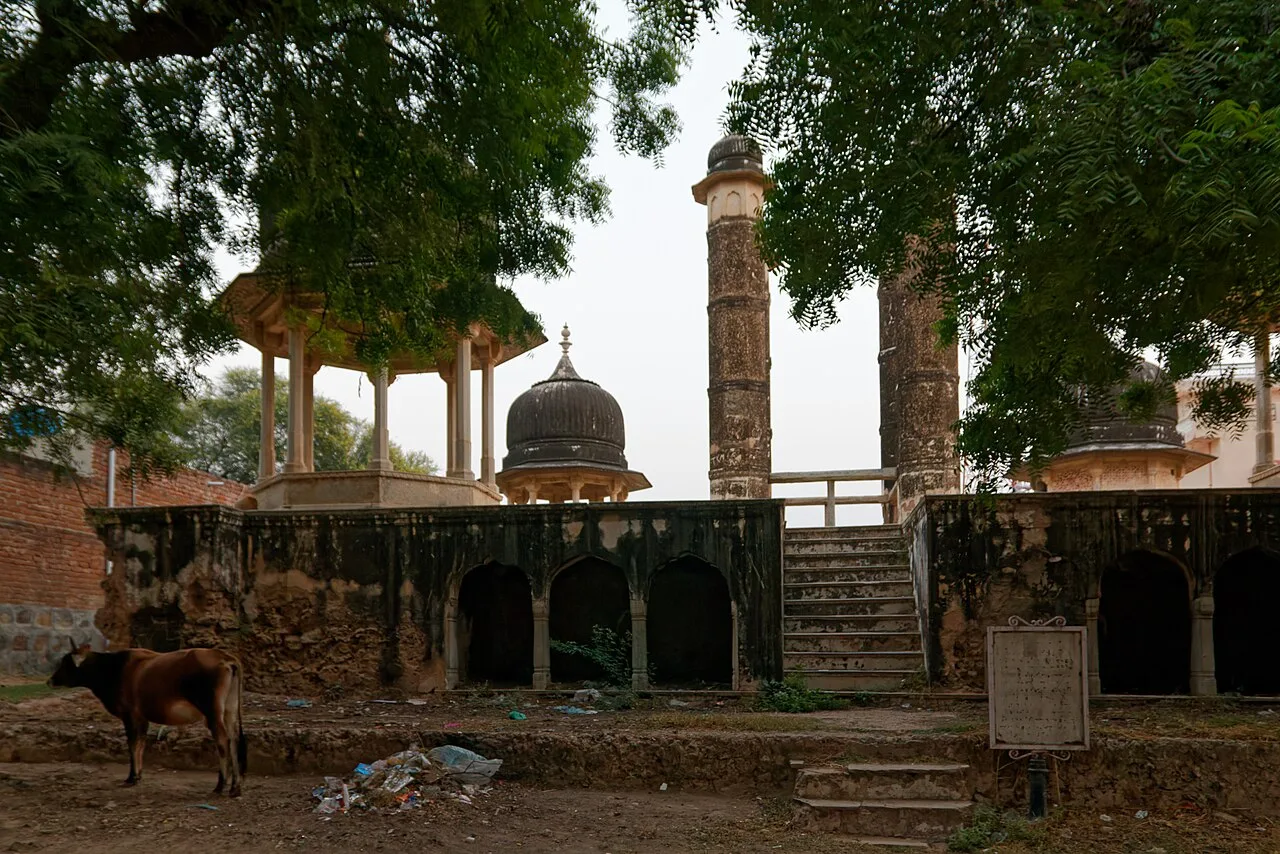
Siliserh Lake is an artificial lake in Rajasthan, southwest of Alwar, with wooded banks and cenotaphs along its embankment that visitors come to see.

Samode

131 km away · Jaipur district

Samode

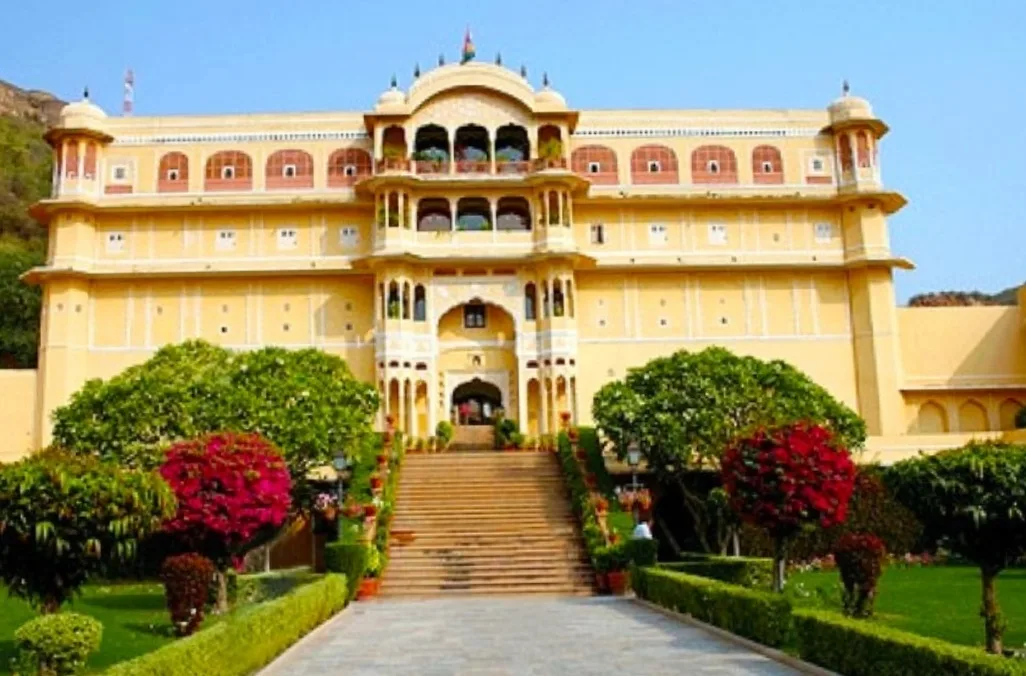
Samode is a village in Rajasthan’s Aravalli hills, north-west of Jaipur. Visitors come for its palace, haveli and garden, historic properties now operated as heritage hotels.

Tal Chhapar Sanctuary

131 km away · Churu district

Tal Chhapar Sanctuary

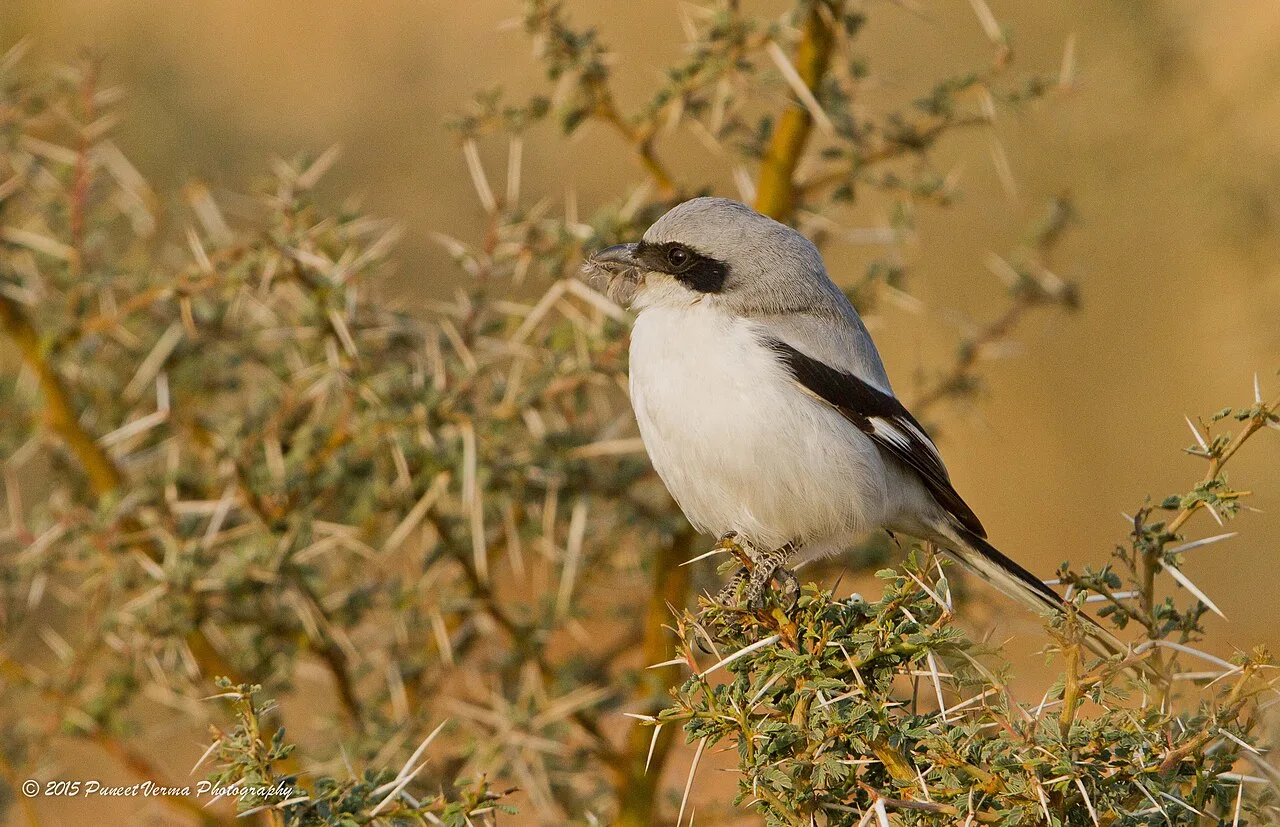
Tal Chhapar is a wildlife sanctuary in Rajasthan’s Churu district, known for blackbucks and birdlife. Visitors come to see its wildlife in a setting near the Great Indian Desert.

Sariska Tiger Reserve

143 km away · Alwar district

Sariska Tiger Reserve

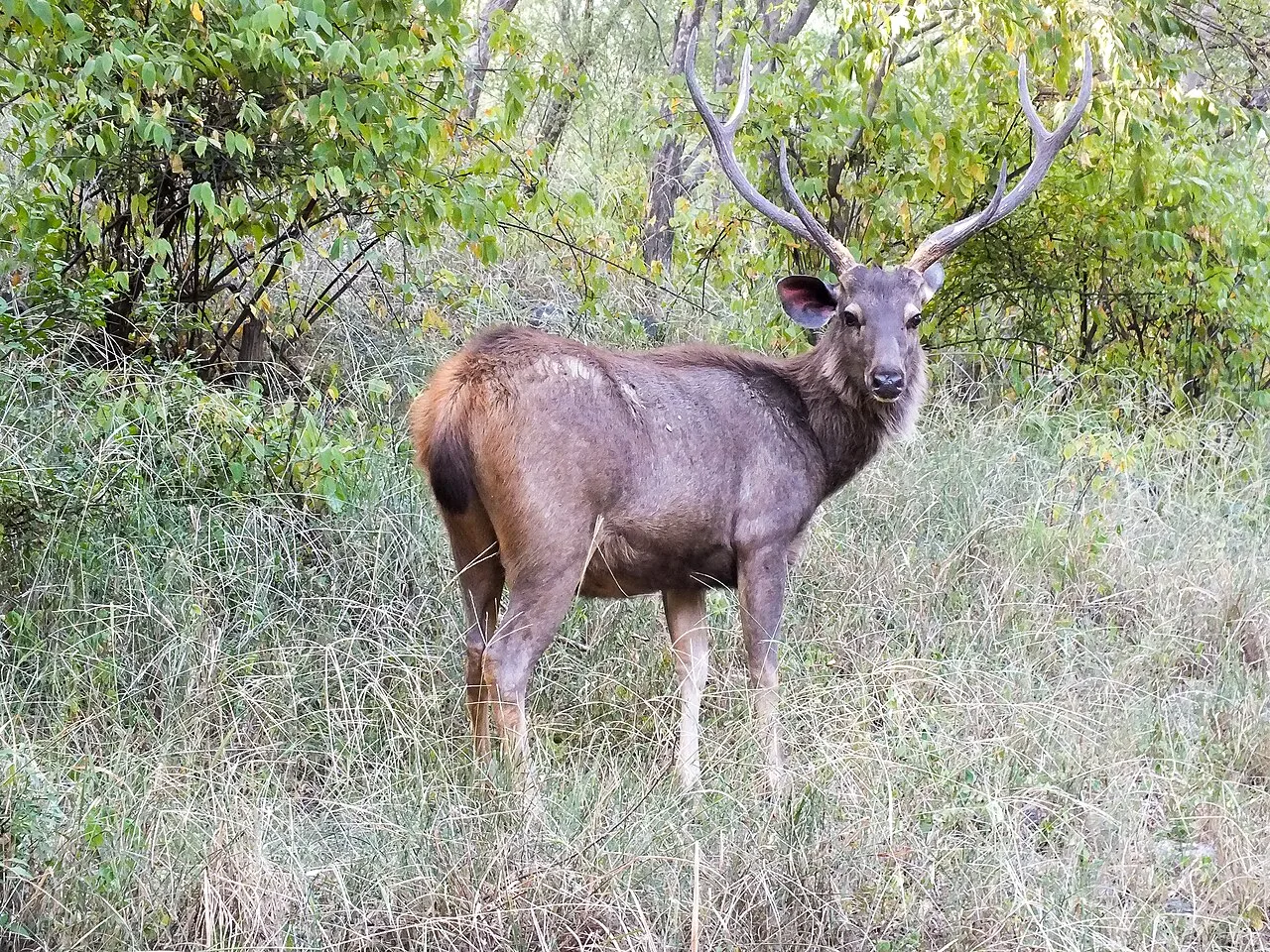
Sariska Tiger Reserve, in Rajasthan’s Alwar district, is a protected area with tiger-reserve status and varied forest, grassland and rocky habitats. Visitors come to experience its wildlife and conservation setting.

Amber Fort

156 km away · Jaipur district

Amber Fort

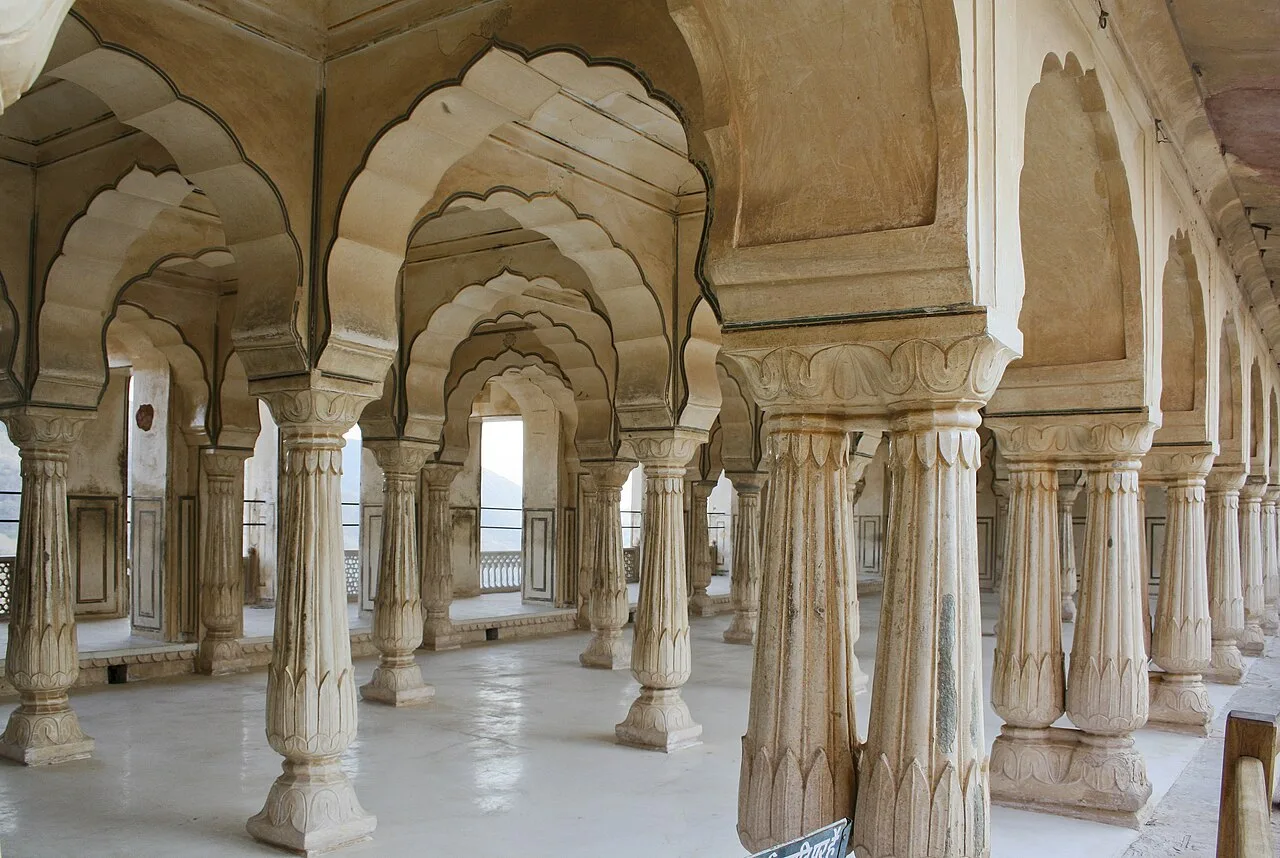
Amber Fort, also known as Amer Palace, is a hilltop fort in Amer, Rajasthan. Visitors explore its Rajput and Mughal-influenced design, palace halls and setting above Maota Lake.

Map

Pilani on the map

  1. 1Mandawa
  2. 2Nawalgarh
  3. 3Khatu Shyam Temple
  4. 4Siliserh Lake
  5. 5Samode
  6. 6Tal Chhapar Sanctuary
  7. 7Sariska Tiger Reserve
  8. 8Amber Fort

Rajasthan

Other cities to explore