Ghumoopedia — Explore, Discover, Experience
Sign in

City guide · Rajasthan

Rajgarh

Rajgarh, also widely called Sadulpur, is a market town and transport hub in Churu district in northern Rajasthan. Set in the Shekhawati region, it serves nearby settlements through its wholesale market, agricultural trading centre, schools and colleges.

Famous for

  • Great Raj Fort
  • Sadulpur Junction
  • Anaj Mandi trade
  • Sitta and peda sweets
  • Shekhawati heritage

Why Rajgarh matters

Rajgarh, also widely called Sadulpur, is a market town and transport hub in Churu district in northern Rajasthan. Set in the Shekhawati region, it serves nearby settlements through its wholesale market, agricultural trading centre, schools and colleges. Its railway junction and road links make it a practical stopping point for journeys between Rajasthan, Haryana and Delhi.

The town’s strongest historic landmark is the Great Raj Fort, built in the eighteenth century under Maharaja Raj Singh I of Bikaner. The fort and the older streets around it give Rajgarh a connection to Shekhawati’s layered Rajput history. Visitors may also come to sample local sweets, explore the market and experience a busy regional town beyond Rajasthan’s better-known tourist circuits. Rajgarh is not primarily a resort destination: its appeal lies in its everyday commerce, railway connections, historic setting and role as a service centre for the surrounding countryside.
Famous for: crafts, trade & products

Rajgarh is best known commercially for wholesale trade and its Anaj Mandi, where agricultural produce from the surrounding region is bought and sold. The mandi and nearby market streets are the most useful places to see the town’s trading life and look for locally produced goods. The town also has small industries and trading businesses, though it is not especially known for a signature textile, handicraft or GI-tagged product. Visitors should not expect a specialised craft bazaar or a distinctive local weaving tradition.

Food shopping is a more memorable local experience. Sweet shops sell sitta, peda, kaju katli and kalakand, also known as milk cake. These are popular treats to try or take away, with kalakand made from milk solids. For a sense of Rajgarh’s daily economy, explore the Anaj Mandi and surrounding commercial streets; for sweets, browse the town-centre shops. Mohta PG College and other educational institutions are part of Rajgarh’s regional role, serving students from the town and nearby areas.

History

Local accounts trace the area’s earlier rule to the Gaur dynasty, followed by the rise of Shekhawat Rajputs. Rajgarh later became associated with Bikaner: Maharaja Raj Singh I gave the town its name, and the Great Raj Fort was built in the eighteenth century. The settlement grew around this fort and became part of the wider Shekhawati landscape. During the fort’s construction, Muslim families are said to have moved to the town from Narhar.

In the princely-state era, Rajgarh’s links with Bikaner remained important. In 1930, the area was granted by Maharao Madho Singh to his son. The town’s railway junction and road connections subsequently strengthened its role as a regional centre for trade and travel. In modern Rajasthan, Rajgarh is a municipality and tehsil headquarters in Churu district, with educational institutions, a wholesale market and civic services supporting the surrounding settlements. The railway’s conversion from metre gauge to broad gauge further connected the town to wider rail routes.

Food, festivals & culture

Rajgarh’s food combines everyday north Rajasthan cooking with a strong local sweet-shop tradition. Sitta, peda, kaju katli and kalakand are among the sweets associated with the town; kalakand is a rich milk-based sweet. Hindi is widely used, alongside local Rajasthani speech associated with the Shekhawati region. Folk songs, devotional singing and Rajasthani music are part of community and family celebrations, with dance and music especially visible during festive gatherings.

Holi is celebrated in spring and Diwali in autumn; Gangaur is observed in spring, while Teej is associated with the monsoon season. Eid is marked by Muslim communities and follows the Islamic lunar calendar. Places of worship include local temples and mosques, which serve as neighbourhood centres as well as religious spaces. The town’s culture is best encountered in its markets, sweet shops and public celebrations rather than through a single large annual event or performance venue.

Visiting the city

October to March is generally the most comfortable period to visit. Summers can be intensely hot, while winter days are usually more suitable for walking around town. Sadulpur Junction is the main railway station, with connections on routes serving Rajasthan and neighbouring states. Nearby airport options include Hisar and Bikaner; Jaipur and Delhi offer larger airport choices for travellers seeking broader connections.

Auto-rickshaws and local taxis can help with trips around town, while buses connect Rajgarh with regional centres. Explore the streets around the Great Raj Fort for the historic setting, then visit the town centre and Anaj Mandi for shops and everyday market activity. The railway-station area is useful for onward travel and local transport. Confirm current access before planning a visit specifically to the fort.

Trips from the city

Nearest places to visit from Rajgarh

Our closest destination guides, by straight-line distance.

Mandawa

70 km away · Jhunjhunu district

Mandawa

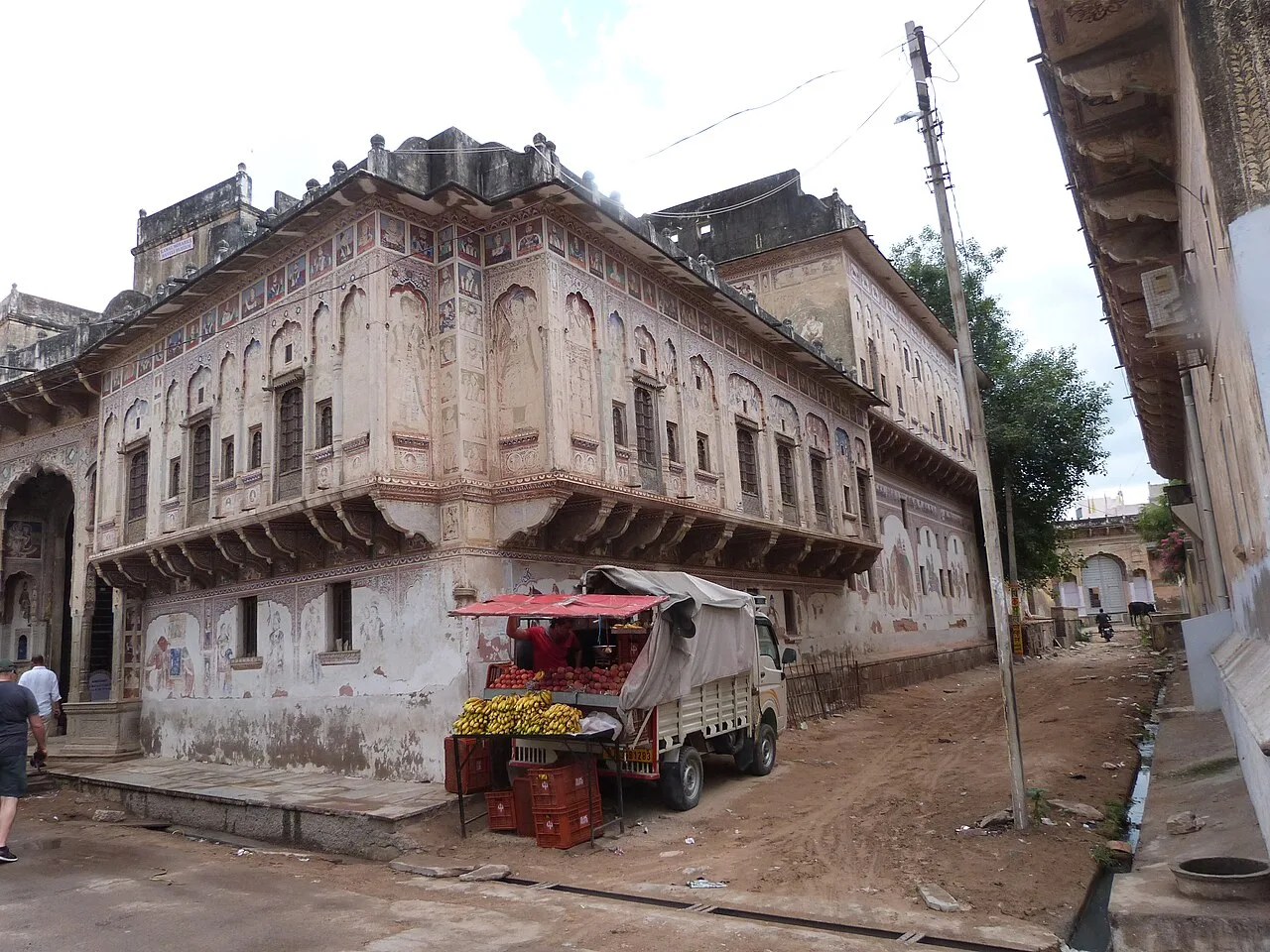
Mandawa is a town in Rajasthan’s Jhunjhunu district, within the Shekhawati region. Travellers visit it as part of journeys through the region and nearby Jhunjhunu.

Nawalgarh

89 km away · Jhunjhunu district

Nawalgarh

Nawalgarh is a heritage city in Rajasthan’s Shekhawati region, within Jhunjhunu district. Visitors are drawn by its heritage character, and it is 30.5 km from Sikar and 39.2 km from Jhunjhunu.

Tal Chhapar Sanctuary

132 km away · Churu district

Tal Chhapar Sanctuary

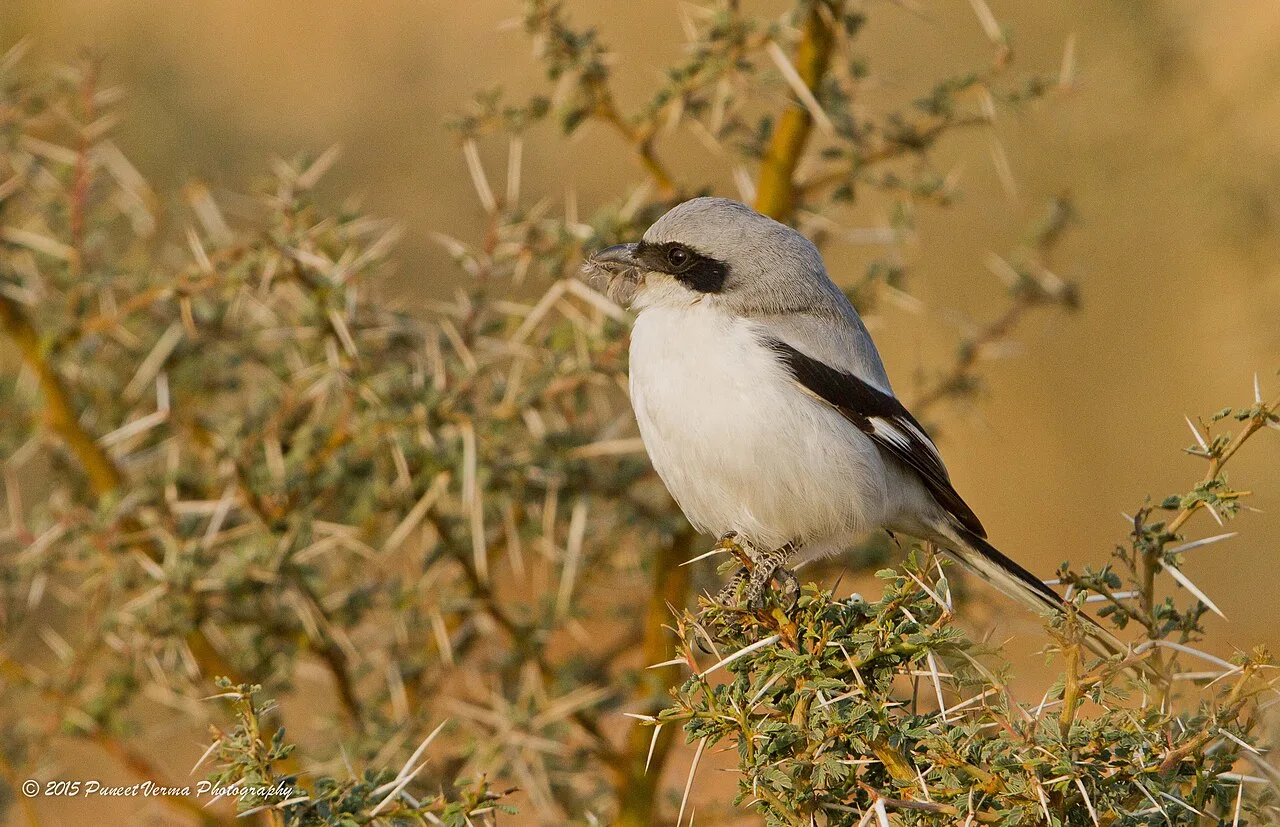
Tal Chhapar is a wildlife sanctuary in Rajasthan’s Churu district, known for blackbucks and birdlife. Visitors come to see its wildlife in a setting near the Great Indian Desert.

Khatu Shyam Temple

142 km away · Sikar district

Khatu Shyam Temple

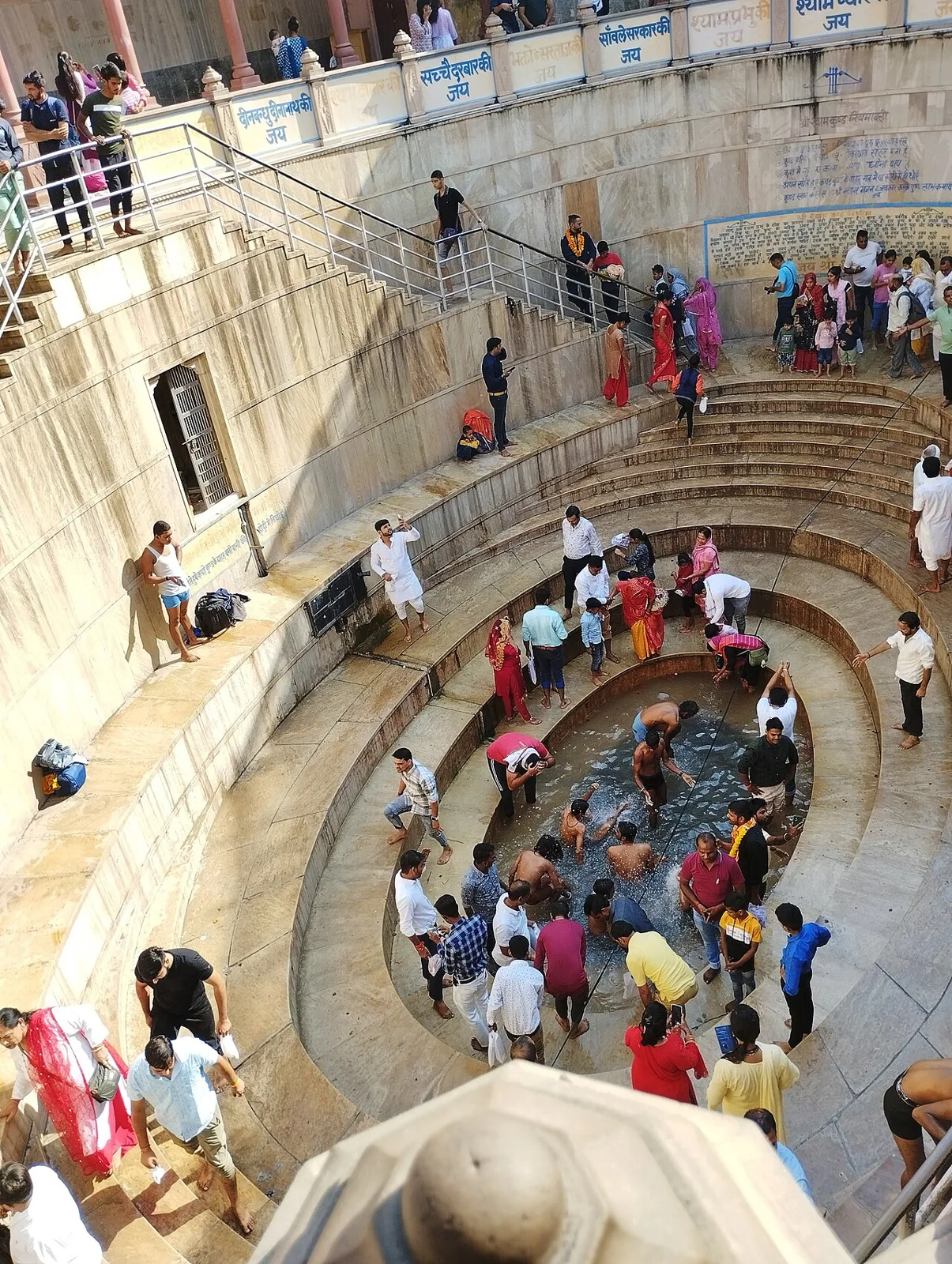
In KhatuShyamJi town, Rajasthan, this Hindu shrine honours Khatu Shyam, believed to be a divine manifestation of Barbareek from the Mahabharat. Pilgrims visit throughout the year, especially for the Falgun Mela.

Bhatner fort

147 km away · Hanumangarh district

Bhatner fort

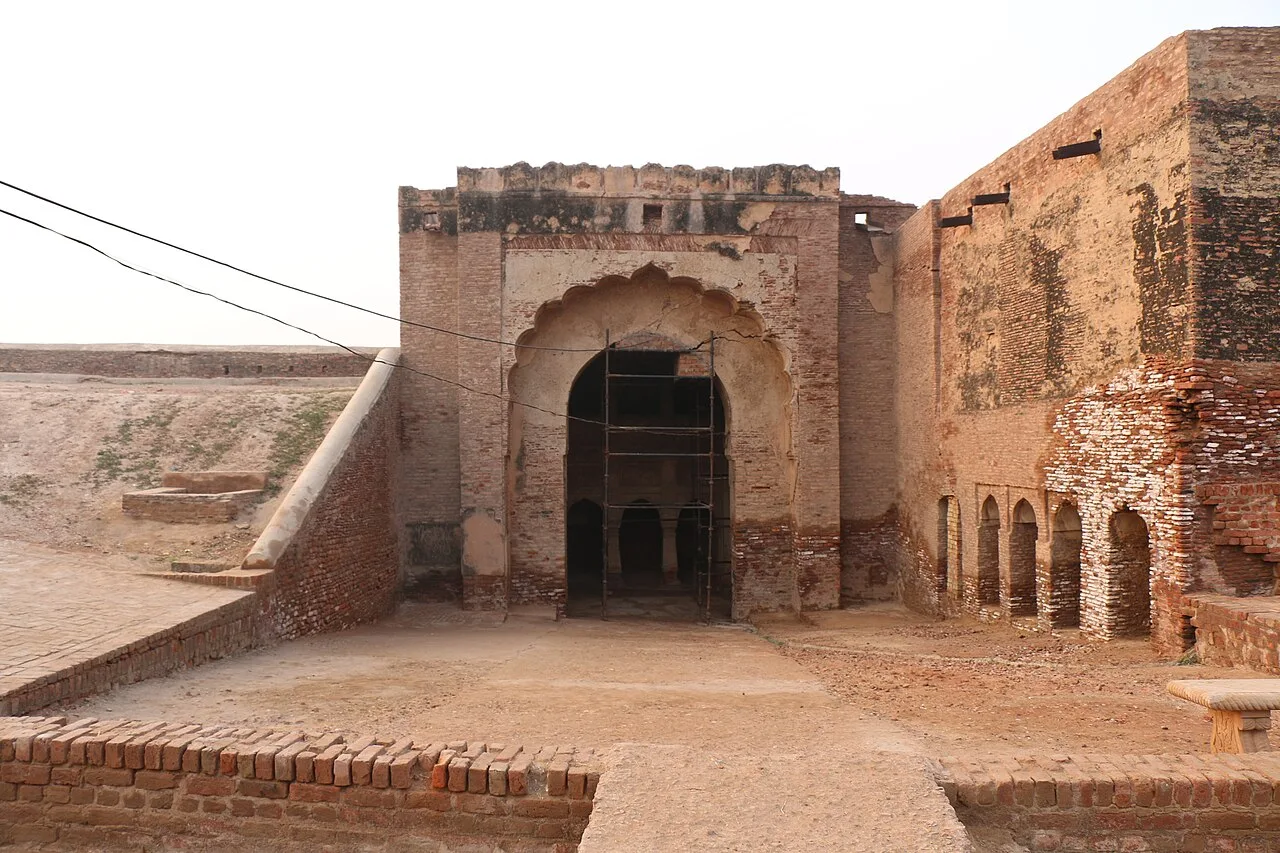
Bhatner Fort is an ancient stronghold in Hanumangarh district, Rajasthan. Visitors are drawn by its association with the Bhati lineage, its believed age and its protected status.

Kalibangan

153 km away · Hanumangarh district

Kalibangan

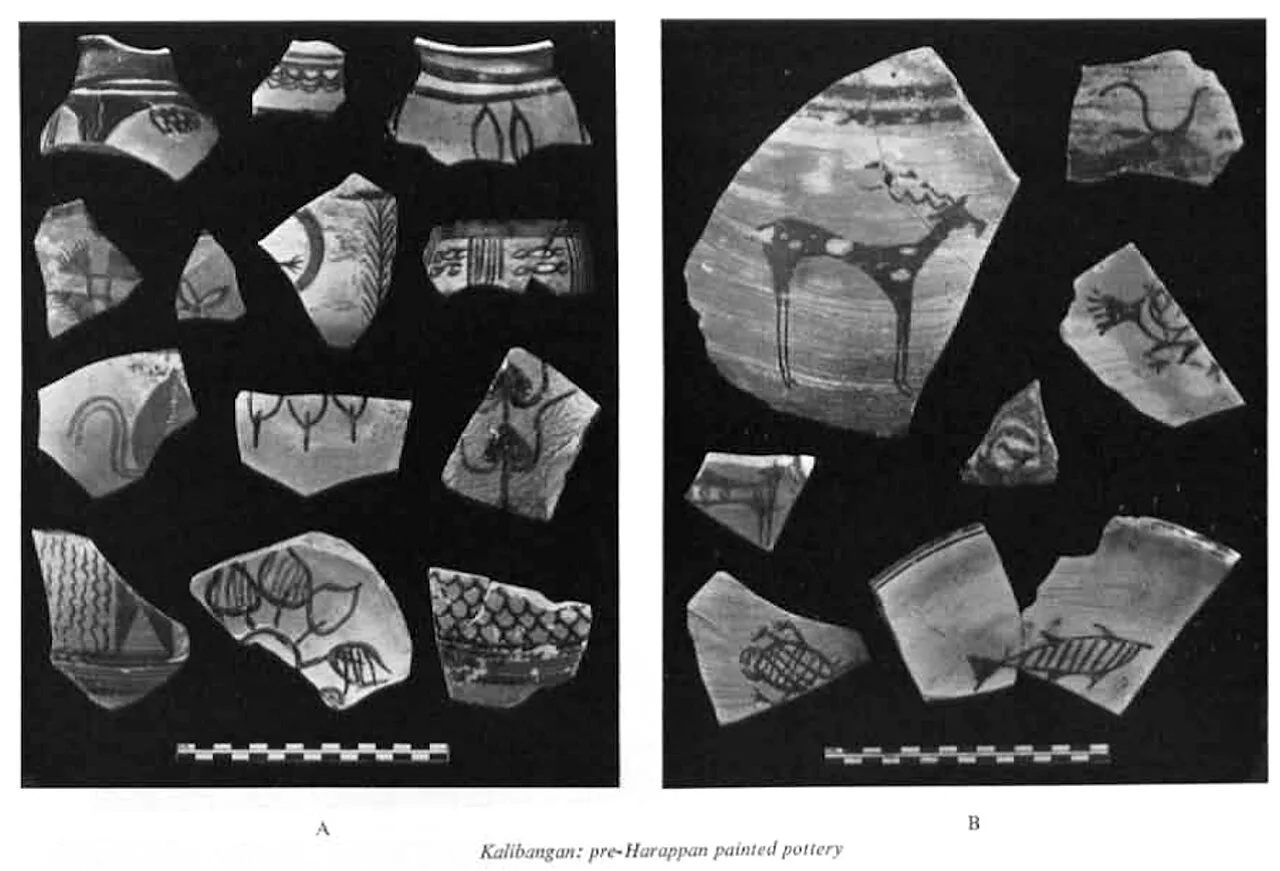
Kalibangan is an archaeological town in Hanumangarh district, Rajasthan, beside the Ghaggar. Visitors come to explore its Indus Valley Civilization remains, including fire altars and evidence of an ancient ploughed field.

Samode

165 km away · Jaipur district

Samode

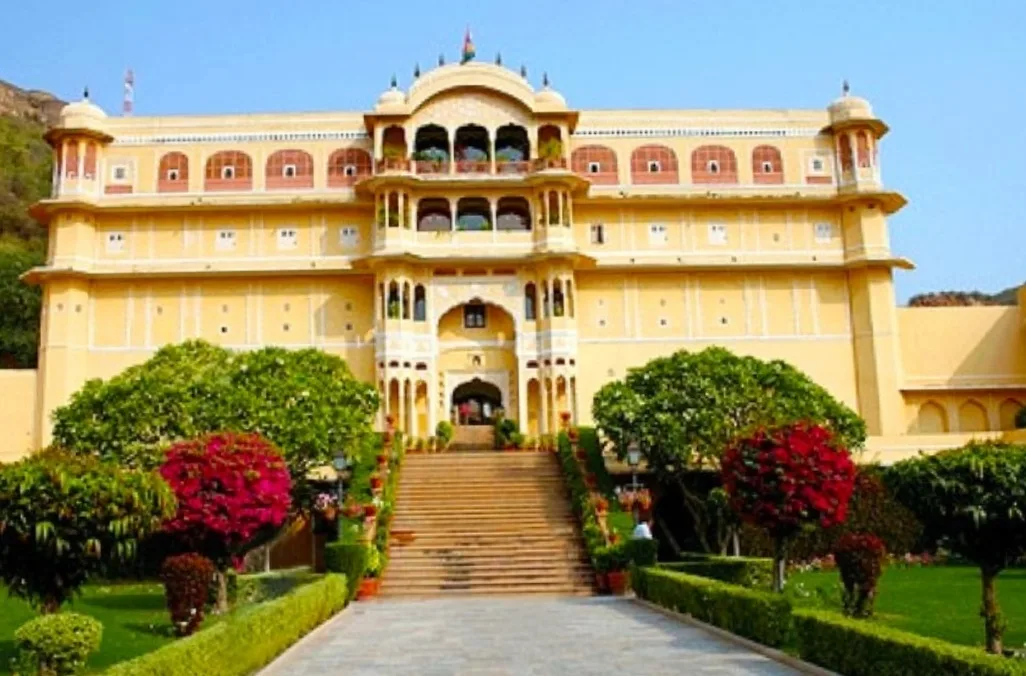
Samode is a village in Rajasthan’s Aravalli hills, north-west of Jaipur. Visitors come for its palace, haveli and garden, historic properties now operated as heritage hotels.

Siliserh Lake

167 km away · Alwar district

Siliserh Lake

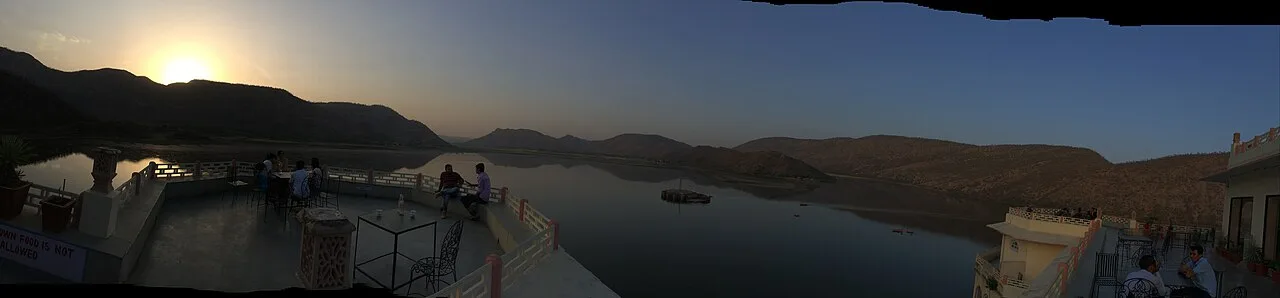
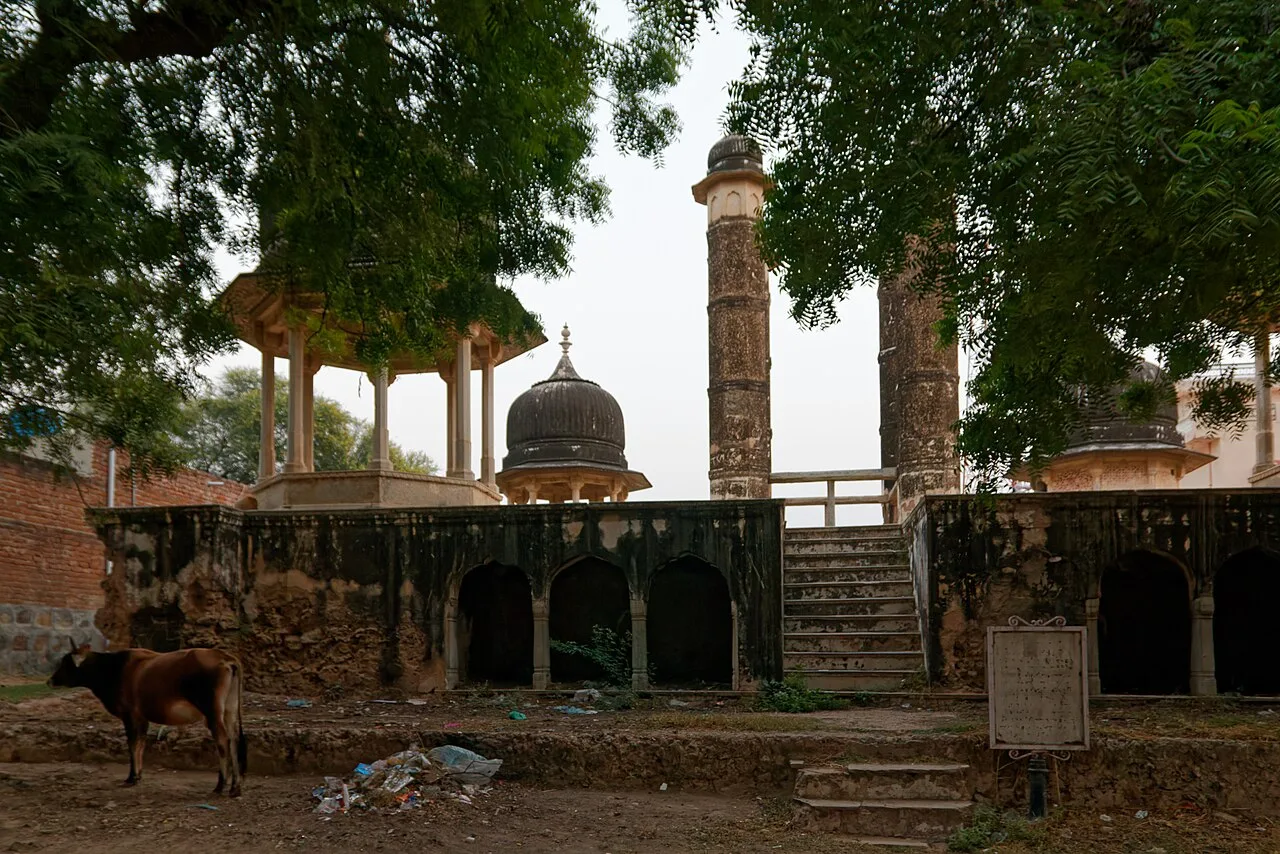
Siliserh Lake is an artificial lake in Rajasthan, southwest of Alwar, with wooded banks and cenotaphs along its embankment that visitors come to see.

Map

Rajgarh on the map

  1. 1Mandawa
  2. 2Nawalgarh
  3. 3Tal Chhapar Sanctuary
  4. 4Khatu Shyam Temple
  5. 5Bhatner fort
  6. 6Kalibangan
  7. 7Samode
  8. 8Siliserh Lake

Rajasthan

Other cities to explore