Ghumoopedia — Explore, Discover, Experience
Sign in

City guide · Rajasthan

Taranagar

Taranagar is a small town in Rajasthan’s Churu district whose importance extends well beyond its historic centre. It serves surrounding villages as a market for farm produce and as a hub for education, healthcare, shopping and government services.

Famous for

  • Historic Jain temple
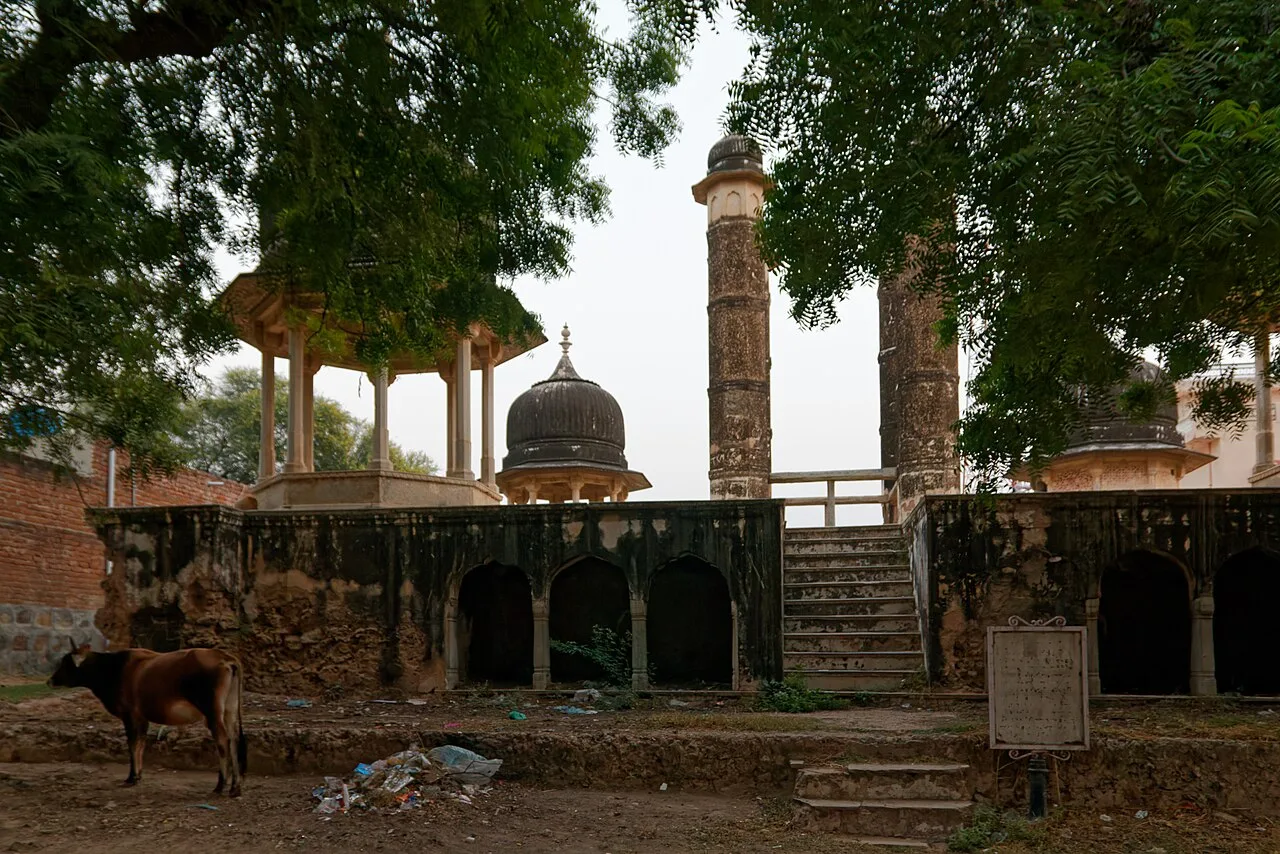
  • Tara Singhji chhatris
  • Shyam Pandia temple
  • Plaster-of-Paris industry
  • Regional agricultural mandi

Why Taranagar matters

Taranagar is a small town in Rajasthan’s Churu district whose importance extends well beyond its historic centre. It serves surrounding villages as a market for farm produce and as a hub for education, healthcare, shopping and government services. Its roads connect it with Churu, Sadulpur (Rajgarh) and other settlements across this largely rural part of the state.

Visitors come for the town’s religious heritage, including a Jain temple dating to 942 and old images of Jain Tirthankars. The chhatris associated with Anand Singhji and Tara Singhji, just outside town, and the Shyam Pandia temple are other notable sites. The latter is linked to a local Mahabharata-era tradition. Taranagar also has a distinctive contemporary role: its RIICO industrial estate is associated with plaster-of-Paris manufacture, while its markets supply both residents and people from nearby villages. Together, its historic shrines, regional commerce and practical services make it an important centre in the northern Rajasthan countryside.
Famous for: crafts, trade & products

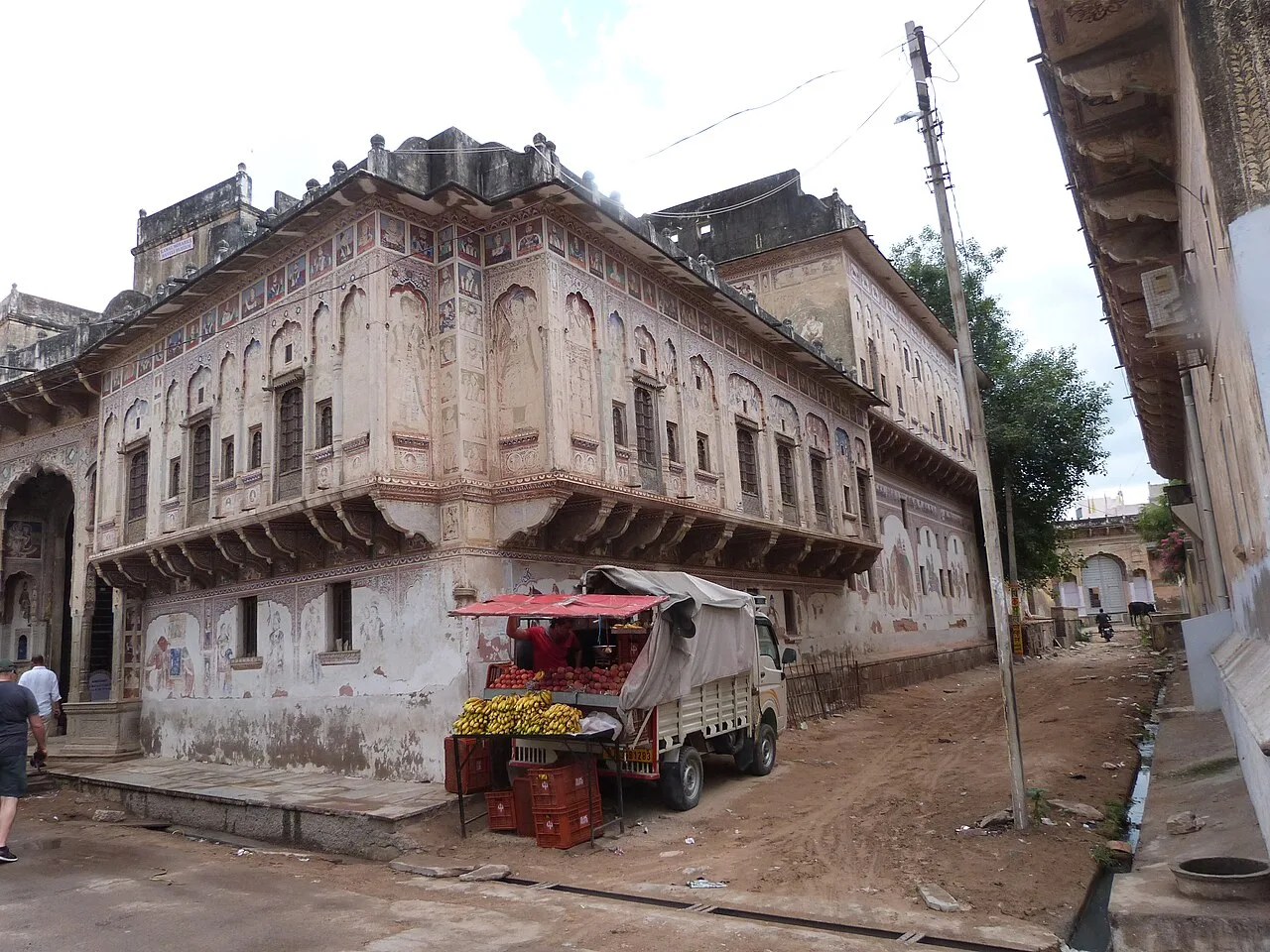
Taranagar is better known for trade and local services than for a signature textile, saree or handicraft tradition. Its central Main Bazaar and smaller specialist market clusters serve residents and visitors from surrounding villages. Shops deal in everyday goods, including footwear, medicines, fruit and vegetables, while the town’s mandi provides a place for farmers to sell produce. Bajra, guar, gram and mustard are among the crops grown in the area; availability varies with the season.

The town’s most distinctive industrial association is plaster of Paris, produced in the RIICO industrial estate. Taranagar also supports a range of trading firms, bank branches and government offices, as well as colleges and other educational institutions. A public library with a free reading room is another local resource. These markets and institutions reflect the town’s role as a service centre for its rural hinterland. Visitors looking for locally made crafts or GI-tagged products should not assume that Taranagar is a specialist destination for them; the Main Bazaar is the most useful place to browse general local commerce.

History

Taranagar was formerly called Reni. Local accounts connect the earlier name with Rinkali, a woman said to have come to settle here from Vishalnagar Koyalapatan, now known as Foga. Under the princely state of Bikaner in Rajputana, Reni served as the headquarters of a nizamat and tehsil. The administrative unit covered several eastern parts of the state, including the areas around Bhadra, Churu, Nohar and Rajgarh.

The town was renamed Taranagar in 1948 in honour of Tara Singh, who ruled in the mid-18th century. Its history is also visible in its Jain heritage: a temple dating to 942 and old Tirthankar images point to a much earlier religious presence. The chhatris associated with Tara Singhji and Anand Singhji add to the town’s historic landmarks. In modern times, Taranagar has developed as a market and service centre for nearby villages, with schools, colleges, health facilities, shops and government offices. The RIICO industrial estate has added a manufacturing role, particularly in plaster of Paris.

Food, festivals & culture

Everyday food in Taranagar reflects the dry climate and agricultural life of the Churu region. Bajra roti, pulses and seasonal vegetables are familiar parts of regional meals; dishes such as ker sangri and gatte ki sabzi are also found in Rajasthan. Sweets and snacks are generally available through local shops, though Taranagar is not especially known for a distinctive sweet of its own.

Hindi is widely used, alongside Rajasthani speech, including local Marwari varieties. Religious life is expressed at the Jain temple, the Shyam Pandia temple and other neighbourhood shrines. Diwali and Holi are observed in their usual autumn and spring seasons, while Teej and Gangaur bring the seasonal customs and worship associated with Rajasthan. Folk songs, devotional bhajans and regional dance traditions form part of the wider cultural setting; particular performances depend on local occasions rather than a regular visitor programme.

Visiting the city

The cooler months from October to March are generally the most comfortable time to visit. Summers can be intensely hot, while winter nights may be chilly. Hisar Airport is a nearby airport to check for available services; Jaipur International Airport is a larger alternative with broader connections. Taranagar has no railway station. Sadulpur Junction, also known as Rajgarh, is the main nearby rail connection, and the town is reached from there by road. Buses and taxis connect Taranagar with nearby towns and villages.

Within town, local transport or a taxi can be used to reach the main sights. Explore the central Main Bazaar for shops and everyday town life, Gandhi Upwan near the bus stand, and the Jain temple. The chhatris associated with Anand Singhji and Tara Singhji lie outside the centre, while Shyam Pandia temple is another excursion beyond town. Check local road and transport arrangements before setting out to these sites.

Trips from the city

Nearest places to visit from Taranagar

Our closest destination guides, by straight-line distance.

Mandawa

70 km away · Jhunjhunu district

Mandawa

Mandawa is a town in Rajasthan’s Jhunjhunu district, within the Shekhawati region. Travellers visit it as part of journeys through the region and nearby Jhunjhunu.

Nawalgarh

94 km away · Jhunjhunu district

Nawalgarh

Nawalgarh is a heritage city in Rajasthan’s Shekhawati region, within Jhunjhunu district. Visitors are drawn by its heritage character, and it is 30.5 km from Sikar and 39.2 km from Jhunjhunu.

Tal Chhapar Sanctuary

113 km away · Churu district

Tal Chhapar Sanctuary

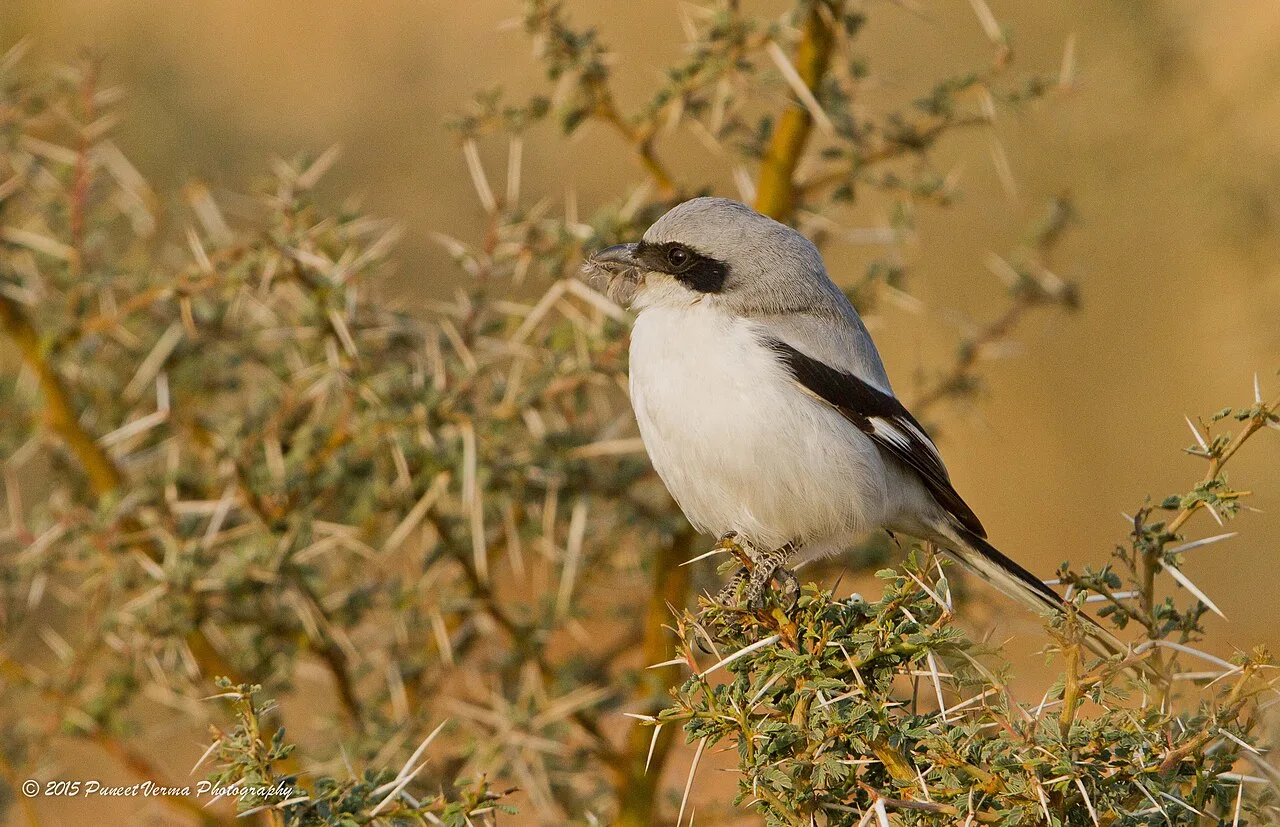
Tal Chhapar is a wildlife sanctuary in Rajasthan’s Churu district, known for blackbucks and birdlife. Visitors come to see its wildlife in a setting near the Great Indian Desert.

Bhatner fort

123 km away · Hanumangarh district

Bhatner fort

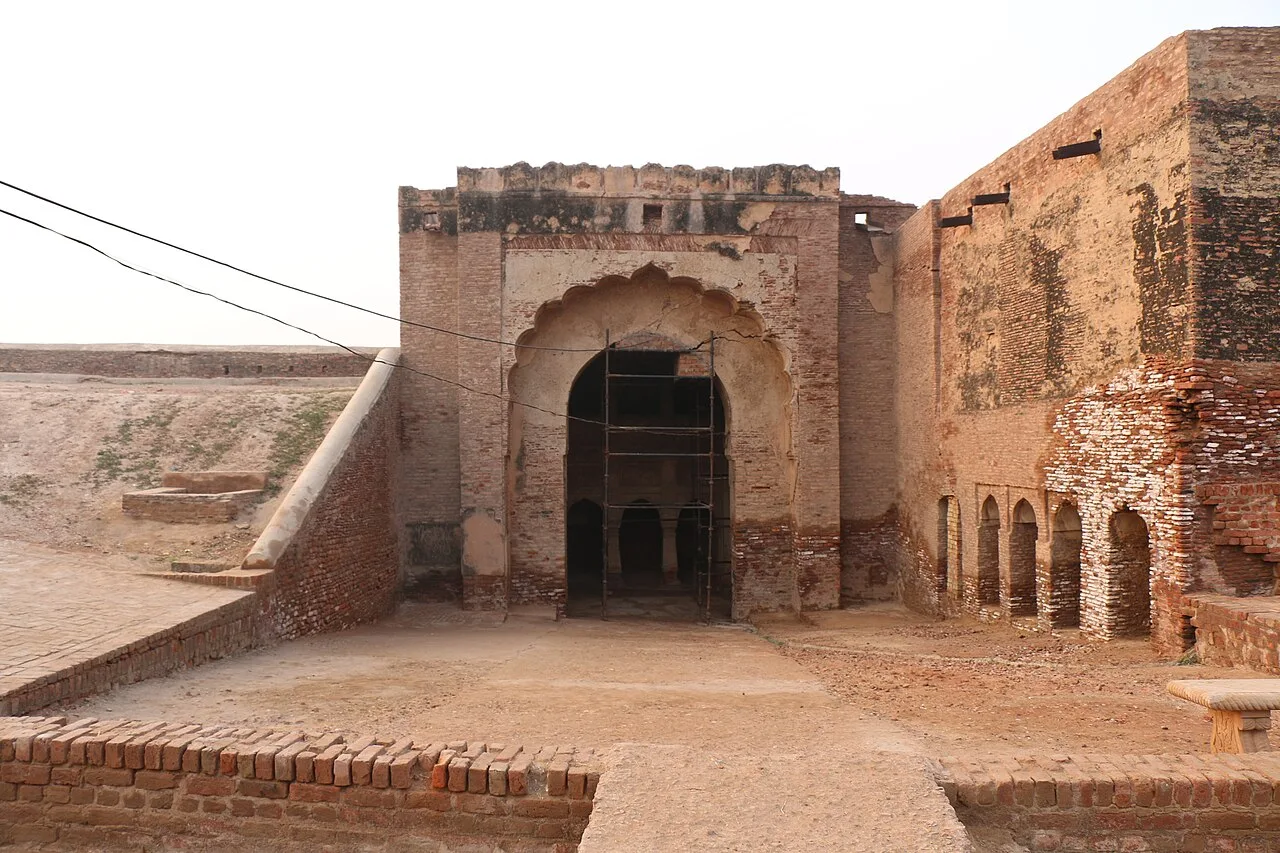
Bhatner Fort is an ancient stronghold in Hanumangarh district, Rajasthan. Visitors are drawn by its association with the Bhati lineage, its believed age and its protected status.

Kalibangan

125 km away · Hanumangarh district

Kalibangan

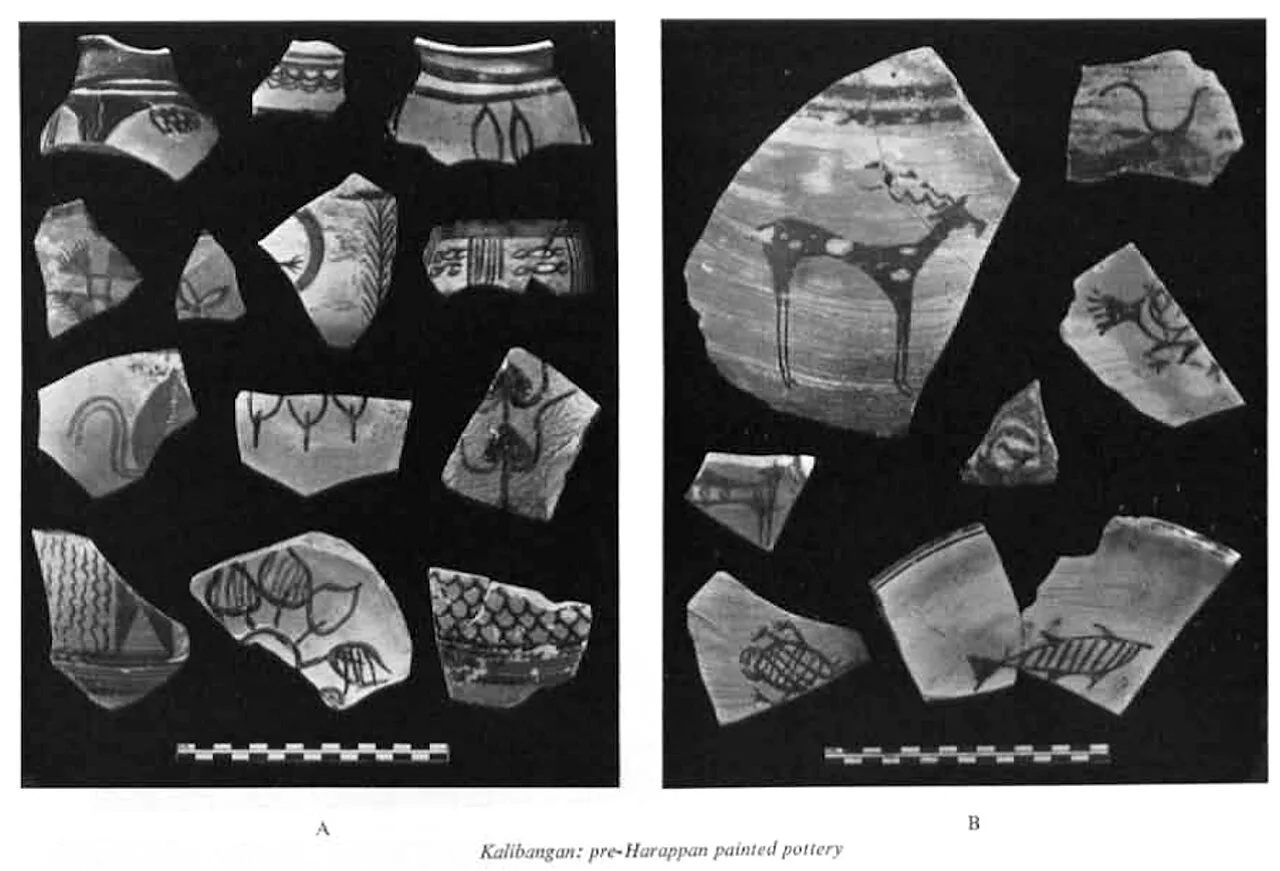
Kalibangan is an archaeological town in Hanumangarh district, Rajasthan, beside the Ghaggar. Visitors come to explore its Indus Valley Civilization remains, including fire altars and evidence of an ancient ploughed field.

Khatu Shyam Temple

150 km away · Sikar district

Khatu Shyam Temple

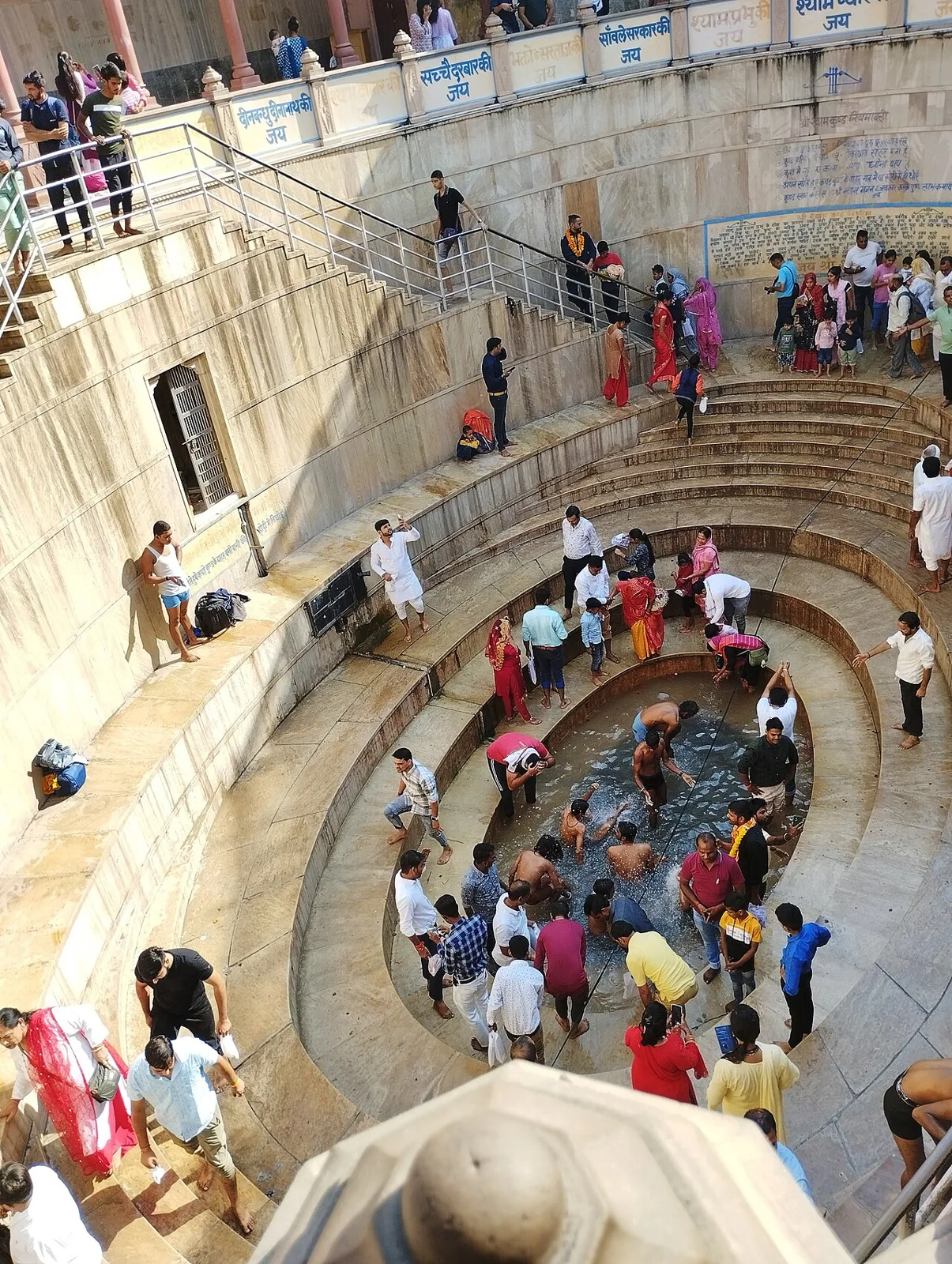
In KhatuShyamJi town, Rajasthan, this Hindu shrine honours Khatu Shyam, believed to be a divine manifestation of Barbareek from the Mahabharat. Pilgrims visit throughout the year, especially for the Falgun Mela.

Lalgarh Palace

180 km away · Bikaner district

Lalgarh Palace

Lalgarh Palace is a palace and heritage-hotel property in Bikaner, Rajasthan, created for Maharaja Sir Ganga Singh. Visitors come to see the residence and its links to Bikaner’s royal history.

Samode

180 km away · Jaipur district

Samode

Samode is a village in Rajasthan’s Aravalli hills, north-west of Jaipur. Visitors come for its palace, haveli and garden, historic properties now operated as heritage hotels.

Map

Taranagar on the map

  1. 1Mandawa
  2. 2Nawalgarh
  3. 3Tal Chhapar Sanctuary
  4. 4Bhatner fort
  5. 5Kalibangan
  6. 6Khatu Shyam Temple
  7. 7Lalgarh Palace
  8. 8Samode

Rajasthan

Other cities to explore