Ghumoopedia — Explore, Discover, Experience
Sign in
Menal, near Bijolia

City guide · Rajasthan

Bijolia

Bijolia, also called Bijoliya Kalan, is a small historic town in southeastern Bhilwara district, set on the Uparmal plateau near the Bundi district boundary. Its walled core, approached through northern and southern gates, gives it a distinct old-town setting amid open countryside.

Famous for

  • Mandakini Temple
  • Tapodaya Teerth Kshetra
  • Bijolia medieval inscriptions
  • Uparmal plateau
  • Bijolia peasant movement

Why Bijolia matters

Bijolia, also called Bijoliya Kalan, is a small historic town in southeastern Bhilwara district, set on the Uparmal plateau near the Bundi district boundary. Its walled core, approached through northern and southern gates, gives it a distinct old-town setting amid open countryside. Its position on the road corridor between Bundi, Chittorgarh and Kota makes it a local service and trading centre for nearby villages rather than a large urban destination.

Visitors come chiefly for the Mandakini Temple complex and Tapodaya Teerth Kshetra, whose religious sites and historic remains give the town significance beyond its size. Medieval temples and inscriptions, along with the area's association with the Bijolia peasant movement, add layers of religious and political history. The surrounding plateau and seasonal waterfalls appeal to travellers seeking a quieter excursion from Bundi or Kota. Bijolia is best approached as a heritage stop: allow time for its temples, old settlement and rural landscape, and check local access conditions before heading to outlying natural sites.
Famous for: crafts, trade & products

Bijolia is not widely established as a centre for a signature textile, saree, handicraft or GI-tagged product. Stone quarrying and related work form part of the wider local economy, though visitors should not expect a curated craft district or dedicated souvenir market.

The town's small bazaar is the practical place to look for everyday goods, snacks and locally used religious offerings; temple precincts may have basic devotional items. There is no well-known branded product or fixed artisan shopping trail to recommend. For Bhilwara's better-known textile trade, or a broader selection of manufactured goods and crafts, travellers will find more choice in Bhilwara city, Kota or Bundi. Treat Bijolia as a place to explore built heritage and local life rather than as a shopping destination, and ask locally about current stone workshops or market activity before making a special trip.

History

Bijolia's historic importance is visible in its temple remains and inscriptions, which record religious patronage and political lineages in the medieval period. The settlement developed on Uparmal, a plateau in the southeastern part of the Mewar region, near the frontier with Bundi. Its fortified layout and two traditional gates reflect its role as a defended local centre. The area was associated with the Bijolia estate, a Mewar thikana, rather than a major independent kingdom.

In the late nineteenth and early twentieth centuries, the estate became the setting for the Bijolia peasant movement, a major campaign against burdensome levies and conditions imposed on cultivators. The movement, associated with leaders including Vijay Singh Pathik, helped bring agrarian grievances into wider public debate in Rajasthan. In modern times Bijolia has remained a small town serving surrounding settlements, with road links to Bundi, Kota and Bhilwara and administration within Bhilwara district. Its heritage and rural setting continue to define its profile.

Food, festivals & culture

Everyday food follows the Rajasthani home-cooking tradition: rotis, pulses, seasonal vegetables and buttermilk are common, while sweets such as ghewar and laddoo are more likely around festive occasions than unique to Bijolia. Restaurants and shops are modest; visitors can ask for fresh regional meals in the bazaar.

Hindi is widely used, alongside local Rajasthani speech with Mewari and Hadoti influences. Holi and Diwali bring seasonal celebrations, while Gangaur and Teej are observed in the wider region. Mahashivratri is a significant occasion at Shiva shrines. Jain worship is represented at Tapodaya Teerth Kshetra, and Mandakini Temple is an important local religious landmark. Devotional singing and folk music are part of festival and community settings, though Bijolia is not known for a distinct formal dance tradition. Respectful dress and quiet conduct are appropriate at worship sites.

Visiting the city

October to March is generally the most comfortable period for exploring Bijolia. Summer afternoons can be very hot, while the monsoon brings greener scenery and may improve seasonal waterfalls, though rural tracks can become less predictable. Kota Airport is geographically closer; Jaipur International Airport is a larger option for air travel. Kota Junction is the principal railway station for onward road travel, while Bundi station may suit some itineraries.

Road travel is the most practical way to reach the town, with buses and hired vehicles linking it to Bundi, Kota and Bhilwara. Within Bijolia, explore the old walled centre and temple sites on foot where paths allow; use local transport for outlying places. Focus on the Mandakini area, Tapodaya Teerth Kshetra, the historic gates and nearby countryside, confirming access locally.

Trips from the city

Nearest places to visit from Bijolia

Our closest destination guides, by straight-line distance.

Menal

17 km away · Bhilwara district

Menal

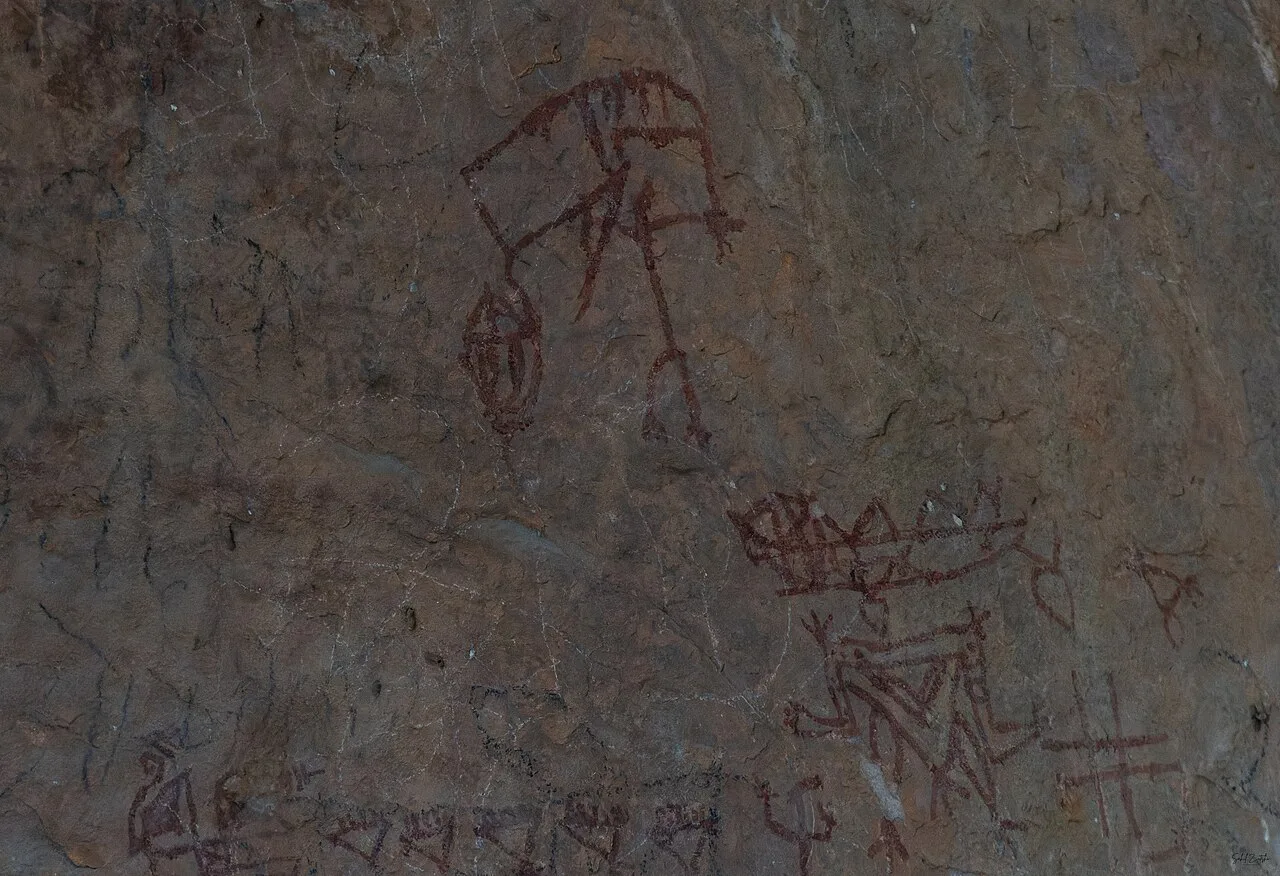
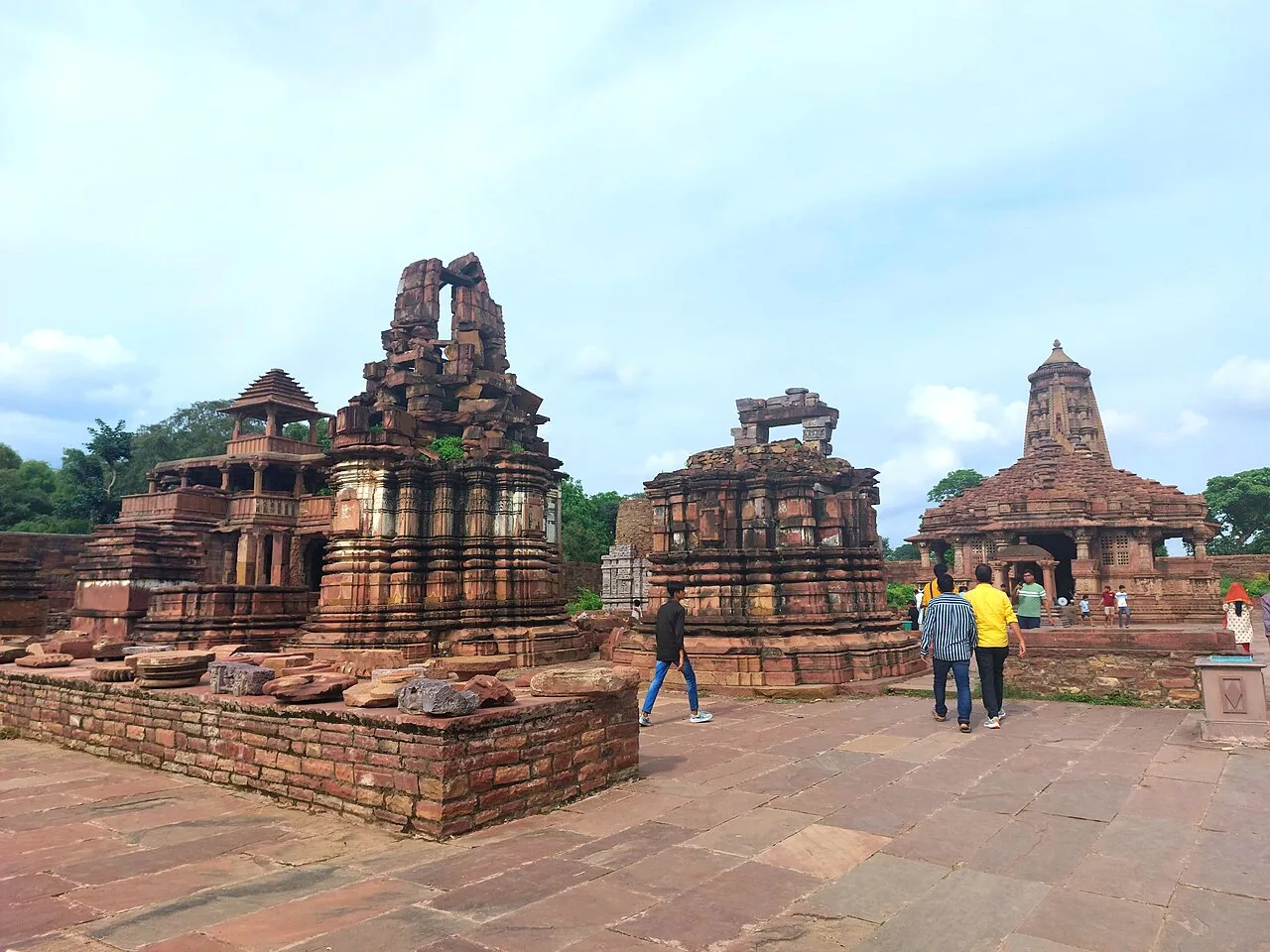
Menal is a village in Rajasthan linked with Begun Taluk and both Chittorgarh and Bhilwara districts; no particular attraction or reason for visiting is specified.

Bundi

44 km away · Bundi district

Bundi

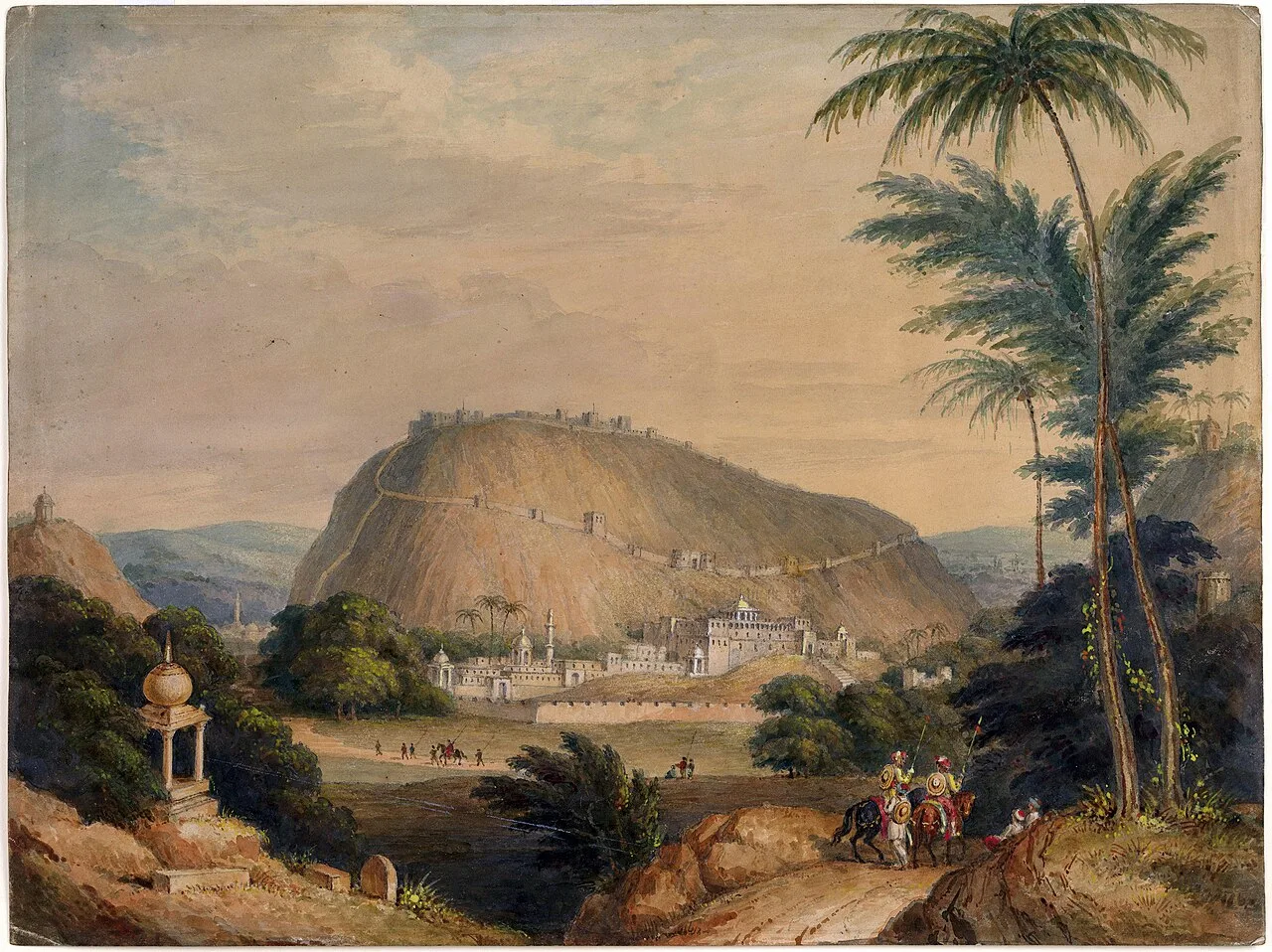
Bundi is a city in Rajasthan’s Hadoti region, within Bundi district. Visitors come to explore the city and its setting in north-western India.

Raniji ki Baori

44 km away · Bundi district

Raniji ki Baori

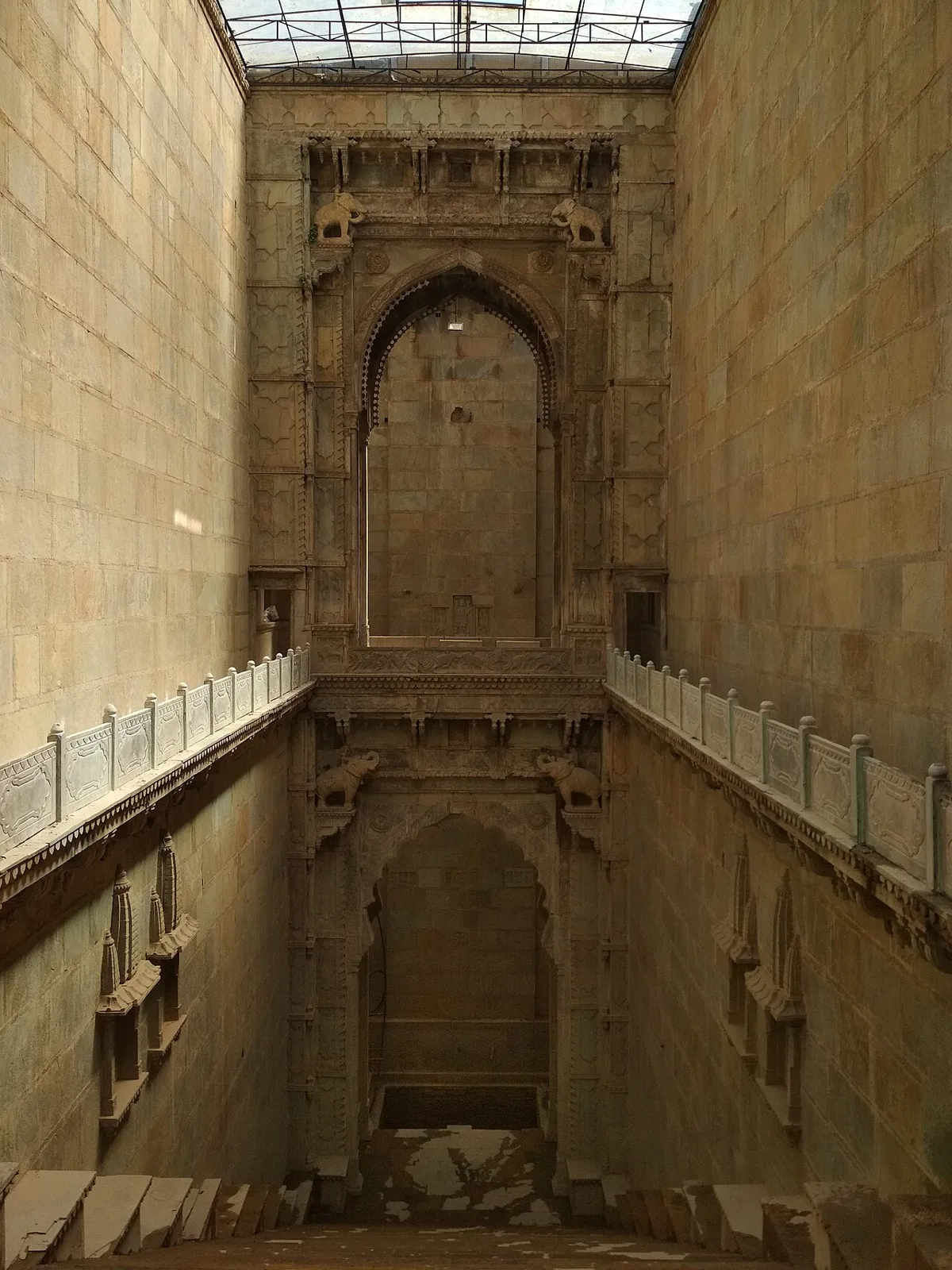
Raniji ki Baori is a multi-level stepwell in Bundi, Rajasthan, built by Rani Nathavati Solanki in 1699. Visitors come to see its deep stairwell, carved pillars and ornate arches.

Taragarh Fort, Bundi

45 km away · Bundi district

Taragarh Fort, Bundi

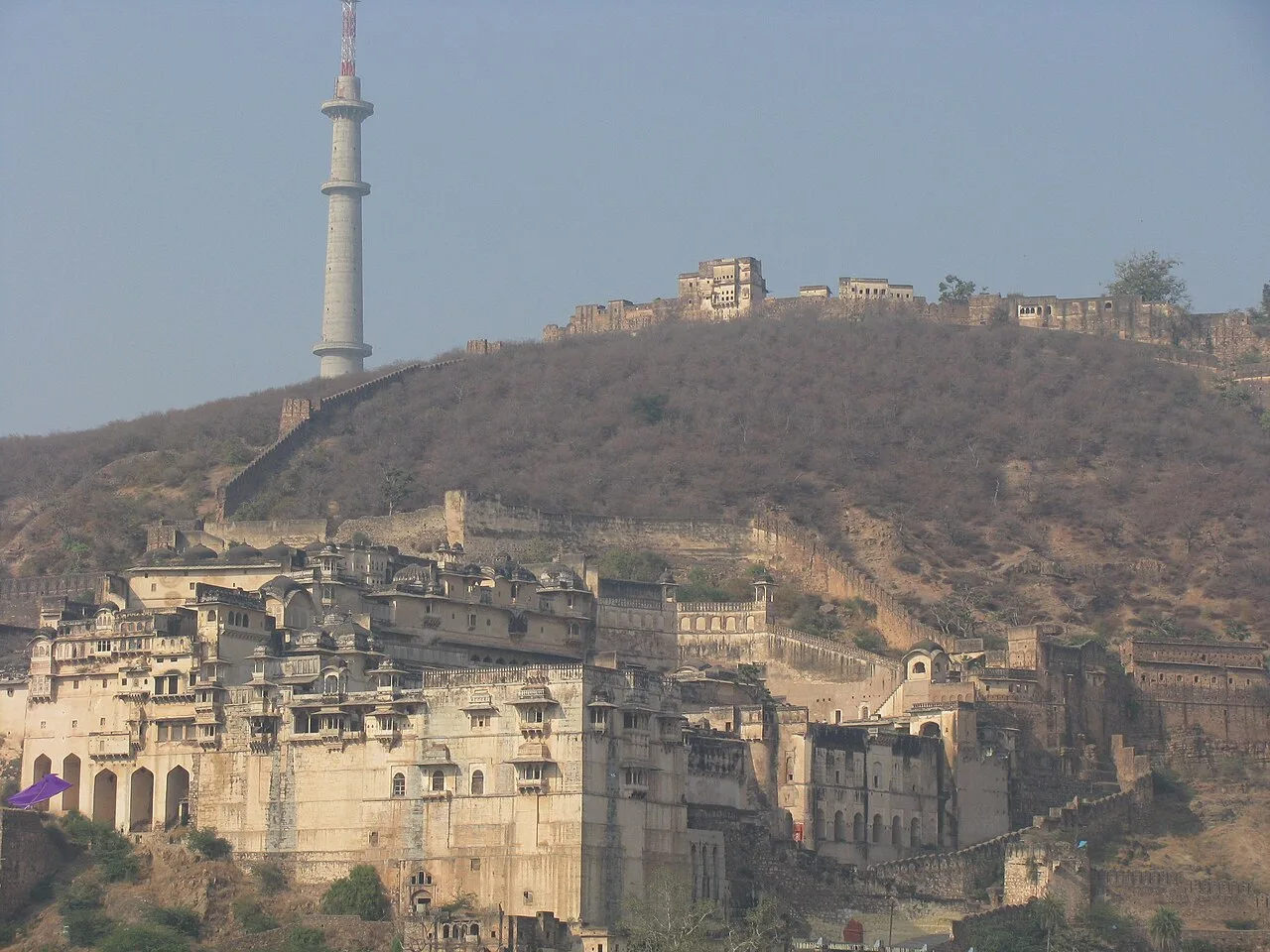
Taragarh Fort is a hilltop stronghold in Bundi, Rajasthan. Visitors come to see its Rajput architecture, elements influenced by Mughal design and passages made for wartime escape.

Mukundara Hills Tiger Reserve

63 km away · Kota district

Mukundara Hills Tiger Reserve

In southeastern Rajasthan, Mukundara Hills Tiger Reserve protects a landscape of forest, hills and wildlife habitat. Visitors can explore a reserve centred on a national park and several adjoining sanctuaries.

Kaithoon

65 km away · Kota district

Kaithoon

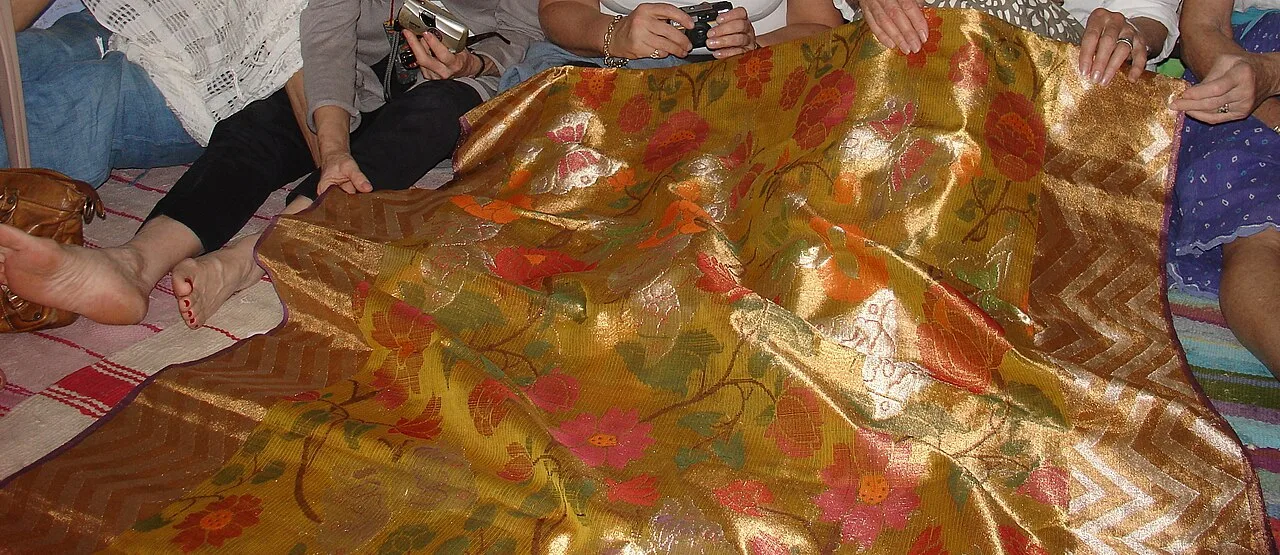
Kaithoon is a town and municipality in Rajasthan’s Kota district, known for its association with Kota Doria sarees, which are a reason for visitors’ interest.

Chittor Fort

75 km away · Chittorgarh district

Chittor Fort

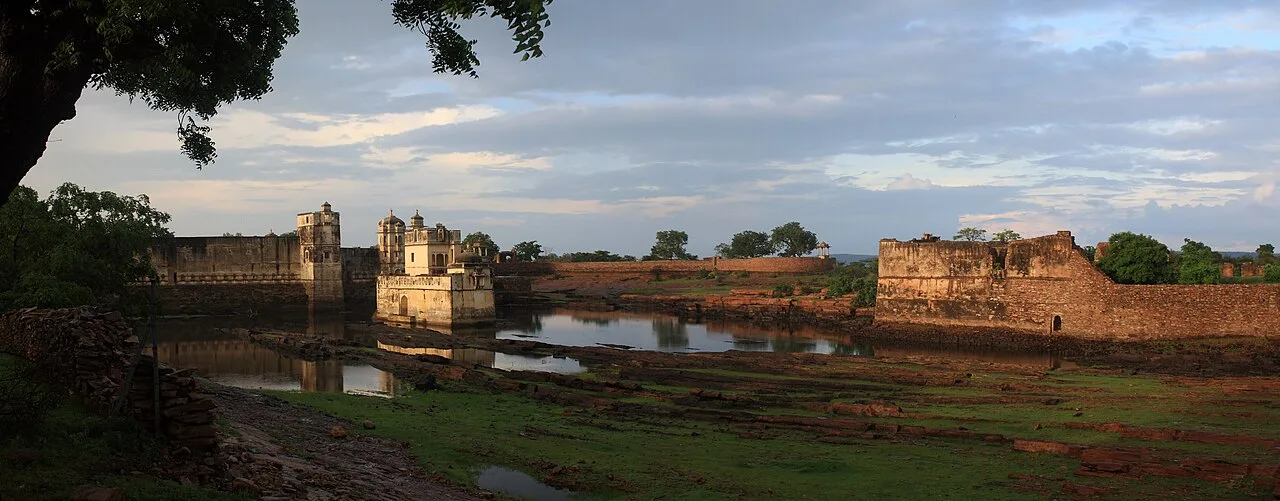
Chittor Fort, also called Chittod Fort, is among India’s largest forts and the former capital of Mewar. Visitors explore its historic palaces, temples, water bodies, memorials and towers.

Vijaya Stambha

75 km away · Chittorgarh district

Vijaya Stambha

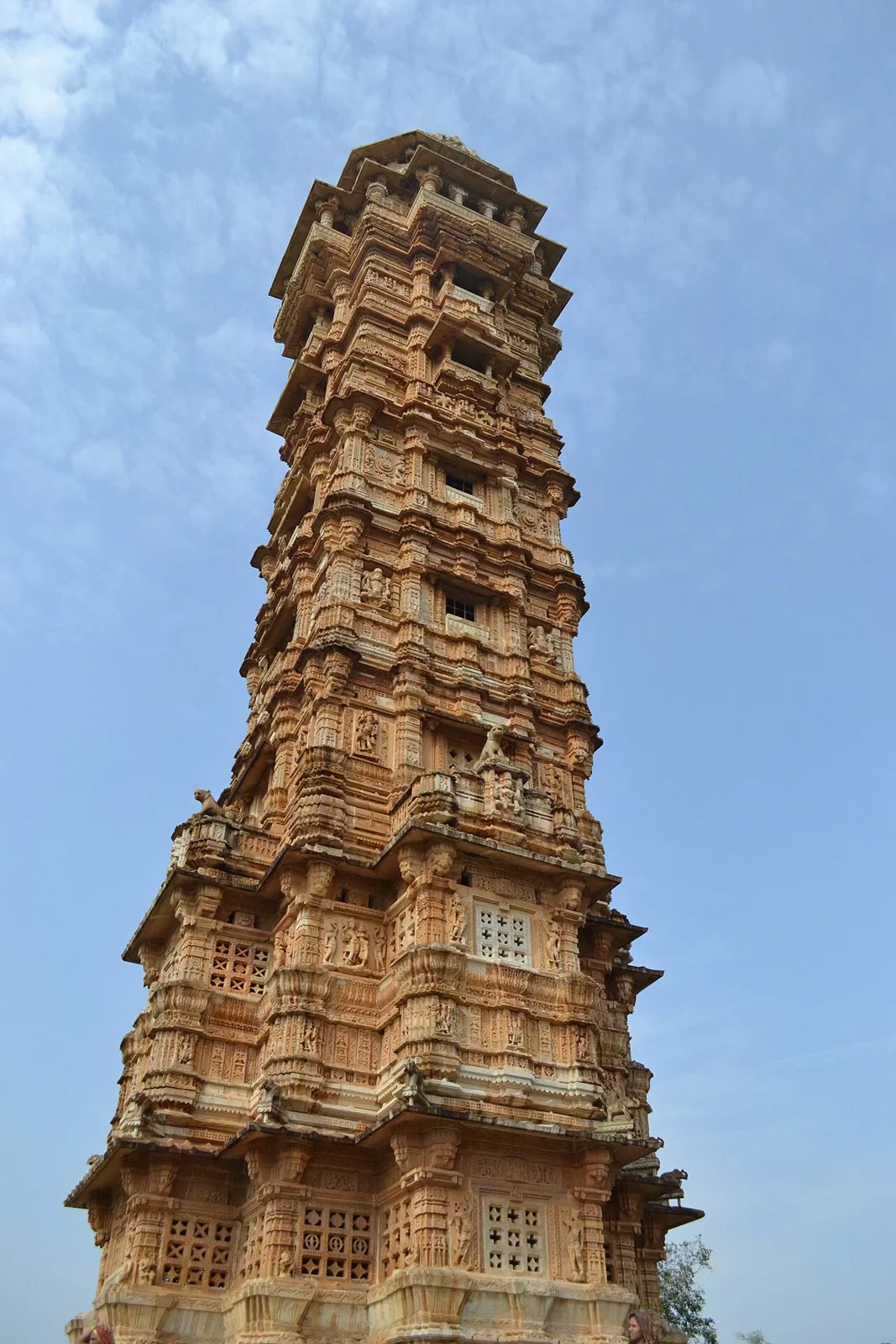
Vijaya Stambha is a victory tower in Chittor Fort, Chittorgarh district, Rajasthan. Visitors come to see its Rajput architecture and its association with Rana Kumbha’s 1448 triumph.

Map

Bijolia on the map

  1. 1Menal
  2. 2Bundi
  3. 3Raniji ki Baori
  4. 4Taragarh Fort, Bundi
  5. 5Mukundara Hills Tiger Reserve
  6. 6Kaithoon
  7. 7Chittor Fort
  8. 8Vijaya Stambha

Rajasthan

Other cities to explore