Ghumoopedia — Explore, Discover, Experience
Sign in
Taragarh Fort, Ajmer, near Beawar

City guide · Rajasthan

Beawar

Beawar is a commercial and industrial centre in central Rajasthan, set amid the Aravalli hills between Ajmer and Jaipur. It is the administrative centre of Beawar District, formed in 2023, and serves surrounding towns and rural communities through its markets, transport links and businesses.

Famous for

  • Baadshah Holi procession
  • Veer Tejaji fair
  • Historic cotton trade
  • Cement manufacturing
  • Mineral-based industries

Why Beawar matters

Beawar is a commercial and industrial centre in central Rajasthan, set amid the Aravalli hills between Ajmer and Jaipur. It is the administrative centre of Beawar District, formed in 2023, and serves surrounding towns and rural communities through its markets, transport links and businesses. Its history as a cotton-trading town remains part of its identity, while cement production and mineral- and machine-based industries shape its economy today.

Visitors come for a glimpse of a working Rajasthani city, its central bazaars and distinctive local celebrations. The Baadshah procession at Holi is especially associated with Beawar: a decorated figure travels through town amid colour and performances. The annual Veer Tejaji fair and Dussehra observances add to the local calendar. Beawar is also a useful stop for travellers moving between Ajmer and the interior of Rajasthan, with everyday commercial life and festival traditions offering a different experience from the region’s better-known palace and pilgrimage destinations.
Famous for: crafts, trade & products

Beawar’s best-known products are linked more to trade and industry than to a signature saree or handicraft tradition. Cotton shaped the town’s early commercial life, with presses and the Krishna Cotton Mill reflecting its former importance in textile production. Today, local industry includes cement, mineral processing, machine tools and accessories, textiles, plastic goods, wooden furniture and concrete products. The surrounding mineral belt has deposits of materials such as feldspar, quartz, limestone, mica and granite, supporting related businesses.

For everyday goods, textiles and locally made products, explore the shops and trading lanes in the central bazaar and older market area. Suraj Pol and Teliwara are useful landmarks when exploring the town; ask locally for current specialist shops, since individual businesses and product ranges change. Beawar is not chiefly known as a centre for a particular GI-tagged product, and visitors should not expect a single craft market comparable to those in Rajasthan’s major tourist cities. Its commercial character is best seen in its working markets and industrial activity, including the presence of Shree Cement.

History

Beawar began as a village beside the route through the Ajmer-Merwara region. After the British took control of Ajmer-Merwara in 1825, they established a cantonment near the settlement. Colonel George Dickson helped develop a new town on nearby land, attracting merchants and laying out a bazaar in 1836. This market became the nucleus of Naya Shahar, or New Town, and the settlement grew into modern Beawar.

Cotton trade brought rapid growth in the nineteenth century. Beawar became an important commercial centre, and a municipality was established in 1866. The railway arrived in 1880, followed by the Krishna Cotton Mill in 1881. Although the cantonment’s battalion moved to Ajmer in 1871, trade and manufacturing continued to expand. Cotton’s former dominance has given way to a more varied industrial economy that includes cement, minerals, machinery and consumer goods. Beawar became the centre of a newly formed district in 2023.

Food, festivals & culture

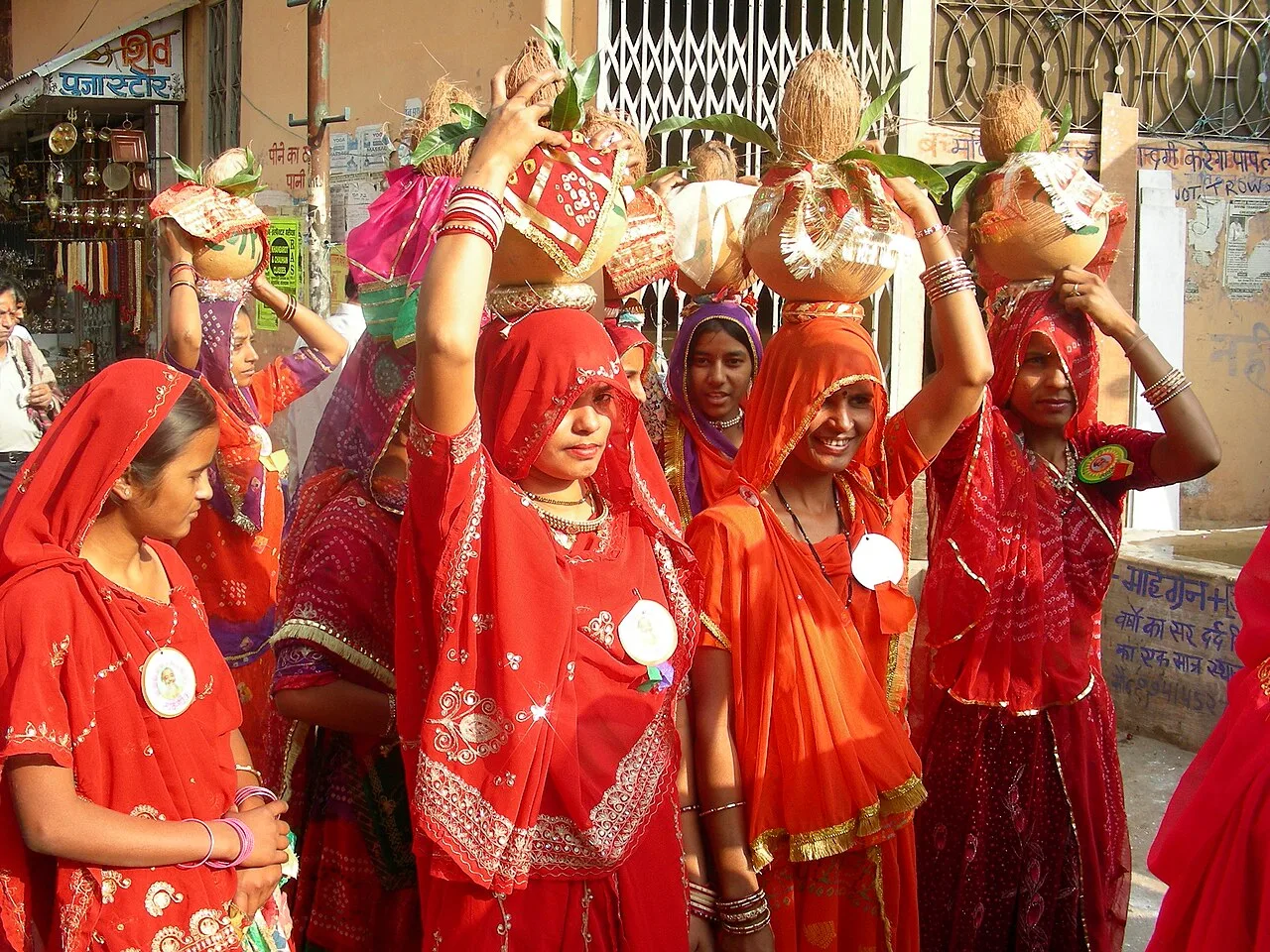
Beawar’s best-known celebration is Baadshah, held during Holi in spring. A decorated figure representing a one-day king is taken through town, accompanied by colour, public performances and a character known as Birbal, who dances in front of the procession. The celebrations include activity around Teliwara and Suraj Pol. Dussehra, usually in autumn, is marked by the burning of a Ravana effigy. The annual Veer Tejaji Maharaj fair is another important gathering, drawing local devotees and visitors.

Hindi and local Rajasthani varieties, including Marwari, are commonly heard. Folk songs and dance feature at community events and festivals. Temples and neighbourhood shrines form part of local religious life, alongside the fairs and observances linked to devotional traditions. In eateries and sweet shops, visitors can look for familiar Rajasthani dishes such as dal baati churma and ker sangri, as well as kachori and sweets such as ghewar. Menus vary, so these are best approached as regional favourites rather than dishes unique to Beawar.

Visiting the city

The cooler months, roughly October to March, are generally the most comfortable time to visit. Summer can be very hot, while monsoon weather may affect road journeys. Kishangarh Airport, serving the Ajmer area, is the nearest airport commonly used for Beawar; Jaipur is another option for a wider range of connections. Beawar railway station is the city’s main rail stop, and road links connect it with Ajmer and other towns in Rajasthan.

Auto-rickshaws and local taxis are practical for getting around; confirm the route before setting off. For a walk through the city’s everyday commercial life, explore the central bazaar and older market lanes. Suraj Pol and Teliwara are useful areas to include, particularly during local festivities. If visiting around Holi or the Tejaji fair, check locally for the current programme and any changes to procession routes.

Trips from the city

Nearest places to visit from Beawar

Our closest destination guides, by straight-line distance.

Taragarh Fort, Ajmer

48 km away · Ajmer district

Taragarh Fort, Ajmer

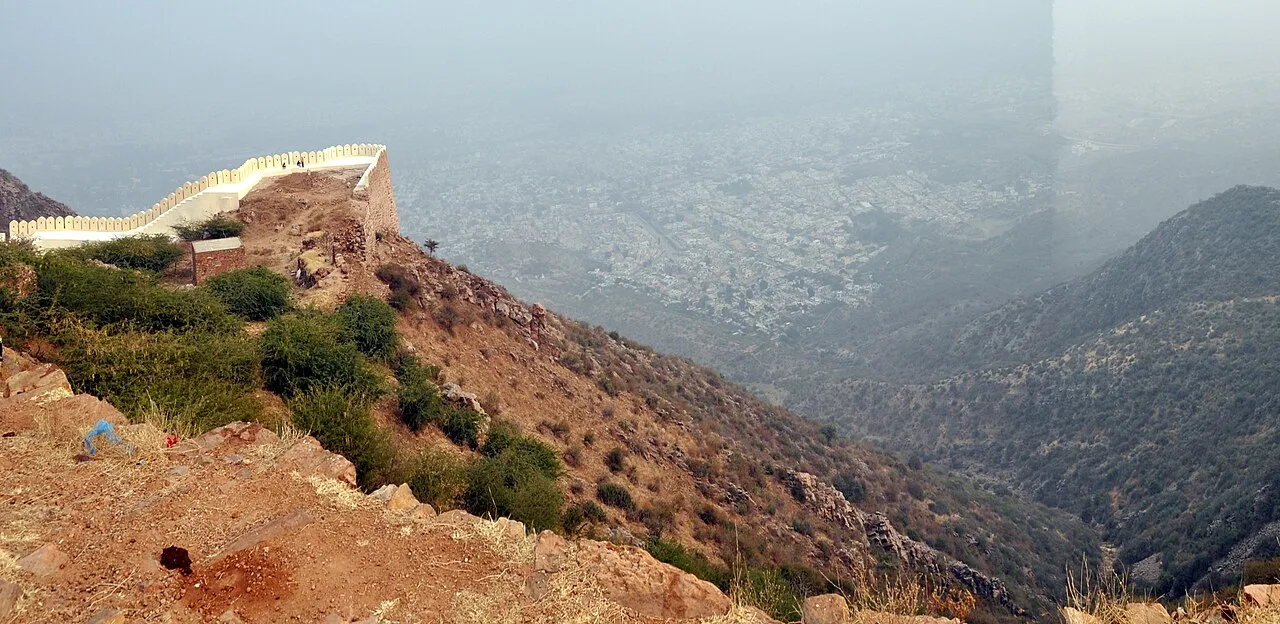
Set on a steep slope in Ajmer, Rajasthan, Taragarh Fort is a historic stronghold associated with the Parmar Rajputs and Ajayaraja Chauhan. Visitors come to see the fortress and learn about its earlier name, Ajaymeru Durg.

Brahma Temple

49 km away · Ajmer district

Brahma Temple

Located in Pushkar, Rajasthan, the Brahma Temple is a Hindu shrine near Pushkar Lake and among India’s few temples for Brahma. Pilgrims especially gather there on Kartik Poornima.

Pushkar

49 km away · Ajmer district

Pushkar

Pushkar is a historic pilgrimage town in Rajasthan, centred on a sacred lake and temples, including one of the few shrines to Brahma. Visitors come for worship, ritual bathing and its heritage.

Pushkar Lake

49 km away · Ajmer district

Pushkar Lake

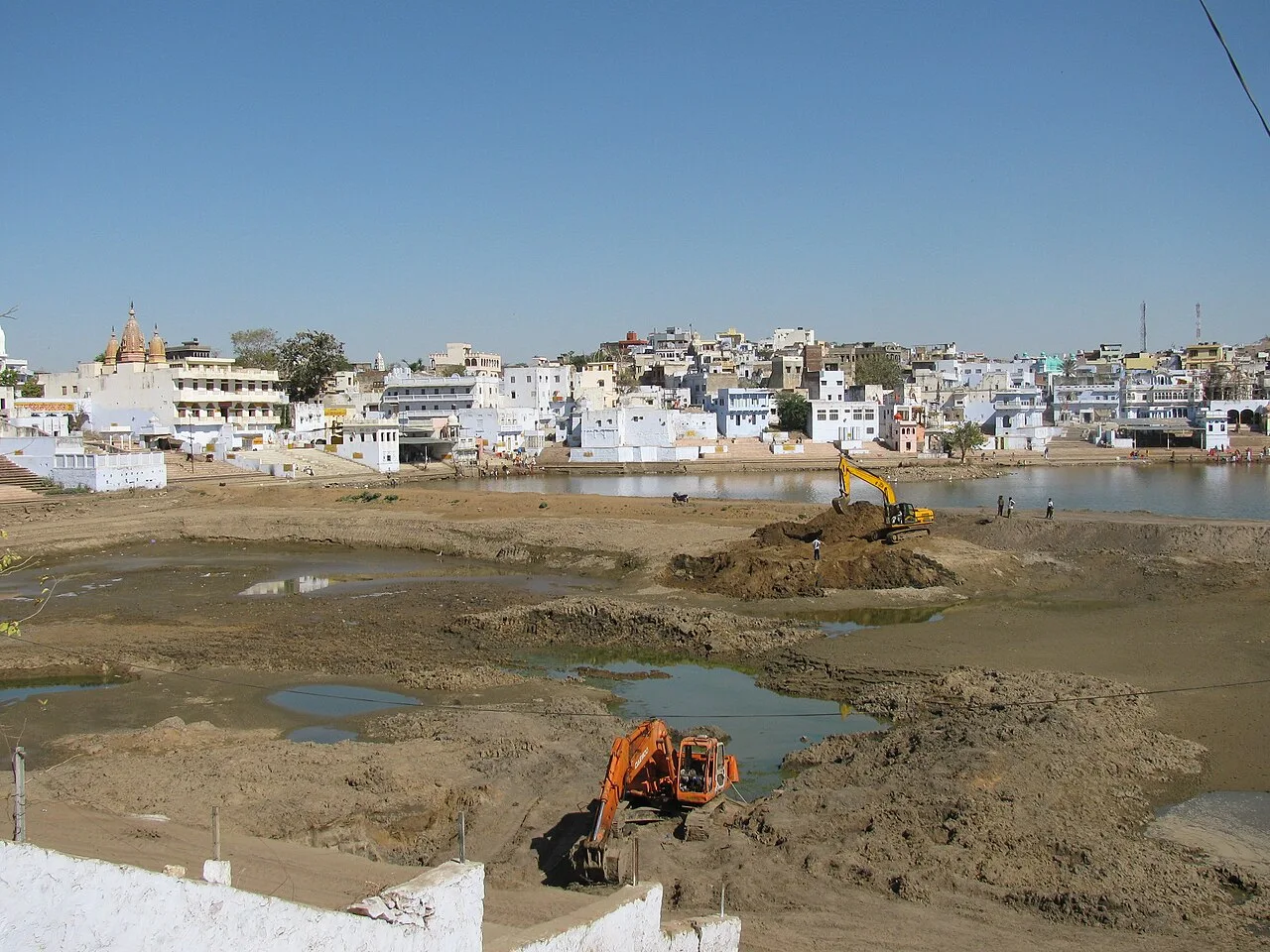
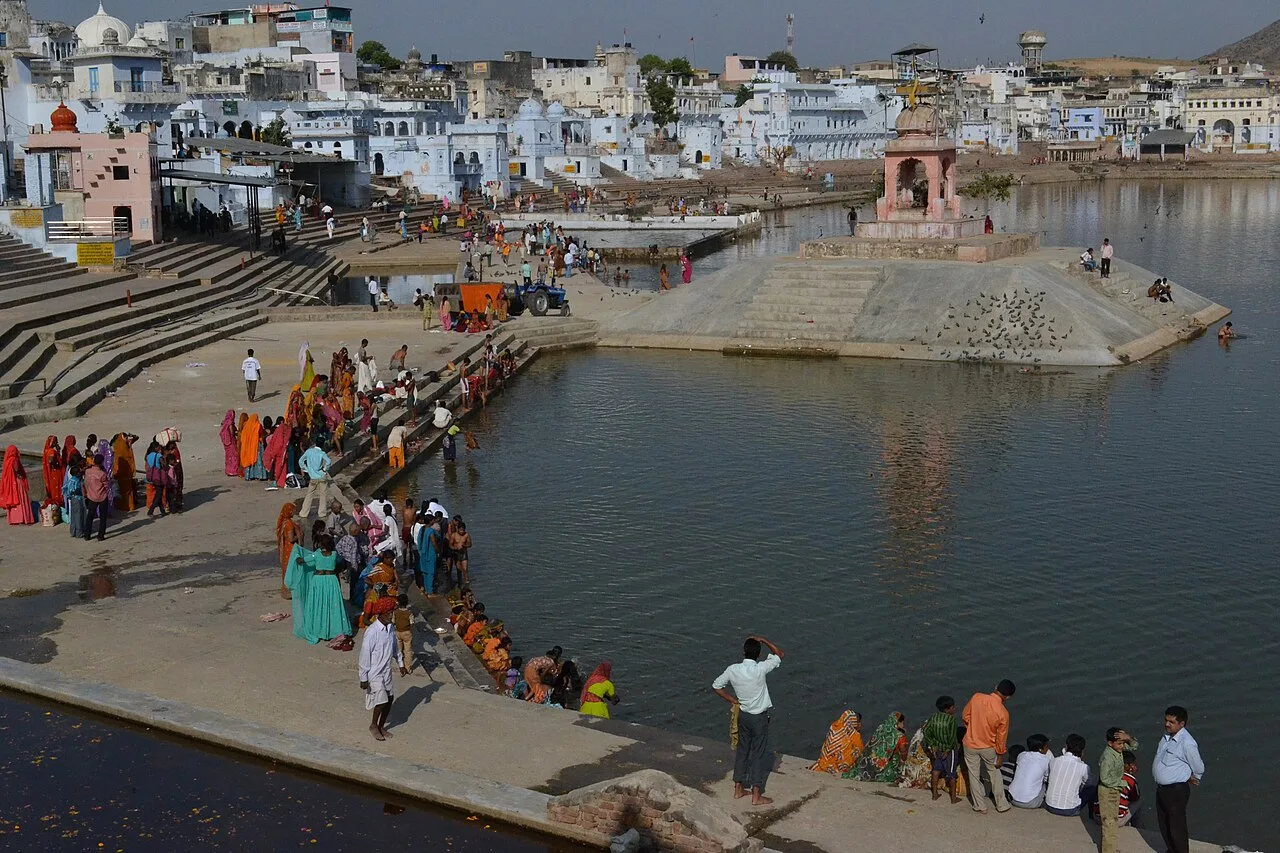
Pushkar Lake, also called Pushkar Sarovar, is a sacred lake in Rajasthan’s Ajmer district. Pilgrims come to bathe at its ghats, especially around Kartik Poornima, when the Pushkar Fair takes place.

Adhai Din Ka Jhonpra

50 km away · Ajmer district

Adhai Din Ka Jhonpra

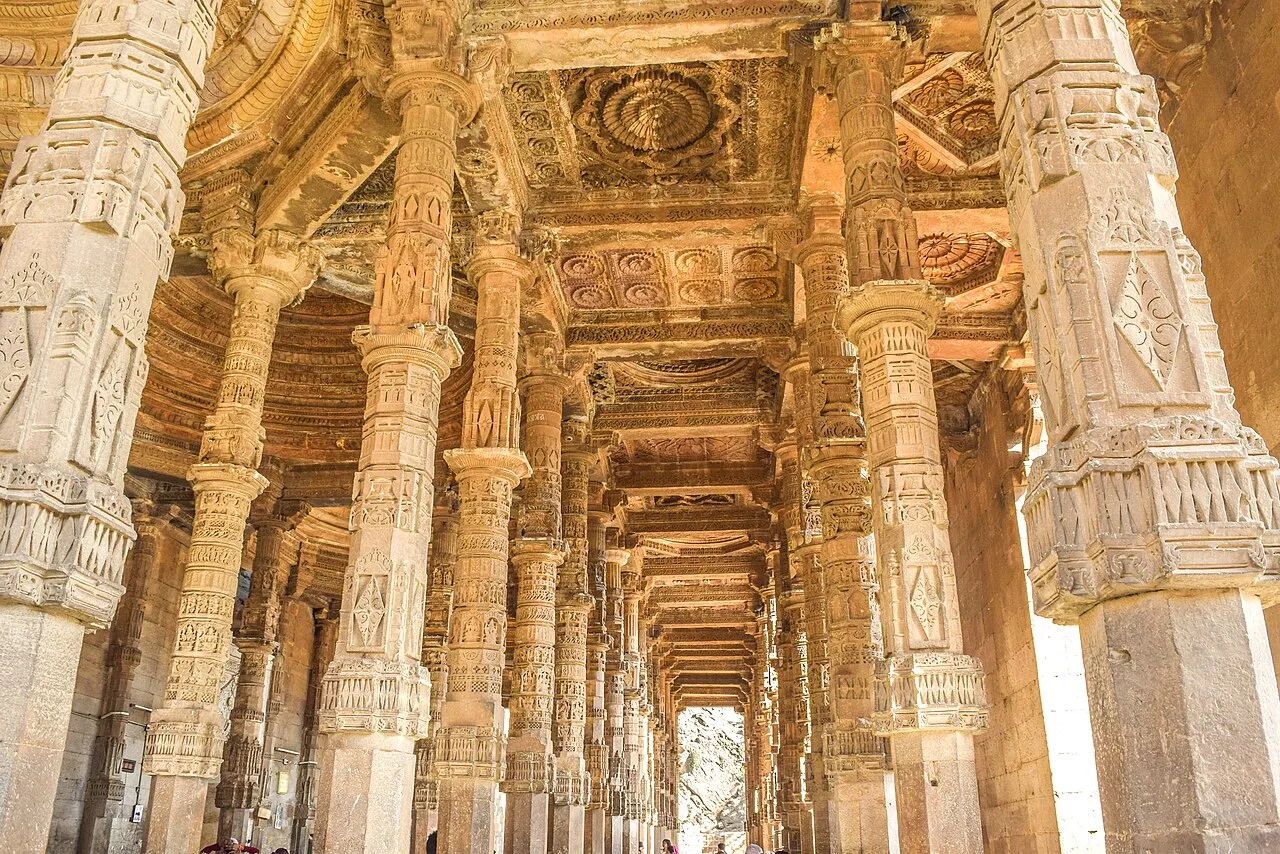
This former mosque in Ajmer, Rajasthan, is among India’s oldest mosques and the city’s oldest surviving monument. Visitors come to see its early Indo-Islamic design and its Hindu, Jain and Islamic architectural elements.

Shrine of Mu'in al-Din Chishti

50 km away · Ajmer district

Shrine of Mu'in al-Din Chishti

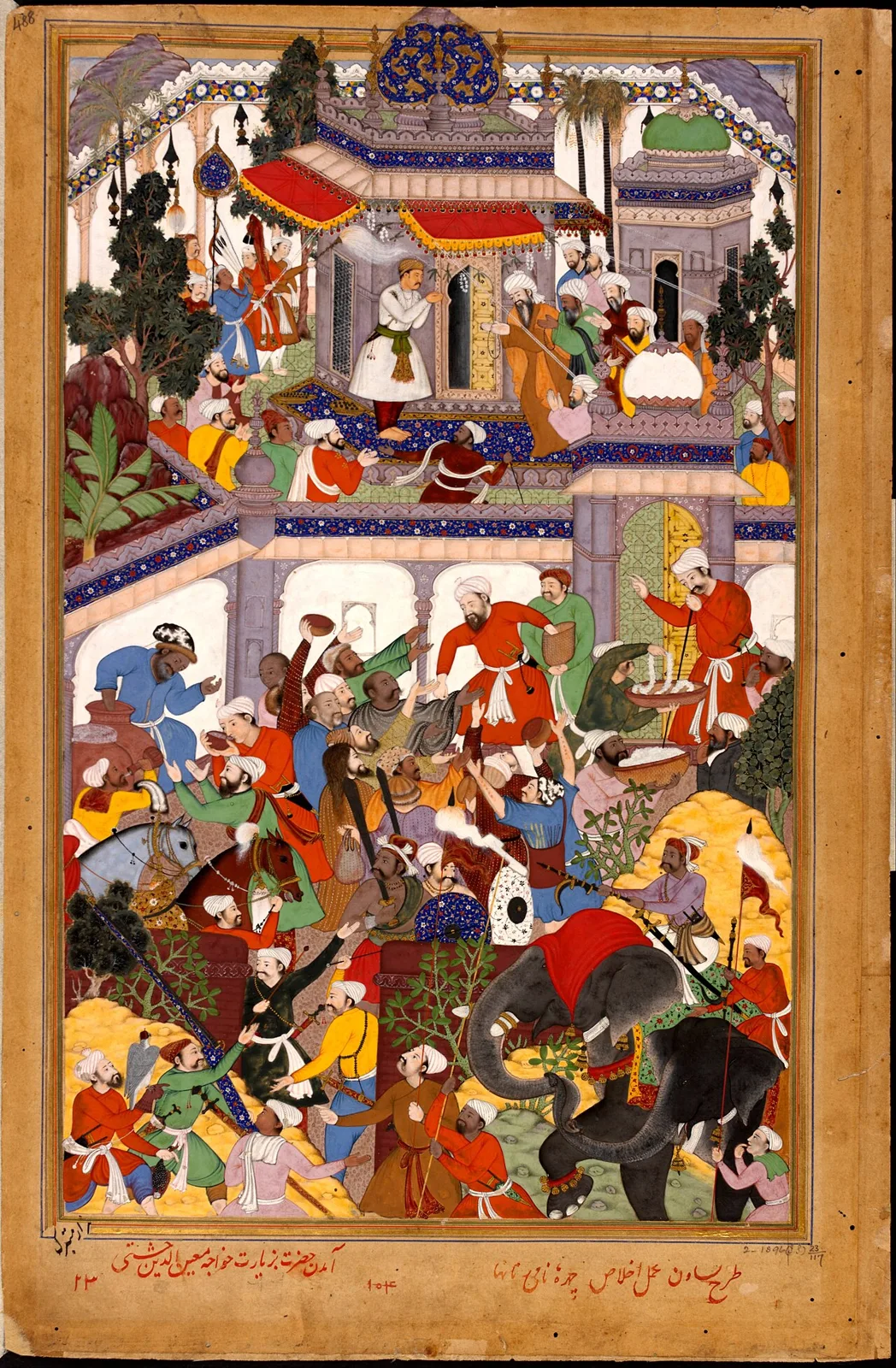
A Sufi pilgrimage complex in Ajmer, Rajasthan, centred on Mu'in al-Din Chishti’s shrine and including tombs and a mosque. Sunni Muslims visit in large numbers, particularly for Chishti’s urs.

Ana Sagar Lake

51 km away · Ajmer district

Ana Sagar Lake

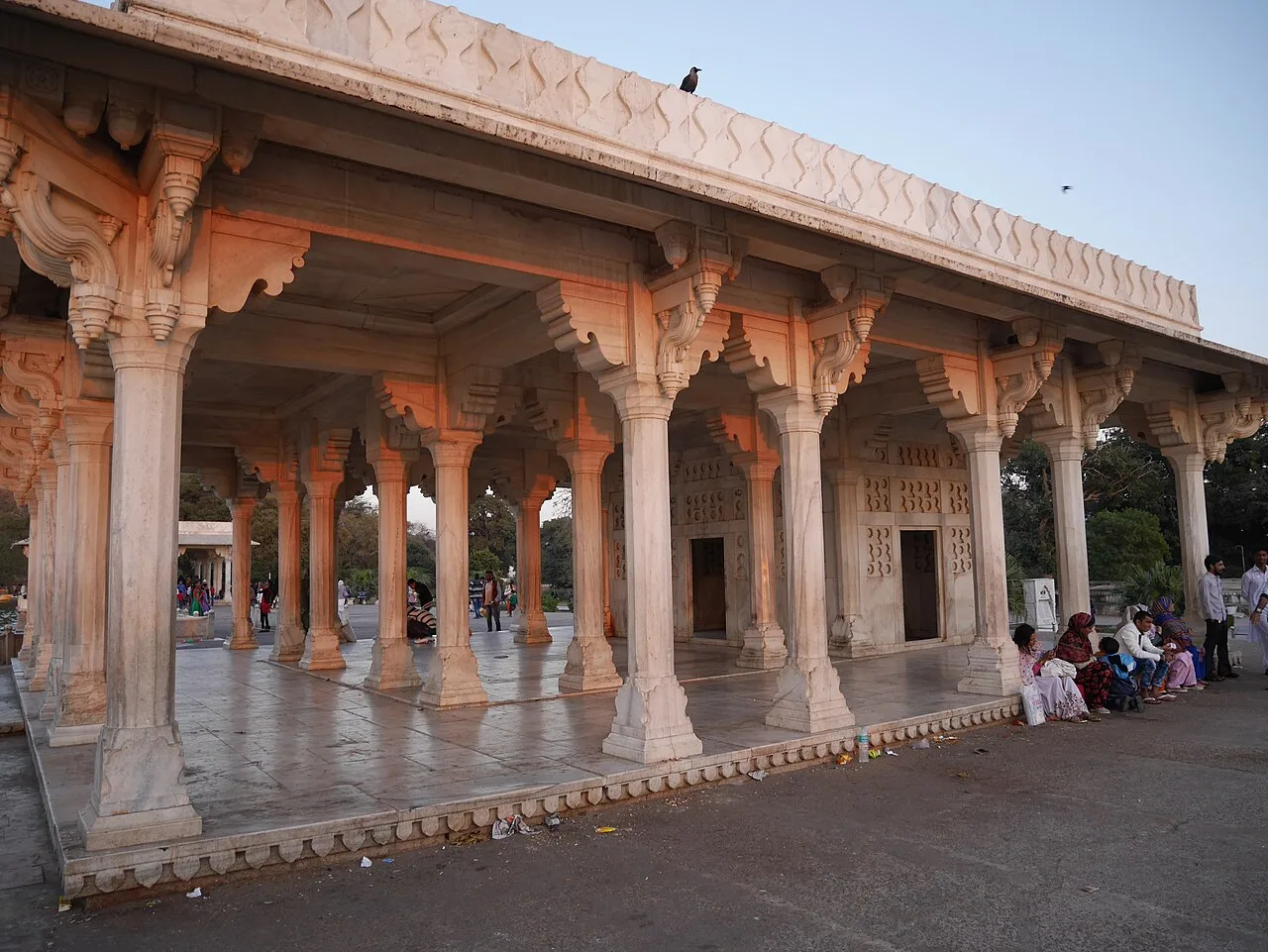
Ana Sagar is a man-made lake in Ajmer, Rajasthan, associated with its builder Arnoraja, also called Ana. Visitors come to see this historic water body, which extends across 13 km.

Sambhar Salt Lake

120 km away · Jaipur district

Sambhar Salt Lake

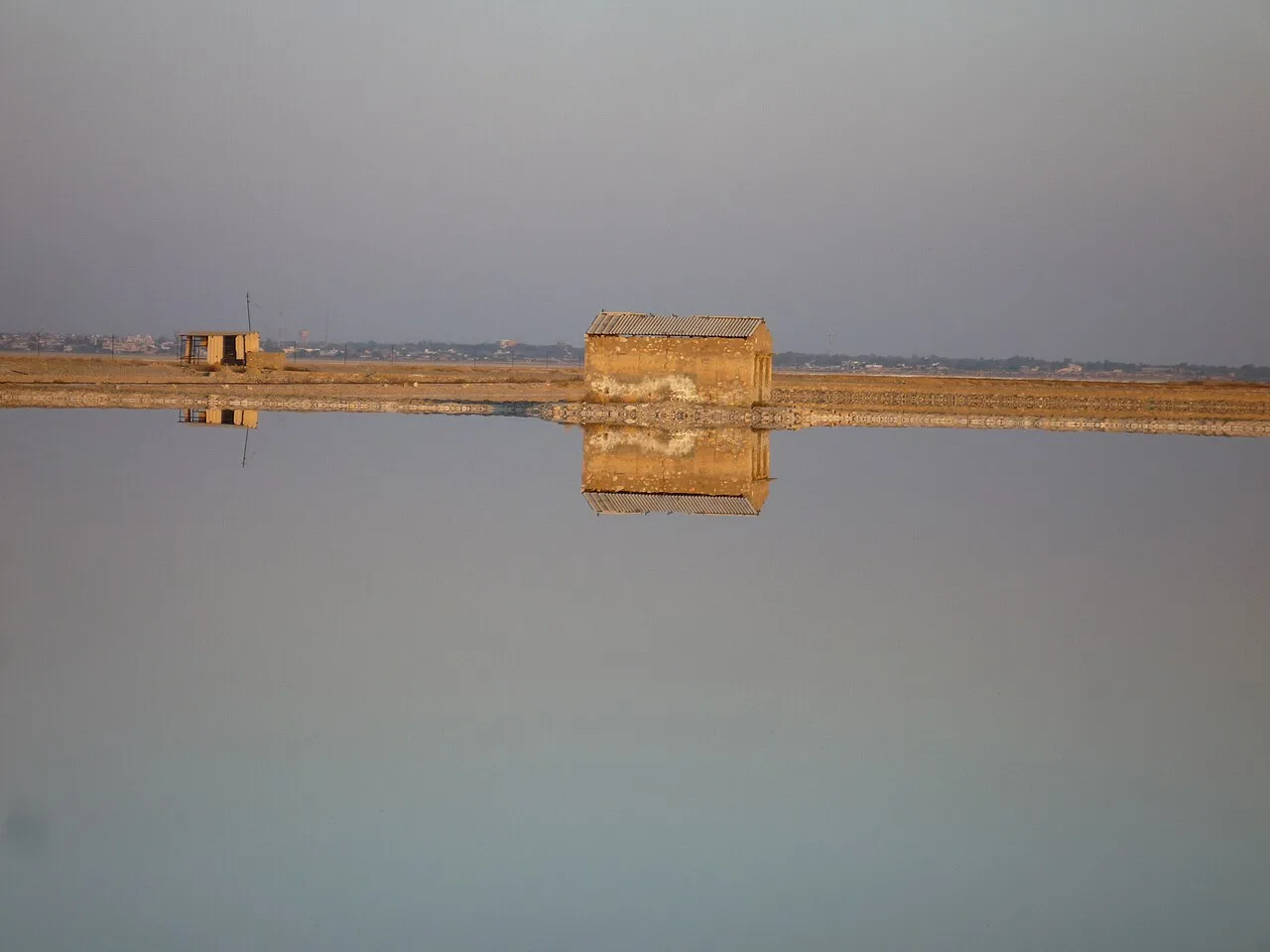
Sambhar Salt Lake is Rajasthan’s largest inland salt lake, in Jaipur district. Visitors come to see the lake and the historic settlement of Sambhar Lake Town, which it surrounds.

Map

Beawar on the map

  1. 1Taragarh Fort, Ajmer
  2. 2Brahma Temple
  3. 3Pushkar
  4. 4Pushkar Lake
  5. 5Adhai Din Ka Jhonpra
  6. 6Shrine of Mu'in al-Din Chishti
  7. 7Ana Sagar Lake
  8. 8Sambhar Salt Lake

Rajasthan

Other cities to explore