Ghumoopedia — Explore, Discover, Experience
Sign in

City guide · Rajasthan

Partapur

Partapur is a municipal town in Banswara district, in Rajasthan’s Wagad region. Its importance today is practical and regional: it provides shops, services and civic facilities for residents of the town and surrounding settlements.

Famous for

  • Wagad regional identity
  • Partapur municipal market
  • Southern Banswara connections
  • Rural trade and services

Why Partapur matters

Partapur is a municipal town in Banswara district, in Rajasthan’s Wagad region. Its importance today is practical and regional: it provides shops, services and civic facilities for residents of the town and surrounding settlements. Rather than being a major sightseeing destination, Partapur offers a glimpse of everyday life in southern Rajasthan, where town markets connect nearby rural communities with district-level services and trade.

Visitors use Partapur as a local stop while exploring the wider Banswara area, known for its green, hilly landscape and strong tribal heritage. The town’s setting also reflects Wagad’s cultural links with neighbouring parts of Rajasthan, Gujarat and Madhya Pradesh. Its identity is shaped by its municipal role, local commerce and connections across the district, rather than by a widely recognised monument or a single signature product. A visit is most rewarding for travellers interested in regional life and the countryside beyond Rajasthan’s best-known desert routes.
Famous for: crafts, trade & products

Partapur’s local economy is centred on everyday commerce and services. Shops in and around the town centre cater to residents of Partapur and nearby villages, with general goods, household needs and supplies for rural livelihoods. The market is the most useful place for visitors to observe local trade or pick up essentials. Agricultural produce and seasonal goods are part of the wider district economy, though availability varies with the season.

Partapur is not especially identified with a particular saree tradition, handicraft, textile industry or GI-tagged product. Nor is it known as a major organised manufacturing centre. Its appeal lies more in its role as a local market town within Wagad, where regional tastes, languages and customs meet. Visitors seeking specialist crafts or a broader selection of district products can ask local shopkeepers about nearby markets in Banswara town. For a sense of Partapur itself, explore the central shopping streets and notice the mix of small businesses serving both town residents and people arriving from surrounding settlements.

History

Partapur’s development is best understood within the history of Banswara and the Wagad region. The area has long been home to Bhil and other communities, whose settlement patterns, livelihoods and cultural traditions remain part of the wider district’s character. Banswara developed as a princely state under its ruling house, and the surrounding region’s local towns and markets grew through their connections to rural communities and administrative centres.

During the colonial period, Banswara was a princely state under British paramountcy rather than a directly administered British district. After independence, it became part of Rajasthan, and modern roads, public services and local administration gradually strengthened links between smaller towns and the district headquarters. Partapur’s present-day role reflects this later civic development: it is a municipality serving its own residents as well as nearby settlements. Its growth has been shaped more by local administration, commerce and regional connectivity than by a large monument-led tourism history.

Food, festivals & culture

Daily life in Partapur reflects the varied culture of Wagad and southern Rajasthan. Hindi is widely useful, while Wagdi and Bhili are important regional languages; Gujarati is also familiar in parts of the wider border region. Meals commonly draw on staples such as maize, wheat, lentils, seasonal vegetables and buttermilk. Sweets such as laddoo or malpua may appear at family gatherings and festive occasions, though no single dish defines Partapur as a food destination.

Holi in spring, Navratri in autumn and Diwali in autumn are widely observed, alongside religious and community celebrations that follow the local calendar. Hindu temples and other neighbourhood places of worship provide settings for prayer and gatherings. In the wider district, Bhil cultural traditions include community music, rhythmic drumming and group dance; local celebrations may bring these forms into public view. Customs and performances vary between communities and villages, giving the area a distinctly regional character rather than a single uniform style.

Visiting the city

The cooler months, roughly October to March, are generally the most comfortable time to visit. Maharana Pratap Airport at Udaipur is the main nearby airport used by many travellers; onward travel is by road. Dungarpur railway station is a practical railhead for reaching the area, with the final leg made by road. Check current connections before setting out, as onward transport can vary.

Within Partapur, the central market and surrounding streets are easy areas to explore on foot. Local buses, shared vehicles and hired cars can help with journeys between the town and nearby settlements; arrangements are best made locally. Partapur also works as a base for short drives through the countryside and for onward visits to Banswara and other parts of the district. Carry water for warm-weather travel and allow extra time for rural roads.

Trips from the city

Nearest places to visit from Partapur

Our closest destination guides, by straight-line distance.

Dhebar Lake

77 km away · Udaipur district

Dhebar Lake

Dhebar Lake, also called Jaisamand, is a large reservoir in Rajasthan, known for its marble dam, islands and adjoining wildlife sanctuary. Visitors come to see its natural setting and historic links with Mewar.

Jag Mandir Palace

119 km away · Udaipur district

Jag Mandir Palace

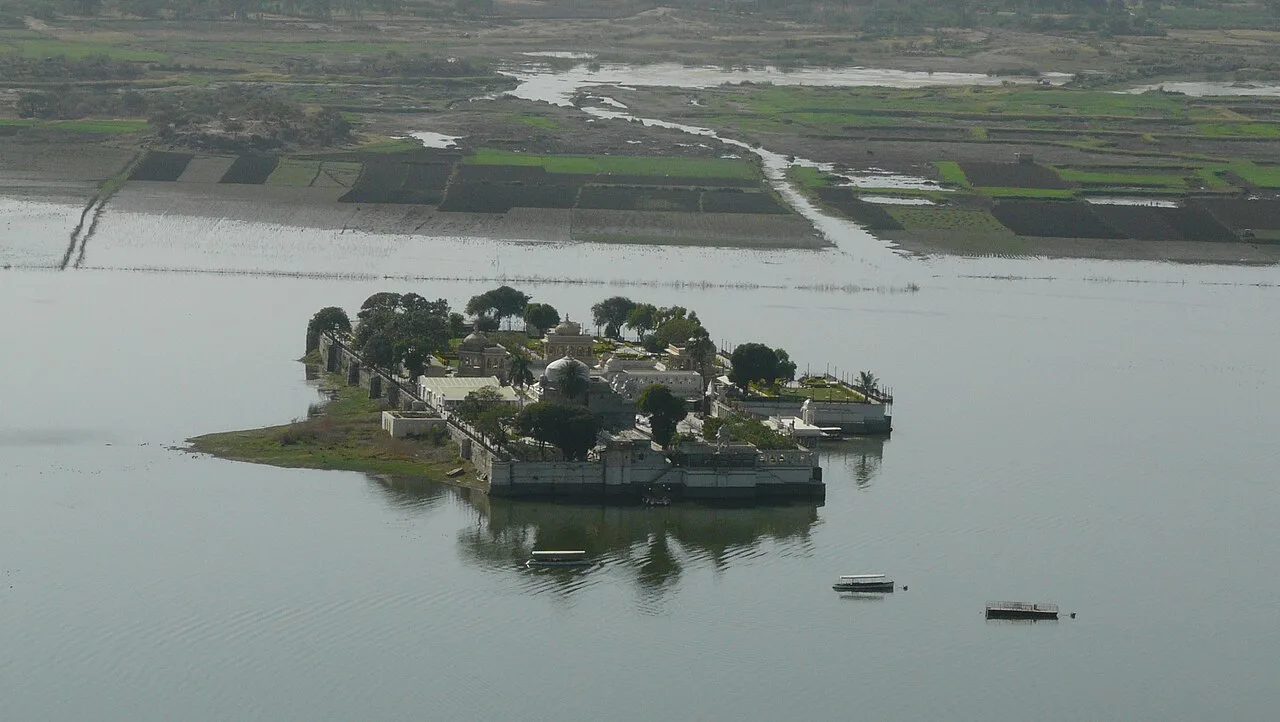
Set within Lake Pichola in Udaipur, Jag Mandir Palace is a royal island residence. Visitors are drawn to its history, Mughal-influenced design and past as a retreat, celebration venue and place of refuge.

City Palace, Udaipur

120 km away · Udaipur district

City Palace, Udaipur

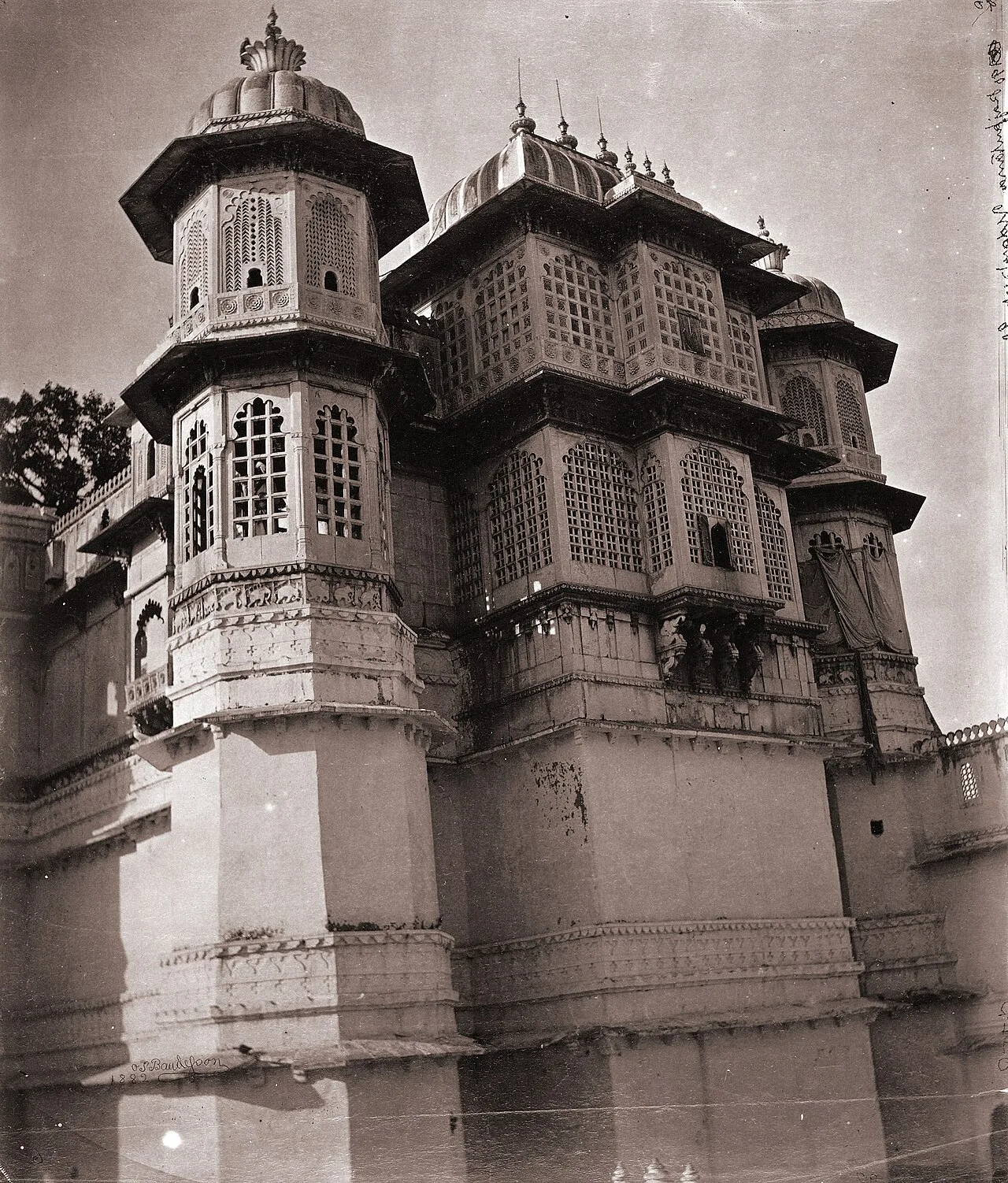
Udaipur’s City Palace is a historic royal complex shaped by successive Mewar rulers. Visitors come to see its architecture, hilltop setting and views over Lake Pichola.

Lake Palace

120 km away · Udaipur district

Lake Palace

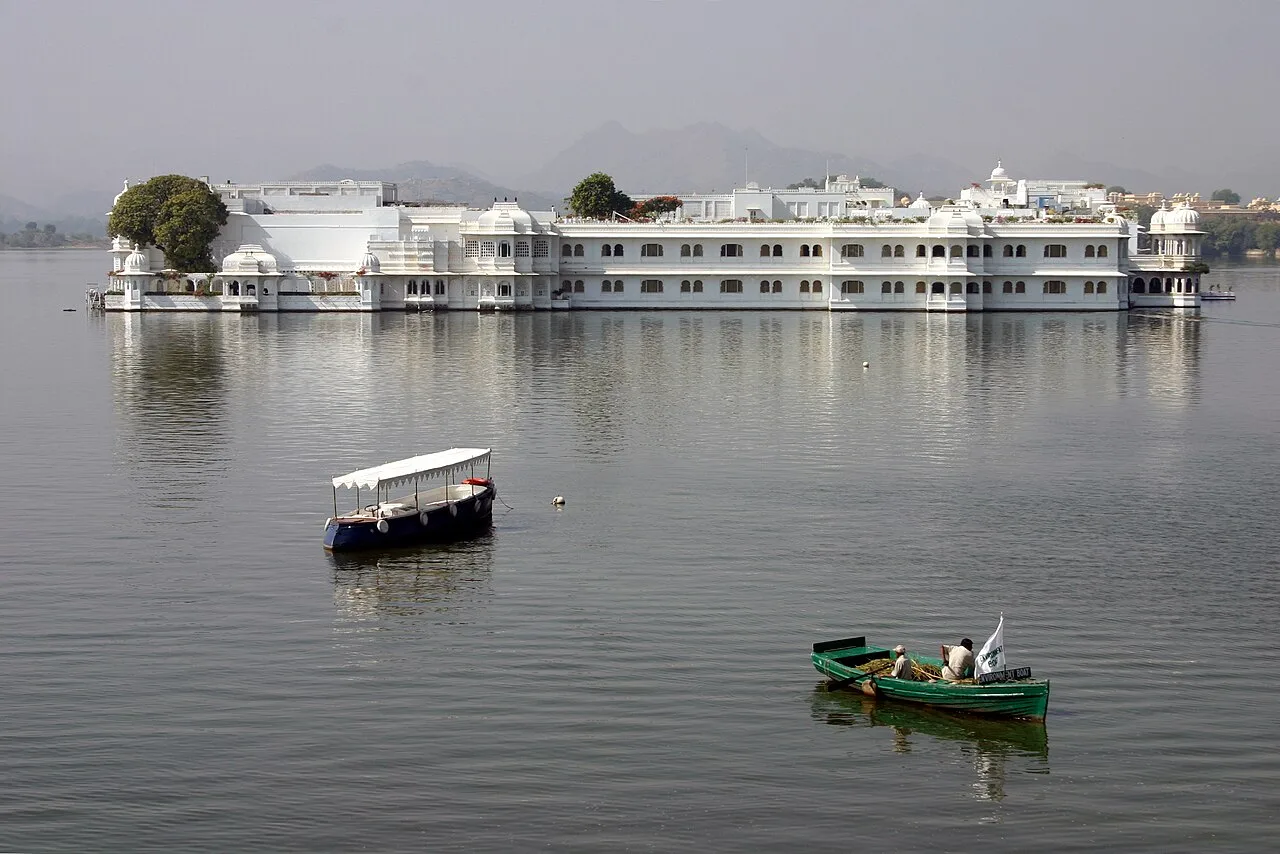
Lake Palace is a former Mewar royal summer residence on an island in Udaipur’s Lake Pichola, now a hotel. Visitors recognise it for its lake setting and appearances in several hit films.

Lake Pichola

120 km away · Udaipur district

Lake Pichola

Lake Pichola, in Udaipur city in the Indian state of Rajasthan, is an artificial freshwater lake, created in the year 1362, named after the nearby Picholi village.

Jagdish Temple

121 km away · Udaipur district

Jagdish Temple

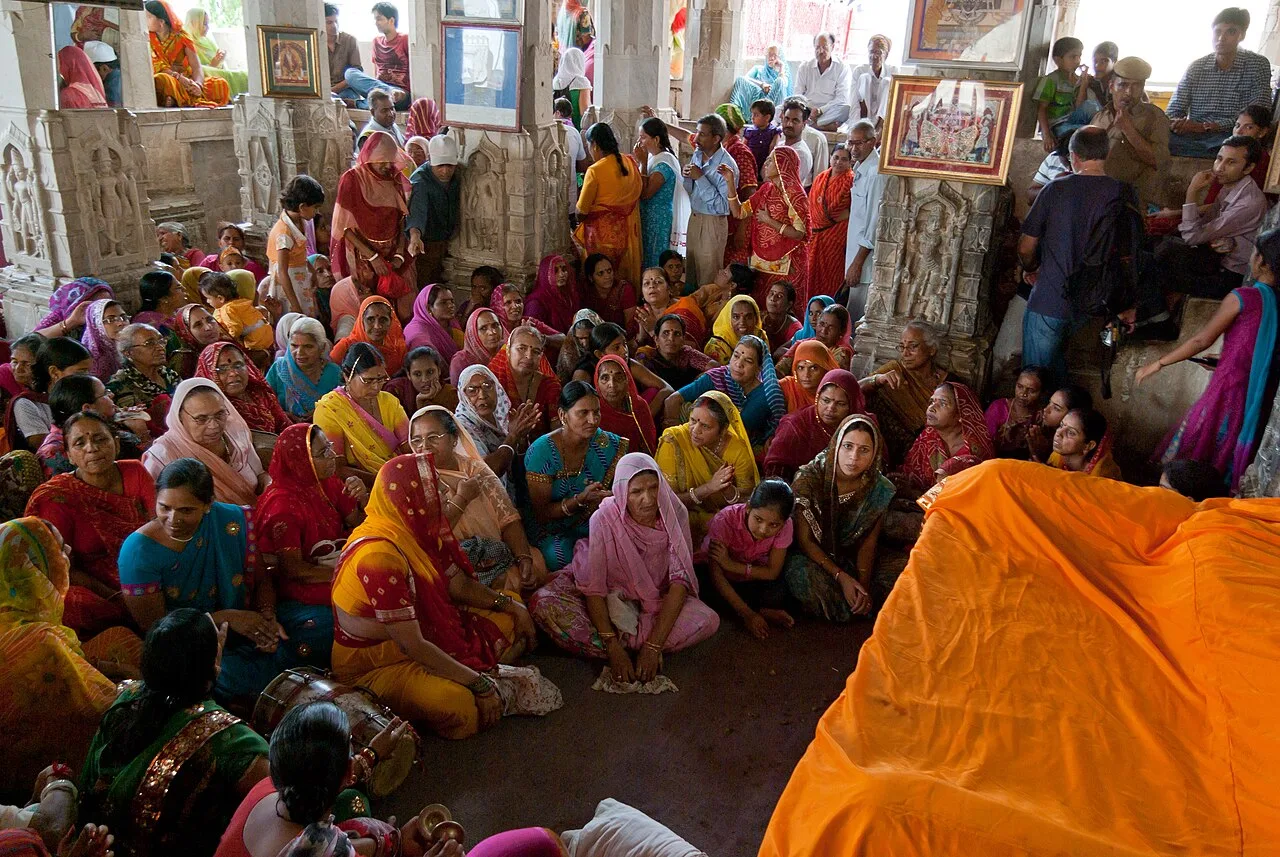
Jagdish Temple is a large Hindu place of worship in central Udaipur, Rajasthan, beside the royal palace. Visitors come to see this prominent city monument and its long-standing place of worship.

Fateh Sagar Lake

123 km away · Udaipur district

Fateh Sagar Lake

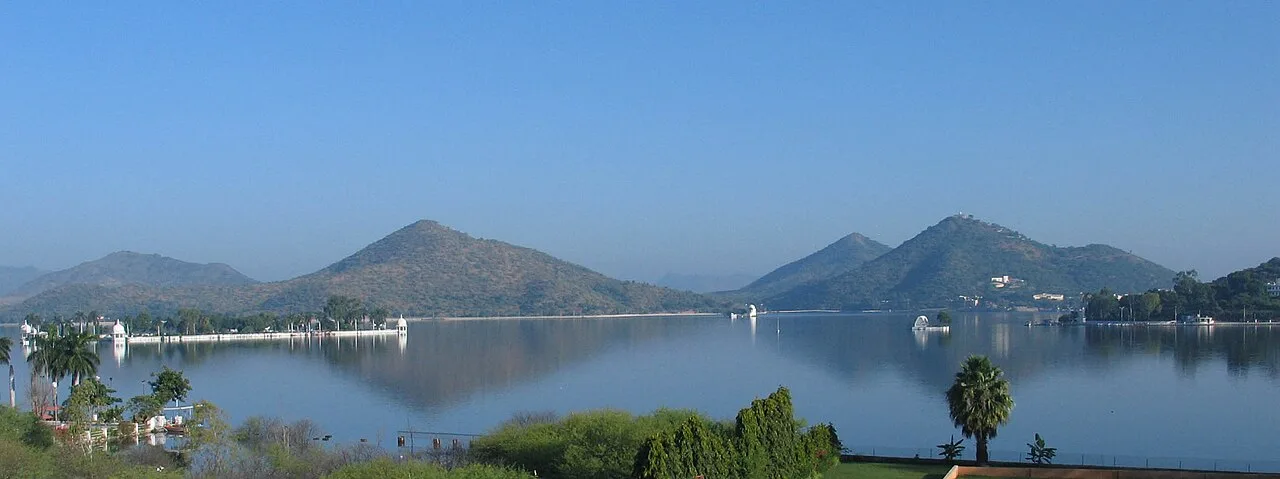
Fateh Sagar Lake is an artificial lake in Udaipur, Rajasthan. Visitors come to see its three islands, including parkland and the Udaipur Solar Observatory, while the lake also serves several water needs.

Saheliyon-ki-Bari

123 km away · Udaipur district

Saheliyon-ki-Bari

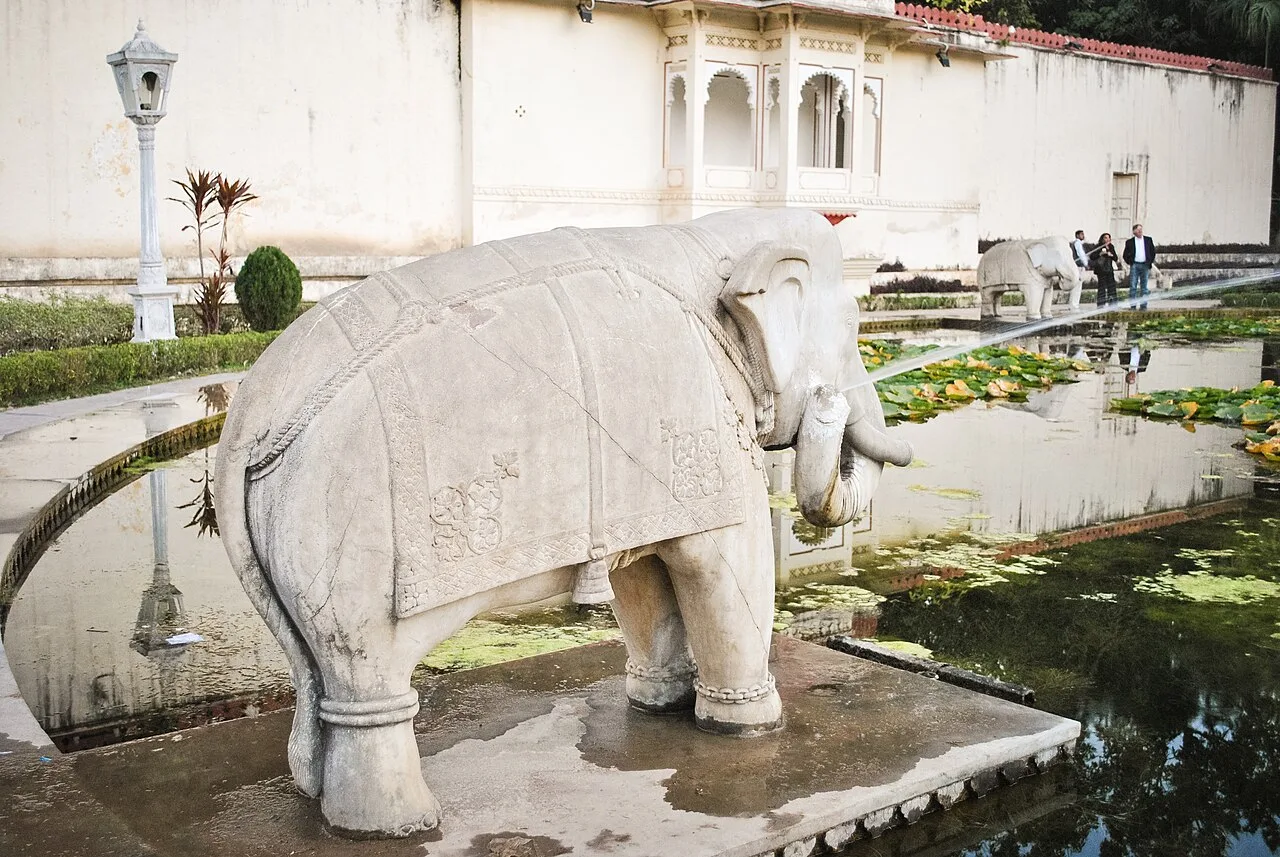
Saheliyon-ki-Bari is a garden in Udaipur, Rajasthan, where visitors can see fountains, a lotus pool and marble elephant figures, as well as a museum about Indian history.

Map

Partapur on the map

  1. 1Dhebar Lake
  2. 2Jag Mandir Palace
  3. 3City Palace, Udaipur
  4. 4Lake Palace
  5. 5Lake Pichola
  6. 6Jagdish Temple
  7. 7Fateh Sagar Lake
  8. 8Saheliyon-ki-Bari

Rajasthan

Other cities to explore