Ghumoopedia — Explore, Discover, Experience
Sign in

City guide · Rajasthan

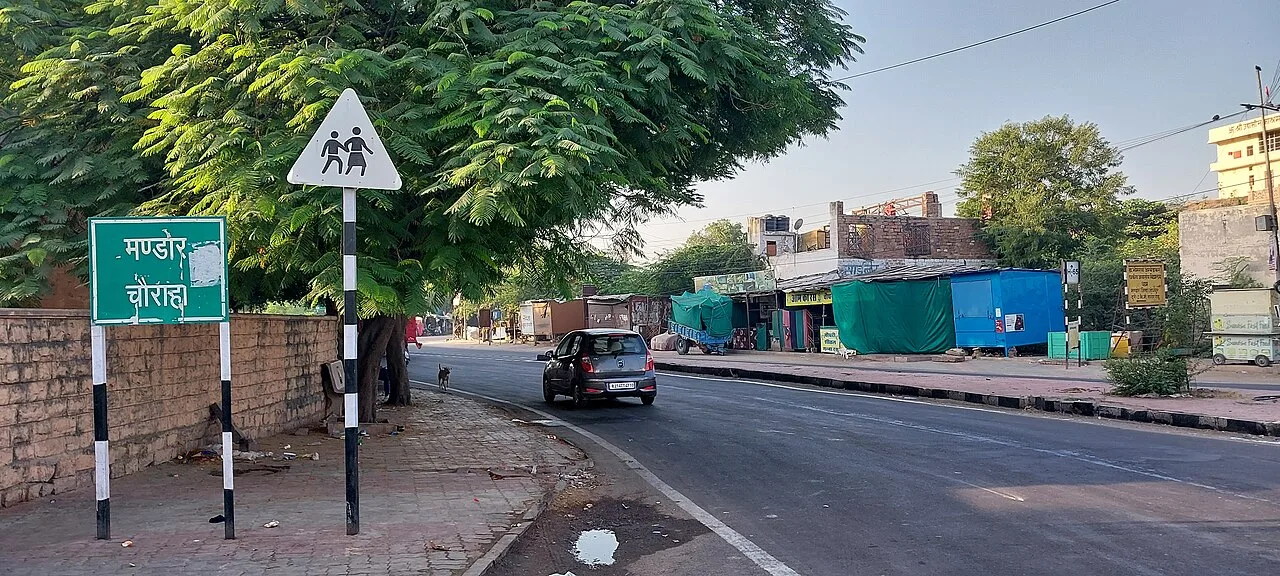
Marwar Junction

Marwar Junction is a small town in Pali district, western Rajasthan, whose identity and regional importance are closely tied to the railway. Its station connected routes across Rajasthan and became a junction as railways expanded in the late nineteenth and early twentieth centuries.

Famous for

  • Historic railway junction
  • Delhi–Ahmedabad rail corridor
  • Mavli–Marwar rail link
  • Kipling story reference

Why Marwar Junction matters

Marwar Junction is a small town in Pali district, western Rajasthan, whose identity and regional importance are closely tied to the railway. Its station connected routes across Rajasthan and became a junction as railways expanded in the late nineteenth and early twentieth centuries. Today it lies on the broad-gauge Delhi–Ahmedabad line and serves residents and travellers moving through the Pali region. The town is also a tehsil headquarters, with local services and everyday commerce supporting nearby settlements.

Marwar Junction is not chiefly known as a resort or a major monument town. Visitors are more likely to stop here for its railway history, use it as a base for journeys around the district, or notice its unusual place in English literature: Rudyard Kipling’s short story “The Man Who Would Be King” refers to the station. The surrounding region offers a sense of inland Rajasthan beyond the state’s best-known tourist centres, with rural landscapes and smaller towns reached by road. Its appeal is therefore practical and historical rather than built around a single landmark or large visitor attraction.
Famous for: crafts, trade & products

Marwar Junction is best known locally for transport and the services that grow around a railway junction and tehsil headquarters. Its shops and market area cater mainly to residents and travellers, with everyday provisions, clothing and household goods rather than a widely recognised specialist shopping district. The town is not especially identified as a centre for a particular saree, handicraft, GI-tagged product or signature food, so visitors should not expect a dedicated craft bazaar or a distinctive product trail.

Pali district has broader connections with textile production and trade, but those activities should not be confused with a signature craft of Marwar Junction itself. Travellers interested in regional textiles can ask in the town’s ordinary market or look for larger specialist options in Pali and other nearby urban centres. For local purchases, small shops around the station and the main market are the practical places to browse for daily-use goods and snacks. The railway station, rather than a particular industry or product, remains the town’s most notable institution and enduring point of recognition.

History

Marwar Junction grew in importance with the arrival of railway lines across Rajasthan. The Ajmer–Ahmedabad metre-gauge route opened in 1881 under the Rajasthan State Railway. The station became a junction on 24 June 1882, when the Marwar–Pali section opened for the Jodhpur Railway, linking the area to a growing regional network. A further metre-gauge connection from Mavli opened in 1936, extending the junction’s role in rail travel.

These links helped shape the settlement as a transport and service centre for surrounding communities. The older metre-gauge network has since given way to broad gauge, and Marwar Junction now stands on the Delhi–Ahmedabad line. It is also the headquarters of its tehsil in Pali district. The town has a literary footnote: in Rudyard Kipling’s “The Man Who Would Be King,” Peachy Carnahan directs the narrator to meet Daniel Dravot at Marwar Junction. Its documented story is thus strongly connected to railway development and the movement of people through Rajasthan.

Food, festivals & culture

Everyday culture in Marwar Junction reflects the wider Pali and Marwar region. Hindi and Marwari are commonly used, with Hindi useful for communication with visitors. Meals draw on familiar Rajasthani staples such as dal baati churma, gatte ki sabzi and, when available, ker sangri. Tea stalls and ordinary eateries near busy parts of town are convenient places for simple meals and snacks; the town is not widely associated with a signature dish. Regional sweets such as ghevar may be found seasonally, especially around festive periods, though availability varies.

Holi, usually in spring, and Diwali, generally in autumn, are among the main annual celebrations. Gangaur and Teej are also observed in Rajasthan, with local customs and participation varying from year to year. Devotional life centres on neighbourhood temples and shrines rather than a major pilgrimage site known across India. Folk traditions of the region include Rajasthani singing and dance forms such as ghoomar, heard or seen especially during community celebrations. Visitors should treat these as regional traditions, not as a guaranteed daily performance in town.

Visiting the city

The cooler months, roughly October to March, are generally the most comfortable time to visit; summer afternoons can be very hot. The nearest major airport is Jodhpur Airport, from which the onward journey is by road or rail. Marwar Junction railway station is the town’s principal arrival point and lies on the broad-gauge Delhi–Ahmedabad line.

Within town, short trips can be made by local auto-rickshaw or taxi, while buses and hired vehicles serve journeys to surrounding settlements. The station vicinity and the main market are the most useful areas to explore for everyday town life, food and shops. Marwar Junction works well as a practical stop or starting point for exploring Pali district; visitors planning excursions beyond town should arrange road transport and check local conditions before setting out.

Trips from the city

Nearest places to visit from Marwar Junction

Our closest destination guides, by straight-line distance.

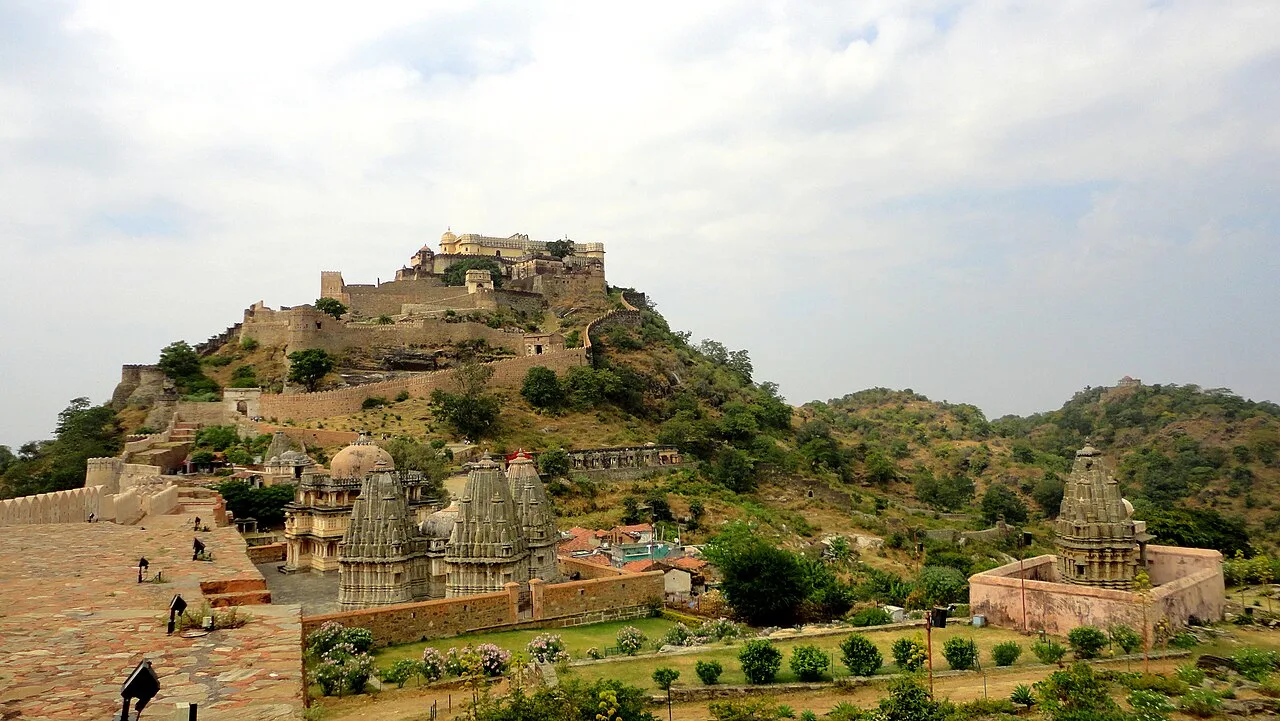
Kumbhalgarh

64 km away · Rajsamand district

Kumbhalgarh

Kumbhalgarh, often called the Great Wall of India, is a 15th-century fortress in Rajasthan’s Aravalli Hills, visited for its fortifications, historical associations and UNESCO World Heritage status.

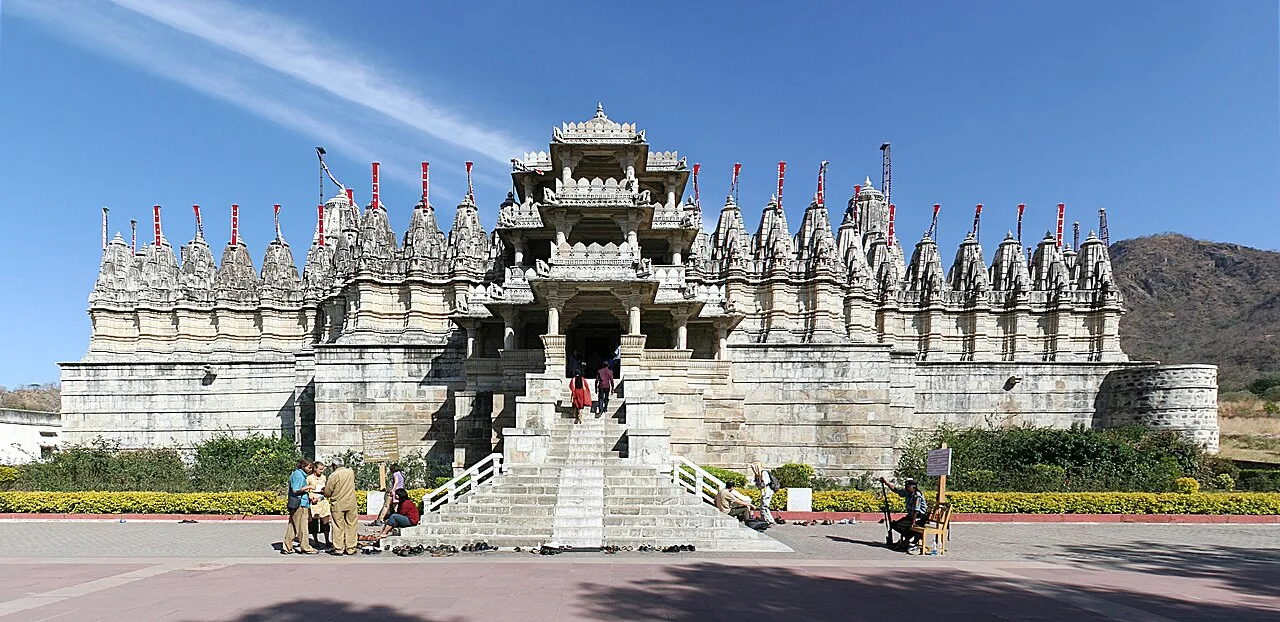
Ranakpur Jain temple

69 km away · Pali district

Ranakpur Jain temple

The Ranakpur Jain temple, also known as Chaturmukha Dharana Vihara, is a Śvētāmbara shrine devoted to Rishabhanatha. Jain pilgrims visit this important religious site and its group of associated temples.

75 km away · Jodhpur district

Salawas

Salawas is a village 22 km from Jodhpur, known for durries, or rugs, produced by local craftspeople. Visitors are drawn by its association with this traditional craft.

Rajsamand Lake

78 km away · Rajsamand district

Rajsamand Lake

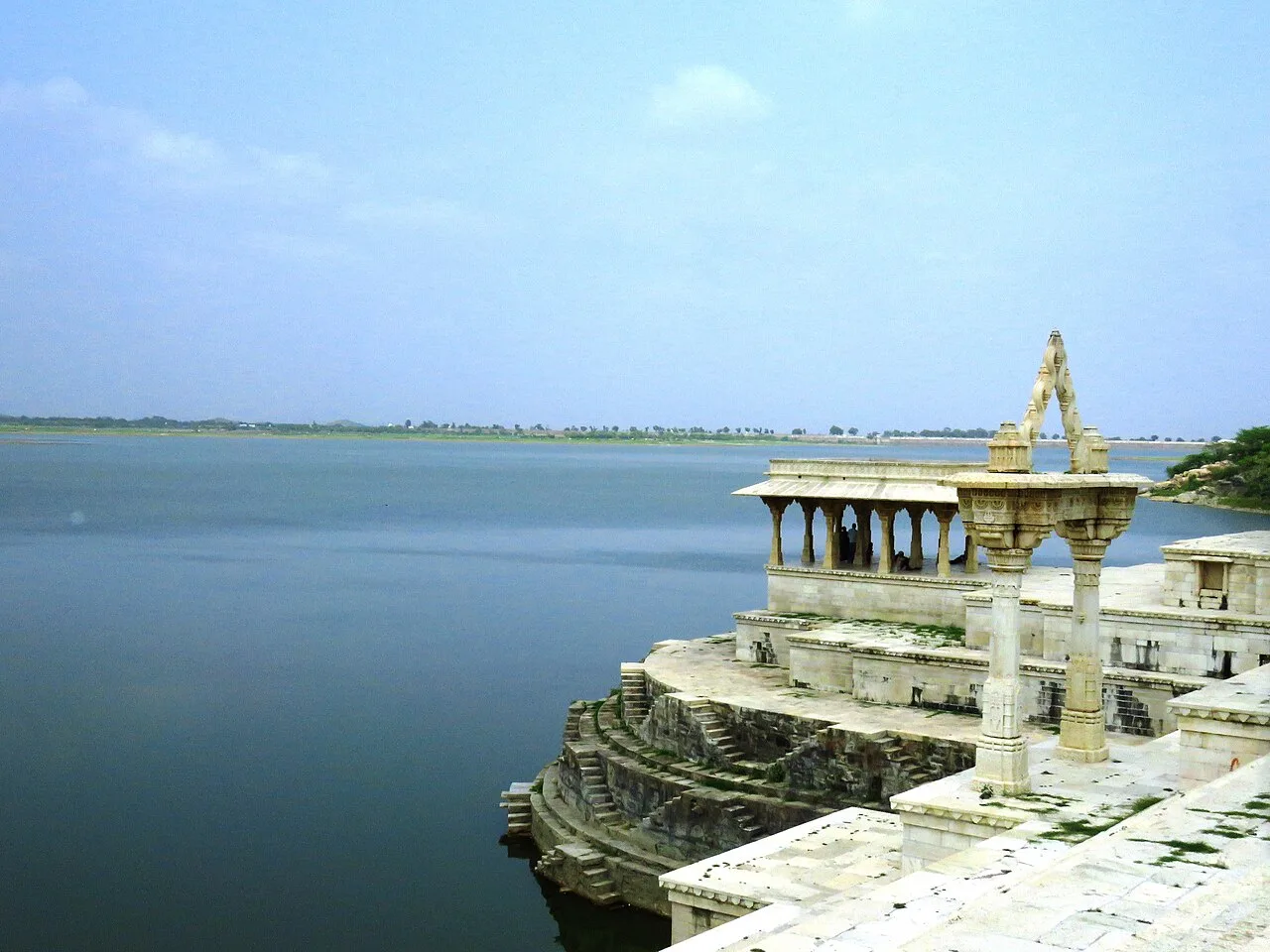
A large reservoir in Rajasthan’s Rajsamand district, Rajsamand Lake is also called Rajsamudra. Visitors come to see its scale and the historic work associated with Rana Raj Singh.

Umaid Bhawan Palace

83 km away · Jodhpur district

Umaid Bhawan Palace

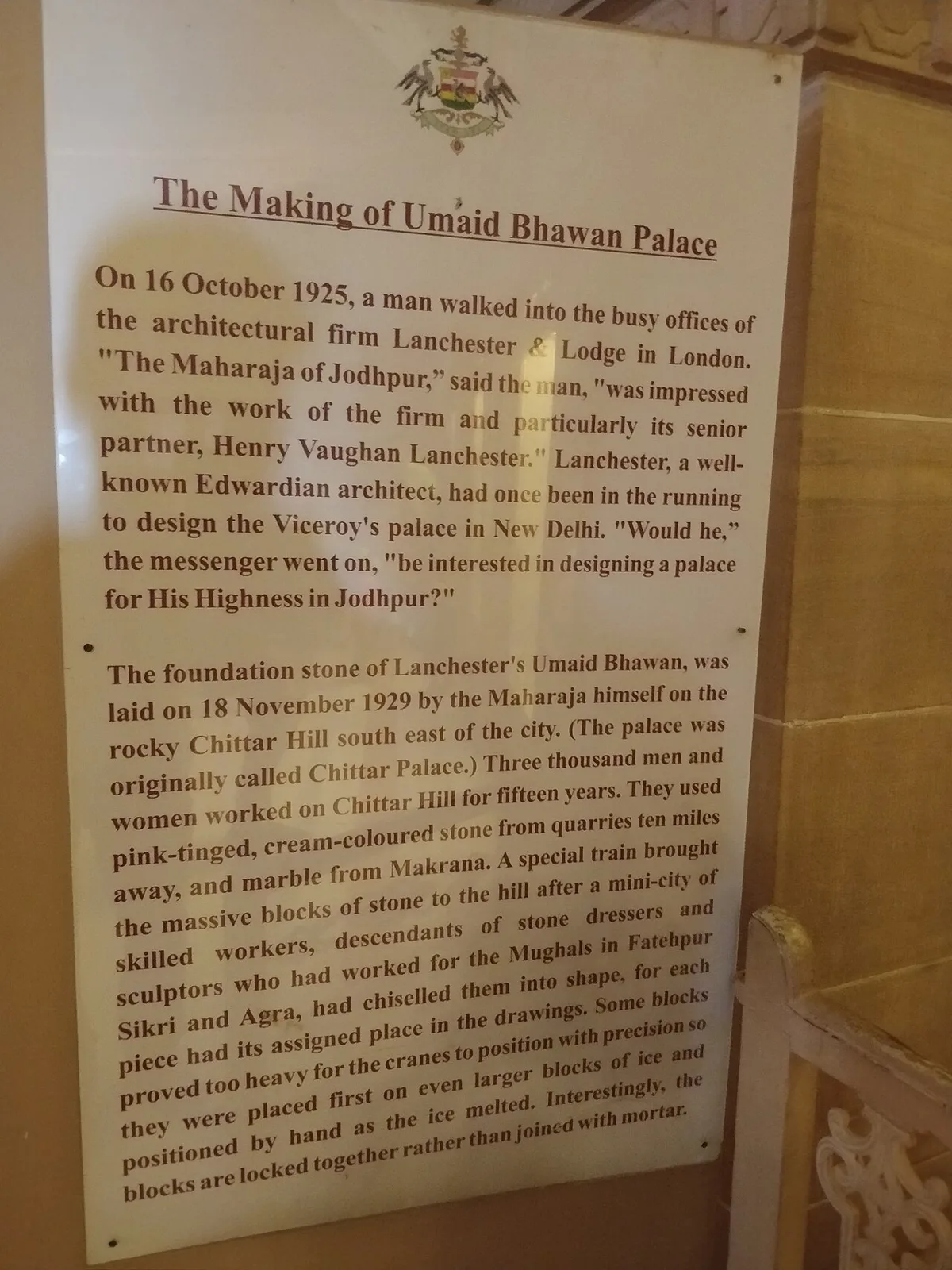
Umaid Bhawan Palace is a major residence in Jodhpur, Rajasthan, with a hotel-managed section and a museum. Visitors come to see the royal home and its museum.

Jaswant Thada

86 km away · Jodhpur district

Jaswant Thada

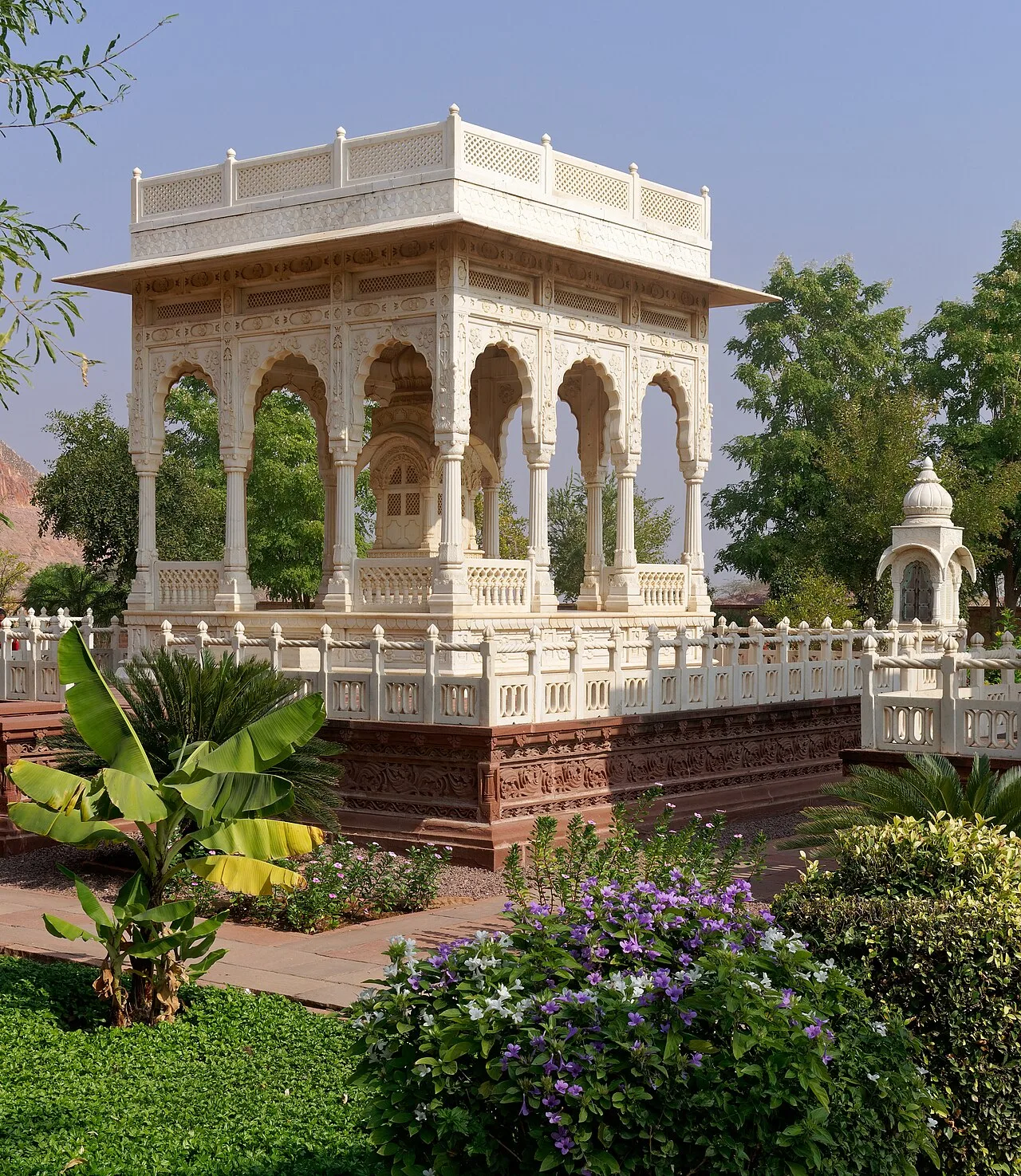
Jaswant Thada is a marble memorial in Jodhpur, Rajasthan, built in honour of Maharaja Jaswant Singh II. Visitors come to see its carved stonework, landscaped grounds and royal portraits.

Mehrangarh

86 km away · Jodhpur district

Mehrangarh

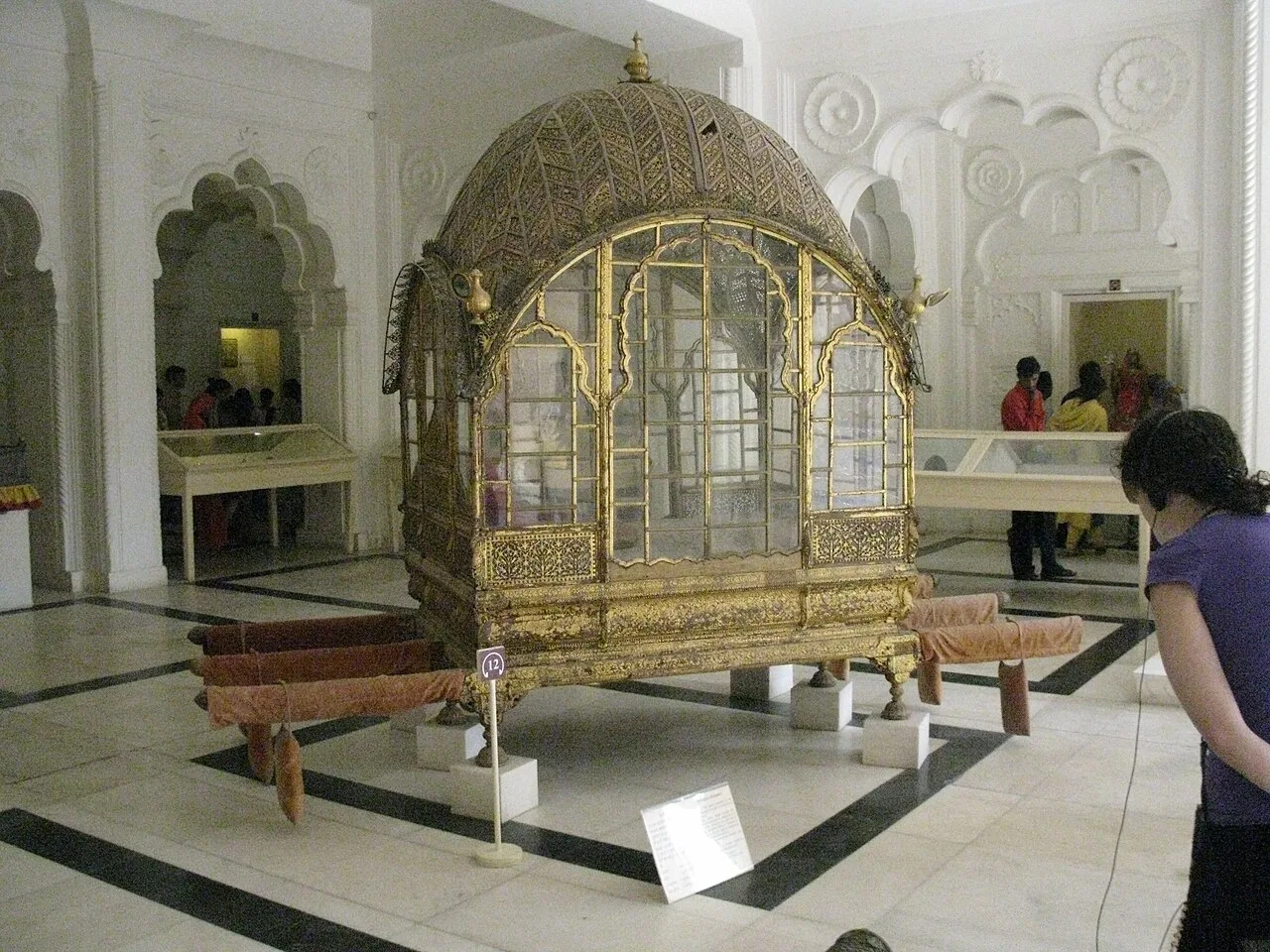
Mehrangarh is a historic hilltop fort in Jodhpur, Rajasthan. Visitors explore its palaces, temple and museum, and see the gates and memorials associated with its history.

Mandore

90 km away · Jodhpur district

Mandore

Mandore is a historic settlement and suburb in Rajasthan’s Jodhpur district, about nine kilometres north of Jodhpur. Visitors may be drawn by its historical character and proximity to the city.

Map

Marwar Junction on the map

  1. 1Kumbhalgarh
  2. 2Ranakpur Jain temple
  3. 3Salawas
  4. 4Rajsamand Lake
  5. 5Umaid Bhawan Palace
  6. 6Jaswant Thada
  7. 7Mehrangarh
  8. 8Mandore

Rajasthan

Other cities to explore