Ghumoopedia — Explore, Discover, Experience
Sign in

City guide · Rajasthan

Merta Road

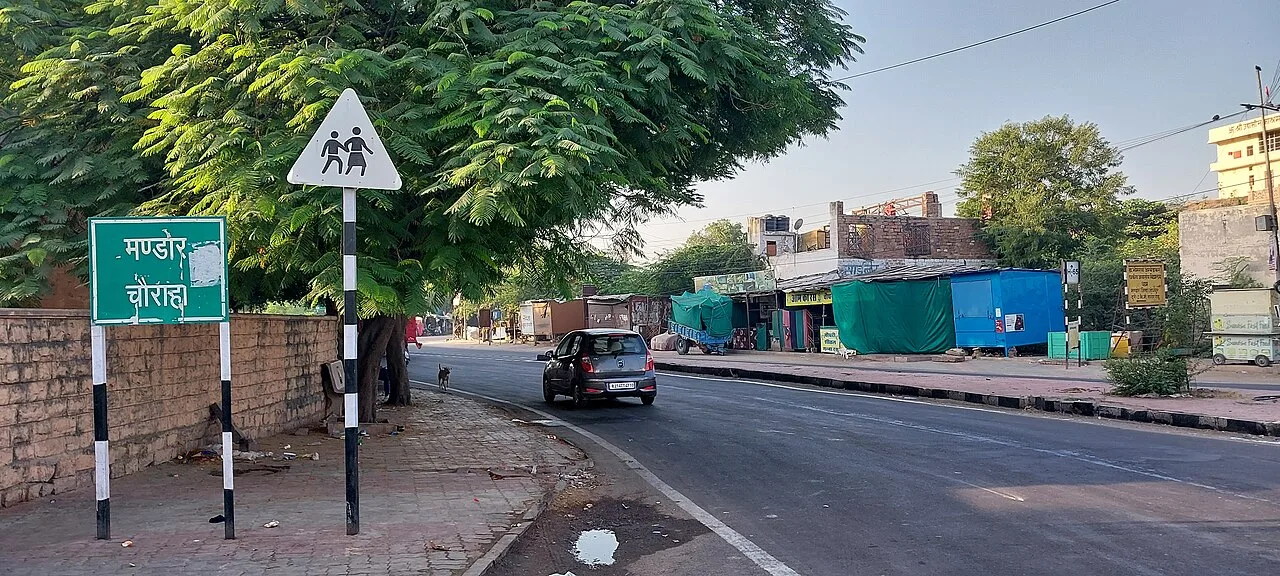
Merta Road is a railway town in Rajasthan’s Nagaur district, best understood as a transport gateway to the historic city of Merta. Its junction connects travellers with towns across the region, while the nearby city offers a deeper look at Marwar’s history and religious traditions.

Famous for

  • Merta Road Junction
  • Meera Bai heritage
  • Malkot Fort
  • Chaturbhuj Ji Temple

Why Merta Road matters

Merta Road is a railway town in Rajasthan’s Nagaur district, best understood as a transport gateway to the historic city of Merta. Its junction connects travellers with towns across the region, while the nearby city offers a deeper look at Marwar’s history and religious traditions. Merta Road and Merta City are separate settlements, so visitors should allow for a road journey between the station and the heritage sites.

The area is closely associated with Meera Bai, the poet and Krishna devotee whose life and songs remain an important part of Rajasthan’s cultural memory. In Merta City, visitors can explore the Mira Mahal Museum, Malkot Fort and the Chaturbhuj Ji Temple. The town is also a practical base for people travelling through the agricultural hinterland and smaller historic settlements of Nagaur district. Its appeal lies less in a concentrated tourist district than in its role as a rail-connected entry point to Merta’s layered past, temples and local markets.
Famous for: crafts, trade & products

Merta Road is not widely known for a signature textile, handicraft or GI-tagged product. Its clearest contemporary role is as a railway junction serving Nagaur district and the surrounding rural region. Local shops cater mainly to residents and travellers, with everyday goods and regional food rather than a specialised tourist bazaar. The nearby Merta City has a larger local market serving surrounding villages, including trade in agricultural produce and daily necessities.

Visitors looking for the area’s distinctive heritage should head to Merta City rather than expect it around the station. The Mira Mahal Museum preserves objects and memories associated with Meera Bai, while Malkot Fort and Chaturbhuj Ji Temple connect the town with its Mertiya Rathore history. These sites are cultural landmarks, not craft-shopping centres. For locally made goods or regional produce, browse the town’s ordinary shops and market streets, checking directly with sellers about origin and availability. There is no single documented product that defines Merta Road as a shopping destination.

History

The historic settlement now called Merta City was known in earlier times as Medantaka. Nagabhatta of the Pratihar dynasty established his power there, and the town later came under Alauddin Khilji’s control. In a later phase, Rao Jodha of Marwar granted Merta to his son Rao Duda. Duda’s descendants became known as the Mertiya Rathores; he is also associated with a palace, the Chaturbhuj Ji Temple and Dudasar Pond.

Merta changed hands as Marwar’s rulers expanded their influence. Rao Maldev annexed it and built Malkot Fort; after the Battle of Sammel, Sher Shah took control before it returned to Maldev. Meera Bai, related to the Mertiya ruling family, gave the town a lasting place in devotional literature. Merta’s estate was eventually absorbed into Jodhpur State, which was a princely state under British paramountcy. In modern times, the railway junction at Merta Road has shaped the area’s connections and role as a regional access point.

Food, festivals & culture

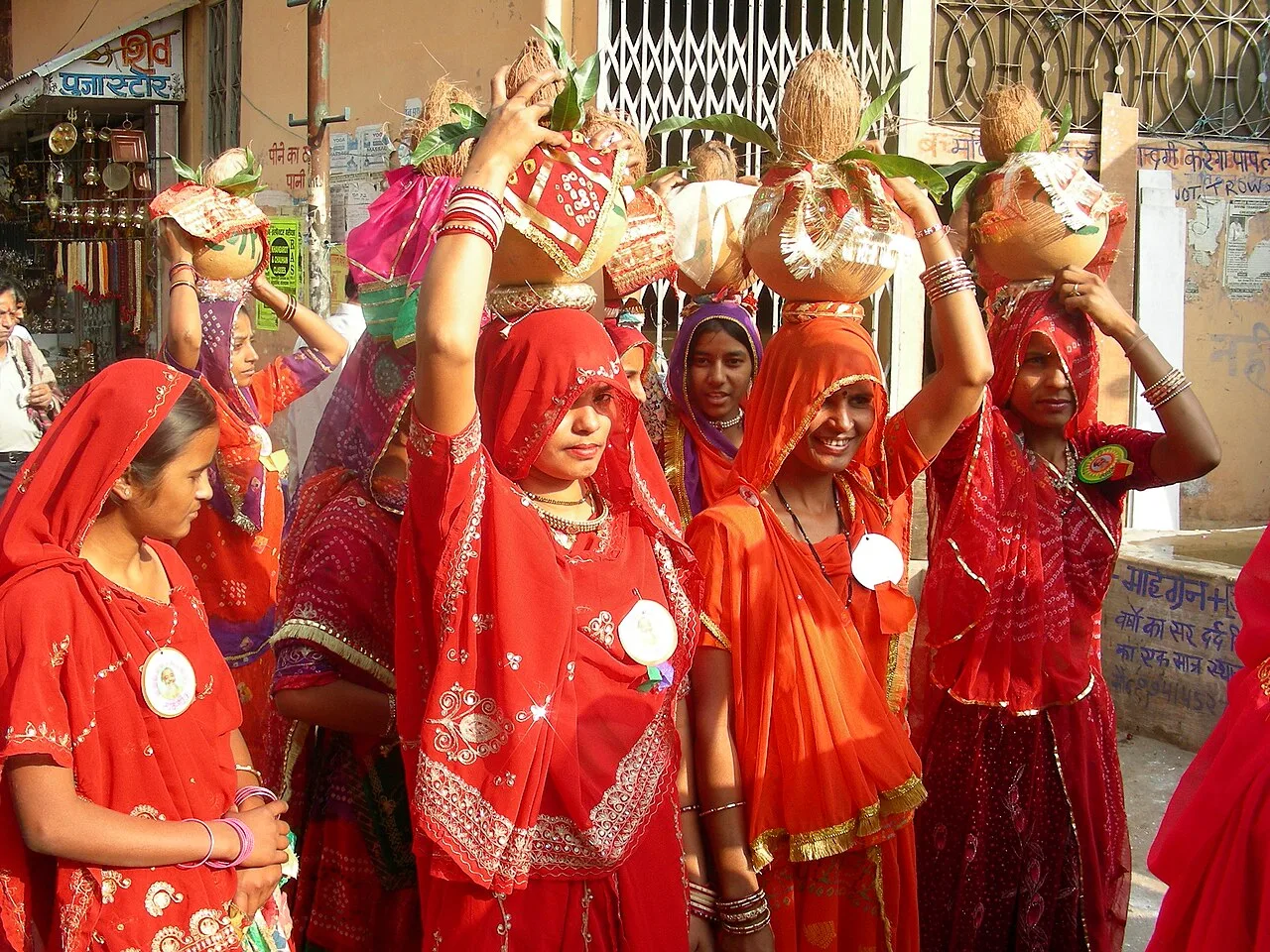
Marwari and Hindi are widely used in the area, and local customs reflect the wider culture of Rajasthan’s Marwar region. Everyday meals may include bajra roti, dal, gatte and seasonal preparations such as ker sangri. Sweets such as ghewar are especially associated with festive occasions, though food offerings and menus vary between households and shops.

Holi and Diwali are observed across the region; Gangaur and Teej bring seasonal celebrations, while Janmashtami has particular resonance in a place linked with Meera Bai’s devotion to Krishna. Devotional singing, bhajans and folk music are part of religious gatherings and festivals. Merta City’s Chaturbhuj Ji Temple is a key place of worship, and the Mira Mahal Museum offers context for the area’s Meera Bai tradition. Malkot Fort provides a historic setting rather than an active festival venue. Visitors should dress respectfully at temples and ask before photographing worshippers or ceremonies.

Visiting the city

The cooler months, roughly October to March, are generally the most comfortable for exploring; summer afternoons can be very hot. Merta Road Junction is the main railway station for the area. Kishangarh Airport, near Ajmer, is a practical air gateway, while Jodhpur Airport is another option; onward travel is by road. Confirm current routes locally, as connections and journey times can change.

Auto-rickshaws and local taxis can help with short trips, while a hired car is convenient for visiting Merta City and nearby sites. The station precinct is useful for arrival and basic services, but the main heritage stops are in Merta City, including Malkot Fort, Chaturbhuj Ji Temple and Mira Mahal Museum. Explore the old-town streets and local market there, allowing time for the road transfer from Merta Road.

Trips from the city

Nearest places to visit from Merta Road

Our closest destination guides, by straight-line distance.

Brahma Temple

68 km away · Ajmer district

Brahma Temple

Located in Pushkar, Rajasthan, the Brahma Temple is a Hindu shrine near Pushkar Lake and among India’s few temples for Brahma. Pilgrims especially gather there on Kartik Poornima.

Pushkar Lake

68 km away · Ajmer district

Pushkar Lake

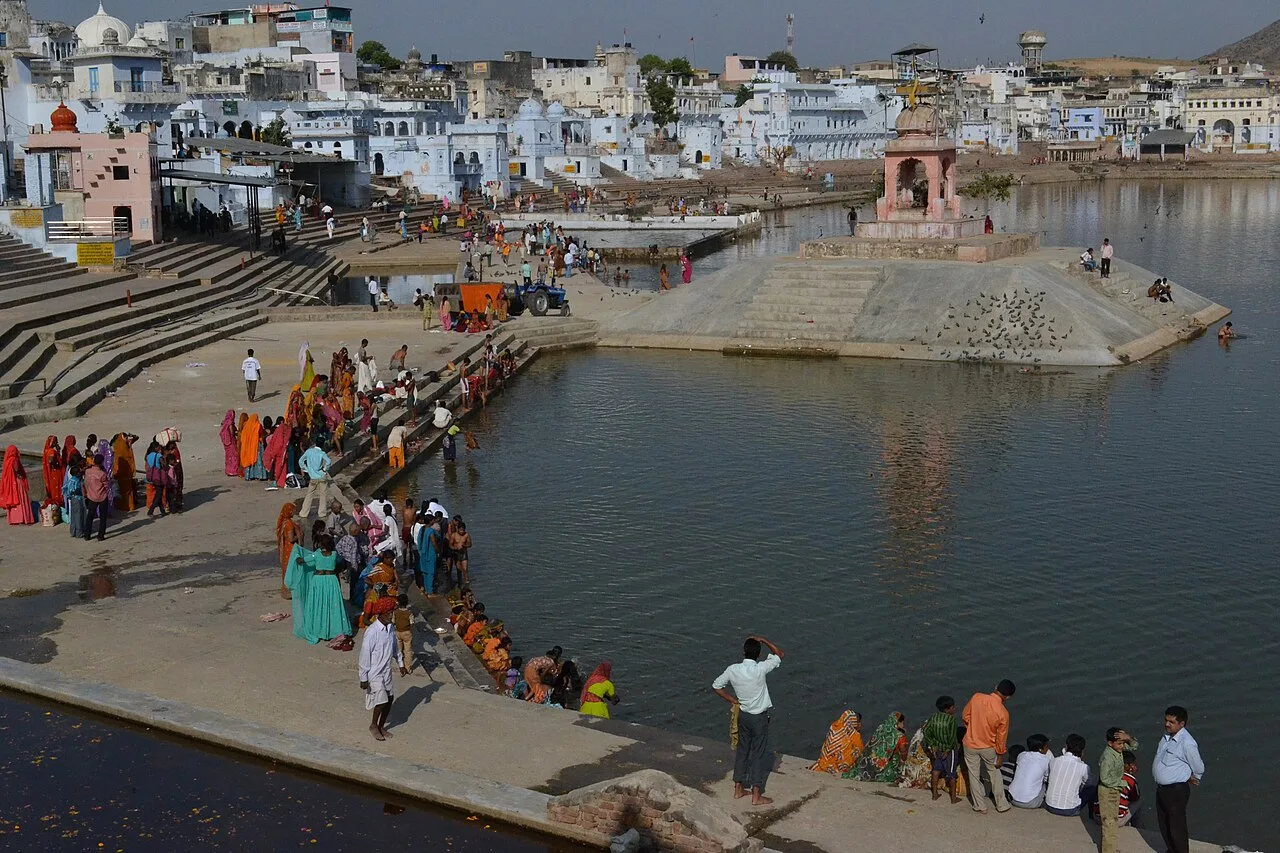
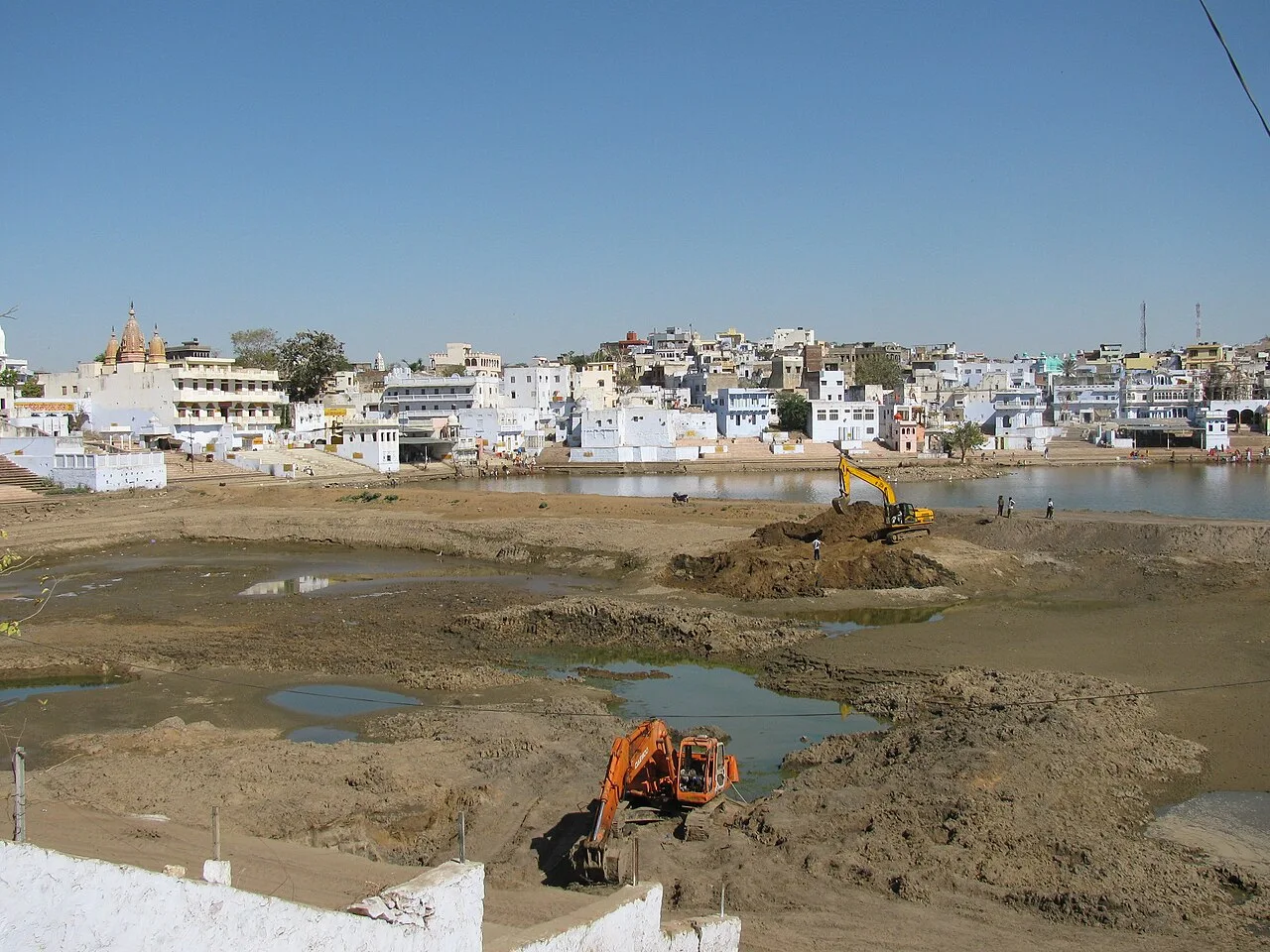
Pushkar Lake, also called Pushkar Sarovar, is a sacred lake in Rajasthan’s Ajmer district. Pilgrims come to bathe at its ghats, especially around Kartik Poornima, when the Pushkar Fair takes place.

Pushkar

69 km away · Ajmer district

Pushkar

Pushkar is a historic pilgrimage town in Rajasthan, centred on a sacred lake and temples, including one of the few shrines to Brahma. Visitors come for worship, ritual bathing and its heritage.

Adhai Din Ka Jhonpra

76 km away · Ajmer district

Adhai Din Ka Jhonpra

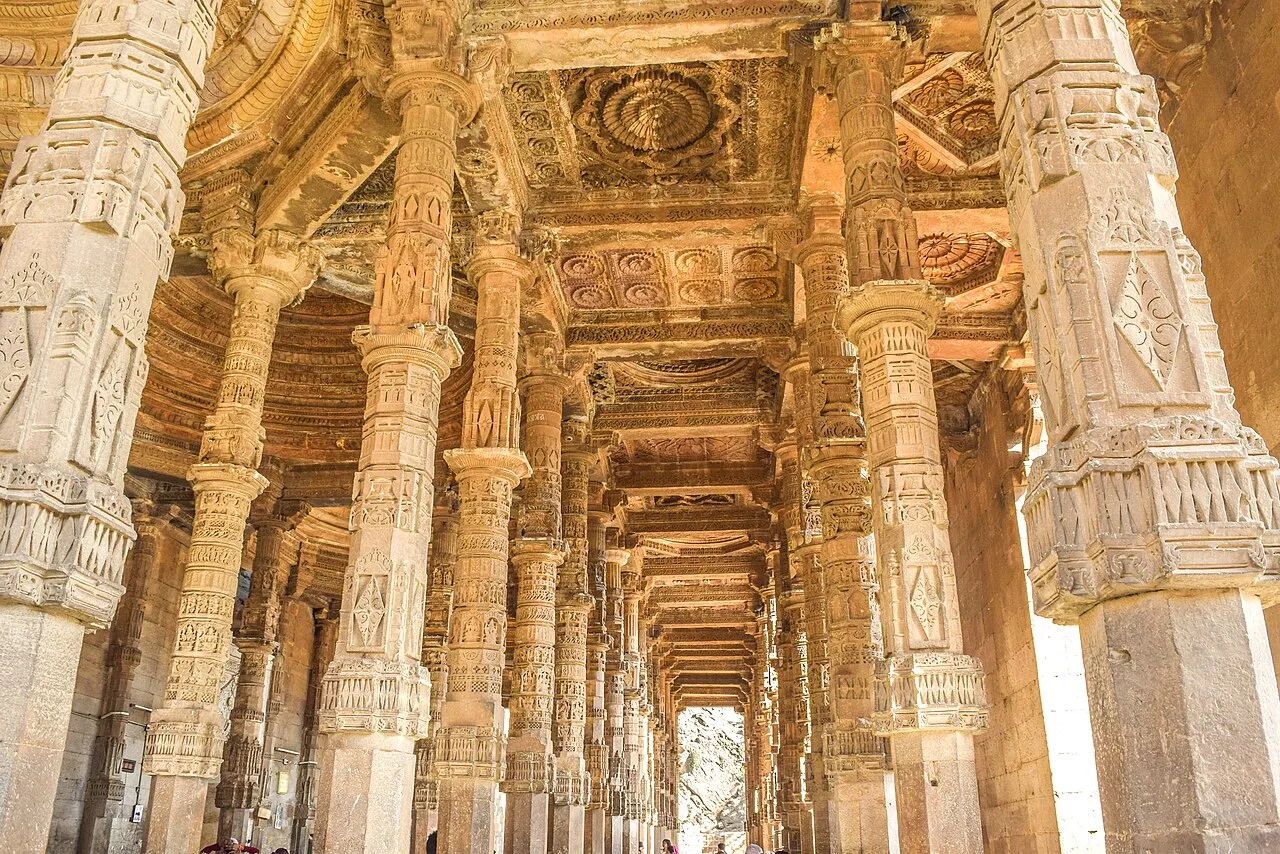
This former mosque in Ajmer, Rajasthan, is among India’s oldest mosques and the city’s oldest surviving monument. Visitors come to see its early Indo-Islamic design and its Hindu, Jain and Islamic architectural elements.

Ana Sagar Lake

76 km away · Ajmer district

Ana Sagar Lake

Ana Sagar is a man-made lake in Ajmer, Rajasthan, associated with its builder Arnoraja, also called Ana. Visitors come to see this historic water body, which extends across 13 km.

Taragarh Fort, Ajmer

76 km away · Ajmer district

Taragarh Fort, Ajmer

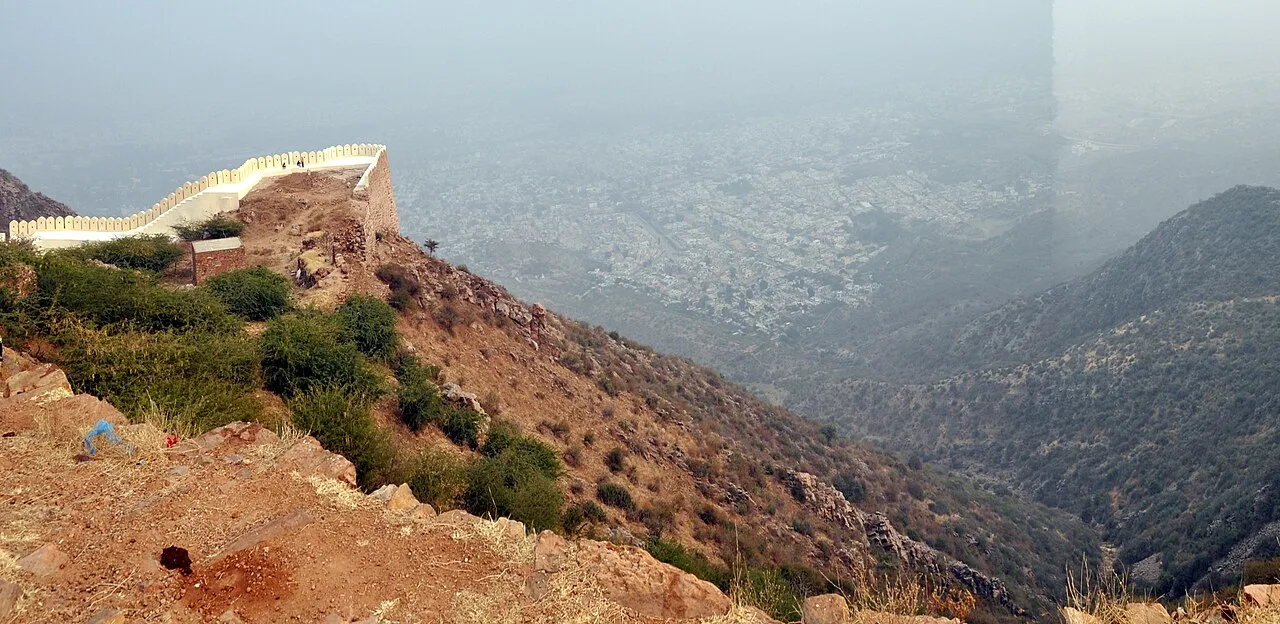
Set on a steep slope in Ajmer, Rajasthan, Taragarh Fort is a historic stronghold associated with the Parmar Rajputs and Ajayaraja Chauhan. Visitors come to see the fortress and learn about its earlier name, Ajaymeru Durg.

Shrine of Mu'in al-Din Chishti

77 km away · Ajmer district

Shrine of Mu'in al-Din Chishti

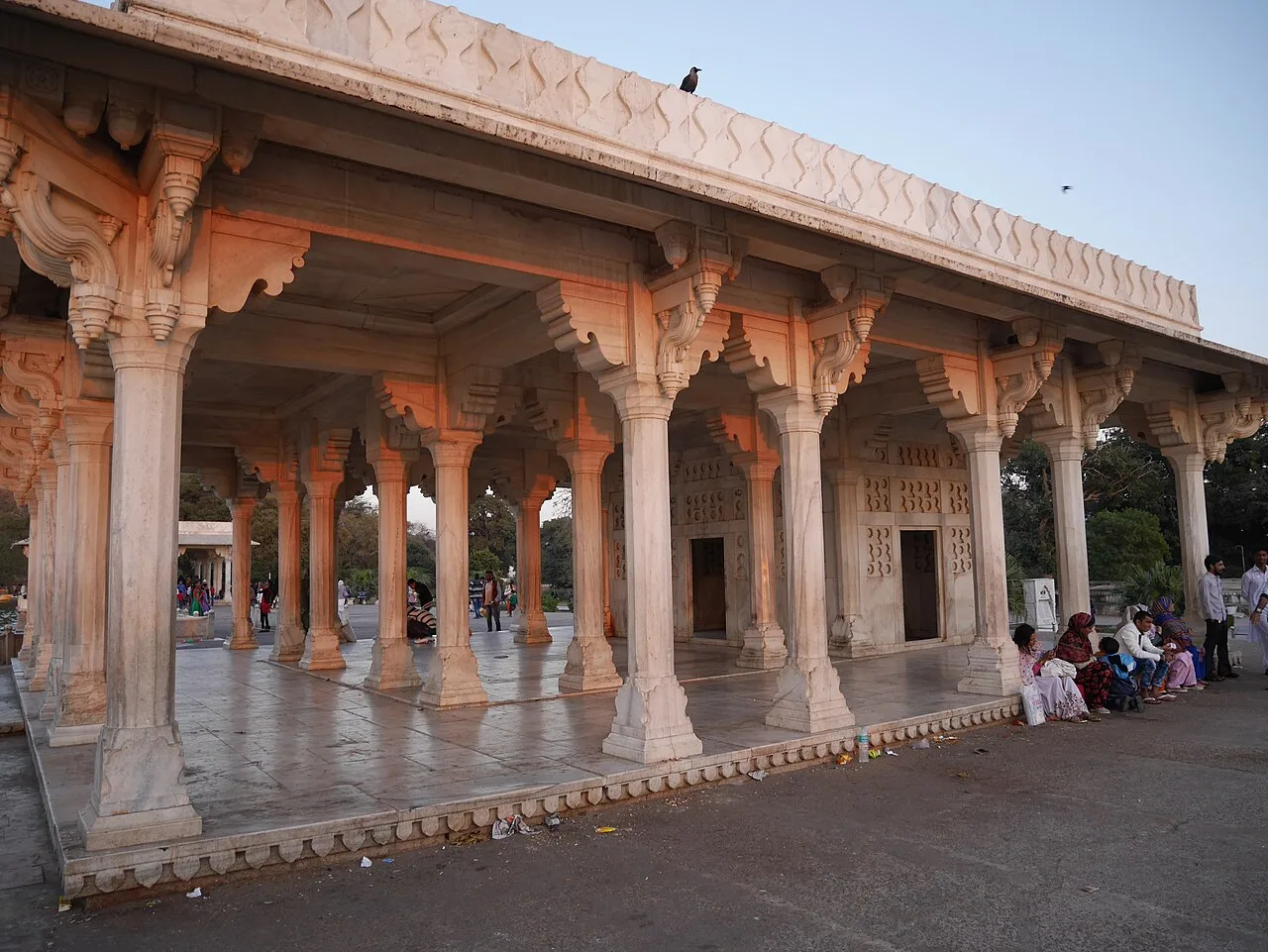
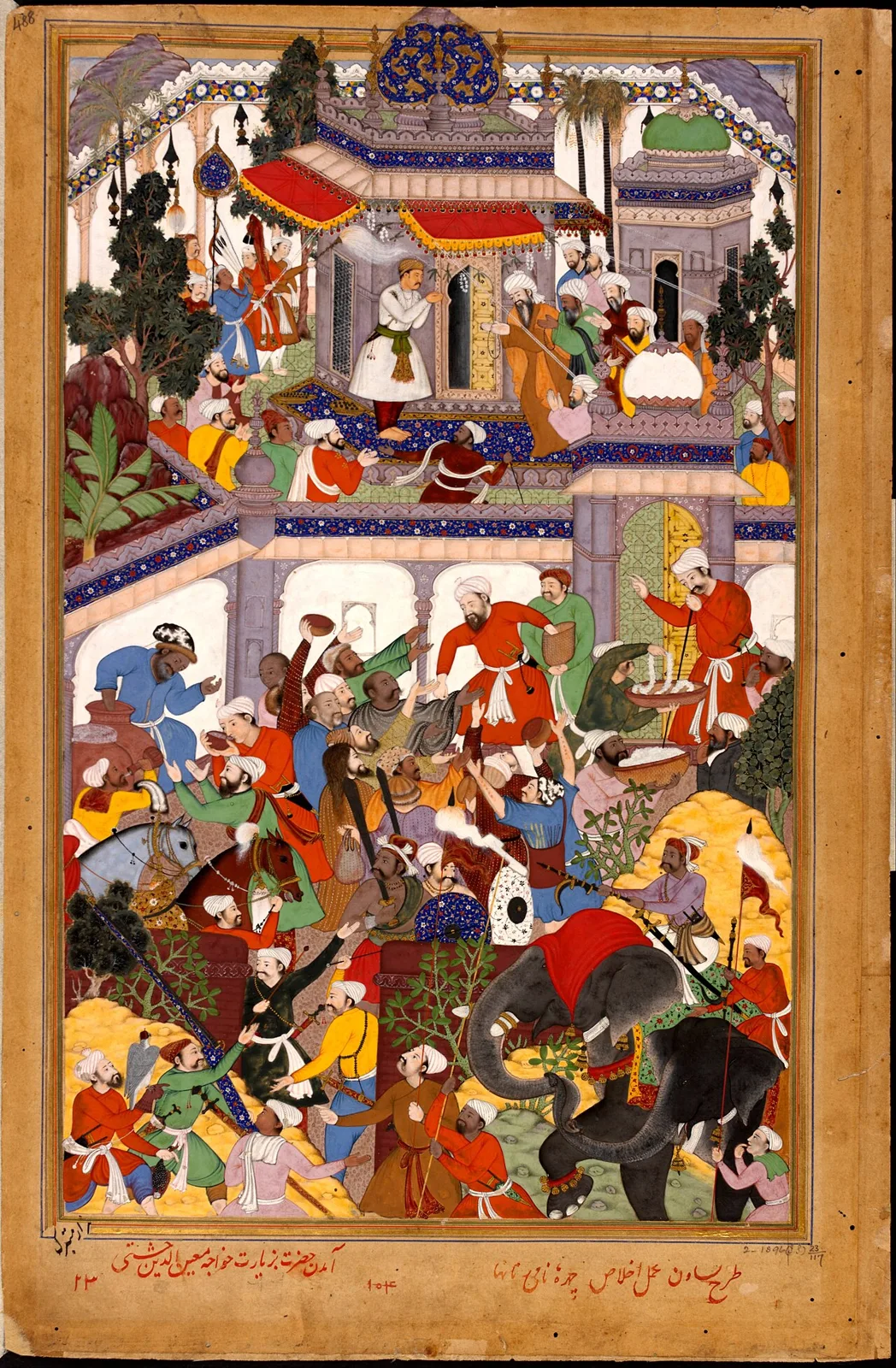
A Sufi pilgrimage complex in Ajmer, Rajasthan, centred on Mu'in al-Din Chishti’s shrine and including tombs and a mosque. Sunni Muslims visit in large numbers, particularly for Chishti’s urs.

Mandore

97 km away · Jodhpur district

Mandore

Mandore is a historic settlement and suburb in Rajasthan’s Jodhpur district, about nine kilometres north of Jodhpur. Visitors may be drawn by its historical character and proximity to the city.

Map

Merta Road on the map

  1. 1Brahma Temple
  2. 2Pushkar Lake
  3. 3Pushkar
  4. 4Adhai Din Ka Jhonpra
  5. 5Ana Sagar Lake
  6. 6Taragarh Fort, Ajmer
  7. 7Shrine of Mu'in al-Din Chishti
  8. 8Mandore

Rajasthan

Other cities to explore