Ghumoopedia — Explore, Discover, Experience
Sign in
Ranakpur Jain temple, near Rani

City guide · Rajasthan

Rani

Rani is a town and tehsil headquarters in Pali district, serving as a local centre for trade, transport and industry in this part of Rajasthan. Its railway station connects the town with the Ahmedabad–Delhi rail corridor and helps make Rani a practical base for travel to nearby settlements and religious sites.

Famous for

  • Mahaveer Bazaar sarees
  • Marble and stone trade
  • Iron and farm tools
  • Sai Dham Temple
  • Shri Astapadh Jain Tirth
Plan a tripHotels near Rani

Why Rani matters

Rani is a town and tehsil headquarters in Pali district, serving as a local centre for trade, transport and industry in this part of Rajasthan. Its railway station connects the town with the Ahmedabad–Delhi rail corridor and helps make Rani a practical base for travel to nearby settlements and religious sites. The seasonal Sukri River, a tributary of the Luni, runs through the surrounding landscape.

Visitors can explore Sai Dham Temple and Shri Astapadh Jain Tirth in Rani, or make excursions to Jain temples near Varkana and the Ashapura Mata Temple at Dadai. The town is divided between Rani Station and Rani village, about three kilometres away; the latter is known for its small fort and its setting among hills. Rani is also recognised locally for its busy markets, stone and marble trade, ironworking and agricultural implements. Its mix of railway-town bustle, regional commerce and nearby places of worship makes it useful both as a destination and as a stopping point in the Pali region.
Famous for: crafts, trade & products

Rani’s best-known shopping area is Mahaveer Bazaar, on the eastern side of the railway line in Rani Station. Its shops deal in sarees and dress materials, jewellery and everyday provisions. Across the tracks, Pratap Bazaar is associated with bus and taxi services, transport, trade and industrial activity. These markets serve residents and visitors from surrounding villages as well as people passing through by rail.

The town and its industrial area are known regionally for marble and other stone, iron products, construction steel and farm tools such as spades. Small-scale industry has been part of Rani’s development, with local accounts recognising Late Shri Nathraj Hingarh for his contribution to this sector. Sweets and kachoris are among the foods associated with the town, though Rani is not identified here with a particular protected or GI-tagged product. For visitors, Mahaveer Bazaar is the most convenient place to browse textiles and jewellery, while the industrial side of Rani Station reflects the town’s working trade economy. Ask locally about access before visiting workshops or production areas.

History

Rani developed as a railway and market town in the former Bombay, Baroda and Central India Railway network. The station became an important connection on the Ahmedabad–Delhi rail route, helping trade and movement grow around it. Local accounts recall that around 1940 Rani was the only railway station on the BB&CI line in its immediate area. The settlement now has two distinct centres: Rani Station, with its markets and industrial activity, and Rani village, roughly three kilometres away, where a small fort stands.

A local tradition tells of Mamaji, a revered local figure, whose temple area was said to have prevented the British from laying railway track there. This is best understood as a community legend rather than a documented account of railway construction. In the modern period Rani has served as a municipal town and tehsil headquarters in Pali district. Its rail access, markets and small-scale industries—especially stone and iron-related work—continue to shape its role in the region.

Food, festivals & culture

Rani’s everyday food reflects the wider flavours of Rajasthan. Kachoris and local sweets are among the town’s familiar treats, while market shops and eateries cater to residents, traders and rail travellers. Hindi and Rajasthani, including Marwari, are commonly heard in the area. Folk music and dance traditions of Rajasthan form part of the wider cultural setting, particularly during community celebrations and family occasions.

Diwali in autumn and Holi in spring are widely observed, alongside regional festivals such as Gangaur in spring. Jain observances, including Paryushan, are important to visitors and worshippers connected with the area’s Jain shrines. Places of worship include Sai Dham Temple and Shri Astapadh Jain Tirth in Rani, as well as the nearby Jain temples around Varkana. The Ashapura Mata Temple at Dadai, set on a hill, is another regional pilgrimage destination. These sites give the town and its surroundings a religious character alongside their busy commercial life.

Visiting the city

The cooler months, roughly October to March, are generally the most comfortable for exploring Rani and its surrounding hills. Rani railway station is the main railhead, on the Ahmedabad–Delhi route. The nearest major airport is Maharana Pratap Airport at Udaipur; Jodhpur Airport may also be considered depending on the onward journey. Check current connections before travel.

Rani Station is the practical base for markets and transport. Walk through Mahaveer Bazaar east of the railway line and Pratap Bazaar to the west, then visit Rani village, about three kilometres away, for its fort and rural setting. Local taxis and buses can help with trips to Sai Dham, Varkana and Dadai; arrange transport locally for sites outside town. The hill country around Dadai and nearby villages is best explored in daylight.

Trips from the city

Nearest places to visit from Rani

Our closest destination guides, by straight-line distance.

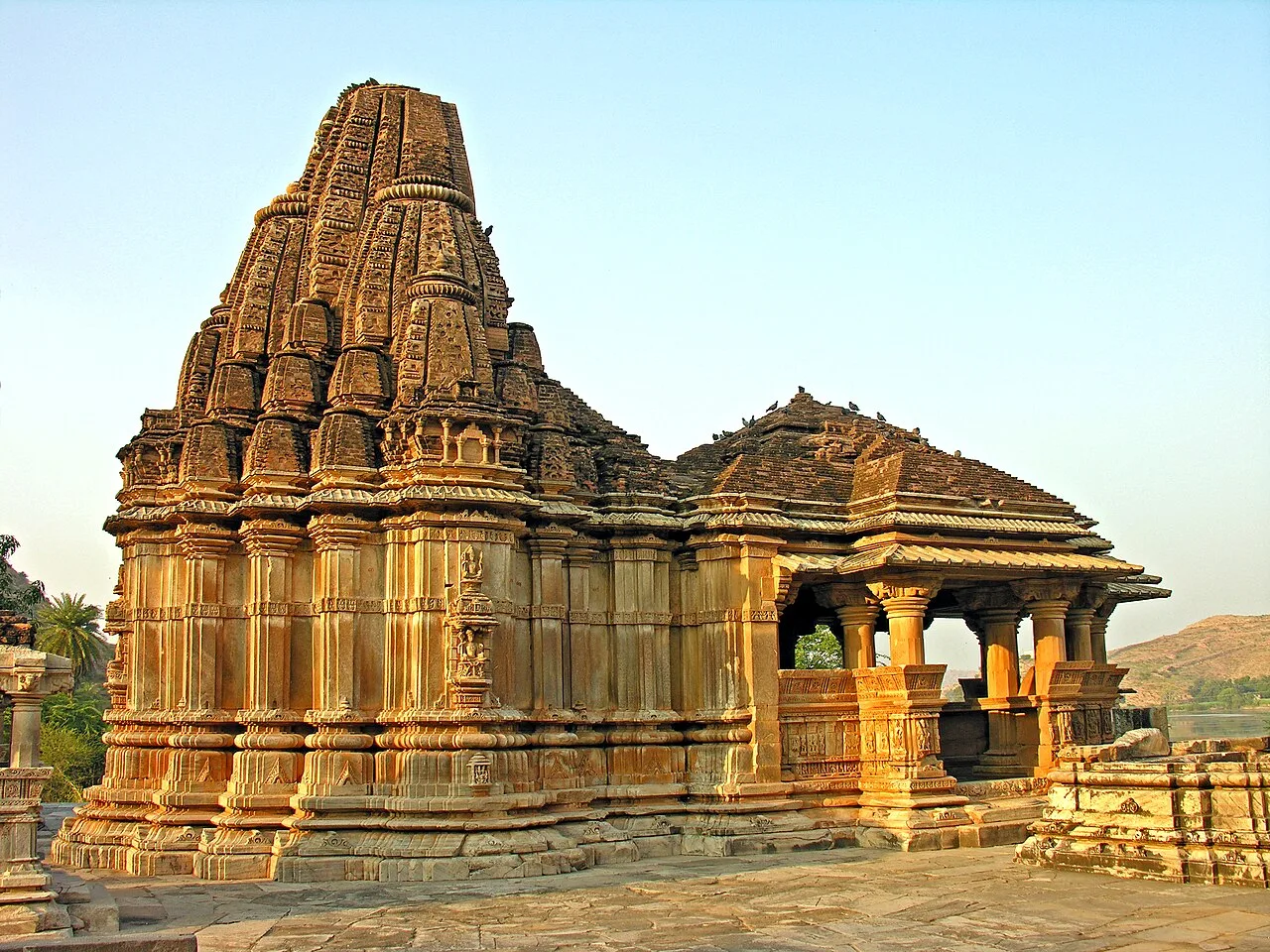
Ranakpur Jain temple

31 km away · Pali district

Ranakpur Jain temple

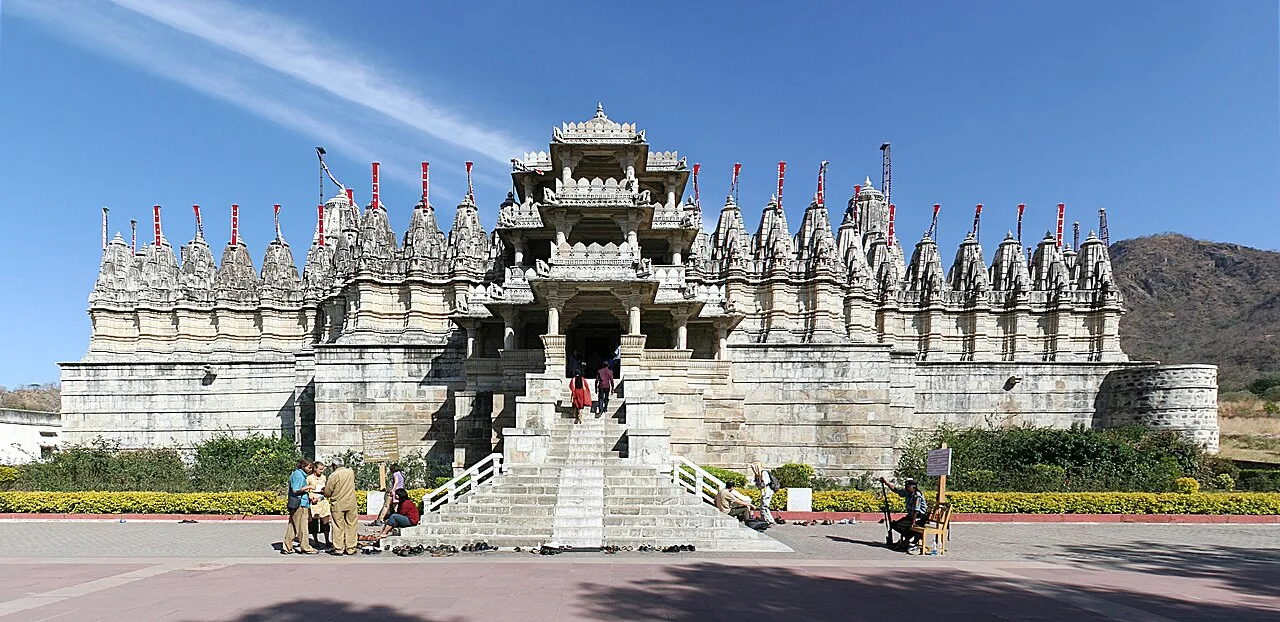
The Ranakpur Jain temple, also known as Chaturmukha Dharana Vihara, is a Śvētāmbara shrine devoted to Rishabhanatha. Jain pilgrims visit this important religious site and its group of associated temples.

Kumbhalgarh

35 km away · Rajsamand district

Kumbhalgarh

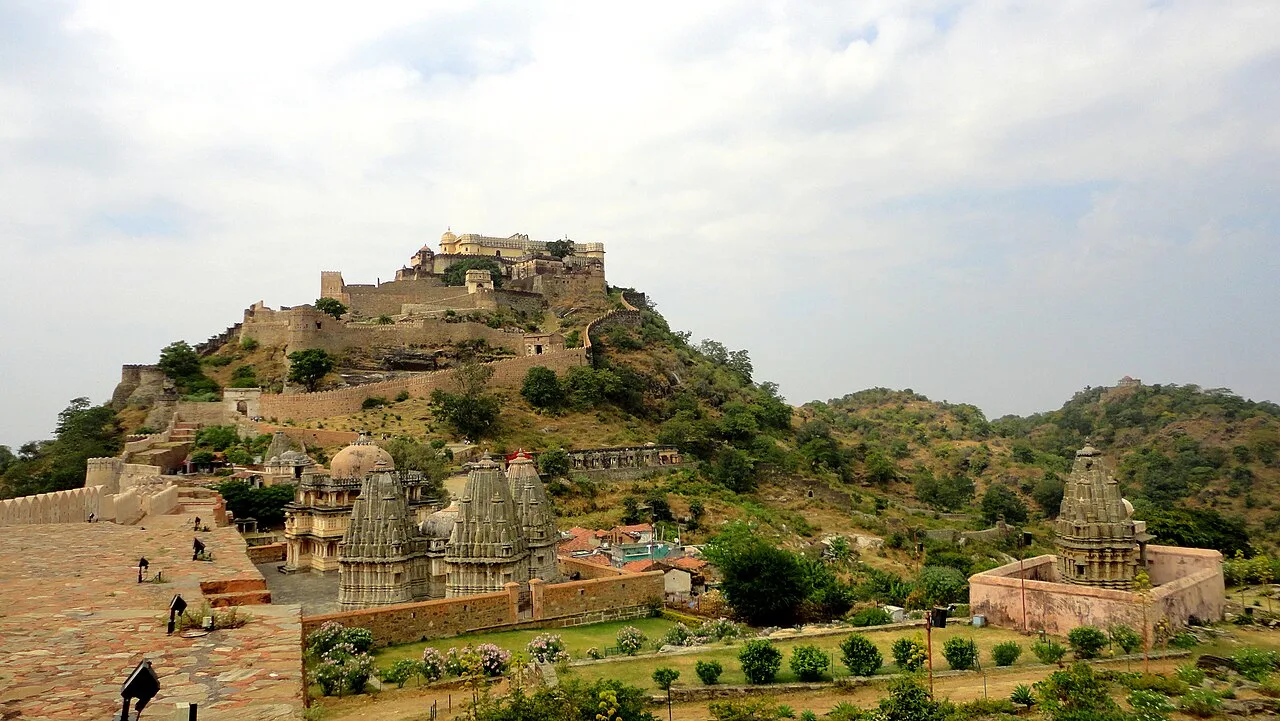
Kumbhalgarh, often called the Great Wall of India, is a 15th-century fortress in Rajasthan’s Aravalli Hills, visited for its fortifications, historical associations and UNESCO World Heritage status.

Haldighati

64 km away · Rajsamand district

Haldighati

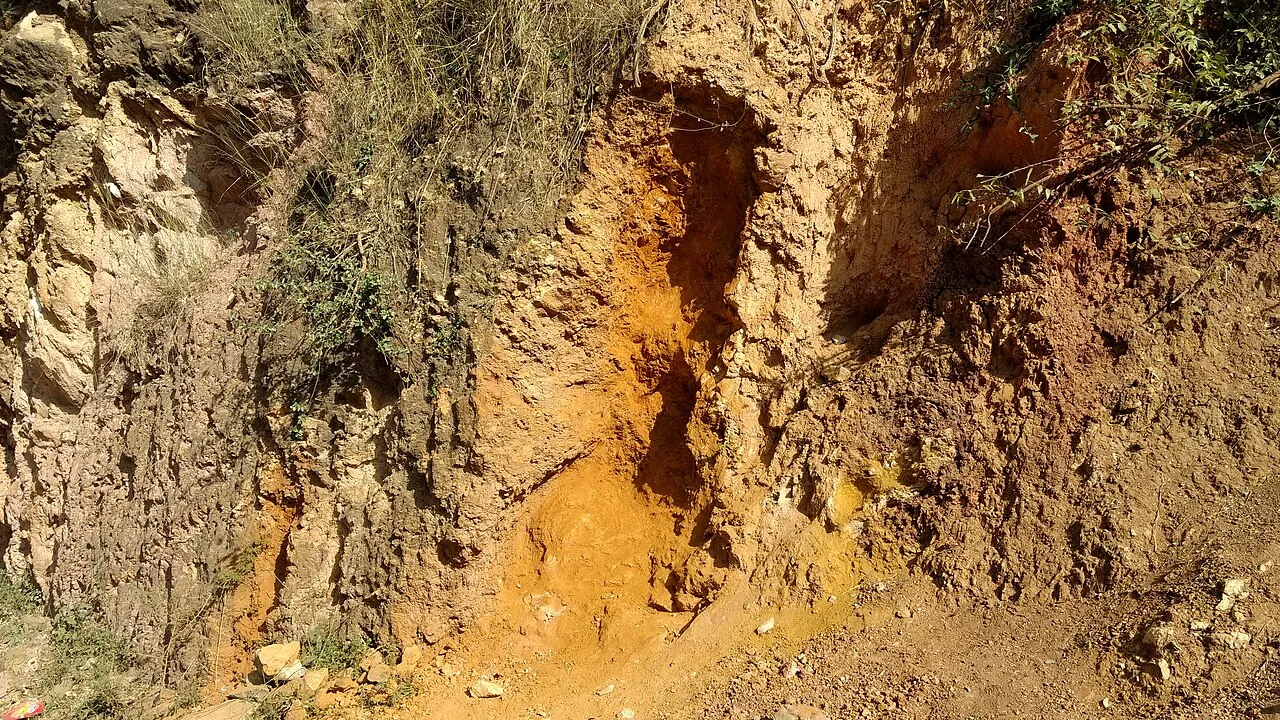
Haldighati is a historic route through Rajasthan’s Aravalli hills, connecting the Rajsamand and Udaipur districts. Visitors come to learn about its past and see the yellow soil associated with its name.

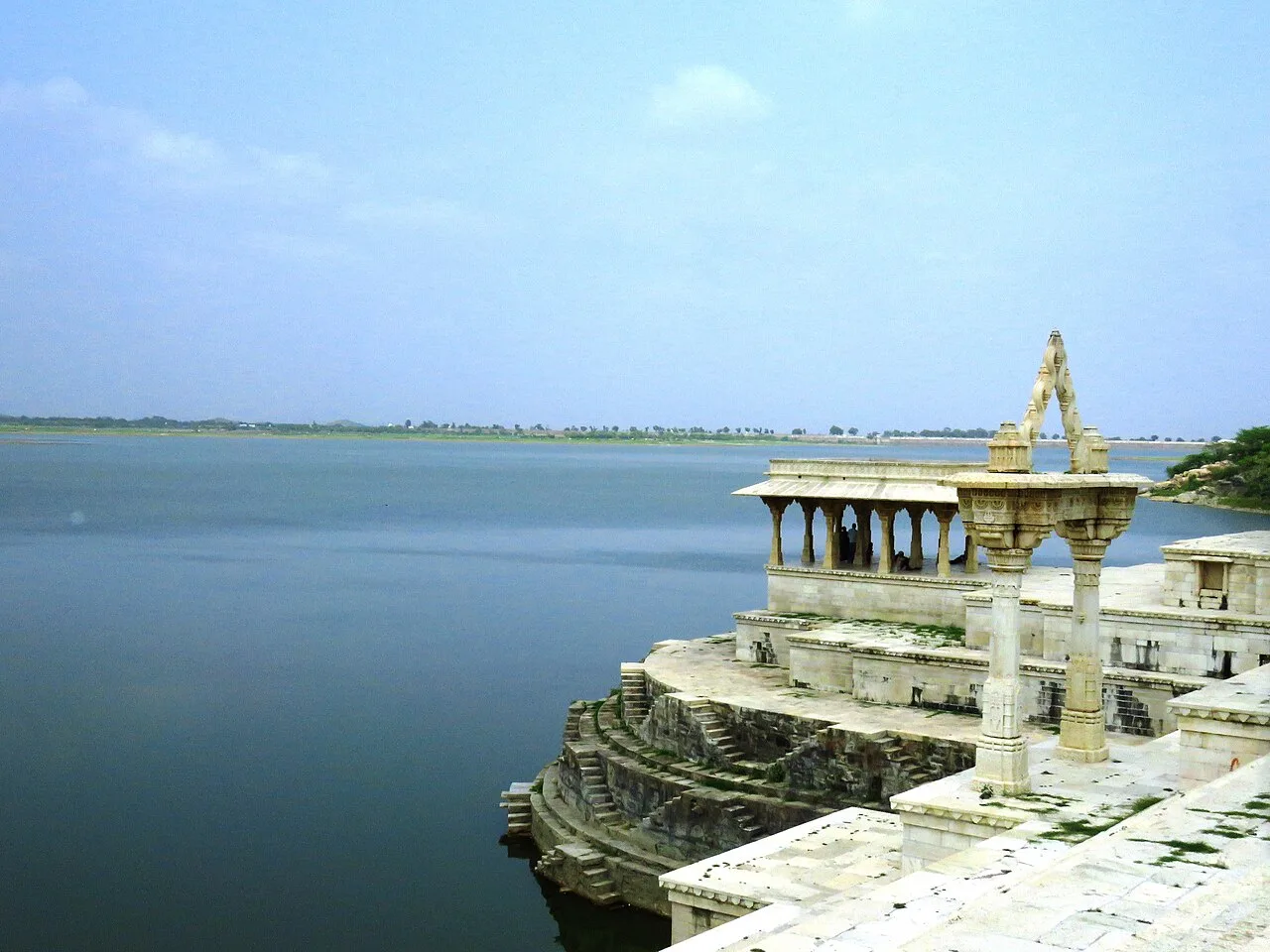
Rajsamand Lake

65 km away · Rajsamand district

Rajsamand Lake

A large reservoir in Rajasthan’s Rajsamand district, Rajsamand Lake is also called Rajsamudra. Visitors come to see its scale and the historic work associated with Rana Raj Singh.

Nathdwara

70 km away · Rajsamand district

Nathdwara

Nathdwara is a city in Rajasthan known for its Shrinathji shrine and its place in the Vaishnavite Pushti Marg tradition, drawing devotees from Rajasthan, Gujarat and beyond.

Eklingji

79 km away · Udaipur district

Eklingji

Eklingji is a Hindu temple complex in Kailashpuri, Rajasthan, associated with Mewar’s ruling deity. People visit to worship the god revered by the region’s royal house.

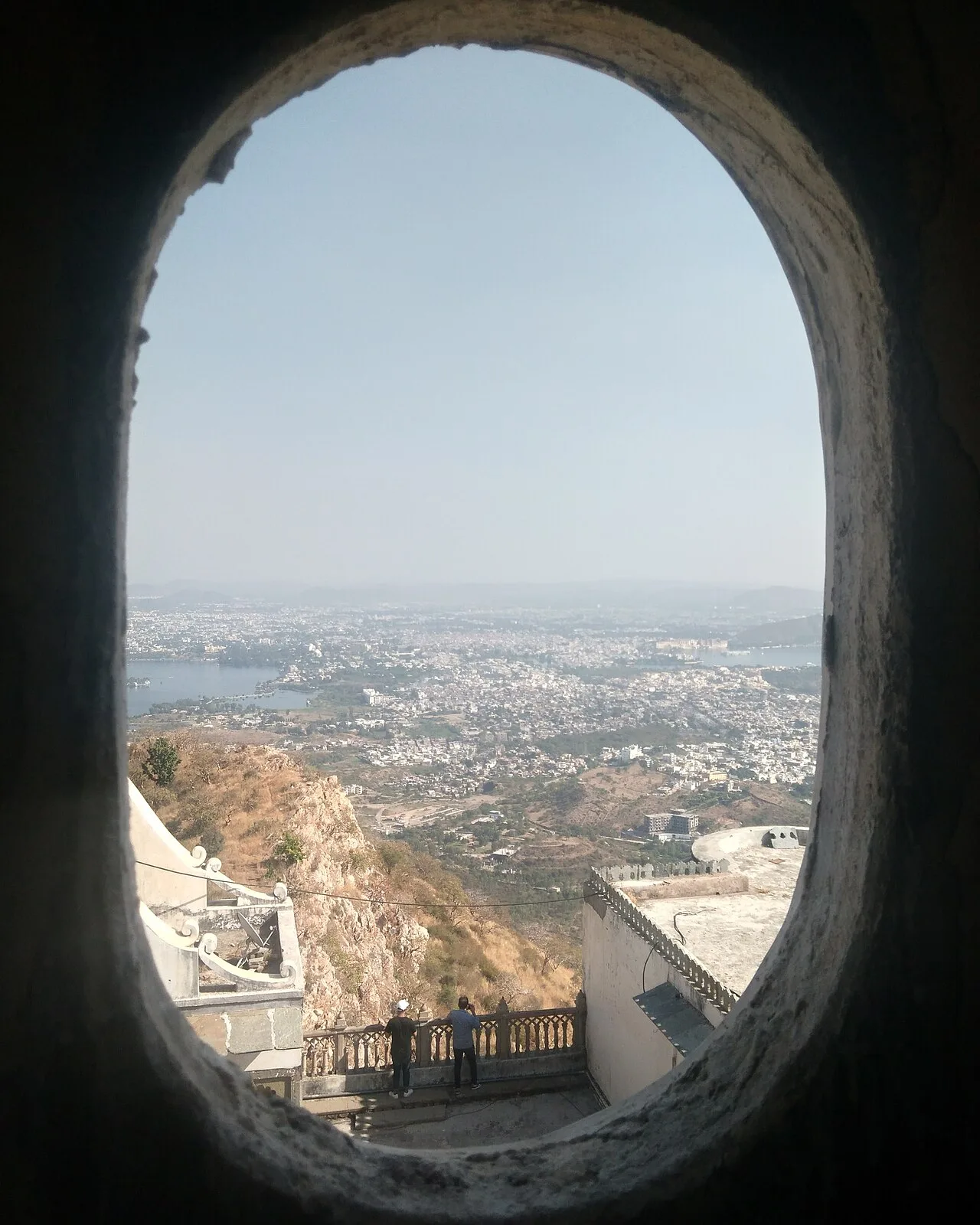
Monsoon Palace

90 km away · Udaipur district

Monsoon Palace

Above Udaipur in Rajasthan, Monsoon Palace, also known as Sajjangarh, was built for Maharana Sajjan Singh. Visitors come for its outlook over lakes, palaces and countryside, and for sunset views.

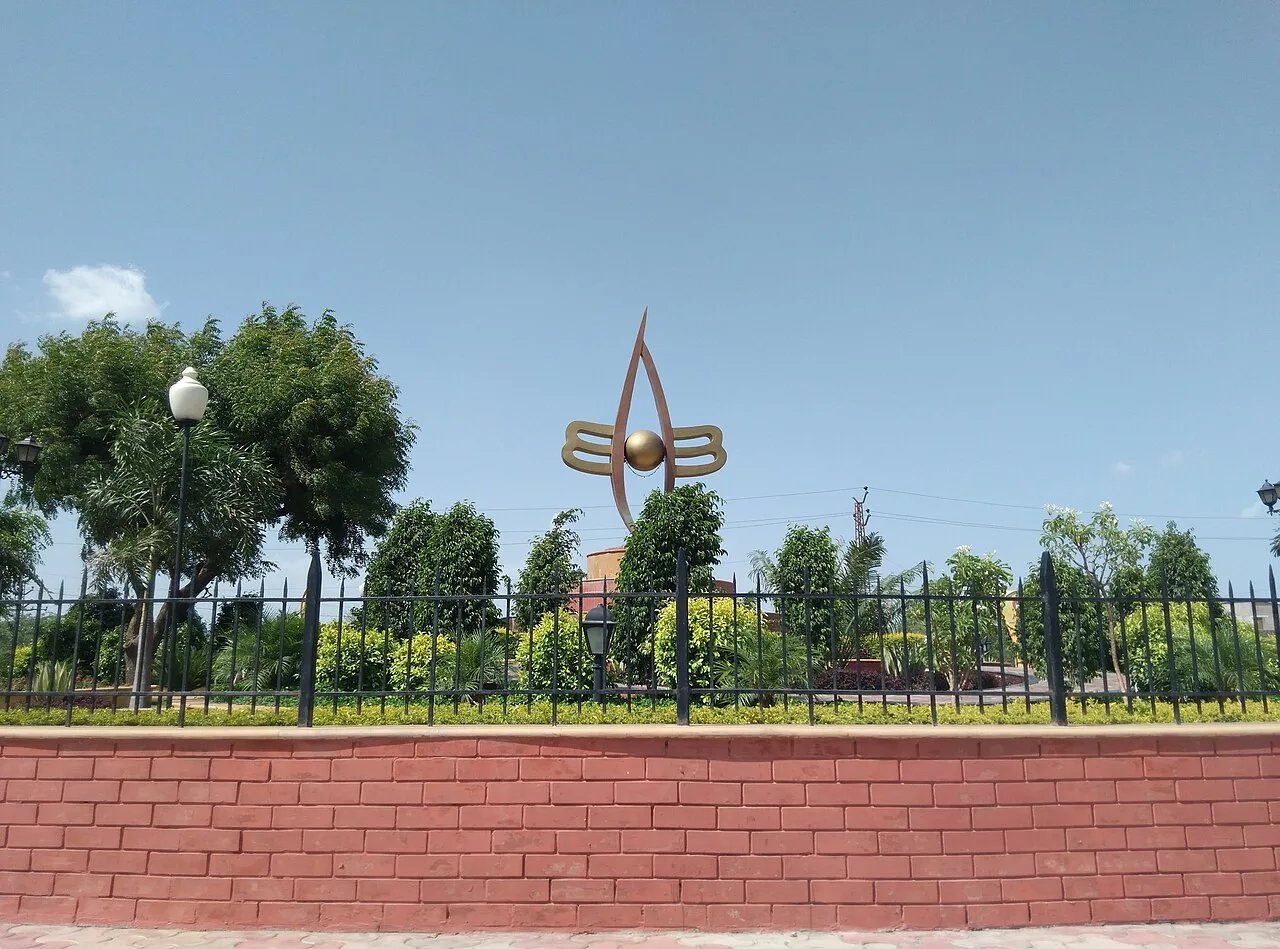
Fateh Sagar Lake

91 km away · Udaipur district

Fateh Sagar Lake

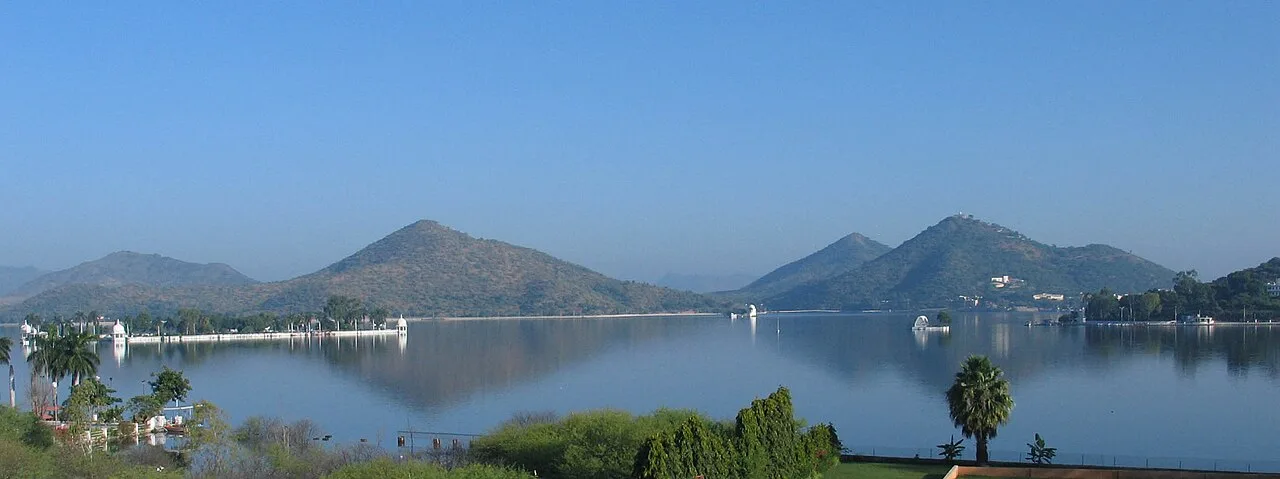
Fateh Sagar Lake is an artificial lake in Udaipur, Rajasthan. Visitors come to see its three islands, including parkland and the Udaipur Solar Observatory, while the lake also serves several water needs.

Map

Rani on the map

  1. 1Ranakpur Jain temple
  2. 2Kumbhalgarh
  3. 3Haldighati
  4. 4Rajsamand Lake
  5. 5Nathdwara
  6. 6Eklingji
  7. 7Monsoon Palace
  8. 8Fateh Sagar Lake

Rajasthan

Other cities to explore