Ghumoopedia — Explore, Discover, Experience
Sign in
Galtaji, near Lalsot

City guide · Rajasthan

Lalsot

Lalsot is a municipal town in Rajasthan’s Dausa district, serving as a commercial and service centre for nearby villages. Its grain mandi is a defining part of local life, linking agricultural producers with traders and buyers from the surrounding area.

Famous for

  • Lalsot grain mandi
  • 1787 Battle of Lalsot
  • Regional agricultural trade
  • Dausa district market town

Why Lalsot matters

Lalsot is a municipal town in Rajasthan’s Dausa district, serving as a commercial and service centre for nearby villages. Its grain mandi is a defining part of local life, linking agricultural producers with traders and buyers from the surrounding area. The town’s shops, markets and municipal services also meet everyday needs for residents across this part of the district.

Lalsot has a place in regional history as the site of a major eighteenth-century clash between Rajput and Maratha forces. The Battle of Lalsot gives the town significance beyond its role in local trade, though it is primarily a working market town rather than a destination known for a large cluster of visitor attractions. Travellers can get a sense of its character by exploring the mandi and central bazaar, and by using it as a base for seeing the settled countryside of eastern Rajasthan. Its importance today rests on this combination of agricultural commerce, local services and a notable historical association.
Famous for: crafts, trade & products

Lalsot is best known locally for its grain mandi, where agricultural produce from the surrounding region enters the town’s trading network. The market is most useful to visitors interested in the everyday workings of a regional trading centre: its activity reflects links between farms, transport, merchants and local shops. The central bazaar offers everyday goods and provisions, rather than a widely recognised specialist shopping quarter.

Lalsot is not especially identified with a signature textile, saree tradition, major handicraft industry or a GI-tagged product. Visitors looking for those kinds of established specialties may find a broader selection in larger Rajasthan cities. In Lalsot, shopping is more likely to centre on practical household purchases and locally traded agricultural goods than on a dedicated tourist craft market. The mandi and bazaar are the most relevant places to explore this commercial character; availability and activity vary with the agricultural season. The town’s trade is an important part of its identity, but individual products should not be assumed to be unique to Lalsot.

History

Lalsot’s most prominent historical association is the Battle of Lalsot, fought in May 1787 between Rajput and Maratha forces. The engagement continued for three days and ended with the Rajputs withdrawing after heavy losses. The battle is a significant episode in the political and military history of eighteenth-century Rajasthan, when regional powers contested influence and territory. It gives the town a historical profile, although the battle itself is not a large, developed visitor attraction today.

In the following centuries, Lalsot formed part of a region shaped by princely-state rule and later by the political changes of the colonial period. Its growth in modern times has been closely connected to its role as a market and service centre for nearby settlements. The grain trade helped anchor that role, while roads, shops and civic services supported daily movement and commerce. Today Lalsot is administered as a municipality within Dausa district, with responsibility for local services and infrastructure such as water provision, sewerage and roads.

Food, festivals & culture

Lalsot shares the food traditions of eastern Rajasthan. Meals commonly draw on wheat and millet breads, lentils, vegetables and spiced preparations; dal baati churma, bajra roti and gatte ki sabzi are familiar regional dishes. Sweets such as ghevar may be found around festive occasions, though offerings vary by shop and season. Hindi is widely used, alongside local Rajasthani speech, and the town’s markets and neighbourhoods are part of its everyday social life.

Holi in spring and Diwali in autumn are widely observed, while Teej and Gangaur bring seasonal traditions associated with Rajasthan. Religious life is expressed through local places of worship, household observances and devotional gatherings. Folk songs, bhajans and regional music are heard at celebrations and community events; performance traditions may be part of larger festival gatherings rather than regular staged shows. Lalsot’s culture is best experienced through its ordinary rhythms—market activity, festival preparations and local food—rather than through a formal visitor-oriented cultural programme.

Visiting the city

The cooler months, roughly October to March, are generally the most comfortable time to visit; summer can be very hot, while monsoon weather may affect road journeys. Jaipur International Airport is the nearest major airport. Dausa railway station is a practical main rail option for reaching Lalsot, with onward travel by road; check current rail and road connections before departure.

Within town, local autos, taxis and buses can help with short journeys, while the central bazaar and grain mandi are easiest to explore on foot once nearby. The market area offers the clearest view of Lalsot’s commercial life, and the older central neighbourhoods provide a sense of the town’s everyday setting. Allow time for onward travel if visiting places beyond the town centre.

Trips from the city

Nearest places to visit from Lalsot

Our closest destination guides, by straight-line distance.

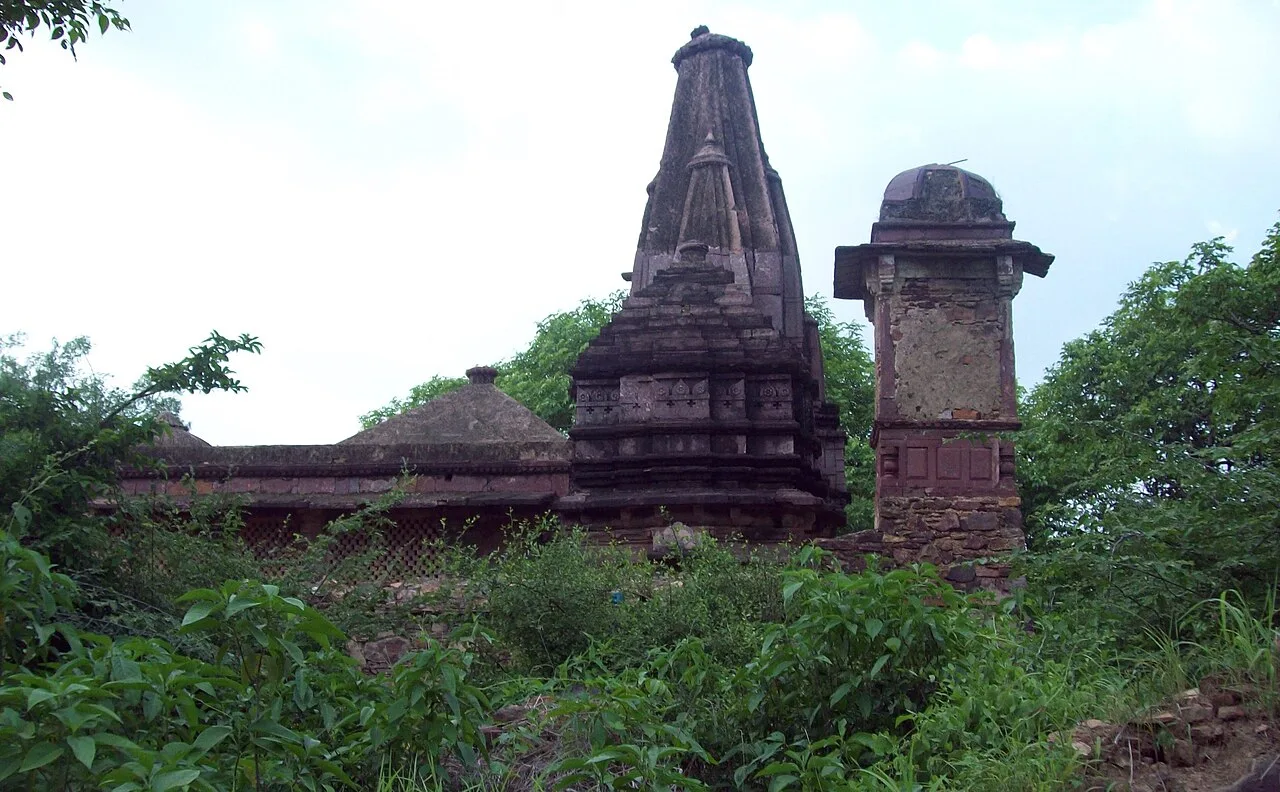
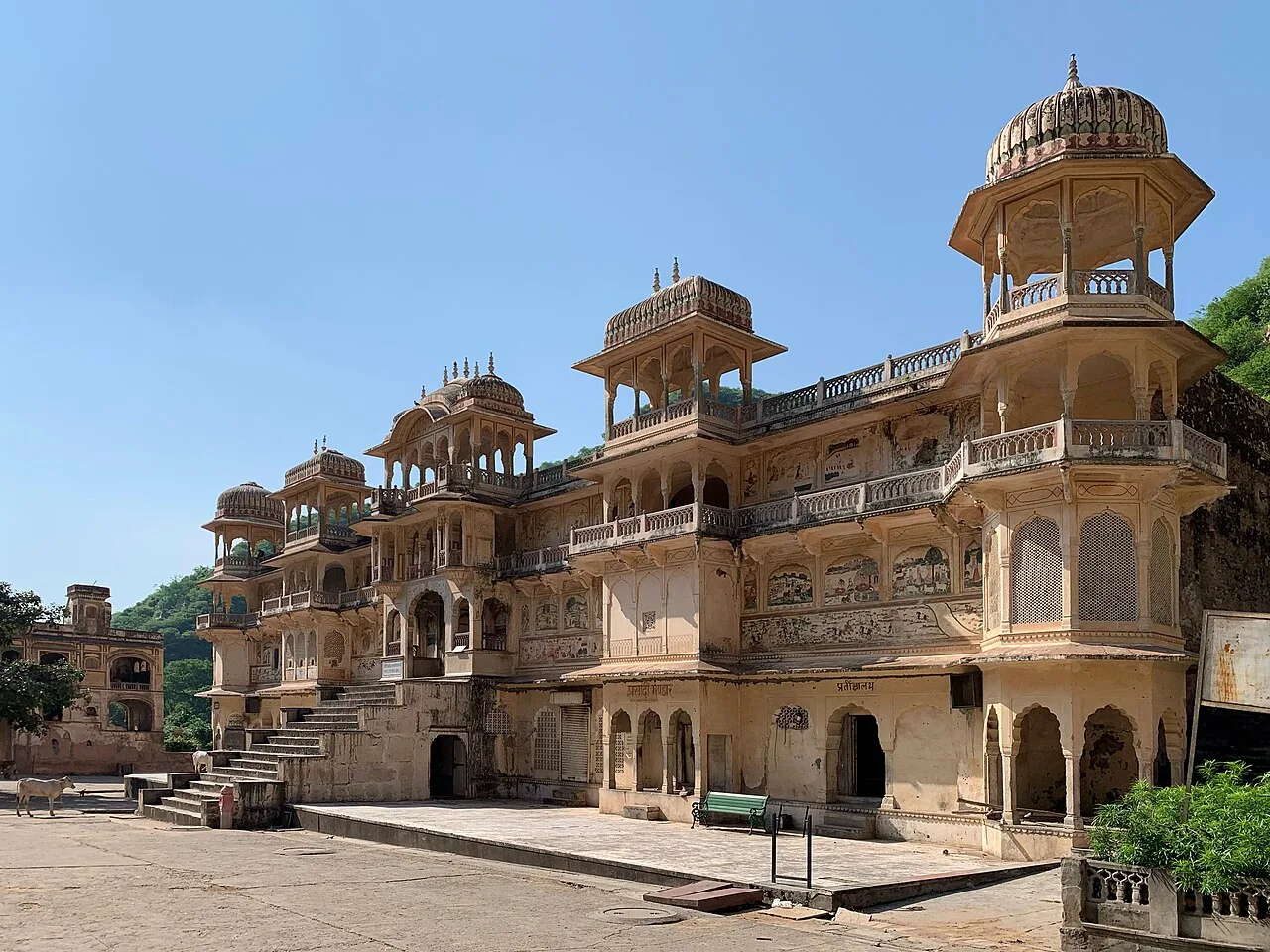
Galtaji

41 km away · Jaipur district

Galtaji

Galtaji is an ancient Hindu pilgrimage complex in Jaipur district, around 10 km east of Jaipur. Pilgrims visit its temples and bathe in tanks fed by a hillside spring.

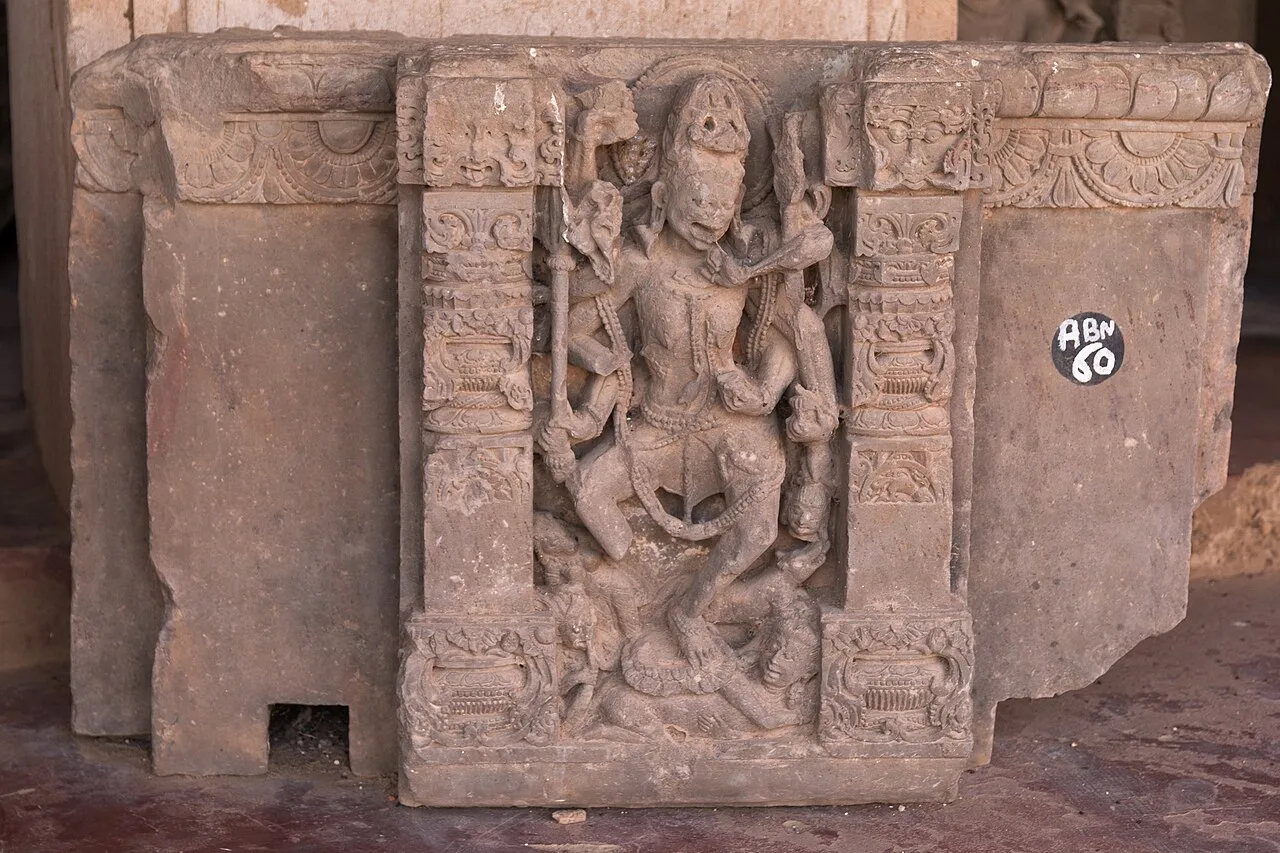
Chand Baori

57 km away · Dausa district

Chand Baori

In Abhaneri, Chand Baori is a historic Rajasthan stepwell known for its depth and tiered stairways. Visitors come to see its inverted-pyramid layout and large reservoir.

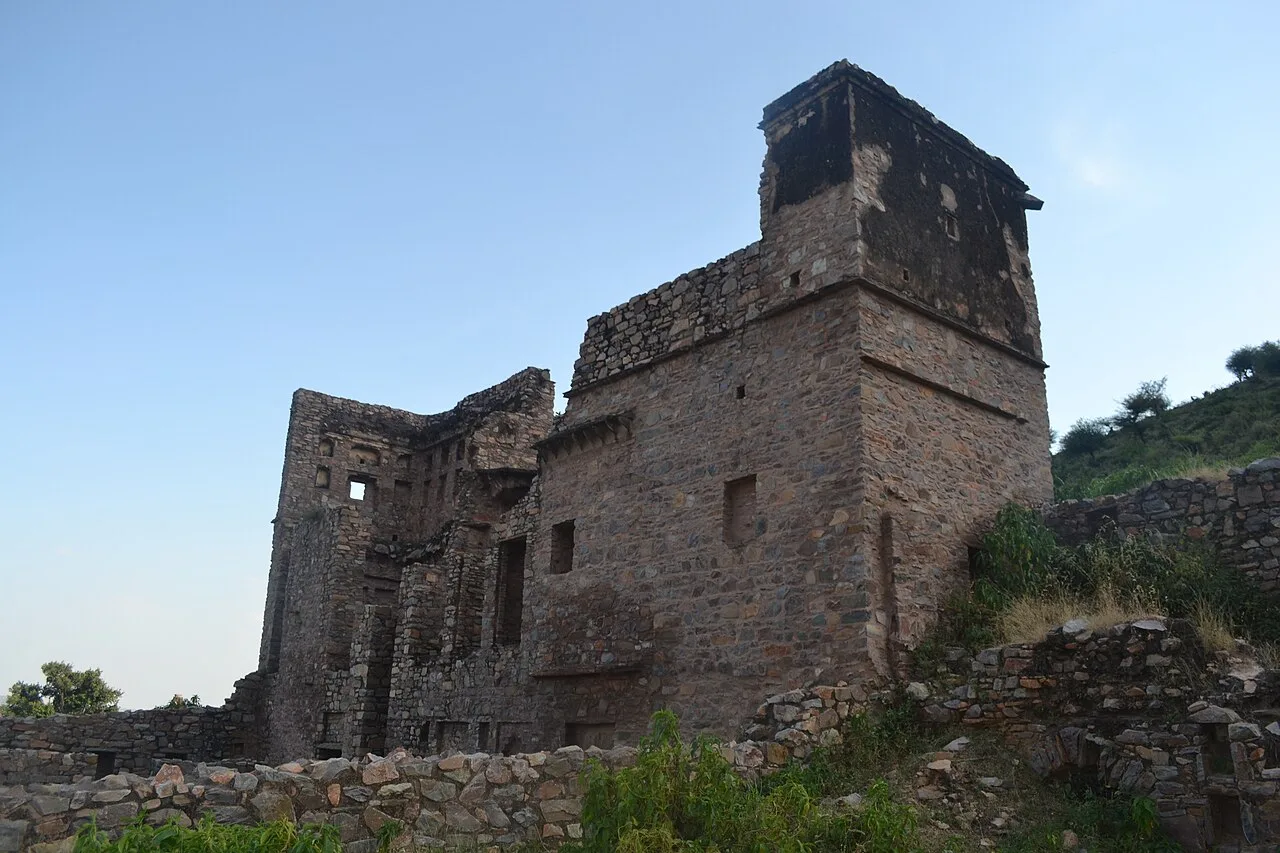
Bhangarh Fort

60 km away · Alwar district

Bhangarh Fort

Dating to the sixteenth century, Bhangarh Fort in Rajasthan is linked to Madho Singh’s residence. Visitors come to view the preserved fort and its surrounding precincts.

Ranthambore Fort

61 km away · Sawai Madhopur district

Ranthambore Fort

Set within Ranthambore National Park near Sawai Madhopur, this historic Rajasthan fort draws visitors for its past, elevated views over the park and UNESCO World Heritage status.

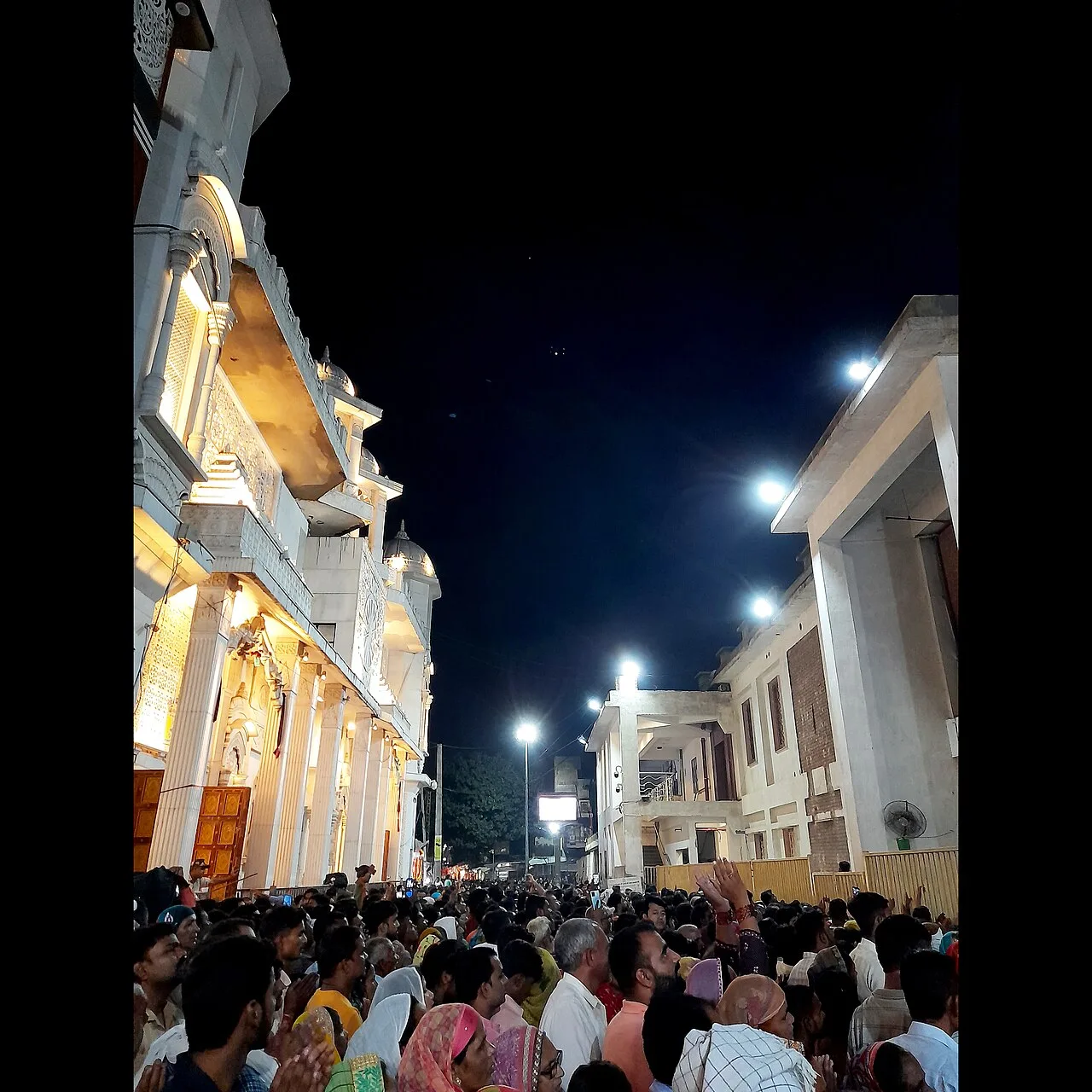
Mehandipur Balaji Temple

62 km away · Dausa district

Mehandipur Balaji Temple

In Rajasthan’s Dausa district, Mehandipur Balaji Temple is a Hindu place of worship devoted to Hanuman. Pilgrims visit for its reputation for ritual healing and ceremonies to remove evil spirits.

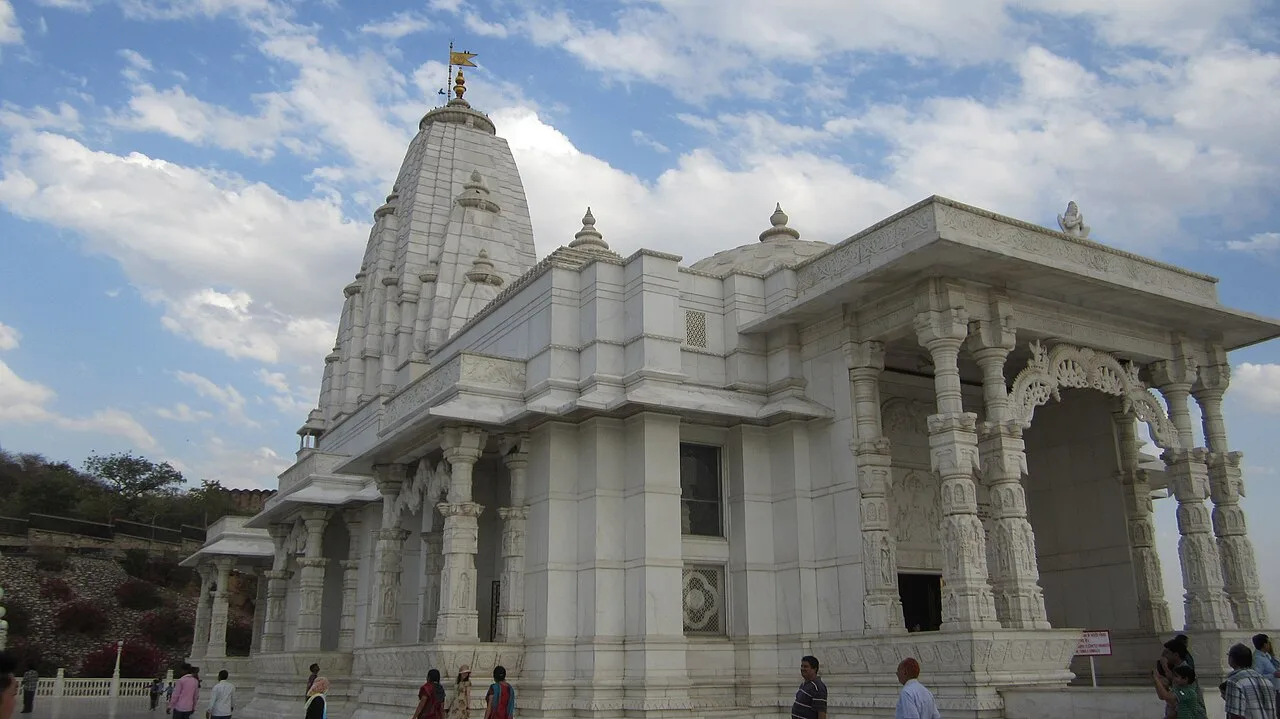
Birla Mandir

63 km away · Jaipur district

Birla Mandir

Birla Mandir, also known as Lakshmi Narayan Temple, is a Hindu place of worship in Jaipur, Rajasthan. Visitors come to worship and see its marble shrine and sacred images.

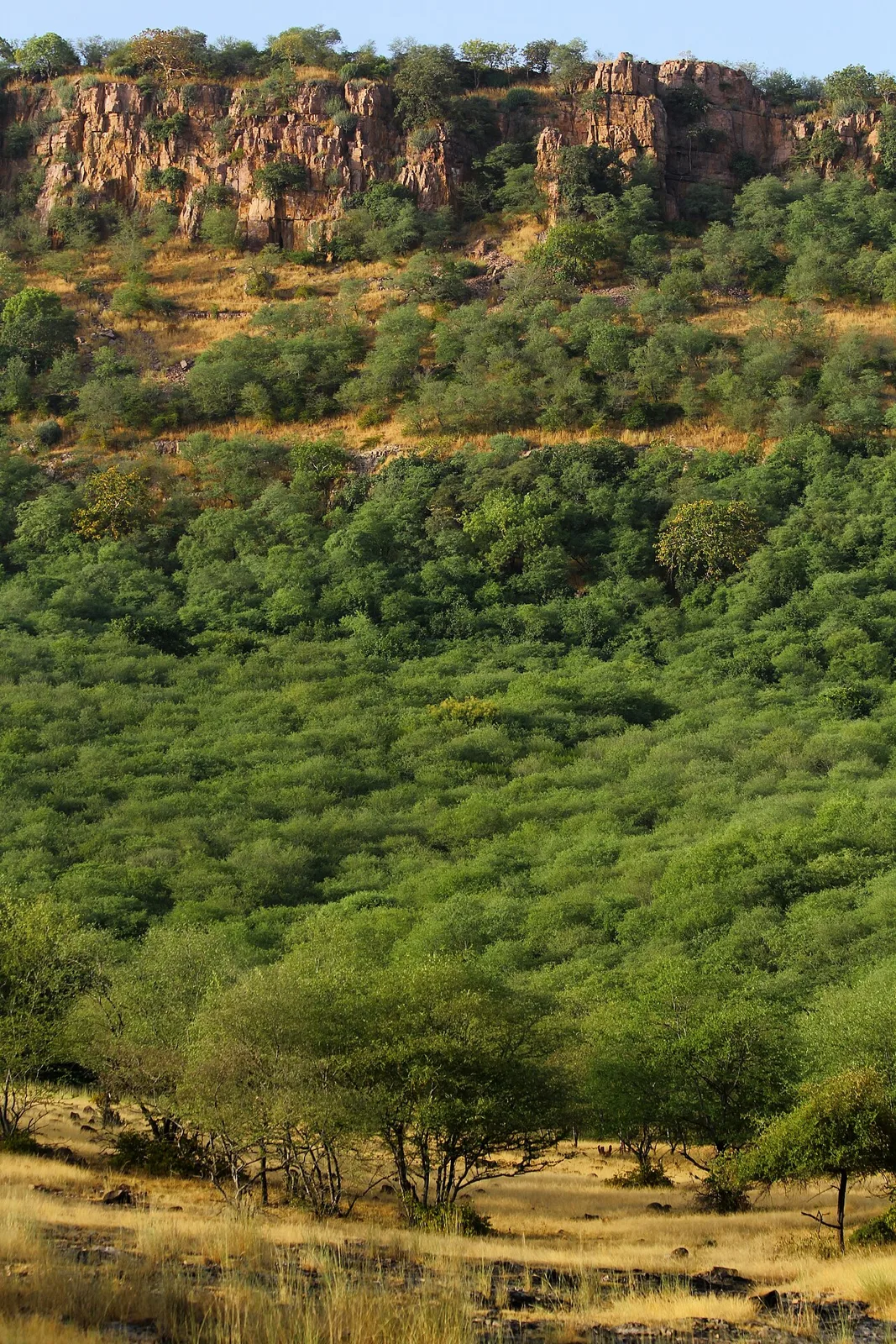
Ranthambore National Park

63 km away · Sawai Madhopur district

Ranthambore National Park

Ranthambore is a national park in Rajasthan’s Sawai Madhopur district, attracting visitors to its historic fort and its location between the Banas and Chambal rivers.

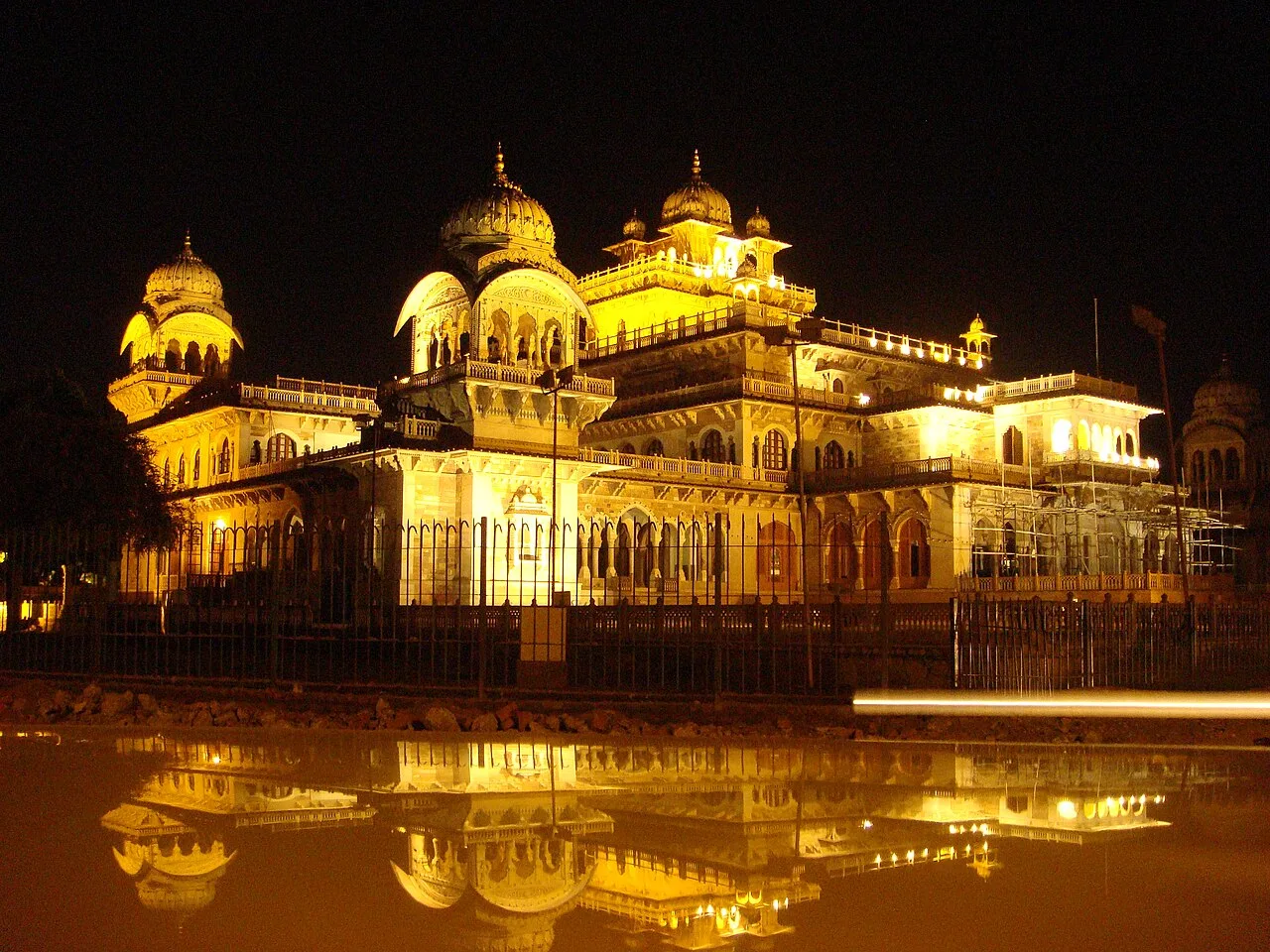
Albert Hall Museum

64 km away · Jaipur district

Albert Hall Museum

Set in Jaipur’s Ram Niwas Garden, Albert Hall Museum is Rajasthan’s state museum and its oldest museum. Visitors come to explore its varied collections and Indo-Saracenic architecture.

Map

Lalsot on the map

  1. 1Galtaji
  2. 2Chand Baori
  3. 3Bhangarh Fort
  4. 4Ranthambore Fort
  5. 5Mehandipur Balaji Temple
  6. 6Birla Mandir
  7. 7Ranthambore National Park
  8. 8Albert Hall Museum

Rajasthan

Other cities to explore