Ghumoopedia — Explore, Discover, Experience
Sign in
Mehandipur Balaji Temple, near Karauli

City guide · Rajasthan

Karauli

Karauli is a district headquarters in eastern Rajasthan and a historic centre of the former princely state of the same name. Its location in the Braj region gives the city a strong devotional character, while its palace and old temples reflect its royal past.

Famous for

  • Madan Mohan Ji Temple
  • Kaila Devi pilgrimage
  • Karauli red sandstone
  • Former princely capital
  • Braj-region devotion

Why Karauli matters

Karauli is a district headquarters in eastern Rajasthan and a historic centre of the former princely state of the same name. Its location in the Braj region gives the city a strong devotional character, while its palace and old temples reflect its royal past. Pilgrims visit Madan Mohan Ji Temple in the city and travel onward to important shrines in the district, including Kaila Devi Temple and Shri Mahaveer Ji. Mehandipur Balaji is another prominent pilgrimage destination in the wider region.

The city also serves as a base for exploring local heritage, including the former royal palace and Mandrayal Fort. Karauli is associated with red sandstone, a material used in regional building and sold through local trade. Its importance today rests on a combination of district administration, pilgrimage, heritage and commerce rather than on a single large industry. Visitors will find a quieter alternative to Rajasthan’s better-known tourist cities, with religious life and historic architecture closely woven into everyday surroundings.
Famous for: crafts, trade & products

Karauli’s best-known material association is its red sandstone, valued for building and architectural work. Stone extraction and trade are part of the wider district economy, and local suppliers and building-material shops are the most practical places to ask about stone products. The old city’s bazaars and market streets serve residents and visitors, with everyday goods, worship items and pilgrimage essentials among the typical purchases.

Karauli does not have a widely recognised identity as a major textile or saree centre, nor is a specific GI-tagged product central to its reputation. Visitors looking for handicrafts can browse local shops, but should treat these as regional retail rather than assume a particular craft is exclusive to the city. Temple areas are useful for finding offerings and devotional items, while the main town markets are better for general shopping. For a distinctive keepsake, locally sourced sandstone objects may be worth seeking out; ask sellers about the stone’s origin and whether an item is made locally. The city’s trade is closely tied to its role as a district centre and to the steady movement of pilgrims.

History

Tradition links the area around Karauli with the ancient Matsya kingdom and with stories associated with the Mahabharata. The town was once known as Kalyanpuri. The former Karauli State is traditionally said to have been founded around 995 by Bijai Pal, a ruler of the Jadaun lineage who claimed descent from Krishna. Karauli later became the seat of this princely state, whose rulers were associated with the Yaduvanshi Jadaun Rajputs.

The palace complex reflects the city’s royal history, with some buildings dating to the mid-18th century. Under British rule, Karauli continued as a princely state within the colonial system and remained so until India’s independence in 1947. A municipality was established in 1884, marking a step in the town’s civic development. Since independence, Karauli has grown as an administrative and commercial centre for its district. Its historic core, temples and former royal buildings remain visible reminders of the successive religious, political and civic roles the city has held.

Food, festivals & culture

Religious observance is central to Karauli’s cultural life. Madan Mohan Ji Temple is an important place of worship in the city, while Kaila Devi Temple draws large numbers of devotees, especially during its annual fair in the spring, around the Chaitra season. Janmashtami, Navratri, Holi and Diwali are also observed, with temple visits, prayers and family gatherings shaping celebrations. Devotional songs and bhajans are commonly heard at worship sites and during religious occasions; regional folk music adds to the wider cultural mix.

Hindi is widely used, alongside local Rajasthani speech and Braj-influenced expressions. Meals reflect the broader eastern Rajasthan tradition: visitors may find dal baati churma, gatte-based dishes, kachori and seasonal sweets such as ghevar, though these are regional favourites rather than uniquely Karauli specialities. Small eateries and market stalls offer a practical way to sample everyday food. Pilgrimage shops near temples sell offerings and devotional objects, while the city’s older streets provide a sense of how worship, commerce and community life meet in daily routines.

Visiting the city

The cooler months, roughly October to March, are generally the most comfortable for exploring Karauli; spring can be busy around the Kaila Devi fair, and summer is very hot. Agra Airport is among the nearest air gateways, while Jaipur International Airport offers a broader range of connections. Hindaun City railway station is the main railhead used for Karauli; continue by road from there.

Within town, auto-rickshaws, taxis and local buses can help with short journeys. A car or hired taxi is convenient for visiting temples and forts elsewhere in the district. Explore the old city around Madan Mohan Ji Temple, the palace area and the central bazaars on foot where practical. Allow extra travel time for outlying pilgrimage sites, and confirm road connections locally before setting out.

Trips from the city

Nearest places to visit from Karauli

Our closest destination guides, by straight-line distance.

Mehandipur Balaji Temple

54 km away · Dausa district

Mehandipur Balaji Temple

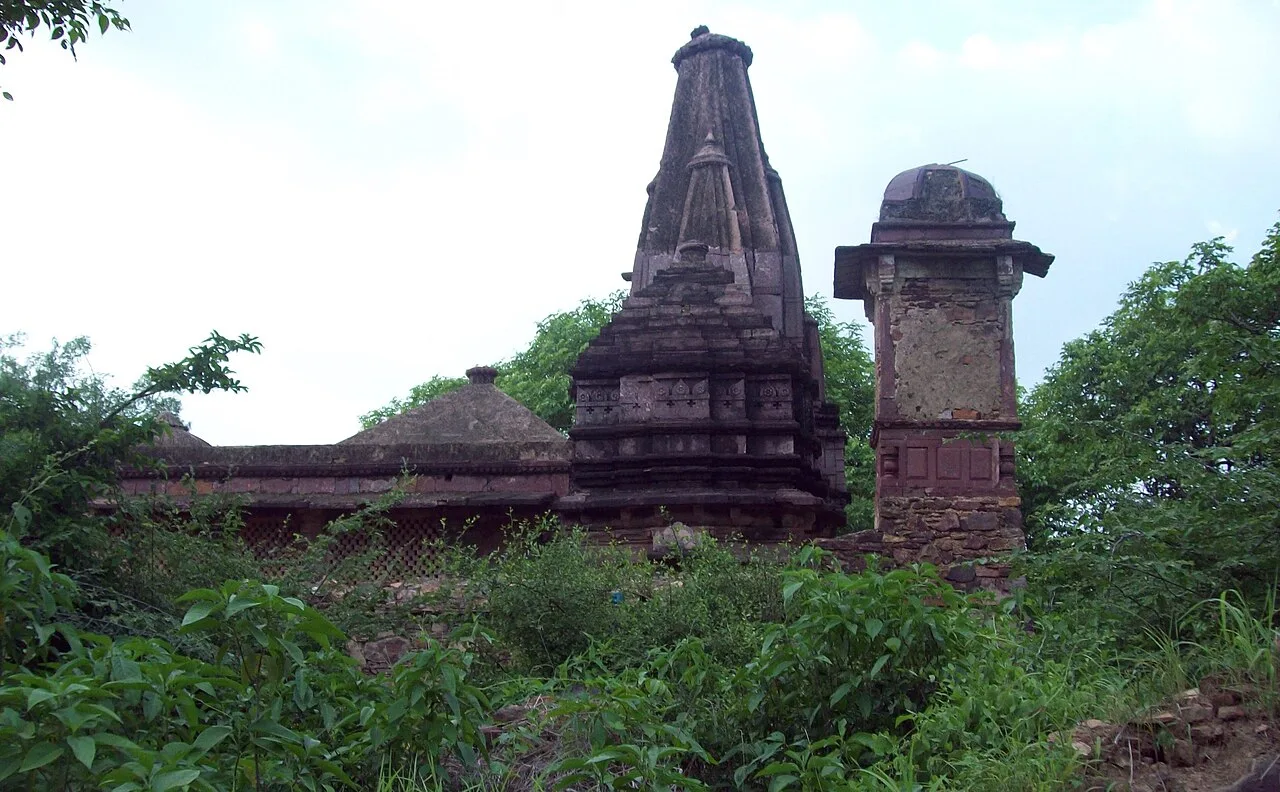
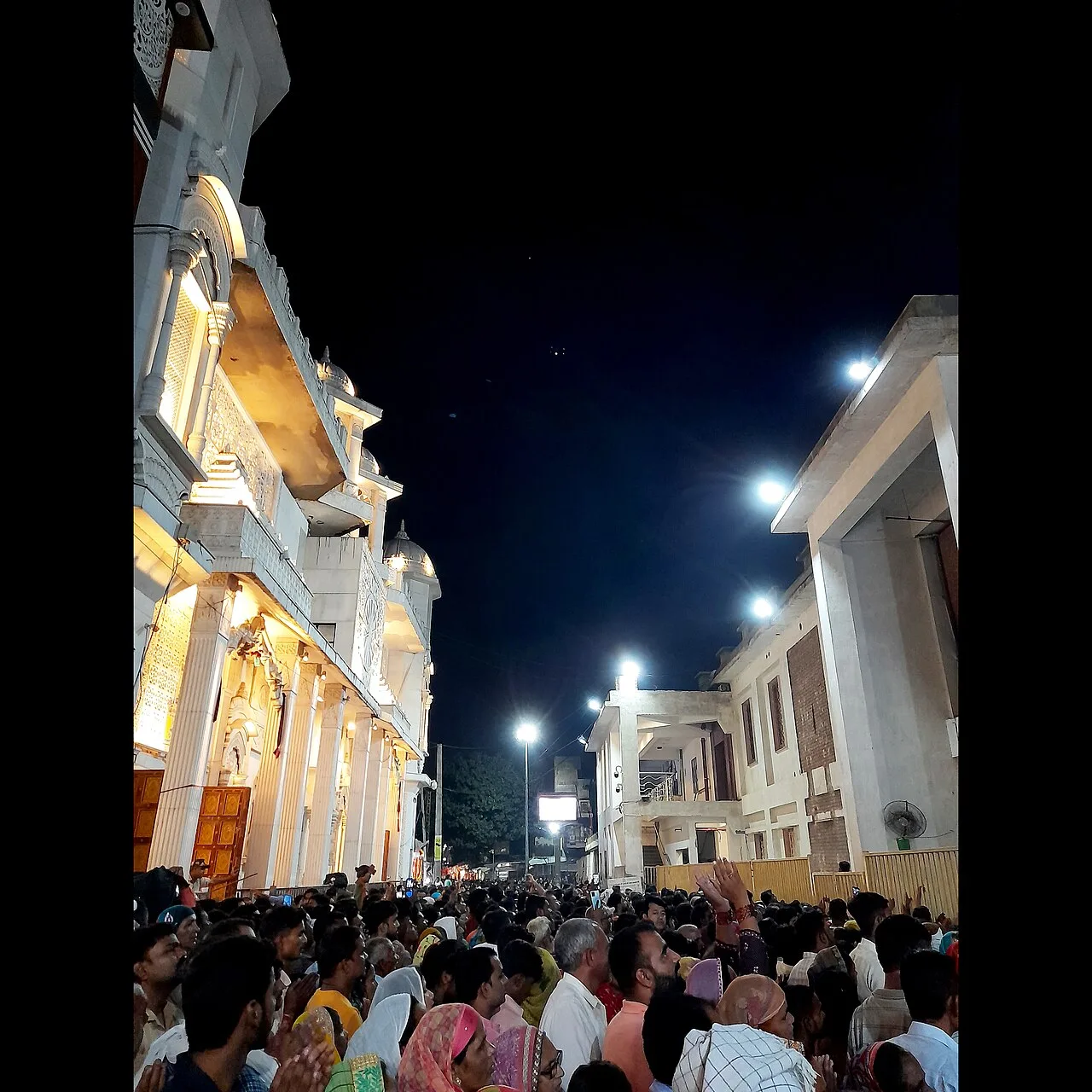
In Rajasthan’s Dausa district, Mehandipur Balaji Temple is a Hindu place of worship devoted to Hanuman. Pilgrims visit for its reputation for ritual healing and ceremonies to remove evil spirits.

Chand Baori

70 km away · Dausa district

Chand Baori

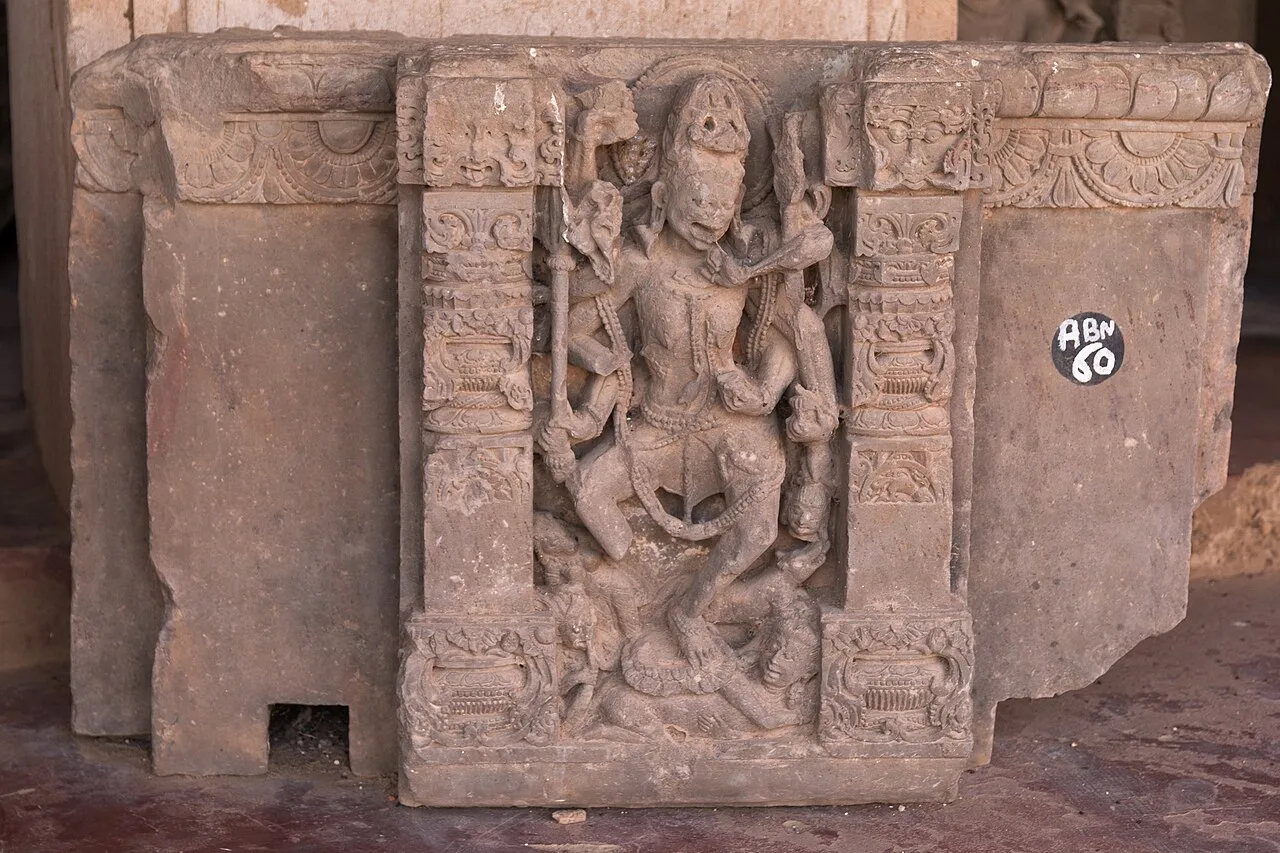
In Abhaneri, Chand Baori is a historic Rajasthan stepwell known for its depth and tiered stairways. Visitors come to see its inverted-pyramid layout and large reservoir.

Ranthambore National Park

75 km away · Sawai Madhopur district

Ranthambore National Park

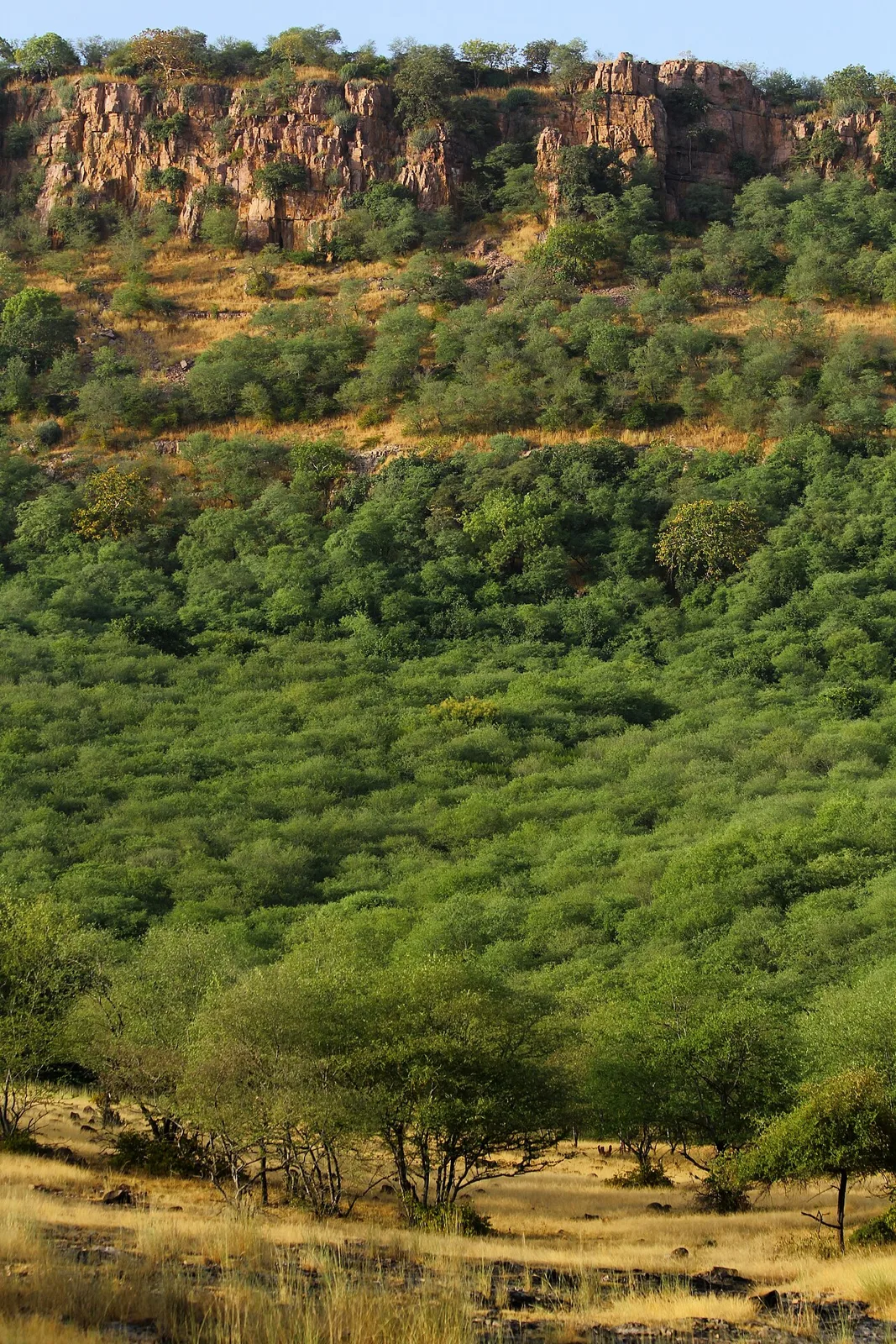
Ranthambore is a national park in Rajasthan’s Sawai Madhopur district, attracting visitors to its historic fort and its location between the Banas and Chambal rivers.

Ranthambore Fort

78 km away · Sawai Madhopur district

Ranthambore Fort

Set within Ranthambore National Park near Sawai Madhopur, this historic Rajasthan fort draws visitors for its past, elevated views over the park and UNESCO World Heritage status.

Keoladeo National Park

89 km away · Bharatpur district

Keoladeo National Park

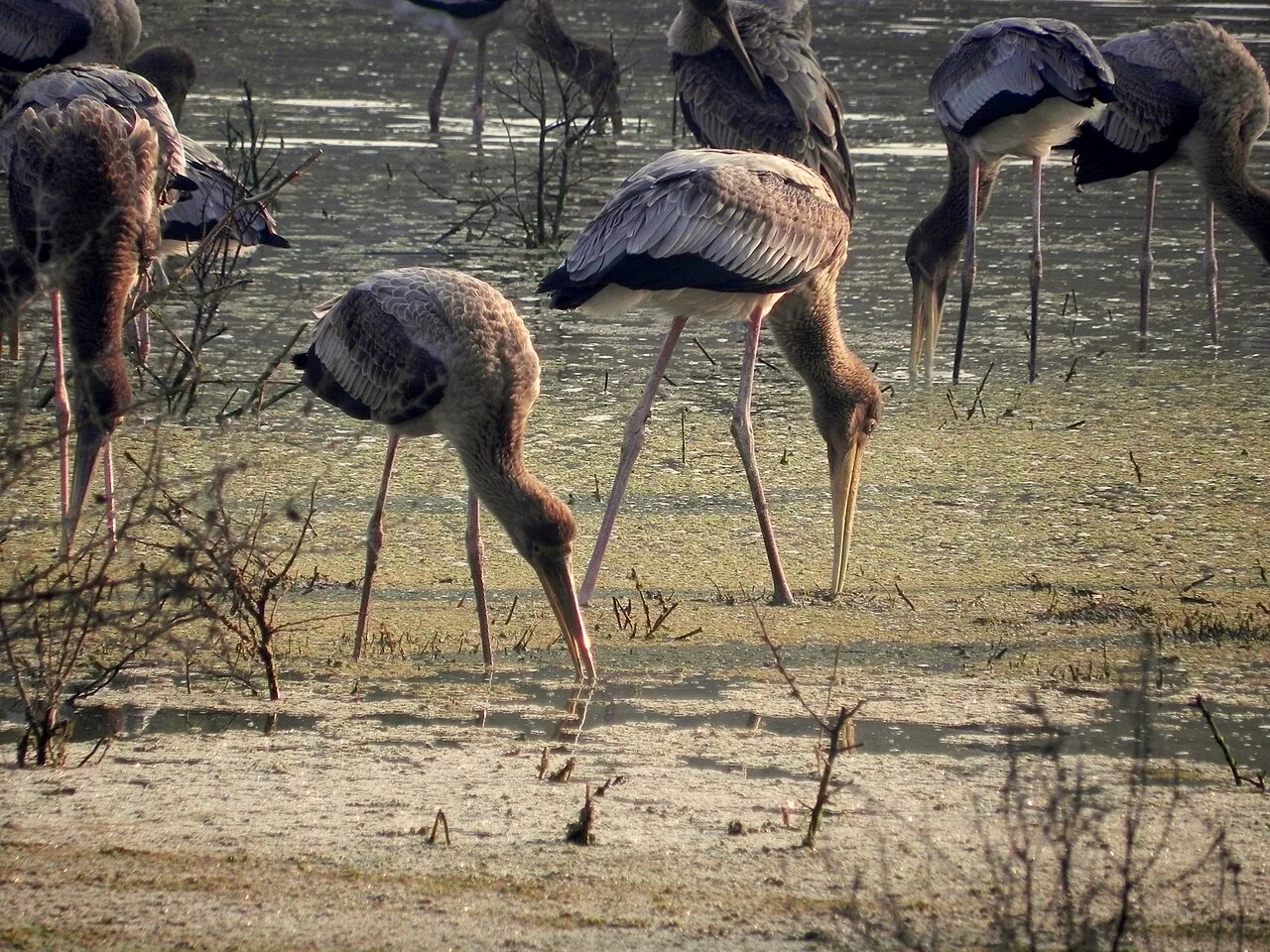
Keoladeo National Park is a wetland and wildlife reserve in Bharatpur district, Rajasthan. Visitors come to see its varied birdlife, particularly the many species that gather there during winter.

Lohagarh Fort

93 km away · Bharatpur district

Lohagarh Fort

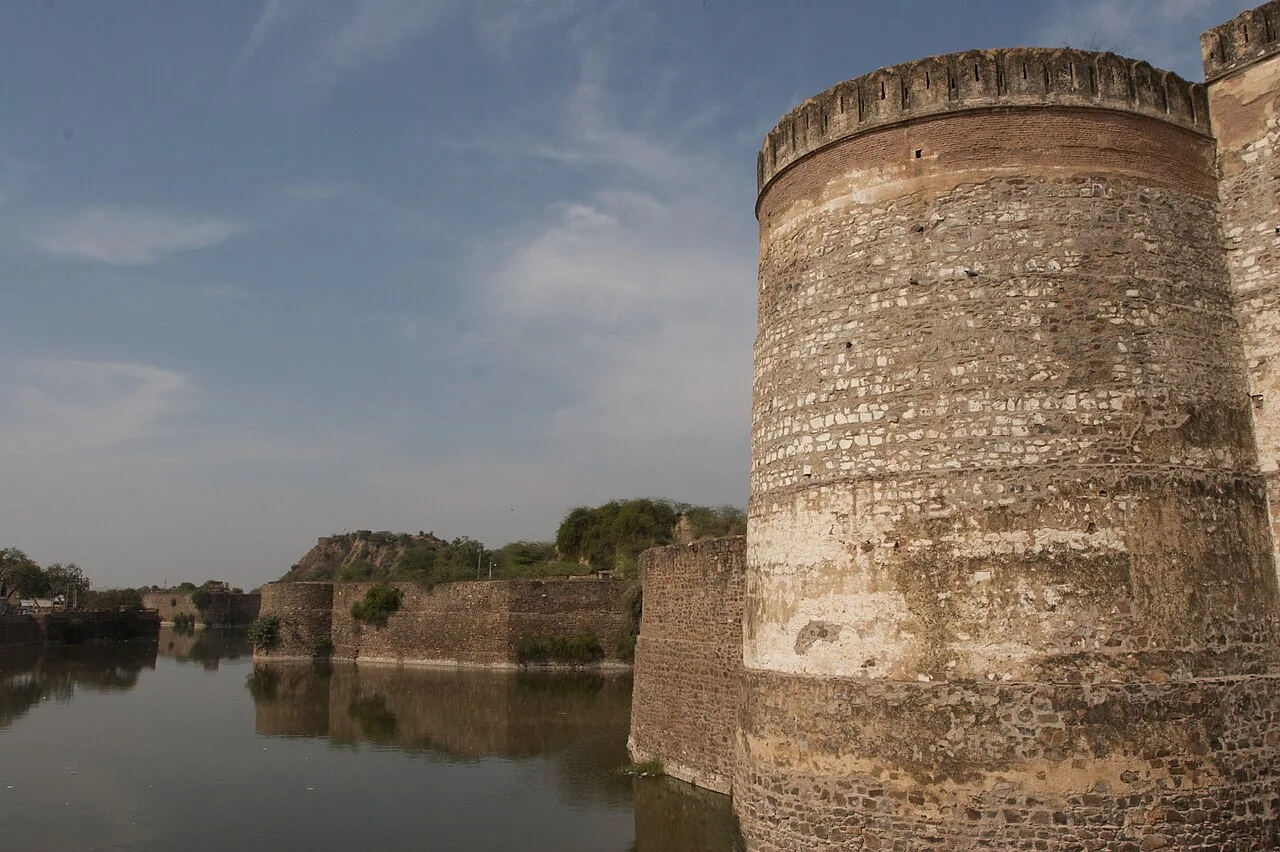
Lohagarh Fort is an eighteenth-century stronghold in Bharatpur, Rajasthan, commissioned by Maharaja Suraj Mal in 1732. Visitors learn about its resistance to British attacks and its eventual capture.

Bhangarh Fort

99 km away · Alwar district

Bhangarh Fort

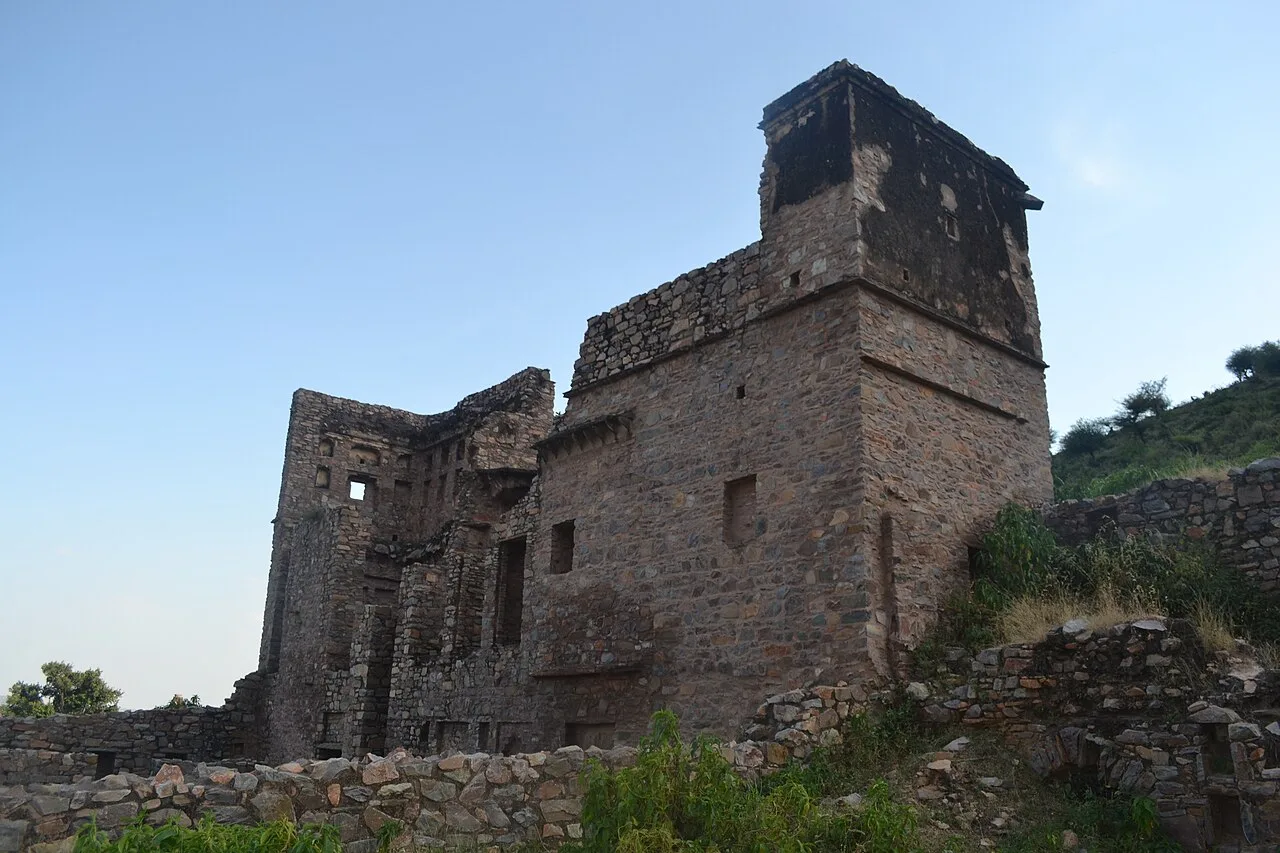
Dating to the sixteenth century, Bhangarh Fort in Rajasthan is linked to Madho Singh’s residence. Visitors come to view the preserved fort and its surrounding precincts.

Galtaji

99 km away · Jaipur district

Galtaji

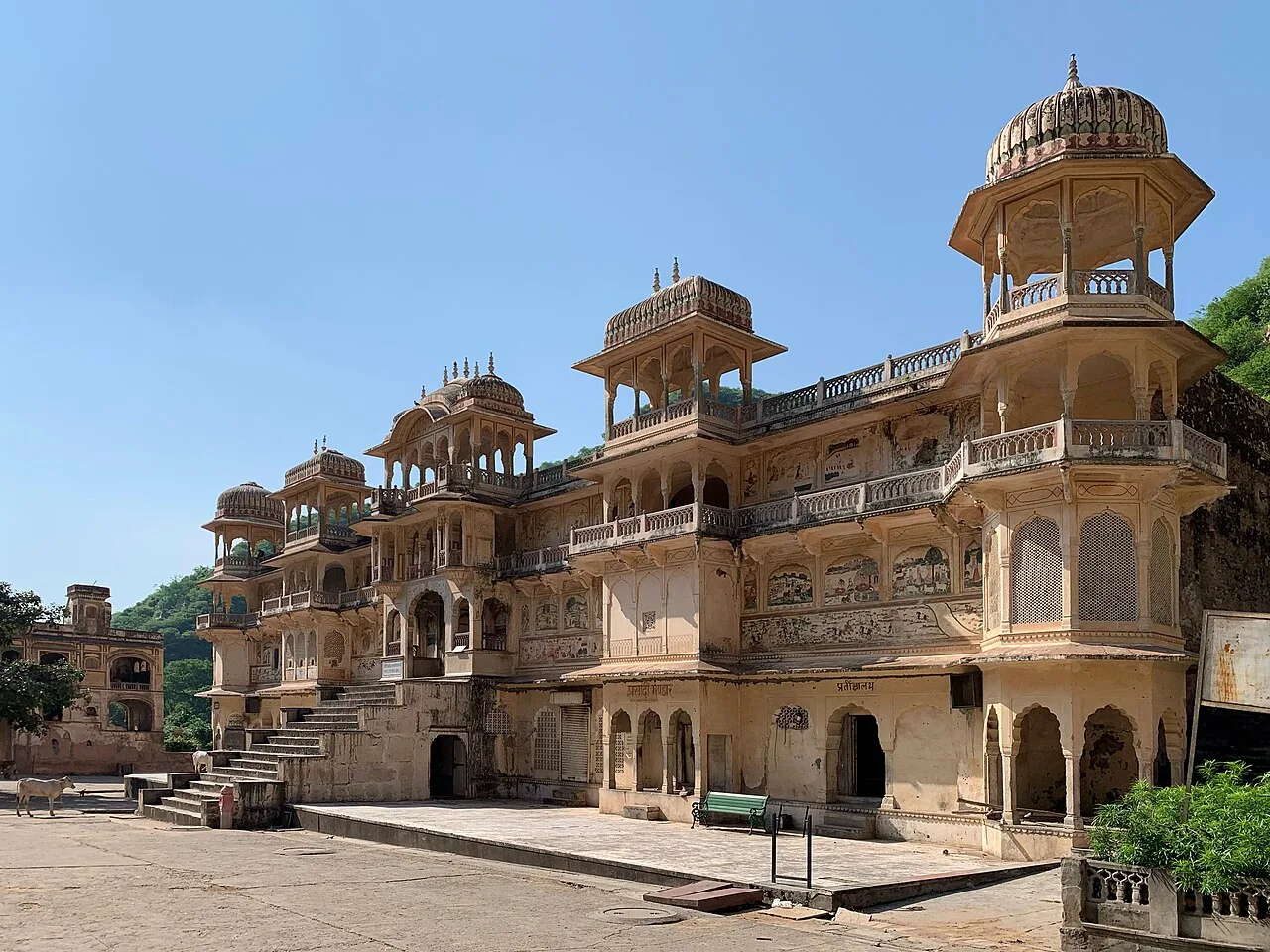
Galtaji is an ancient Hindu pilgrimage complex in Jaipur district, around 10 km east of Jaipur. Pilgrims visit its temples and bathe in tanks fed by a hillside spring.

Map

Karauli on the map

  1. 1Mehandipur Balaji Temple
  2. 2Chand Baori
  3. 3Ranthambore National Park
  4. 4Ranthambore Fort
  5. 5Keoladeo National Park
  6. 6Lohagarh Fort
  7. 7Bhangarh Fort
  8. 8Galtaji

Rajasthan

Other cities to explore