Ghumoopedia — Explore, Discover, Experience
Sign in
Samode, near Manoharpur

City guide · Rajasthan

Manoharpur

Manoharpur is a small town in the Jaipur region of Rajasthan, set along the busy road corridor linking Jaipur with Delhi. Its importance is mainly local: it serves nearby villages with everyday shopping, food and basic services, while the highway brings a steady flow of travellers and commercial traffic.

Famous for

  • Jaipur–Delhi highway stop
  • Local rural bazaar
  • Jaipur-region traditions
  • Roadside Rajasthani food

Why Manoharpur matters

Manoharpur is a small town in the Jaipur region of Rajasthan, set along the busy road corridor linking Jaipur with Delhi. Its importance is mainly local: it serves nearby villages with everyday shopping, food and basic services, while the highway brings a steady flow of travellers and commercial traffic. For visitors, it is more useful as a convenient stop or a glimpse of life in a regional market town than as a destination built around major monuments or resort attractions.

The town’s appeal lies in its practical setting and its connection to the wider Jaipur countryside. Its market and roadside eateries offer a straightforward introduction to everyday commerce and familiar Rajasthani flavours. Manoharpur does not have a widely recognised signature craft, textile or GI-tagged product, so travellers seeking specialist shopping are better served by Jaipur. Those with time can explore the town centre, local places of worship and the surrounding rural landscape, or use Manoharpur as a pause on a journey through the region.
Famous for: crafts, trade & products

Manoharpur is best understood as a local trading centre rather than a specialist production town. Its bazaar serves residents of the town and surrounding villages, with everyday goods such as clothing, household supplies, groceries and seasonal produce. Small food businesses and highway-facing stops are useful places to sample snacks or pick up provisions while travelling. There is no widely established local textile, handicraft or GI-tagged product for which Manoharpur is a recognised shopping destination.

Visitors looking for Rajasthan’s better-known crafts—including block-printed textiles, blue pottery, jewellery and decorative handicrafts—will find a much broader selection in Jaipur’s established markets and workshops. In Manoharpur, explore the central market streets for routine shopping and observe the rhythm of a small-town bazaar; ask locally about seasonal goods and specialties rather than expecting dedicated craft outlets. The town’s commercial character reflects its role serving nearby communities and passing road traffic, not a large export or industrial sector.

History

Manoharpur’s history is closely connected with the settled agricultural and market landscape north of Jaipur. The wider region came under the influence of the Kachwaha rulers of Amber and, later, the Jaipur princely state. Local villages and market settlements developed around land, routes and the exchange of goods, although Manoharpur is not widely documented as a major royal capital or centre of a separate kingdom.

During the colonial period, Jaipur remained a princely state under British paramountcy rather than becoming a directly administered British province. The growth of road connections in the modern era strengthened links between settlements in the Jaipur region and larger urban markets. Manoharpur’s position on the Jaipur–Delhi road corridor has helped shape its contemporary role as a service and stopping point for local residents and travellers. Its modern identity is therefore rooted more in regional trade and transport than in a single celebrated historical event or monument.

Food, festivals & culture

Daily life reflects the customs of the Jaipur region, with Hindi widely used and Rajasthani speech, including local Dhundhari influences, heard in everyday conversation. Food is based on familiar regional staples: visitors may find dal baati churma, gatte ki sabzi, seasonal vegetable dishes, kachori and other savoury snacks, alongside sweets sold in local shops. Menus vary between establishments, so these are regional dishes to look for rather than specialties unique to Manoharpur.

Holi in spring and Diwali in autumn are widely observed, while Teej during the monsoon season and Gangaur in spring are important in the broader Jaipur-area calendar. Celebrations often centre on family gatherings and worship, with local temples and shrines serving as places of community life. Folk music and dance traditions of Rajasthan form part of the region’s cultural setting, though performances are generally associated with festivals and special occasions rather than scheduled tourist shows. Visitors should ask locally about any community events during their stay.

Visiting the city

The cooler months, roughly October to March, are generally the most comfortable time to visit; summer afternoons can be very hot, and the monsoon brings rain. Jaipur International Airport is the nearest major airport, while Jaipur Junction is the principal railway gateway for the area. From Jaipur, road travel is the most practical way to reach Manoharpur. Local movement is usually by auto-rickshaw, taxi or other shared and private road transport; confirm arrangements locally.

Explore the central bazaar, nearby places of worship and the roadside food stops to get a sense of the town. The surrounding countryside offers a quieter contrast to the highway corridor. Manoharpur is suited to a short stop or an overnight pause rather than a packed sightseeing itinerary; Jaipur is the better base for major heritage sites, museums and dedicated craft shopping.

Trips from the city

Nearest places to visit from Manoharpur

Our closest destination guides, by straight-line distance.

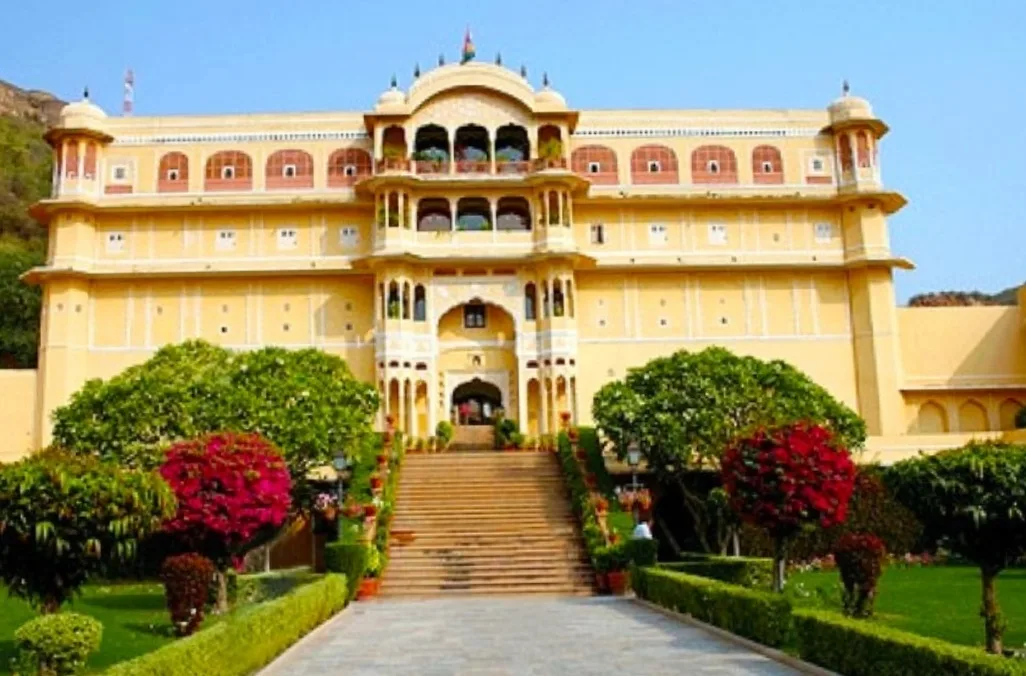
Samode

18 km away · Jaipur district

Samode

Samode is a village in Rajasthan’s Aravalli hills, north-west of Jaipur. Visitors come for its palace, haveli and garden, historic properties now operated as heritage hotels.

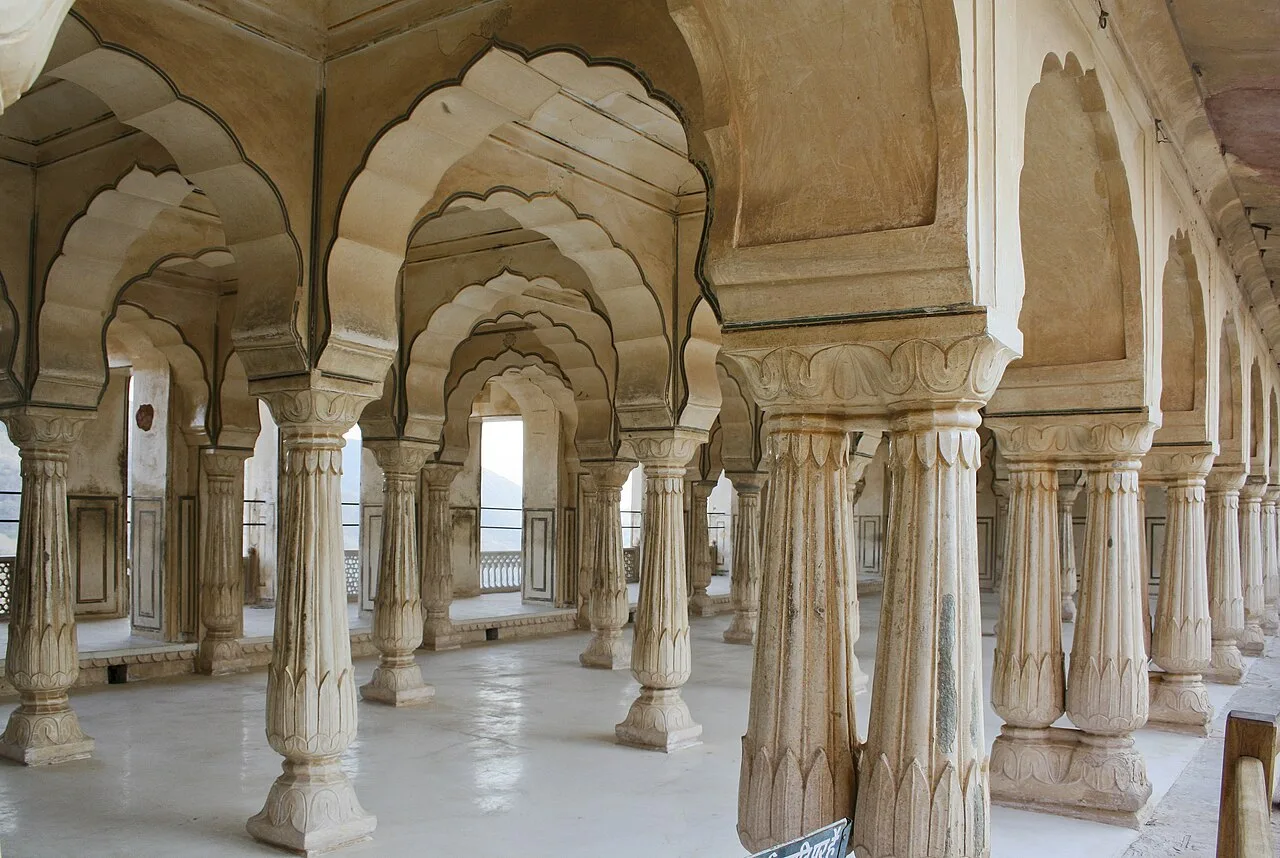
Amber Fort

36 km away · Jaipur district

Amber Fort

Amber Fort, also known as Amer Palace, is a hilltop fort in Amer, Rajasthan. Visitors explore its Rajput and Mughal-influenced design, palace halls and setting above Maota Lake.

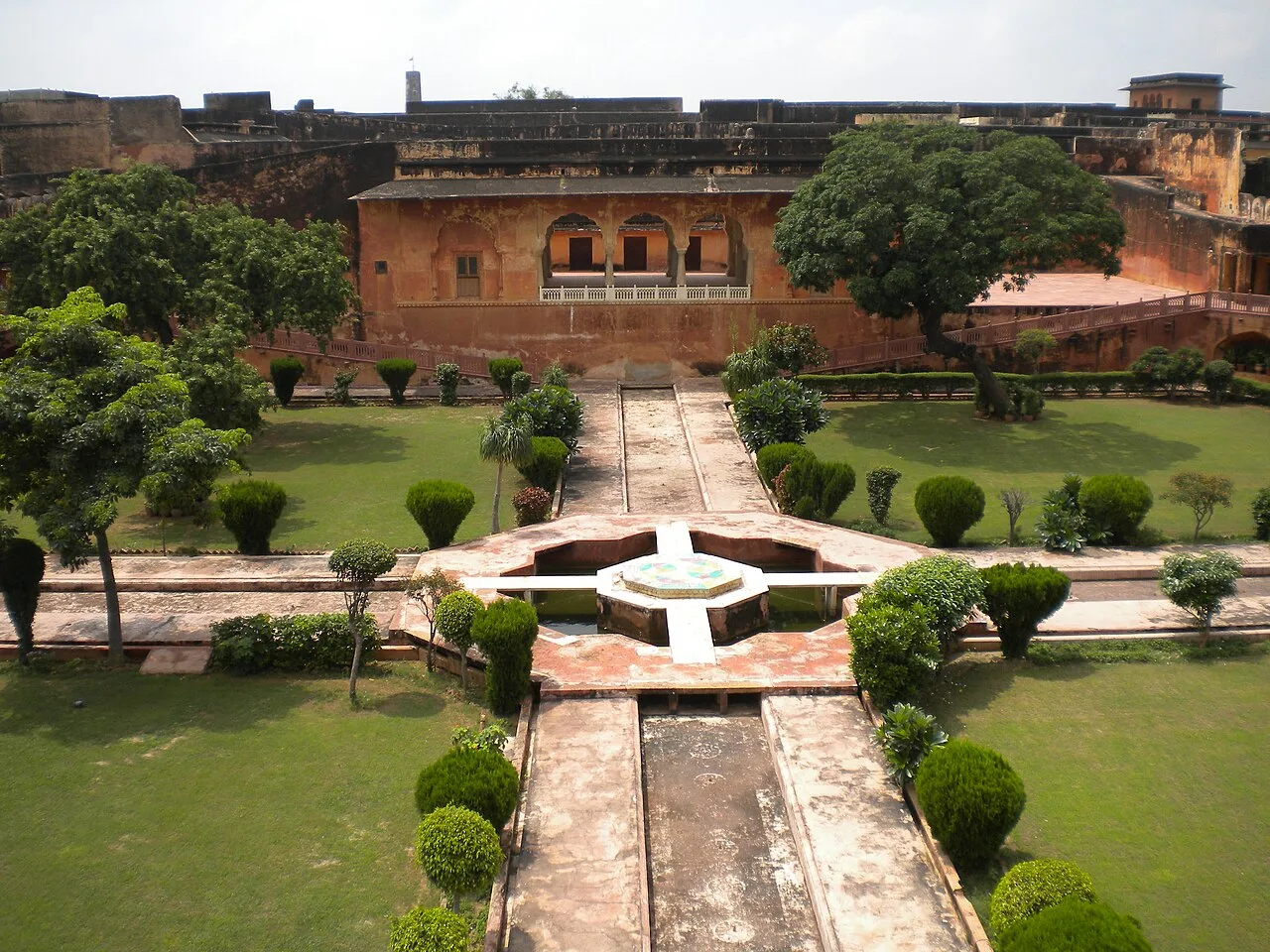
Jaigarh Fort

36 km away · Jaipur district

Jaigarh Fort

Near Amer in Rajasthan, Jaigarh Fort occupies a hilltop above Amer Fort and Maota Lake. Visitors come to see its historic fortifications, its connection to Amer Fort and the Jaivana cannon.

Bhangarh Fort

40 km away · Alwar district

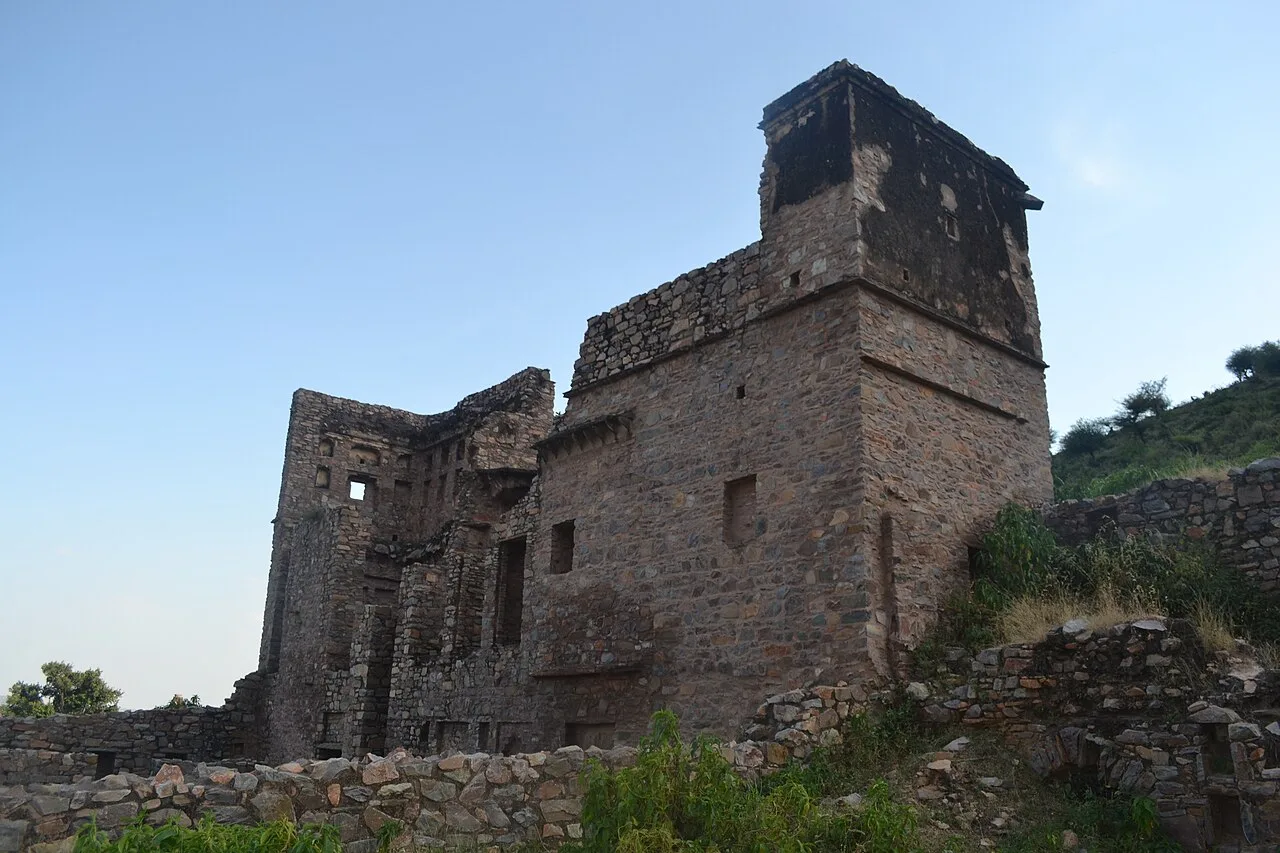
Bhangarh Fort

Dating to the sixteenth century, Bhangarh Fort in Rajasthan is linked to Madho Singh’s residence. Visitors come to view the preserved fort and its surrounding precincts.

Jal Mahal

40 km away · Jaipur district

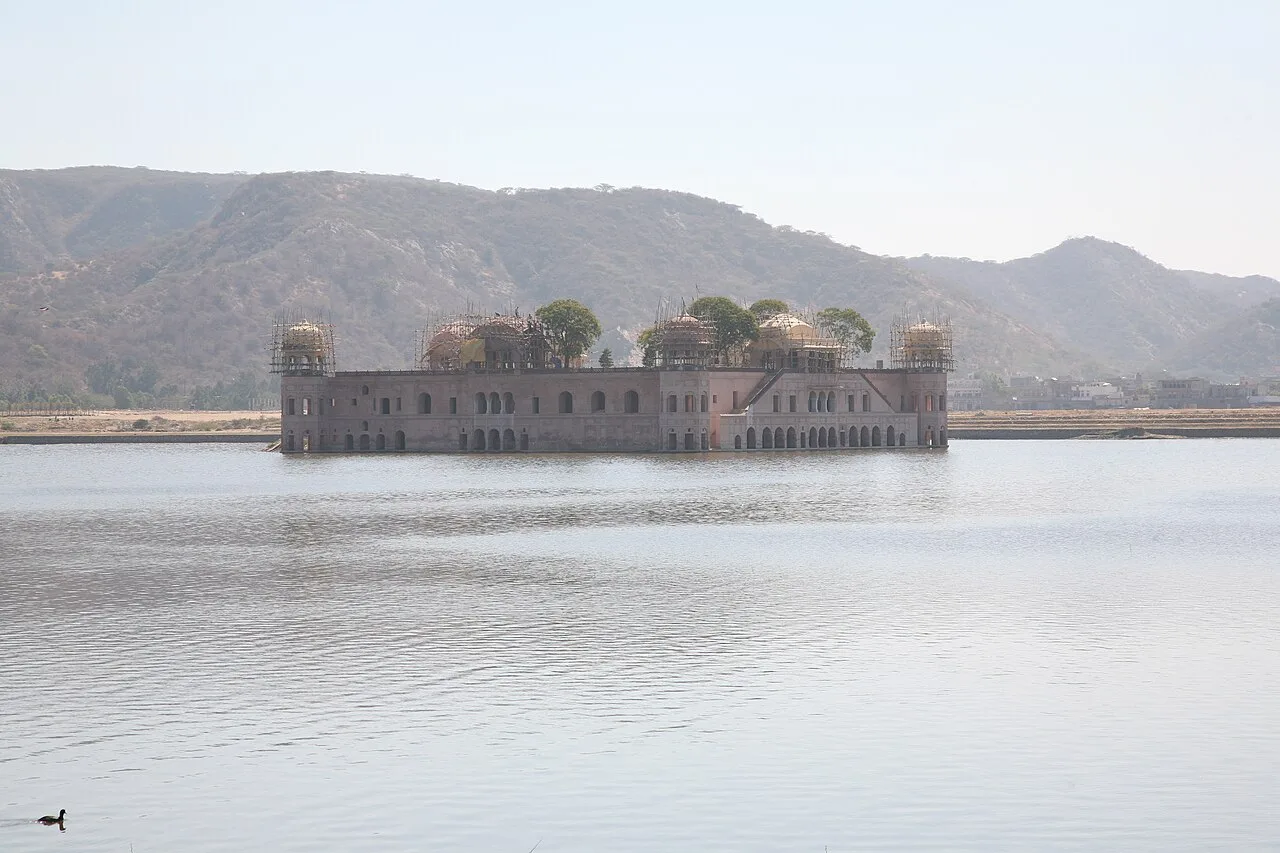
Jal Mahal

Jal Mahal is a historic palace set within Man Sagar Lake in Jaipur, Rajasthan. Visitors come to see the palace in its lake setting.

Nahargarh Fort

42 km away · Jaipur district

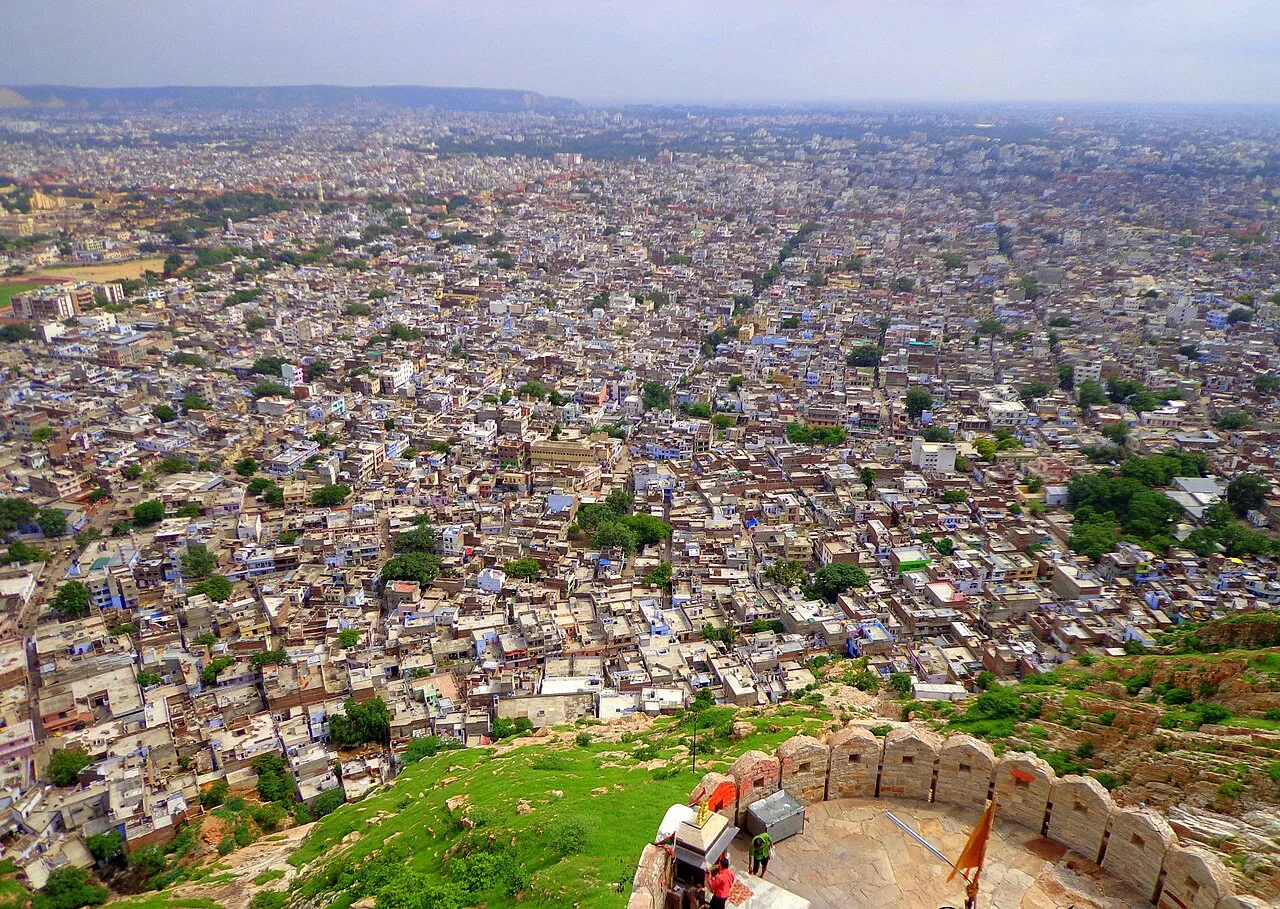
Nahargarh Fort

Nahargarh Fort is a historic stronghold in Jaipur, Rajasthan, overlooking the city from the Aravalli range. Visitors come for its elevated outlook and its role in Jaipur’s former defences.

City Palace, Jaipur

43 km away · Jaipur district

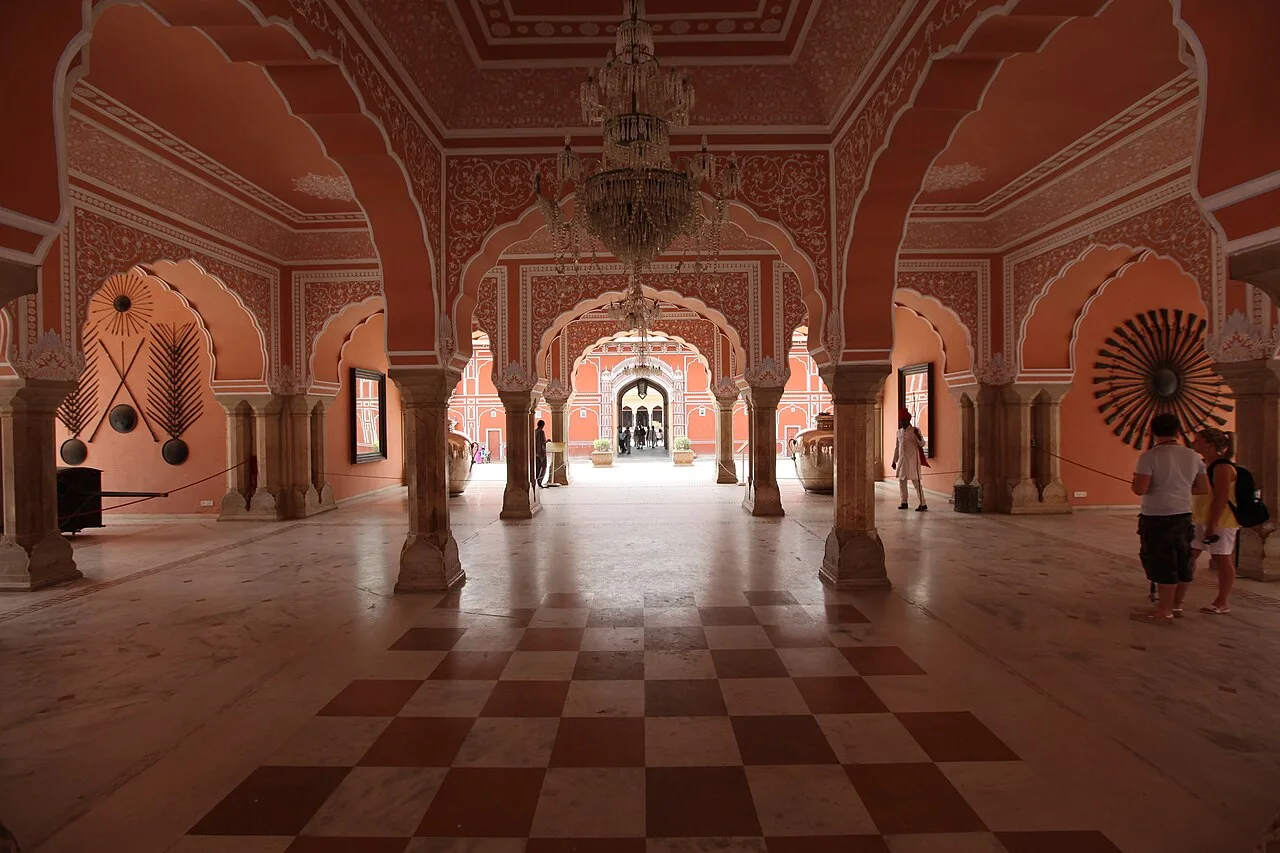
City Palace, Jaipur

A historic royal complex in Jaipur, the City Palace served the city’s rulers and remains the royal family’s home. Visitors come to see its architecture and explore the museum.

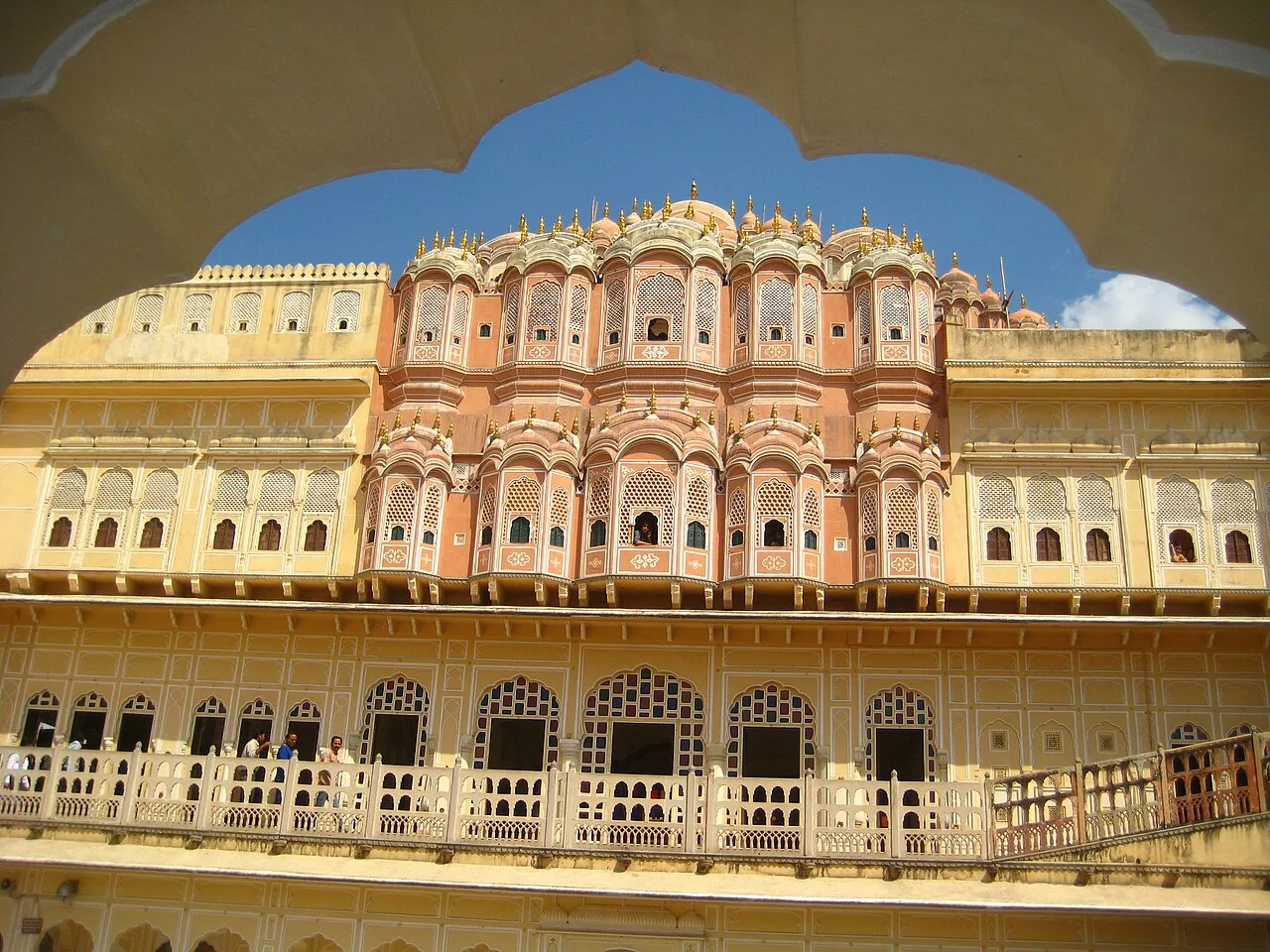
Hawa Mahal

43 km away · Jaipur district

Hawa Mahal

Hawa Mahal is a sandstone palace in Jaipur, recognised for its honeycomb façade and 953 lattice-screened jharokhas. Visitors come to see its distinctive design and learn how its openings provided privacy and ventilation.

Map

Manoharpur on the map

  1. 1Samode
  2. 2Amber Fort
  3. 3Jaigarh Fort
  4. 4Bhangarh Fort
  5. 5Jal Mahal
  6. 6Nahargarh Fort
  7. 7City Palace, Jaipur
  8. 8Hawa Mahal

Rajasthan

Other cities to explore