Ghumoopedia — Explore, Discover, Experience
Sign in
Chittor Fort, near Bhilwara

City guide · Rajasthan

Bhilwara

Bhilwara is a major city in Rajasthan’s Mewar region and the administrative headquarters of its district. Its best-known modern identity is as a textile centre: mills and related businesses make it an important hub for fabric production and trade.

Famous for

  • Textile and suiting fabrics
  • Yarn and fabric mills
  • Bada Mandir
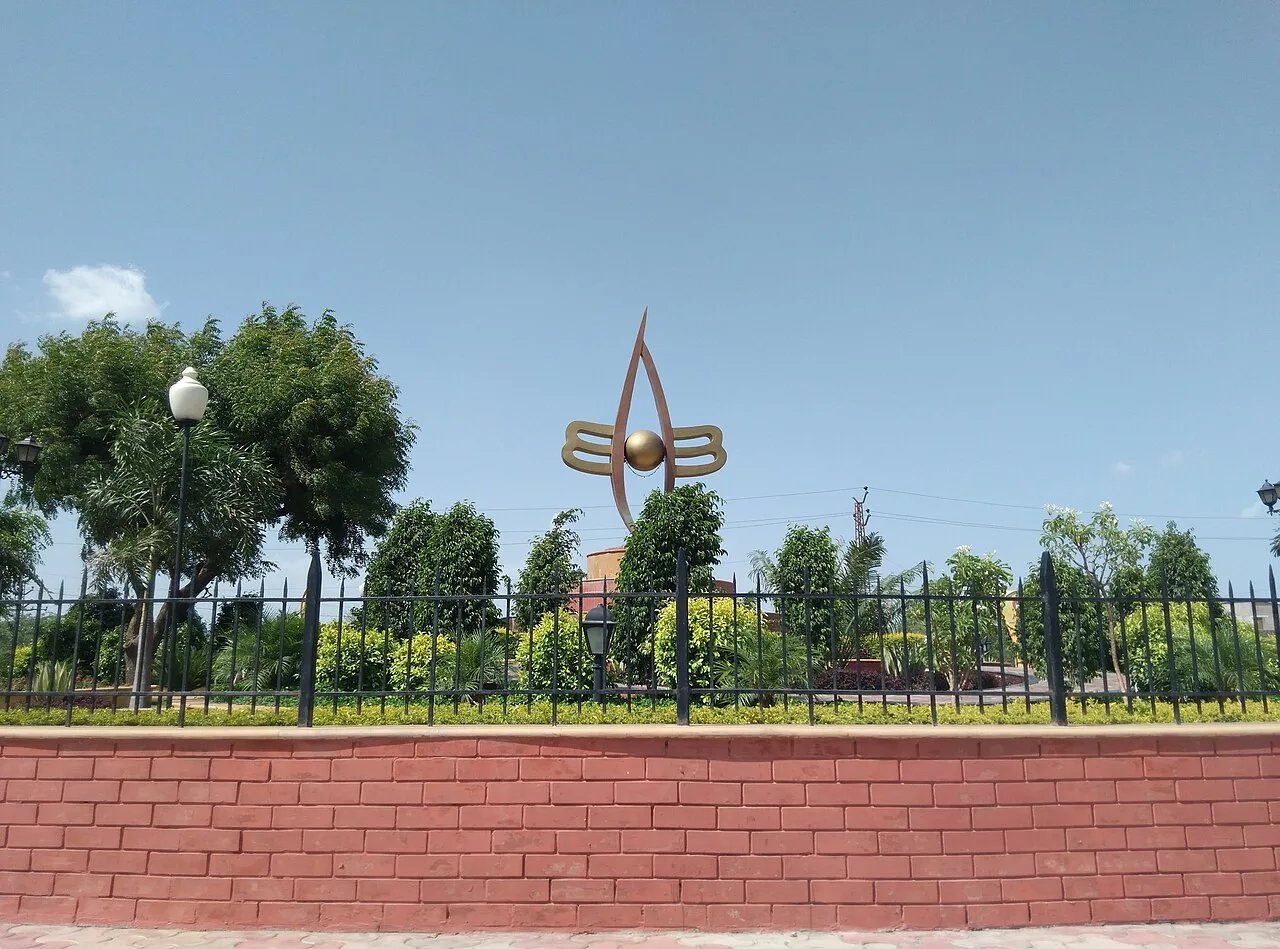
  • Harni Mahadev Temple
  • Mansarovar Jheel

Why Bhilwara matters

Bhilwara is a major city in Rajasthan’s Mewar region and the administrative headquarters of its district. Its best-known modern identity is as a textile centre: mills and related businesses make it an important hub for fabric production and trade. This industrial character sits alongside an older townscape, with historic neighbourhoods and temples that reflect its long local history.

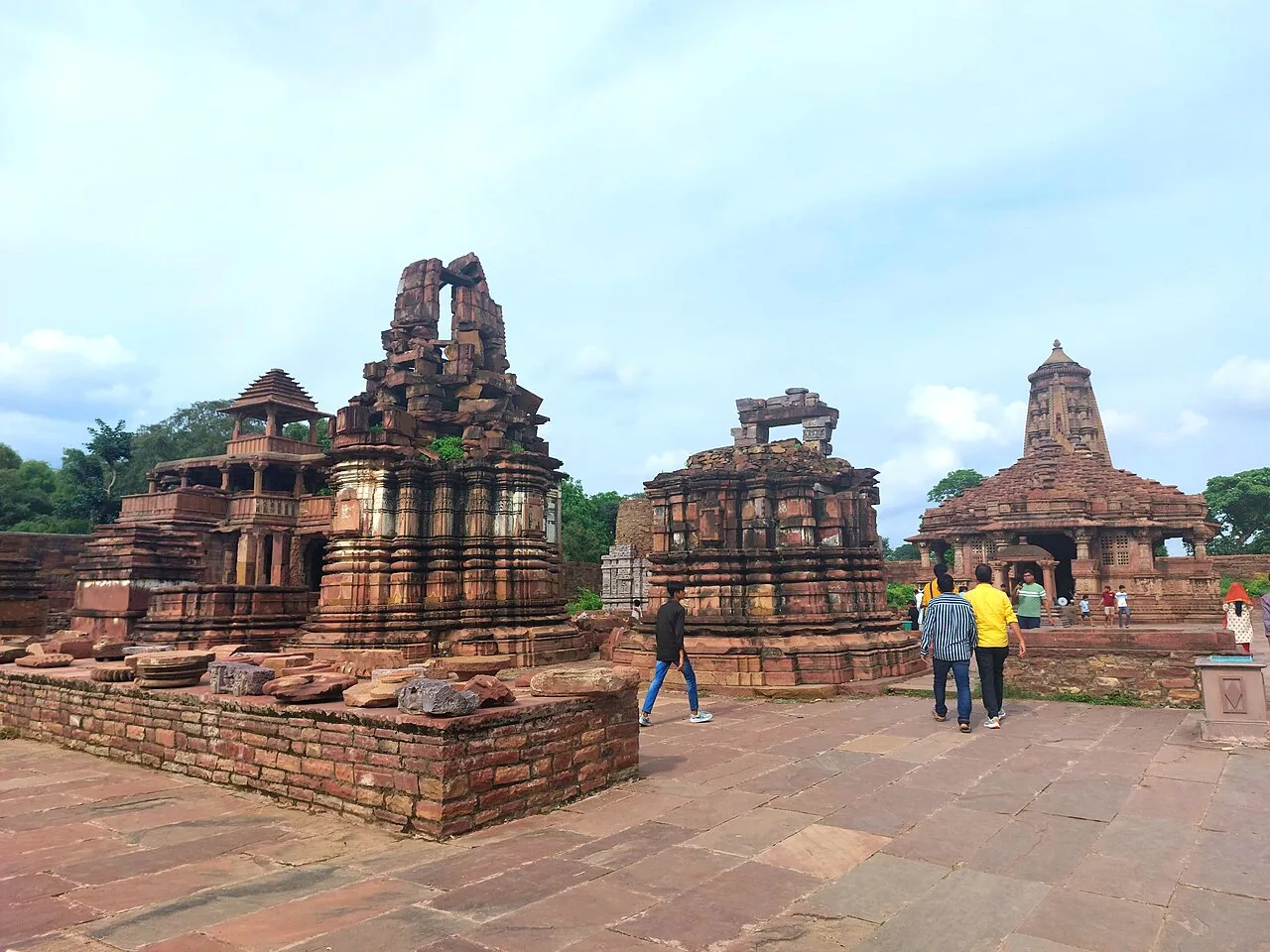
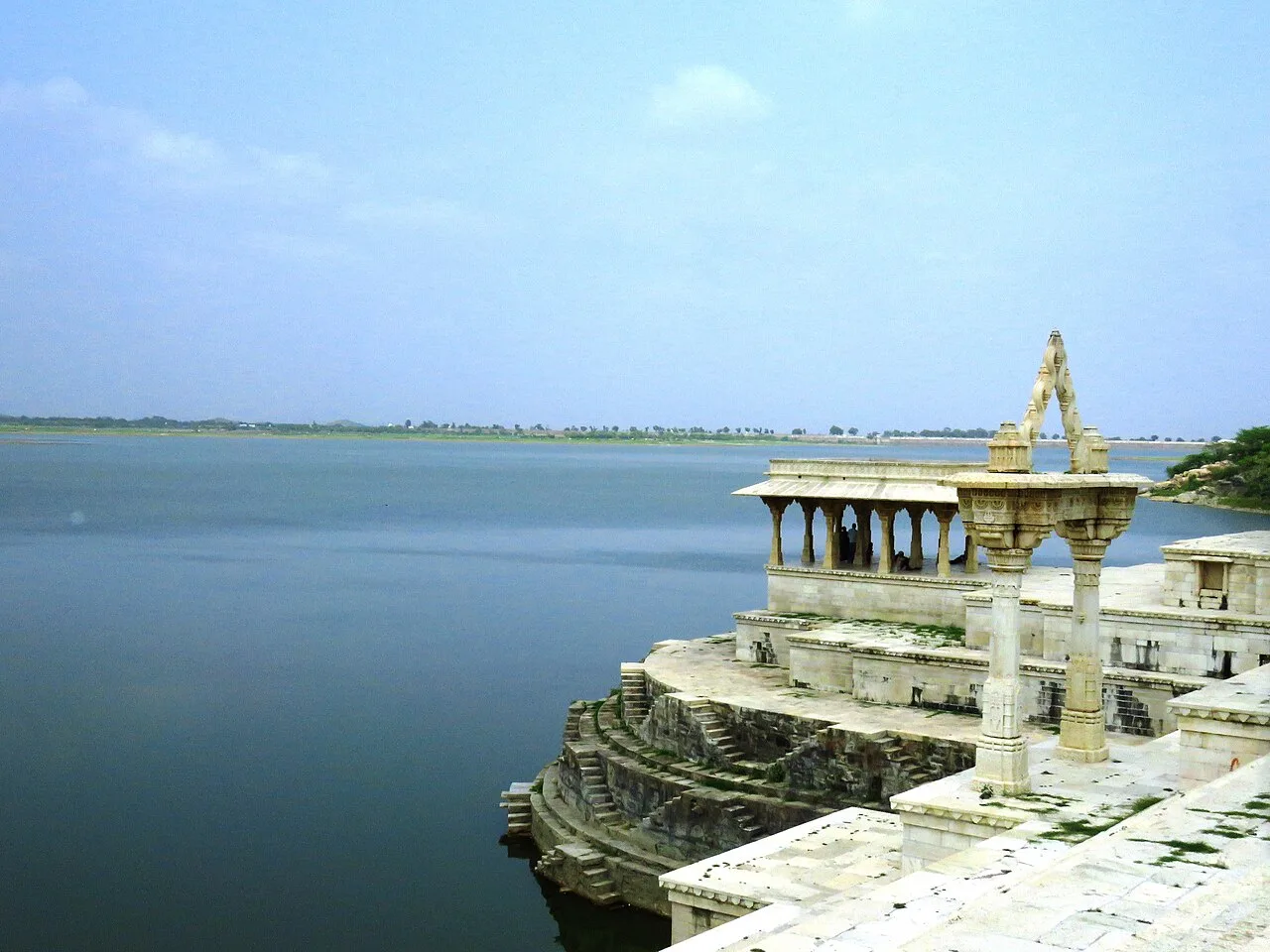
Visitors can explore the city’s places of worship, including Bada Mandir and Harni Mahadev, or take a break at Mansarovar Jheel, a small man-made pond popular with local families. Bhilwara also works as a base for seeing sites elsewhere in the district, including Mandal and the Menal area. It is not generally visited for grand palaces or a single signature monument; its appeal lies in the combination of everyday Rajasthan, religious landmarks and a working textile economy. The city offers a useful perspective on how industry and regional traditions shape contemporary life in Mewar.
Famous for: crafts, trade & products

Bhilwara is best known for textile manufacturing, especially yarn, woven and processed fabrics, and suiting material. The industry includes mills and businesses involved in spinning, weaving, dyeing and finishing, making textiles a major part of the city’s trade and employment. Rather than being identified with one traditional handcraft or a particular saree style, Bhilwara’s reputation is largely built on its modern textile sector.

Visitors interested in the trade can look for fabric and garment shops in the city’s commercial areas, while textile businesses and industrial units are spread across its mill and industrial districts. Pur Road is among the city’s prominent commercial stretches; local shopkeepers can point visitors towards fabric wholesalers and retail outlets. The city is also a place to see how textile production underpins a regional economy, though mills are workplaces and access may need prior arrangement. No single local GI-tagged craft is central to Bhilwara’s public identity. For shoppers, it is sensible to compare fabric composition and finishing, and to ask whether a shop sells retail or wholesale quantities.

History

Bhilwara’s early history is associated with old settlements and religious sites. Local accounts place the town’s oldest part around Bada Mandir, a Krishna-Radha temple said to date to the mid-11th century. Stories about the city’s name differ: one links it to coins called “Bhiladi” said to have been minted here, while another connects it to the Bhil community. These are traditions rather than a single settled explanation.

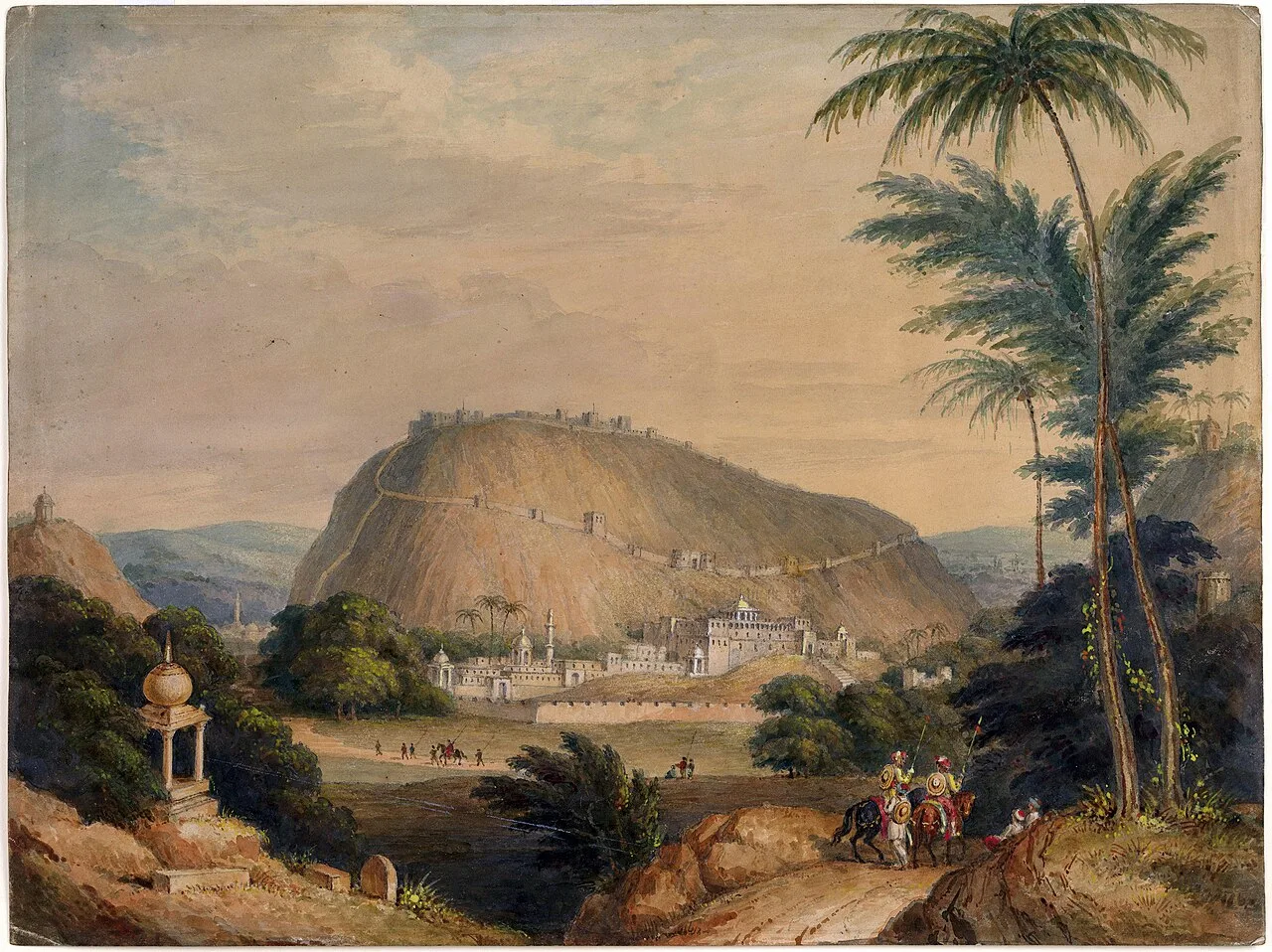
The surrounding region formed part of Mewar’s historical landscape. Mandal, near Bhilwara, is remembered as a Mughal military camp during the campaign against Chittaurgarh; a watchtower there later became associated with a Devi shrine. During the colonial era, Bhilwara was within the princely state of Mewar rather than a directly administered British province. After independence and the integration of princely states into Rajasthan, the city developed as a district centre. In the modern period, textile manufacturing and trade have driven much of its growth and given it its best-known contemporary identity.

Food, festivals & culture

Everyday food reflects the wider Mewar and Rajasthani kitchen. Visitors can look for dal baati churma, gatte ki sabzi, kachori and other savoury snacks, as well as sweets such as ghevar and malpua. Menus vary between homes and restaurants, and seasonal or festival foods are common. Hindi and Rajasthani are widely heard; Mewari is also spoken in the region, alongside languages used by communities who have moved to the city for work.

Hindu festivals such as Holi, Diwali and Navratri are observed, while Gangaur and Teej bring seasonal customs, gatherings and processions. Temple visits and devotional observances are part of local life. Bada Mandir and Harni Mahadev are among the city’s notable places of worship, with other shrines serving neighbourhood communities. Folk music and dance traditions are part of the broader Mewar cultural setting; performances and celebrations are most likely to be encountered during festivals and community events rather than as a daily tourist programme.

Visiting the city

The cooler months, roughly October to March, are generally the most comfortable for exploring Bhilwara. Summers can be very hot, while monsoon rains may affect road journeys. The nearest airport with regular commercial services is Maharana Pratap Airport at Udaipur; Jaipur is another option with a wider network but is farther away. Bhilwara Railway Station connects the city by rail, and buses and road services link it with other Rajasthan destinations.

Within the city, auto-rickshaws, taxis and local buses can help with getting around; agree the destination before setting off. Explore the older neighbourhoods around Bada Mandir, the central commercial streets and textile-shopping areas, then visit Harni Mahadev or Mansarovar Jheel. For district excursions such as Mandal or Menal, arrange a car or check local transport options in advance.

Trips from the city

Nearest places to visit from Bhilwara

Our closest destination guides, by straight-line distance.

Chittor Fort

51 km away · Chittorgarh district

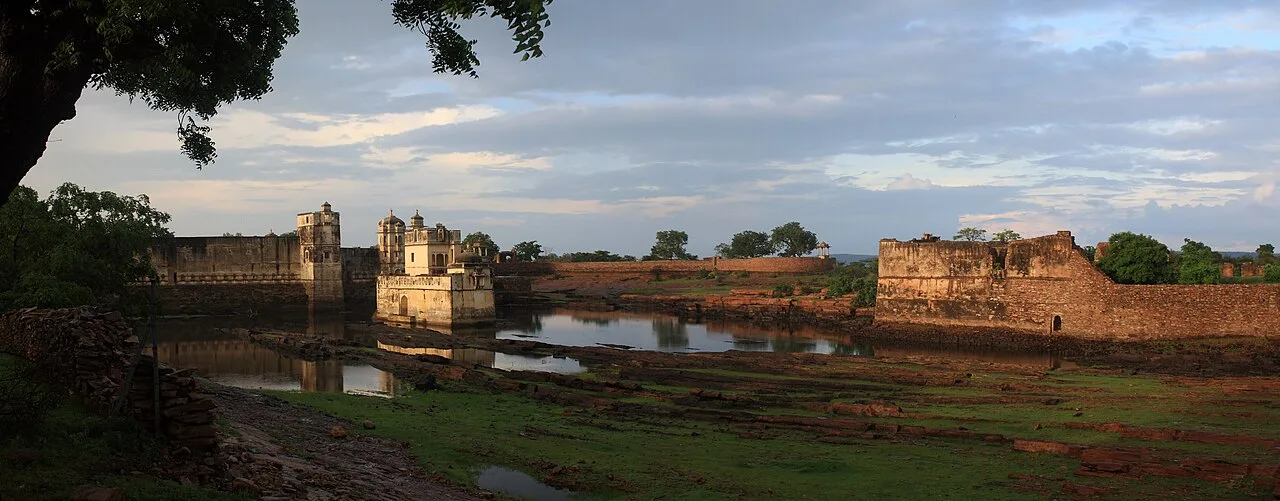
Chittor Fort

Chittor Fort, also called Chittod Fort, is among India’s largest forts and the former capital of Mewar. Visitors explore its historic palaces, temples, water bodies, memorials and towers.

Vijaya Stambha

51 km away · Chittorgarh district

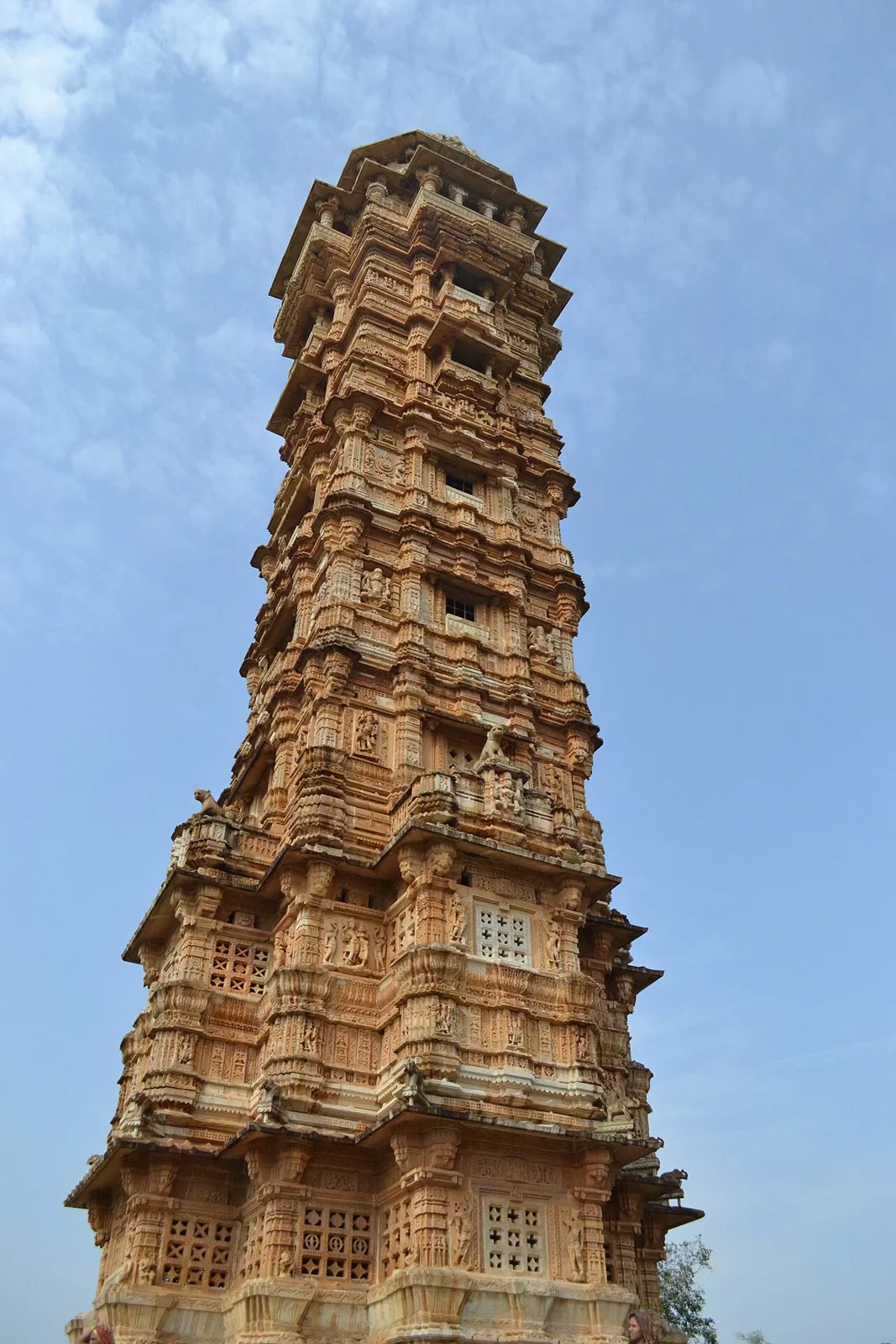
Vijaya Stambha

Vijaya Stambha is a victory tower in Chittor Fort, Chittorgarh district, Rajasthan. Visitors come to see its Rajput architecture and its association with Rana Kumbha’s 1448 triumph.

Akola (Dabu Print Village)

59 km away · Chittorgarh district

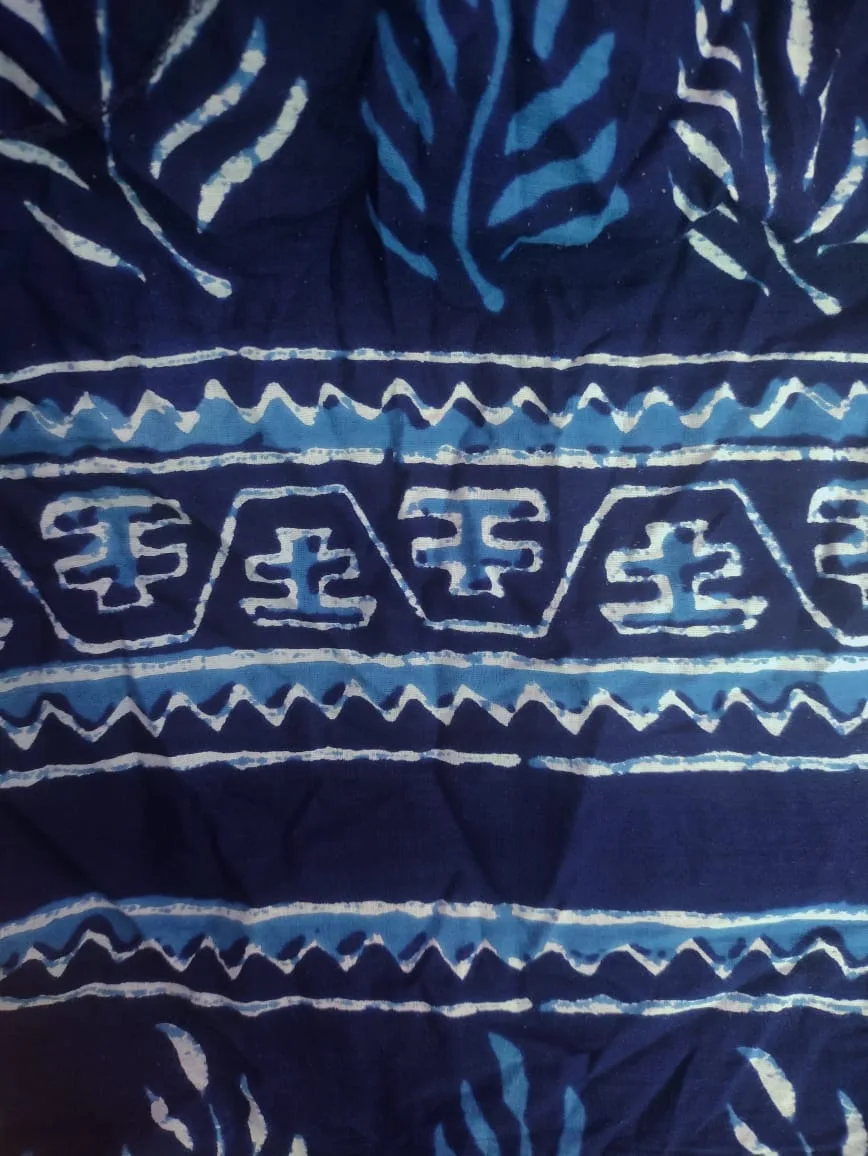
Akola (Dabu Print Village)

Akola, also called Chhipo ka Akola, is a village in Rajasthan’s Chittorgarh district. Visitors are drawn by its Dabu print, known across India.

Menal

60 km away · Bhilwara district

Menal

Menal is a village in Rajasthan linked with Begun Taluk and both Chittorgarh and Bhilwara districts; no particular attraction or reason for visiting is specified.

Rajsamand Lake

83 km away · Rajsamand district

Rajsamand Lake

A large reservoir in Rajasthan’s Rajsamand district, Rajsamand Lake is also called Rajsamudra. Visitors come to see its scale and the historic work associated with Rana Raj Singh.

Nathdwara

95 km away · Rajsamand district

Nathdwara

Nathdwara is a city in Rajasthan known for its Shrinathji shrine and its place in the Vaishnavite Pushti Marg tradition, drawing devotees from Rajasthan, Gujarat and beyond.

Bundi

101 km away · Bundi district

Bundi

Bundi is a city in Rajasthan’s Hadoti region, within Bundi district. Visitors come to explore the city and its setting in north-western India.

Raniji ki Baori

101 km away · Bundi district

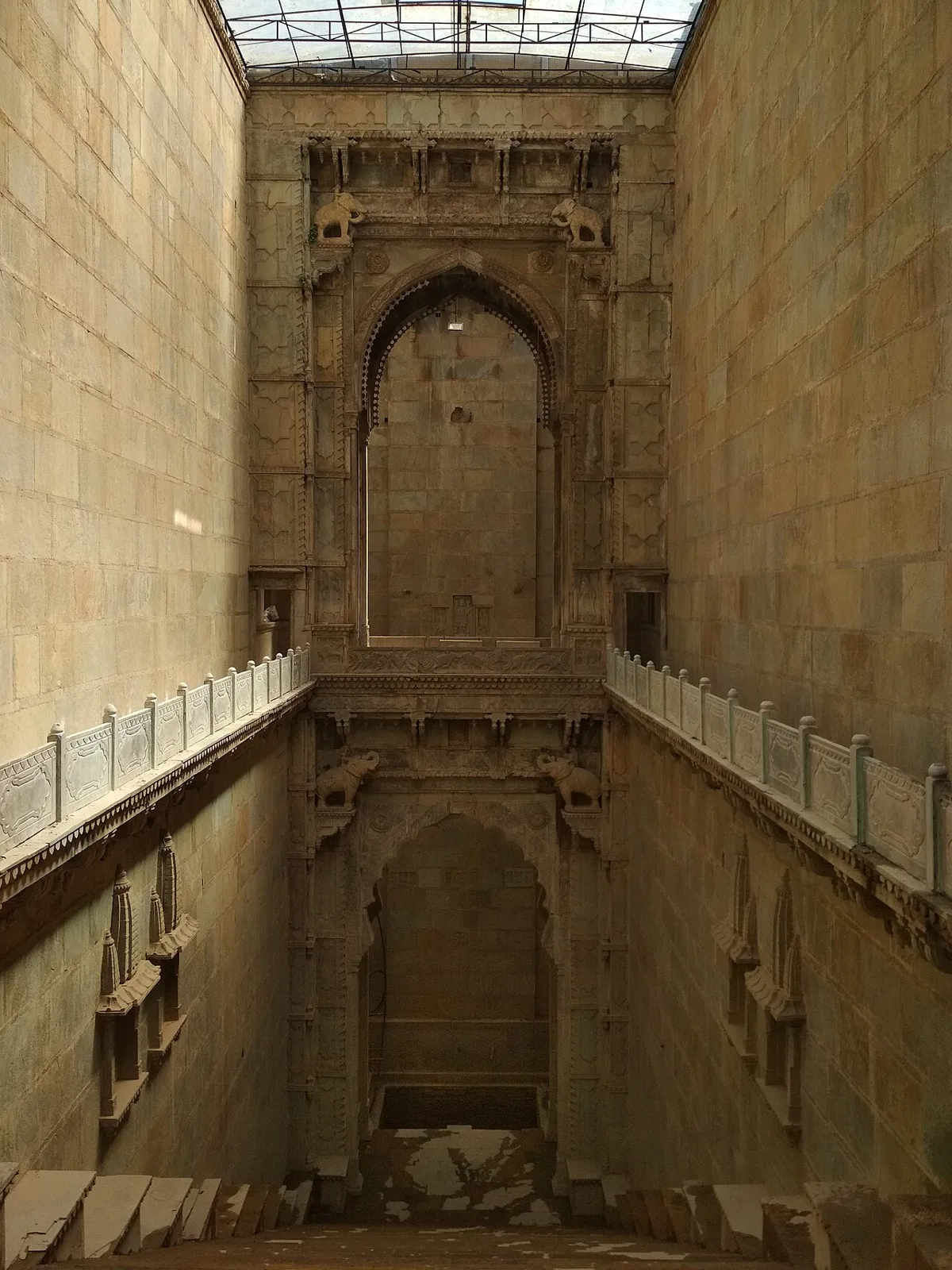
Raniji ki Baori

Raniji ki Baori is a multi-level stepwell in Bundi, Rajasthan, built by Rani Nathavati Solanki in 1699. Visitors come to see its deep stairwell, carved pillars and ornate arches.

Map

Bhilwara on the map

  1. 1Chittor Fort
  2. 2Vijaya Stambha
  3. 3Akola (Dabu Print Village)
  4. 4Menal
  5. 5Rajsamand Lake
  6. 6Nathdwara
  7. 7Bundi
  8. 8Raniji ki Baori

Rajasthan

Other cities to explore