Ghumoopedia — Explore, Discover, Experience
Sign in
Ranakpur Jain temple, near Sumerpur

City guide · Rajasthan

Sumerpur

Sumerpur is a regional market town in southern Pali district, serving communities across parts of Pali, Sirohi and Jalore. Its agricultural mandi gives the city an important role in moving farm produce through western Rajasthan, while its position near the Jawai River connects it to a landscape shaped by seasonal water and the dry conditions of the region.

Famous for

  • Agricultural mandi
  • Jawai River setting
  • Ottoman POW camp history
  • Ottoman war graves
  • Regional farm trade

Why Sumerpur matters

Sumerpur is a regional market town in southern Pali district, serving communities across parts of Pali, Sirohi and Jalore. Its agricultural mandi gives the city an important role in moving farm produce through western Rajasthan, while its position near the Jawai River connects it to a landscape shaped by seasonal water and the dry conditions of the region. Sumerpur also functions as the headquarters of its revenue subdivision and tahsil, making it a local centre for administration and everyday services.

The city has a distinctive place in modern history as the site of a First World War camp for Ottoman prisoners of war. The surviving graves offer a tangible reminder of a little-known chapter in Rajasthan’s past and may interest visitors exploring the region’s history. Sumerpur is not chiefly a resort or monument city; its appeal lies in its active market, local town life and historical significance. It can also serve as a practical stop while travelling between Pali district and destinations farther west or south.
Famous for: crafts, trade & products

Sumerpur’s strongest commercial identity is its agricultural mandi, a major wholesale market serving a wider belt that includes Pali, Sirohi and Jalore districts. The market is the best place to observe the town’s trading role and the movement of regional farm produce. Shops and bazaars around the town centre cater to residents and visitors with everyday goods and food. The mandi is primarily a place of commerce, so visitors should check locally about access and trading activity before making a special trip.

Sumerpur is not widely identified with a particular saree, handicraft or GI-tagged product. Pali district has broader textile and trading activity, but that should not be confused with a distinct Sumerpur-made craft. For locally produced goods, browse the central bazaar and ask shopkeepers about items sourced from nearby villages. The town’s historical interest is separate from its trade: the former POW camp grounds and surviving Ottoman graves are reminders of its wartime past, rather than commercial attractions. Visitors looking for specialist crafts may find a wider selection in larger regional centres.

History

Sumerpur was established in 1912 on the north bank of the Jawai River and named for Maharaja Sumer Singh of Jodhpur. Its location and later growth helped it become a market and administrative centre for the surrounding countryside. Today it serves as the headquarters of both Sumerpur subdivision and tahsil, alongside its role as an agricultural trading hub.

During the First World War, the British government asked the Jodhpur ruler to provide a camp for Ottoman prisoners of war. A camp was set up at Sumerpur in 1915. When International Red Cross commissioners visited in March 1917, 3,366 Turkish prisoners were recorded there; many were from Mesopotamia, including Arabs, Christians and Armenians. The camp was later enlarged and held as many as 9,000 prisoners at one point. The surviving burial ground contains 149 graves of Ottoman prisoners. These sites give the town a historical significance extending well beyond its regional market role.

Food, festivals & culture

Daily life in Sumerpur reflects its role as a market and service centre for nearby villages. Hindi and Marwari are commonly used in the region, with local speech heard in shops and bazaars. The food is broadly characteristic of western Rajasthan: visitors may find dishes such as dal baati churma, gatte ki sabzi and ker sangri, along with familiar Indian snacks and sweets. Availability varies between eateries, and these foods are regional rather than exclusive to Sumerpur.

Holi in spring and Diwali in autumn are widely observed, while Teej and Gangaur bring seasonal celebrations associated with Rajasthan. Religious life is visible in neighbourhood temples and other places of worship, which serve local communities; visitors should dress respectfully and follow posted customs. Folk music and dance traditions of the wider Marwar region, including forms such as ghoomar, are part of the cultural setting, especially around festive occasions. Sumerpur is a working town, so its everyday bazaars and community life are often a more direct introduction to local culture than a dedicated tourist performance.

Visiting the city

The cooler months, roughly October to March, are generally the most comfortable time to visit; summer can be very hot, and monsoon rain may affect travel. Jodhpur Airport is the nearest major airport. Falna railway station is a useful rail gateway for Sumerpur, with onward travel by road. Confirm current connections locally when planning a journey.

Auto-rickshaws and taxis can help with trips within town and to nearby sites. Explore the central bazaar and agricultural market to get a sense of Sumerpur’s trading life, and ask locally about visiting the former POW camp area and Ottoman graves respectfully. The Jawai riverbank offers a look at the town’s setting, though water flow is seasonal. Sumerpur is best treated as a regional stop rather than a base for extensive sightseeing.

Trips from the city

Nearest places to visit from Sumerpur

Our closest destination guides, by straight-line distance.

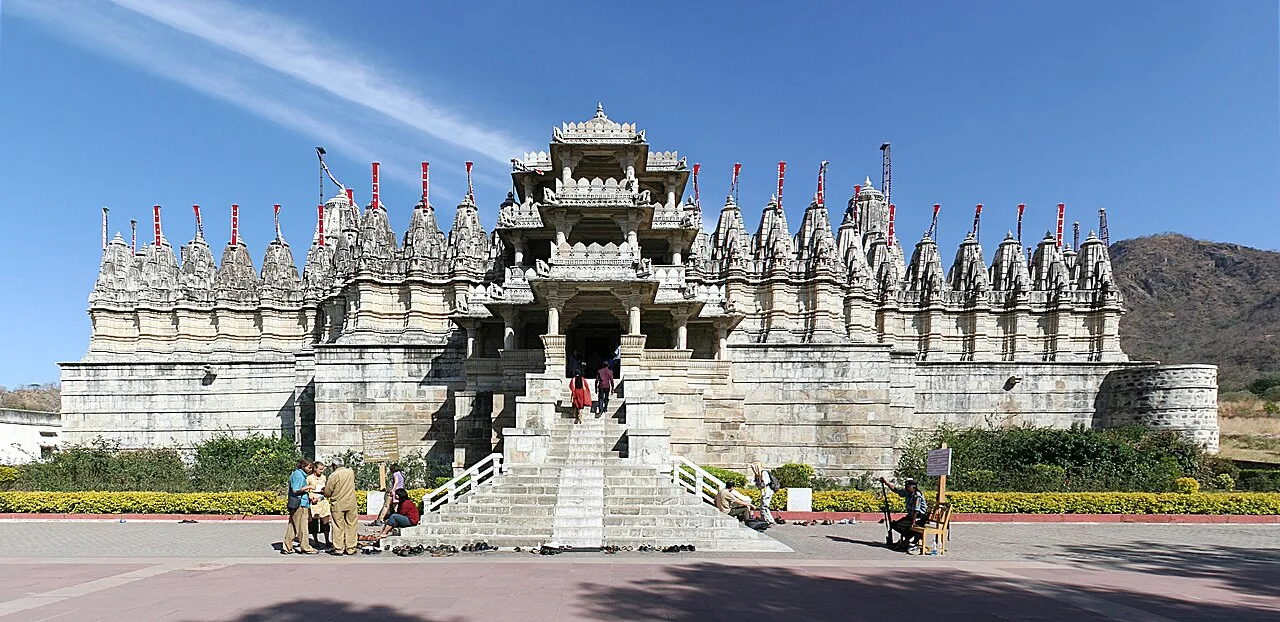
Ranakpur Jain temple

40 km away · Pali district

Ranakpur Jain temple

The Ranakpur Jain temple, also known as Chaturmukha Dharana Vihara, is a Śvētāmbara shrine devoted to Rishabhanatha. Jain pilgrims visit this important religious site and its group of associated temples.

Kumbhalgarh

50 km away · Rajsamand district

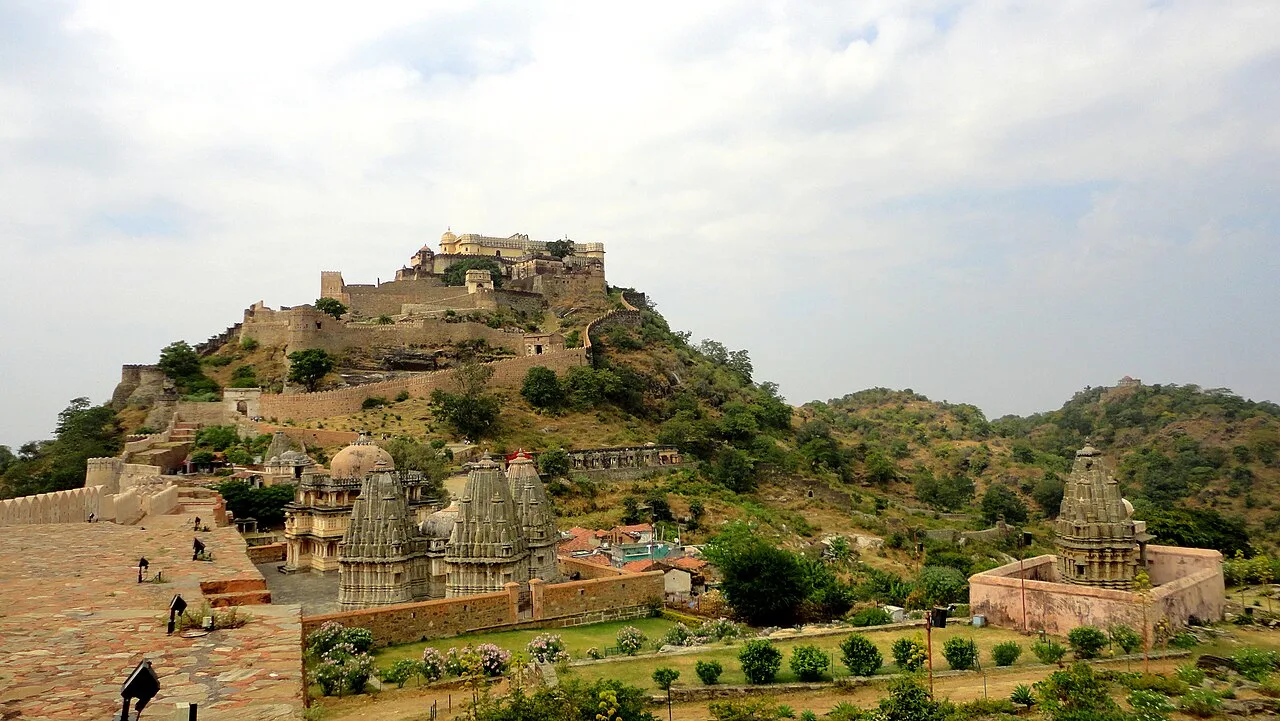
Kumbhalgarh

Kumbhalgarh, often called the Great Wall of India, is a 15th-century fortress in Rajasthan’s Aravalli Hills, visited for its fortifications, historical associations and UNESCO World Heritage status.

Guru Shikhar

64 km away · Sirohi district

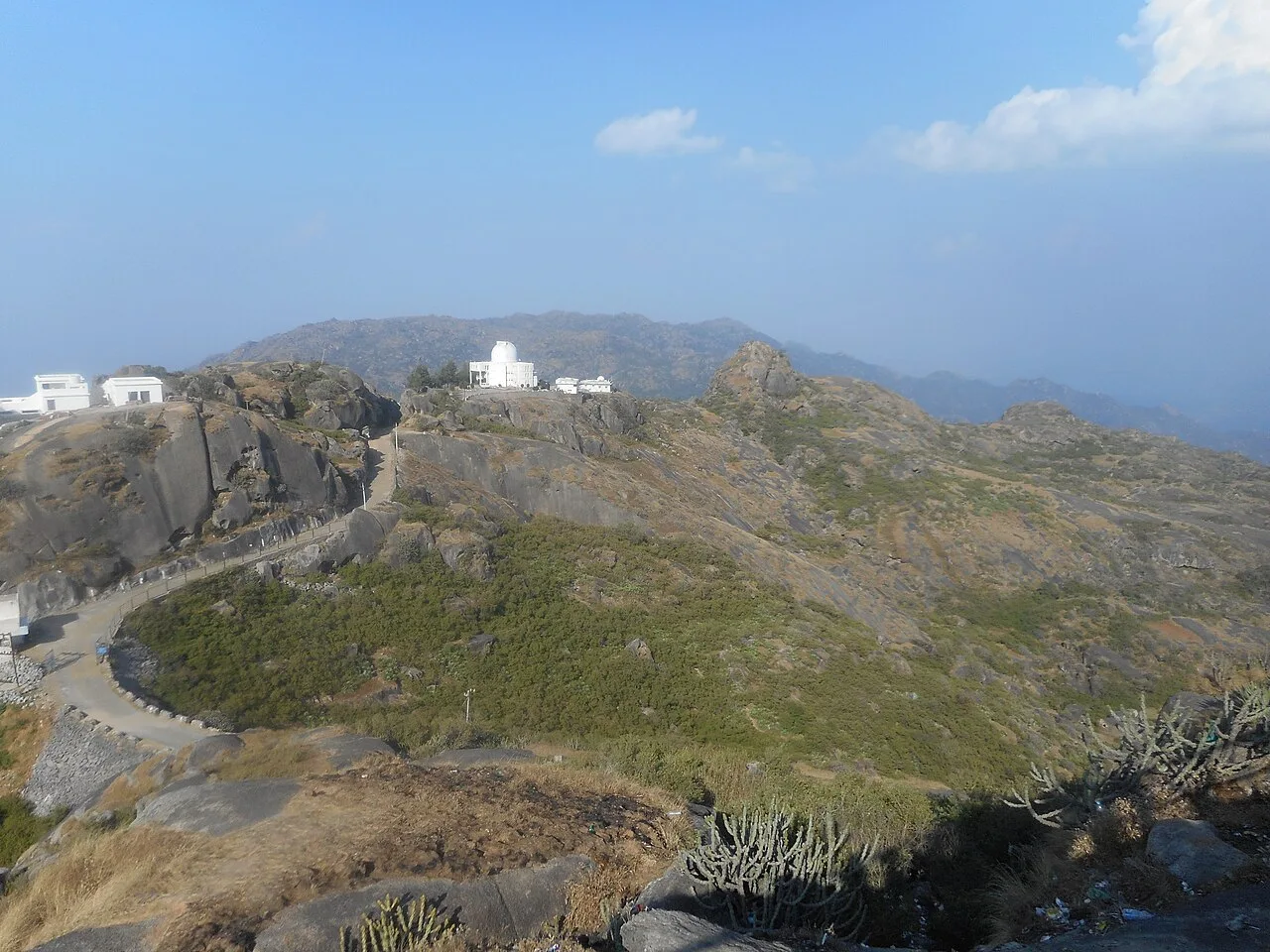
Guru Shikhar

Guru Shikhar is a 1,722-metre summit in Rajasthan’s Arbuda Mountains, valued as the Aravalli Range’s highest point and visited for its hilltop shrines and nearby astronomical observatory.

Haldighati

69 km away · Rajsamand district

Haldighati

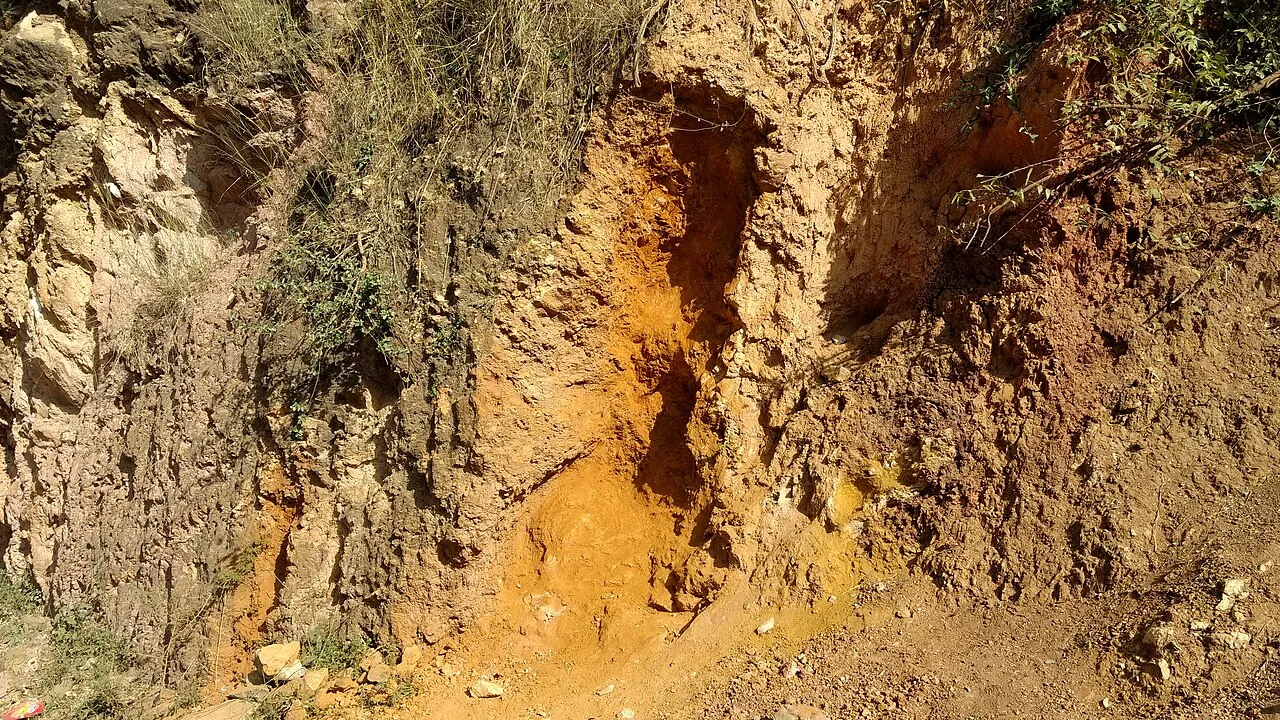
Haldighati is a historic route through Rajasthan’s Aravalli hills, connecting the Rajsamand and Udaipur districts. Visitors come to learn about its past and see the yellow soil associated with its name.

Dilwara Temples

71 km away · Sirohi district

Dilwara Temples

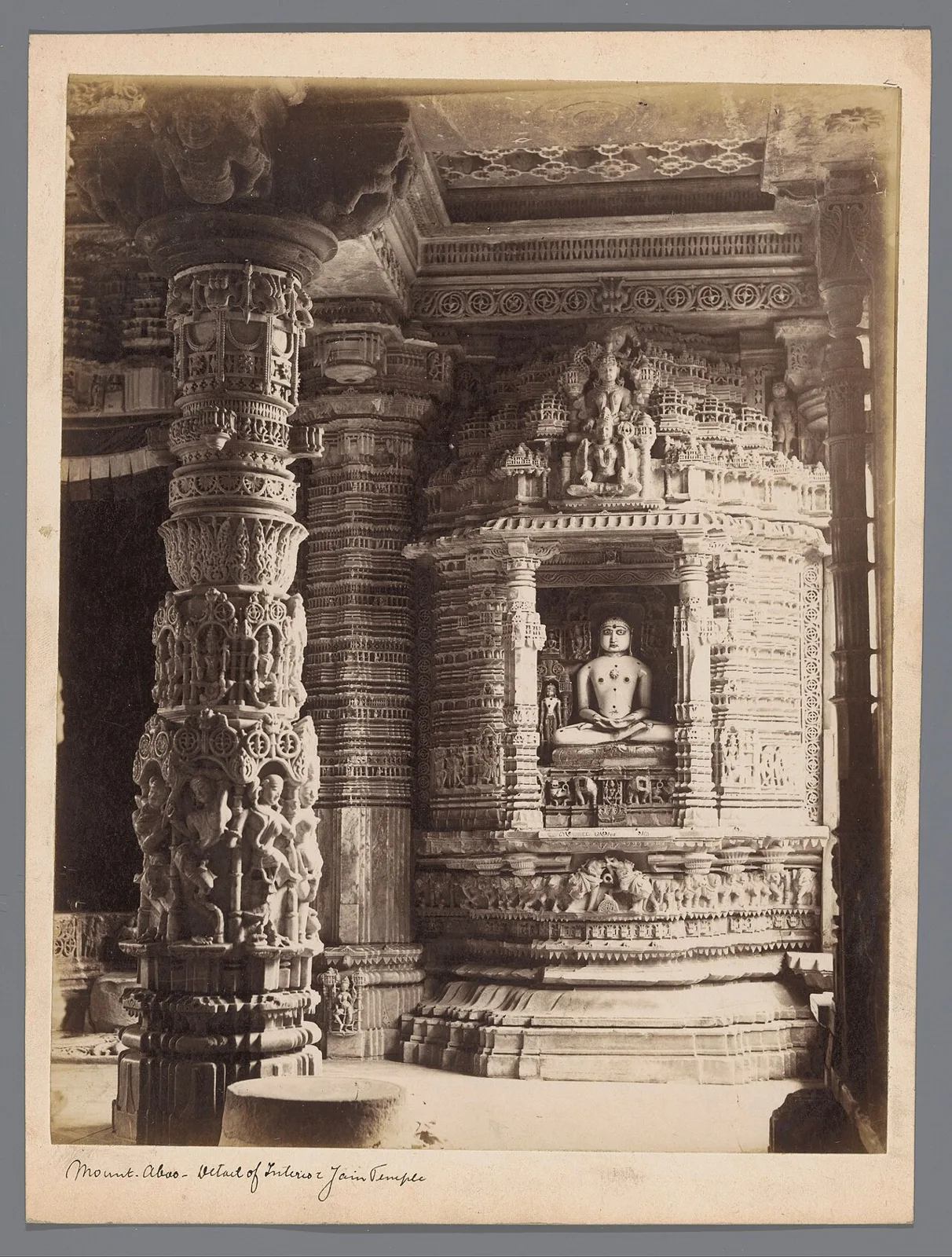
Dilwara Temples are a Śvetāmbara Jain complex near Mount Abu, Rajasthan, visited for pilgrimage and admired for their carved marble architecture.

Mount Abu

73 km away · Sirohi district

Mount Abu

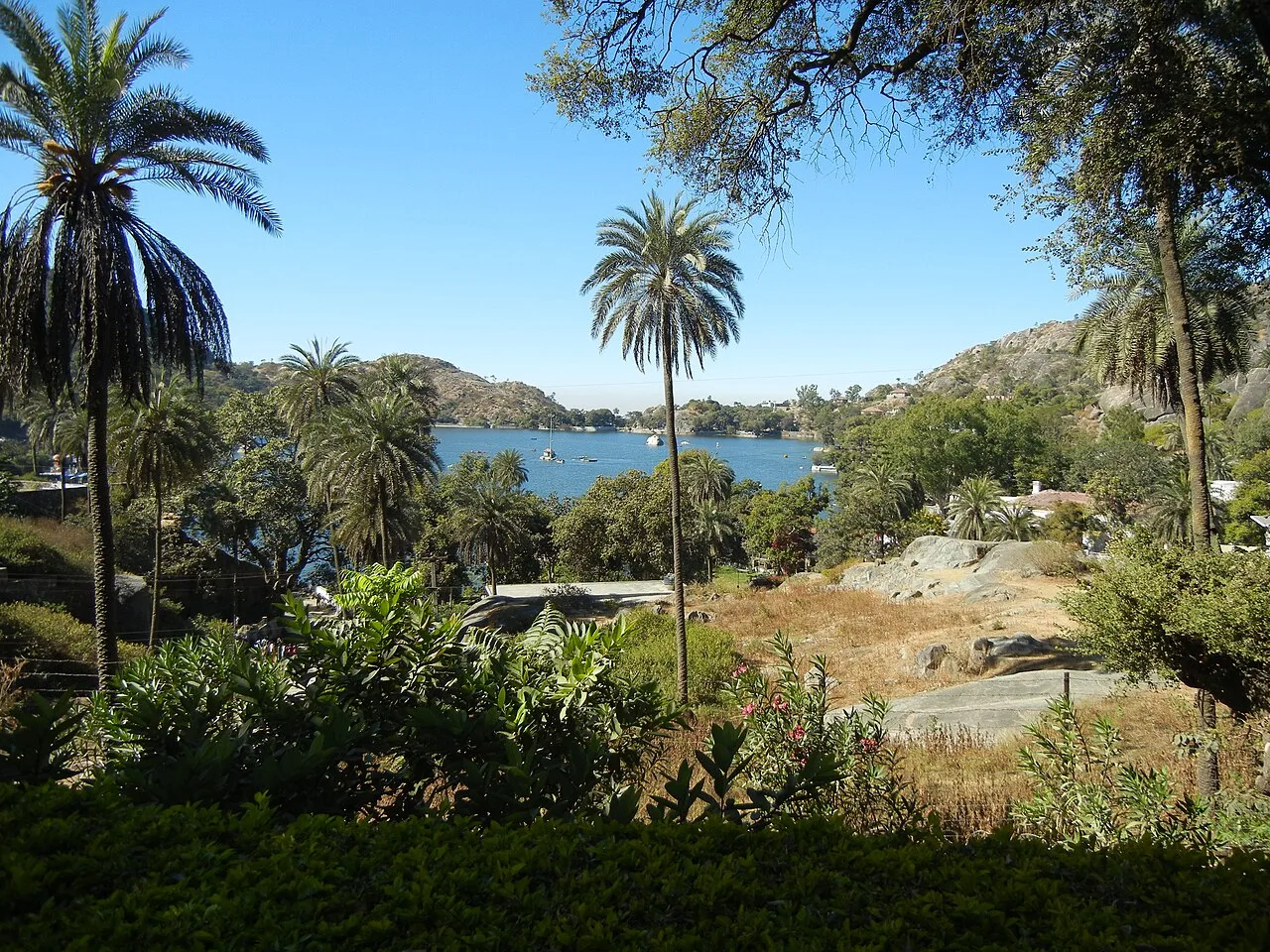
In Rajasthan’s Sirohi district, Mount Abu, also known as Abu Raj, is a hill station on a rocky plateau. Visitors come for its water features, evergreen forests and Hindu and Jain temples.

Nakki Lake

73 km away · Sirohi district

Nakki Lake

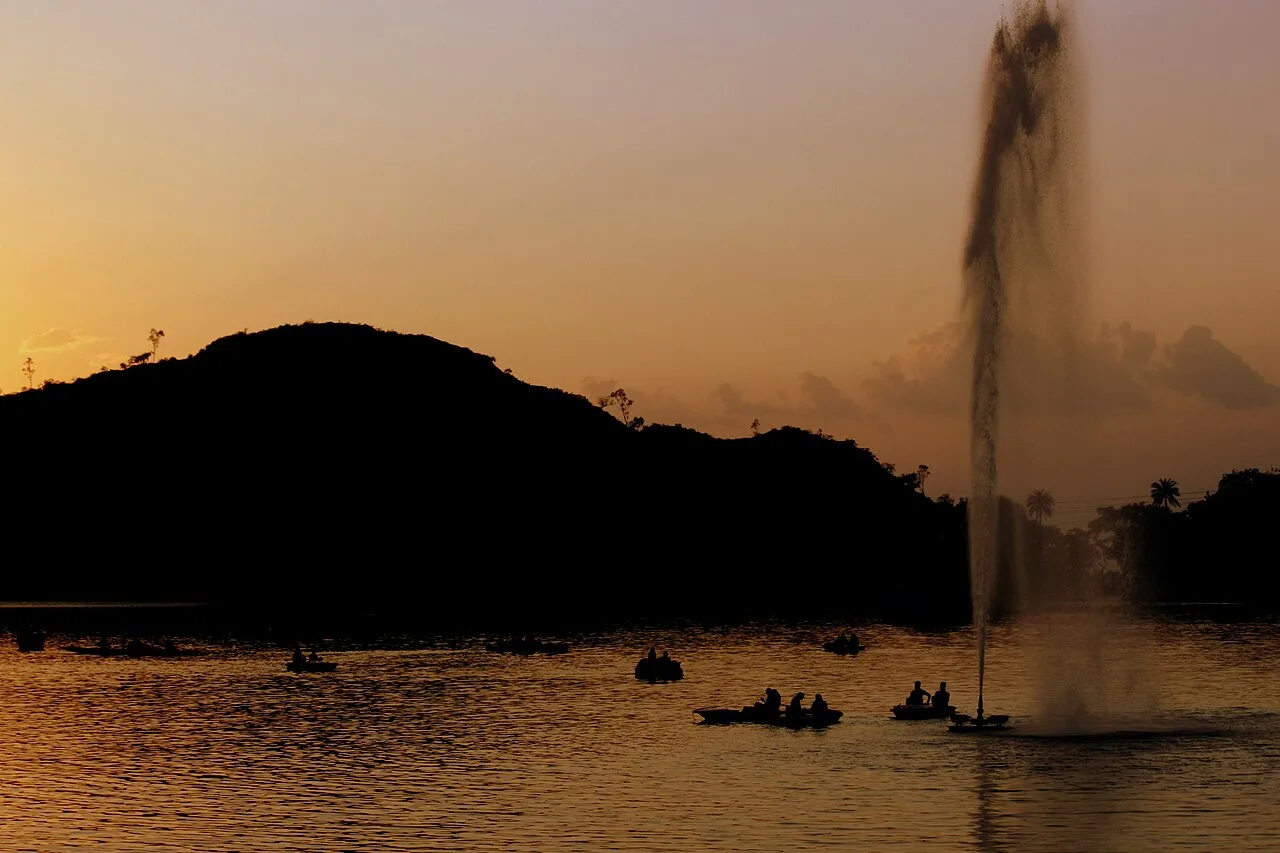
Nakki Lake is a lake at Mount Abu, a hill station in Rajasthan’s Sirohi district and the Aravalli range. Visitors come to see it while spending time at Mount Abu.

Nathdwara

78 km away · Rajsamand district

Nathdwara

Nathdwara is a city in Rajasthan known for its Shrinathji shrine and its place in the Vaishnavite Pushti Marg tradition, drawing devotees from Rajasthan, Gujarat and beyond.

Map

Sumerpur on the map

  1. 1Ranakpur Jain temple
  2. 2Kumbhalgarh
  3. 3Guru Shikhar
  4. 4Haldighati
  5. 5Dilwara Temples
  6. 6Mount Abu
  7. 7Nakki Lake
  8. 8Nathdwara

Rajasthan

Other cities to explore