Ghumoopedia — Explore, Discover, Experience
Sign in
Sambhar Salt Lake, near Jobner

City guide · Rajasthan

Jobner

Jobner is a small town in Jaipur district, about 30 km west of Jaipur. As a tehsil headquarters and an established municipal centre, it serves surrounding settlements with local administration, trade and everyday services.

Famous for

  • Hilltop forts and temples
  • Agricultural education
  • Jaipur-region market town
  • Jhapdiya Talab

Why Jobner matters

Jobner is a small town in Jaipur district, about 30 km west of Jaipur. As a tehsil headquarters and an established municipal centre, it serves surrounding settlements with local administration, trade and everyday services. Its position among routes connecting Jaipur with Ajmer, Nagaur and Sikar also makes it a useful regional stop, though many visitors experience it as a quieter alternative to the larger cities nearby.

The town’s most distinctive landmarks rise on a hill at its edge, where forts and temples look out across the surrounding landscape. Jobner is also associated with agricultural education, with an agricultural university based here. Visitors interested in local history can explore the hill and the older parts of town, while Jhapdiya Talab near Jagmalpura offers a short excursion beyond the centre. Jobner’s appeal lies less in a large tourist circuit than in this mix of local institutions, religious sites and a small-town setting within reach of Jaipur.
Famous for: crafts, trade & products

Jobner is better known for its agricultural education and regional role than for a specialised textile, handicraft or food industry. Sri Karan Narendra Agriculture University is based in the town, continuing Jobner’s association with agricultural learning. The town’s markets primarily serve residents and nearby villages, with everyday shops and services rather than a widely recognised craft bazaar or a documented GI-tagged product.

Visitors looking for local goods can browse the central market area for household items, clothing, snacks and provisions; selection is likely to be practical rather than geared to souvenir shopping. No particular saree style, craft tradition or signature packaged food is firmly associated with Jobner. For a broader choice of Rajasthan-made textiles, crafts and specialty products, travellers can look to Jaipur’s larger markets. In Jobner itself, the hilltop temples and forts, the agricultural campus and the surrounding countryside are more notable than commercial shopping attractions.

History

Jobner is an old settlement in the Jaipur region, although a precise founding date and a detailed sequence of local rulers are not firmly established. Its position along routes linking Jaipur with towns to the west and north helped it serve as a centre for surrounding communities. The hill at the edge of town, with its forts and temples, is a visible reminder of its earlier local importance.

By 1948, Jobner had municipal status, placing its civic development in the final years of princely rule in the region. With the formation of modern Rajasthan and the expansion of district and tehsil administration, the town continued as a local service centre. Road connections and nearby rail links strengthened access to Jaipur and other regional towns. In more recent decades, agricultural education has become an important part of Jobner’s identity, alongside its role as a market and administrative centre for nearby rural areas.

Food, festivals & culture

Everyday food in Jobner reflects the wider cuisine of Rajasthan: wheat breads, lentils, seasonal vegetables and dishes suited to a dry climate. Visitors may find familiar regional preparations such as dal baati churma and snacks or sweets in local shops, though no single dish is uniquely identified with the town. Hindi is widely used, alongside local Rajasthani speech, including Dhundhari influences.

Holi in spring and Diwali in autumn are among the major festivals observed, while Teej and Gangaur bring seasonal processions and devotional observances in the broader Jaipur region. Temples on the hill and shrines around town are important community spaces, particularly during religious occasions. Folk songs, bhajans and devotional music form part of local celebrations; Rajasthan’s dance traditions may be seen at festive gatherings, though Jobner is not especially known as a performance centre. The hilltop temples and forts are the most distinctive places to experience the town’s religious and local character.

Visiting the city

The cooler months, roughly October to March, are generally the most comfortable time to visit. Jaipur International Airport, also known as Sanganer Airport, is about 45 km away; Kishangarh Airport is another option at roughly 80 km. Jobner railway station lies around 7 km from the main town, while Phulera Junction, about 16 km away, offers another rail connection.

Local travel is easiest by taxi or auto-rickshaw, with onward road links connecting Jobner to Jaipur and nearby towns. In town, explore the hilltop forts and temples and the central market area. Jhapdiya Talab, near Jagmalpura about 7 km away, makes a nearby outing. Confirm local transport availability before setting out to sites beyond the centre.

Trips from the city

Nearest places to visit from Jobner

Our closest destination guides, by straight-line distance.

Sambhar Salt Lake

31 km away · Jaipur district

Sambhar Salt Lake

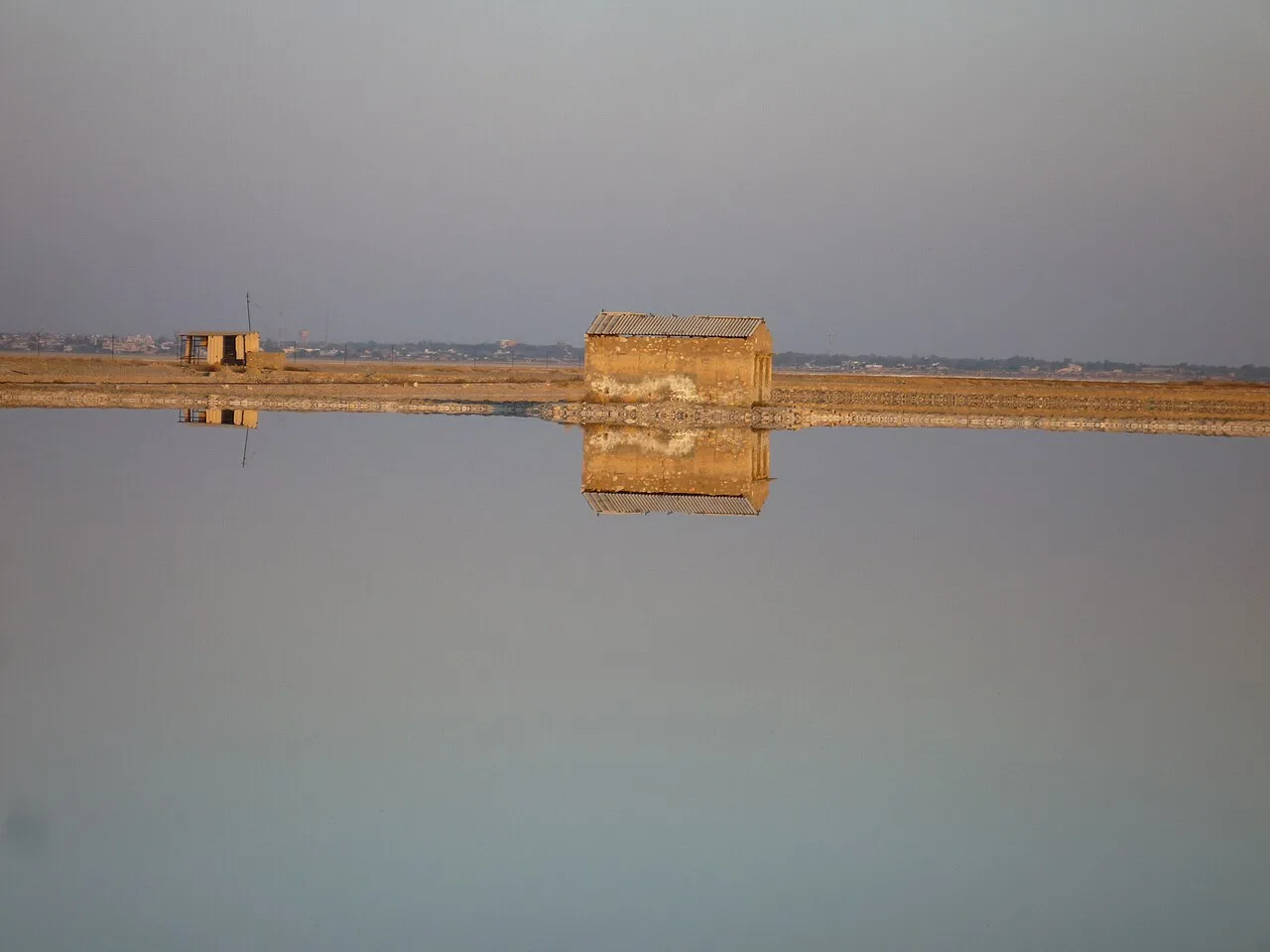
Sambhar Salt Lake is Rajasthan’s largest inland salt lake, in Jaipur district. Visitors come to see the lake and the historic settlement of Sambhar Lake Town, which it surrounds.

Albert Hall Museum

43 km away · Jaipur district

Albert Hall Museum

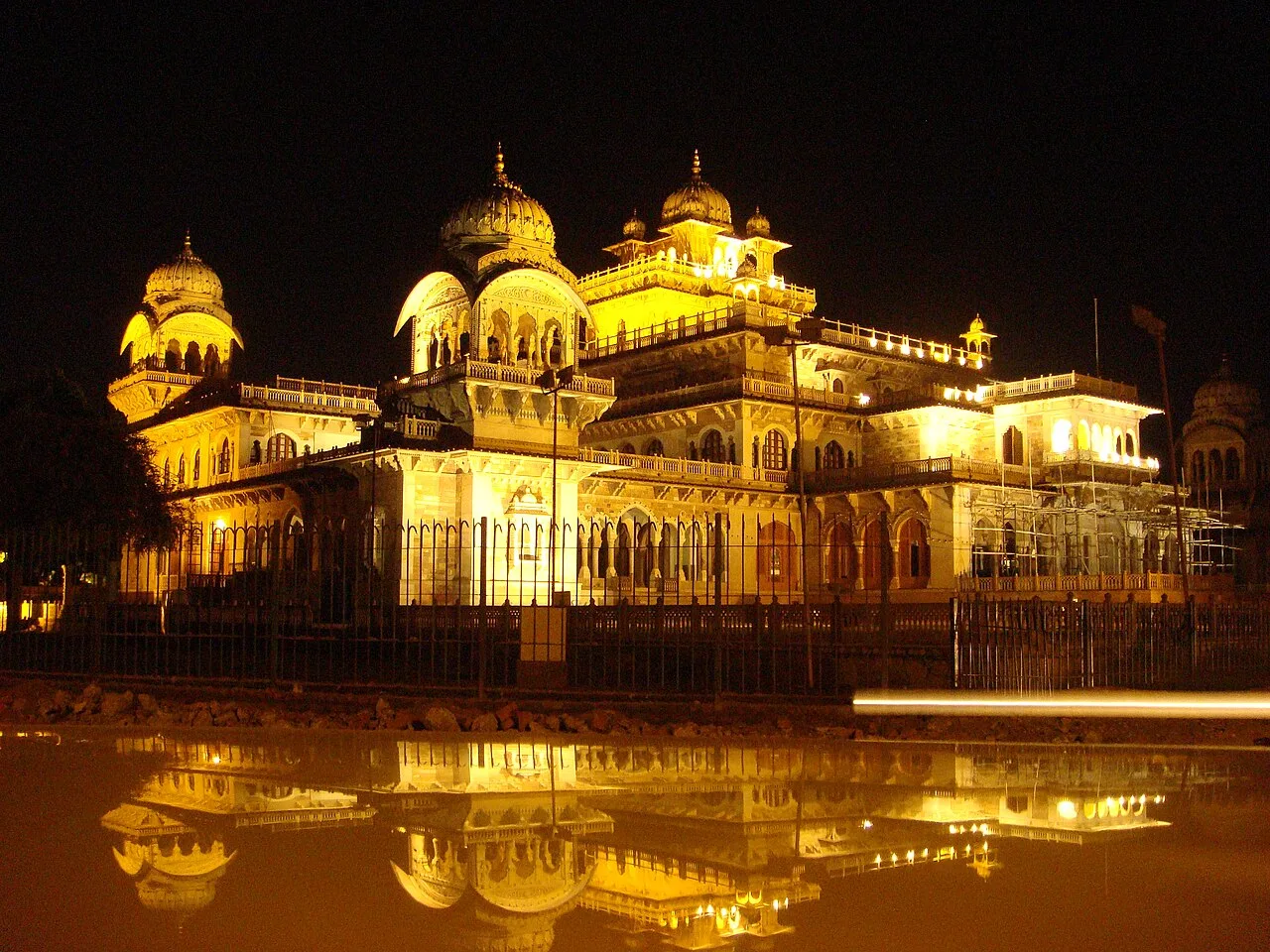
Set in Jaipur’s Ram Niwas Garden, Albert Hall Museum is Rajasthan’s state museum and its oldest museum. Visitors come to explore its varied collections and Indo-Saracenic architecture.

Birla Mandir

43 km away · Jaipur district

Birla Mandir

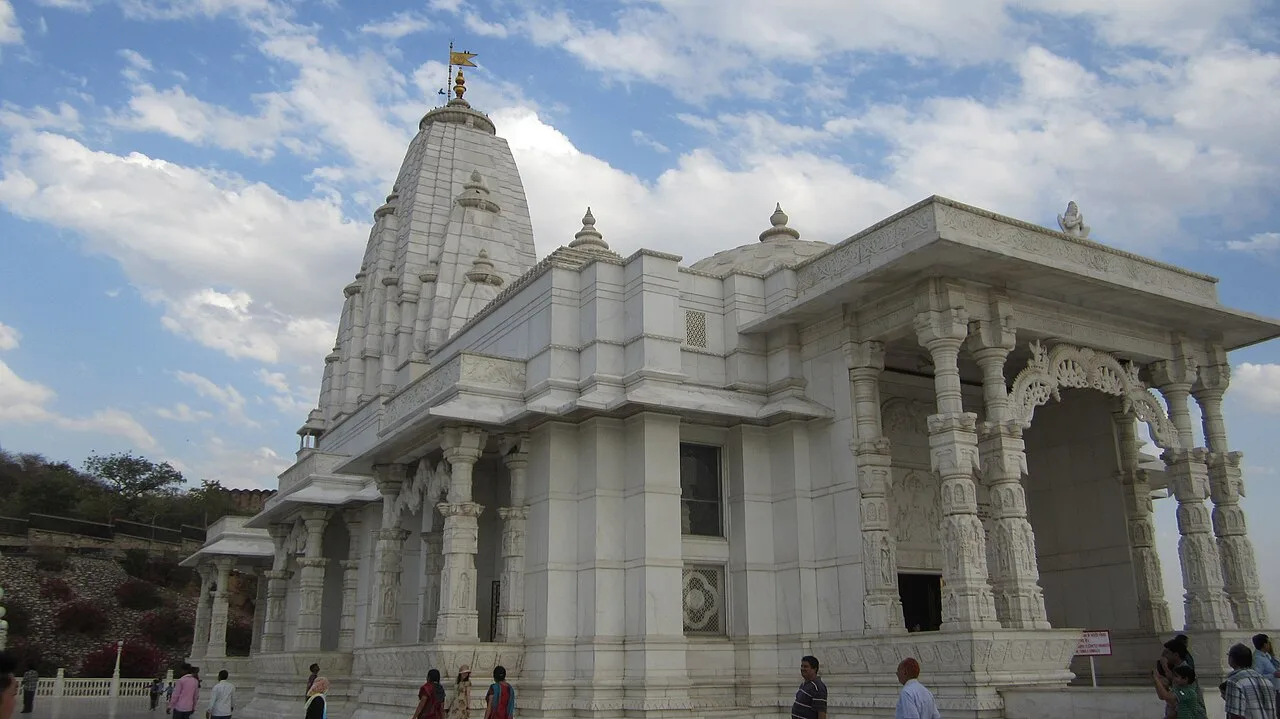
Birla Mandir, also known as Lakshmi Narayan Temple, is a Hindu place of worship in Jaipur, Rajasthan. Visitors come to worship and see its marble shrine and sacred images.

Nahargarh Fort

43 km away · Jaipur district

Nahargarh Fort

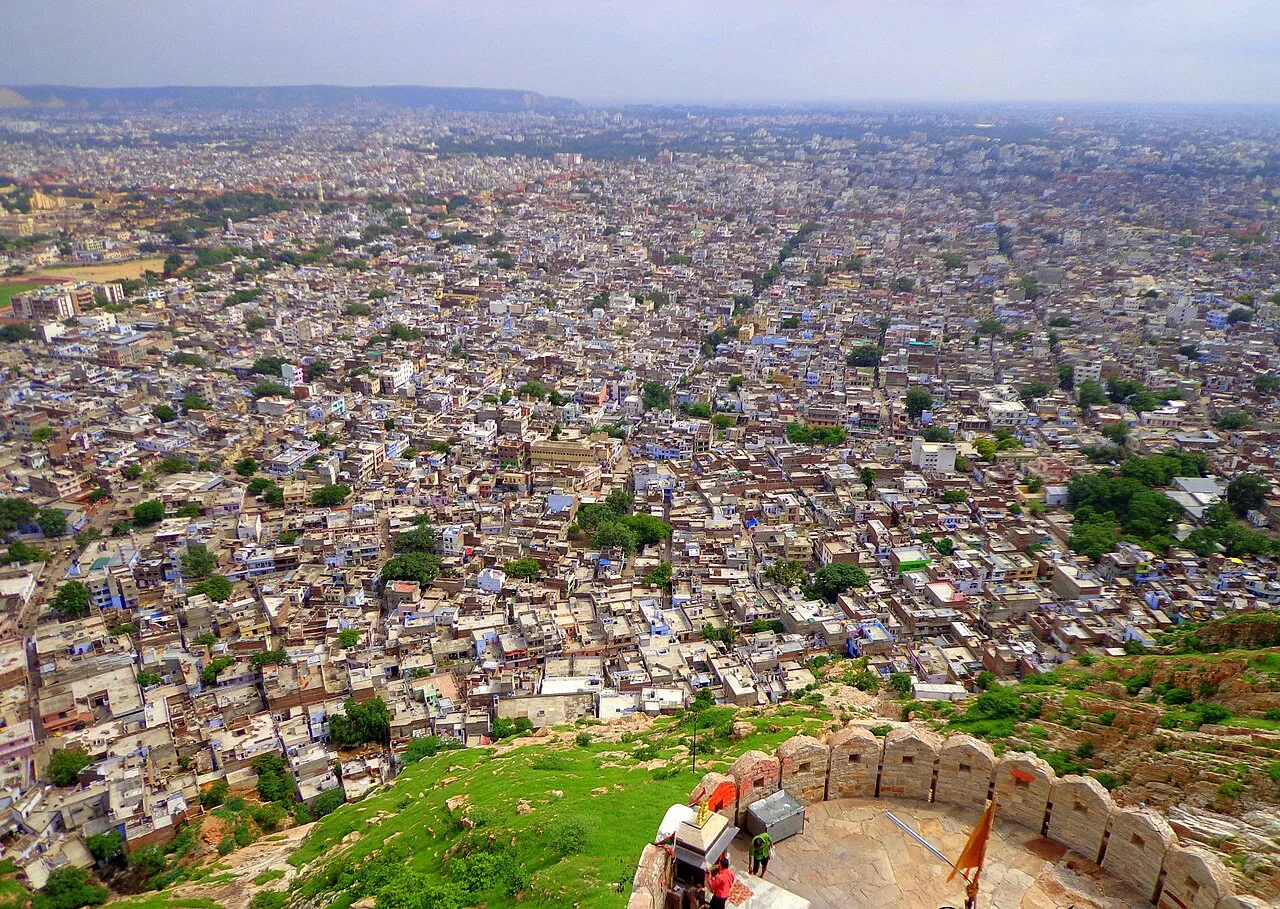
Nahargarh Fort is a historic stronghold in Jaipur, Rajasthan, overlooking the city from the Aravalli range. Visitors come for its elevated outlook and its role in Jaipur’s former defences.

City Palace, Jaipur

44 km away · Jaipur district

City Palace, Jaipur

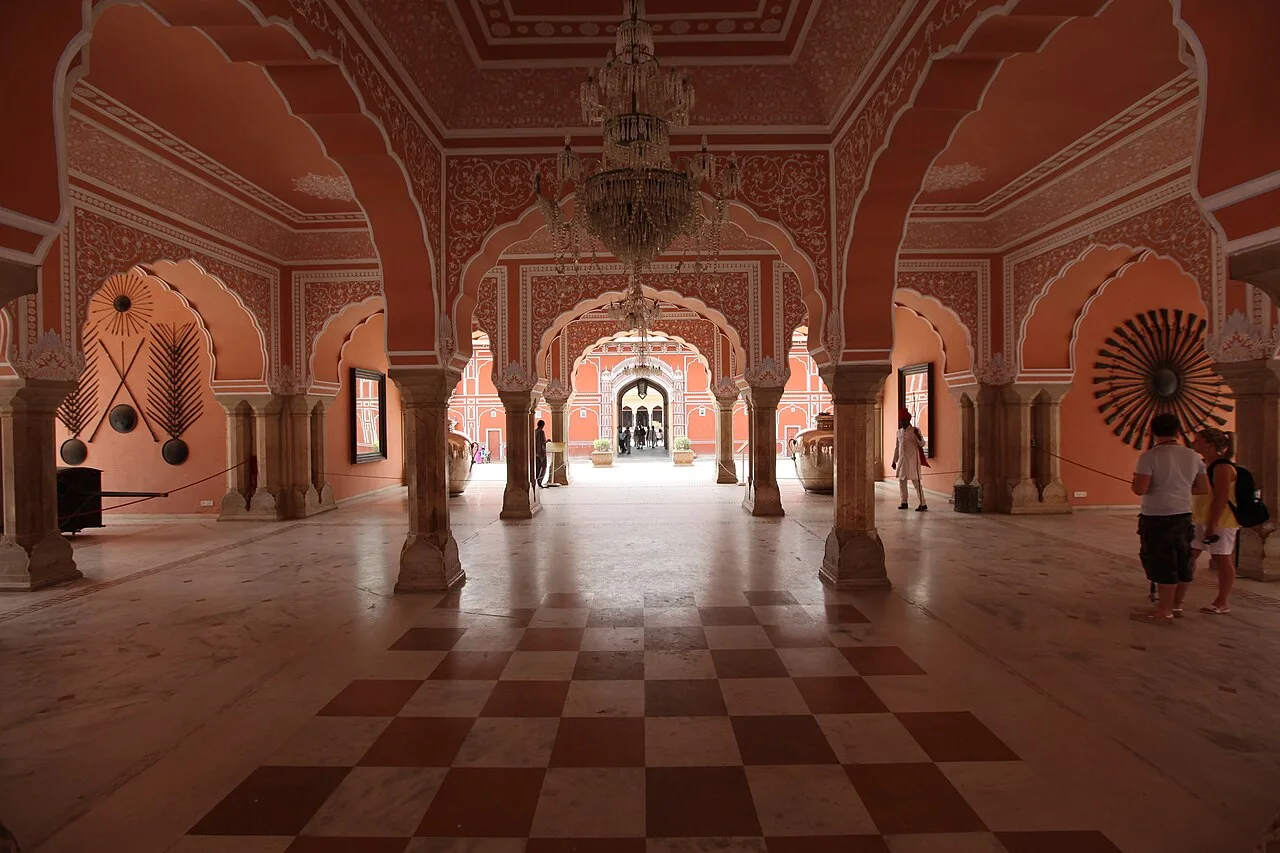
A historic royal complex in Jaipur, the City Palace served the city’s rulers and remains the royal family’s home. Visitors come to see its architecture and explore the museum.

Hawa Mahal

44 km away · Jaipur district

Hawa Mahal

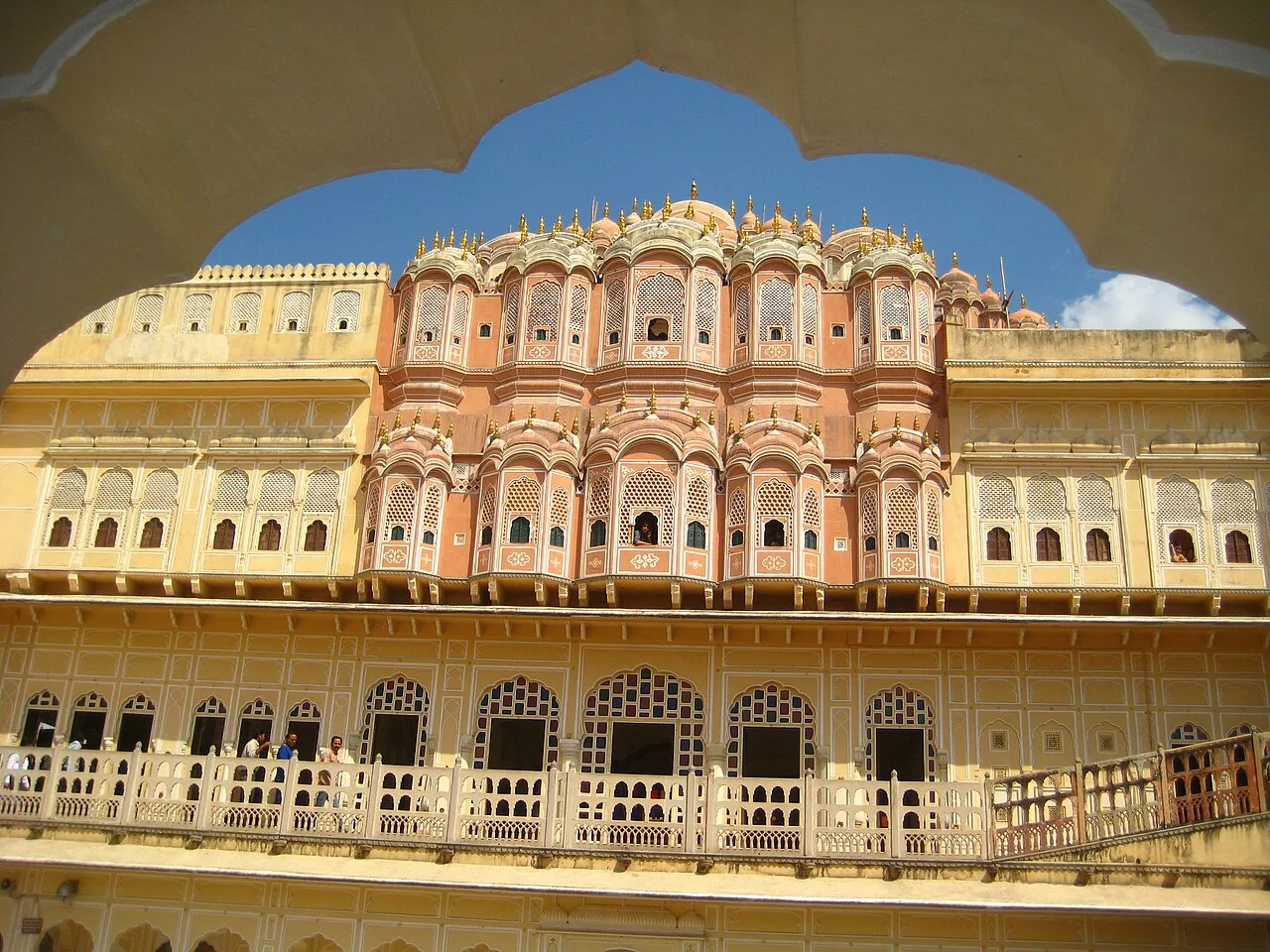
Hawa Mahal is a sandstone palace in Jaipur, recognised for its honeycomb façade and 953 lattice-screened jharokhas. Visitors come to see its distinctive design and learn how its openings provided privacy and ventilation.

Jantar Mantar, Jaipur

44 km away · Jaipur district

Jantar Mantar, Jaipur

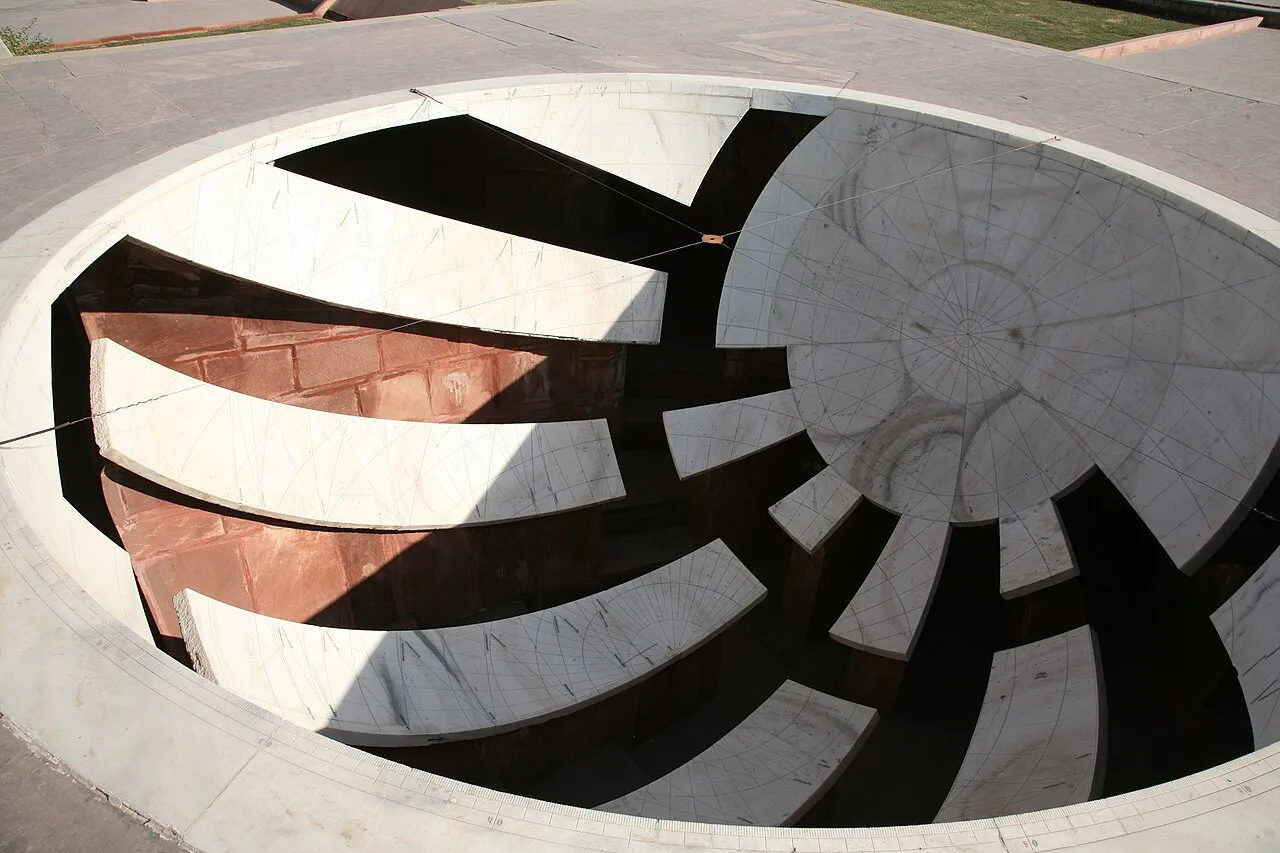
Jantar Mantar is an astronomical observatory in Jaipur, built under Sawai Jai Singh. Visitors come to see its monumental instruments, including a stone sundial, and learn how they were used to observe celestial positions.

Khatu Shyam Temple

44 km away · Sikar district

Khatu Shyam Temple

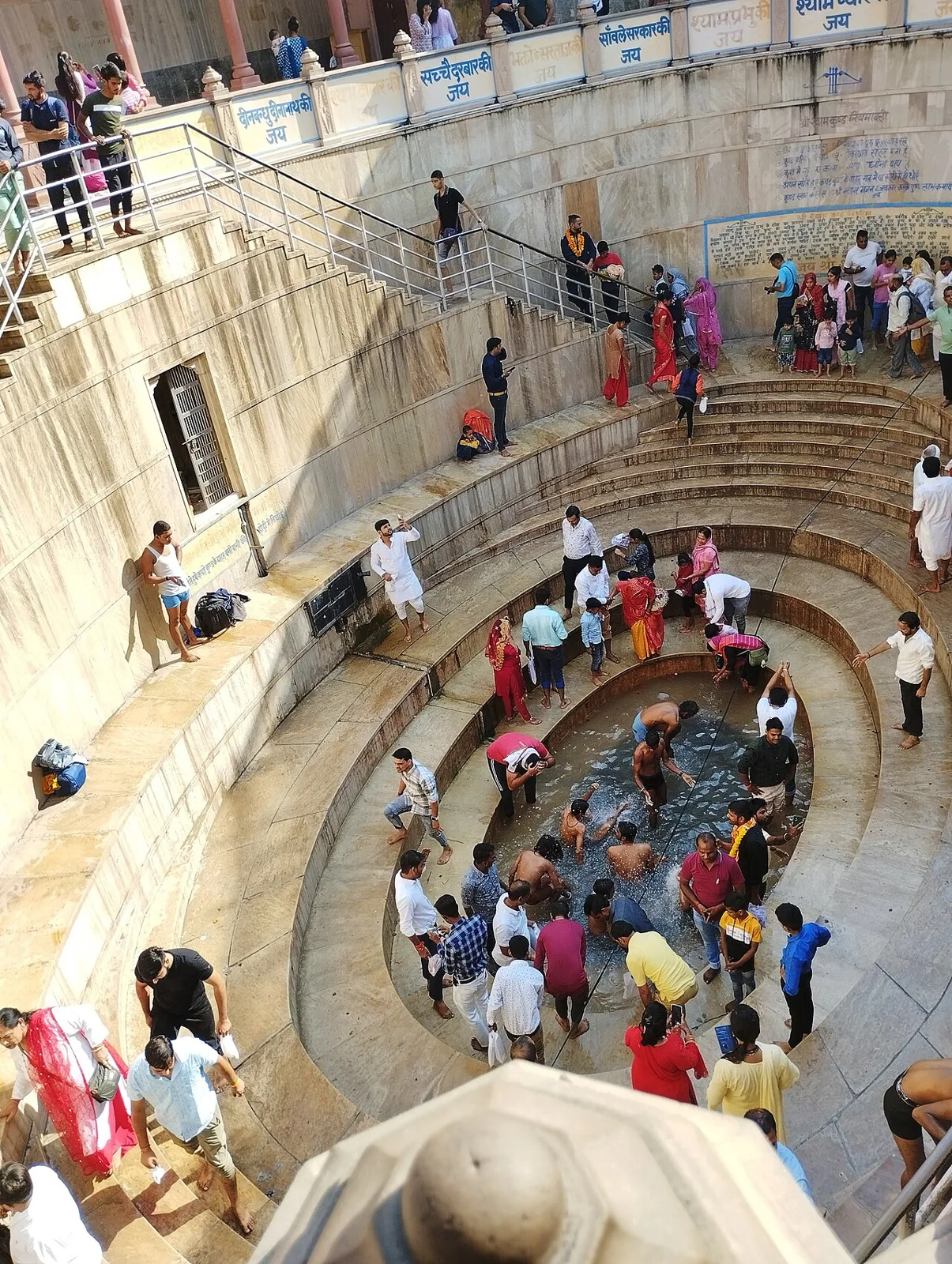
In KhatuShyamJi town, Rajasthan, this Hindu shrine honours Khatu Shyam, believed to be a divine manifestation of Barbareek from the Mahabharat. Pilgrims visit throughout the year, especially for the Falgun Mela.

Map

Jobner on the map

  1. 1Sambhar Salt Lake
  2. 2Albert Hall Museum
  3. 3Birla Mandir
  4. 4Nahargarh Fort
  5. 5City Palace, Jaipur
  6. 6Hawa Mahal
  7. 7Jantar Mantar, Jaipur
  8. 8Khatu Shyam Temple

Rajasthan

Other cities to explore