Ghumoopedia — Explore, Discover, Experience
Sign in
Bhatner fort, near Sangaria

City guide · Rajasthan

Sangaria

Sangaria is a municipality in Hanumangarh district, in Rajasthan’s northern corner near the borders with Punjab and Haryana. Its importance comes less from monumental sights than from its role as a local centre for surrounding farming communities.

Famous for

  • Canal-irrigated farming
  • Wheat and cotton trade
  • Regional agricultural markets
  • Northern Rajasthan location

Why Sangaria matters

Sangaria is a municipality in Hanumangarh district, in Rajasthan’s northern corner near the borders with Punjab and Haryana. Its importance comes less from monumental sights than from its role as a local centre for surrounding farming communities. Shops, services, transport links and agricultural trade connect the town with villages across this border region, where everyday life and commerce cross state lines.

Visitors are most likely to come for local business, family connections or as part of a journey through northern Rajasthan. The town and its hinterland are associated with agriculture, including crops grown in the region’s canal-supported fields. Sangaria can also serve as a practical stopping point for exploring Hanumangarh district and travelling between Rajasthan, Punjab and Haryana. It is not generally a major heritage-tourism destination, so its appeal is grounded in ordinary market-town life: the busy central areas, local places of worship and the surrounding agricultural landscape. Travellers seeking prominent monuments or specialist shopping may find more options in larger nearby centres.
Famous for: crafts, trade & products

Sangaria’s local economy is closely connected to farming in northern Hanumangarh district. Wheat, cotton and mustard are among the crops associated with the wider region, alongside other seasonal produce. Agricultural buying and selling, supplies for farms and everyday retail are more characteristic of the town than a nationally recognised textile, handicraft or luxury-goods trade. The central market is the natural place to look for groceries, household goods and locally traded produce; seasonal availability varies.

Sangaria is not widely identified with a distinctive GI-tagged product or a signature saree or craft tradition. Visitors should therefore treat it as a working regional market rather than a specialist craft-shopping destination. Small shops may carry everyday clothing, textiles and locally made household items, but there is no particular craft quarter or assured product outlet to seek out. For a fuller choice of branded goods or specialist products, larger towns in the region are likely to offer more. The surrounding countryside and local produce markets provide a better sense of Sangaria’s economic character than a dedicated souvenir scene.

History

Sangaria’s development is best understood within the history of northern Rajasthan’s farming belt. Before independence, much of the wider Hanumangarh region was part of the princely state of Bikaner, which later joined Rajasthan. Under British paramountcy, princely administration and changing transport links shaped the region, though Sangaria is not chiefly known for a major colonial-era monument or royal centre.

Irrigation projects and the expansion of cultivation transformed parts of the region during the twentieth century, encouraging settlement, agricultural trade and services for nearby villages. The growth of farming helped market towns such as Sangaria take on a stronger role in local commerce. After independence, the area became part of the modern state of Rajasthan; Hanumangarh district was formed from Ganganagar district in 1994. Today Sangaria’s municipal and market functions, along with its position near Punjab and Haryana, reflect this gradual shift from a sparsely settled frontier farming area to a connected agricultural region.

Food, festivals & culture

Sangaria’s everyday culture reflects its position where Rajasthan meets Punjab and Haryana. Hindi and regional Rajasthani speech are common, while Punjabi is also heard in the border belt. Meals are rooted in north-western Indian home cooking: wheat breads, lentils, seasonal vegetables and dairy are familiar staples. Dal baati churma and gatte-based dishes are part of the broader Rajasthani food tradition, while sweets such as ghevar or laddoo may appear around festivals and family occasions; menus vary between households and eateries.

Holi and Diwali are widely observed, while Teej and Gangaur connect the town to Rajasthan’s seasonal and devotional calendar. Baisakhi, celebrated in spring, is also significant across neighbouring Punjab and the wider farming region. Family gatherings, devotional singing and music at religious or community events are more typical than staged cultural performances. Hindu temples and Sikh gurdwaras serve local worshippers, reflecting the area’s mixed cultural influences. Visitors should ask locally about services or community celebrations, as dates and public events follow religious calendars.

Visiting the city

The cooler months, roughly October to March, are generally the most comfortable time to visit; summers can be very hot, while the monsoon brings variable rain. Sangaria railway station is the town’s main rail stop. Bathinda Airport in Punjab is the nearest airport geographically, but scheduled flight options may be limited; check current services before planning around it. Sri Guru Ram Dass Jee International Airport in Amritsar is another option with broader connections, though it is farther away.

Local autos and taxis are useful for short trips, and road travel connects Sangaria with nearby towns and villages. The central bazaar is a good area to explore on foot for everyday shops and food. The station surroundings are convenient for arrivals, while a drive beyond the centre offers views of the agricultural landscape. Arrange onward transport in advance for rural stops.

Trips from the city

Nearest places to visit from Sangaria

Our closest destination guides, by straight-line distance.

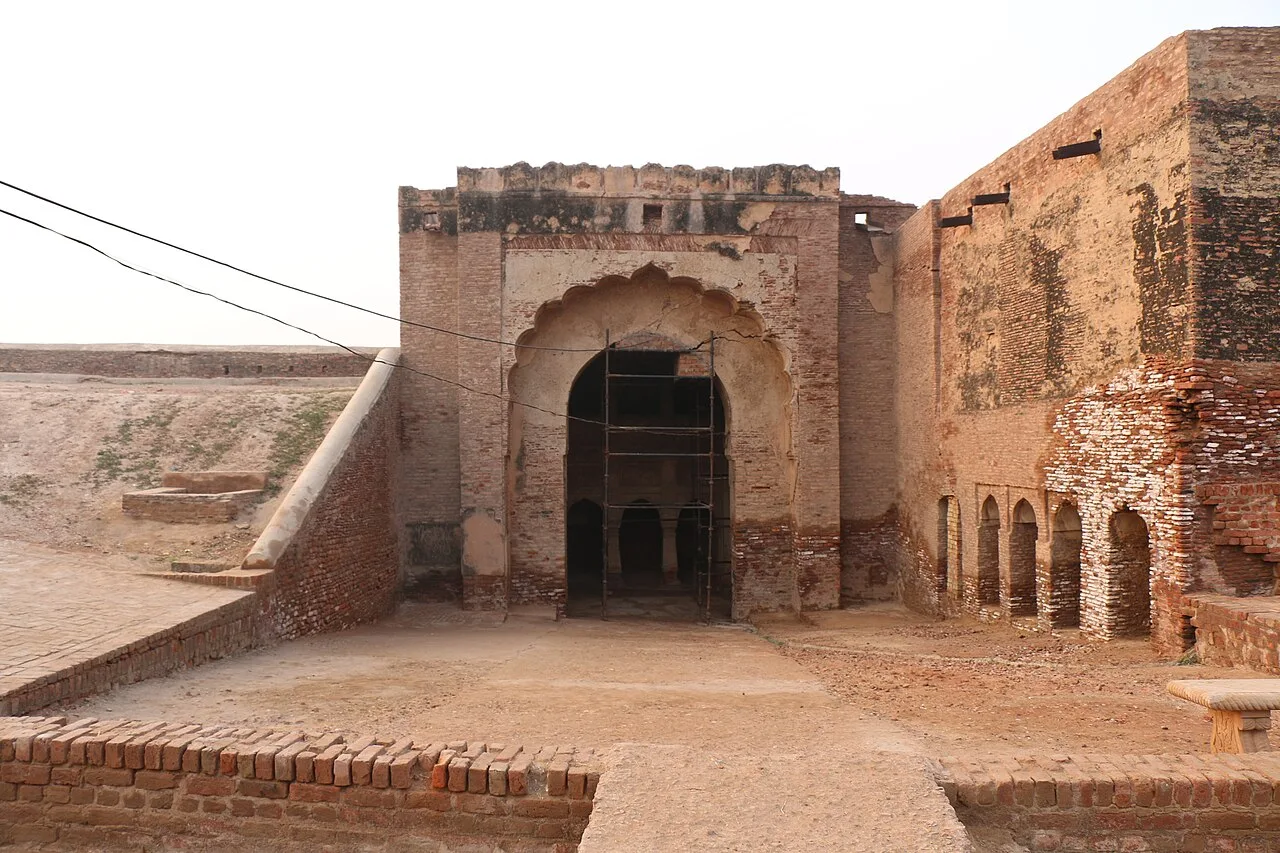
Bhatner fort

27 km away · Hanumangarh district

Bhatner fort

Bhatner Fort is an ancient stronghold in Hanumangarh district, Rajasthan. Visitors are drawn by its association with the Bhati lineage, its believed age and its protected status.

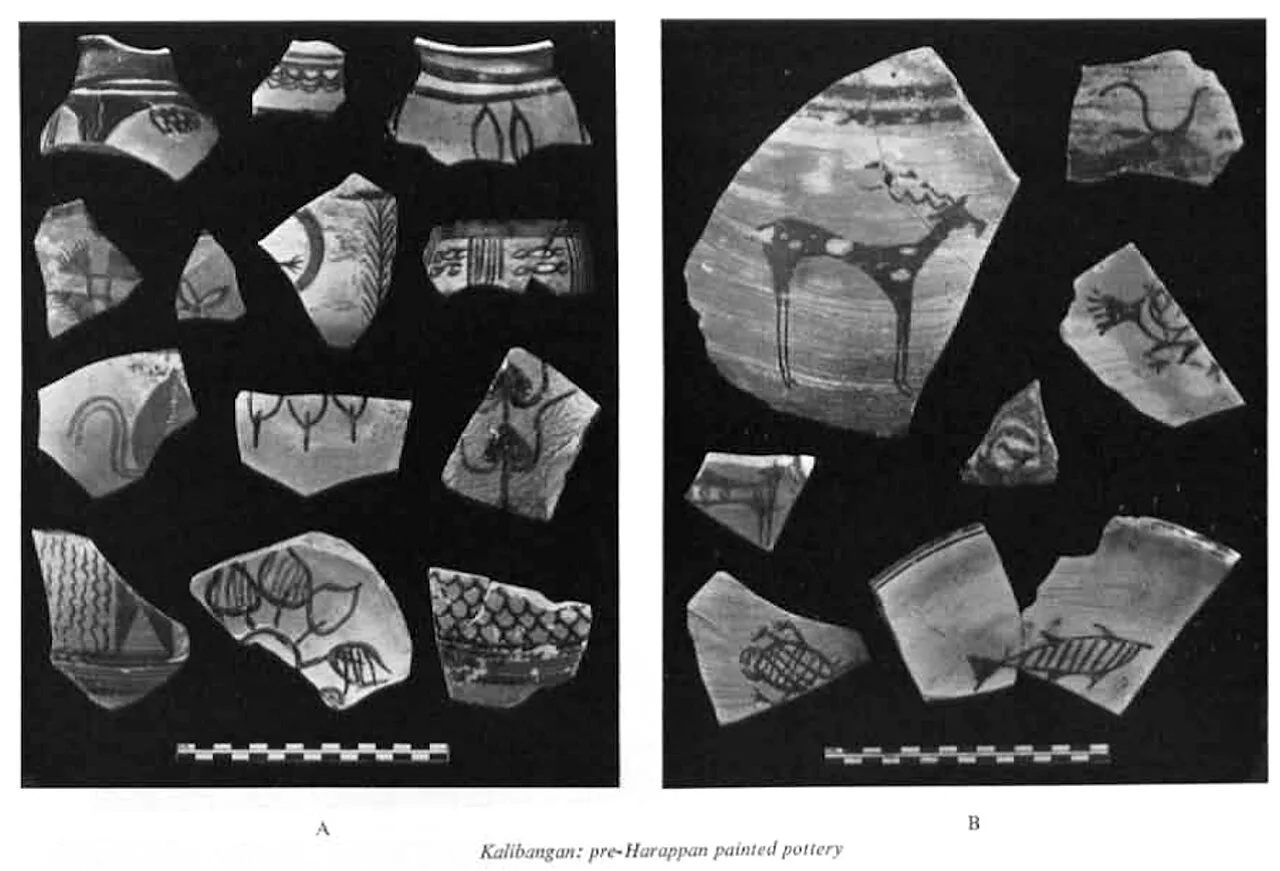
Kalibangan

49 km away · Hanumangarh district

Kalibangan

Kalibangan is an archaeological town in Hanumangarh district, Rajasthan, beside the Ghaggar. Visitors come to explore its Indus Valley Civilization remains, including fire altars and evidence of an ancient ploughed field.

Mandawa

206 km away · Jhunjhunu district

Mandawa

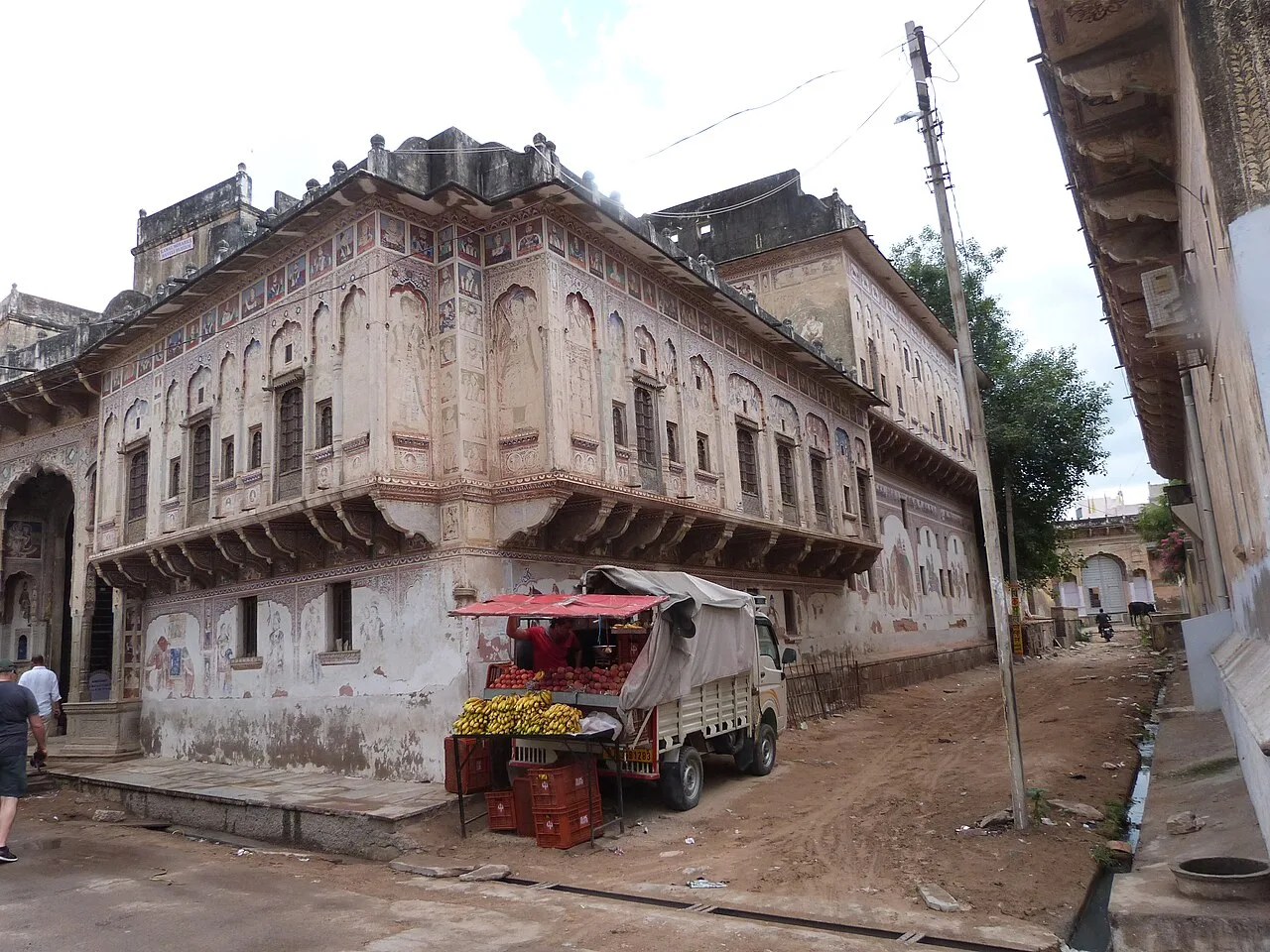
Mandawa is a town in Rajasthan’s Jhunjhunu district, within the Shekhawati region. Travellers visit it as part of journeys through the region and nearby Jhunjhunu.

Tal Chhapar Sanctuary

222 km away · Churu district

Tal Chhapar Sanctuary

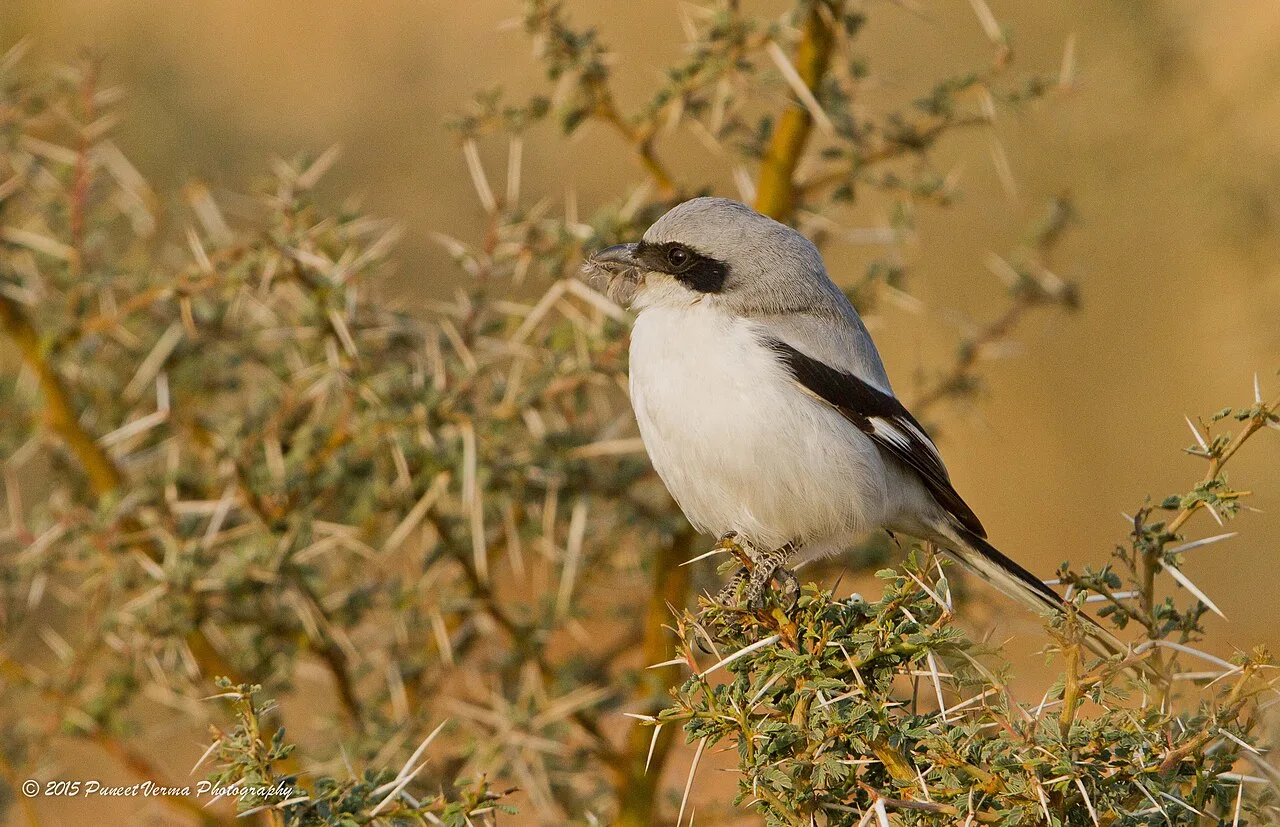
Tal Chhapar is a wildlife sanctuary in Rajasthan’s Churu district, known for blackbucks and birdlife. Visitors come to see its wildlife in a setting near the Great Indian Desert.

Lalgarh Palace

225 km away · Bikaner district

Lalgarh Palace

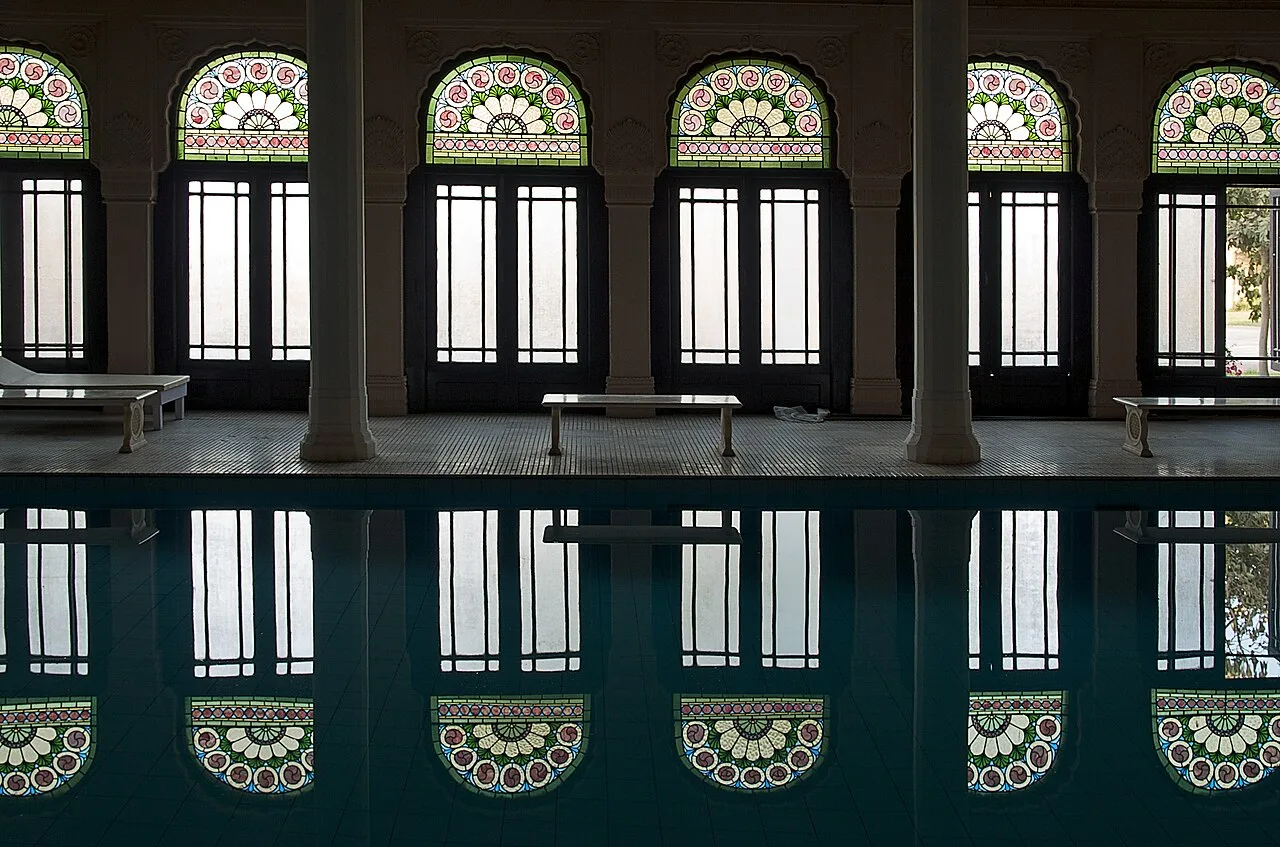
Lalgarh Palace is a palace and heritage-hotel property in Bikaner, Rajasthan, created for Maharaja Sir Ganga Singh. Visitors come to see the residence and its links to Bikaner’s royal history.

Junagarh Fort

227 km away · Bikaner district

Junagarh Fort

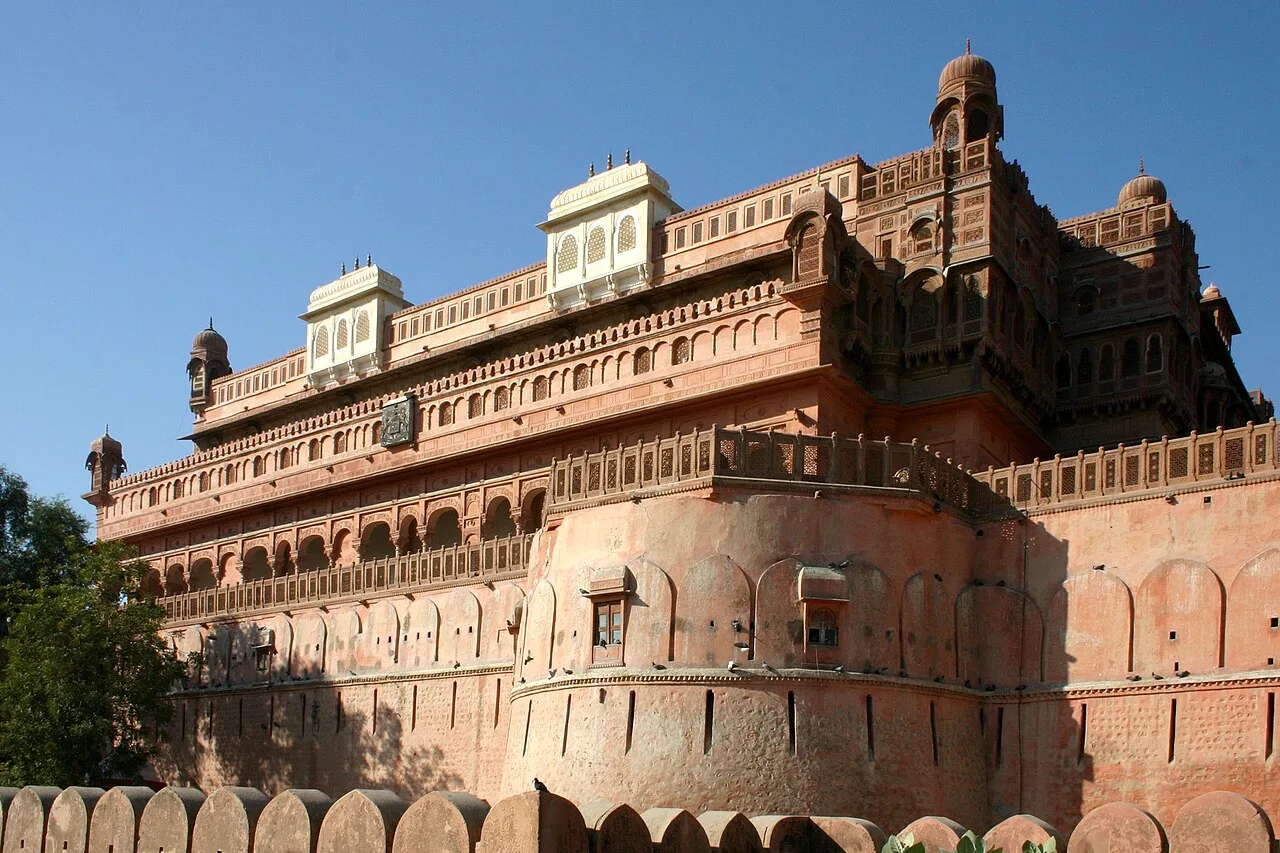
Junagarh Fort is a historic complex in Bikaner, Rajasthan, known for its palaces, temples and pavilions. Visitors can explore its layered history and blend of architectural traditions.

Nawalgarh

231 km away · Jhunjhunu district

Nawalgarh

Nawalgarh is a heritage city in Rajasthan’s Shekhawati region, within Jhunjhunu district. Visitors are drawn by its heritage character, and it is 30.5 km from Sikar and 39.2 km from Jhunjhunu.

Gajner Palace

248 km away · Bikaner district

Gajner Palace

Gajner Palace, in Rajasthan’s Bikaner district, was used by the maharajas of Bikaner as a hunting lodge and now operates as a heritage hotel. Visitors come to stay at the palace.

Map

Sangaria on the map

  1. 1Bhatner fort
  2. 2Kalibangan
  3. 3Mandawa
  4. 4Tal Chhapar Sanctuary
  5. 5Lalgarh Palace
  6. 6Junagarh Fort
  7. 7Nawalgarh
  8. 8Gajner Palace

Rajasthan

Other cities to explore