Ghumoopedia — Explore, Discover, Experience
Sign in
Khatu Shyam Temple, near Reengus

City guide · Rajasthan

Reengus

Reengus is a town in Sikar district, in Rajasthan’s Shekhawati region. Its importance today comes chiefly from its position on routes connecting towns in the region with Jaipur and other parts of Rajasthan.

Famous for

  • Reengus railway junction
  • Gateway to Khatu Shyamji
  • Shekhawati-region setting
  • Sikar district town

Why Reengus matters

Reengus is a town in Sikar district, in Rajasthan’s Shekhawati region. Its importance today comes chiefly from its position on routes connecting towns in the region with Jaipur and other parts of Rajasthan. The railway station makes it a useful point for onward journeys, while road connections bring through-travellers and visitors heading to nearby towns and pilgrimage sites.

Reengus is especially useful as a staging point for visiting Khatu Shyamji, whose major temple is in the neighbouring town of Khatu, rather than in Reengus itself. Pilgrims often pass through or arrange onward transport here, particularly around the annual fair season. The town also serves local residents and nearby communities with everyday shops, services and transport links. It is not widely identified with a particular craft or manufactured product; its clearest distinction is its role as a regional connector. For visitors, Reengus offers a practical introduction to the landscape and everyday life of Shekhawati, as well as access to the better-known religious and heritage destinations scattered across the wider district.
Famous for: crafts, trade & products

Reengus is better known for its transport role and access to nearby destinations than for a signature textile, handicraft or GI-tagged product. There is no widely established city-specific claim that it is a centre for a particular craft or specialty industry. Its local shops and markets primarily serve residents and travellers, with everyday goods, food and practical services rather than a nationally recognised shopping quarter.

Visitors can look for ordinary market activity around the town centre and transport connections, keeping in mind that shop locations and stock vary. For a more distinctive regional shopping experience, explore established markets in larger Shekhawati towns on a wider itinerary; for crafts, ask locally about products made in the surrounding area rather than assuming they originate in Reengus. The town’s strongest association for many visitors is as a rail and road stop on the way to Khatu Shyamji temple. Pilgrimage traffic can shape the range of services available, especially during busy religious periods, but Reengus itself should not be confused with Khatu or its temple precinct.

History

Reengus belongs to the historic Shekhawati region, whose towns and settlements developed amid the changing political landscape of north-eastern Rajasthan. Before independence, Shekhawati was associated with princely-era authority and local estates, within the wider political sphere of Jaipur State. The region’s better-known historic towns grew through trade, local administration and the movement of people across desert and semi-arid routes; the detailed chronology of Reengus itself is less widely recorded.

In the colonial period, the area remained part of princely Rajasthan under British paramountcy rather than being administered as a directly ruled British province. In modern Rajasthan, Reengus is a town in Sikar district. Its contemporary role has been shaped less by monumental urban expansion than by transport links, local commerce and access to nearby pilgrimage destinations. The railway and road network have helped connect the town with Jaipur, Sikar and surrounding settlements, supporting its use as a regional stop and service centre. These links continue to influence how visitors encounter Reengus today.

Food, festivals & culture

Daily life in Reengus reflects the wider Shekhawati and Rajasthani cultural setting. Hindi is widely used, alongside regional Rajasthani speech, including local Shekhawati forms. Meals across the area may include bajra roti, dal baati churma, gatte ki sabzi and seasonal preparations such as ker sangri; sweets such as ghevar are associated with the broader Rajasthani food tradition. These are regional foods rather than dishes uniquely identified with Reengus.

Holi in spring, Teej during the monsoon season, and Diwali in autumn are important parts of the broader festival calendar. The Phalgun period also brings substantial pilgrimage activity to Khatu Shyamji temple in nearby Khatu. Devotional bhajans are heard at worship gatherings, while folk music and dances such as ghoomar belong to the region’s wider cultural repertoire. Local temples serve as neighbourhood places of worship; visitors interested in the prominent pilgrimage draw should note that the Khatu Shyamji temple is outside Reengus, in Khatu. Religious observances and market activity can become busier around festival and fair periods.

Visiting the city

The cooler months, roughly October to March, are generally the most comfortable for visiting; summer days can be very hot, while monsoon travel may involve rain. Jaipur International Airport is the nearest major airport. Reengus railway station is the town’s main rail stop and a useful arrival point for journeys through the area.

Auto-rickshaws and local taxis can help with short trips and onward travel; confirm arrangements locally, especially for visits to Khatu Shyamji temple. The central market and the area around the railway station are practical places to orient yourself, eat or find everyday services. Reengus is most rewarding as a convenient base or transit stop, paired with a visit to Khatu or other destinations in Sikar district, rather than as a city with a large concentration of visitor attractions.

Trips from the city

Nearest places to visit from Reengus

Our closest destination guides, by straight-line distance.

Khatu Shyam Temple

16 km away · Sikar district

Khatu Shyam Temple

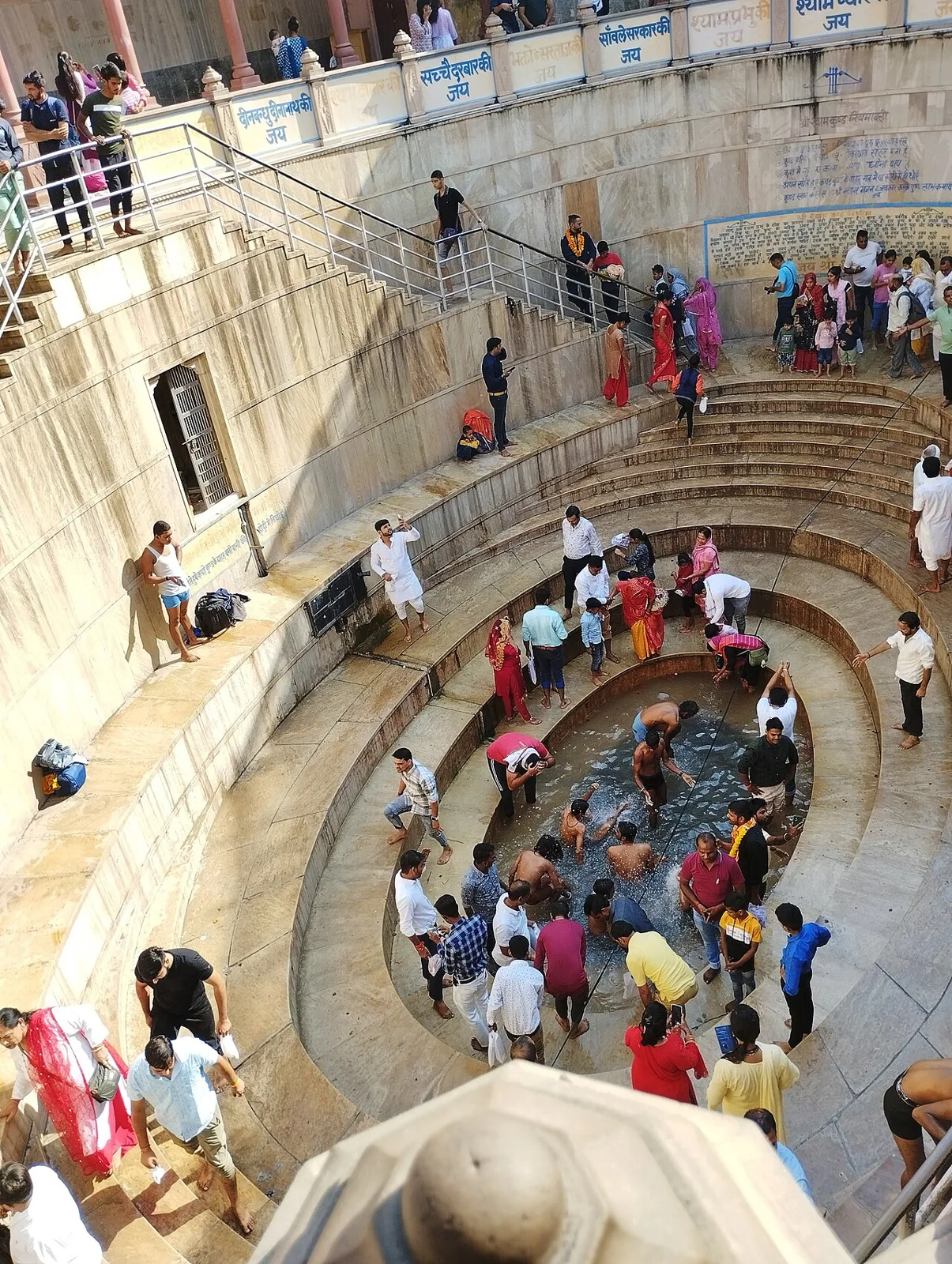
In KhatuShyamJi town, Rajasthan, this Hindu shrine honours Khatu Shyam, believed to be a divine manifestation of Barbareek from the Mahabharat. Pilgrims visit throughout the year, especially for the Falgun Mela.

Samode

29 km away · Jaipur district

Samode

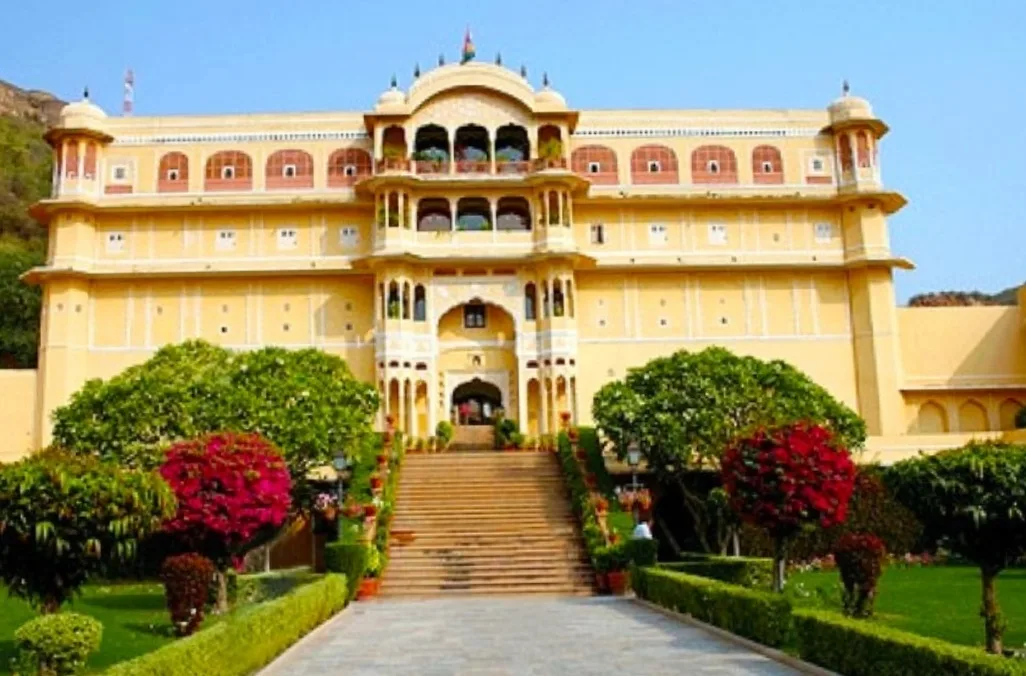
Samode is a village in Rajasthan’s Aravalli hills, north-west of Jaipur. Visitors come for its palace, haveli and garden, historic properties now operated as heritage hotels.

Amber Fort

50 km away · Jaipur district

Amber Fort

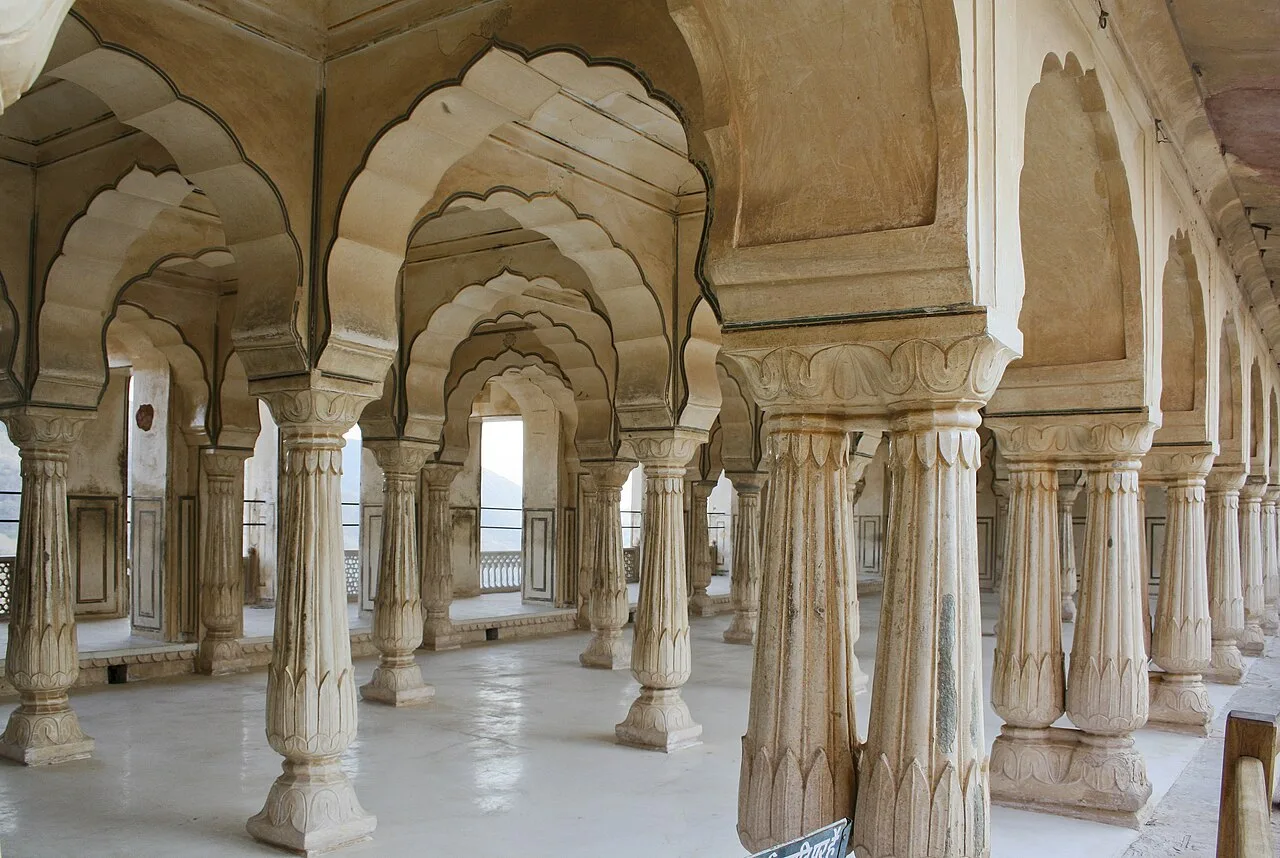
Amber Fort, also known as Amer Palace, is a hilltop fort in Amer, Rajasthan. Visitors explore its Rajput and Mughal-influenced design, palace halls and setting above Maota Lake.

Jaigarh Fort

50 km away · Jaipur district

Jaigarh Fort

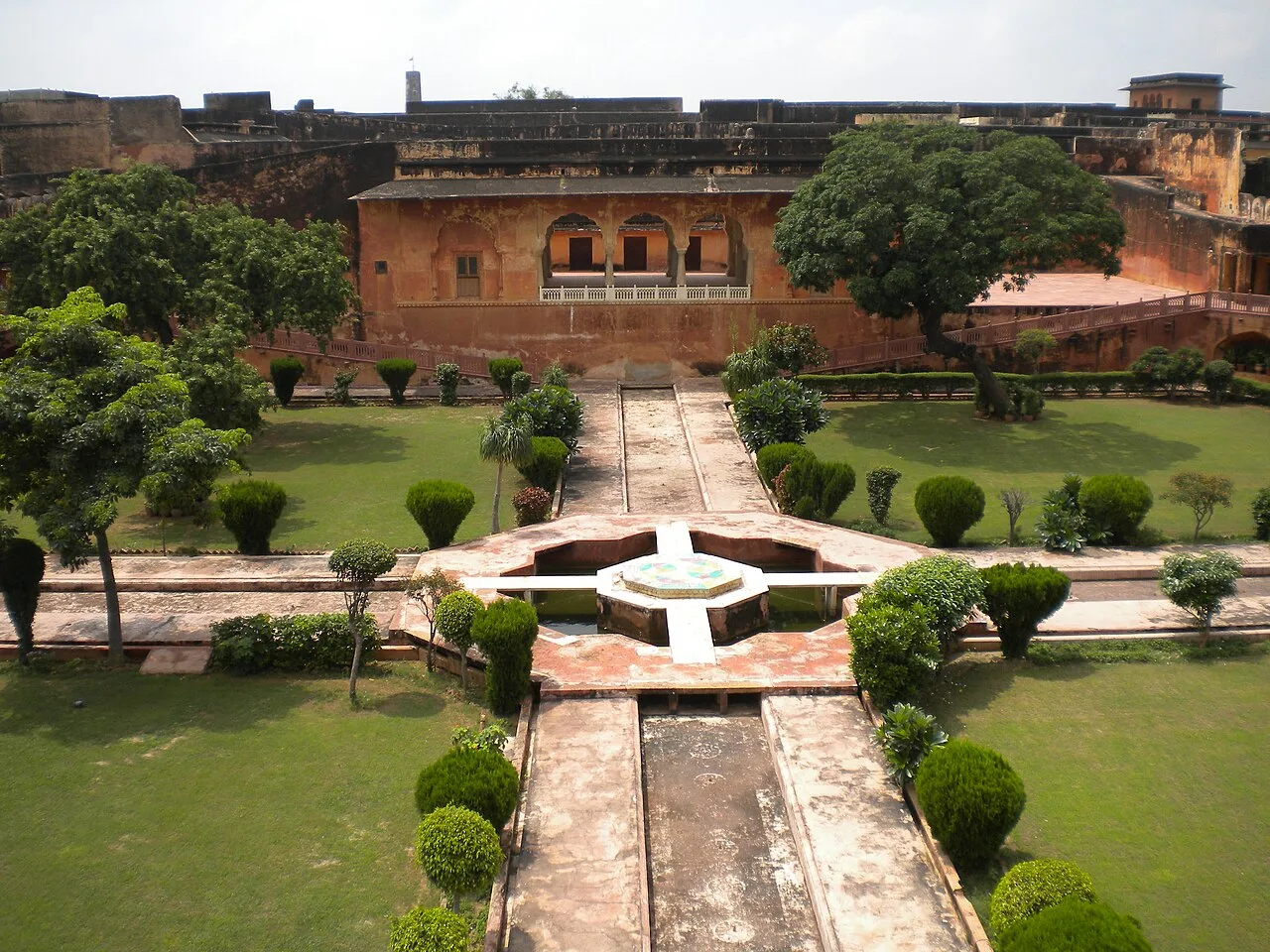
Near Amer in Rajasthan, Jaigarh Fort occupies a hilltop above Amer Fort and Maota Lake. Visitors come to see its historic fortifications, its connection to Amer Fort and the Jaivana cannon.

Jal Mahal

53 km away · Jaipur district

Jal Mahal

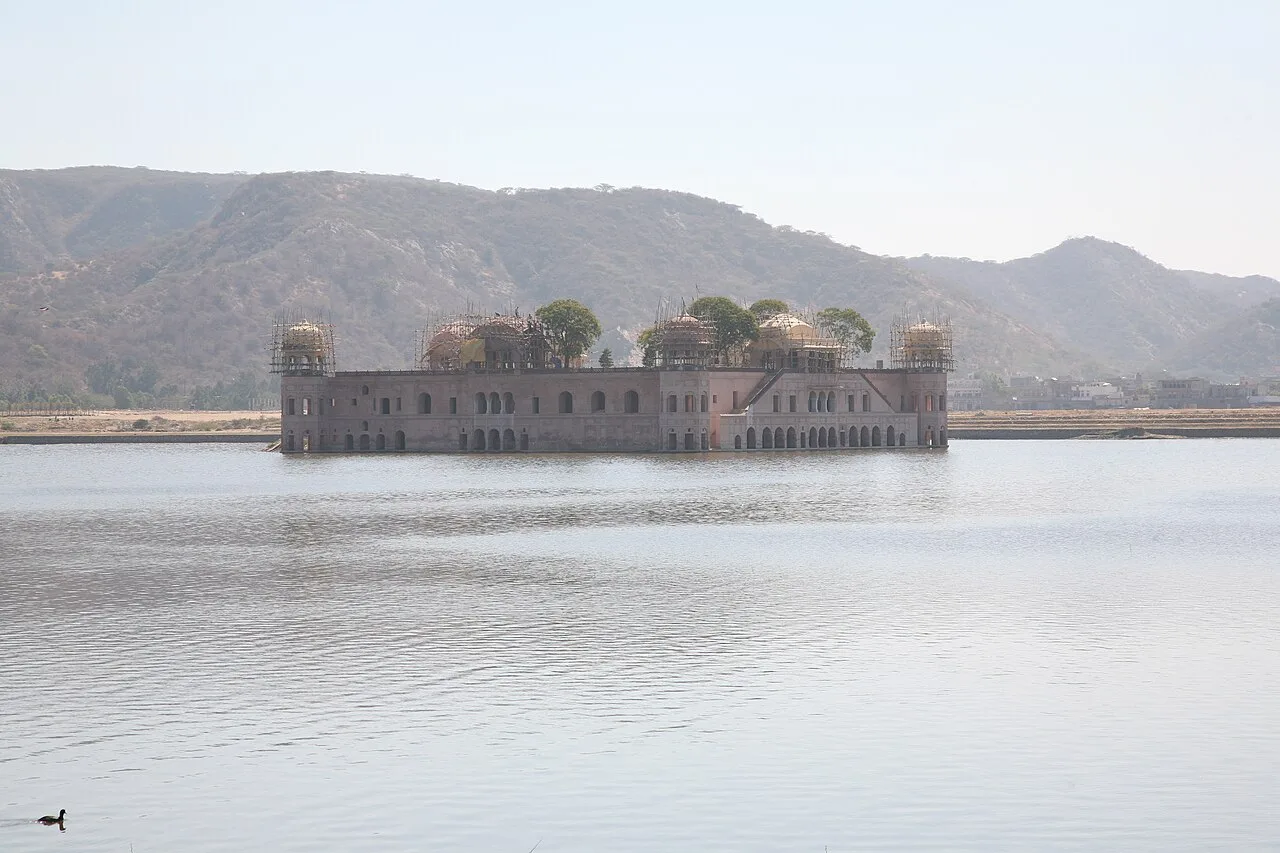
Jal Mahal is a historic palace set within Man Sagar Lake in Jaipur, Rajasthan. Visitors come to see the palace in its lake setting.

Nahargarh Fort

53 km away · Jaipur district

Nahargarh Fort

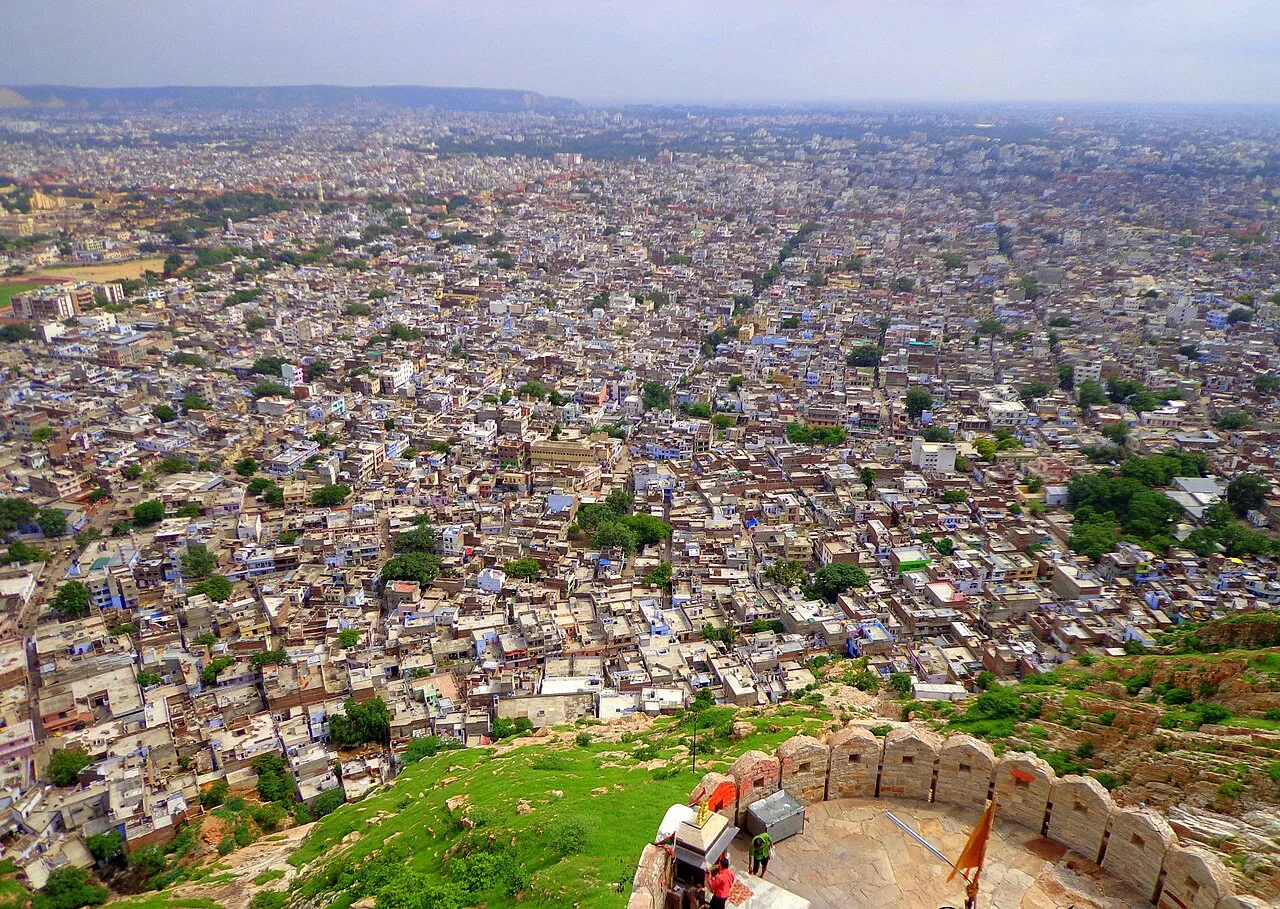
Nahargarh Fort is a historic stronghold in Jaipur, Rajasthan, overlooking the city from the Aravalli range. Visitors come for its elevated outlook and its role in Jaipur’s former defences.

City Palace, Jaipur

55 km away · Jaipur district

City Palace, Jaipur

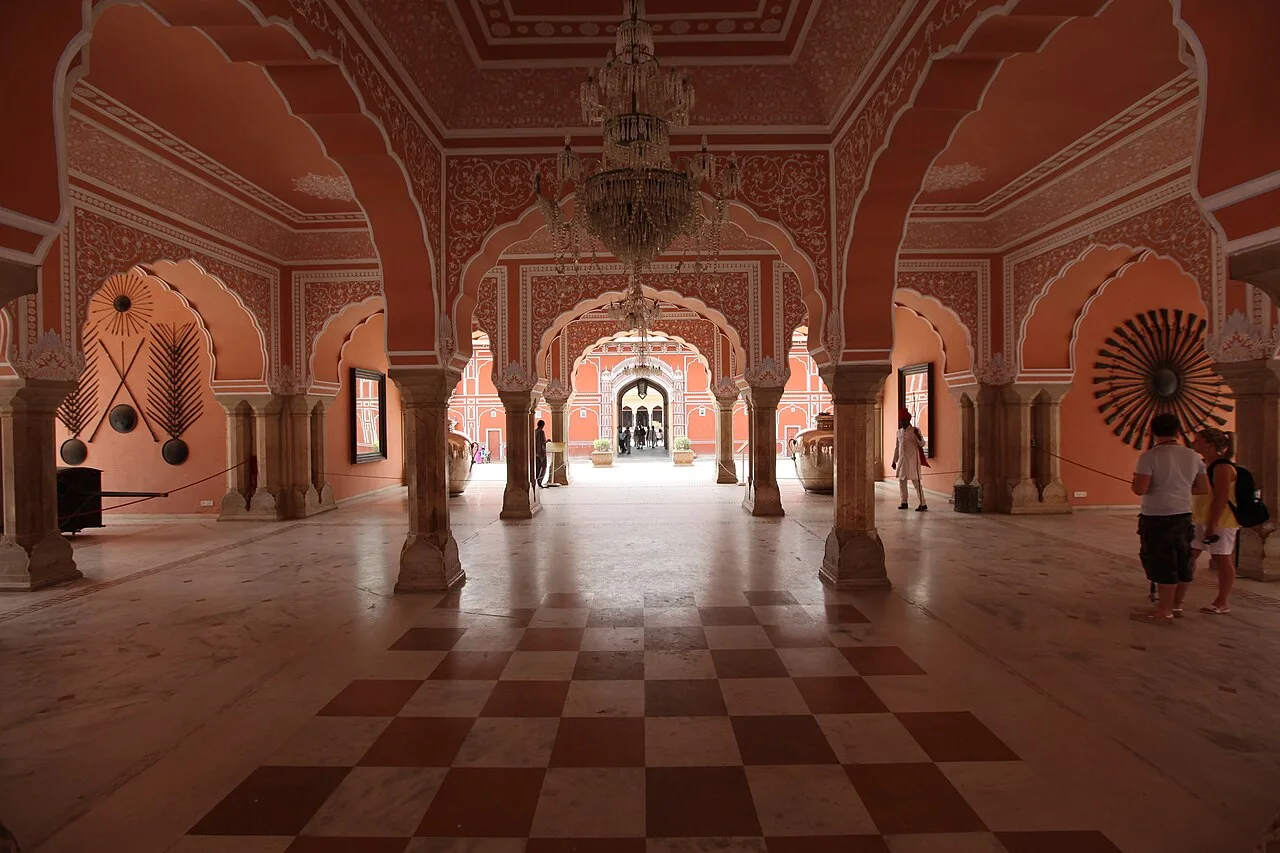
A historic royal complex in Jaipur, the City Palace served the city’s rulers and remains the royal family’s home. Visitors come to see its architecture and explore the museum.

Hawa Mahal

55 km away · Jaipur district

Hawa Mahal

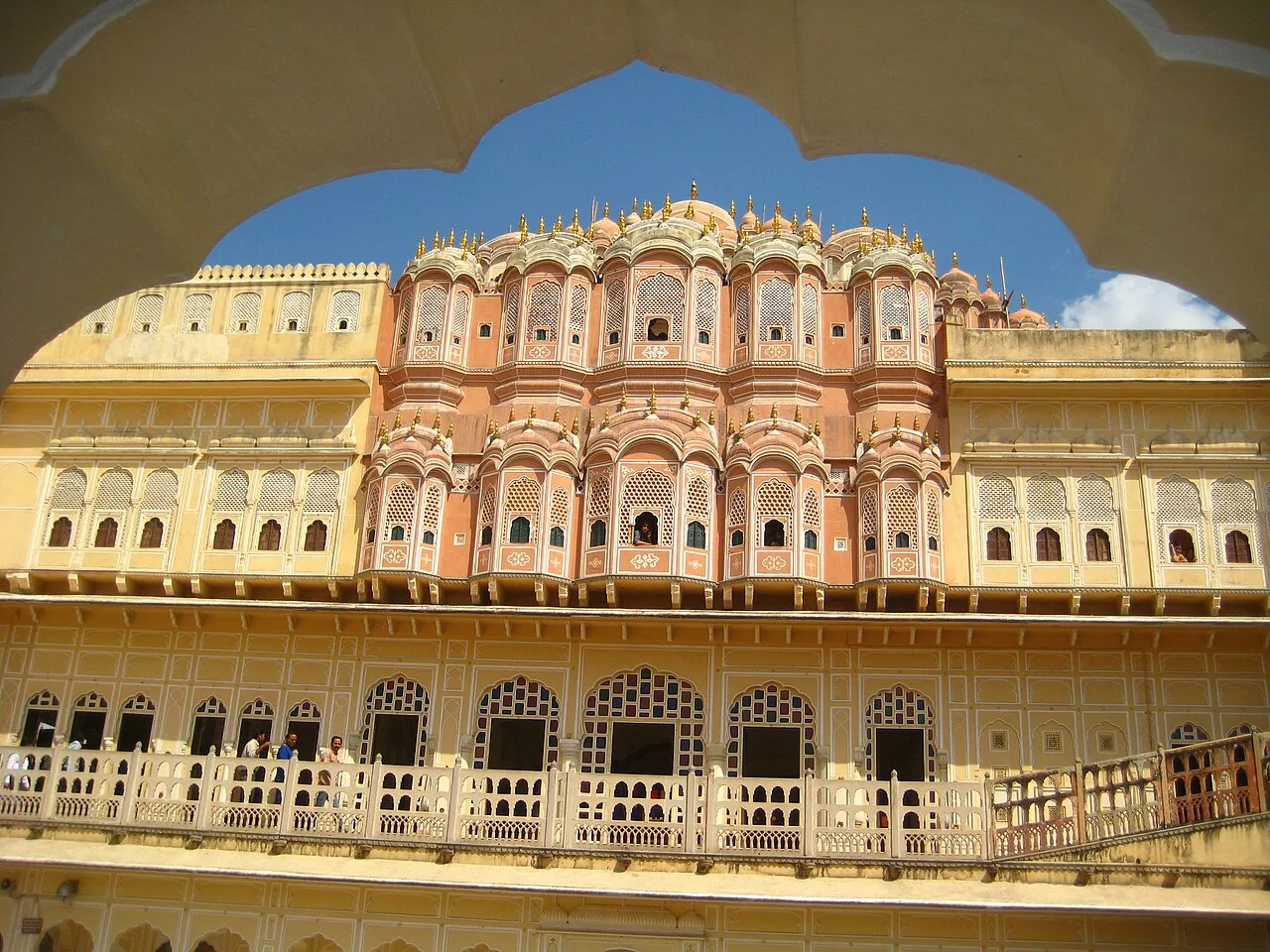
Hawa Mahal is a sandstone palace in Jaipur, recognised for its honeycomb façade and 953 lattice-screened jharokhas. Visitors come to see its distinctive design and learn how its openings provided privacy and ventilation.

Map

Reengus on the map

  1. 1Khatu Shyam Temple
  2. 2Samode
  3. 3Amber Fort
  4. 4Jaigarh Fort
  5. 5Jal Mahal
  6. 6Nahargarh Fort
  7. 7City Palace, Jaipur
  8. 8Hawa Mahal

Rajasthan

Other cities to explore