Ghumoopedia — Explore, Discover, Experience
Sign in
Ranthambore Fort, near Baonli

City guide · Rajasthan

Baonli

Baonli, also commonly written as Bonli, is a small town in Sawai Madhopur district in eastern Rajasthan. Its importance is primarily regional: it serves nearby villages with everyday services, shops and a local market, and is a practical stop for travellers exploring the district beyond its better-known wildlife destinations.

Famous for

  • Agricultural market town
  • Sawai Madhopur countryside
  • Rural Rajasthan travel

Why Baonli matters

Baonli, also commonly written as Bonli, is a small town in Sawai Madhopur district in eastern Rajasthan. Its importance is primarily regional: it serves nearby villages with everyday services, shops and a local market, and is a practical stop for travellers exploring the district beyond its better-known wildlife destinations. The surrounding countryside is shaped by farming and small settlements, giving visitors a quieter view of rural Rajasthan than the busy hubs around major attractions.

Baonli is not widely known for a single monument, craft or signature product. Its appeal lies in its local character and location within reach of places such as Ranthambore National Park and the Chauth Mata temple area near Chauth Ka Barwara. Those attractions are outside the town, so Baonli is best approached as a regional service centre or a pause on a wider Sawai Madhopur journey, rather than as a major sightseeing destination in its own right.
Famous for: crafts, trade & products

Baonli does not have a widely recognised textile, handicraft, GI-tagged product or specialised manufacturing industry. Trade is chiefly local in character, serving residents of the town and surrounding villages. Small shops and the central bazaar are the most practical places to look for everyday goods, snacks and seasonal produce; visitors should not expect a dedicated craft market or a large tourist shopping district.

Agriculture is an important part of the wider rural economy, and local commerce reflects the needs of farming communities. The town’s shops may carry regionally familiar foods and household items, but availability varies and there is no single product for which Baonli is a recognised buying destination. For a broader choice of services and visitor-oriented purchases, travellers can look to Sawai Madhopur. Baonli is better suited to experiencing an ordinary district-town market than to shopping for specialised souvenirs.

History

Baonli’s story is closely tied to the villages and agricultural settlements of the Sawai Madhopur region. The town is not widely associated with a separately documented dynasty, major fort or royal court, so its history is best understood in the broader context of eastern Rajasthan rather than through a distinctive local monument. The region experienced the influence of Rajput powers, including the Jaipur princely state, whose territories were under British paramountcy during the colonial period.

After independence and the integration of princely states into Rajasthan, administration and public services gradually developed around district and tehsil centres. Baonli’s modern role reflects this pattern: it serves as a local hub for nearby communities, with road links, shops and public services supporting daily life. Agriculture and regional trade continue to shape the town’s surroundings. Visitors interested in prominent historical sites should plan separate excursions to better-documented landmarks elsewhere in Sawai Madhopur district, rather than expecting a major heritage circuit within Baonli itself.

Food, festivals & culture

Daily life in Baonli reflects the customs of rural eastern Rajasthan. Hindi is widely used, alongside local Rajasthani speech. Meals commonly draw on the region’s hearty food traditions: wheat breads, lentils, seasonal vegetables and preparations such as dal baati churma or gatte are familiar across Rajasthan, though menus vary between homes and eateries. Tea and simple savoury snacks are easy to find in local shops; visitors should ask locally about seasonal sweets and specialties rather than expect a distinct town-specific dish.

Holi in spring and Diwali in autumn are widely observed, while Teej and Gangaur bring seasonal religious and community celebrations in Rajasthan. Hindu temples serve local worshippers, and the town’s religious life is centred on neighbourhood and family observance rather than a nationally famous shrine. Folk music and dance traditions belong to the wider region, but performances are not guaranteed for visitors outside festival occasions. The nearby Chauth Mata temple area is a separate pilgrimage destination, not a temple within Baonli.

Visiting the city

The cooler months, roughly from October to March, are generally the most comfortable for visiting. Summers can be very hot, while the monsoon brings greener scenery and occasional travel disruption. Jaipur International Airport is the nearest major airport commonly used by visitors. Sawai Madhopur Junction is the main rail gateway for the district; onward travel to Baonli is by road. Check current transport connections before setting out, as local services can vary.

Within Baonli, walking and local auto-rickshaws or hired vehicles are practical for short trips, subject to availability. The bazaar and central streets offer a glimpse of everyday town life. Baonli has no clearly defined tourist neighbourhoods, so use it as a base only if it suits your route. Ranthambore and the Chauth Mata temple near Chauth Ka Barwara are regional excursions and require separate road planning.

Trips from the city

Nearest places to visit from Baonli

Our closest destination guides, by straight-line distance.

Ranthambore Fort

41 km away · Sawai Madhopur district

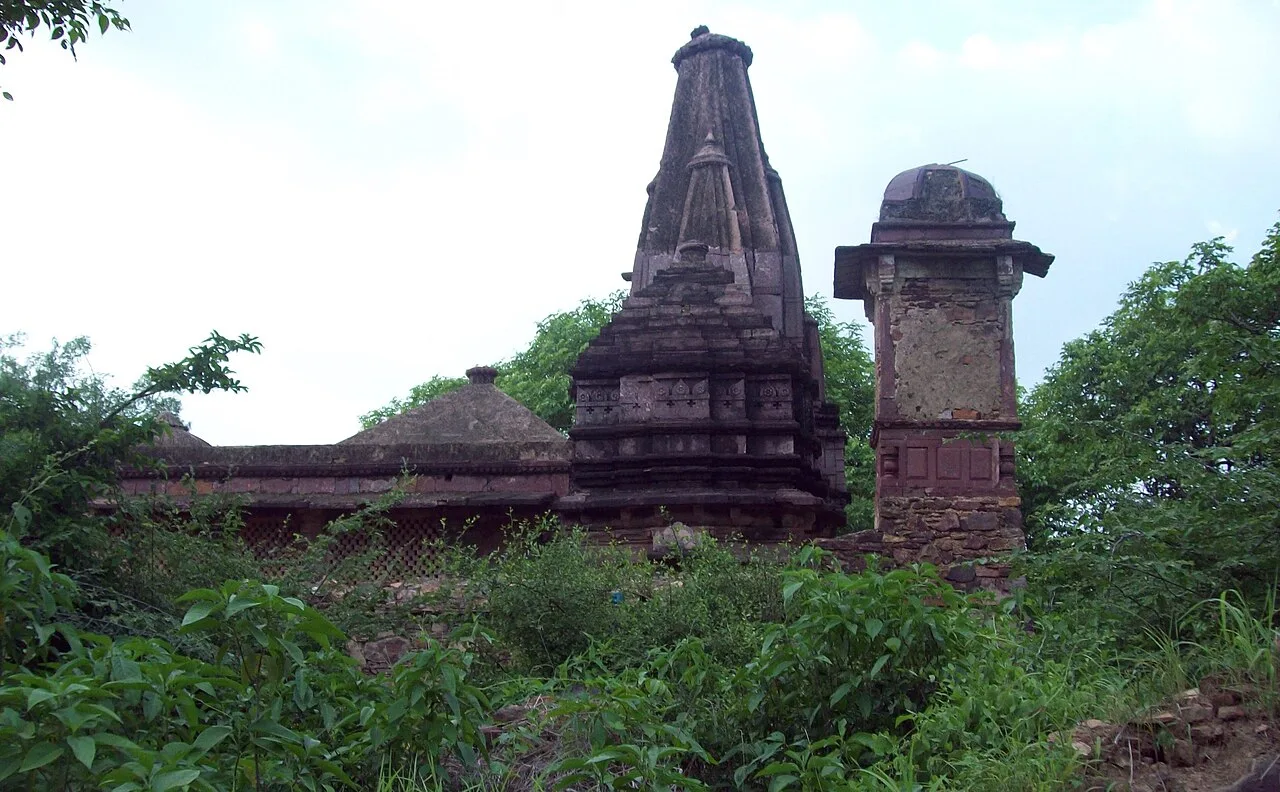
Ranthambore Fort

Set within Ranthambore National Park near Sawai Madhopur, this historic Rajasthan fort draws visitors for its past, elevated views over the park and UNESCO World Heritage status.

Ranthambore National Park

44 km away · Sawai Madhopur district

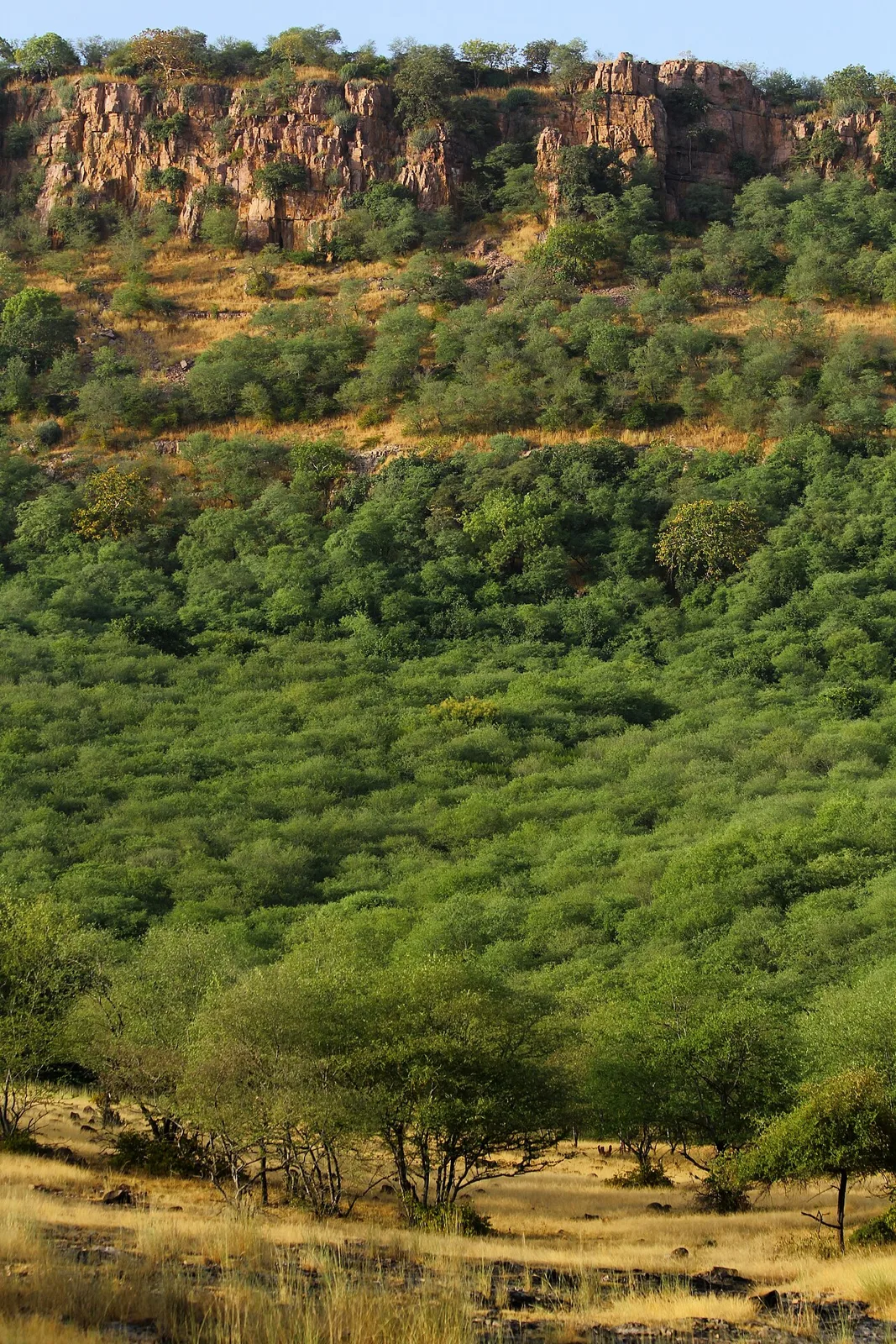
Ranthambore National Park

Ranthambore is a national park in Rajasthan’s Sawai Madhopur district, attracting visitors to its historic fort and its location between the Banas and Chambal rivers.

Galtaji

62 km away · Jaipur district

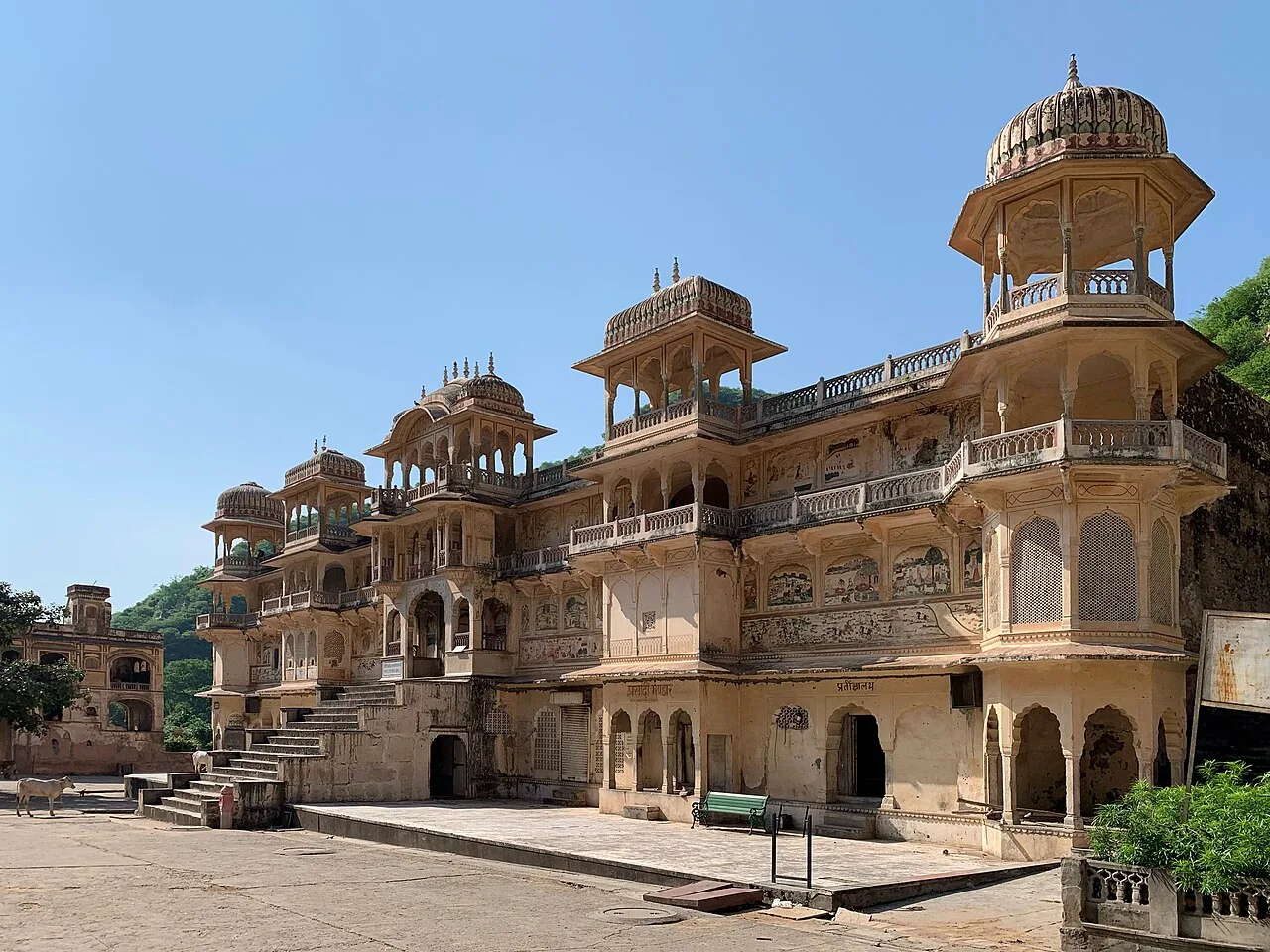
Galtaji

Galtaji is an ancient Hindu pilgrimage complex in Jaipur district, around 10 km east of Jaipur. Pilgrims visit its temples and bathe in tanks fed by a hillside spring.

Birla Mandir

75 km away · Jaipur district

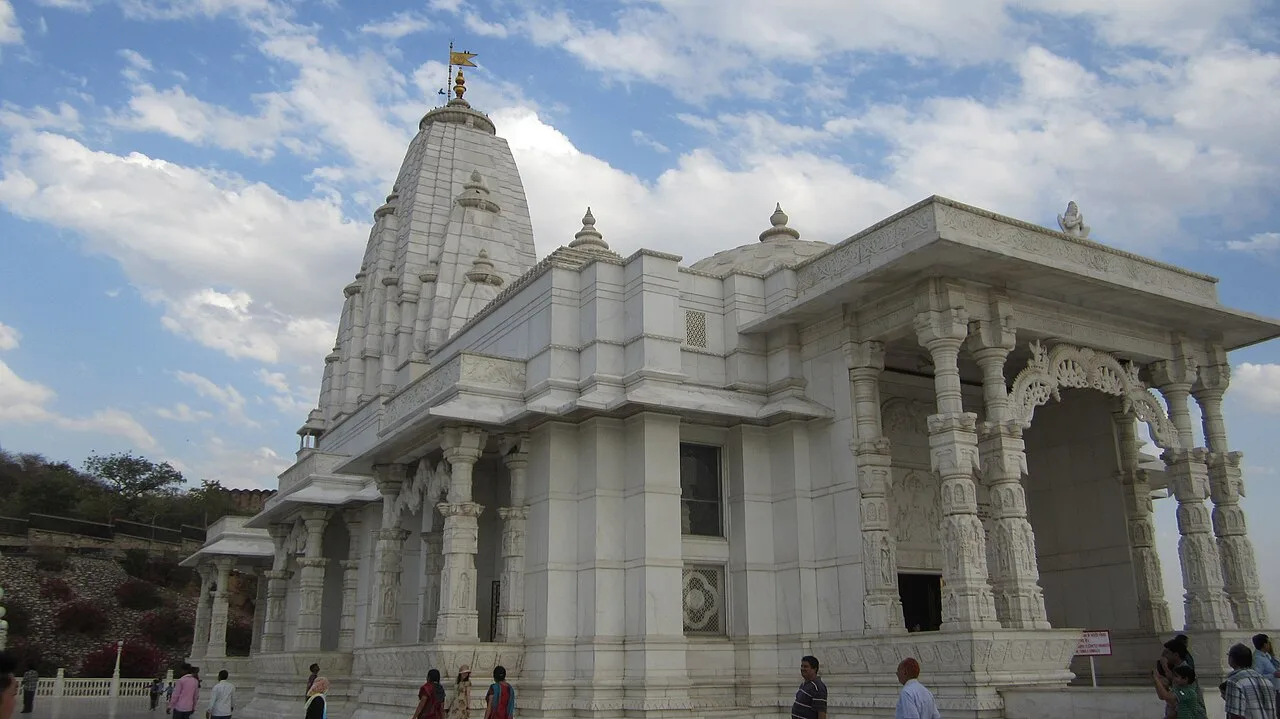
Birla Mandir

Birla Mandir, also known as Lakshmi Narayan Temple, is a Hindu place of worship in Jaipur, Rajasthan. Visitors come to worship and see its marble shrine and sacred images.

Albert Hall Museum

77 km away · Jaipur district

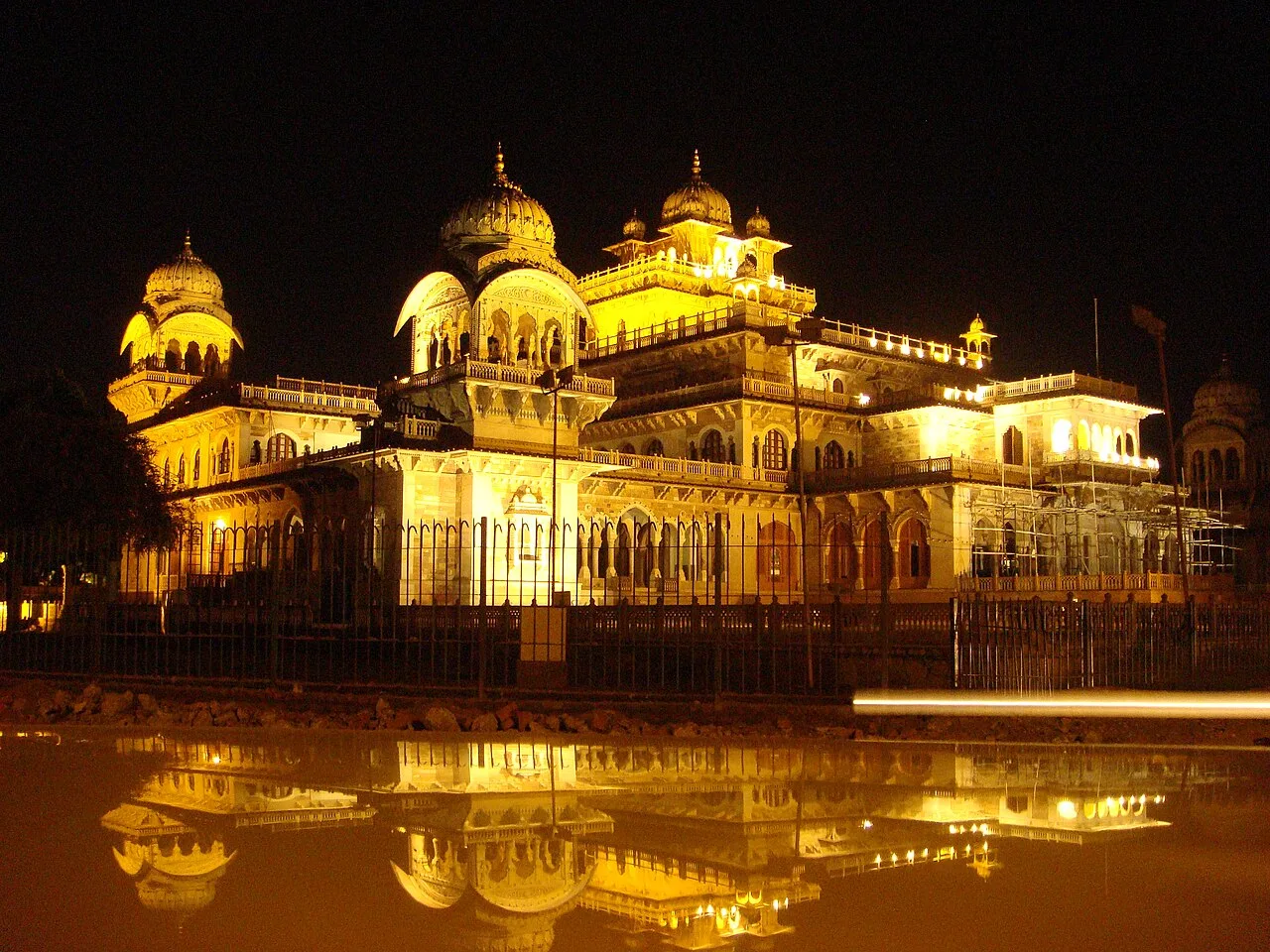
Albert Hall Museum

Set in Jaipur’s Ram Niwas Garden, Albert Hall Museum is Rajasthan’s state museum and its oldest museum. Visitors come to explore its varied collections and Indo-Saracenic architecture.

City Palace, Jaipur

78 km away · Jaipur district

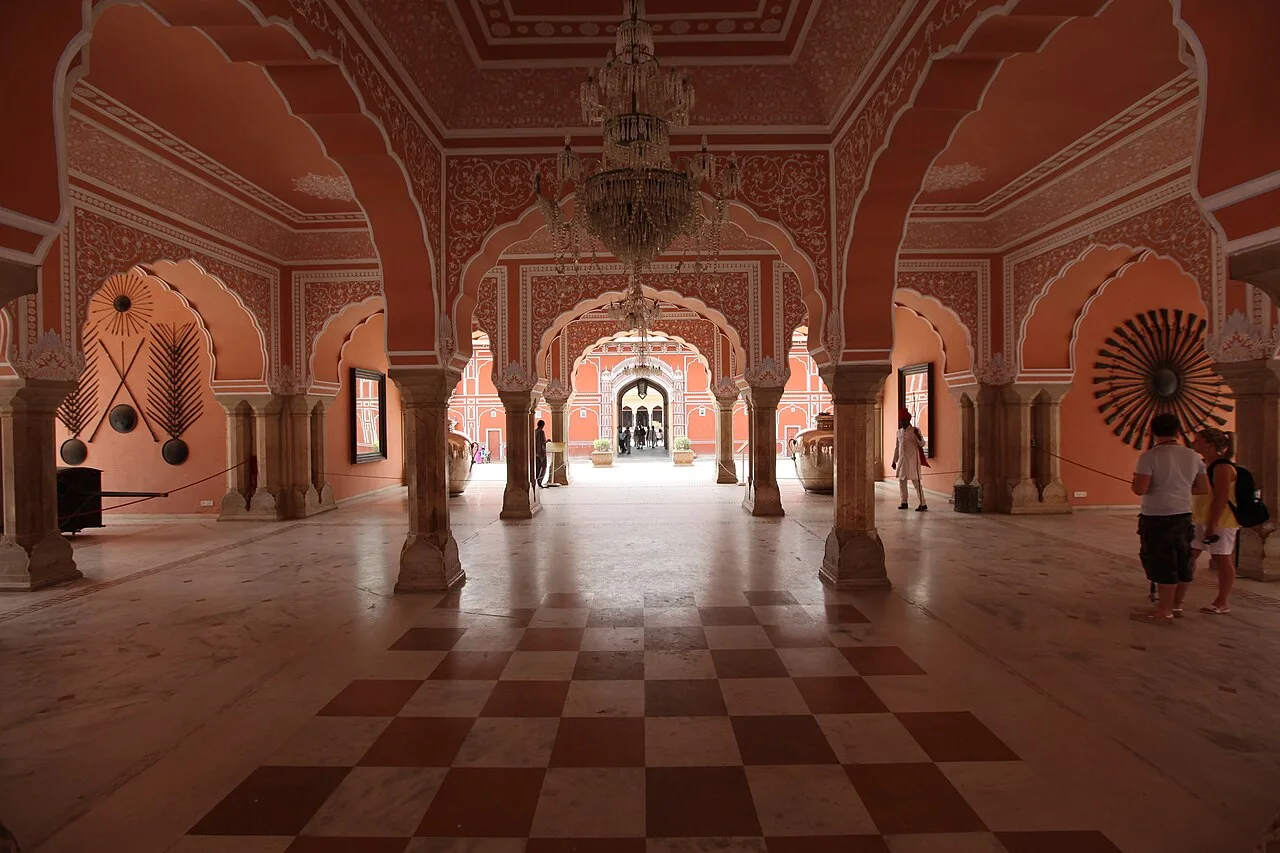
City Palace, Jaipur

A historic royal complex in Jaipur, the City Palace served the city’s rulers and remains the royal family’s home. Visitors come to see its architecture and explore the museum.

Hawa Mahal

78 km away · Jaipur district

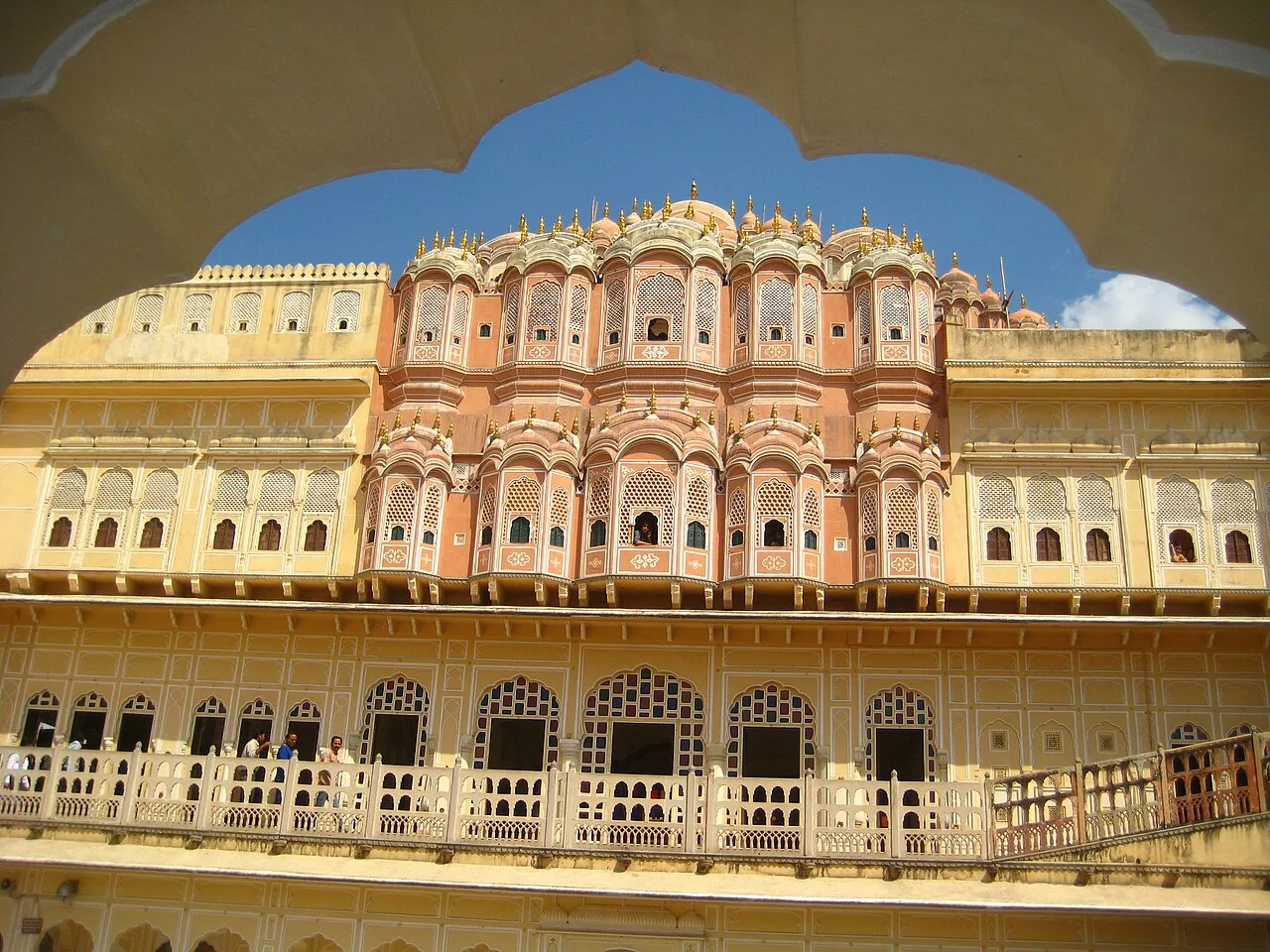
Hawa Mahal

Hawa Mahal is a sandstone palace in Jaipur, recognised for its honeycomb façade and 953 lattice-screened jharokhas. Visitors come to see its distinctive design and learn how its openings provided privacy and ventilation.

Jantar Mantar, Jaipur

78 km away · Jaipur district

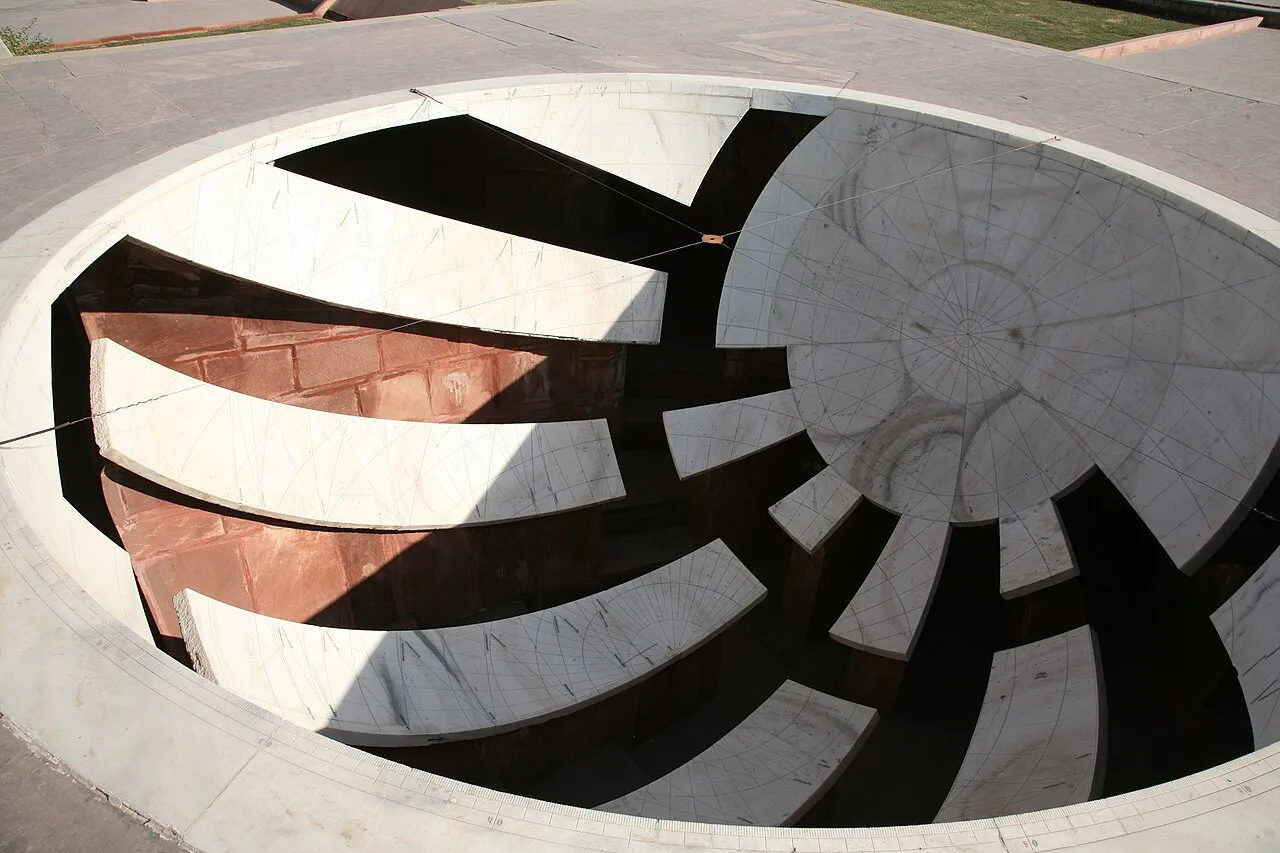
Jantar Mantar, Jaipur

Jantar Mantar is an astronomical observatory in Jaipur, built under Sawai Jai Singh. Visitors come to see its monumental instruments, including a stone sundial, and learn how they were used to observe celestial positions.

Map

Baonli on the map

  1. 1Ranthambore Fort
  2. 2Ranthambore National Park
  3. 3Galtaji
  4. 4Birla Mandir
  5. 5Albert Hall Museum
  6. 6City Palace, Jaipur
  7. 7Hawa Mahal
  8. 8Jantar Mantar, Jaipur

Rajasthan

Other cities to explore