Ghumoopedia — Explore, Discover, Experience
Sign in
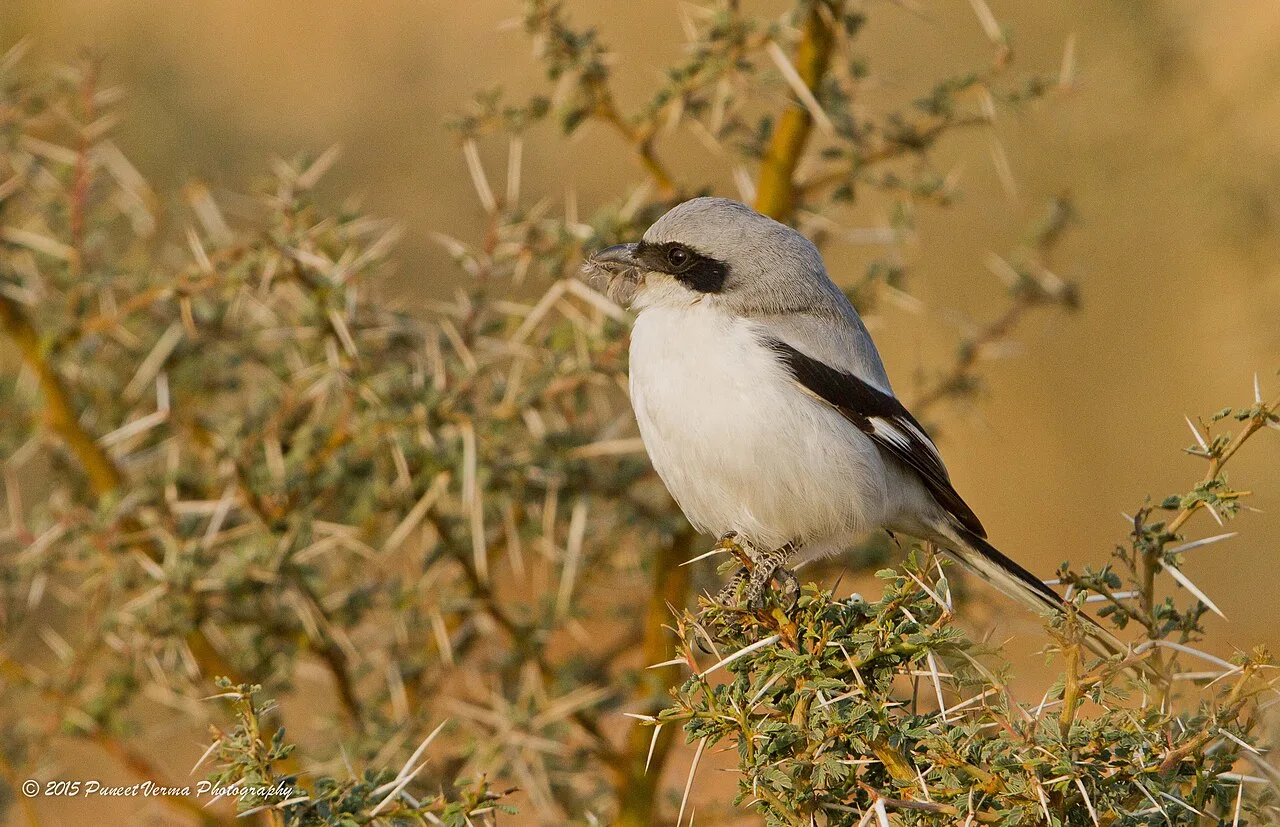
Tal Chhapar Sanctuary, near Bidasar

City guide · Rajasthan

Bidasar

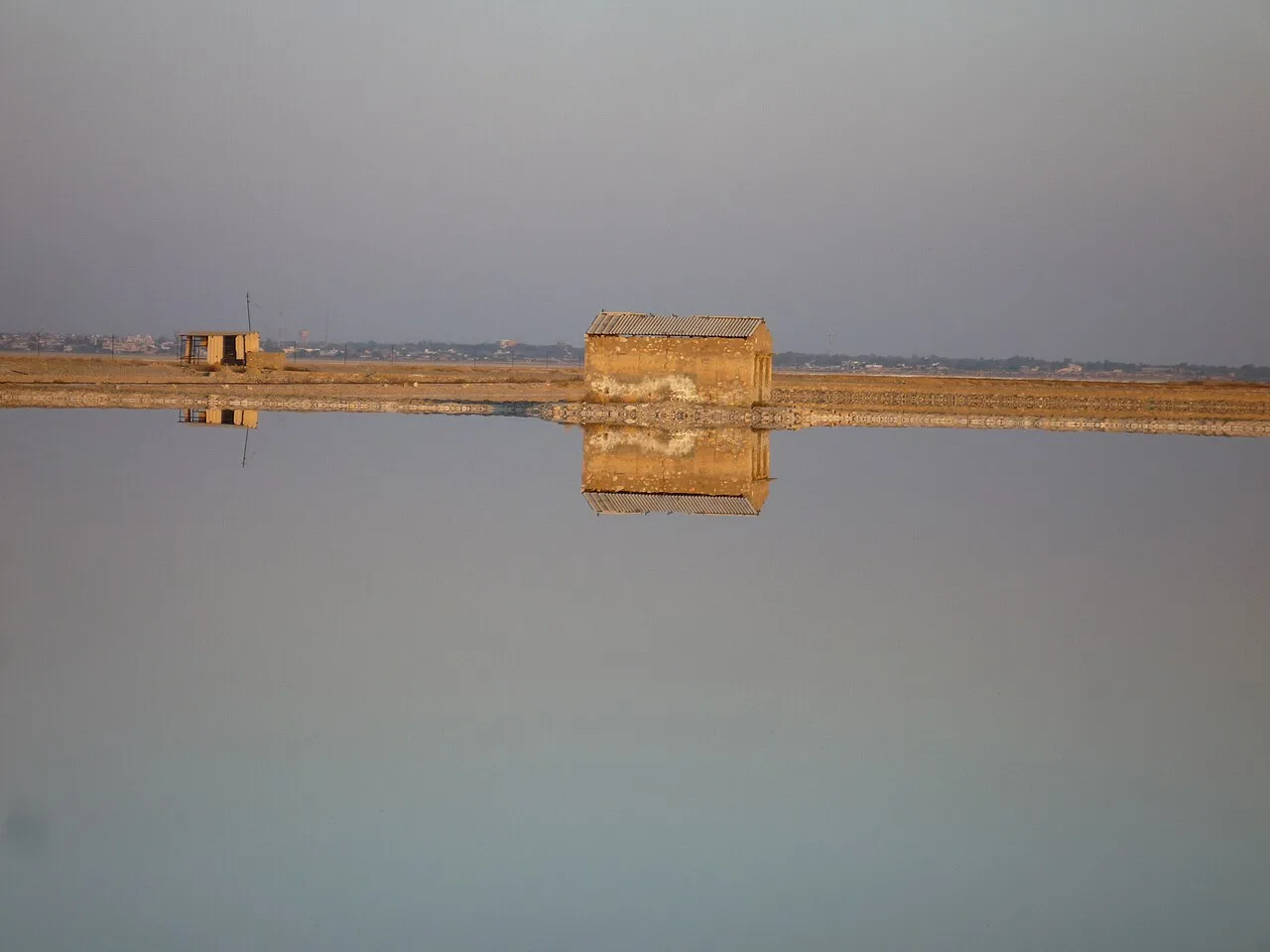
Bidasar is a municipality in Rajasthan’s Churu district, set amid the sandy, rocky terrain of the state’s north-central region. Its importance is primarily local: it serves residents of the town and surrounding settlements, with everyday markets and services rather than the large visitor infrastructure of Rajasthan’s major tourist centres.

Famous for

  • Bidawat Rathore heritage
  • Sandy, rocky surroundings
  • Churu district town
  • Rajasthan desert setting

Why Bidasar matters

Bidasar is a municipality in Rajasthan’s Churu district, set amid the sandy, rocky terrain of the state’s north-central region. Its importance is primarily local: it serves residents of the town and surrounding settlements, with everyday markets and services rather than the large visitor infrastructure of Rajasthan’s major tourist centres. For travellers, Bidasar offers a quieter look at life in a small Rajasthani town and a landscape shaped by open, dry country.

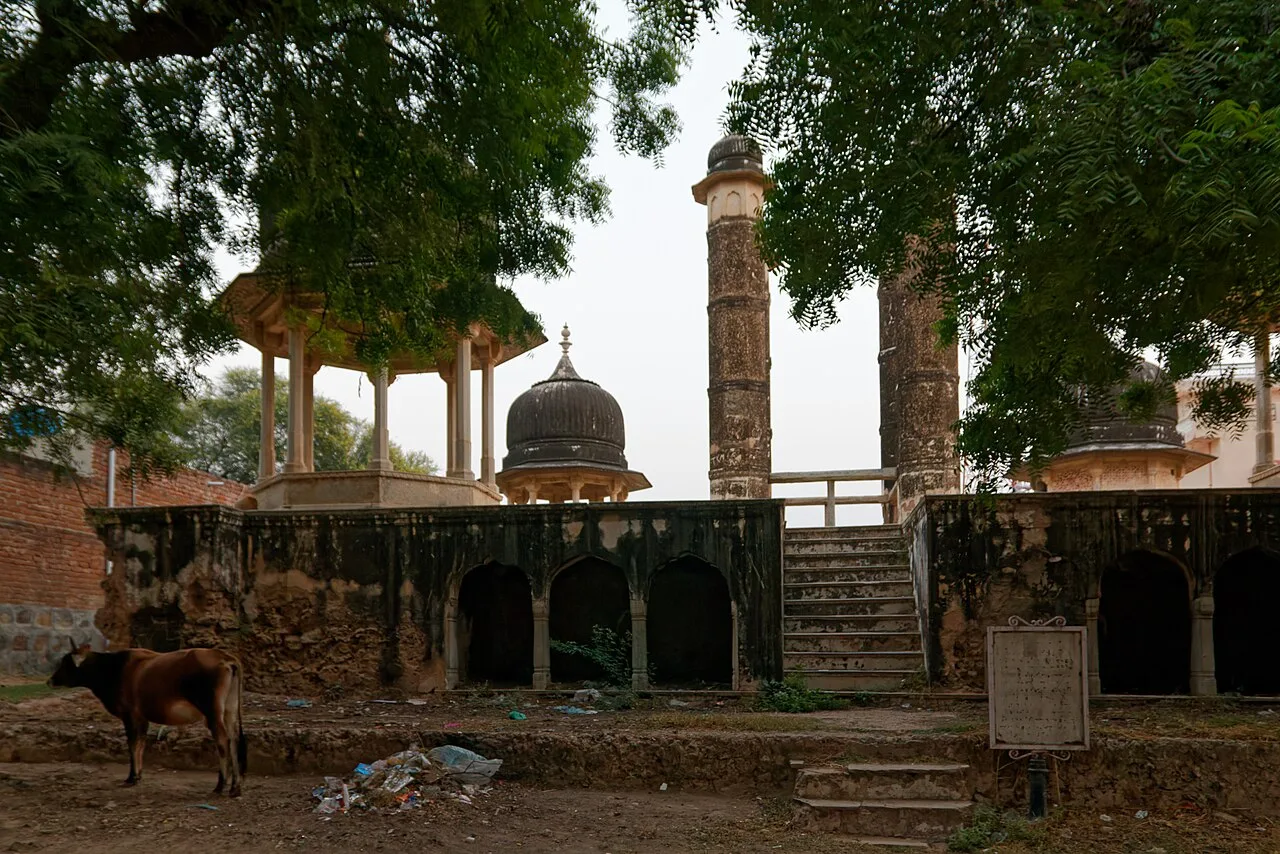
The town’s name is associated with the Bidawat Rathores, a lineage descended from Rao Bida, son of Rao Jodha and brother of Rao Bika, the founder of Bikaner. That connection gives Bidasar a place in the region’s Rathore history. Visitors are most likely to be drawn by this heritage, the surrounding terrain and the chance to explore Churu district beyond its better-known stops. Bidasar is best approached as a modest regional town, not as a destination with a roster of major monuments or a nationally renowned specialty product.
Famous for: crafts, trade & products

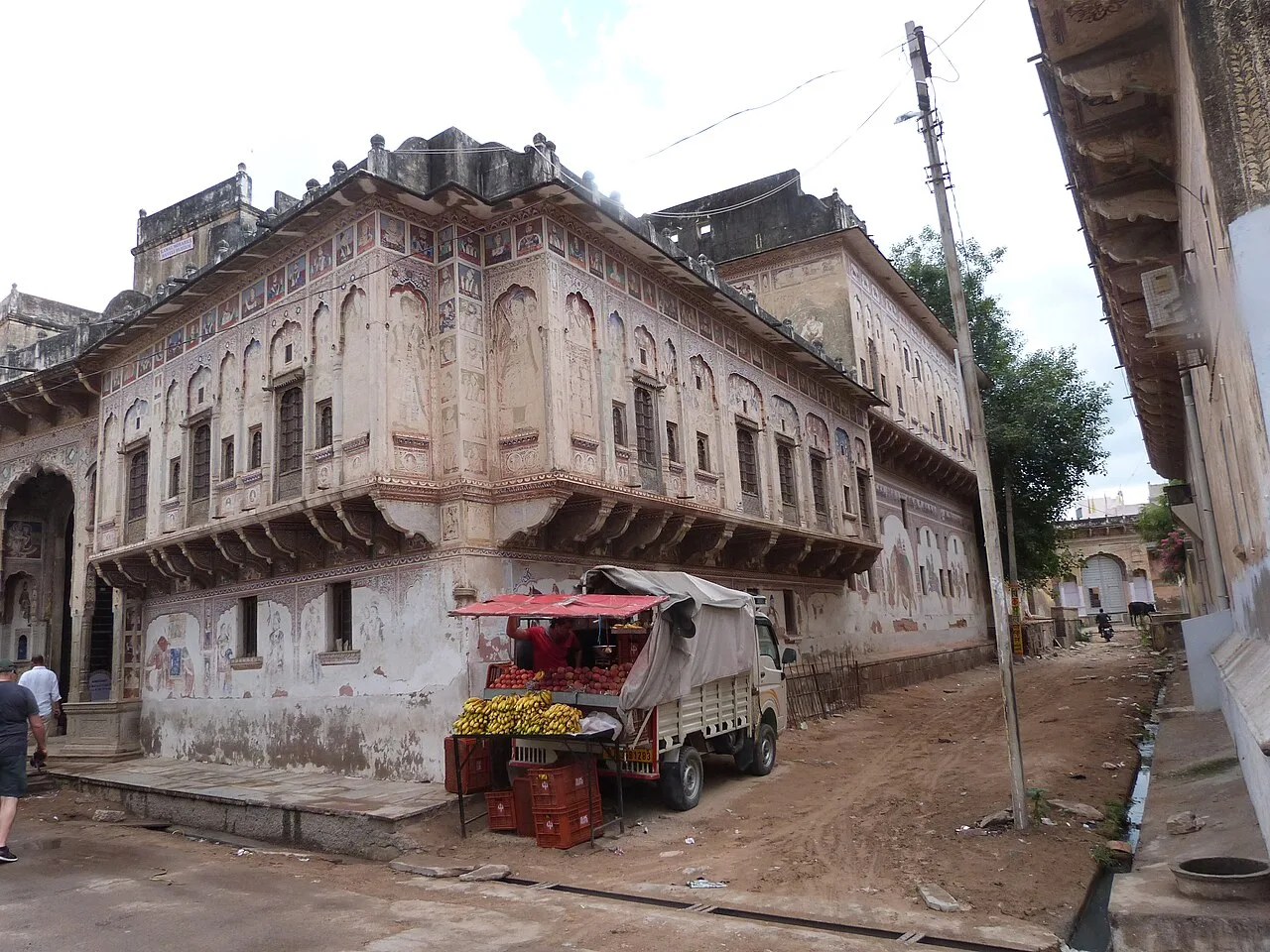
Bidasar is not widely associated with a signature textile, craft or GI-tagged product. Its character is more that of a local service and trading town, where shops cater to daily needs and residents of nearby settlements. Travellers looking for groceries, snacks or household goods can browse the central bazaar and ask locally about any seasonal or locally made items; individual shop offerings may vary.

There is no firmly established, well-known craft district or specialist market to seek out, so it is best not to expect the concentrated selection found in Rajasthan’s major handicraft centres. Nor should a particular saree, textile or industrial product be treated as a Bidasar speciality without local confirmation. The town’s clearest distinguishing feature is its association with the Bidawat Rathores, alongside its setting in Churu district’s sandy, rocky country. Visitors interested in regional products can ask shopkeepers about goods from nearby towns, but should distinguish those wider regional offerings from products made specifically in Bidasar.

History

Bidasar takes its name from the Bidawat Rathores, descendants of Rao Bida, a son of Rao Jodha and brother of Rao Bika, who founded Bikaner. This lineage connects the town’s identity to the Rathore houses that shaped the history of the wider region. The name preserves that association, although detailed accounts of Bidasar’s early growth and individual rulers are not widely established.

During the colonial period, the area formed part of the princely-state landscape of Rajputana; the wider Churu region was associated with the Bikaner state. Following independence and the integration of princely territories, Bidasar became part of Rajasthan. Its later development has been chiefly as a municipal centre serving local residents and surrounding communities. The town’s modern role is reflected less in large-scale industry or tourism than in everyday administration, trade and services. Its history is therefore best understood through its Rathore connection and its place in the changing political geography of Rajasthan.

Food, festivals & culture

Everyday food in Bidasar reflects the wider cooking traditions of Rajasthan’s dry regions. Bajra roti, lentils, gram-flour dishes and seasonal preparations are familiar regional choices; ker sangri and dal baati churma may also be found, though they are not exclusive to the town. Local shops and eateries are the simplest places to sample what is being prepared, while sweets and savoury snacks vary by season and occasion.

Hindi and local Rajasthani speech are used in daily life. Religious and family festivals such as Holi and Diwali are commonly celebrated, while Teej and Gangaur bring seasonal customs associated with the wider state. Community gatherings may include devotional songs, bhajans and regional folk music. The town’s places of worship are part of ordinary neighbourhood life; visitors should ask locally about accessible temples, shrines or other sites rather than expect a single nationally prominent religious landmark. Customs and celebrations can differ between families and communities.

Visiting the city

The cooler months, roughly October to March, are generally the most comfortable time to visit; summer can be very hot, and the dry, rocky surroundings offer little shade. Nal Airport at Bikaner is a nearby airport, but flight options may be limited; Jaipur International Airport is a larger gateway with broader connections. Sujangarh Railway Station is a practical rail gateway for reaching the area, with the onward journey made by road.

Buses, taxis and private vehicles connect Bidasar with nearby towns, while local auto-rickshaws or other shared transport may be available for short trips. In town, explore the central bazaar and residential lanes, and allow time for a drive or walk through the sandy, rocky outskirts. Confirm local transport and road conditions before setting out, particularly for journeys beyond the town centre.

Trips from the city

Nearest places to visit from Bidasar

Our closest destination guides, by straight-line distance.

Tal Chhapar Sanctuary

12 km away · Churu district

Tal Chhapar Sanctuary

Tal Chhapar is a wildlife sanctuary in Rajasthan’s Churu district, known for blackbucks and birdlife. Visitors come to see its wildlife in a setting near the Great Indian Desert.

Mandawa

85 km away · Jhunjhunu district

Mandawa

Mandawa is a town in Rajasthan’s Jhunjhunu district, within the Shekhawati region. Travellers visit it as part of journeys through the region and nearby Jhunjhunu.

Nawalgarh

93 km away · Jhunjhunu district

Nawalgarh

Nawalgarh is a heritage city in Rajasthan’s Shekhawati region, within Jhunjhunu district. Visitors are drawn by its heritage character, and it is 30.5 km from Sikar and 39.2 km from Jhunjhunu.

Karni Mata Temple

96 km away · Bikaner district

Karni Mata Temple

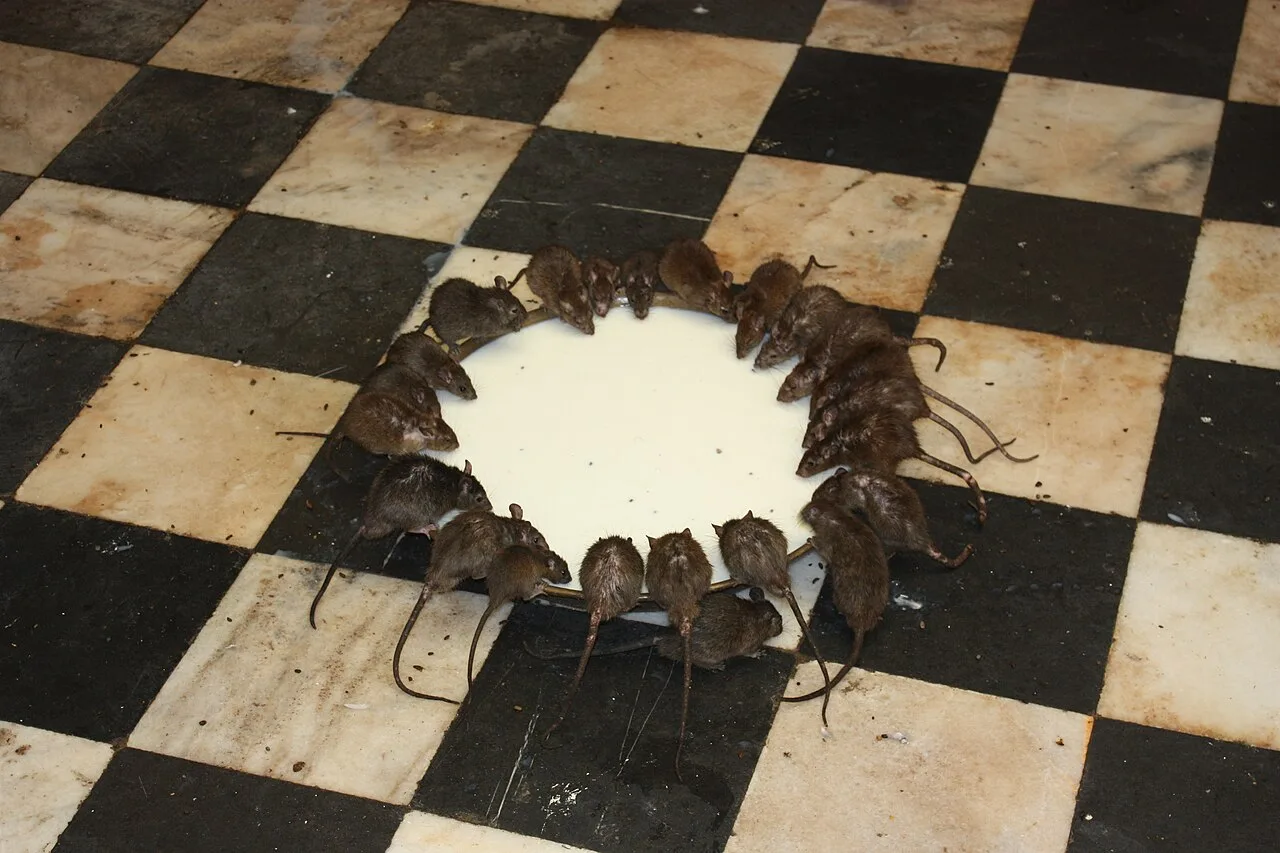
Karni Mata Temple is a Hindu shrine in Deshnoke, Rajasthan, associated with Karni Mata and sacred kābā rodents. Pilgrims seek blessings there, while visitors come to see its distinctive rat population.

Junagarh Fort

100 km away · Bikaner district

Junagarh Fort

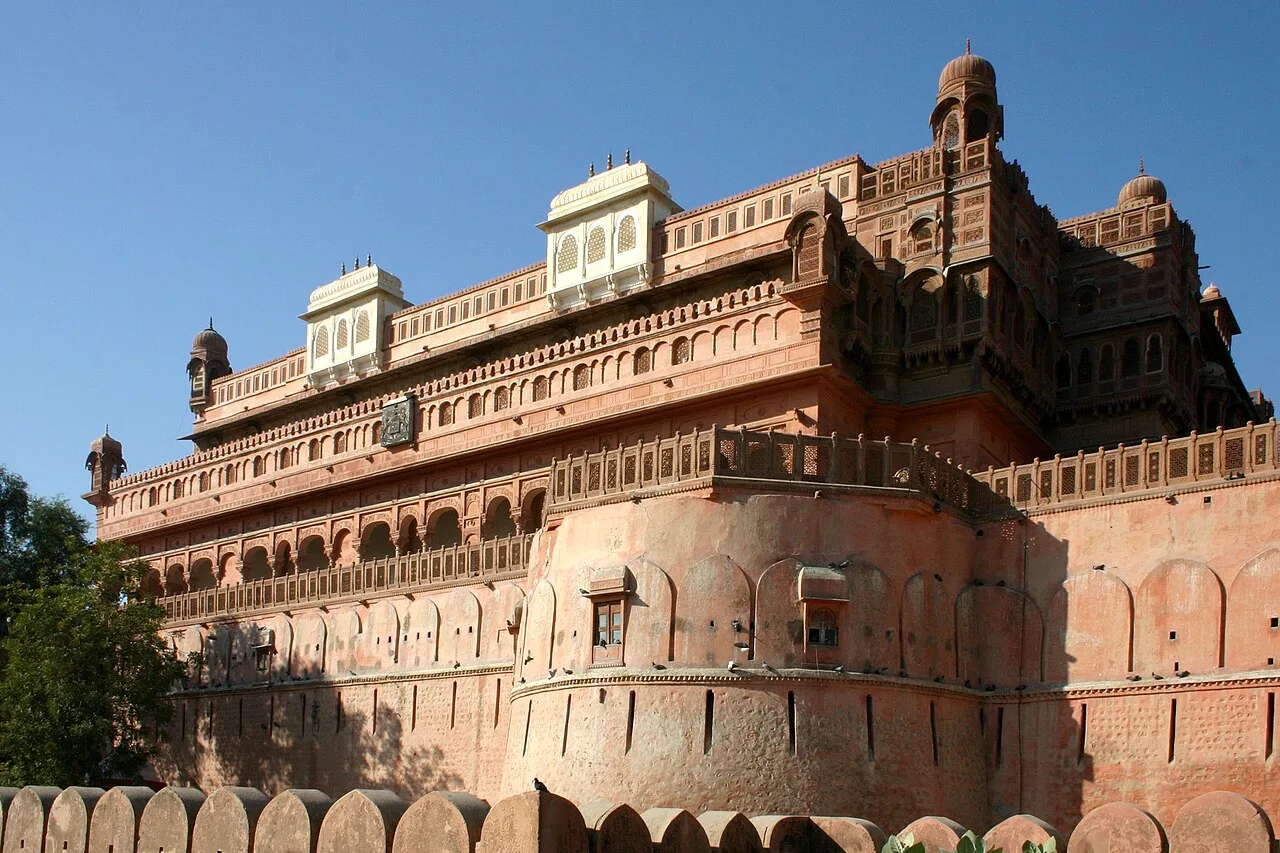
Junagarh Fort is a historic complex in Bikaner, Rajasthan, known for its palaces, temples and pavilions. Visitors can explore its layered history and blend of architectural traditions.

Lalgarh Palace

100 km away · Bikaner district

Lalgarh Palace

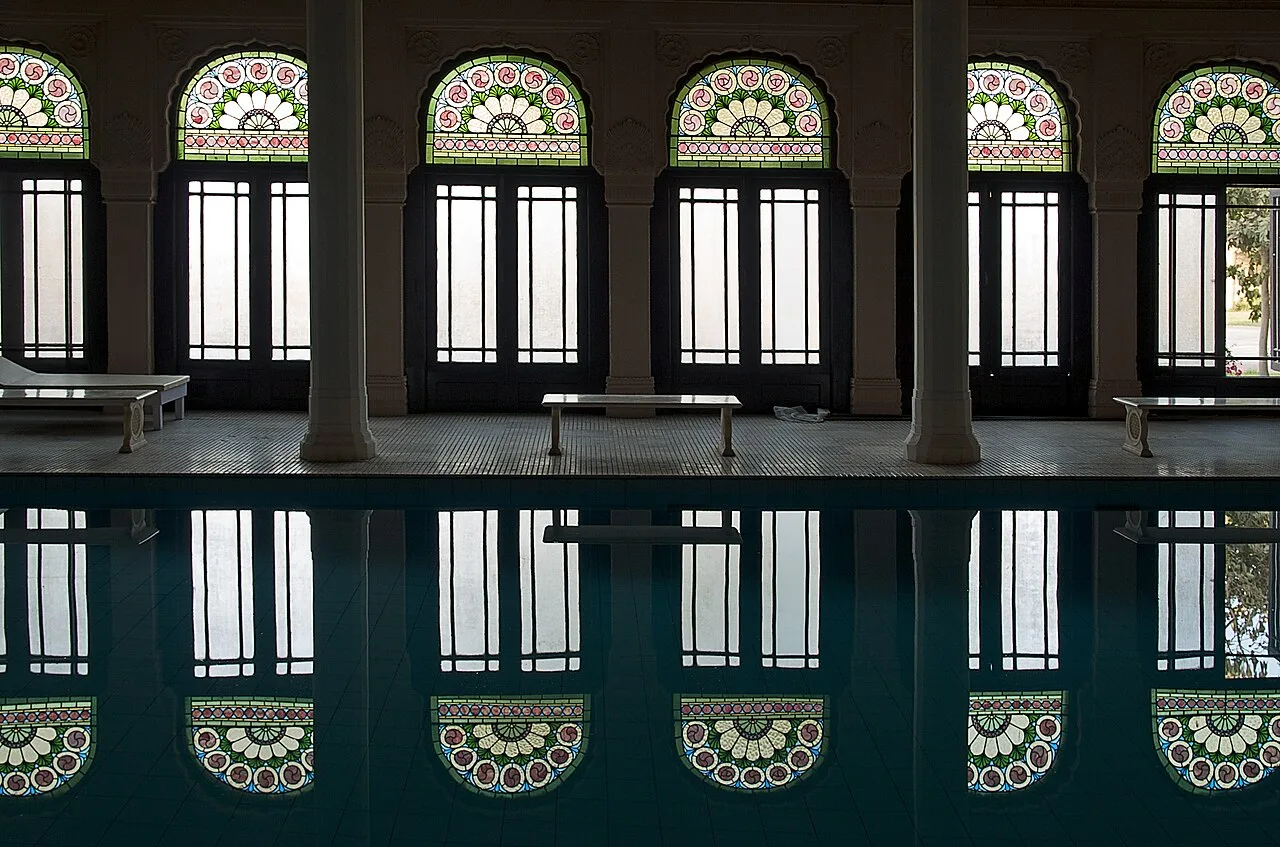
Lalgarh Palace is a palace and heritage-hotel property in Bikaner, Rajasthan, created for Maharaja Sir Ganga Singh. Visitors come to see the residence and its links to Bikaner’s royal history.

Khatu Shyam Temple

119 km away · Sikar district

Khatu Shyam Temple

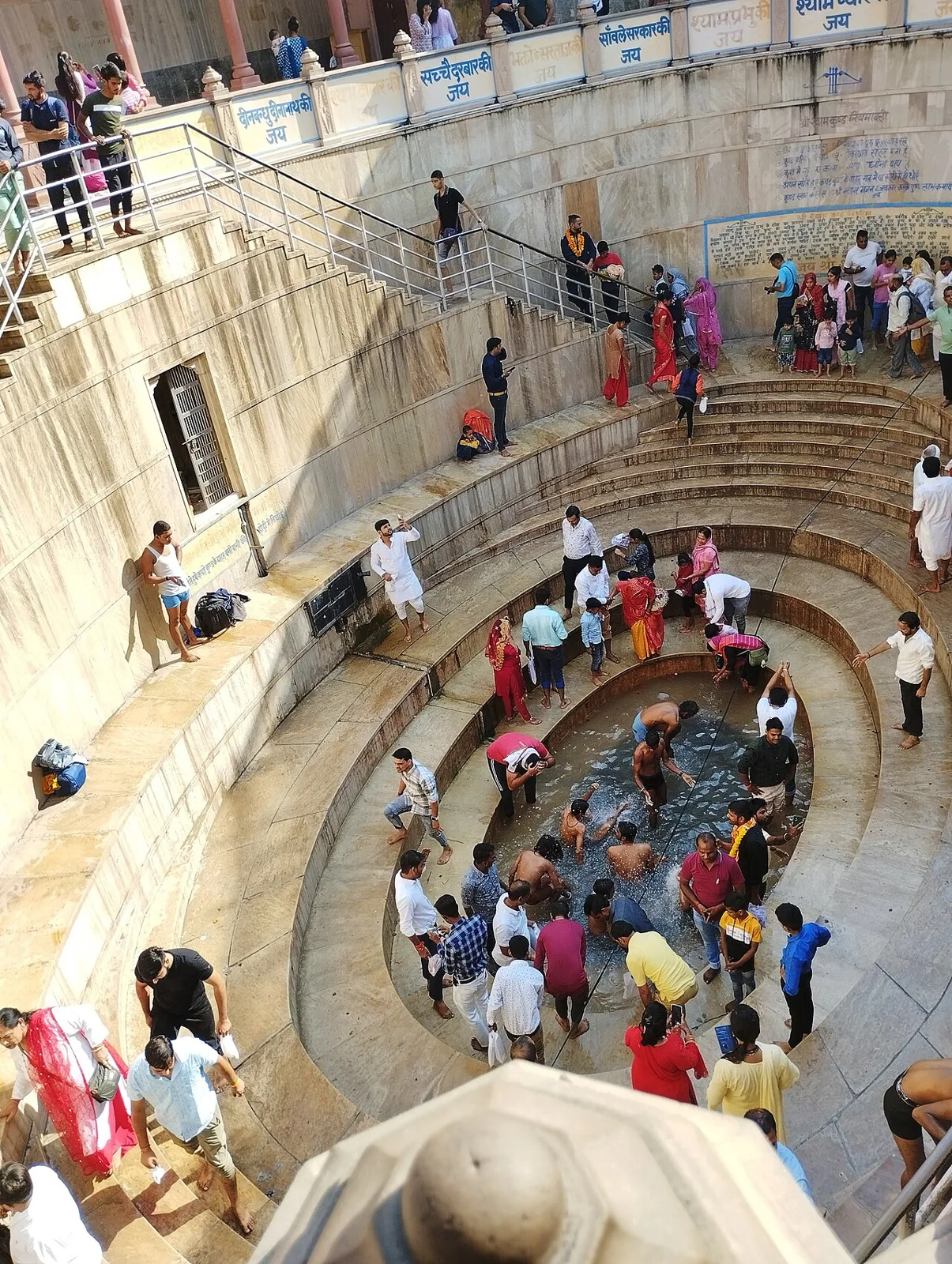
In KhatuShyamJi town, Rajasthan, this Hindu shrine honours Khatu Shyam, believed to be a divine manifestation of Barbareek from the Mahabharat. Pilgrims visit throughout the year, especially for the Falgun Mela.

Sambhar Salt Lake

124 km away · Jaipur district

Sambhar Salt Lake

Sambhar Salt Lake is Rajasthan’s largest inland salt lake, in Jaipur district. Visitors come to see the lake and the historic settlement of Sambhar Lake Town, which it surrounds.

Map

Bidasar on the map

  1. 1Tal Chhapar Sanctuary
  2. 2Mandawa
  3. 3Nawalgarh
  4. 4Karni Mata Temple
  5. 5Junagarh Fort
  6. 6Lalgarh Palace
  7. 7Khatu Shyam Temple
  8. 8Sambhar Salt Lake

Rajasthan

Other cities to explore