Ghumoopedia — Explore, Discover, Experience
Sign in
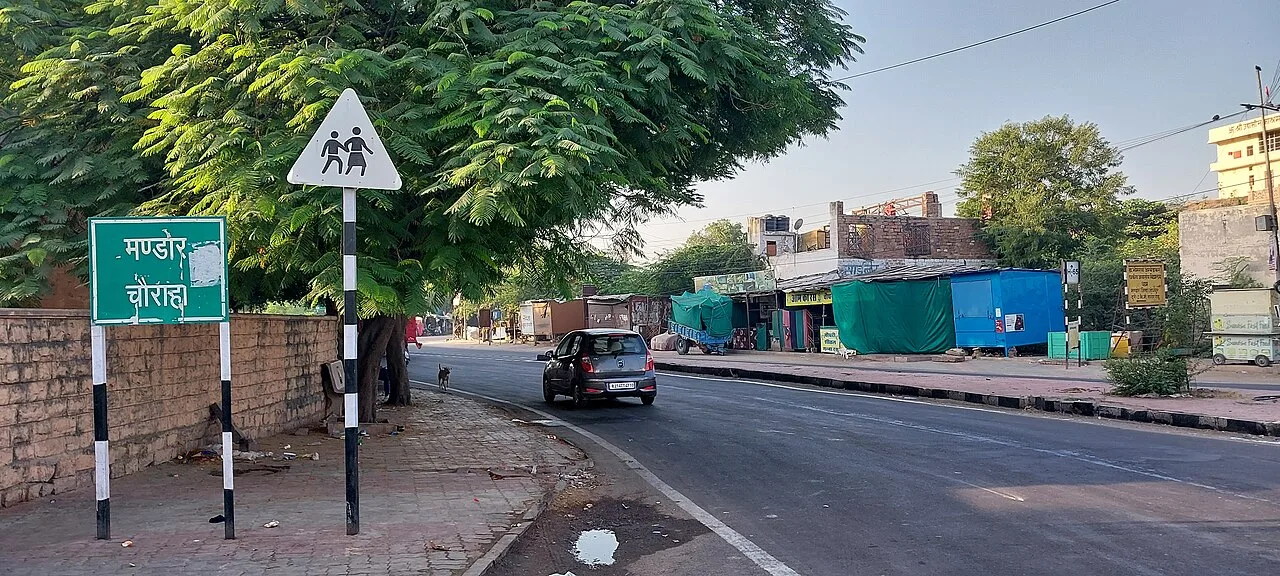
Mandore, near Piparcity

City guide · Rajasthan

Piparcity

Pipar City is a town and municipality in Rajasthan’s Jodhpur district, set in the historic Marwar region. Its everyday importance comes from its role as a local centre for nearby settlements, while its strongest distinctive appeal lies in its landscape and traditions.

Famous for

  • Sampu lake legend
  • Jojari River
  • Pipa serpent-deity tradition
  • Marwar market-town character

Why Piparcity matters

Pipar City is a town and municipality in Rajasthan’s Jodhpur district, set in the historic Marwar region. Its everyday importance comes from its role as a local centre for nearby settlements, while its strongest distinctive appeal lies in its landscape and traditions. The Jojari River, a tributary of the Luni, passes through the town, linking Pipar to the arid river country of western Rajasthan.

Local tradition associates the town’s beginnings with Pipa, a Paliwal Brahmin devoted to a serpent deity. The story centres on Sampu, a lake on the outskirts, and recounts a tale of devotion, loss and forgiveness. The legend gives visitors a way to understand the town’s religious memory, though it is not a substitute for a documented founding date. Pipar is best approached as a quieter stop within the Jodhpur region: visitors can explore its local markets, observe daily town life and seek out the places connected with the Sampu tradition. Its significance is regional rather than that of a major monument city.
Famous for: crafts, trade & products

Pipar City is not widely identified with a particular saree, handicraft, or GI-tagged product. Rather than a specialist craft destination, it functions chiefly as a service and trading centre for its surrounding area. Shops in the town centre cater to residents and visitors with everyday goods, clothing, household needs and provisions. The local market is the most practical place to browse for items made or sold in the region, although product ranges and availability vary.

Agriculture shapes the wider rural economy, and local commerce reflects the needs of nearby farming communities. Visitors may encounter seasonal produce and supplies, but Pipar is not especially known for a single signature crop or food product. For a broader choice of established Rajasthani crafts, textiles and souvenirs, travellers generally have more options in Jodhpur. In Pipar, ask shopkeepers about locally made goods rather than expecting a dedicated craft bazaar. The town’s best-known cultural reference is the Sampu lake story associated with Pipa and the serpent deity; it is a tradition, not a commercial product.

History

Pipar’s origin is remembered through a local legend about Pipa, a Paliwal Brahmin who is said to have worshipped a serpent deity beside a lake called Sampu. The story tells of a family tragedy, Pipa’s continued offerings and the deity’s eventual forgiveness. It explains the town’s traditional association with the lake, but does not establish a reliably documented date of foundation.

Historically, Pipar formed part of Marwar, the region ruled by the Rathore dynasty from Jodhpur. During the colonial period, Marwar was a princely state under British paramountcy rather than a directly administered British province. Following Indian independence, the former princely territories were incorporated into Rajasthan. Pipar’s later growth has been shaped by its role as a municipal town serving surrounding villages, together with regional road and rail connections. Its development has been gradual and locally oriented; it is not chiefly known for a palace or a major courtly centre. The Jojari River and the Sampu tradition remain important parts of the town’s geographical and cultural identity.

Food, festivals & culture

Pipar shares the food traditions of Marwar. Meals commonly draw on grains and pulses suited to a dry climate, with dishes such as dal baati churma, gatte ki sabzi and ker sangri familiar across the region. Sweets such as ghewar and malpua are associated with festive occasions, though menus vary between households and eateries. For everyday food, look to local restaurants and sweet shops in the town centre.

Hindi and Marwari are widely used in daily life; Rajasthani speech varies across the region. Hindu festivals including Holi in spring, Teej and Gangaur around the monsoon season, and Navratri and Diwali in autumn are observed in the wider Marwar tradition. Community celebrations may include devotional singing and regional folk music; forms of Rajasthani dance are part of the broader cultural landscape. Local temples serve as places of worship, while the Sampu lake story preserves a distinctive serpent-deity tradition. Ask locally about accessible worship sites and customary etiquette before visiting.

Visiting the city

The cooler months, roughly October to March, are generally the most comfortable for visiting; summer days can be very hot. Jodhpur Airport is the nearest major airport. Pipar Road railway station serves the area, while Jodhpur Junction is the principal rail hub for wider connections. Check current connections before setting out, as routes and services can change.

Within town, auto-rickshaws and local taxis are practical options, and central streets are best explored at an unhurried pace. Begin around the town centre and market to see everyday commercial life, then ask residents about reaching Sampu lake on the outskirts and nearby stretches of the Jojari River. These are modest, locally rooted visits rather than developed tourist attractions, so confirm access and road conditions locally. Pipar also works as a short regional stop when travelling between Jodhpur and settlements in the surrounding countryside.

Trips from the city

Nearest places to visit from Piparcity

Our closest destination guides, by straight-line distance.

Mandore

51 km away · Jodhpur district

Mandore

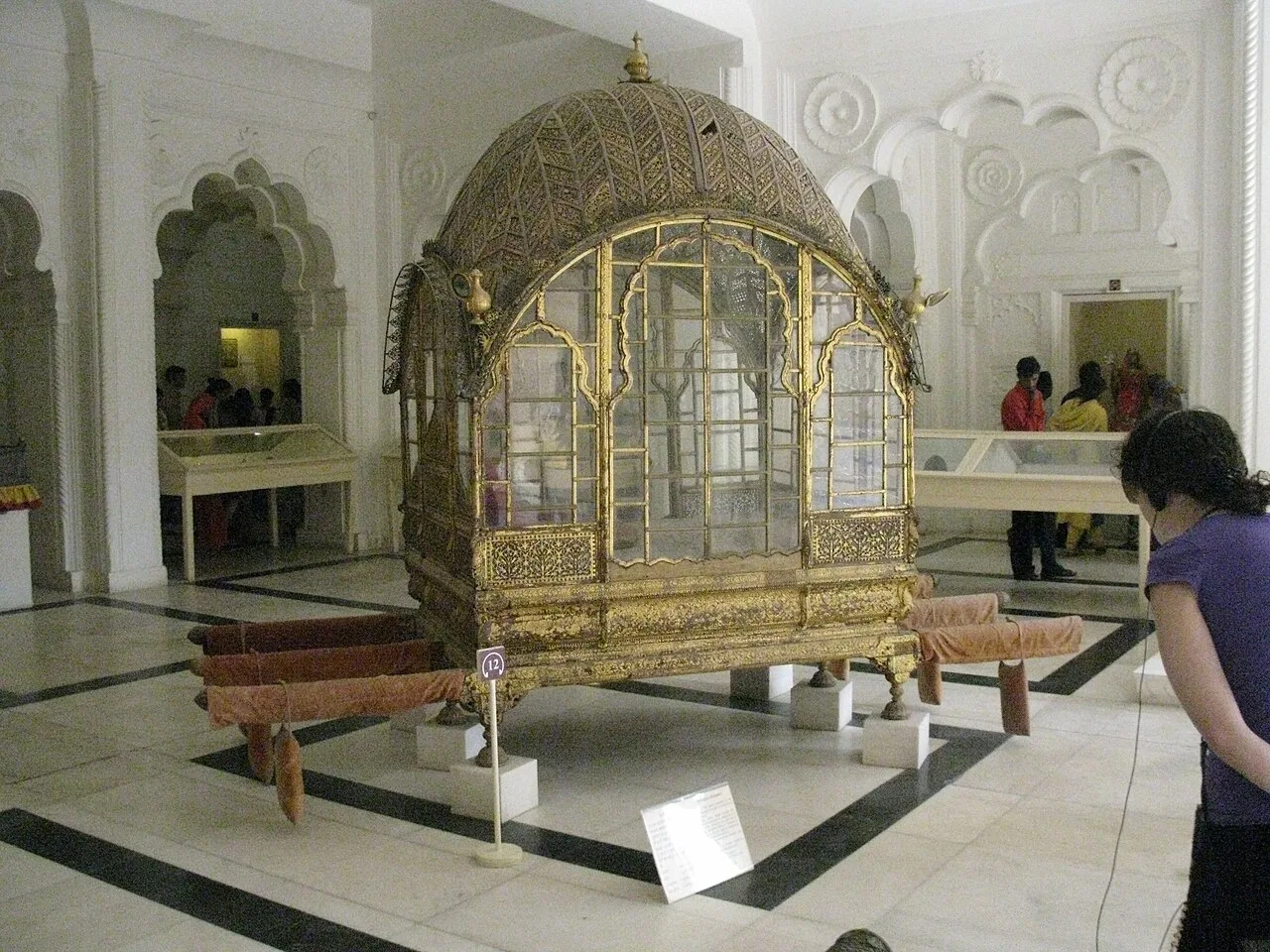
Mandore is a historic settlement and suburb in Rajasthan’s Jodhpur district, about nine kilometres north of Jodhpur. Visitors may be drawn by its historical character and proximity to the city.

Umaid Bhawan Palace

51 km away · Jodhpur district

Umaid Bhawan Palace

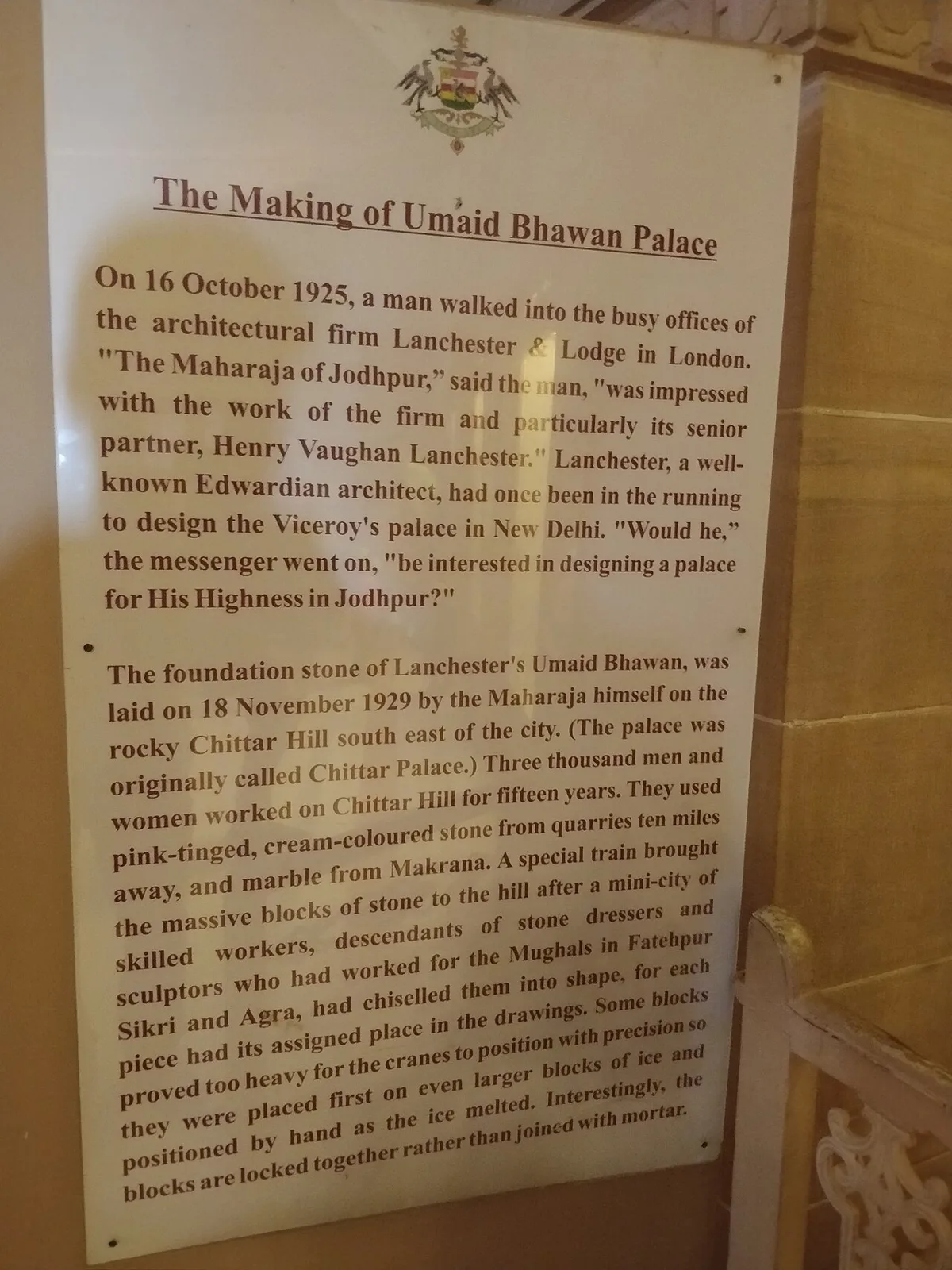
Umaid Bhawan Palace is a major residence in Jodhpur, Rajasthan, with a hotel-managed section and a museum. Visitors come to see the royal home and its museum.

Jaswant Thada

52 km away · Jodhpur district

Jaswant Thada

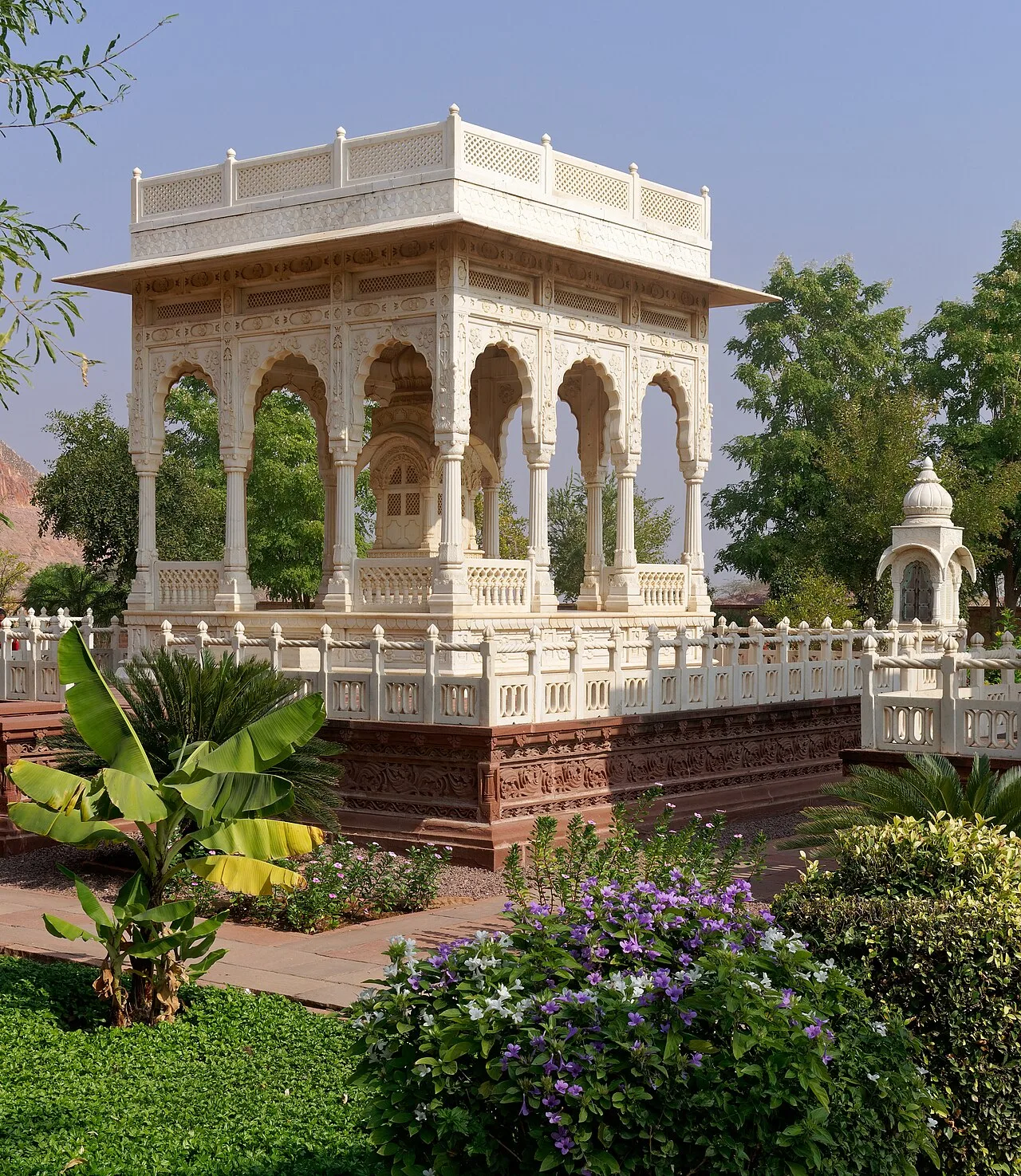
Jaswant Thada is a marble memorial in Jodhpur, Rajasthan, built in honour of Maharaja Jaswant Singh II. Visitors come to see its carved stonework, landscaped grounds and royal portraits.

Mehrangarh

53 km away · Jodhpur district

Mehrangarh

Mehrangarh is a historic hilltop fort in Jodhpur, Rajasthan. Visitors explore its palaces, temple and museum, and see the gates and memorials associated with its history.

59 km away · Jodhpur district

Salawas

Salawas is a village 22 km from Jodhpur, known for durries, or rugs, produced by local craftspeople. Visitors are drawn by its association with this traditional craft.

Osian

73 km away · Jodhpur district

Osian

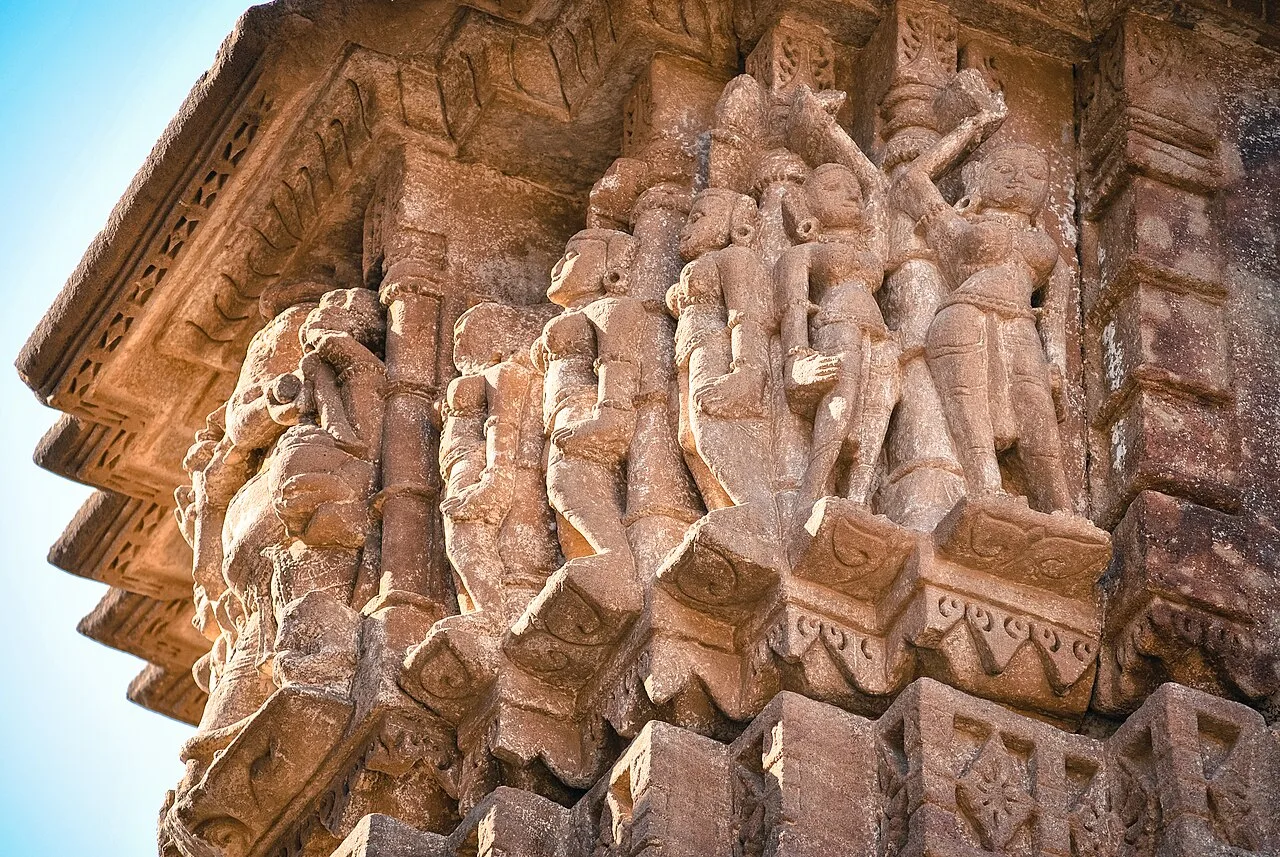
Osian is an ancient settlement and tehsil headquarters in Rajasthan’s Jodhpur district, known for its eighth- to twelfth-century Hindu and Jain temples and its history as a trading and religious centre.

Brahma Temple

101 km away · Ajmer district

Brahma Temple

Located in Pushkar, Rajasthan, the Brahma Temple is a Hindu shrine near Pushkar Lake and among India’s few temples for Brahma. Pilgrims especially gather there on Kartik Poornima.

Pushkar

101 km away · Ajmer district

Pushkar

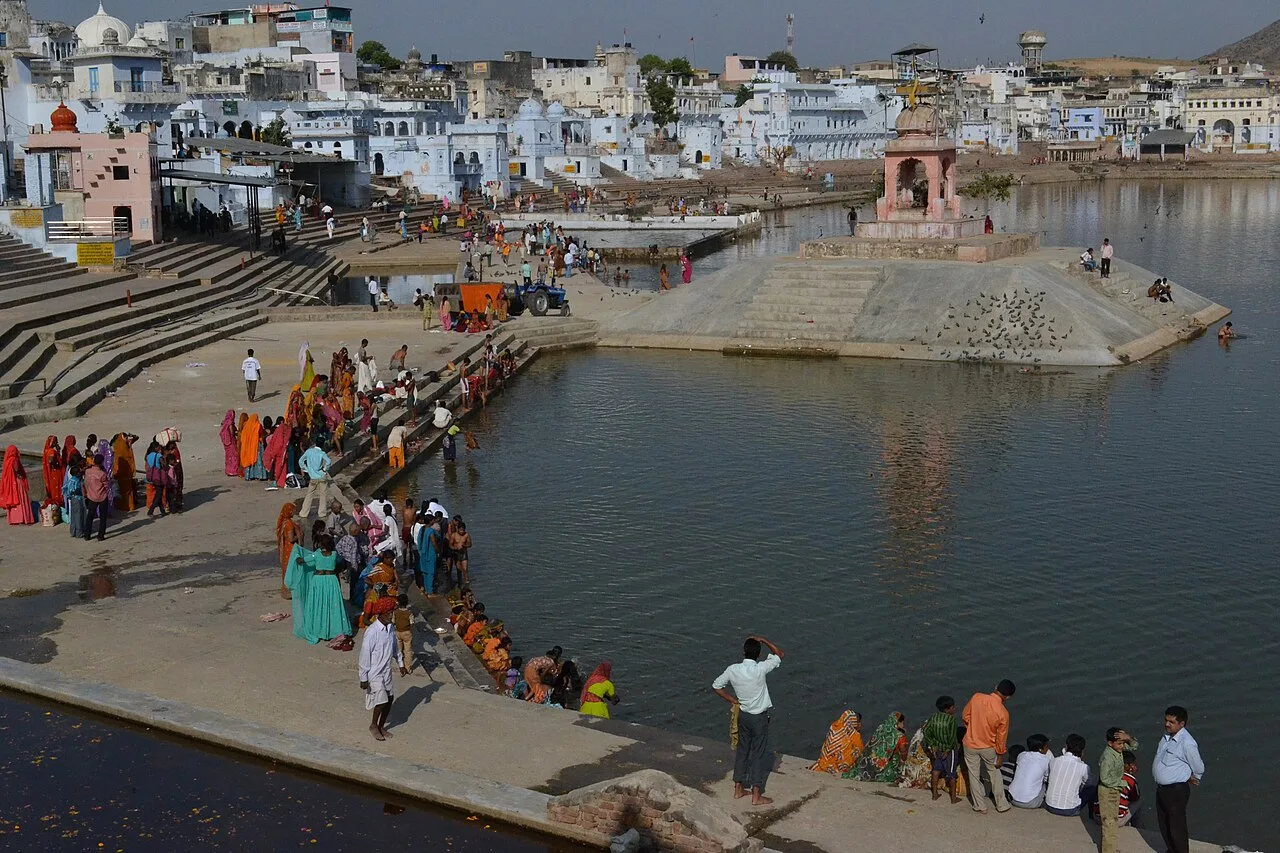
Pushkar is a historic pilgrimage town in Rajasthan, centred on a sacred lake and temples, including one of the few shrines to Brahma. Visitors come for worship, ritual bathing and its heritage.

Map

Piparcity on the map

  1. 1Mandore
  2. 2Umaid Bhawan Palace
  3. 3Jaswant Thada
  4. 4Mehrangarh
  5. 5Salawas
  6. 6Osian
  7. 7Brahma Temple
  8. 8Pushkar

Rajasthan

Other cities to explore