Ghumoopedia — Explore, Discover, Experience
Sign in
Siliserh Lake, near Tijara

City guide · Rajasthan

Tijara

Tijara is a historic town in Rajasthan’s Khairthal-Tijara district, within the National Capital Region and about 55 km northeast of Alwar. Its position links the Mewat region with Alwar, Bhiwadi and towns across the Haryana border.

Famous for

  • Tijara Fort
  • Chandraprabhu Jain temple
  • Mewat heritage
  • Bhiwadi industrial belt
  • Historic pilgrimage tombs

Why Tijara matters

Tijara is a historic town in Rajasthan’s Khairthal-Tijara district, within the National Capital Region and about 55 km northeast of Alwar. Its position links the Mewat region with Alwar, Bhiwadi and towns across the Haryana border. The wider Tijara area includes Bhiwadi, a major industrial centre that gives the region an important role in Rajasthan’s manufacturing economy and its connections with the Delhi-NCR market.

For visitors, Tijara’s appeal lies chiefly in its layered history and religious heritage. The prominent Tijara Fort, an unfinished 19th-century palace now operated as a heritage hotel, stands above the town. The Jain temple is associated with the discovery of an image of Bhagwan Chandraprabhu, while historic tombs around Tijara draw pilgrims. The town’s past reflects Rajput, Khanzada, Ahir and Mewati histories, making it a useful stop for travellers interested in the region beyond Rajasthan’s best-known destinations. It is also a practical base for exploring nearby towns and the countryside, though it is not primarily a shopping or resort destination.
Famous for: crafts, trade & products

Tijara is not widely identified with a particular textile, saree tradition, handicraft or GI-tagged product. Visitors should not expect a specialist craft bazaar or a recognised local production district. The town’s everyday shops and markets serve local residents, with general goods, groceries and ordinary household supplies rather than a distinct tourist trade. For locally made items, ask sellers about the origin of a product rather than assuming it is specific to Tijara.

The region’s better-known economic association is Bhiwadi, within Tijara tehsil, whose industrial estates connect Rajasthan with the wider Delhi-NCR economy. Manufacturing there is diverse; it is more useful to think of Bhiwadi as an industrial centre than as a single-product market. Industrial premises are not generally visitor attractions or retail outlets, so travellers looking for souvenirs may find more choice in larger nearby cities. Tijara’s most recognisable visitor draws are instead its fort, Jain temple and historic religious sites. Local shops can be convenient for refreshments and daily necessities while exploring, but the town is not known as a destination for textiles, jewellery or specialist handicrafts.

History

Tijara’s history is associated with several communities and changing regional powers. Local traditions connect an early fort with the Parmar Rajputs and later repairs with the Ahir ruler Rao Tej Pal. Medieval accounts describe conflict in the area, while the Ain-i-Akbari records Tijara among the Mewat possessions of the Khanzada Rajputs. After Raja Nahar Khan’s death in 1402, Tijara became a jagir under one of his sons. In the Mughal period, Khanzada chief Ikram Khan challenged imperial authority before being defeated by forces sent by Aurangzeb.

As Mughal power weakened, Ahir and other regional rulers shaped the surrounding territory. In the 19th century Tijara Fort was begun as a palace but left incomplete amid conflict in 1845. It was later restored and adapted as a heritage hotel. Tijara’s religious history also gained renewed attention after the discovery of a Chandraprabhu image during roadwork in 1956; another image was found in 1972. Modern development has brought the wider area into the NCR economy, particularly through Bhiwadi’s industrial growth.

Food, festivals & culture

Tijara sits in the Mewat cultural region, where everyday speech includes Hindi and Mewati, alongside other regional varieties. Food is broadly shared with the surrounding Rajasthan-Haryana belt: home-style meals may include wheat or millet breads, pulses, vegetables, curd and milk-based sweets. These are regional staples rather than dishes unique to Tijara, and menus vary by household and season. The town’s ordinary markets are the most practical places to find everyday snacks and provisions.

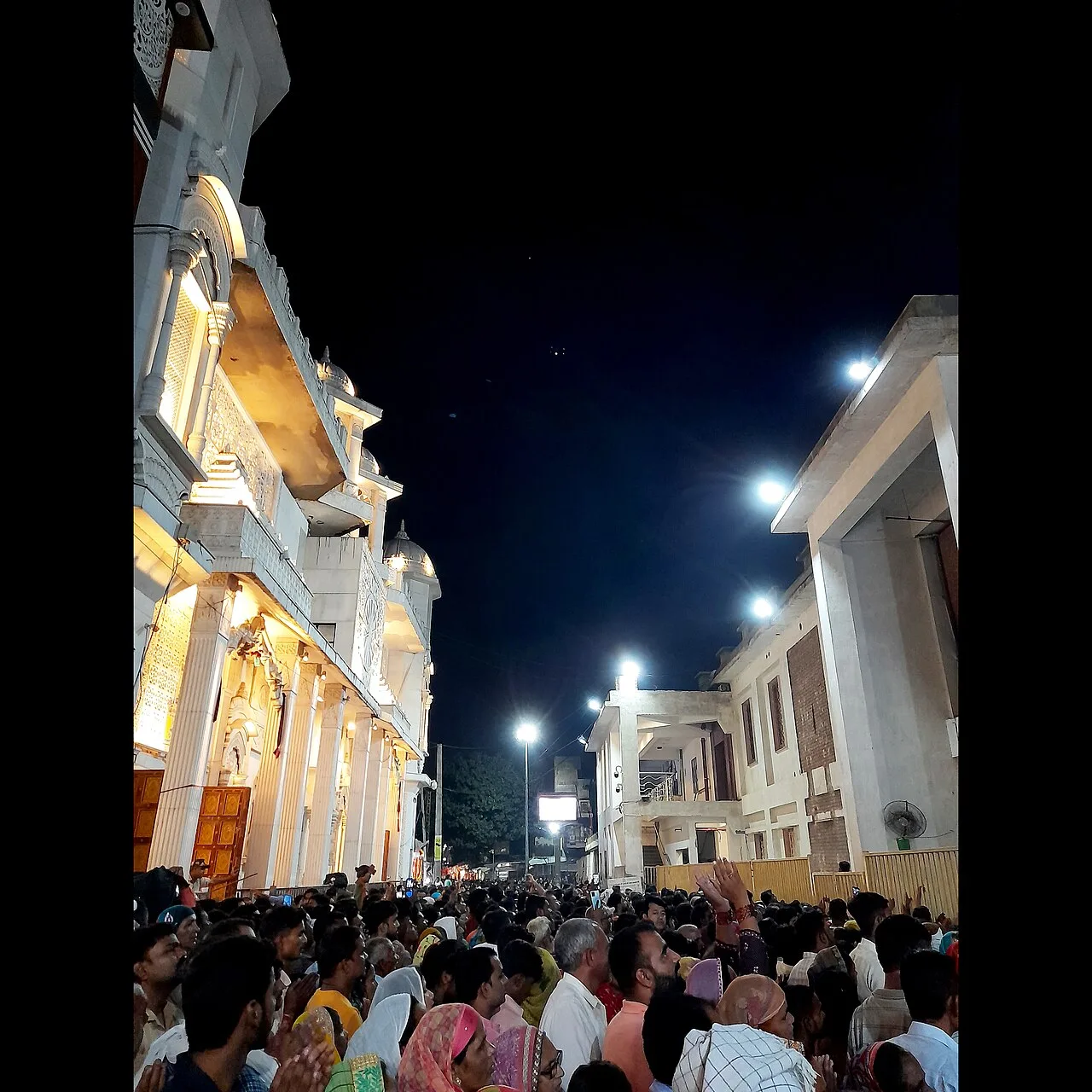
Holi and Diwali are widely observed, while Teej and Gangaur bring seasonal celebrations associated with Rajasthan. Eid is also marked by Muslim communities, with its date following the lunar calendar. Jain worship and observances centre on the Chandraprabhu temple; historic tombs around town are places of pilgrimage as well. Religious gatherings and local festivities may include devotional singing and regional folk music. Mewati cultural traditions connect Tijara with communities on both sides of the Rajasthan-Haryana border, so local customs are not confined to state boundaries. Visitors should dress respectfully at places of worship and follow local guidance during ceremonies.

Visiting the city

The most comfortable season to visit is generally October to March, when days are cooler than during the intense summer heat. The nearest railway station is Khairthal. The nearest major airport is Indira Gandhi International Airport in Delhi; onward travel is by road. Tijara is connected by State Highway 25, and buses or hired vehicles can link it with nearby towns. Local auto-rickshaws and taxis may be available for shorter trips, but arrange onward transport in advance if visiting several sites.

Explore the town centre, Tijara Fort and the Chandraprabhu Jain temple, allowing time for visits to be guided by local access and worship arrangements. Historic tombs in and around town offer another perspective on the area’s heritage. Bhiwadi is a useful nearby stop for understanding the region’s industrial character, rather than a traditional sightseeing quarter. Khairthal, Tapukara and Alwar are also relevant regional connections for a wider trip.

Trips from the city

Nearest places to visit from Tijara

Our closest destination guides, by straight-line distance.

Siliserh Lake

55 km away · Alwar district

Siliserh Lake

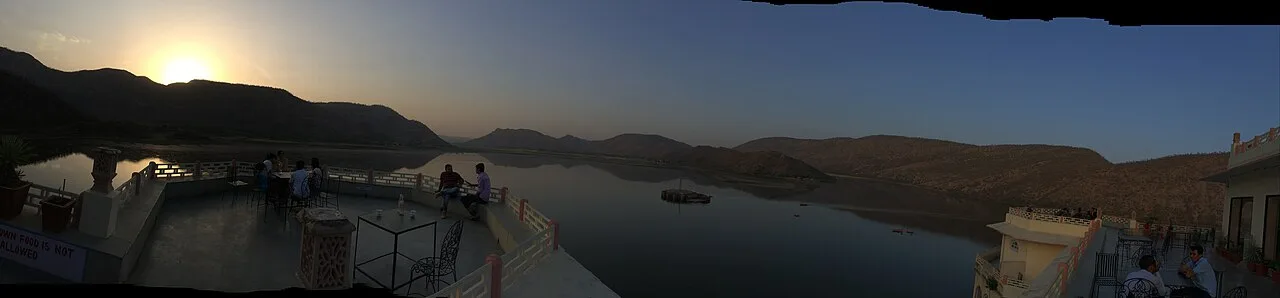
Siliserh Lake is an artificial lake in Rajasthan, southwest of Alwar, with wooded banks and cenotaphs along its embankment that visitors come to see.

Deeg Palace

69 km away · Bharatpur district

Deeg Palace

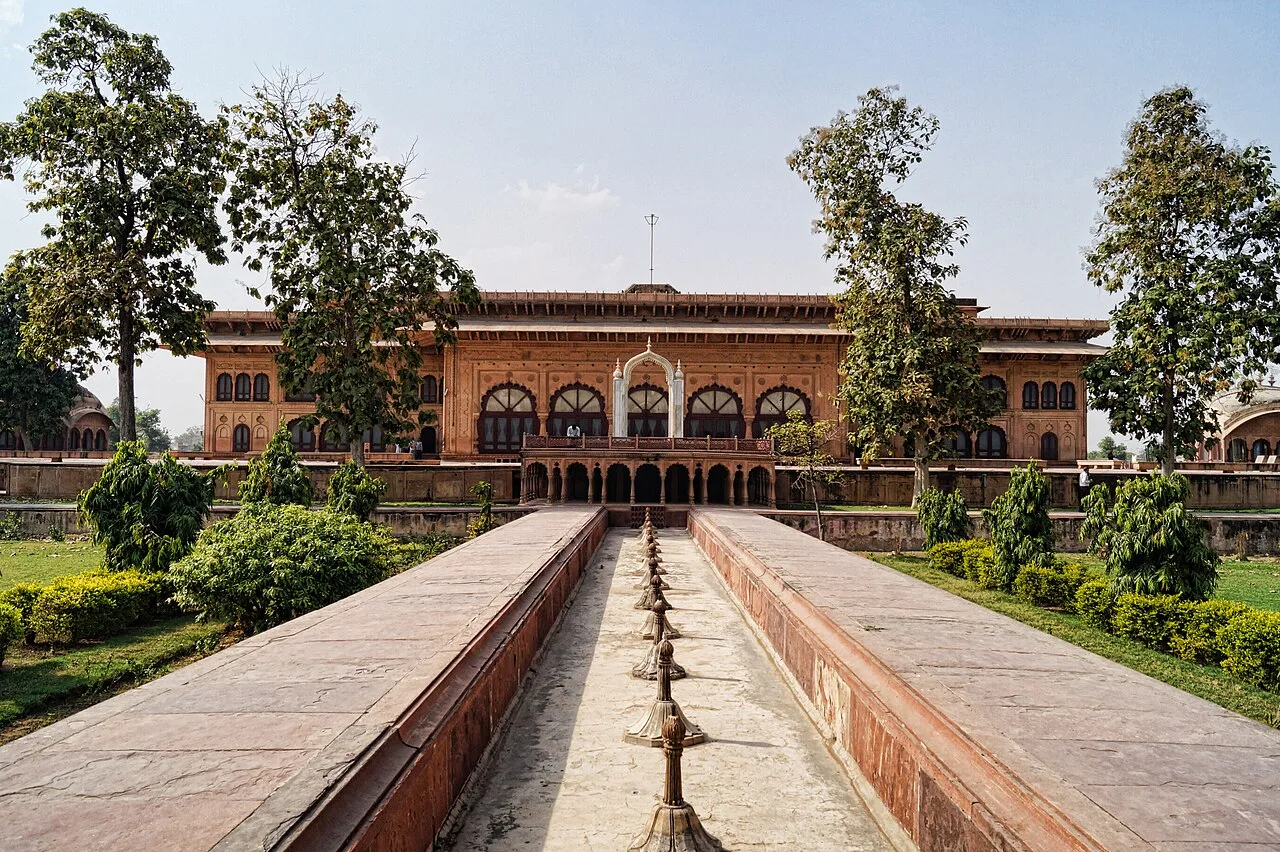
Deeg Palace is an eighteenth-century royal summer residence in Rajasthan; visitors come to see its Mughal and Rajput design and learn about its former defensive role.

Sariska Tiger Reserve

80 km away · Alwar district

Sariska Tiger Reserve

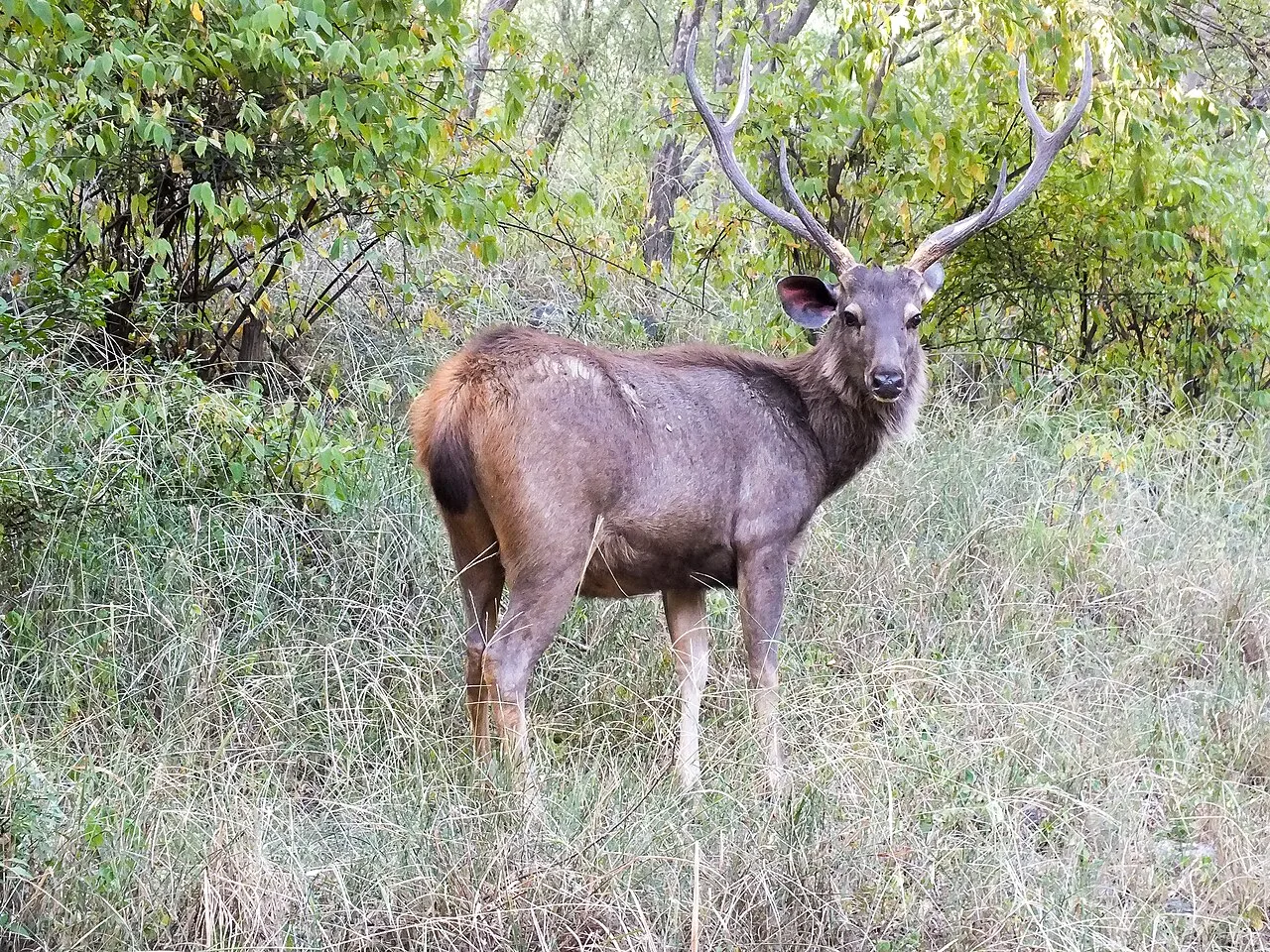
Sariska Tiger Reserve, in Rajasthan’s Alwar district, is a protected area with tiger-reserve status and varied forest, grassland and rocky habitats. Visitors come to experience its wildlife and conservation setting.

Lohagarh Fort

101 km away · Bharatpur district

Lohagarh Fort

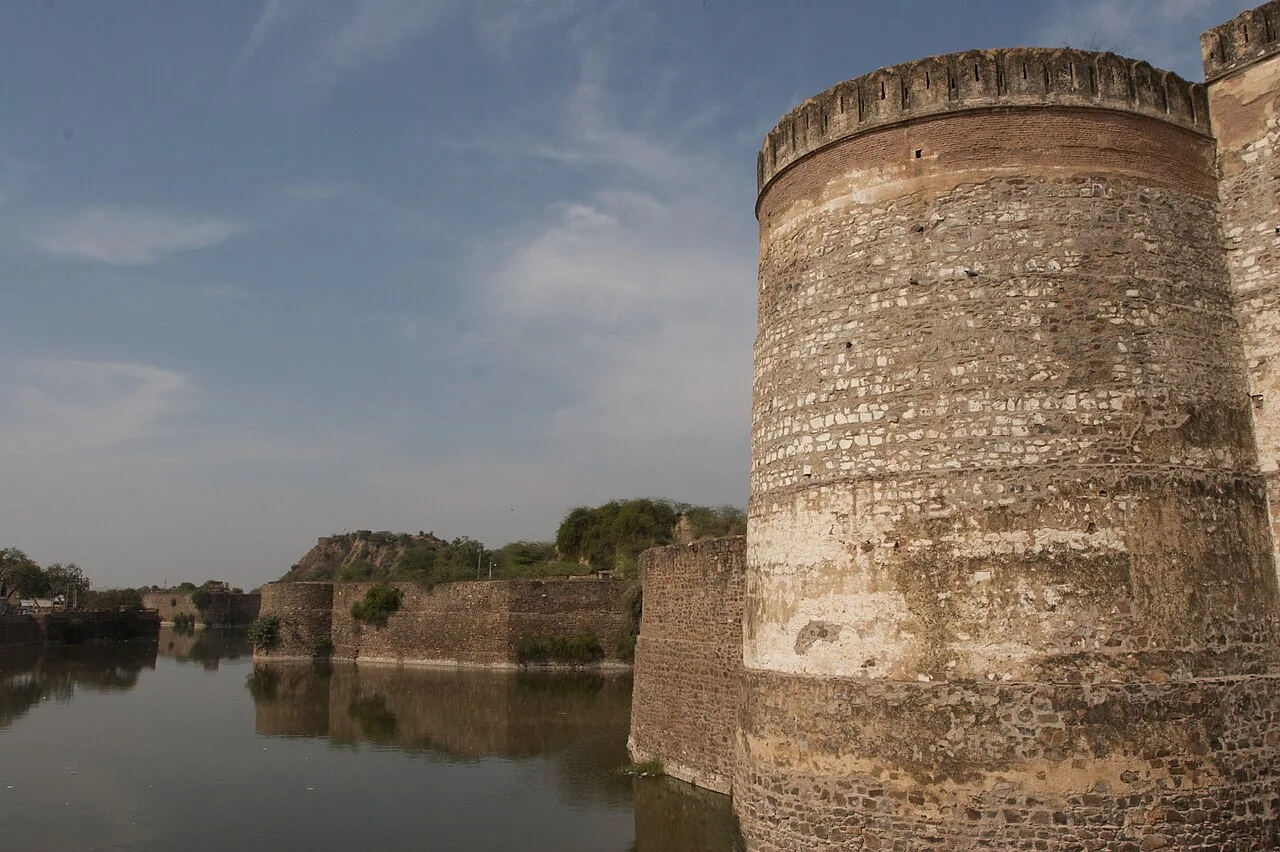
Lohagarh Fort is an eighteenth-century stronghold in Bharatpur, Rajasthan, commissioned by Maharaja Suraj Mal in 1732. Visitors learn about its resistance to British attacks and its eventual capture.

Chand Baori

106 km away · Dausa district

Chand Baori

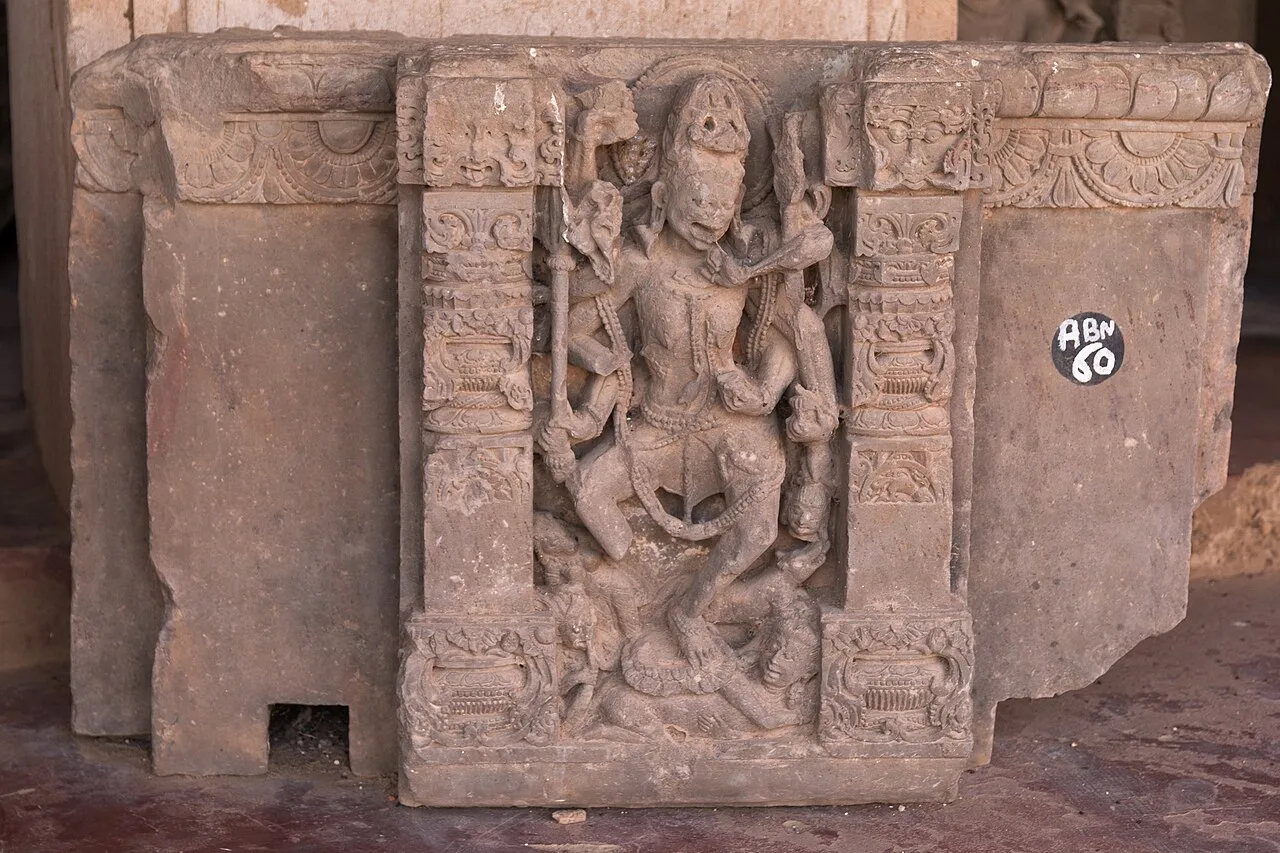
In Abhaneri, Chand Baori is a historic Rajasthan stepwell known for its depth and tiered stairways. Visitors come to see its inverted-pyramid layout and large reservoir.

Keoladeo National Park

107 km away · Bharatpur district

Keoladeo National Park

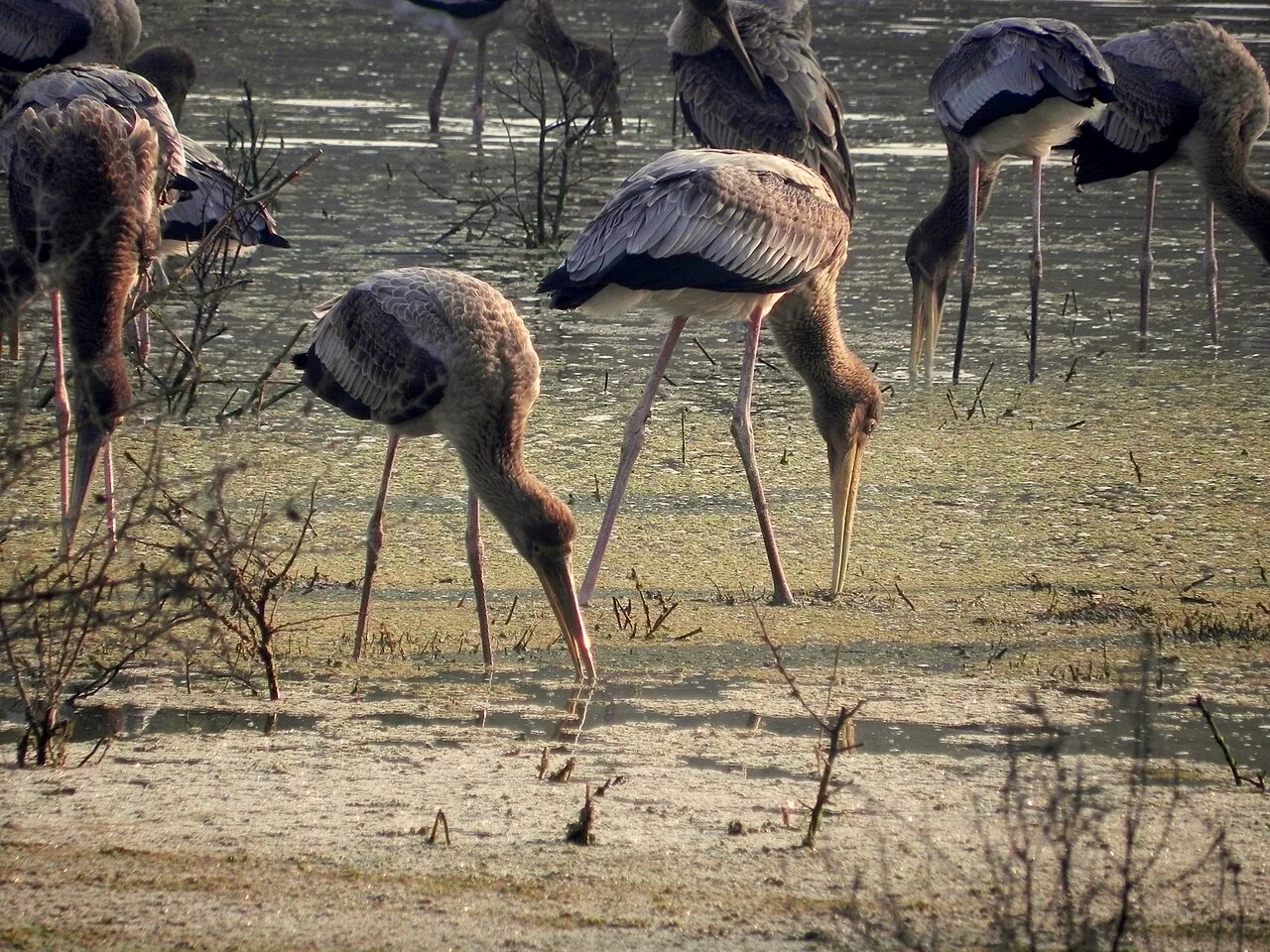
Keoladeo National Park is a wetland and wildlife reserve in Bharatpur district, Rajasthan. Visitors come to see its varied birdlife, particularly the many species that gather there during winter.

Bhangarh Fort

109 km away · Alwar district

Bhangarh Fort

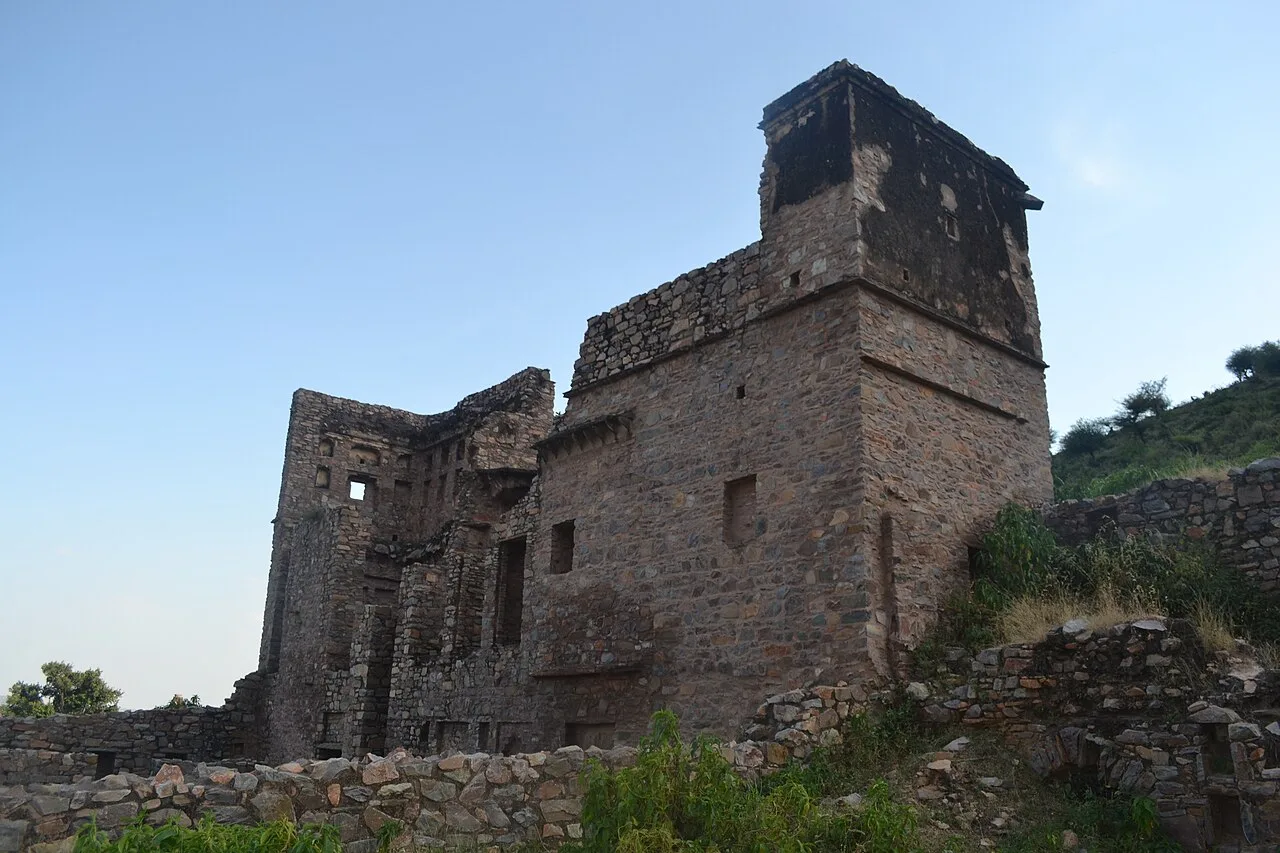
Dating to the sixteenth century, Bhangarh Fort in Rajasthan is linked to Madho Singh’s residence. Visitors come to view the preserved fort and its surrounding precincts.

Mehandipur Balaji Temple

111 km away · Dausa district

Mehandipur Balaji Temple

In Rajasthan’s Dausa district, Mehandipur Balaji Temple is a Hindu place of worship devoted to Hanuman. Pilgrims visit for its reputation for ritual healing and ceremonies to remove evil spirits.

Map

Tijara on the map

  1. 1Siliserh Lake
  2. 2Deeg Palace
  3. 3Sariska Tiger Reserve
  4. 4Lohagarh Fort
  5. 5Chand Baori
  6. 6Keoladeo National Park
  7. 7Bhangarh Fort
  8. 8Mehandipur Balaji Temple

Rajasthan

Other cities to explore