Ghumoopedia — Explore, Discover, Experience
Sign in

City guide · Rajasthan

Surajgarh

Surajgarh is a small town in Jhunjhunu district, in Rajasthan’s Shekhawati region. Its importance comes from its place in a largely rural network of market towns, connecting nearby villages with shops, services and transport.

Famous for

  • Surajgarh Fort
  • Shekhawati heritage
  • Surajgarh Bazar
  • Surajgarh Mandi

Why Surajgarh matters

Surajgarh is a small town in Jhunjhunu district, in Rajasthan’s Shekhawati region. Its importance comes from its place in a largely rural network of market towns, connecting nearby villages with shops, services and transport. The town is commonly understood in two parts: Surajgarh Bazar, the older settlement, and Surajgarh Mandi, a separate market area. Together, they give it a practical role in everyday regional trade.

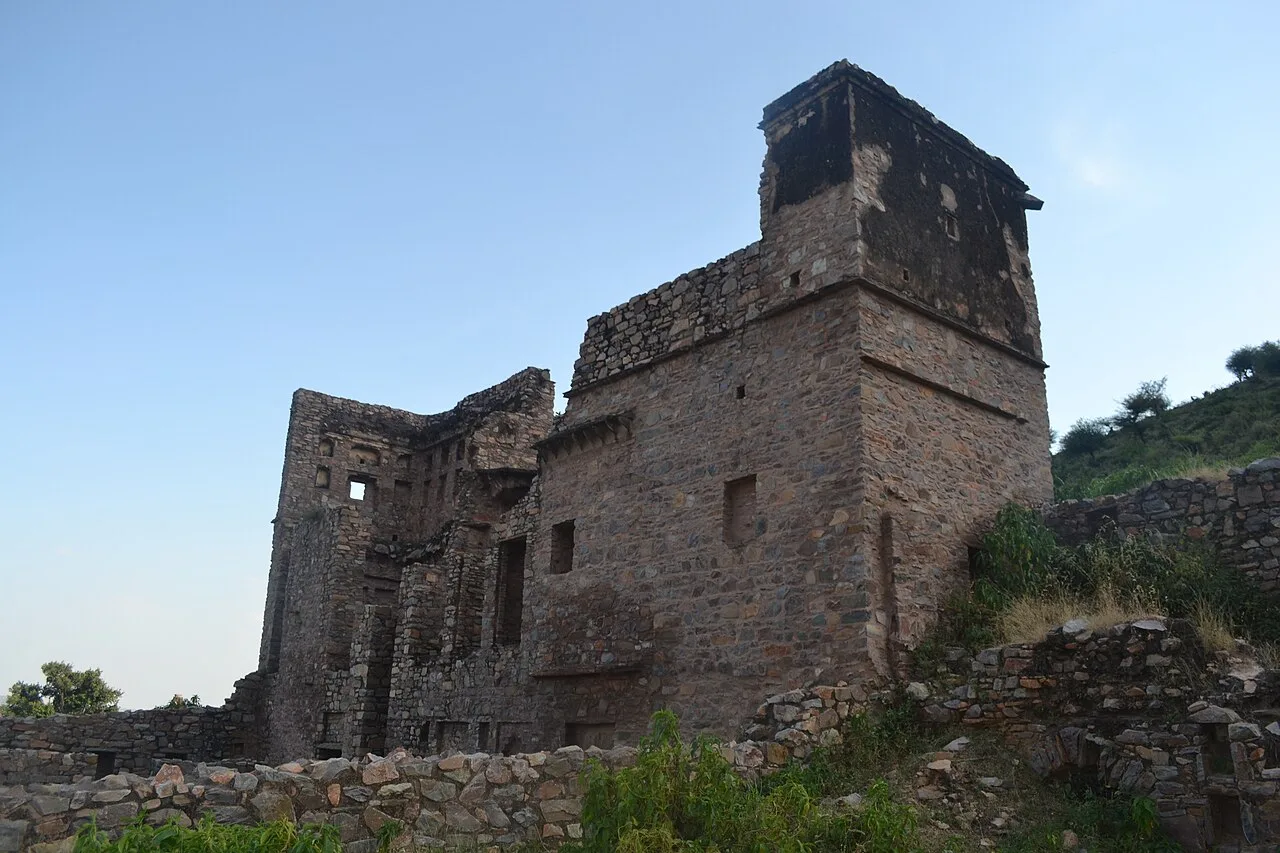
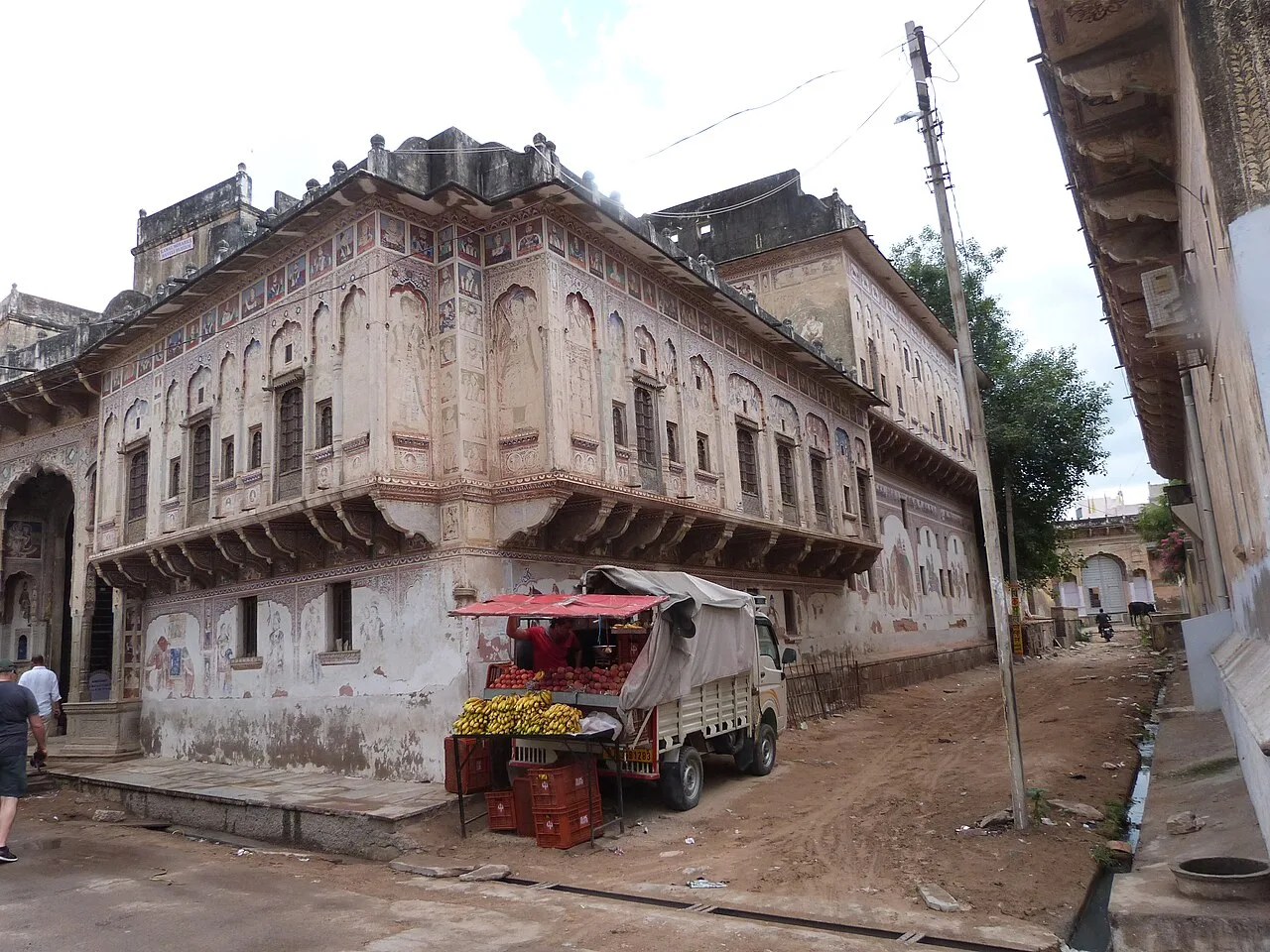
For visitors, Surajgarh offers a quieter way to encounter Shekhawati beyond its better-known towns. Surajgarh Fort is its most distinctive landmark, while the town’s streets and markets provide a sense of local life. Shekhawati is widely associated with historic forts, havelis and painted architecture; the extent and condition of such features vary from town to town, so Surajgarh is best approached as a local stop rather than assumed to have the same concentration of attractions as larger heritage centres. Its location, roughly 180 kilometres from Delhi, also makes it accessible for journeys through northern Rajasthan.
Famous for: crafts, trade & products

Surajgarh is best known locally for its fort and its two market areas, rather than for a nationally recognised textile, craft or food speciality. The town does not have a widely established GI-tagged product or a signature saree tradition that visitors should expect to find. Surajgarh Bazar is the place to browse everyday shops and services in the older part of town; Surajgarh Mandi serves as another focus of local commerce. Their offerings are suited to ordinary shopping and the needs of nearby communities, and can change with the season and trade.

Travellers looking for Shekhawati’s better-known painted havelis, specialist crafts or heritage shopping may want to compare what is available locally with larger regional centres. Rajasthan handicrafts and textiles may appear in general shops, but visitors should ask about the maker and place of origin rather than assume an item was made in Surajgarh. The fort is the town’s clearest heritage draw; it is sensible to check locally whether access is available before planning a visit. There is no need to treat the town as a specialist craft destination to appreciate its markets and regional setting.

History

Surajgarh grew as a settlement in Shekhawati, a region shaped by Rajput estates and the routes linking its towns and villages. The town’s fort reflects the area’s history of local chiefs and fortified centres, which served as symbols of authority as well as landmarks in the landscape. Shekhawati’s merchant communities also helped shape the wider region, leaving a legacy of havelis and painted architecture in several towns; the character and surviving heritage differ from place to place.

During the colonial period, Shekhawati remained within the political order of princely Rajasthan, under local rulers and the broader influence of British paramountcy. After independence, the former princely territories were integrated into the modern state of Rajasthan. Surajgarh’s later growth has been closely tied to its role as a service and trading centre for surrounding settlements. Its division between the older Bazar and the Mandi reflects the town’s everyday commercial life, alongside its historic fort. As roads, rail links and civic services developed, Surajgarh continued to serve residents and nearby rural communities rather than becoming a large tourist centre.

Food, festivals & culture

Daily life in Surajgarh reflects the food and customs of the Shekhawati region. Meals commonly draw on Rajasthan’s breads, pulses and seasonal ingredients; dishes such as bajra roti, dal baati churma and gatte are familiar regional fare, though menus vary between households and eateries. Sweets such as ghevar are associated with festive occasions in Rajasthan, but availability depends on the season. The town’s markets are useful places to observe everyday routines and local commerce.

Hindi and Rajasthani speech are widely heard, with local forms of Rajasthani used in family and community life. Holi in spring, Teej during the monsoon season and Diwali in autumn are among the major festivals observed across the region; celebrations are primarily community and family occasions. Folk songs and dance traditions, including forms associated with Rajasthani performance and ghoomar, belong to the wider cultural setting, though performances are not guaranteed for visitors. Local temples and shrines provide places of worship, while Surajgarh Fort offers a visible reminder of the town’s historic landscape.

Visiting the city

The cooler months, roughly October to March, are generally the most comfortable time to visit; summer heat can be intense, and monsoon conditions may affect road journeys. Indira Gandhi International Airport in Delhi is a practical air gateway, while Jaipur is another option for travel through Rajasthan. Surajgarh railway station serves the town; check current connections before setting out, as services and routes can change.

Auto-rickshaws and local taxis can help with short trips, while walking is useful around the compact market areas. Explore Surajgarh Bazar for the older town’s everyday shops, then visit Surajgarh Mandi to see its separate commercial area. The fort is the main heritage stop. Ask locally about access and local transport, and allow extra time if continuing to other Shekhawati towns.

Trips from the city

Nearest places to visit from Surajgarh

Our closest destination guides, by straight-line distance.

Mandawa

64 km away · Jhunjhunu district

Mandawa

Mandawa is a town in Rajasthan’s Jhunjhunu district, within the Shekhawati region. Travellers visit it as part of journeys through the region and nearby Jhunjhunu.

Nawalgarh

69 km away · Jhunjhunu district

Nawalgarh

Nawalgarh is a heritage city in Rajasthan’s Shekhawati region, within Jhunjhunu district. Visitors are drawn by its heritage character, and it is 30.5 km from Sikar and 39.2 km from Jhunjhunu.

Khatu Shyam Temple

110 km away · Sikar district

Khatu Shyam Temple

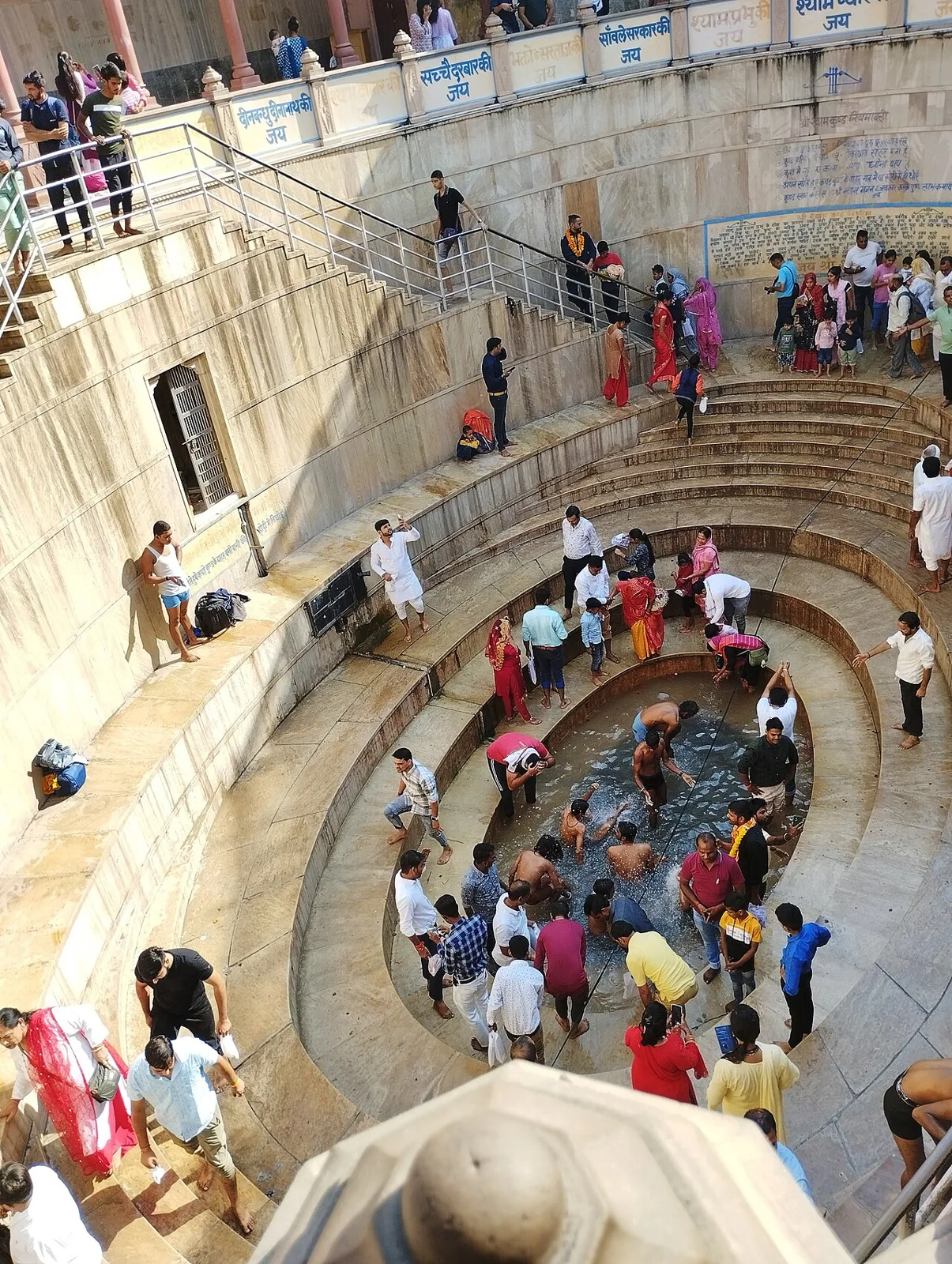
In KhatuShyamJi town, Rajasthan, this Hindu shrine honours Khatu Shyam, believed to be a divine manifestation of Barbareek from the Mahabharat. Pilgrims visit throughout the year, especially for the Falgun Mela.

Siliserh Lake

117 km away · Alwar district

Siliserh Lake

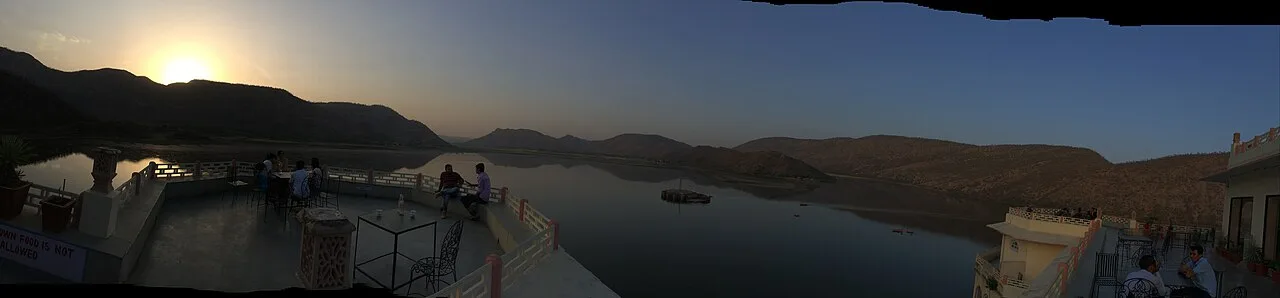
Siliserh Lake is an artificial lake in Rajasthan, southwest of Alwar, with wooded banks and cenotaphs along its embankment that visitors come to see.

Samode

123 km away · Jaipur district

Samode

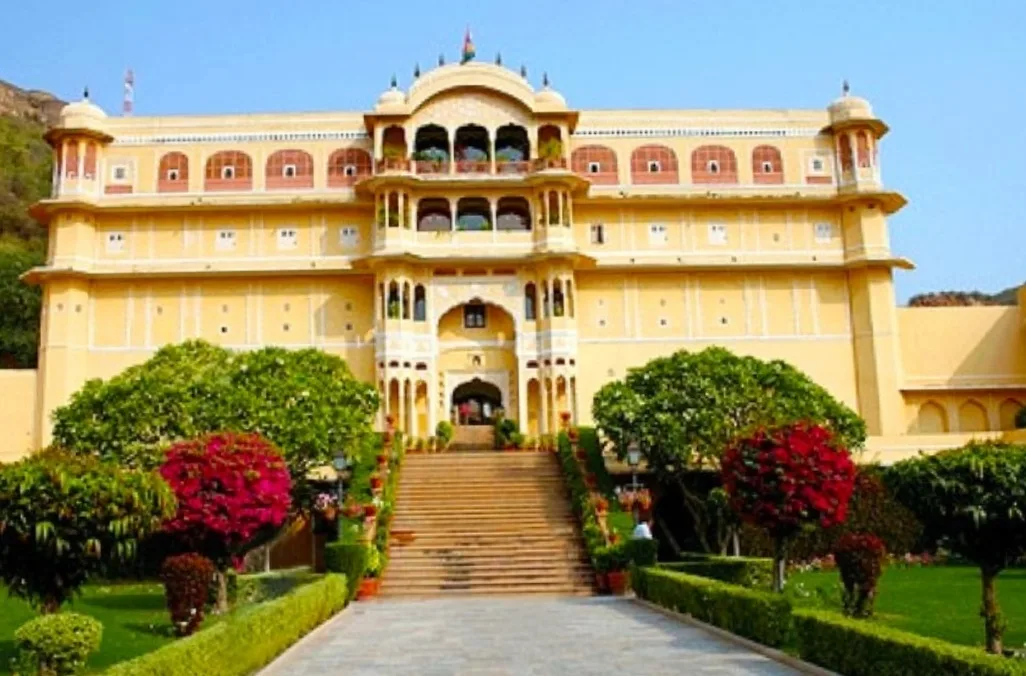
Samode is a village in Rajasthan’s Aravalli hills, north-west of Jaipur. Visitors come for its palace, haveli and garden, historic properties now operated as heritage hotels.

Sariska Tiger Reserve

130 km away · Alwar district

Sariska Tiger Reserve

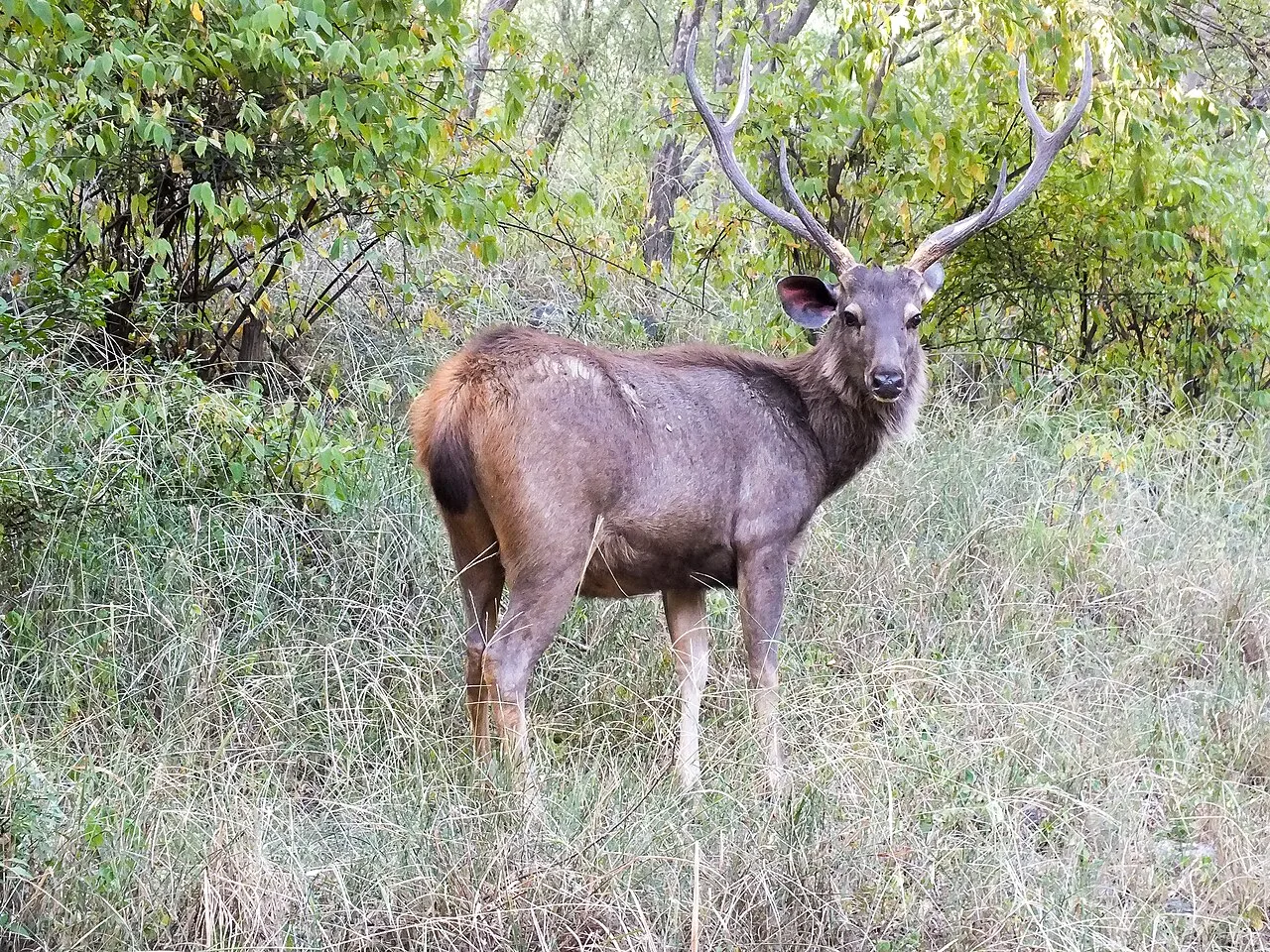
Sariska Tiger Reserve, in Rajasthan’s Alwar district, is a protected area with tiger-reserve status and varied forest, grassland and rocky habitats. Visitors come to experience its wildlife and conservation setting.

Tal Chhapar Sanctuary

139 km away · Churu district

Tal Chhapar Sanctuary

Tal Chhapar is a wildlife sanctuary in Rajasthan’s Churu district, known for blackbucks and birdlife. Visitors come to see its wildlife in a setting near the Great Indian Desert.

Bhangarh Fort

146 km away · Alwar district

Bhangarh Fort

Dating to the sixteenth century, Bhangarh Fort in Rajasthan is linked to Madho Singh’s residence. Visitors come to view the preserved fort and its surrounding precincts.

Map

Surajgarh on the map

  1. 1Mandawa
  2. 2Nawalgarh
  3. 3Khatu Shyam Temple
  4. 4Siliserh Lake
  5. 5Samode
  6. 6Sariska Tiger Reserve
  7. 7Tal Chhapar Sanctuary
  8. 8Bhangarh Fort

Rajasthan

Other cities to explore