Ghumoopedia — Explore, Discover, Experience
Sign in
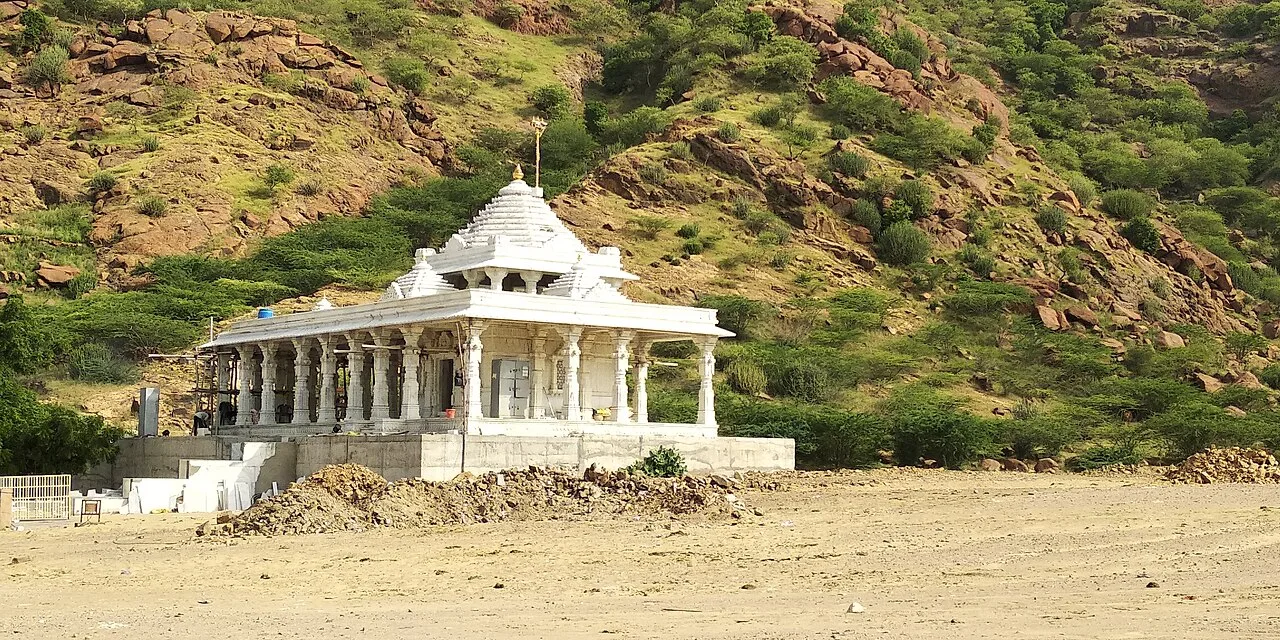
Pachpadra, near Samdari

City guide · Rajasthan

Samdari

Samdari is a small town in Rajasthan’s Marwar region and serves as a tehsil headquarters in Balotra district. Its importance is chiefly regional: it brings together administrative services, local commerce and rail connections for residents of the town and surrounding settlements.

Famous for

  • Samdari Junction
  • Tehsil headquarters
  • Marwar countryside
  • Regional market town

Why Samdari matters

Samdari is a small town in Rajasthan’s Marwar region and serves as a tehsil headquarters in Balotra district. Its importance is chiefly regional: it brings together administrative services, local commerce and rail connections for residents of the town and surrounding settlements. Travellers may use it as a practical stop while exploring western Rajasthan, rather than as a destination with a large collection of widely known monuments or attractions.

The town is best known for its railway junction and its everyday role as a service and market centre. Its setting offers a glimpse of life in the dry western Rajasthan landscape, where settlements connect farming and pastoral communities with larger towns. Visitors can expect a modest town centre, local shops and a quieter pace than in major tourist cities. Samdari’s appeal lies in this regional character and in its position within Marwar; it is not especially associated with a nationally recognised craft, festival or signature attraction.
Famous for: crafts, trade & products

Samdari is primarily a local service and trading centre. Its shops and market area cater to routine needs of people from the town and nearby villages, rather than forming a major destination for specialist shopping. The town is not widely identified with a particular saree tradition, handicraft, GI-tagged product or distinctive food industry. Visitors looking for locally made goods can browse general shops and ask residents about products from surrounding villages, but should not expect a dedicated craft market.

The wider Balotra region has a stronger association with textile processing and printing than Samdari itself. That regional connection does not mean every textile sold in Samdari is made there, so shoppers should check the place of manufacture when buying. For a broader choice of textiles and crafts, larger nearby centres may be more rewarding. Within Samdari, the central market and streets around the railway station are the most practical places to look for everyday goods, snacks and basic travel supplies. No single product or institution currently defines the town’s commercial identity beyond its role as a local market and administrative centre.

History

Samdari’s history is best understood within the wider history of Marwar, the western Rajasthan region shaped by princely rule, desert trade and settlements linked to rural communities. The area formed part of the historic Jodhpur State, which remained a princely state under British paramountcy during the colonial era. Local development was influenced by the needs of nearby villages and the movement of people and goods across this arid landscape; a detailed, well-documented account of major rulers or landmark events specific to Samdari is not readily established.

In modern Rajasthan, Samdari developed an administrative role as a tehsil headquarters and a transport and market point for its hinterland. Rail connections strengthened its links with other towns in western Rajasthan. District administration has also changed over time: Samdari was formerly associated with Barmer district and is now within Balotra district. Its present-day importance therefore reflects regional administration, transport and local services more than a single celebrated historical episode.

Food, festivals & culture

Samdari shares the food and cultural traditions of western Rajasthan. Meals commonly draw on ingredients suited to a dry climate, including millet, pulses and preserved vegetables. Bajra roti, dal baati churma and ker sangri are familiar regional dishes, though what is served varies between homes and eateries. Tea and simple savoury snacks are easy choices in the market area; visitors should ask locally about seasonal sweets and household specialities rather than expect a dish unique to Samdari.

Marwari is widely used in everyday conversation, alongside Hindi. Diwali and Holi are observed, while Gangaur and Teej are part of the broader Rajasthani festival calendar, particularly in the spring and monsoon seasons. Folk traditions across Marwar include devotional and narrative singing, as well as dance forms such as ghoomar; performances are more likely around celebrations than as a regular visitor attraction. Residents worship at local Hindu temples and other neighbourhood places of worship, but Samdari is not widely known for a major pilgrimage site. Dress and customs reflect the broader diversity of western Rajasthan.

Visiting the city

The cooler months, roughly October to March, are generally the most comfortable time to visit; summers can be very hot, and monsoon conditions vary. Samdari Junction is the town’s main railway station. The nearest major airport is Jodhpur Airport, from which onward travel by road or rail needs to be arranged. Check current transport connections before setting out, as services and access options can change.

Auto-rickshaws and local vehicles are useful for short journeys, while a hired car is more practical for visiting settlements outside town. Explore the central market for everyday commerce and food, and the streets around the station for a sense of Samdari’s transport-town character. The town is compact and is best approached as a regional stop rather than a base for a packed sightseeing itinerary. Carry water and sun protection, especially when travelling in warmer months.

Trips from the city

Nearest places to visit from Samdari

Our closest destination guides, by straight-line distance.

Pachpadra

33 km away · Barmer district

Pachpadra

Pachpadra is a town in Rajasthan’s Balotra district, near Balotra city. Visitors may see its salt-gathering lake, while the locality is also known for a large refinery and petrochemical complex.

57 km away · Jodhpur district

Salawas

Salawas is a village 22 km from Jodhpur, known for durries, or rugs, produced by local craftspeople. Visitors are drawn by its association with this traditional craft.

Jaswant Thada

70 km away · Jodhpur district

Jaswant Thada

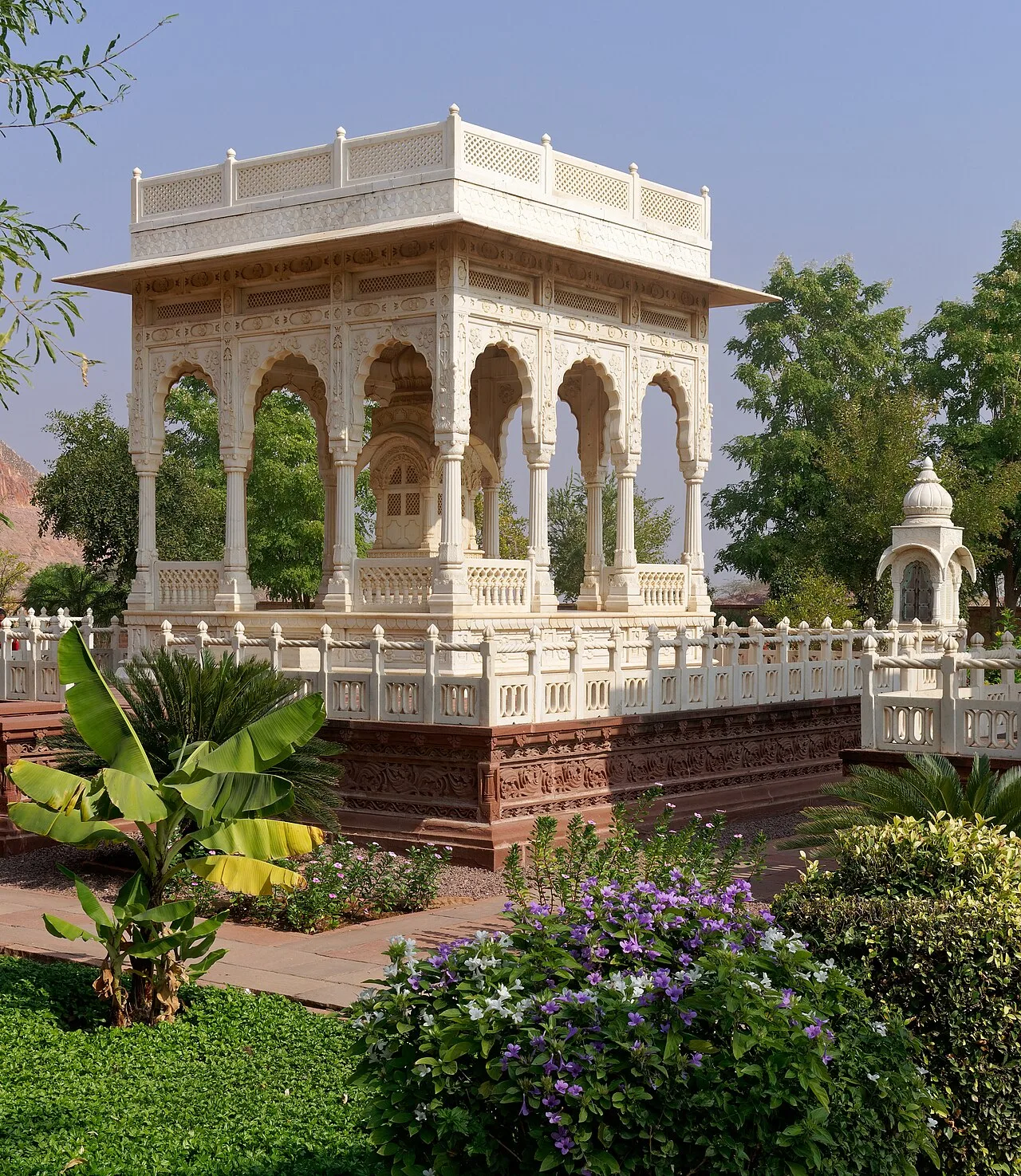
Jaswant Thada is a marble memorial in Jodhpur, Rajasthan, built in honour of Maharaja Jaswant Singh II. Visitors come to see its carved stonework, landscaped grounds and royal portraits.

Mehrangarh

70 km away · Jodhpur district

Mehrangarh

Mehrangarh is a historic hilltop fort in Jodhpur, Rajasthan. Visitors explore its palaces, temple and museum, and see the gates and memorials associated with its history.

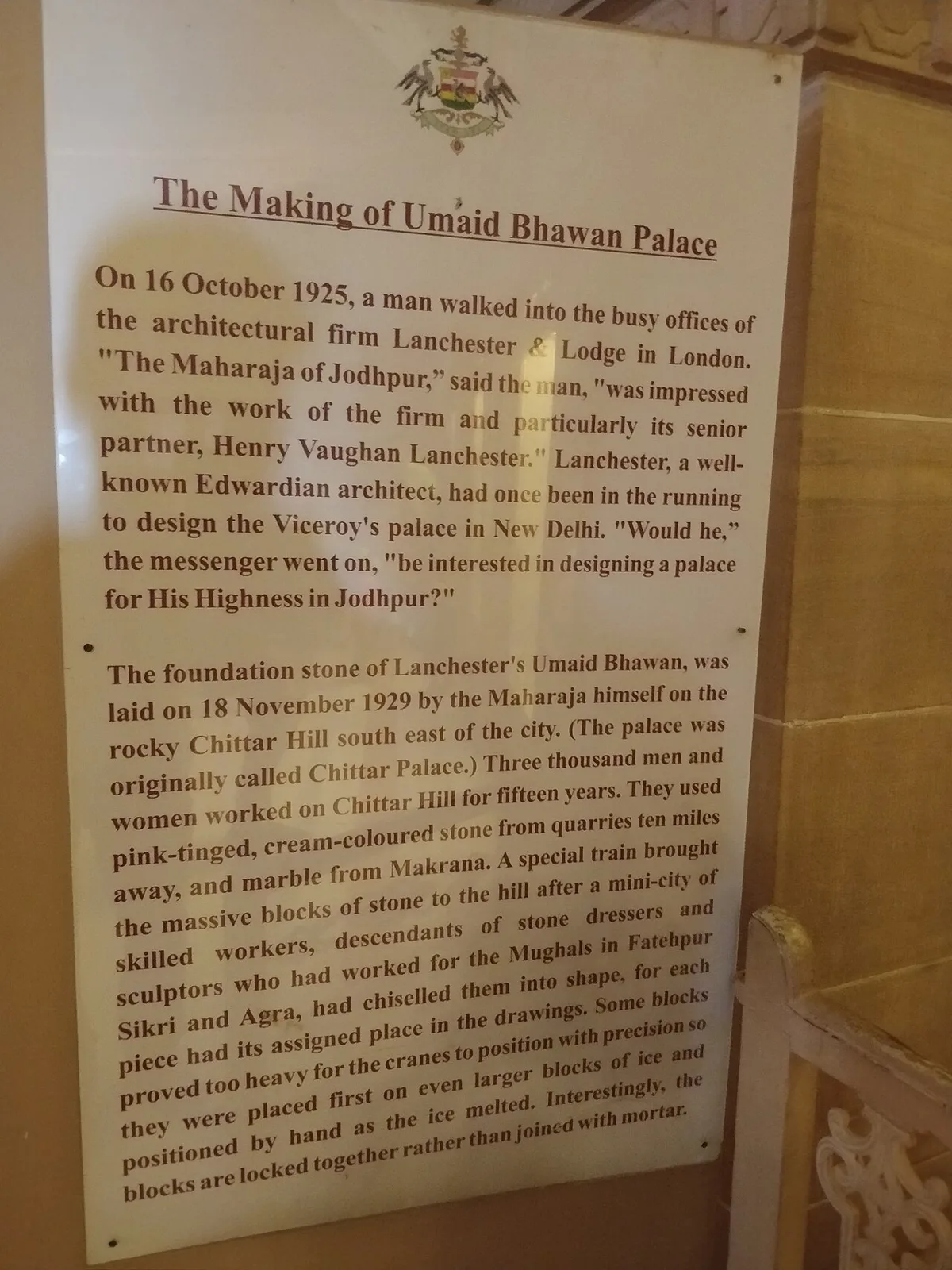
Umaid Bhawan Palace

70 km away · Jodhpur district

Umaid Bhawan Palace

Umaid Bhawan Palace is a major residence in Jodhpur, Rajasthan, with a hotel-managed section and a museum. Visitors come to see the royal home and its museum.

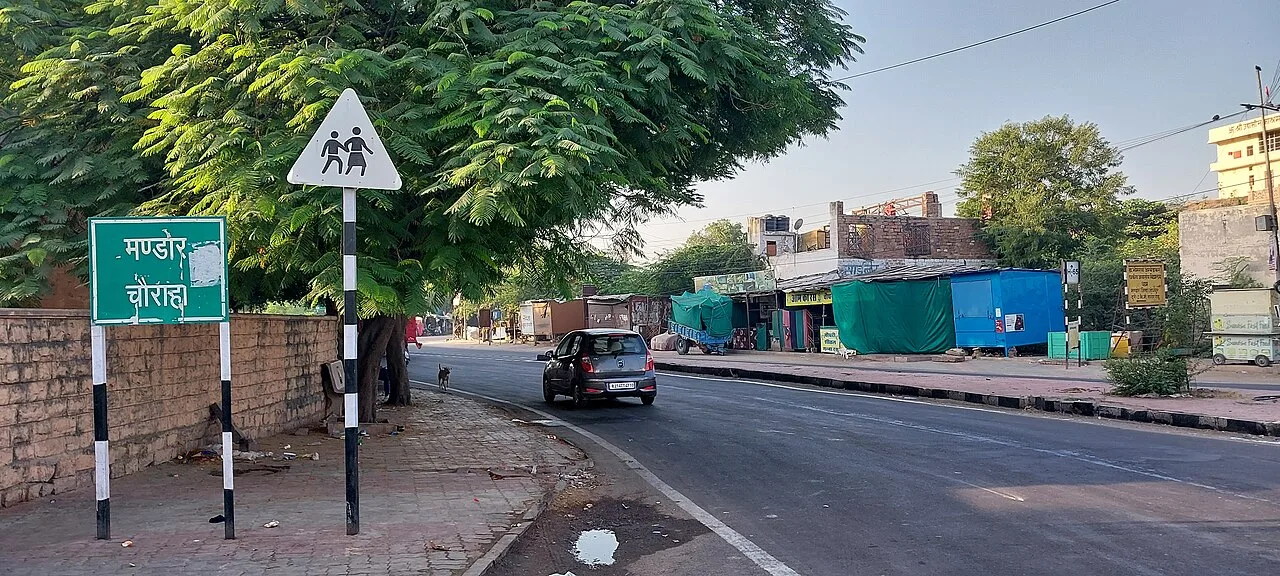
Mandore

75 km away · Jodhpur district

Mandore

Mandore is a historic settlement and suburb in Rajasthan’s Jodhpur district, about nine kilometres north of Jodhpur. Visitors may be drawn by its historical character and proximity to the city.

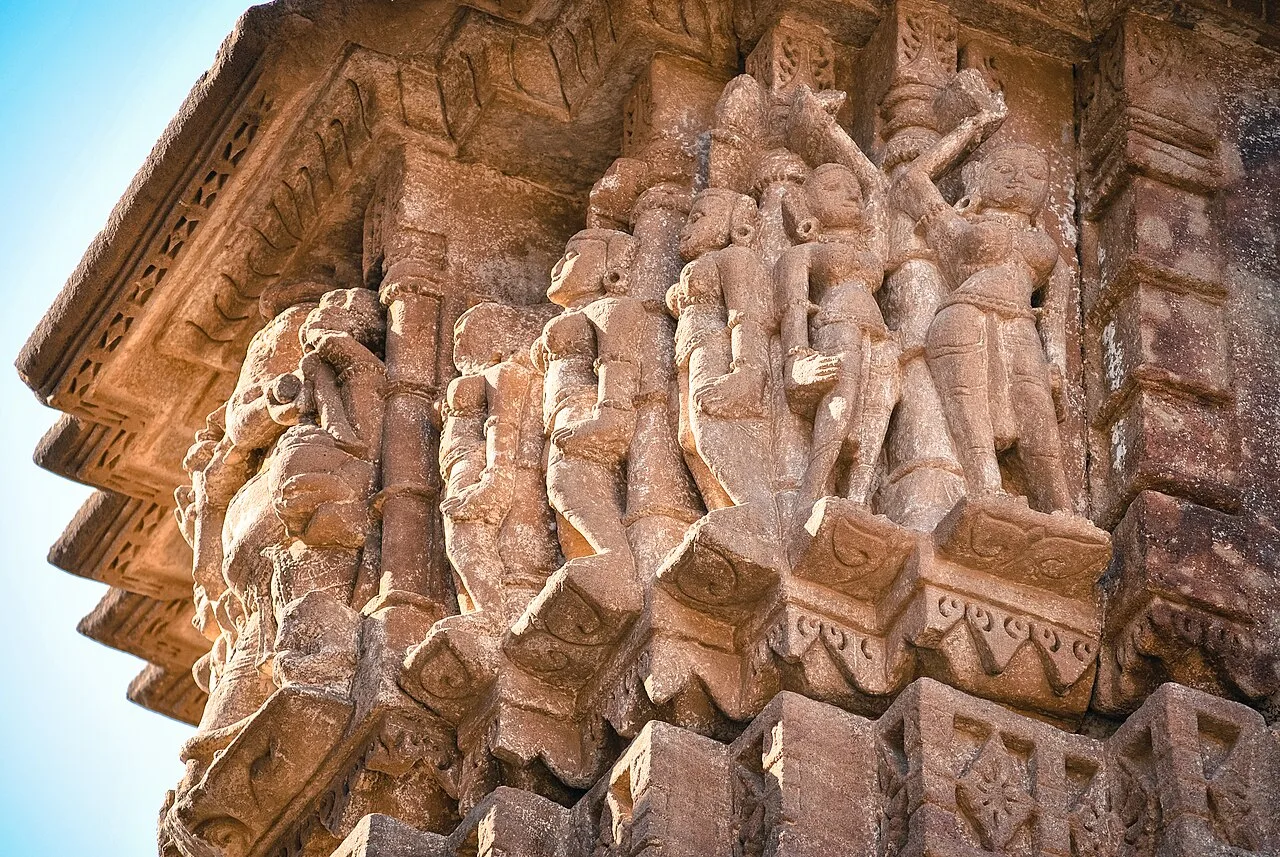
Osian

106 km away · Jodhpur district

Osian

Osian is an ancient settlement and tehsil headquarters in Rajasthan’s Jodhpur district, known for its eighth- to twelfth-century Hindu and Jain temples and its history as a trading and religious centre.

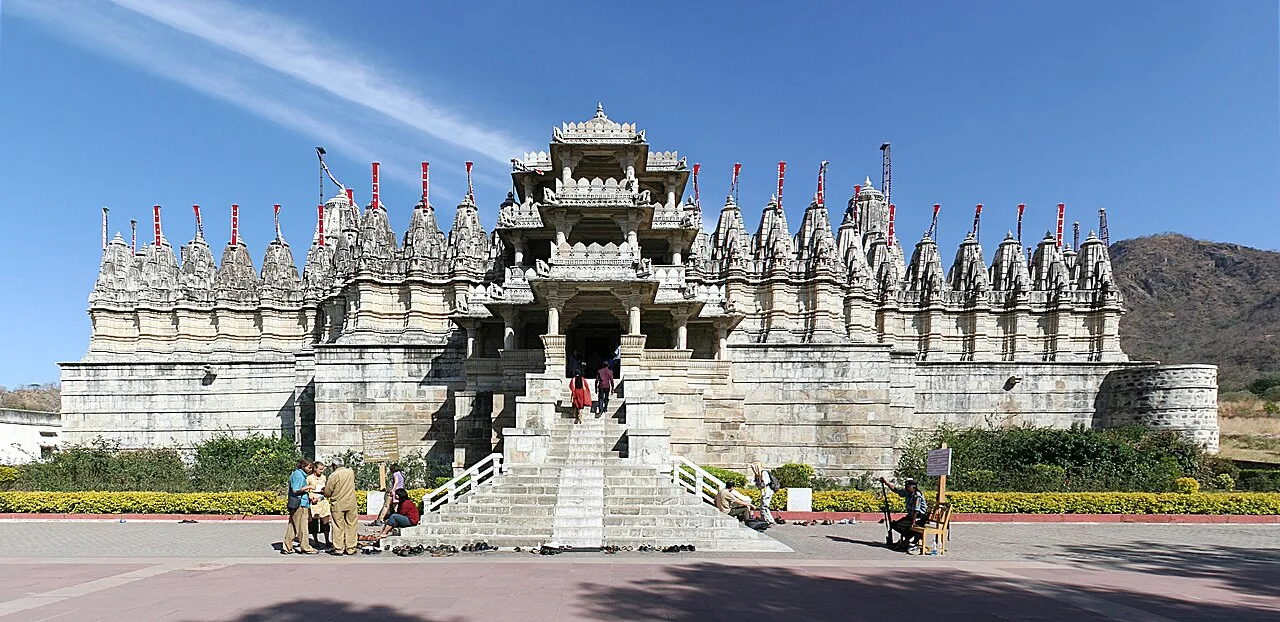
Ranakpur Jain temple

119 km away · Pali district

Ranakpur Jain temple

The Ranakpur Jain temple, also known as Chaturmukha Dharana Vihara, is a Śvētāmbara shrine devoted to Rishabhanatha. Jain pilgrims visit this important religious site and its group of associated temples.

Map

Samdari on the map

  1. 1Pachpadra
  2. 2Salawas
  3. 3Jaswant Thada
  4. 4Mehrangarh
  5. 5Umaid Bhawan Palace
  6. 6Mandore
  7. 7Osian
  8. 8Ranakpur Jain temple

Rajasthan

Other cities to explore