
Daroji Sloth Bear Sanctuary
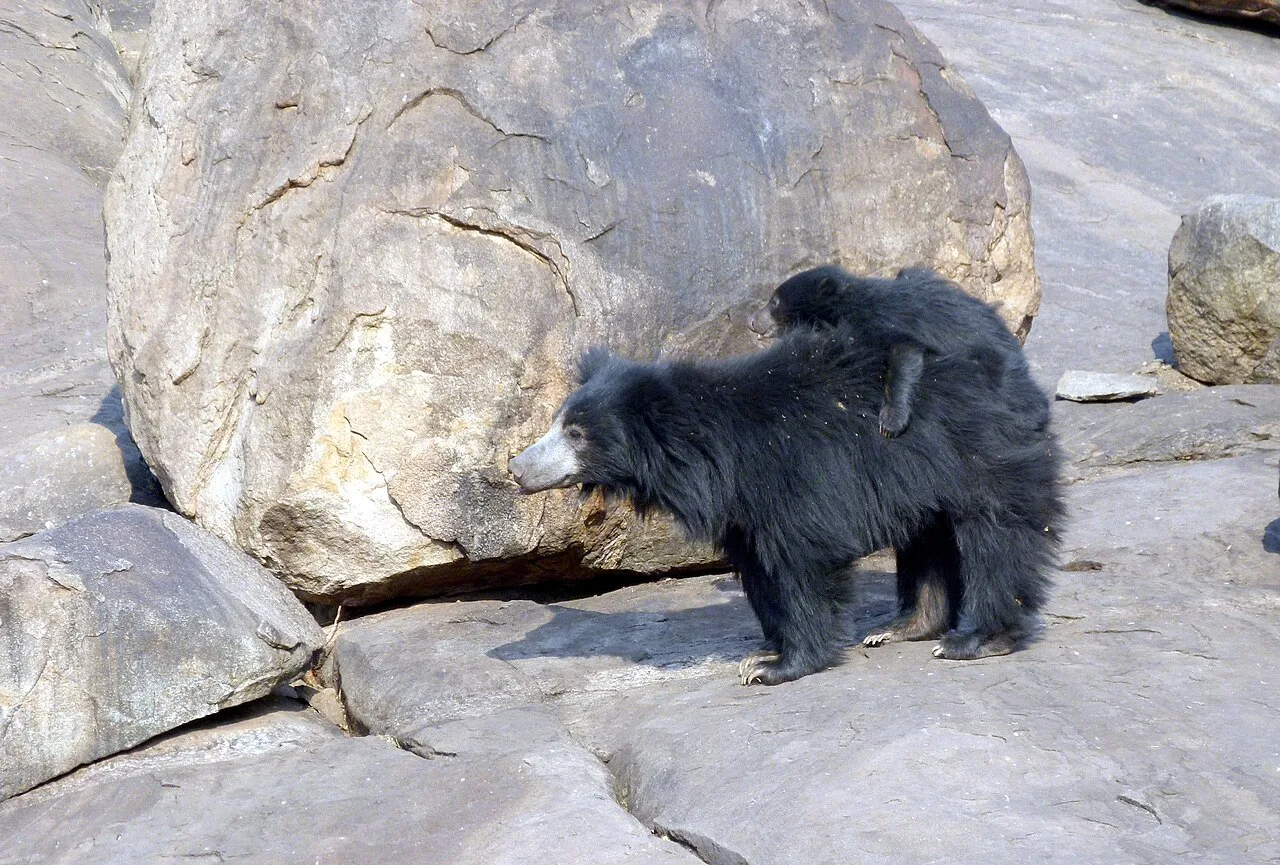
Daroji Sloth Bear Sanctuary in Karnataka protects sloth bears across a landscape near Ballari and Hampi. Visitors come to see bears, particularly as they descend the hillocks in the evening.
Key facts · verified by Ghumoopedia editors
- Type of place
- National park / sanctuary
- Best time to visit
- October to February; June to September for monsoon greenery in the Western Ghats
- Nearest railway station
- Hosapete Junction (for Hampi) · about 14 km (straight line)
- Verified
- 21 Nov 2026
Plan a trip from Daroji Sloth Bear Sanctuary — a day-by-day route through places nearby.
Daroji Sloth Bear Sanctuary, in Karnataka’s Vijayanagara district, covers 82.72 km² (31.94 sq mi). It was established solely to conserve sloth bears and was the first sanctuary of its kind in Asia. Ballari is about 50 km away, while Hampi, a World Heritage Site, is roughly 15 km distant. The protected landscape lies between Daroji in Sandur taluka and Ramasagar in Hospet Taluk, and is home to numerous sloth bears. In October 1994, Karnataka designated 5,587.30 hectares of Bilikallu Forest Reserve for the sanctuary. A further 2,685.50 hectares from Bukkasagara Forest Reserve was added in October 2009, increasing the total from 5,587.3 to 8,272.8 hectares. The sanctuary receives visitors daily from 14:00 to 18:00. A watchtower inside the protected area faces Karadikallu Gudda. From this vantage point, visitors may see bears coming down from the neighbouring hillocks in the evening. Karnataka holds the boulder-strewn ruins of Hampi, the Hoysala temple jewels of Belur and Halebidu, the Chalukyan monuments of Badami, Aihole and Pattadakal, the palaces of Mysuru, the coffee hills of Coorg and Chikkamagaluru, the temple-and-beach town of Gokarna and the tiger forests of Bandipur and Nagarhole. Bengaluru and the plateau are mild most of the year; the coast is hot and humid; the Malnad hills (Coorg, Chikkamagaluru, Agumbe) get very heavy monsoon rain from June to September. October to February is pleasant almost everywhere. The usual best time to visit is October to February; June to September for monsoon greenery in the Western Ghats. Timings, fees and access arrangements must be confirmed locally. For official information, see Karnataka Tourism at https://karnatakatourism.org.
Why it matters
Daroji Sloth Bear Sanctuary is a protected wildlife area in Vijayanagara district, Karnataka, near Hampi and Hosapete. It was established specifically to conserve the sloth bear, and is widely described as Asia’s first sanctuary dedicated to the species. The Karnataka government declared part of the Bilikallu Forest Reserve a sanctuary in 1994; an addition from the Bukkasagara Forest Reserve expanded it in 2009. Its rocky hills and scrub habitat provide an important refuge for sloth bears in a region also known for Hampi’s archaeological landscape. The sanctuary is a state-managed conservation area, not a UNESCO World Heritage property or an ASI-protected monument. It offers visitors a chance to learn about wildlife conservation while viewing animals only from authorised areas.
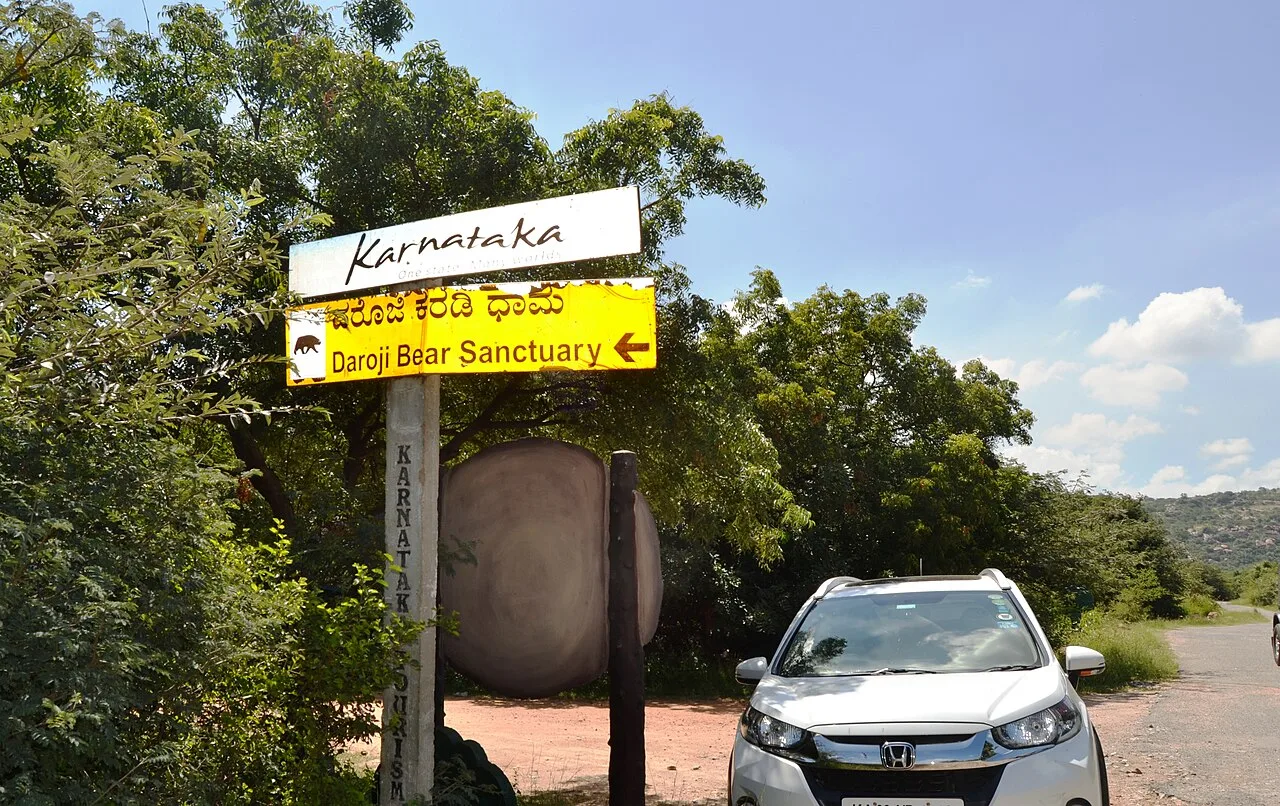
Daroji’s modern history as a protected area began with government conservation measures, rather than with the construction of a monument or settlement. In October 1994, the Government of Karnataka declared 5,587.30 hectares of the Bilikallu Forest Reserve a sanctuary for sloth bears. The protected landscape lies between Daroji in Sandur taluka and Ramasagar in Hospet taluk, an area known for rocky hillocks and bear habitat. In October 2009, the government added 2,685.50 hectares from the Bukkasagara Forest Reserve. The addition brought the total area to about 8,272.8 hectares, or 82.72 square kilometres. The sanctuary’s purpose is the conservation of sloth bears and their habitat; its boundaries and management reflect these later forest-protection decisions. The wider region has a much older human history: nearby Hampi preserves the remains of the Vijayanagara capital and is recognised as a UNESCO World Heritage Site. That history belongs to Hampi’s archaeological landscape, however, and should not be confused with the sanctuary’s establishment. Visitors should follow current forest-department directions, since access to viewpoints and other areas may be managed for wildlife protection.
Spend unhurried time at Daroji Sloth Bear Sanctuary: walk the marked paths, use official viewpoints and ask locally whether a guide, entry ticket or forest permission is needed. Weather can change quickly in the hills, so carry a rain layer even on a clear morning. A comfortable itinerary is one main visit in the morning, a local meal at midday and a short nearby stop before an afternoon return. Use the district list on this site to find other places in Vijayanagara, but check the route and its condition before combining stops. If a festival is on — such as Mysuru Dasara, the Hampi Utsav, the Kambala buffalo races on the coast or the Karaga in Bengaluru — roads and stays can be busy, and the experience can be unforgettable. Leave no litter: many sites are protected by the communities around them.
Suggested itineraries
Half day: Travel from Hosapete; allow time for the entrance and local guidance; visit the authorised viewpoint and observe quietly; return to Hosapete (roughly 3–4 hours on site and travel, depending on arrangements). Full day: Visit the sanctuary and viewpoint; take a break and have a meal in the Hosapete area; spend the remaining time at Hampi’s principal archaeological sites (allow a full day, with travel and site time adjusted locally). Gentler option: Arrange a vehicle to the closest permitted viewpoint, minimise walking, take seated breaks and return without adding another stop.
Kannada is widely spoken in the region, alongside Telugu and other languages. Around Hampi and Hosapete, everyday life includes farming, local trade, transport and work connected with visitors to the heritage landscape. Regional food commonly features rice, millets, lentils and seasonal vegetables, with local meals available in nearby towns and villages. Folk music, dance and community celebrations form part of the wider cultural life of Karnataka, though performances are not a regular feature of the sanctuary itself. Visitors should treat the protected area as wildlife habitat, not as a cultural performance space, and ask before photographing local residents or community activities.
Local communities
The sanctuary lies in a rural landscape connected to villages around Daroji, Ramasagar, Sandur and Hosapete. Residents of the wider area have varied livelihoods, including agriculture, livestock keeping, small businesses, transport and work serving visitors to Hampi. Forest staff and conservation workers manage access and wildlife protection. The region also includes communities with distinct languages and traditions; these should not be treated as attractions or photographed without consent. Visitors can support local livelihoods by using locally run services where available, following forest guidance and keeping noise and litter to a minimum.
Festivals & events
Hampi Utsav, also known as Vijaya Utsav, is a cultural festival associated with the nearby Hampi heritage area and is usually held in the cooler part of the year; its programme and schedule can vary. The Virupaksha Temple car festival is another important event in Hampi, generally associated with the spring season. These celebrations can bring larger crowds and increased demand for transport and accommodation around Hampi and Hosapete. They are not sanctuary events, and festival activity should not be expected inside the protected area. Check local announcements before travelling, and allow extra time if combining a festival visit with a wildlife outing.
Local food in Karnataka includes bisi bele bath, Mysore masala dosa, ragi mudde with sambar, Coorg's pandi (pork) curry, Mangalorean fish curry with neer dosa, Davangere benne dosa, Dharwad pedha and filter coffee everywhere. Ask what is fresh that day; many small eateries cook a limited daily menu. Vegetarian travellers eat very well across the state; the coast is the place for seafood, and Coorg has its own distinctive cuisine. Don't miss a tiffin breakfast of idli, vada and filter coffee. Remote sites may have no restaurant at all. Carry water and snacks, eat a proper breakfast before long drives, and ask your accommodation for a packed lunch if you are heading out early. Try a home-cooked or local thali meal when you can — it is often the best food on the route. Choose busy, clean places, drink sealed or filtered water, and carry your packaging back with you.
Shopping & local experiences
Hosapete and the Hampi area have small shops and markets where visitors can look for everyday goods, snacks and locally made souvenirs. Hampi’s visitor-facing shops often sell handicrafts, textiles, jewellery and artworks inspired by the region, but check materials and provenance rather than assuming an item is locally produced. Regional meals and snacks are a good way to support local food businesses. There is no need to buy anything at the sanctuary; avoid purchasing wildlife products, animal parts or items made from protected plants. Carry reusable water and food containers where practical, and take packaging away with you.
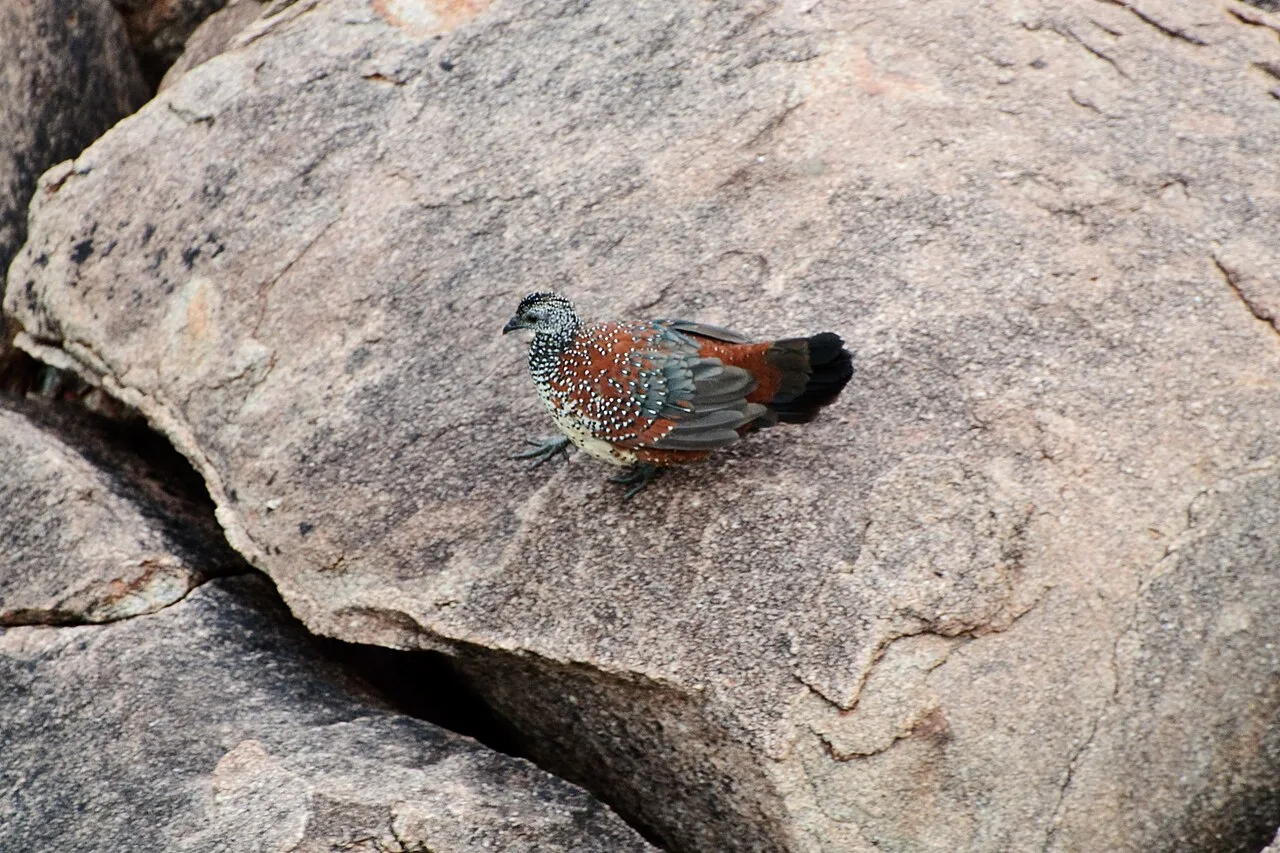
The sanctuary protects a dry, rocky landscape of boulder-strewn hillocks, scrub and patches of dry-deciduous vegetation. Sloth bears are its best-known residents, but sightings are never guaranteed; animals move freely and may remain out of view. The wider habitat supports other wildlife, including mammals and reptiles adapted to the region’s dry conditions. Native grasses, thorny shrubs and trees provide cover and food for animals. Seasonal rain can change the appearance of the landscape and may affect tracks or access. Birdlife is also present in the scrub and open country, though species and activity vary by season. Keep to authorised visitor areas, observe quietly and do not approach, feed or call wildlife.
October to February; June to September for monsoon greenery in the Western Ghats
The nearest principal railway station by straight-line distance is Hosapete Junction (for Hampi), roughly 14 km away. The nearest operating airport by straight-line distance is Jindal Vijayanagar Airport, Toranagallu (for Hampi), roughly 14 km away. These figures are calculated from map coordinates — actual road distance is longer. Bengaluru is the hub for the south and centre; Hubballi and Belagavi serve the north; Mangaluru serves the coast; Mysuru is the gateway to Coorg, and Hosapete is the railhead for Hampi. KSRTC buses connect the district towns, and the coast is served by the Konkan Railway with frequent buses from Mangaluru and Udupi. For Hampi, take a train or bus to Hosapete and an autorickshaw for the last 13 km. When comparing train, bus and flight, count the complete door-to-door time: a flight saves the most time only if the onward road transfer is short, while an overnight train can save a hotel night. Book your return before you leave, because seats fill quickly on weekends, festivals and holidays. Current train numbers, timings, return services and fares are not listed here; check IRCTC and NTES for trains and the airline's own schedule for flights. No permit is needed to visit Karnataka. Tiger safaris in Bandipur, Nagarhole and the Kali Tiger Reserve must be booked in advance through the forest department or authorised lodges — weekend slots sell out. Treks in Kudremukh National Park and some Western Ghat peaks need forest entry permission. Hampi's monuments have ASI entry tickets; the core zone is best seen with a bicycle, moped or autorickshaw for the day.
Confirm onward and return timings on IRCTC / NTES, the state bus operator or your airline before travel. A dash means current timings or fares have not been verified.
Getting around
Hosapete is the main nearby town for onward travel to the sanctuary and Hampi. From there, visitors can arrange a taxi or autorickshaw, or ask their accommodation about locally available transport. Public buses serve towns in the wider district, but a direct service to the sanctuary may not be available when you need it, so check locally. There is no visitor boat service to plan around. At the sanctuary, follow staff instructions about parking and the permitted route to viewpoints; do not drive or walk beyond authorised areas. Carry water and plan your return transport in advance, particularly if visiting later in the day.
Hours, tickets & permissions
Entry is subject to the sanctuary’s current visitor arrangements and forest-department instructions. A ticket, permission, guide or camera-related fee may apply, and access to viewpoints or routes can be restricted for safety or conservation. Do not assume that every area is open to independent walking. Carry identification if requested and follow staff directions at the entrance. Confirm current visiting hours, fees, entry requirements and any seasonal closures with the managing forest authority before setting out; arrangements can change.
Facilities
Facilities within the sanctuary may be limited. A watchtower viewpoint is noted in visitor information, but access and available services should be checked with staff. Toilets, drinking water, food stalls, guides and parking may be limited or unavailable on site; do not rely on them without confirming locally. Hosapete and the Hampi area offer a wider choice of food, accommodation, shops and banking services, including ATMs, though availability varies. Bring drinking water, any necessary medication and supplies for the visit, and take all rubbish back with you.
Accessibility
The sanctuary’s terrain is rocky and uneven, and reaching a viewpoint may involve walking on rough ground or steps. Shade can be limited, particularly in open areas, and surfaces may become difficult after rain. The site may not be suitable for wheelchairs or strollers beyond the entrance or any designated accessible area; confirm the current route with staff before visiting. Older visitors or anyone with limited mobility should ask about vehicle access, walking distance, seating and steps in advance. Go at a comfortable pace, wear supportive footwear and avoid attempting unapproved paths.
No permit is needed to visit Karnataka. Tiger safaris in Bandipur, Nagarhole and the Kali Tiger Reserve must be booked in advance through the forest department or authorised lodges — weekend slots sell out. Treks in Kudremukh National Park and some Western Ghat peaks need forest entry permission. Hampi's monuments have ASI entry tickets; the core zone is best seen with a bicycle, moped or autorickshaw for the day. Carry a photo ID at all times and save the emergency number 112 and your accommodation's contact offline. Heat in summer and heavy rain in the monsoon are the main weather risks; carry water, avoid midday sun and allow extra time when roads flood. Stay on marked paths, keep away from cliff edges and fast water, and never approach wild animals.
Visitor rules
Follow forest staff instructions and remain within authorised routes and viewing areas. Keep a respectful distance from wildlife; do not feed, provoke, call or pursue animals. Wear practical clothing and closed, sturdy footwear for rocky ground. Carry out all litter, and avoid single-use plastic where possible. Keep voices low and do not play music. Photography may be restricted in some places or circumstances, so check before using equipment. Do not enter closed areas, collect plants or disturb nests and habitat. Children should remain with an adult, especially near rocky edges and viewpoints.
Photography
The evening viewing period is often considered favourable for watching the surrounding slopes, but animal activity and light vary, and sightings are not assured. Use the authorised viewpoint, including the watchtower when open, and follow staff advice on where photography is permitted. A long lens can help avoid disturbing wildlife; never move closer for a photograph. Check local rules about camera equipment and any applicable fees. Drone use may be prohibited or require permission, so do not fly one without explicit authorisation. Ask before photographing residents, staff or community events.
Choose a stay by the full journey to Daroji Sloth Bear Sanctuary, not just the district name. Bengaluru, Mysuru and Mangaluru offer the widest choice; Hampi has guesthouses on both banks of the Tungabhadra, Coorg has plantation homestays and resorts, and the forest lodges at Bandipur and Nagarhole book out early. In summer, check air-conditioning; in the monsoon, check that the property is accessible if roads flood. Book in advance for weekends, festivals and the peak season (October to February; June to September for monsoon greenery in the Western Ghats). Confirm the exact location, meals included, check-in time and cancellation terms in writing. Avoid sending money to unverified contacts or touts at stations. Carry some cash, as card and digital payments can be unreliable in remote areas.
Hampi, a UNESCO World Heritage Site, is the best-known nearby attraction, with the ruins and temples of the former Vijayanagara capital. In Hosapete, visitors can find services and transport connections for exploring the area. The Tungabhadra Dam and its surrounding public areas are another regional outing; check local access conditions before going. The village of Anegundi, across the river from parts of Hampi, offers further heritage and landscape experiences, subject to current transport and access arrangements. These stops can be combined only after checking road conditions, travel time and opening arrangements; the sanctuary visit itself depends on forest access.
For couples, Daroji Sloth Bear Sanctuary rewards a slow pace: arrive early for soft light and fewer crowds, share a local meal and keep the evening free. A sunset over Hampi's boulders, a coffee-estate walk in Coorg or a quiet evening on a Gokarna beach makes the trip memorable. Public displays of affection can be frowned upon in conservative communities and at religious sites, so be discreet. Keep a buffer in your itinerary, because weather and road conditions can delay plans.
Q: How much time should I allow for a visit? A: Allow a few hours for travel, entry arrangements and time at the authorised viewpoint; add extra time if combining the visit with Hampi. Q: When is a good season to visit? A: The cooler months are generally more comfortable for travel in the region. Rain can make access less predictable, so check conditions before setting out. Q: Do I need a ticket or guide? A: Entry rules, fees and guide requirements can change. Confirm the current arrangements with the forest authority before travelling. Q: Is the sanctuary suitable for children or older visitors? A: It can be, provided visitors stay with their group and use authorised areas. Rocky ground, steps, heat and limited shade may make walking difficult for some people. Q: Where should I stay nearby? A: Hosapete and the Hampi area offer accommodation choices. Book ahead during festivals and confirm how you will travel to and from the sanctuary.
Be the first to share photos, stories, advice or a helpful contact for Daroji Sloth Bear Sanctuary.
Loading…