
Kukke Subramanya Temple
Kukke Subramanya is a Hindu temple in Karnataka, beside the Kumaradhara River. People visit to worship and take part in rites guided by Madhwa religious practice.
Key facts · verified by Ghumoopedia editors
- Type of place
- Temple / pilgrimage site
- Best time to visit
- October to February; June to September for monsoon greenery in the Western Ghats
- Nearest railway station
- Subrahmanya Road · about 8 km (straight line)
- Nearest airport
- Mangaluru International Airport · about 85 km (straight line)
- Verified
- 21 Nov 2026
Plan a trip from Kukke Subramanya Temple — a day-by-day route through places nearby.
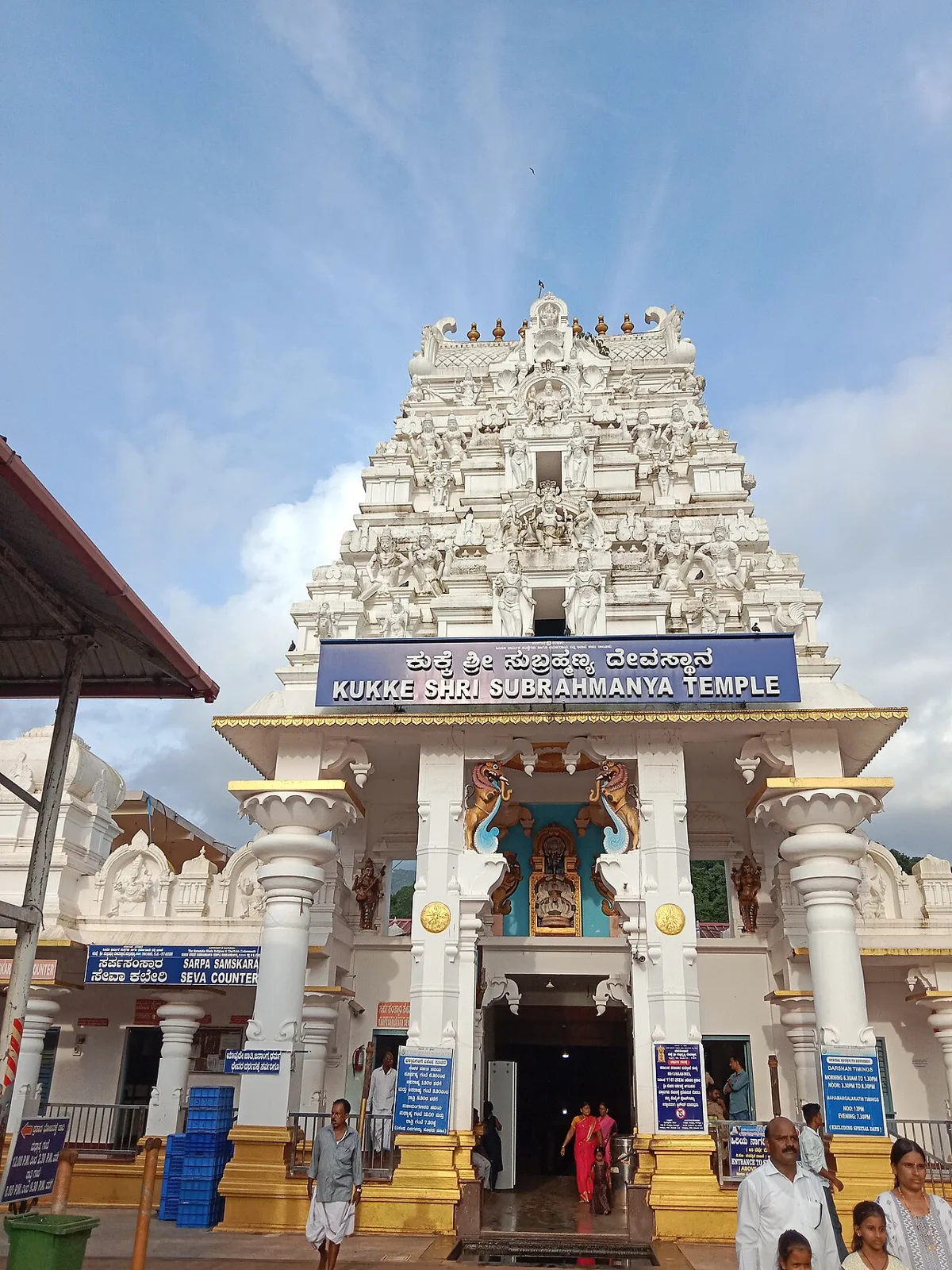
The shrine stands in Subramanya village, in Karnataka’s Dakshina Kannada district, alongside the Kumaradhara River. The village is within Kadaba taluk; before that administrative change, it belonged to Sullia taluk. Shivalli Madhwa Brahmins serve as the temple’s priests. Worship and the other regular observances follow Madhvacharya’s Tantra Sara Sangraha, which provides the basis for the temple’s ritual practice. Visitors come here for prayer and to participate in religious observances. The temple’s setting by the river and its established worship practices are central details of its location and religious life. Karnataka holds the boulder-strewn ruins of Hampi, the Hoysala temple jewels of Belur and Halebidu, the Chalukyan monuments of Badami, Aihole and Pattadakal, the palaces of Mysuru, the coffee hills of Coorg and Chikkamagaluru, the temple-and-beach town of Gokarna and the tiger forests of Bandipur and Nagarhole. Bengaluru and the plateau are mild most of the year; the coast is hot and humid; the Malnad hills (Coorg, Chikkamagaluru, Agumbe) get very heavy monsoon rain from June to September. October to February is pleasant almost everywhere. The usual best time to visit is October to February; June to September for monsoon greenery in the Western Ghats. Timings, fees and access arrangements must be confirmed locally. For official information, see Karnataka Tourism at https://karnatakatourism.org.
Why it matters
Kukke Subramanya is an important Hindu pilgrimage centre in the village of Subramanya, in Kadaba taluk of Dakshina Kannada district. The temple stands beside the Kumaradhara River, at the Western Ghats’ forested edge, and is especially associated with worship of Subramanya and serpent deities. Devotees visit for darshan, prayer and ceremonies connected with family welfare and serpent-related beliefs. Its importance is regional as well as local: pilgrims travel from across Karnataka and other parts of India, while the temple also shapes the religious and visitor life of Subramanya village. This is a living place of worship, rather than a site known for UNESCO or ASI World Heritage recognition.
The temple’s beginnings are not securely established by a widely documented founding date or a clearly identified builder. Its history is best approached through its continuing role as a regional pilgrimage centre and the traditions maintained by its worshipping community. The temple is in Subramanya village, historically described in Sullia taluk and now in Kadaba taluk, Dakshina Kannada district. Its ritual tradition is associated with Shivalli Madhwa Brahmin priests; daily worship and ceremonies are conducted according to the Madhvacharya-attributed Tantra Sara Sangraha, as described in the temple’s published accounts. Over time, the temple has served pilgrims who come for ordinary worship as well as specialist ceremonies linked to Subramanya and serpent worship. The present complex reflects ongoing use and upkeep, but detailed dates for particular building phases or restoration campaigns should not be assumed without records from the temple administration. Visitors interested in its institutional history can ask the temple office or consult locally maintained publications. The site remains an active religious centre, so its history is encountered alongside contemporary worship rather than as a closed monument.
Origin stories & folklore
According to local tradition, the serpent king Vasuki sought refuge in the caves and forests of this region while being pursued by Garuda. Subramanya, also known as Kartikeya, is said to have offered Vasuki protection, and the two became closely associated in the temple’s sacred story. This account helps explain why serpent worship is prominent here and why devotees undertake ceremonies for relief from difficulties they associate with serpent-related beliefs. Stories also connect the name and sacred landscape of Subramanya with the Kumaradhara River and the surrounding hills. These accounts are matters of religious tradition, not verifiable historical events; visitors can encounter them through local explanations and devotional practice.
Architecture & design
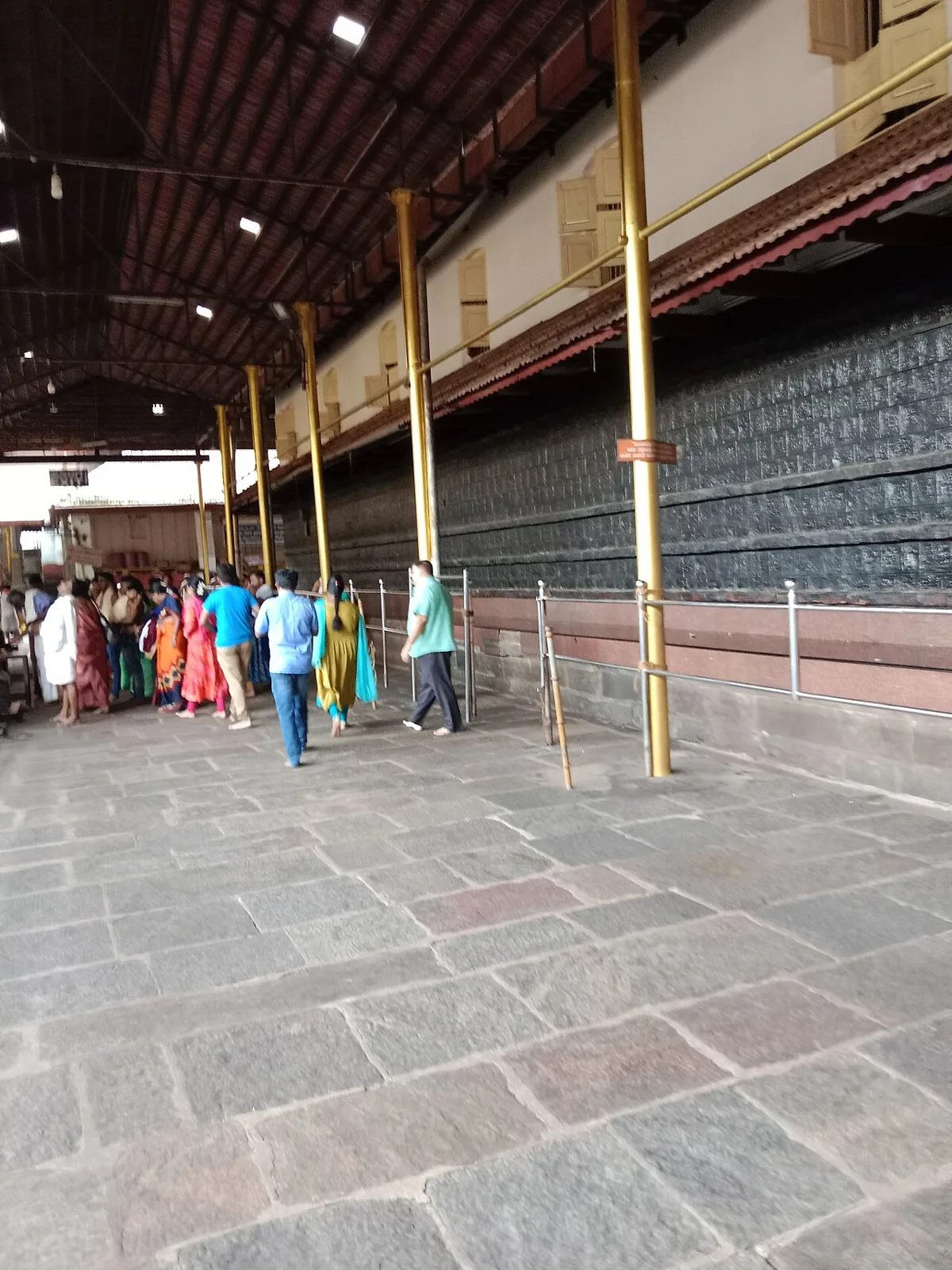
The temple is a functioning coastal Karnataka shrine set within the village of Subramanya, close to the Kumaradhara River. Its buildings serve a practical ritual layout: worshippers enter the temple precinct, proceed through public areas towards the sanctum, and follow directions for darshan and ceremonies. The complex has the character of a traditional regional temple rather than a large freestanding stone monument. Roofed structures and sheltered passageways are suited to a place that receives heavy monsoon rain, though details of individual building phases are not well documented in readily available accounts. The sanctum is the focal point, with associated spaces used for offerings and worship. Access to inner areas may be limited according to temple rules and ritual needs. Because the complex is actively used and maintained, visitors should follow current routes and avoid treating restricted spaces as architectural viewing areas.
Important objects & sculptures
The principal focus for visitors is the sanctum and the image of Subramanya worshipped at the temple, together with the strong association of the shrine with Vasuki and serpent worship. Serpent imagery and devotional offerings may be encountered in designated areas; their placement and access can depend on ongoing ceremonies. The temple’s ritual objects are part of active worship, not a museum collection, and should not be approached or touched unless permitted. Visitors may also notice lamps, offerings and decorated spaces during prayer services. Publicly available descriptions do not establish a notable collection of inscriptions or a particular set of historic sculptures, so it is better not to assume that such objects are on display. Ask temple staff about any areas open for respectful viewing.
Religious significance
The temple is dedicated to Subramanya, a form of Kartikeya, and is closely associated with Vasuki and serpent worship. For devotees, the shrine is a place to offer prayers, seek blessings and participate in rituals shaped by family and personal religious commitments. The temple’s priests are Shivalli Madhwa Brahmins, and daily worship is described as following the Madhvacharya-attributed Tantra Sara Sangraha. Ceremonies such as Sarpa Samskara, Ashlesha Bali and Nagaprathishta are associated with Kukke; availability, procedure and access should be confirmed with the temple administration rather than arranged through unofficial agents. Visitors who are unfamiliar with the tradition can observe public worship quietly, follow instructions from staff and remember that some spaces and rites are reserved for worshippers or participants.
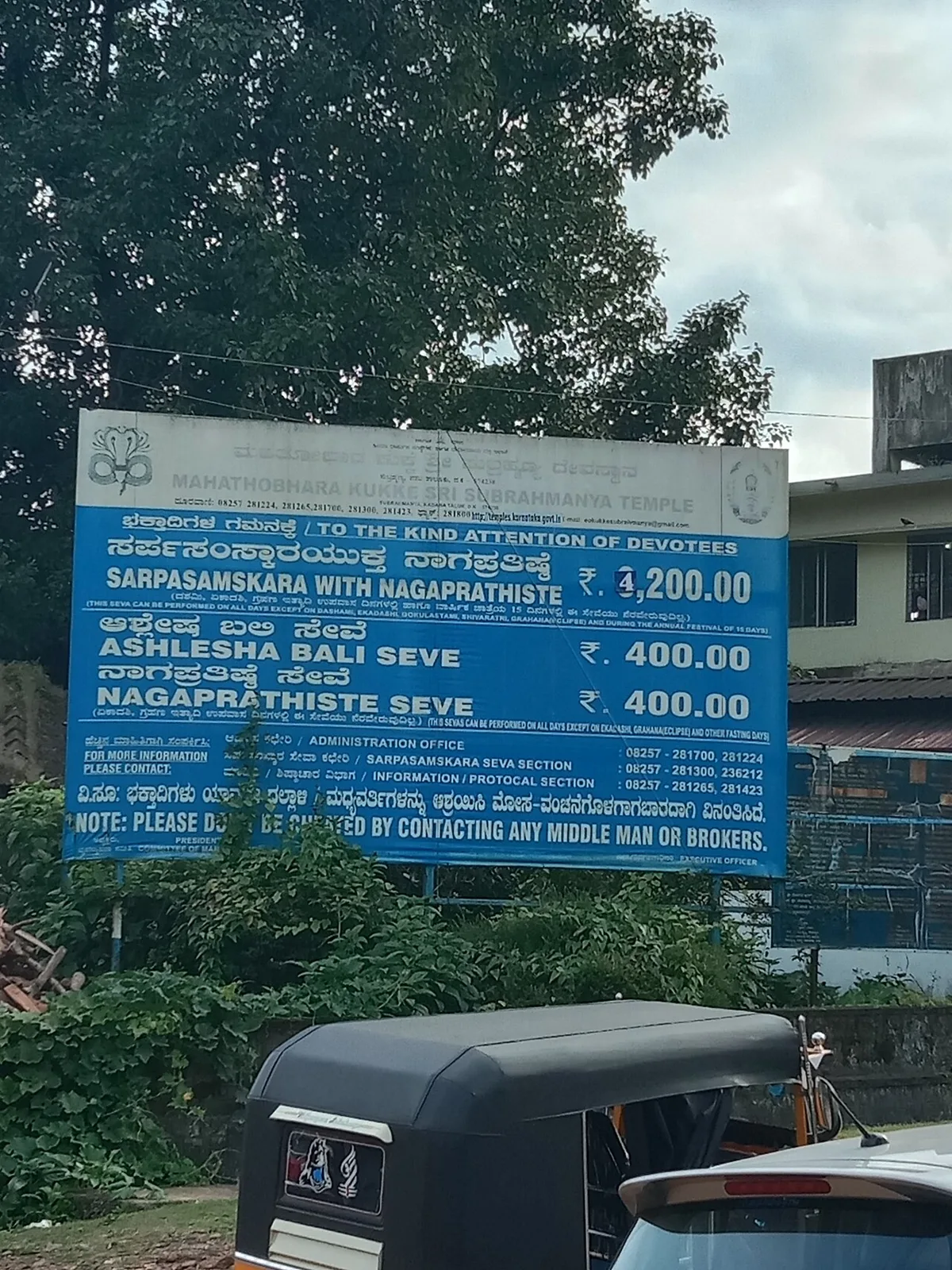
Visit Kukke Subramanya Temple with time to observe daily prayers and rituals respectfully. Follow the posted rules on footwear, photography, phones, head covering and dress — many major temples require modest clothing, prohibit leather items and phones inside, and have separate darshan queues; non-Hindus may not be admitted to some sanctums. Ask caretakers which areas are open to visitors, and beware of unofficial 'guides' or agents offering quick darshan for a fee. A comfortable itinerary is one main visit in the morning, a local meal at midday and a short nearby stop before an afternoon return. Use the district list on this site to find other places in Dakshina Kannada, but check the route and its condition before combining stops. If a festival is on — such as Mysuru Dasara, the Hampi Utsav, the Kambala buffalo races on the coast or the Karaga in Bengaluru — roads and stays can be busy, and the experience can be unforgettable. Leave no litter: many sites are protected by the communities around them.
Suggested itineraries
Half day: Arrive in the morning; allow time for darshan and a quiet look around permitted areas; take a meal in the village; visit a nearby river viewpoint if conditions and access allow. Full day: Begin with darshan; attend or observe a public prayer if permitted; have a local meal; visit the Kumaradhara River area or another locally accessible stop; return to the village for a relaxed evening. Gentler option: Keep to the temple and nearby meal facilities, allow extra rest between activities, and skip uneven riverbank paths or longer walks.
Religious life is central to Subramanya village, and the temple brings together local residents and pilgrims from elsewhere. Kannada is widely used in the district, and Tulu and other regional languages may also be heard. The pace and character of a visit can change during festivals and major ritual days, when devotional activity and the number of pilgrims increase. Visitors should dress modestly, remove footwear where instructed and allow worshippers space during prayers. The temple is a place of active practice, so customs can vary between areas and ceremonies. Ask staff before joining a ritual or entering a queue, and avoid assuming that every part of the complex is open for general viewing.
Festivals & events
Champa Shashti is an important annual festival at Kukke Subramanya, generally falling around November or December according to the lunar calendar. Skanda Shashti is also observed in honour of Subramanya, while Nagara Panchami, usually in the monsoon season, is associated with serpent worship. Festival schedules vary from year to year, so check with the temple administration before planning around a particular observance. Major festival days can bring larger crowds, longer waits and heavier demand for local accommodation and transport. If you prefer a quieter visit, avoid peak festival periods or confirm expected attendance locally.
Local food in Karnataka includes bisi bele bath, Mysore masala dosa, ragi mudde with sambar, Coorg's pandi (pork) curry, Mangalorean fish curry with neer dosa, Davangere benne dosa, Dharwad pedha and filter coffee everywhere. Ask what is fresh that day; many small eateries cook a limited daily menu. Vegetarian travellers eat very well across the state; the coast is the place for seafood, and Coorg has its own distinctive cuisine. Don't miss a tiffin breakfast of idli, vada and filter coffee. Remote sites may have no restaurant at all. Carry water and snacks, eat a proper breakfast before long drives, and ask your accommodation for a packed lunch if you are heading out early. If prasad is offered, accept it according to local custom. Choose busy, clean places, drink sealed or filtered water, and carry your packaging back with you.
Shopping & local experiences
Small shops in and around the village may sell devotional items such as flowers, offerings, incense and images associated with Subramanya or serpent worship. Availability varies, especially outside busy pilgrimage periods. Local eateries offer an opportunity to try regional Karnataka meals; ask about ingredients and dietary preferences. Avoid buying wildlife products or items of uncertain origin, and use local shops rather than unverified sellers offering ritual shortcuts. Carry reusable bags where practical and dispose of packaging responsibly.
October to February; June to September for monsoon greenery in the Western Ghats
The nearest principal railway station by straight-line distance is Subrahmanya Road, roughly 8 km away. The nearest operating airport by straight-line distance is Mangaluru International Airport, roughly 85 km away. These figures are calculated from map coordinates — actual road distance is longer. Bengaluru is the hub for the south and centre; Hubballi and Belagavi serve the north; Mangaluru serves the coast; Mysuru is the gateway to Coorg, and Hosapete is the railhead for Hampi. KSRTC buses connect the district towns, and the coast is served by the Konkan Railway with frequent buses from Mangaluru and Udupi. For Hampi, take a train or bus to Hosapete and an autorickshaw for the last 13 km. When comparing train, bus and flight, count the complete door-to-door time: a flight saves the most time only if the onward road transfer is short, while an overnight train can save a hotel night. Book your return before you leave, because seats fill quickly on weekends, festivals and holidays. Current train numbers, timings, return services and fares are not listed here; check IRCTC and NTES for trains and the airline's own schedule for flights. No permit is needed to visit Karnataka. Tiger safaris in Bandipur, Nagarhole and the Kali Tiger Reserve must be booked in advance through the forest department or authorised lodges — weekend slots sell out. Treks in Kudremukh National Park and some Western Ghat peaks need forest entry permission. Hampi's monuments have ASI entry tickets; the core zone is best seen with a bicycle, moped or autorickshaw for the day.
Confirm onward and return timings on IRCTC / NTES, the state bus operator or your airline before travel. A dash means current timings or fares have not been verified.
Getting around
Subramanya village is compact enough for many visitors to walk between the temple, nearby accommodation and local food outlets, though the final approach and walking conditions can vary. Auto-rickshaws may be available for local journeys; taxis and private vehicles are useful for reaching the village from farther away. Local and inter-town buses serve the area, but check routes and service conditions before relying on them. Ask locally about designated vehicle parking, especially during busy festival periods, and avoid blocking temple entrances. The Kumaradhara River is nearby, but do not assume boats or organised river transport are available.
Hours, tickets & permissions
Entry arrangements can depend on the area visited, the day’s rituals and the temple’s current rules. Darshan queues and access to particular ceremonies may be managed separately; some inner areas may be restricted. Do not rely on informal claims about priority access, permits or camera permissions. Dress requirements, footwear arrangements and rules for carrying phones or other belongings can also change. Confirm current visiting hours, entry conditions and any fees directly with the temple administration before travelling.
Facilities
The village usually has basic visitor facilities, including places to eat and accommodation, while services within the temple precinct are governed by temple rules. Toilets, drinking water points, footwear arrangements and parking may be available, but locations and access can vary; check locally on arrival. ATMs and a wider choice of shops or services may be limited compared with larger towns, so plan accordingly. The temple is not necessarily served by a formal visitor-guide service. For ritual information, use the temple office or authorised staff and be cautious of unsolicited offers from intermediaries.
Accessibility
The temple and village involve walking between entry points, queues and facilities, and surfaces may be uneven or crowded, particularly on busy days. The immediate temple precinct is more manageable than longer walks towards the river or surrounding hills, which can involve irregular ground. Shade and places to rest may be available in some areas but should not be assumed throughout the visit. Wheelchair and stroller access, including access to particular worship areas, cannot be guaranteed; contact the temple administration in advance about current arrangements. Older visitors or anyone with limited mobility may find it easier to visit outside peak crowds, move slowly and travel with a companion.
No permit is needed to visit Karnataka. Tiger safaris in Bandipur, Nagarhole and the Kali Tiger Reserve must be booked in advance through the forest department or authorised lodges — weekend slots sell out. Treks in Kudremukh National Park and some Western Ghat peaks need forest entry permission. Hampi's monuments have ASI entry tickets; the core zone is best seen with a bicycle, moped or autorickshaw for the day. Carry a photo ID at all times and save the emergency number 112 and your accommodation's contact offline. Heat in summer and heavy rain in the monsoon are the main weather risks; carry water, avoid midday sun and allow extra time when roads flood. Watch your belongings in crowds and on public transport, and follow posted instructions.
Visitor rules
Follow notices and instructions from temple staff, remove footwear where directed, and wear modest clothing suitable for a place of worship. Access to sanctums, ritual areas and queues may be restricted; do not cross barriers or interrupt ceremonies. Phone, leather-item and photography rules can differ by area, so check before entering rather than assuming they are permitted. Keep noise low, avoid littering and use waste bins where provided. Do not touch ritual objects or offerings without permission. Arrange ceremonies only through the temple administration or its authorised channels, not through unsolicited agents.
Photography
Photography is subject to temple rules and may be prohibited inside the sanctum or during particular rituals. Check posted notices and ask staff before taking pictures, including with a phone. If photography is permitted outdoors, softer morning or late-afternoon light can suit the temple surroundings and nearby river landscape; remain in public areas and do not obstruct worshippers. Ask permission before photographing individuals, especially during prayer. Drone use may require official permission and may be restricted; do not launch one unless the relevant authorities and temple management explicitly allow it.
Choose a stay by the full journey to Kukke Subramanya Temple, not just the district name. Bengaluru, Mysuru and Mangaluru offer the widest choice; Hampi has guesthouses on both banks of the Tungabhadra, Coorg has plantation homestays and resorts, and the forest lodges at Bandipur and Nagarhole book out early. In summer, check air-conditioning; in the monsoon, check that the property is accessible if roads flood. Book in advance for weekends, festivals and the peak season (October to February; June to September for monsoon greenery in the Western Ghats). Confirm the exact location, meals included, check-in time and cancellation terms in writing. Avoid sending money to unverified contacts or touts at stations. Carry some cash, as card and digital payments can be unreliable in remote areas.
The Kumaradhara River beside the village is a natural point of interest, but check local conditions before approaching its banks, especially during or after heavy rain. Adi Subrahmanya is an associated shrine within the temple’s religious landscape; confirm access and current directions locally. Kumara Parvatha, in the Western Ghats, is a well-known trekking destination approached from the Subramanya area, but it is a demanding outdoor excursion and requires current trail and weather checks. For a wider Dakshina Kannada trip, Dharmasthala and Mangaluru are established regional destinations, though combining them with Kukke requires checking road travel time and conditions.
For couples, Kukke Subramanya Temple rewards a slow pace: arrive early for soft light and fewer crowds, share a local meal and keep the evening free. A sunset over Hampi's boulders, a coffee-estate walk in Coorg or a quiet evening on a Gokarna beach makes the trip memorable. Public displays of affection can be frowned upon in conservative communities and at religious sites, so be discreet. Keep a buffer in your itinerary, because weather and road conditions can delay plans.
Q: How much time should I allow for a visit? A: Allow at least a half day for travel within the village, darshan and a meal; crowds and ceremonies can extend the visit. Q: What is the best season to visit? A: October to February is generally pleasant in Karnataka. The monsoon brings greenery but also heavy rain in the Western Ghats and may affect access. Q: Is there an entry fee, and can everyone enter? A: Entry arrangements and access rules can vary by area and occasion. Confirm current conditions with the temple administration; some spaces may be restricted. Q: Is the temple suitable for children and elderly visitors? A: Many families visit, but queues, crowds and walking on uneven surfaces can be tiring. Plan breaks and check accessibility needs in advance. Q: Where can I stay nearby? A: Subramanya village usually has visitor accommodation, with more options in larger towns. Check availability locally, especially around festivals.
Be the first to share photos, stories, advice or a helpful contact for Kukke Subramanya Temple.
Loading…