Ghumoopedia — Explore, Discover, Experience
Sign in
Bhoganandishwara Temple, near Devanahalli

City guide · Karnataka

Devanahalli

Devanahalli is a historic town and growing satellite centre of Bengaluru, about 40 kilometres northeast of the city and close to Nandi Hills. Its best-known landmark is Devanahalli Fort, whose stone walls and bastions recall the town’s strategic importance under the rulers of Mysore.

Famous for

  • Devanahalli Fort
  • Tipu Sultan’s birthplace
  • Kempegowda International Airport
  • Devanahalli pomelo
  • Aerospace and technology parks

Why Devanahalli matters

Devanahalli is a historic town and growing satellite centre of Bengaluru, about 40 kilometres northeast of the city and close to Nandi Hills. Its best-known landmark is Devanahalli Fort, whose stone walls and bastions recall the town’s strategic importance under the rulers of Mysore. Tipu Sultan was born here, and a memorial marks his birthplace. The town’s temples and old streets offer a quieter counterpoint to the busy airport corridor nearby.

Kempegowda International Airport has made Devanahalli an important gateway to Bengaluru and a focus for new business, logistics and industrial development. Technology and aerospace parks, manufacturing facilities and commercial campuses are adding to its regional role, although many projects are still developing. Visitors often combine a look at the fort and historic centre with a trip to Nandi Hills or use Devanahalli as an arrival point for northern Bengaluru. The area is also associated with Devanahalli pomelo, a distinctive local citrus fruit.


Famous for: crafts, trade & products

Devanahalli is best known for its fort, its connection to Tipu Sultan and the airport-led growth taking shape around town. The area is also associated with Devanahalli pomelo, a large, aromatic citrus fruit recognised with a Geographical Indication tag. It is a seasonal local product rather than a year-round speciality; visitors can ask at fruit stalls and local markets when it is in season. Produce from surrounding villages is also traded through the town, though Devanahalli is not a major destination for textiles or a widely documented handicraft tradition.

The airport corridor and nearby business parks are drawing investment in aerospace, technology, logistics and manufacturing. These developments are changing the local economy, but they are not conventional visitor shopping districts, and access to individual campuses may be restricted. For a sense of everyday commerce, explore the town’s market streets and shops near the fort, where food, household goods and seasonal produce are sold. The fort’s temples and the Tipu Sultan birthplace memorial are the most notable places to connect the town’s present identity with its history.

History

Devanahalli’s history reaches back through successive periods of rule by the Rashtrakutas, Nolambas, Pallavas, Cholas, Hoysalas and Vijayanagara kings. Local tradition links the settlement’s growth to the Morasu Wokkalu family, who moved into the region from the Kanchipuram area. In 1501, Malla Baire Gowda built an early mud fort with the permission of the Vijayanagara authorities, establishing Devanahalli as a fortified settlement.

The fort later passed to the Kingdom of Mysore and then to Hyder Ali, who rebuilt it in stone. His son Tipu Sultan was born in Devanahalli. During the Third Anglo-Mysore War, British forces under Lord Cornwallis captured the fort in 1791. In modern times, the town’s proximity to Bengaluru and the development of Kempegowda International Airport have reshaped its economy and encouraged rapid expansion. Industrial, aerospace and technology projects now sit alongside the older fort and town centre.

Food, festivals & culture

Kannada is the principal local language; Urdu, Tamil and Telugu are also heard in the wider area. Everyday food reflects the broader cuisine of southern Karnataka: expect idli, dosa, vada, rice meals and ragi-based dishes, served at local eateries. Devanahalli pomelo is a seasonal taste associated with the surrounding countryside. The town is more a place to enjoy familiar regional food than a destination with a distinct, widely recognised culinary tradition.

Ugadi, usually in March or April, and Deepavali, generally in autumn, are widely observed, alongside Dasara and festivals in the Islamic calendar. Temple celebrations bring devotional music and community gatherings to the town’s places of worship. The Venugopalaswamy Temple within the fort is among its notable historic shrines; other temples serve neighbourhood worshippers. Visitors will find a mix of contemporary town life and longstanding religious traditions, rather than a large formal arts or performance scene.

Visiting the city

November to February is generally the most comfortable period to visit, with milder weather; the monsoon months can bring rain. Kempegowda International Airport is beside Devanahalli and is the nearest airport. Devanahalli railway station serves the town; Bengaluru’s larger rail terminals are farther away. Local buses, auto-rickshaws and taxis are useful for getting between the town, airport and surrounding attractions, while a taxi is convenient for Nandi Hills.

Spend time around Devanahalli Fort, its temples and the Tipu Sultan birthplace memorial, then explore the nearby market streets for local produce and everyday shops. The airport-side business districts are mainly commercial rather than sightseeing areas. Nandi Hills makes a popular nearby excursion, though it is outside the town.

Trips from the city

Nearest places to visit from Devanahalli

Our closest destination guides, by straight-line distance.

Bhoganandishwara Temple

16 km away · Chikkaballapur district

Bhoganandishwara Temple

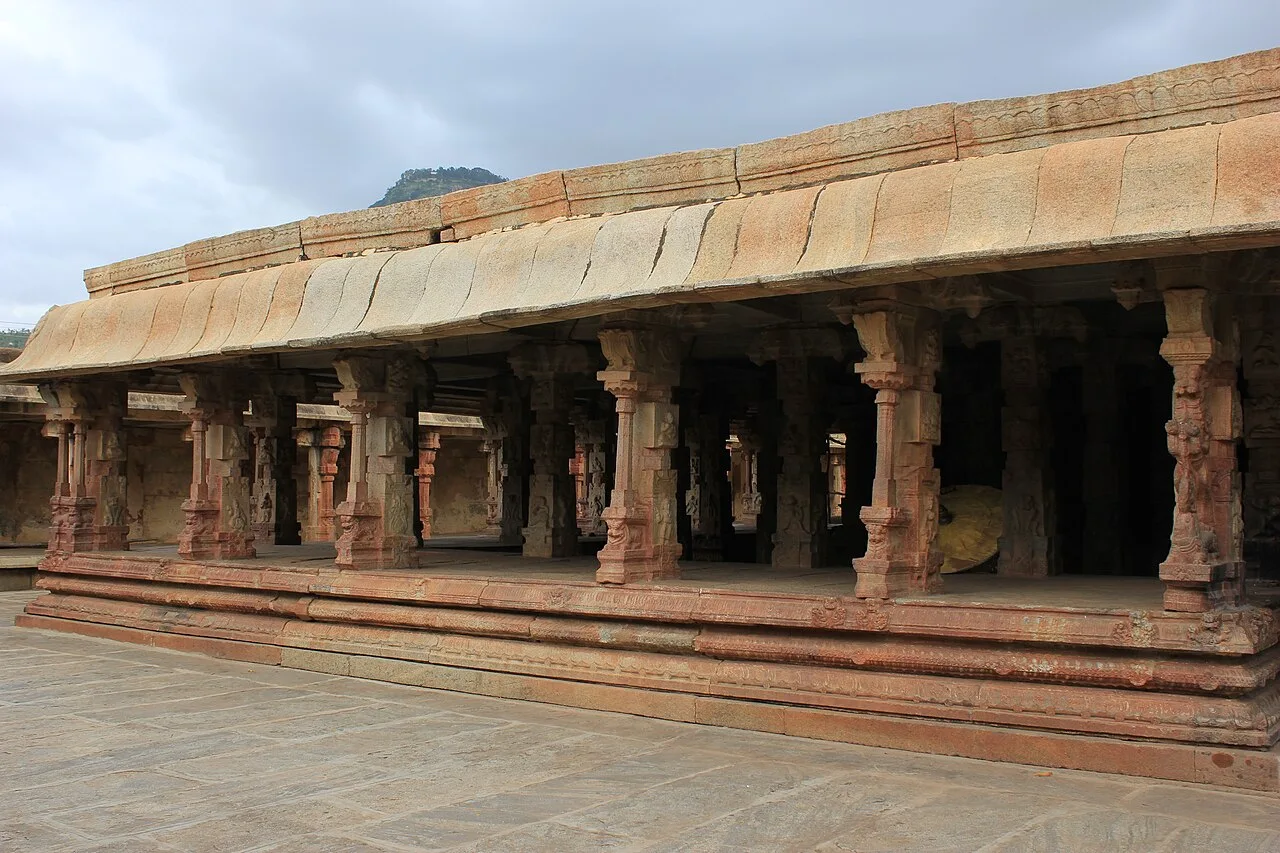
The Bhoganandiswara and Arunachaleswara temples make up a historic Shiva complex in Nandi village, visited for its Dravidian architecture, detailed carvings, inscriptions and varied religious imagery.

Nandi Hills

16 km away · Chikkaballapur district

Nandi Hills

Nandi Hills is a historic hill fort in Karnataka’s Chikkaballapur district, visited for sunrise views and its river origins; it also hosted the second SAARC summit in 1986.

Skandagiri

19 km away · Chikkaballapur district

Skandagiri

Skandagiri is a Karnataka hill fort known for its historic remains and views towards nearby landmarks. Visitors come to explore its military past and elevated setting.

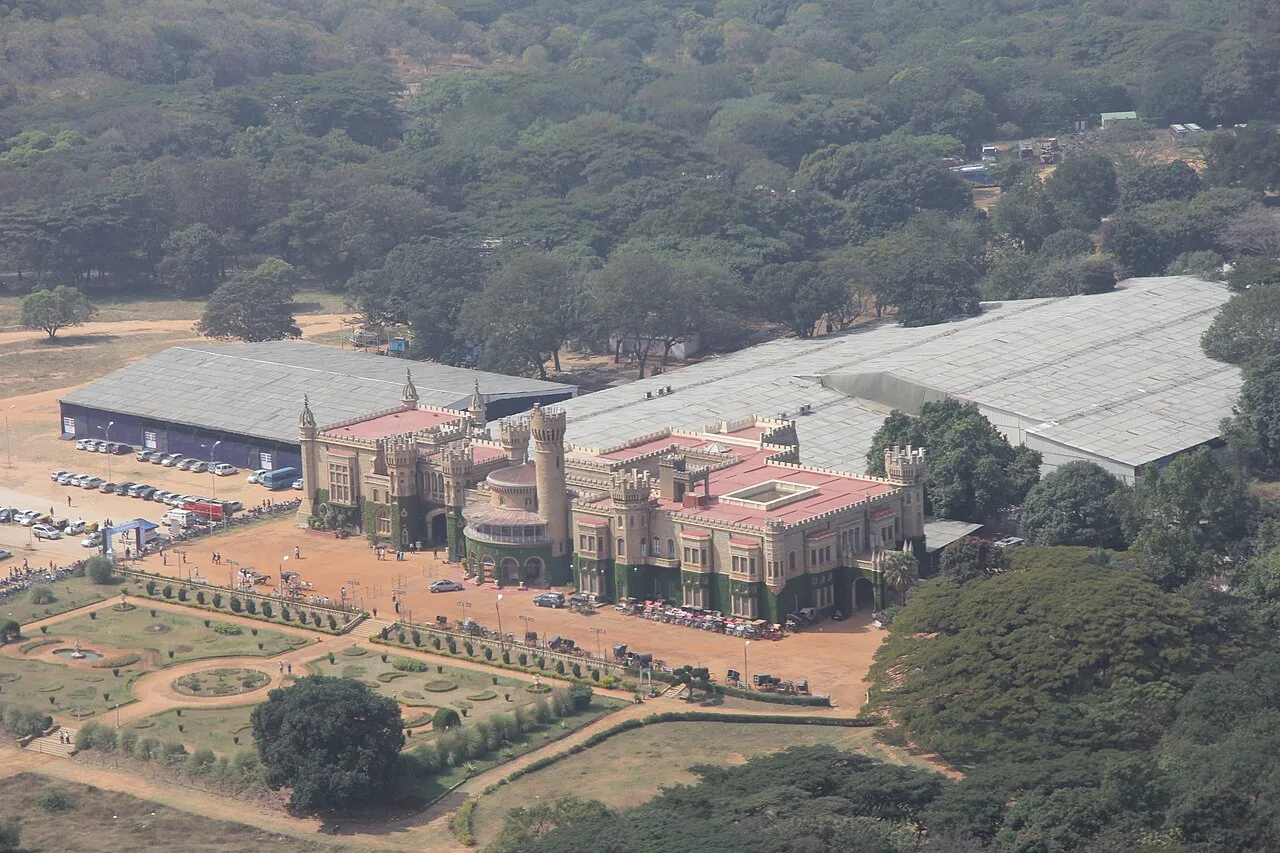
Bengaluru Palace

30 km away · Bengaluru Urban district

Bengaluru Palace

Bengaluru Palace is a nineteenth-century royal landmark in Bengaluru, Karnataka; visitors can view it and find fairs, events and an amusement park on its grounds.

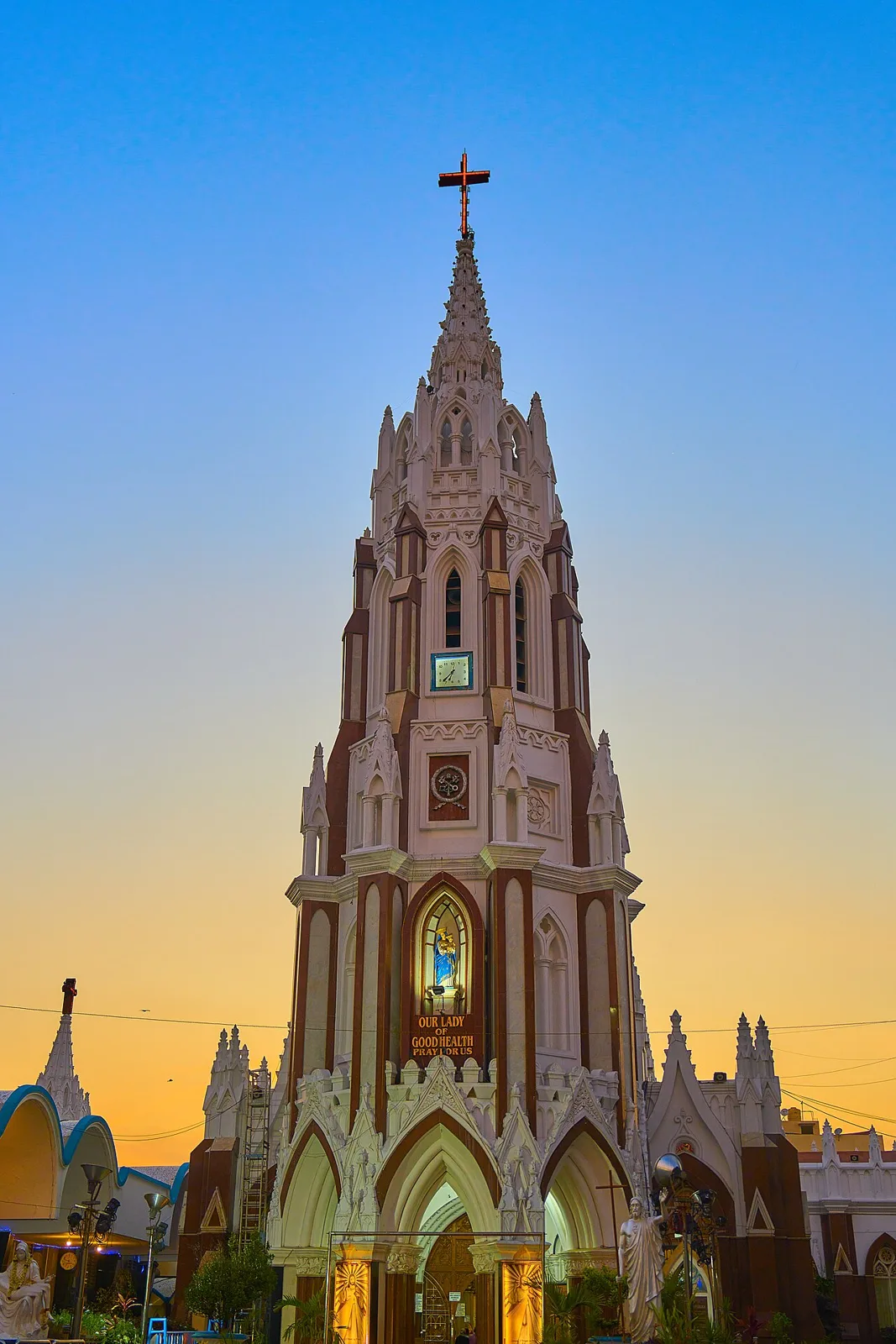
St. Mary's Basilica

31 km away · Bengaluru Urban district

St. Mary's Basilica

In Bengaluru Urban district, St. Mary's Basilica is a shrine in Shivajinagar, also called Blackpally. Visitors come for its September feast, which draws devotees from across Bangalore’s metropolitan area.

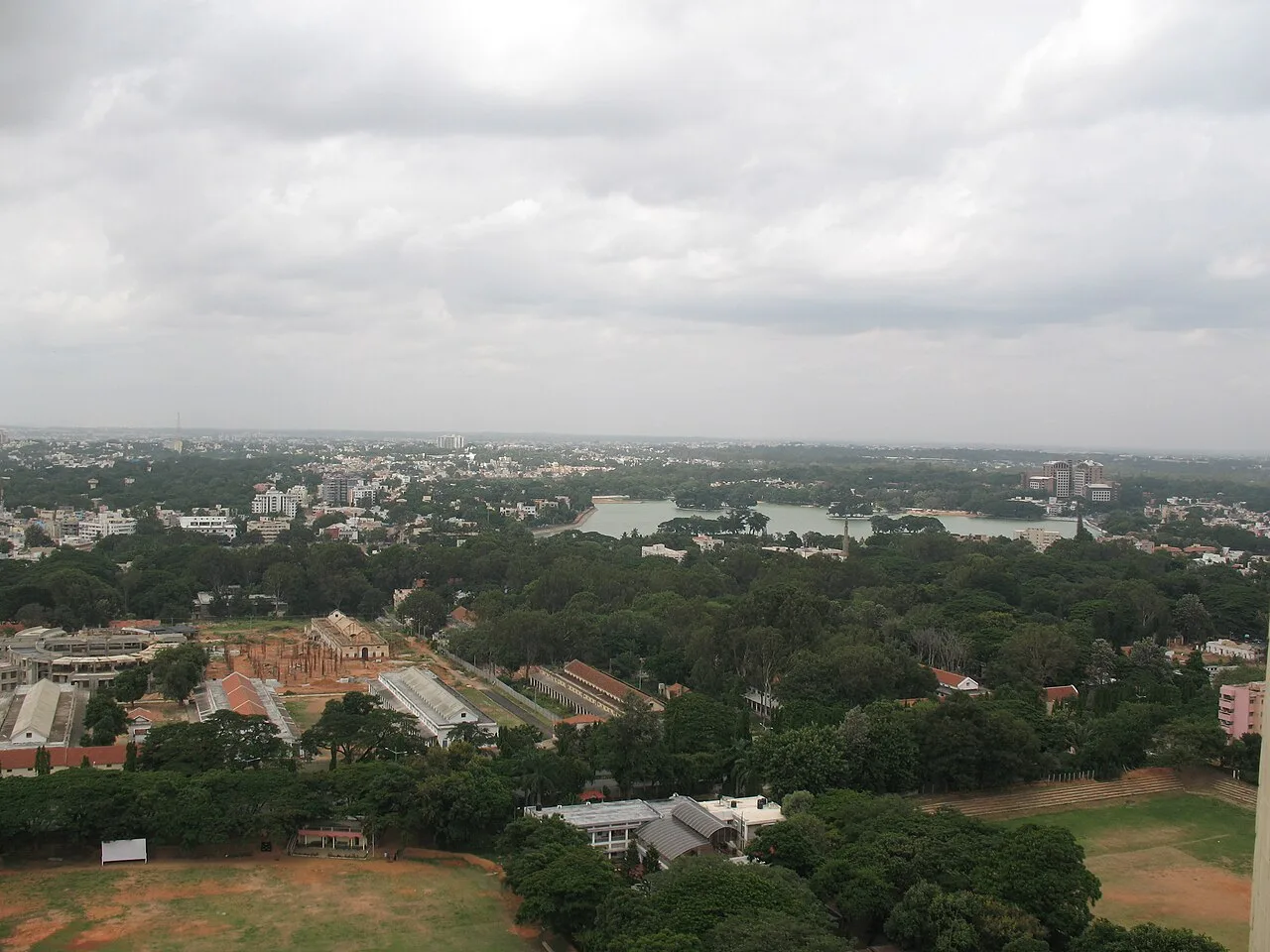
Ulsoor Lake

31 km away · Bengaluru Urban district

Ulsoor Lake

Ulsoor Lake, also called Halasuru Lake, is one of Bengaluru’s largest lakes. Visitors can see its islands and a waterbody associated with the city’s past.

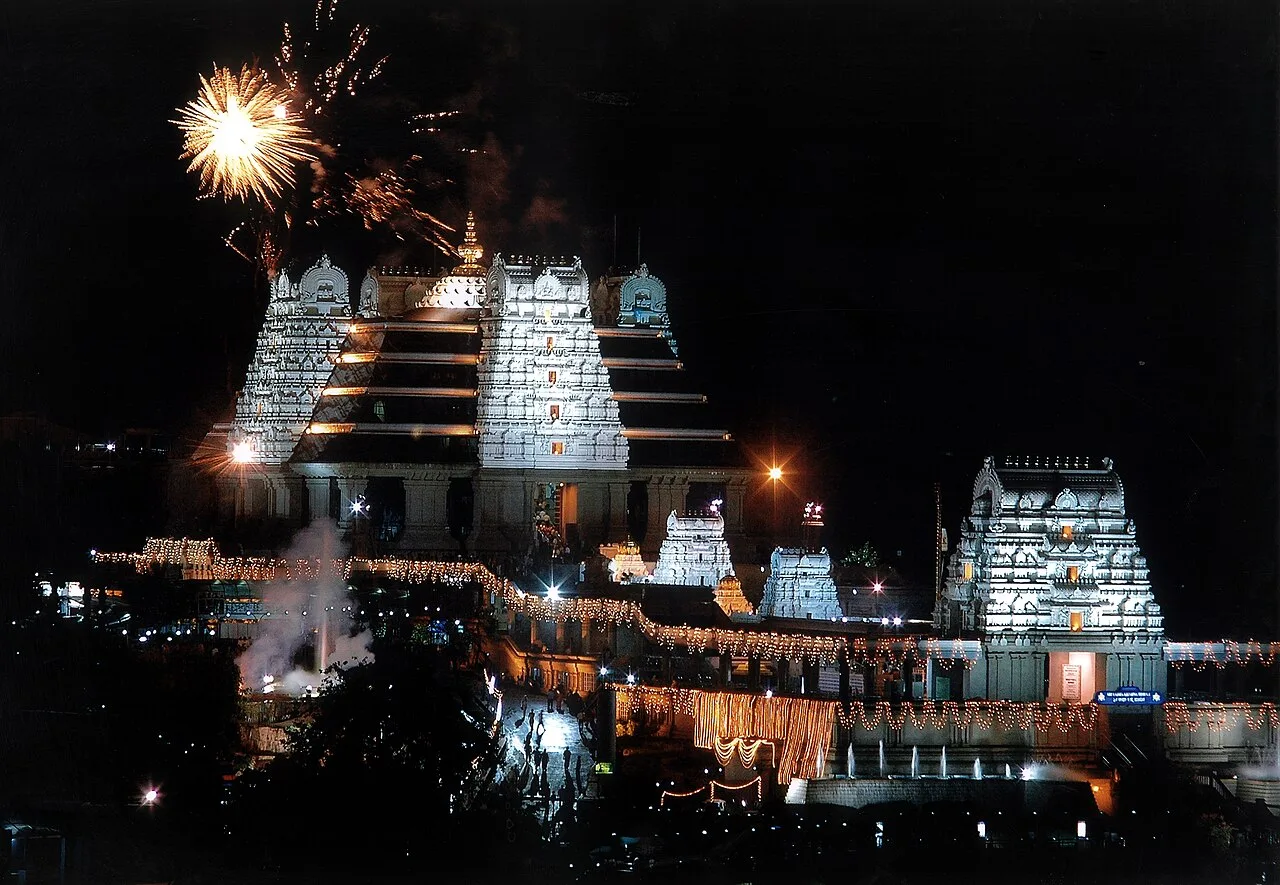
ISKCON Temple

32 km away · Bengaluru Urban district

ISKCON Temple

ISKCON Temple in Bengaluru is a Hindu place of worship devoted to Radha and Krishna. People visit to worship the deities and learn about the temple’s promotion of monotheism.

Vidhana Soudha

32 km away · Bengaluru Urban district

Vidhana Soudha

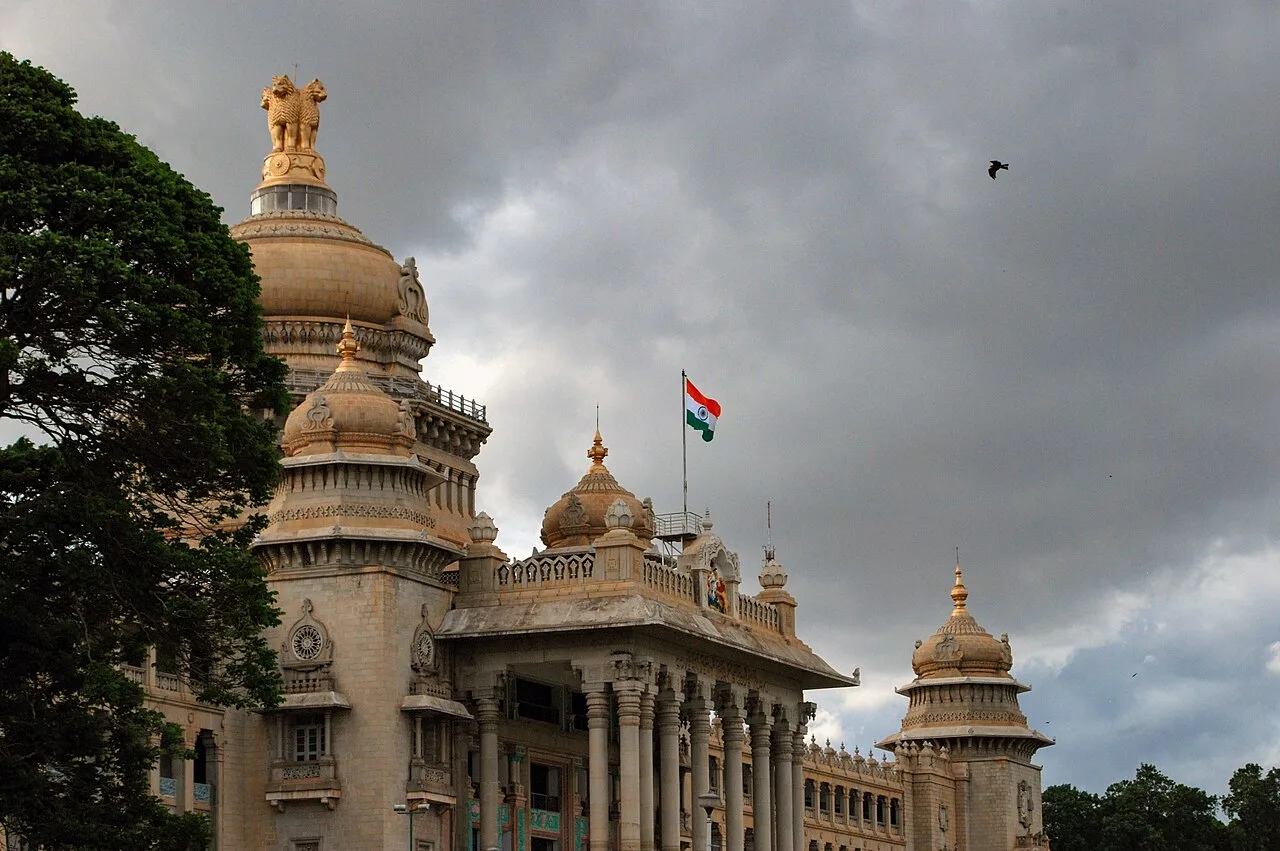
Vidhana Soudha is a Neo-Dravidian building in Bengaluru, Karnataka, and the seat of the state legislature. Visitors come to view its architecture and learn about its civic role.

Map

Devanahalli on the map

  1. 1Bhoganandishwara Temple
  2. 2Nandi Hills
  3. 3Skandagiri
  4. 4Bengaluru Palace
  5. 5St. Mary's Basilica
  6. 6Ulsoor Lake
  7. 7ISKCON Temple
  8. 8Vidhana Soudha

Karnataka

Other cities to explore