Ghumoopedia — Explore, Discover, Experience
Sign in
Siddhesvara Temple, Haveri, near Harihar

City guide · Karnataka

Harihar

Harihar, also called Harihara, is a taluk headquarters in central Karnataka’s Davanagere district. Set on the Tungabhadra River and linked closely with Davangere, about 14 kilometres away, it serves as a local centre for administration, commerce and industry.

Famous for

  • Harihareshwara Temple
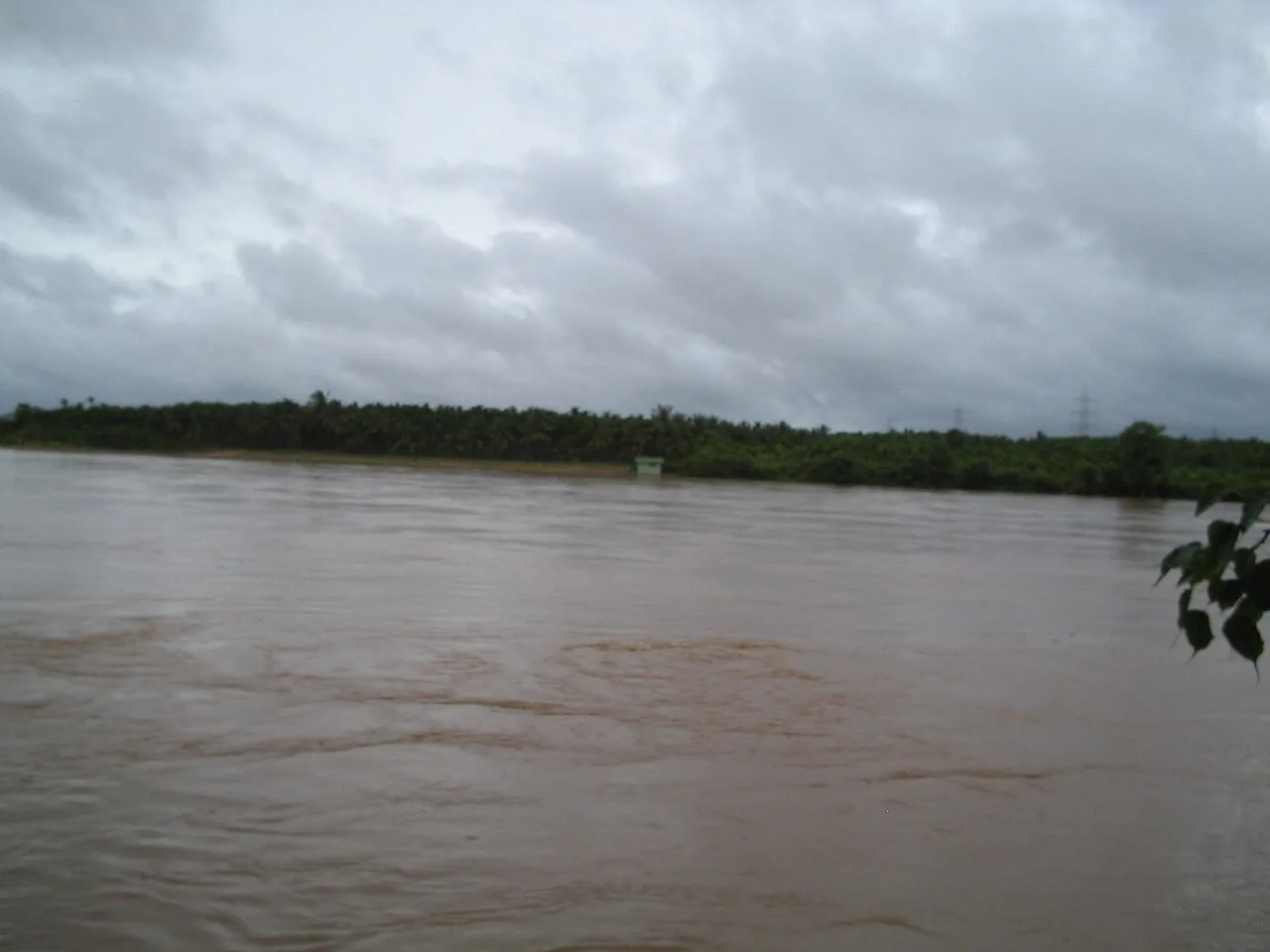
  • Tungabhadra River setting
  • Hoysala temple heritage
  • Regional industrial hub
  • Davangere twin-city connection

Why Harihar matters

Harihar, also called Harihara, is a taluk headquarters in central Karnataka’s Davanagere district. Set on the Tungabhadra River and linked closely with Davangere, about 14 kilometres away, it serves as a local centre for administration, commerce and industry. The two cities are often regarded as a paired urban area, with road and rail connections supporting movement across the region.

The city’s best-known landmark is the Harihareshwara Temple, a Hoysala-era shrine dedicated to Harihara, the combined form of Vishnu and Shiva. Its medieval architecture and local legend draw pilgrims and visitors interested in Karnataka’s temple heritage. Other places of worship, including temples, a church and dargahs, reflect the area’s varied religious life.

Harihar is also an industrial centre, with manufacturing and processing businesses contributing to its modern identity. Its position on National Highway 48 and the railway makes it a practical base for exploring nearby Davangere and attractions such as Kondajji. The Tungabhadra shapes the city’s setting and remains important to local life, although industrial activity has placed pressure on the river’s environment.
Famous for: crafts, trade & products

Harihar is better known for its industries and religious heritage than for a particular textile, handicraft or GI-tagged product. It does not have a widely recognised specialist saree or craft tradition to seek out. Visitors looking for everyday goods can browse local shops and markets in the town centre; for a broader range of shopping, Davangere is close by. Regional Karnataka foods and household products are more likely to be found in ordinary markets than in dedicated tourist outlets.

The city’s industrial base includes operations associated with Grasim Industries, Synthite, Shamanur Sugar and Cargill. Kirloskar’s engineering presence was once a major part of Harihar’s industrial identity, but its local operation closed in 2001. These businesses are workplaces rather than visitor attractions, and access may be restricted. Yantranagar is associated with the Kirloskar Institute of Advanced Management Studies, an educational institution in the city. For visitors, the most visible expression of Harihar’s heritage is the Harihareshwara Temple and its surrounding streets, rather than a craft market or product-focused district.

History

Harihar’s best-known historical association is with the Hoysalas, who controlled the region from the 11th to the 13th centuries. The Harihareshwara Temple, built in the 12th century, is a lasting reminder of that period. Its deity combines Vishnu, known as Hari, and Shiva, known as Hara. Local tradition tells of the gods joining as Harihara to defeat the demon Guhasura, whose legend is tied to the area’s former name, Guharanya.

In the centuries that followed, the wider region experienced changing political and administrative authority. During the colonial era, it became part of the changing political landscape of southern India, while transport links increasingly connected towns across the region. Harihar’s modern growth has been shaped by its railway and position on the Mumbai–Bengaluru highway, as well as by industrial development. Kirloskar was an important employer before its engineering operation closed in 2001. Today, manufacturing and processing businesses remain part of the city’s economy, alongside its role as a taluk headquarters.

Food, festivals & culture

Kannada is the principal language of daily life in Harihar, with other languages also heard in this connected, industrial town. Local meals draw on the food traditions of central and northern Karnataka: jowar rotti, vegetable curries, rice dishes and accompaniments such as peanut chutney are familiar regional choices. Sweets and snacks are available from local bakeries and shops, though Harihar is not especially known for a signature sweet.

The religious calendar brings the town’s communities together through festivals such as Ugadi, Deepavali, Dasara and Ganesh Chaturthi. Maha Shivaratri is especially relevant to worship at the Harihareshwara Temple. Temple festivals and local gatherings may feature devotional singing and regional folk performance; forms such as Dollu Kunitha are part of Karnataka’s broader cultural tradition. The city’s places of worship include Hindu temples, Muslim dargahs and Mother Mary’s Church. The Harihareshwara shrine, Banashankari Temple and Raghavendra Swamy temple are among the places where visitors can observe local devotional life respectfully.

Visiting the city

The cooler months, roughly October to February, are generally comfortable for sightseeing. Harihar can be visited in other seasons too, though monsoon conditions may affect outdoor plans. The nearest practical air connection is Shivamogga Airport, also called Rashtrakavi Kuvempu Airport; Hubballi Airport is another option. Harihar Junction is the city’s main railway station, and road links include National Highway 48.

Auto-rickshaws and local taxis are useful for getting around. Start with the Harihareshwara Temple and the streets around it, then visit other town temples or make a short trip to Kondajji, a nearby picnic spot. The Tungabhadra-side temples offer another perspective on the city, while Davangere makes an easy nearby extension. Ask locally about access and conditions at riverbank locations, and avoid treating the river as a bathing spot.

Trips from the city

Nearest places to visit from Harihar

Our closest destination guides, by straight-line distance.

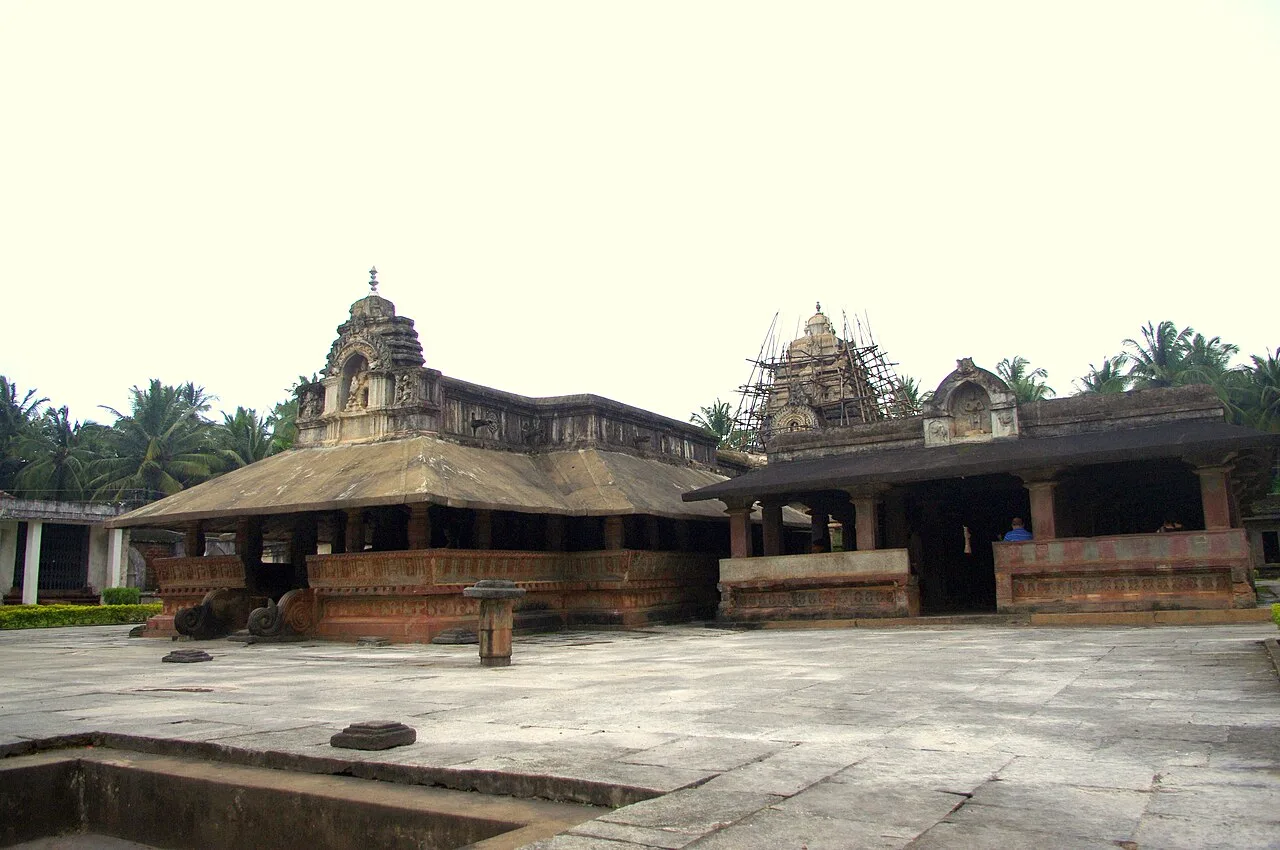
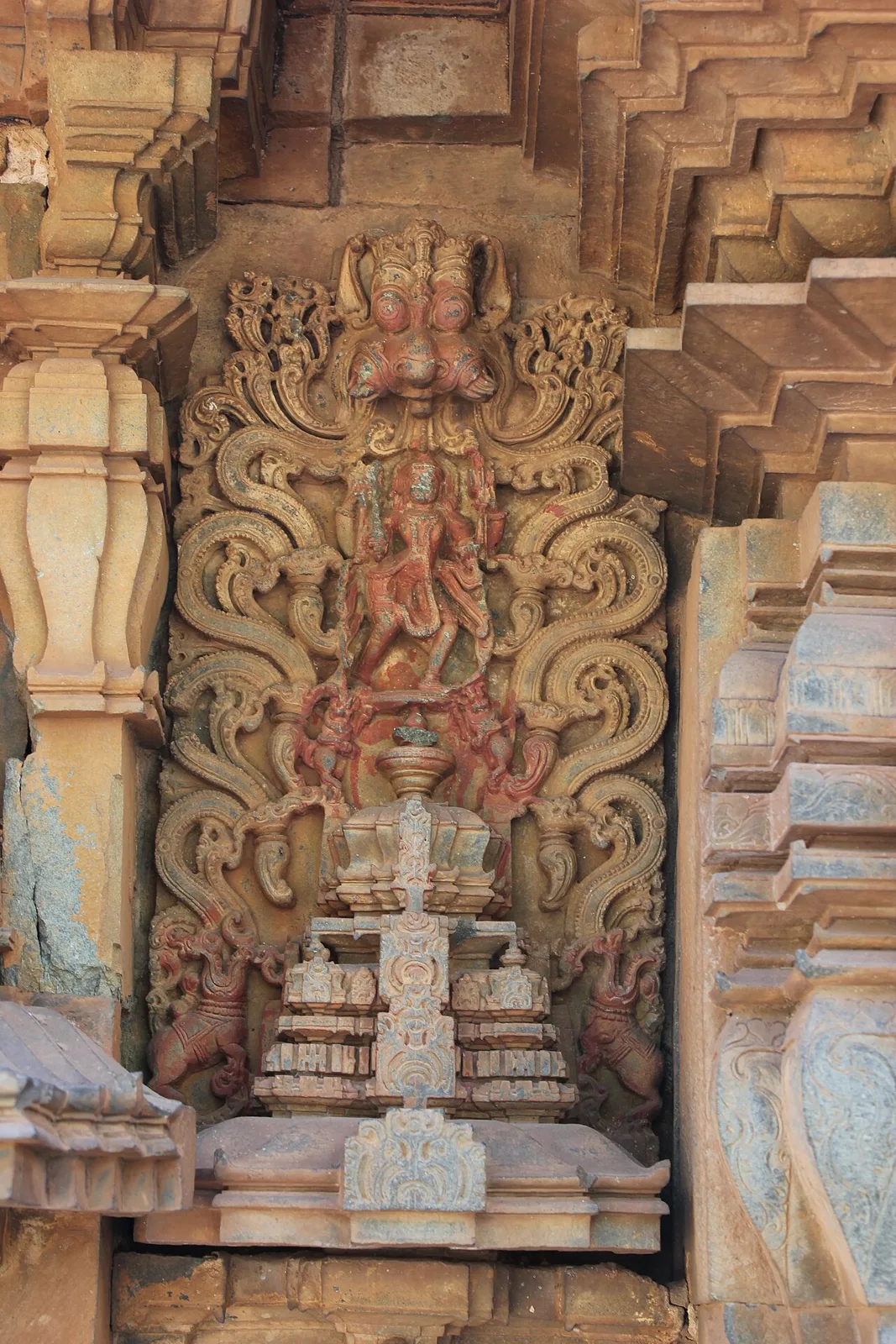
Siddhesvara Temple, Haveri

53 km away · Haveri district

Siddhesvara Temple, Haveri

Siddhesvara Temple in Haveri, Karnataka, is visited for worship and valued for its Western Chalukyan design and sculptures of Hindu deities.

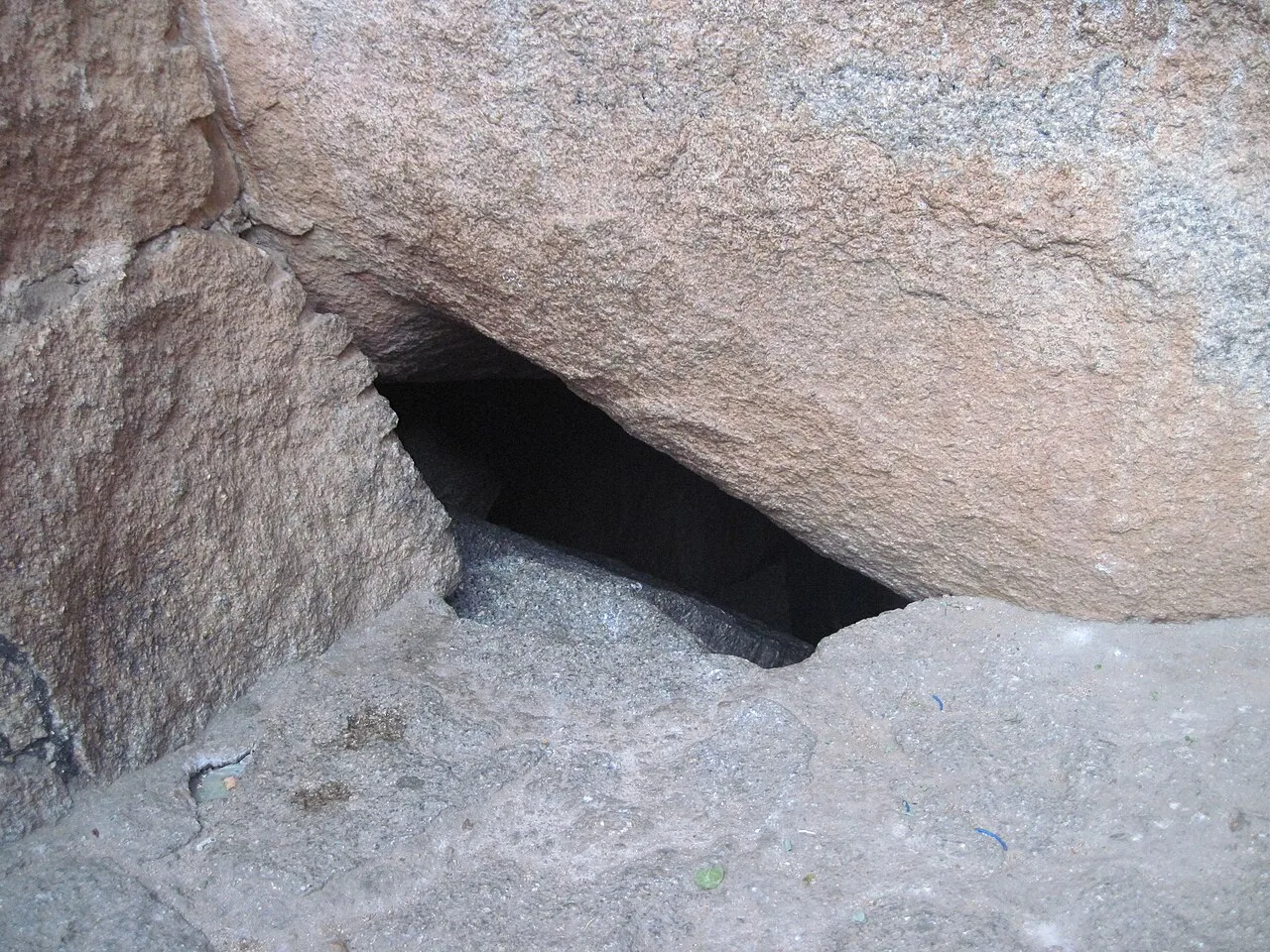
Chandravalli Caves

71 km away · Chitradurga district

Chandravalli Caves

Chandravalli is an archaeological site in Karnataka’s Chitradurga district. Visitors are drawn by discoveries there, including pottery and coins linked to Indian, Roman and Chinese history.

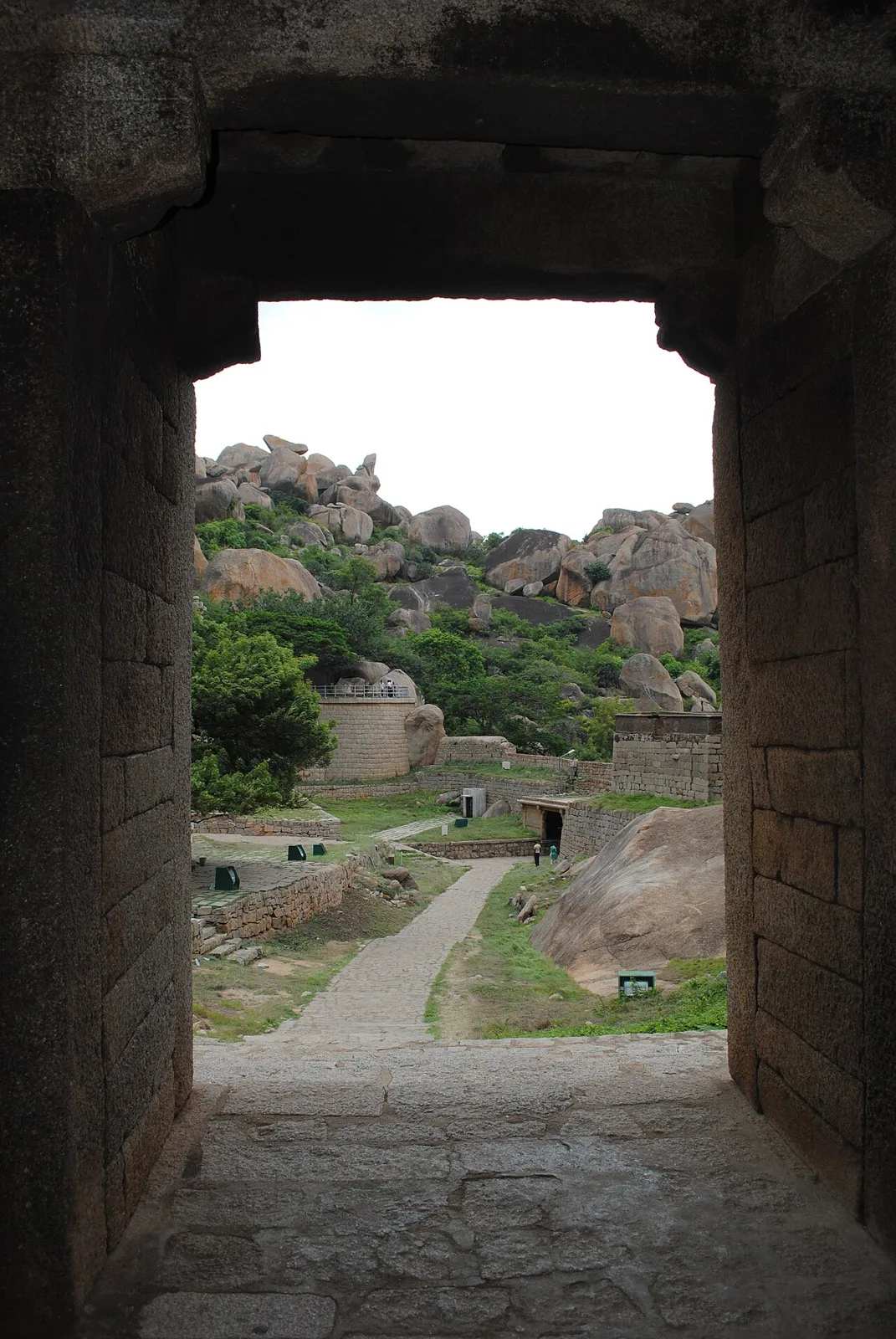
Chitradurga Fort

71 km away · Chitradurga district

Chitradurga Fort

Chitradurga Fort is a historic hilltop stronghold in Karnataka, known for its layered defences, temples and long history of regional rule. Visitors come to explore its fortifications and historic buildings.

Mattur (Sanskrit Village)

76 km away · Shivamogga district

Mattur (Sanskrit Village)

Mattur is a village near Shivamogga in Karnataka, known for the everyday use of Sanskrit and its traditions of Sanskrit and Vedic learning. Visitors come to encounter its distinctive linguistic culture.

Banavasi

85 km away · Uttara Kannada district

Banavasi

Banavasi, a village in Karnataka’s Uttara Kannada district, is known for its temples and its past as the Kadamba dynasty’s capital, making it a place of historical interest.

Doddabasappa Temple

91 km away · Gadag district

Doddabasappa Temple

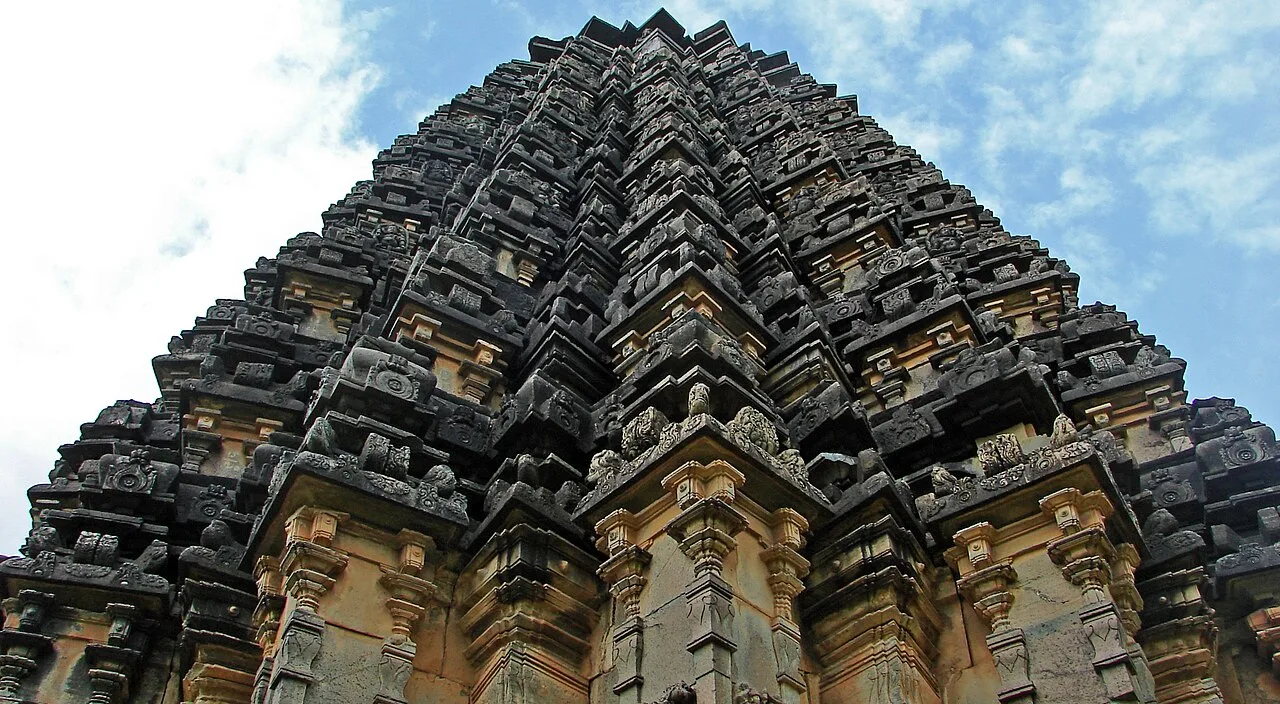
Doddabasappa Temple, in Dambal, Karnataka, is a 12th-century work of Western Chalukyan design. Visitors come to see its Shiva shrine and its place within the region’s architectural tradition.

Lakkundi

98 km away · Gadag district

Lakkundi

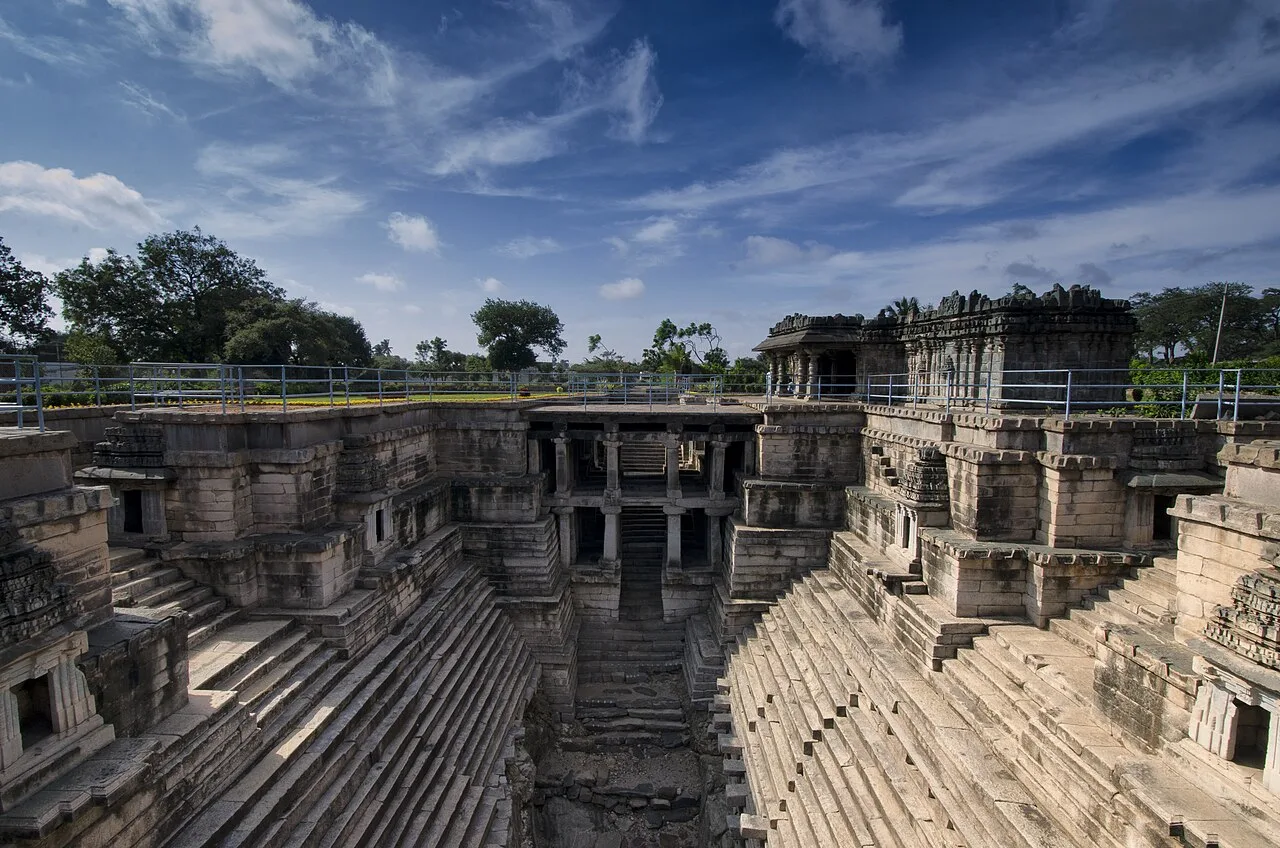
Lakkundi is a historic village in Karnataka’s Gadag district, visited for its Hindu and Jain temple remains, water structures and examples of Kalyana Chalukya architecture.

100 km away · Chitradurga district

Molakalmuru

Molakalmuru is a taluk in Karnataka’s Chitradurga district, near Andhra Pradesh. People visit the town for its locally produced Molakalmuru sarees and its traditional story explaining the place-name.

Map

Harihar on the map

  1. 1Siddhesvara Temple, Haveri
  2. 2Chandravalli Caves
  3. 3Chitradurga Fort
  4. 4Mattur (Sanskrit Village)
  5. 5Banavasi
  6. 6Doddabasappa Temple
  7. 7Lakkundi
  8. 8Molakalmuru

Karnataka

Other cities to explore