
Mattur (Sanskrit Village)
Mattur is a village near Shivamogga in Karnataka, known for the everyday use of Sanskrit and its traditions of Sanskrit and Vedic learning. Visitors come to encounter its distinctive linguistic culture.
Key facts · verified by Ghumoopedia editors
- Type of place
- Community & living culture
- Best time to visit
- October to February; June to September for monsoon greenery in the Western Ghats
- Nearest railway station
- Shivamogga Town · about 5 km (straight line)
- Nearest airport
- Shivamogga (Kuvempu) Airport · about 5 km (straight line)
- Verified
- 21 Nov 2026
Plan a trip from Mattur (Sanskrit Village) — a day-by-day route through places nearby.
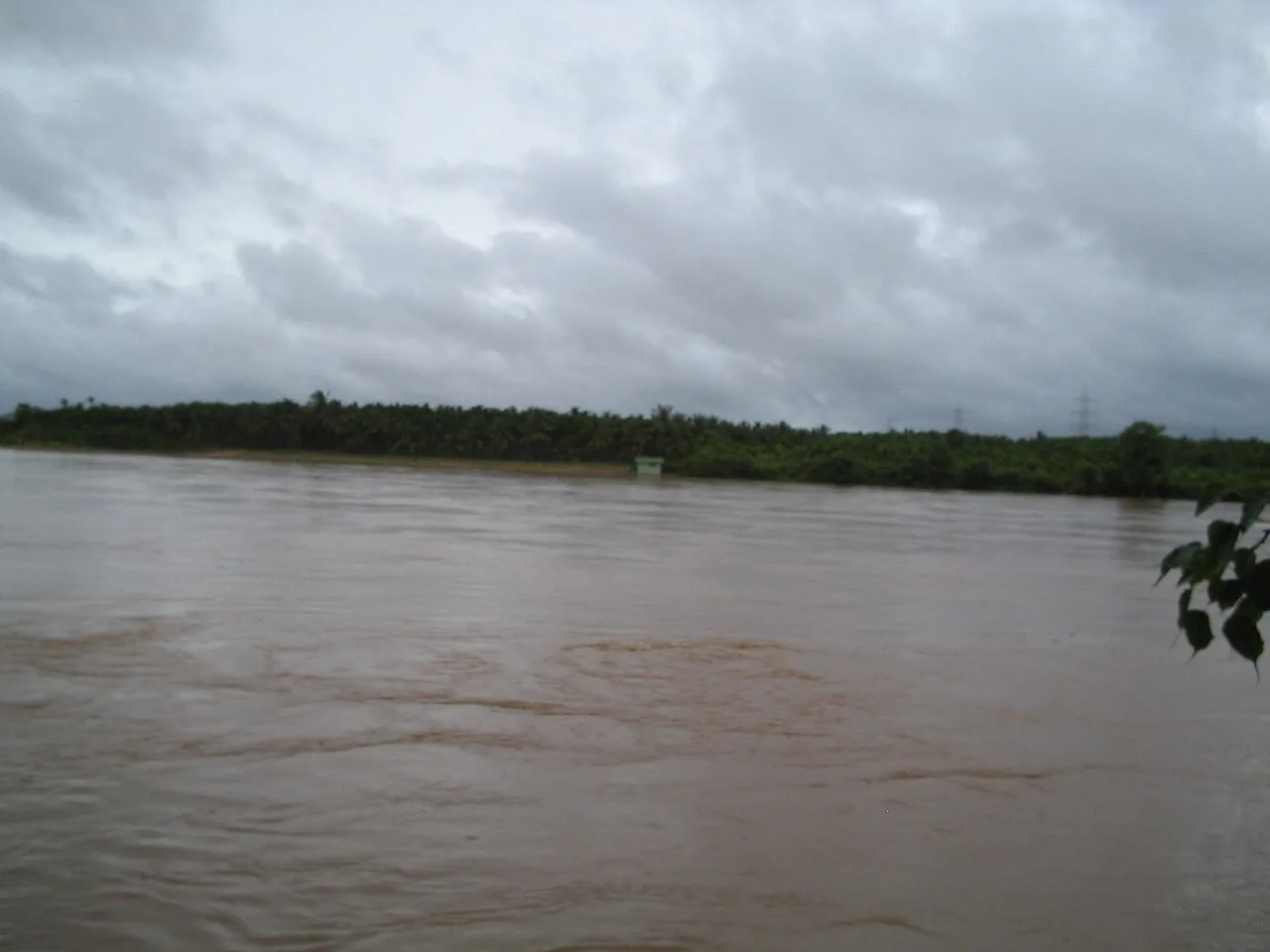
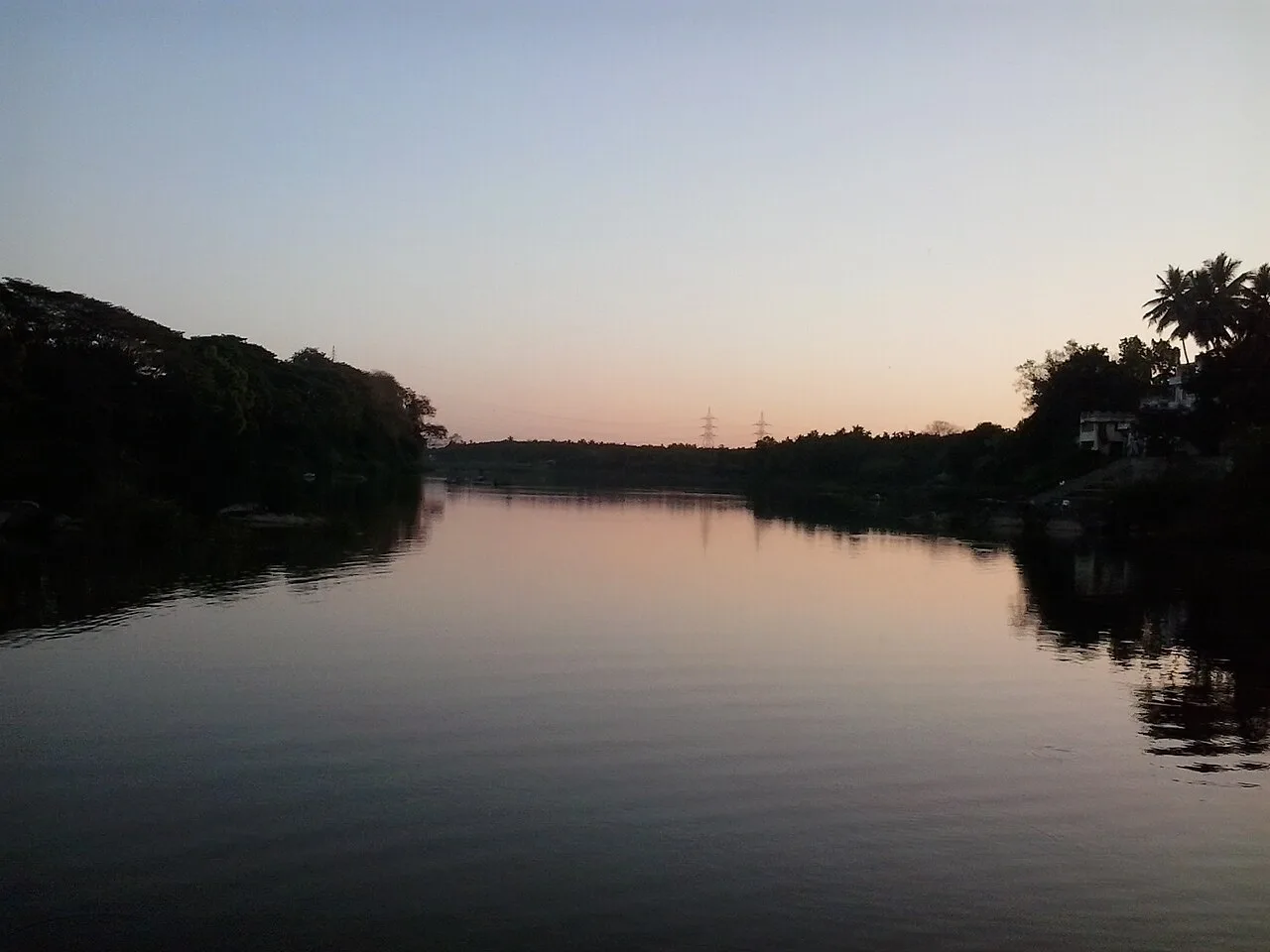
Mattur, also written Mathoor, is a settlement in Karnataka’s Shivamogga district, about four kilometres from Shivamogga city and alongside the Tunga River. The village is particularly associated with Sanskrit as a language used in everyday exchanges, in contrast to Kannada, the state’s predominant language. Sankethi, the traditional speech of its residents, brings together elements of Sanskrit, Tamil and Kannada. Of a population of 5,000, Sanskrit is the principal language for most people, and it is also a compulsory subject in schools. The language therefore features both in community life and classroom instruction. Mattur’s reputation for Sanskrit and Vedic learning reflects a longstanding scholarly tradition. Copper-plate inscriptions held by the archaeology department record that the people of Mattur and neighbouring Hosahalli received the villages as a gift from a Vijayanagara ruler in 1512. In 1982, Vishvesha Theertha, pontiff of Udupi’s Pejawara Matha, visited Mattur and brought fresh prominence to its Sanskrit identity, describing it as a Sanskrit village. The settlement has produced over 30 Sanskrit professors, who teach at universities across Karnataka. Hosahalli lies on the opposite bank of the Tunga and is closely linked with Mattur; the two settlements are usually discussed together and share many qualities. In both villages, residents support Gamaka, a Karnataka art form that combines singing and storytelling. Mattur has traditionally been home to Sankethi Brahmins. Its places of worship include a Rama temple, a Shivalaya, Someshwara Temple and Lakshmikeshava Dhurga Temple. These community and religious traditions accompany the village’s continuing association with Sanskrit and Vedic study. Karnataka holds the boulder-strewn ruins of Hampi, the Hoysala temple jewels of Belur and Halebidu, the Chalukyan monuments of Badami, Aihole and Pattadakal, the palaces of Mysuru, the coffee hills of Coorg and Chikkamagaluru, the temple-and-beach town of Gokarna and the tiger forests of Bandipur and Nagarhole. Bengaluru and the plateau are mild most of the year; the coast is hot and humid; the Malnad hills (Coorg, Chikkamagaluru, Agumbe) get very heavy monsoon rain from June to September. October to February is pleasant almost everywhere. The usual best time to visit is October to February; June to September for monsoon greenery in the Western Ghats. For official information, see Karnataka Tourism at https://karnatakatourism.org.
Why it matters
Mattur, also spelled Mathoor, is a village near Shivamogga city in Karnataka, known for the everyday use of Sanskrit by many residents. Kannada is the state’s principal language, while Sankethi—a language shaped by Sanskrit, Tamil and Kannada—is also associated with the village. Mattur has a long-standing reputation as a centre for Sanskrit and Vedic learning, and Sanskrit is taught in local schools. The label “Sanskrit village” gained wider attention after Udupi Pejawara Matha pontiff Vishvesha Theertha used it during a visit in 1982. Mattur is not known as a UNESCO World Heritage Site or an ASI-protected monument; its significance is primarily cultural and community-based.
Mattur’s history is closely connected with Sanskrit learning, Vedic study and the Sankethi Brahmin community that has traditionally lived here. The village stands near the Tunga River, close to present-day Shivamogga. Copper-plate inscriptions preserved by the archaeology department are reported to record a grant of Mattur and neighbouring Hosahalli by a Vijayanagara emperor in 1512. This provides a documented reference point in the village’s history, though it does not by itself explain when Sanskrit first became widely used in daily life. Mattur and Hosahalli developed strong traditions of Sanskrit education and are often discussed together; Hosahalli lies across the river. In the modern period, local teaching and family practices helped sustain Sanskrit in conversation as well as study. The village’s public profile grew after Udupi Pejawara Matha pontiff Vishvesha Theertha visited in 1982 and described Mattur as a “Sanskrit village.” Mattur has since been noted for producing Sanskrit scholars and university teachers. It is a lived-in settlement rather than a preserved historic complex, and visitors should treat its houses and institutions as part of an active community.
Origin stories & folklore
Mattur is better known for its living language and learning traditions than for a widely documented origin legend. Local accounts and community explanations often connect Sanskrit’s everyday use with the village’s long emphasis on study, teaching and Vedic learning. The grant to Mattur and Hosahalli recorded in copper-plate inscriptions is a historical reference, not a legend; it is traditionally associated with a Vijayanagara-era grant in 1512. Visitors may hear family histories or local stories about how language practices were maintained, but versions can differ. Treat such accounts as oral tradition rather than a single, verified founding story, and ask permission before recording personal recollections.
Walk through Mattur slowly to take in its old houses, streets and places of worship, ideally with a local guide or host who can explain the village's history and families. Many heritage houses are private homes — admire them from outside unless you are invited in or the house is open to visitors — and ask before photographing people. Look out for local food, crafts and festivals that are part of the village's living heritage, and combine your visit with nearby temples, forts or towns in Shivamogga district.
Suggested itineraries
Half day: Meet a local host; walk the public lanes and view traditional houses from outside; visit accessible places of worship if permitted; learn about Sanskrit, Sankethi and Gamaka; take a quiet riverside look from a safe public spot. Full day: Begin with a hosted village walk; allow time for a conversation about language and learning; visit permitted temples; pause for a locally arranged meal; continue to Hosahalli or return to Shivamogga for another local sight. Gentler option: Arrange a vehicle drop close to a suitable public meeting point, keep the visit to a short, level lane and seated conversation, and skip uneven riverbank areas.
Sanskrit is used in everyday conversation by many residents, alongside Kannada and Sankethi; language use varies between households and generations. Sankethi is commonly described as a blend of Sanskrit, Tamil and Kannada. Sanskrit is taught in local schools, and Mattur has a reputation for study of Sanskrit and Vedic texts. The village and neighbouring Hosahalli are also associated with Gamaka, a Karnataka tradition combining sung narration and storytelling. Daily life takes place in ordinary homes, streets and places of worship, not in a staged cultural precinct. Visitors should not assume that residents are available to demonstrate traditions; a locally arranged introduction is a more considerate way to learn.
Local communities
Mattur has traditionally been home to a community of Sankethi Brahmins, and residents maintain varied family, educational and religious lives. The village is also connected culturally and socially with neighbouring Hosahalli across the Tunga River. Sanskrit teachers, scholars and students are part of the village’s public identity, while livelihoods and occupations among residents are not limited to scholarship. Shivamogga city provides links to wider work, services and commerce. Avoid treating the community as a living exhibit or assuming that every resident speaks Sanskrit in the same way. Ask before entering homes, attending private gatherings or discussing personal religious practices.
Festivals & events
Religious festivals are observed at village temples and in households, with occasions such as Rama-related celebrations and major Hindu festivals potentially bringing families together. The precise programme and scale vary by temple and year, so confirm locally rather than relying on a fixed visitor calendar. Mattur and Hosahalli are associated with Gamaka, but performances should not be assumed to take place on demand or during every visit. Festivals in nearby Shivamogga may offer additional public events. Village streets and temple approaches can be busier during celebrations; keep clear of processions and follow hosts’ guidance.
Village food in Karnataka is home cooking: bisi bele bath, Mysore masala dosa, ragi mudde with sambar, Coorg's pandi (pork) curry, Mangalorean fish curry with neer dosa, Davangere benne dosa, Dharwad pedha and filter coffee everywhere. Mattur itself may have only tea stalls and small eateries, so ask your host or guide where to eat, or arrange a home-cooked meal in advance — it is often the highlight of a village visit. Carry water and a snack if you plan to spend the whole day, and eat your main meal in the nearest town if no local option is open.
Shopping & local experiences
Mattur is not primarily a shopping destination, and there may be few visitor-oriented craft outlets. Ask locally about small shops, seasonal produce or food items available for purchase, and buy directly from local sellers where possible. Shivamogga offers a wider range of everyday goods and regional food products. Gamaka is a cultural tradition rather than a guaranteed souvenir or performance for sale; ask whether any books or recordings are available through legitimate local sources. Do not remove plants, objects or materials from homes, temples or riverbanks.
Mattur lies beside the Tunga River in the green, cultivated landscape around Shivamogga. The river is an important feature of the setting, while village lanes pass homes, gardens and agricultural land. The wider district includes river valleys, reservoirs and the wetter forests of the Western Ghats, but these should not be confused with the village itself. Seasonal rain changes the look and condition of the surroundings, and river levels and banks can vary. Common village and farmland birds may be present, but sightings are never guaranteed. Stay on public routes, do not enter fields or river areas without permission, and take care on wet or uneven ground.
October to February; June to September for monsoon greenery in the Western Ghats
The nearest principal railway station by straight-line distance is Shivamogga Town, roughly 5 km away. The nearest operating airport by straight-line distance is Shivamogga (Kuvempu) Airport, roughly 5 km away. These figures are calculated from map coordinates — actual road distance is longer. Bengaluru is the hub for the south and centre; Hubballi and Belagavi serve the north; Mangaluru serves the coast; Mysuru is the gateway to Coorg, and Hosapete is the railhead for Hampi. Mattur is a village, so the last stretch is by road: KSRTC buses including comfortable Airavat coaches, private sleeper coaches, and app cabs in Bengaluru, Mysuru and Mangaluru reach the nearest town, and from there a shared auto, local bus or reserved taxi covers the final few kilometres. Village roads can be narrow and unpaved; a taxi hired for the day from the nearest town is the simplest way to combine Mattur with nearby sights and get back before dark. When comparing train, bus and flight, count the complete door-to-door time: a flight saves the most time only if the onward road transfer is short, while an overnight train can save a hotel night. Book your return before you leave, because seats fill quickly on weekends, festivals and holidays. Current train numbers, timings, return services and fares are not listed here; check IRCTC and NTES for trains and the airline's own schedule for flights. No permit is needed to visit Karnataka. Tiger safaris in Bandipur, Nagarhole and the Kali Tiger Reserve must be booked in advance through the forest department or authorised lodges — weekend slots sell out. Treks in Kudremukh National Park and some Western Ghat peaks need forest entry permission. Hampi's monuments have ASI entry tickets; the core zone is best seen with a bicycle, moped or autorickshaw for the day.
Confirm onward and return timings on IRCTC / NTES, the state bus operator or your airline before travel. A dash means current timings or fares have not been verified.
Getting around
From Shivamogga, local buses, autos or a reserved taxi can take visitors toward Mattur; the last part of a journey may require local transport, depending on the route. Check the destination with the driver, since village roads can be narrow and services may not run frequently. Once in the village, walking is the most practical way to explore public lanes, with a local host helping identify suitable routes. Parking may be limited near narrow streets and places of worship; avoid blocking residents’ access. Boats are not a regular visitor transport option on the Tunga here.
Hours, tickets & permissions
Mattur is an inhabited village rather than a single ticketed attraction, so access to public roads and lanes differs from entry to temples, schools, homes and other institutions. These may have their own opening arrangements, visitor rules or restrictions, and some places may not admit visitors. No general permit or camera fee should be assumed, but requirements can vary by site or event. Arrange visits to private or educational spaces through a local host. Confirm current access, hours and any fees with the relevant managing authority or local contact before travelling.
Facilities
Mattur is a residential village, not a fully equipped visitor attraction. Basic shops and food options may be available locally, but choice can be limited; check locally or plan to eat in Shivamogga. Public toilets, visitor information desks and dedicated guides should not be assumed. Drinking water may be available from shops or a host, but carrying your own is sensible. ATMs and a wider range of services are easier to find in Shivamogga. Parking conditions vary, and there may be no formal visitor car park. Arrange any hosted visit in advance.
Accessibility
Exploring Mattur involves village lanes that may be narrow, uneven or affected by rain; paths and access inside temples or older buildings can include steps. Walking distances depend on the route and on which places are open to visitors. Shade is intermittent, so sun protection and water are useful. Wheelchair and stroller access cannot be assumed, particularly in homes, places of worship and along river edges. Older visitors may prefer a short route with vehicle access arranged nearby and seated breaks with a host. Check specific access needs locally before setting out, and avoid slippery banks or crowded lanes.
No permit is needed to visit Karnataka. Tiger safaris in Bandipur, Nagarhole and the Kali Tiger Reserve must be booked in advance through the forest department or authorised lodges — weekend slots sell out. Treks in Kudremukh National Park and some Western Ghat peaks need forest entry permission. Hampi's monuments have ASI entry tickets; the core zone is best seen with a bicycle, moped or autorickshaw for the day. Carry a photo ID, some cash (card and UPI acceptance varies in villages) and a charged phone with offline maps; save the emergency number 112 and your host's contact. Heat in summer and heavy rain in the monsoon are the main weather risks; carry water, avoid midday sun and allow extra time when village roads flood. Respect local customs: dress modestly, remove footwear where asked, and always ask before photographing people, homes or rituals.
Visitor rules
Mattur is people’s home, so keep voices low and do not enter houses, schools, courtyards or places of worship unless invited or expressly permitted. Follow local directions about dress and footwear, especially at temples. Ask before photographing people, ceremonies or private property, and respect any no-photography signs. Do not touch religious objects or interrupt lessons and worship. Keep lanes clear for residents, avoid littering and reduce single-use plastic. Access to some spaces may be restricted even when the village is welcoming; a local host can clarify what is appropriate.
Photography
Soft morning or late-afternoon light can suit the village lanes and river setting, but there is no single designated viewpoint. Photograph public streets and buildings discreetly, while treating homes as private property. Always ask people before taking portraits and seek permission before photographing worship, ceremonies, schools or interiors. Follow local restrictions and put the camera away when requested. Drone use may be restricted by aviation rules or local privacy concerns; do not fly one without checking current permissions and obtaining consent. Avoid blocking narrow lanes while taking pictures.
Most visitors see Mattur on a day trip from the nearest town, which has the widest choice of hotels. A few villages have homestays or heritage stays; otherwise base yourself in the district town and hire a taxi for the day. Confirm the booking and the exact location before you travel, because village addresses can be hard to find.
Shivamogga city is the nearest larger centre for services and additional sightseeing. In the district, Koodli is known for the meeting of the Tunga and Bhadra rivers, while Gajanur Dam and the Sakrebailu Elephant Camp are other possible excursions; check current access arrangements before planning around them. Mandagadde is associated with birdlife, though sightings and visitor access vary by season and conditions. These places are separate from Mattur and may require road transport. Choose a manageable combination rather than trying to cover the whole district in one day.
For couples, Mattur is a chance to slow down: walk the lanes in the soft morning light, share a home-cooked meal and keep the afternoon free. Stay in a nearby homestay or heritage property to make it a quiet overnight escape.
Q: How much time should I allow for a visit? A: A half-day can suit a short hosted walk; allow longer if you plan to visit permitted sites or continue to nearby places. Q: When is a good season to visit? A: October to February is generally pleasant in Karnataka. Monsoon months bring rain, so check road and walking conditions locally. Q: Is there an entry ticket for Mattur? A: Mattur is a living village, not a single ticketed attraction. Individual temples or institutions may set their own access rules or fees; confirm locally. Q: Is the village suitable for children and elderly visitors? A: Yes, with a considerate, short route and supervision. Uneven lanes, steps and wet surfaces may make some areas difficult. Q: Where can visitors stay nearby? A: Shivamogga is the practical base for accommodation and services. Confirm any homestay or hosted visit directly before travelling.
Be the first to share photos, stories, advice or a helpful contact for Mattur (Sanskrit Village).
Loading…