
Ghumoopedia — Explore, Discover, Experience
Sign in
Mattur (Sanskrit Village), near Shimoga

City guide · Karnataka

Shimoga

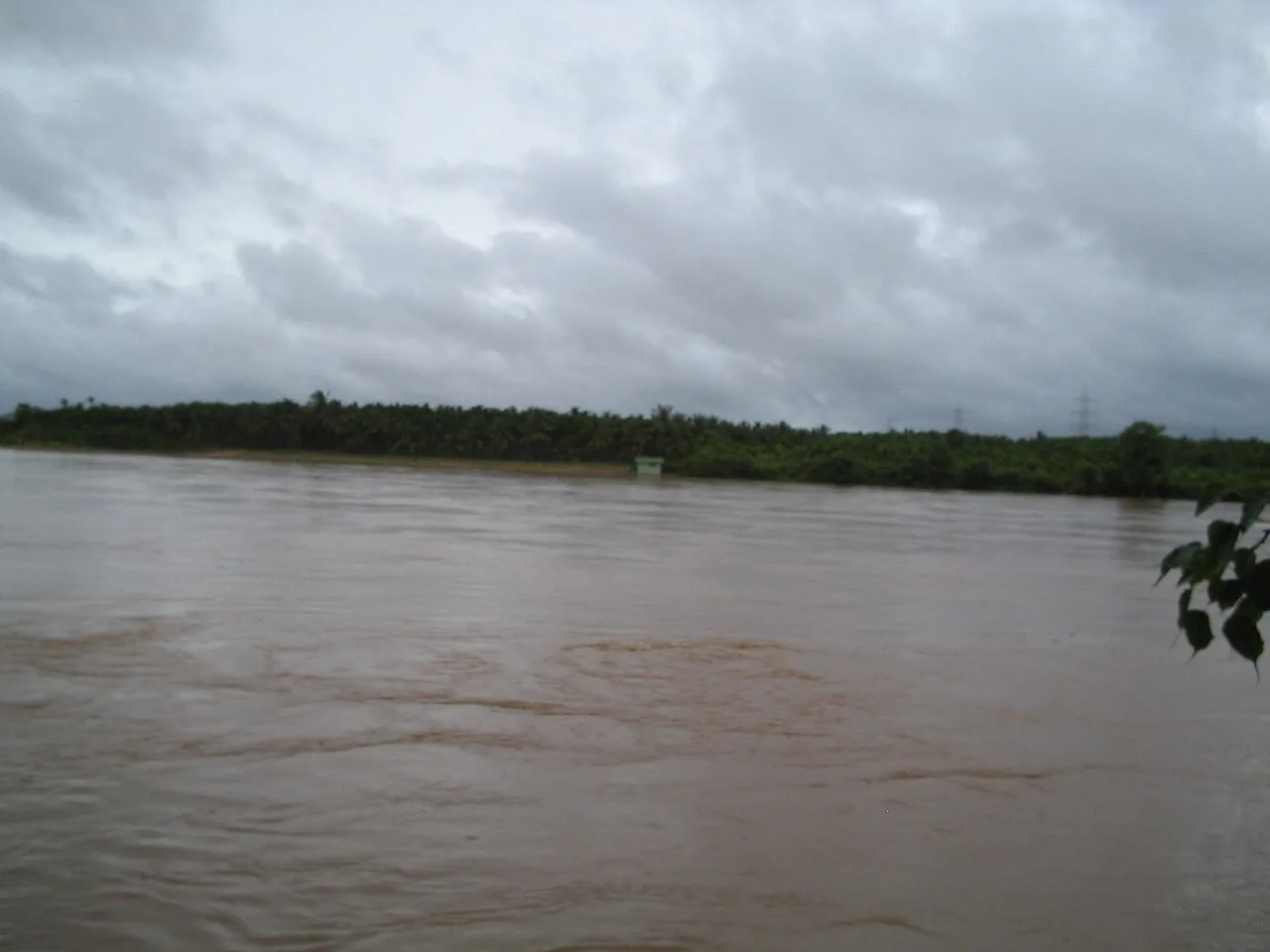
Officially called Shivamogga, the city is an important administrative and commercial centre in central Karnataka. Set beside the Tunga River and surrounded by fields and arecanut and coconut groves, it serves as a gateway to Malnad, the hilly, rain-fed region of the Western Ghats.

Famous for

  • Gateway to Malnad
  • Tunga River
  • Arecanut trade
  • Western Ghats excursions
  • Malnad cuisine
In the city
1
District
Shivamogga

Why Shimoga matters

Officially called Shivamogga, the city is an important administrative and commercial centre in central Karnataka. Set beside the Tunga River and surrounded by fields and arecanut and coconut groves, it serves as a gateway to Malnad, the hilly, rain-fed region of the Western Ghats. Its location makes it a useful starting point for trips to waterfalls, hill landscapes, forests and wildlife areas across the district and neighbouring regions.

Visitors come for the relaxed river-side setting and for nearby attractions such as Jog Falls, the hills around Agumbe and Kodachadri, and Bhadra’s forest and wildlife country. Within the city, local markets, temples and everyday life offer a glimpse of a regional Karnataka town rather than a single monument-led destination. Shivamogga also supports the surrounding area through trade, education, transport and district administration. Kannada is the main language, while the city’s shops and institutions serve people from across the Malnad hinterland.

Famous for: crafts, trade & products

Shivamogga’s commercial life reflects the agriculture of Malnad and the central Karnataka plains. Arecanut is a prominent regional crop, alongside paddy, coconut and, in the wider district, spices and other plantation produce. Gandhi Bazaar and the central market streets are practical places to browse for local groceries, seasonal fruit, betel products and everyday goods. The city is not especially known for a distinctive saree tradition or a nationally recognised craft, so shoppers seeking those may need to look to other parts of Karnataka.

There is no widely recognised Shivamogga-specific GI-tagged textile or handicraft to treat as a signature purchase. Instead, the city is a service and trading hub for the surrounding region. Bhadravati, within Shivamogga district, has been associated with major steel and paper industries; these are regional industries, not products of the city centre. Educational institutions also give the area wider importance, including Kuvempu University at Shankaraghatta. For visitors, local markets are best for produce and daily-use items, while the district’s agricultural and industrial character is more evident on excursions beyond the city.

History

The area around Shivamogga lay within the southern reach of the Mauryan Empire in the third century BCE. Over the following centuries, the region came under dynasties including the Kadambas, Chalukyas, Western Gangas, Rashtrakutas, Hoysalas and Vijayanagara rulers. The Keladi Nayakas later became a significant power in Malnad and the coastal region, governing from centres such as Keladi and Ikkeri. Their kingdom was absorbed into the Mysore state after their defeat by Hyder Ali in 1763.

Under Mysore rule and later British paramountcy, Shivamogga developed as a district headquarters and regional market town. Mahatma Gandhi visited during the freedom movement, and after independence the former Mysore state joined the Indian Union. The city’s modern growth has been shaped by its role in administration, education, road and rail connections, and trade with the surrounding agricultural districts. Karnataka formally adopted the name Shivamogga for the city in 2014, reflecting the Kannada form of its name.

Food, festivals & culture

Food in Shivamogga draws on Malnad’s rice-based cooking and seasonal forest and farm produce. Akki rotti, kadubu, rice dishes and curries made with local greens or vegetables are common choices; in season, bamboo shoots and jackfruit may also appear in regional cooking. Holige and payasa are familiar festive sweets. Menus vary from home to home, and the city’s eateries also serve the broader range of Karnataka meals and snacks.

Kannada is the principal language, with other languages heard among residents and visitors from across the state. Hindu festivals such as Dasara, Ugadi and Deepavali are observed, while Eid and Christmas are also celebrated by local communities; their dates follow the relevant calendars. Temple worship and neighbourhood shrines are part of daily life, alongside mosques and churches. Folk performance traditions associated with the wider region include Yakshagana and Dollu Kunitha, especially during cultural programmes and festivals. Shivamogga’s cultural character is shaped as much by its role as a meeting point for Malnad and the plains as by any single event or performance.

Visiting the city

The drier months from October to February are generally comfortable for exploring the city and taking day trips. The monsoon, usually from June into early October, brings lush scenery but can mean heavy rain and slower travel. Shivamogga Airport at Sogane is the nearest airport; Mangaluru International Airport is another option for some itineraries. The main rail hub is Shivamogga Town railway station.

Auto-rickshaws and taxis are useful for getting around, while buses connect the city with nearby towns and attractions. Explore the central market streets, including Gandhi Bazaar, and the areas around the Tunga River for a sense of local life. Shivamogga also makes a practical base for journeys towards Jog Falls, Agumbe, Kodachadri and other Western Ghats destinations; check local conditions before setting out during the rainy season.

Attractions

Places to visit in Shimoga

Sights within about 12 km of each other, even when they fall in different districts.

Map

Shimoga on the map

  1. 1Mattur (Sanskrit Village)

Karnataka

Other cities to explore