
Ghumoopedia — Explore, Discover, Experience
Sign in
Karwar Beach Town, near Karwar

City guide · Karnataka

Karwar

Karwar is a coastal city and taluka in Karnataka, serving as the administrative centre of Uttara Kannada district. Visitors come for its setting on the Konkan shore by the Kali river.

Famous for

  • Kali River estuary
  • Arabian Sea beaches
  • Rabindranath Tagore Beach
  • Baithkol natural harbour
  • Konkani seafood
  • Sadashivgad Fort
In the city
1
District
Uttara Kannada

Why Karwar matters

Karwar is the administrative headquarters of Uttara Kannada district and a coastal gateway between Karnataka and Goa. Set where the Kali River meets the Arabian Sea, it combines a working harbour and naval presence with beaches, islands and a sheltered estuary. Its coastal setting and Konkani heritage give the city a character distinct from Karnataka’s inland centres.

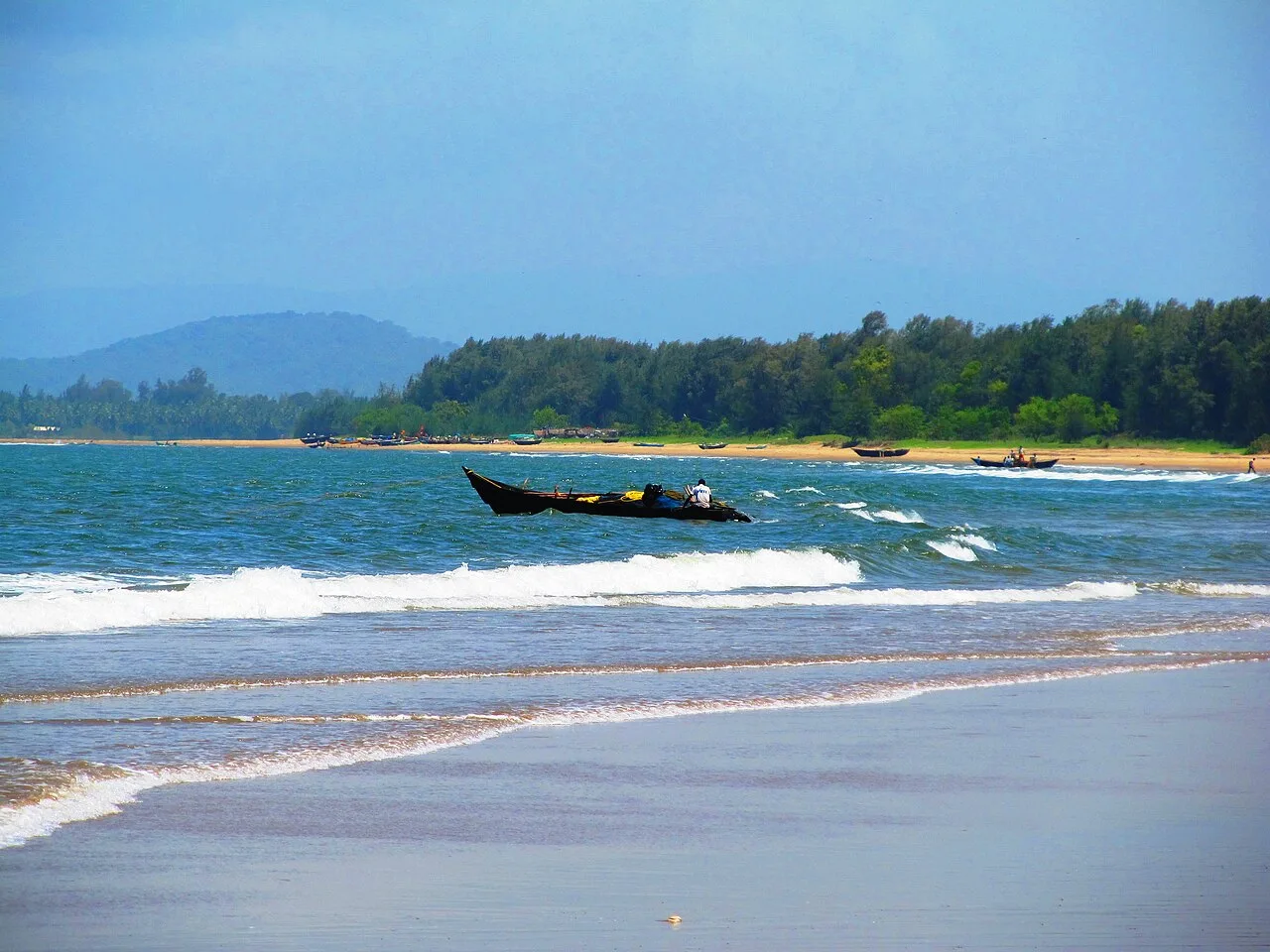
Visitors come for the beach at Rabindranath Tagore, views across the Kali estuary and excursions toward nearby islands, including Devbagh. Sadashivgad Fort, on the northern side of the river mouth, offers a glimpse of the region’s strategic past. Karwar is also known for its seafood and for a landscape of sea, river and Western Ghats foothills. The natural harbour at Baithkol and the nearby naval base are important to the city’s maritime role, while the town serves as a centre for district administration, transport and everyday services. It suits travellers seeking a quieter coastal stop as well as those exploring the Uttara Kannada coast.

Famous for: crafts, trade & products

Karwar is better known for its harbour, fishing and coastal produce than for a signature textile, handicraft or GI-tagged product. The Baithkol port has a long trading history; today, fishing and maritime activity remain part of the local economy. Seafood is a defining local speciality, and the town’s markets are places to look for the day’s catch. The central market area and fish-market stalls are practical stops for fish and everyday provisions.

Kokum, coconut, cashew and spices are used widely in the region’s cooking and may be found in local shops, though they are not exclusive to Karwar. Small retailers and neighbourhood provision shops are the best places to seek packaged local ingredients. Visitors looking for crafts or textiles should not expect a dedicated craft bazaar or a recognised Karwar weaving tradition; nearby towns and Goa offer a wider choice. The port and the naval establishment near the city are more prominent institutions than manufacturing or retail industries. For a sense of Karwar’s trade and working waterfront, explore the Baithkol harbour area and the streets serving the town centre.

History

Karwar’s history is closely tied to the Kali estuary and the sheltered harbour at Baithkol. The settlement was known by names including Kadwad and, in Portuguese accounts, Cintacora. Merchants traded cloth, pepper and cardamom here, and European powers contested the coast. The Portuguese captured and burned a fort in the area in 1510; in the seventeenth century, English traders established a factory at Kadwad. The region later came under Maratha influence before British control.

The British developed Karwar as a planned town and made it the headquarters of North Canara in 1857, within the Bombay Presidency. Poet Rabindranath Tagore visited in 1882 and later wrote about the town. After Independence, Karwar became part of Mysore State in 1956, which was renamed Karnataka in 1973. Its modern role reflects both its district-headquarters status and its maritime setting, including the port and the nearby naval base. Fishing, administration and coastal tourism remain important to the city’s identity.

Food, festivals & culture

Karwar’s food reflects its Konkani and broader Konkan coastal connections. Rice with fish curry is a familiar meal, and local menus often feature fried fish, including kane (ladyfish) when available. Coconut and kokum lend flavour to curries and drinks; sol kadhi is a popular cooling accompaniment. Cashew and seasonal sweets also appear in local cooking, especially around celebrations.

Konkani and Kannada are widely heard, alongside Marathi and other languages used across the district. Ganesh Chaturthi, usually celebrated in late monsoon or early autumn, is an important household and community festival; Navaratri and Diwali are also observed. Eid dates follow the lunar calendar, while Christmas brings church services and gatherings in December. Yakshagana, the region’s lively dance-drama tradition, is performed in Uttara Kannada, alongside local folk music. Temples, mosques and churches serve the city’s diverse communities, and festivals offer a good opportunity to experience its shared coastal traditions.

Visiting the city

October to February is generally the most comfortable season for a visit, with milder weather and better conditions for beach outings. The June-to-September monsoon brings heavy rain and can make sea excursions less suitable. Goa’s Dabolim Airport is a commonly used nearby airport; check onward road connections when planning. Karwar railway station, on the Konkan Railway, is the main station serving the city.

Auto-rickshaws, taxis and local buses are useful for getting around. Explore the town centre and Baad for the beach and waterfront, Kodibag for views around the Kali River crossing, and Binaga for its coastal setting. Sadashivgad and the estuary are worthwhile excursions; boat trips to nearby islands depend on local conditions and availability. Allow time for the harbour and a seafood meal in town.

Attractions

Places to visit in Karwar

Sights within about 12 km of each other, even when they fall in different districts.

Map

Karwar on the map

  1. 1Karwar Beach Town

Karnataka

Other cities to explore