
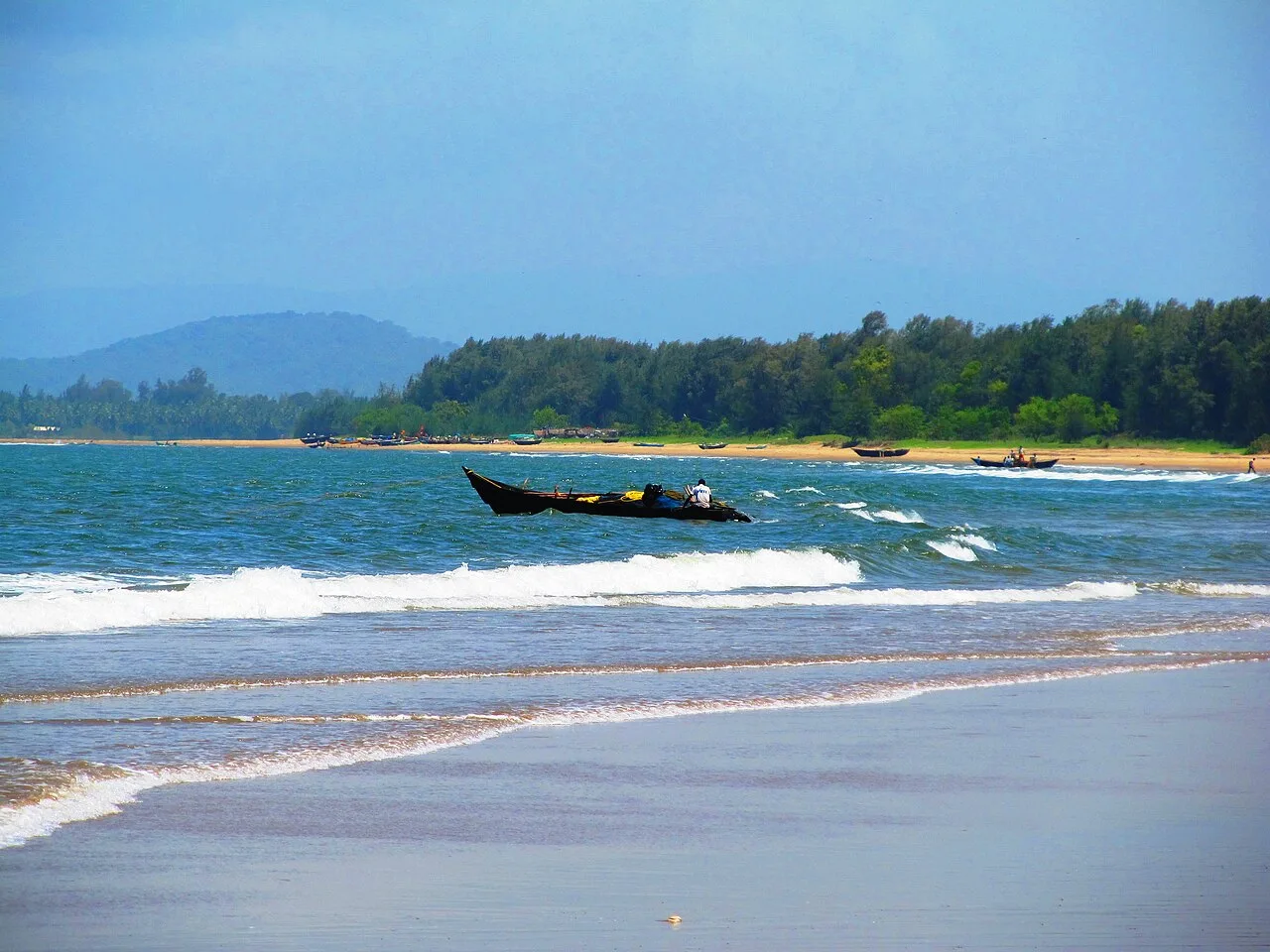
Karwar Beach Town
Karwar is a coastal city and taluka in Karnataka, serving as the administrative centre of Uttara Kannada district. Visitors come for its setting on the Konkan shore by the Kali river.
Key facts · verified by Ghumoopedia editors
- Type of place
- Natural attraction
- Best time to visit
- October to February; June to September for monsoon greenery in the Western Ghats
- Nearest railway station
- Karwar · about 1 km (straight line)
- Nearest airport
- Hubballi Airport · about 120 km (straight line)
- Verified
- 21 Nov 2026
Plan a trip from Karwar Beach Town — a day-by-day route through places nearby.
Karwar is a coastal settlement in Karnataka, India. It serves as the administrative centre for Uttara Kannada district and is also a taluka, with both district and local administrative roles. The town lies where the Kali river meets the coast, in the Konkan region. Its position by the river mouth gives it a distinct coastal setting. In the past, Karwar formed part of the Bombay Presidency. Today, it is a city in Karnataka, and its location on the Konkan coast remains a defining feature. Karnataka holds the boulder-strewn ruins of Hampi, the Hoysala temple jewels of Belur and Halebidu, the Chalukyan monuments of Badami, Aihole and Pattadakal, the palaces of Mysuru, the coffee hills of Coorg and Chikkamagaluru, the temple-and-beach town of Gokarna and the tiger forests of Bandipur and Nagarhole. Bengaluru and the plateau are mild most of the year; the coast is hot and humid; the Malnad hills (Coorg, Chikkamagaluru, Agumbe) get very heavy monsoon rain from June to September. October to February is pleasant almost everywhere. The usual best time to visit is October to February; June to September for monsoon greenery in the Western Ghats. Timings, fees and access arrangements must be confirmed locally. For official information, see Karnataka Tourism at https://karnatakatourism.org.
Why it matters
Karwar is a coastal city and the administrative headquarters of Uttara Kannada district, set where the Kali River meets the Arabian Sea. Its estuary, beaches and island-studded coastline give it local importance as a place for fishing, port activity and coastal recreation. Karwar also has a wider strategic role because of its harbour and naval presence; some areas are therefore restricted. The city was formerly part of the Bombay Presidency and is now in Karnataka. It is a useful base for exploring the northern Karnataka coast and nearby parts of the Western Ghats. Karwar itself is not a UNESCO World Heritage Site, and visitors should not assume that every beach or coastal area has the same access rules.
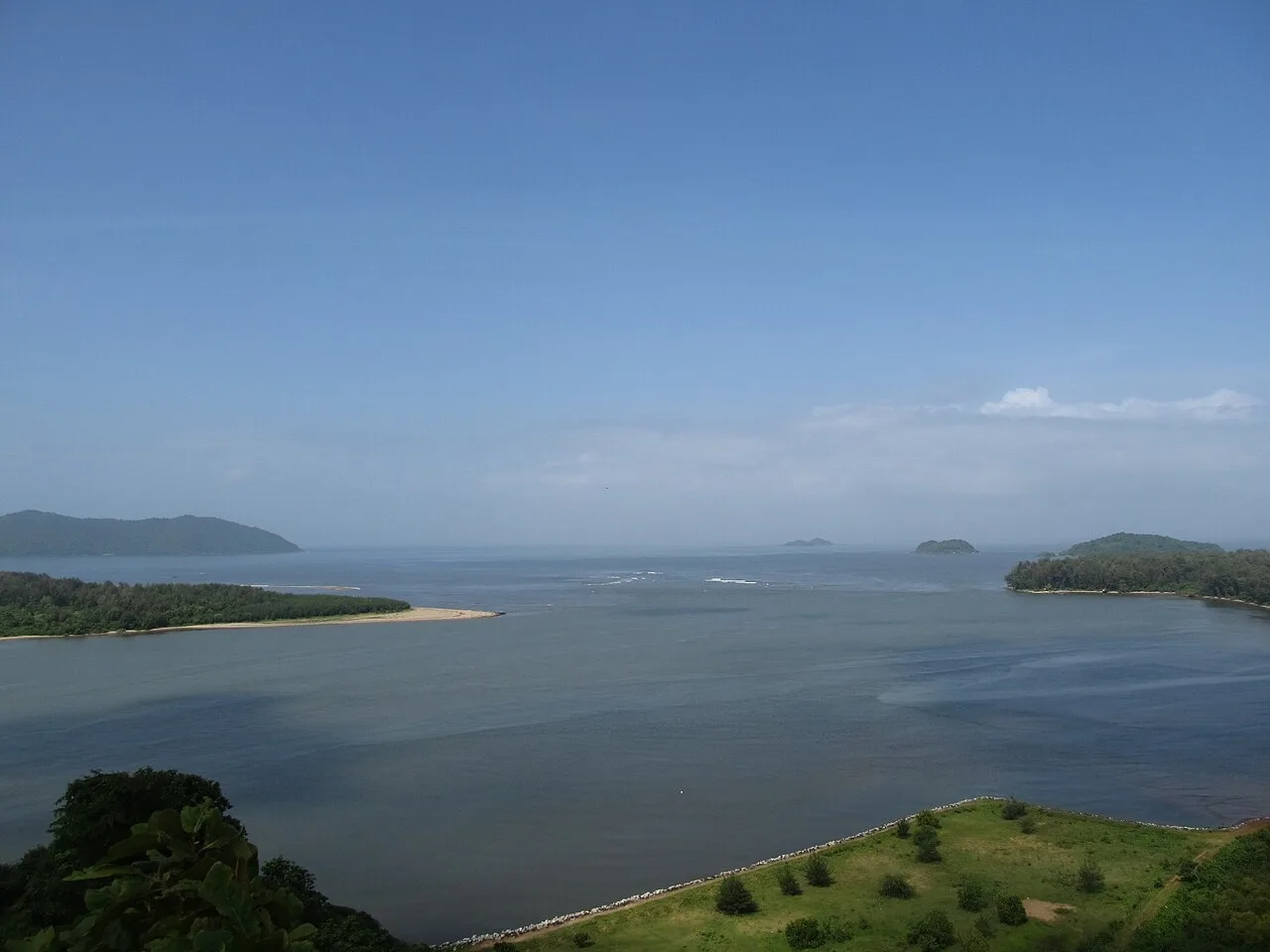
Karwar developed around a sheltered coastal setting at the mouth of the Kali River, where the estuary offered a natural location for maritime activity. The wider Uttara Kannada coast had connections with regional sea trade and passed through the influence of successive local and Deccan powers; political control and port activity changed over time. Under British rule, Karwar became an administrative centre in the Bombay Presidency, a connection reflected in the region’s colonial-era records and institutions. The district was later included in Karnataka during the reorganisation of Indian states along linguistic lines in 1956; it is now called Uttara Kannada. The city’s port and harbour have continued to shape its economy and strategic importance, alongside fishing and other coastal livelihoods. Karwar also has a literary association: biographical accounts record Rabindranath Tagore’s visit to the area in the nineteenth century, and the coastal landscape is linked with his early writing. Nearby Sadashivgad Fort belongs to the region’s layered political history, but it is a separate site from the beach. There is no single restoration history that applies to Karwar’s coastline as a whole; maintenance and access are handled by different local authorities.
Origin stories & folklore
Stories about the Kali River and the coast form part of local oral tradition, but accounts of their origins vary. Some people associate the river’s name with the goddess Kali; this is a belief about the name, not a settled historical explanation. Local stories also connect nearby Sadashivgad with past rulers and changing control of the river mouth. Such traditions can be meaningful ways communities remember the landscape, but they should not be treated as verified accounts of the fort’s construction or of Karwar’s origins. Visitors interested in these stories can ask local guides or residents respectfully, while recognising that some family, religious or community knowledge may not be intended for public retelling.
Use Karwar Beach Town as a base to understand local life: walk through the market, look for local crafts such as Channapatna toys, Ilkal and Mysore silk sarees or Coorg coffee and honey and ask your host about nearby viewpoints and short excursions. Always ask before photographing people, homes or ceremonies. A comfortable itinerary is one main visit in the morning, a local meal at midday and a short nearby stop before an afternoon return. Use the district list on this site to find other places in Uttara Kannada, but check the route and its condition before combining stops. If a festival is on — such as Mysuru Dasara, the Hampi Utsav, the Kambala buffalo races on the coast or the Karaga in Bengaluru — roads and stays can be busy, and the experience can be unforgettable. Leave no litter: many sites are protected by the communities around them.
Suggested itineraries
Half day: Start with a relaxed walk at Tagore Beach (about 1–2 hours), visit the Kali River waterfront or a nearby viewpoint (about 1 hour), then pause for a local meal (about 1 hour). Full day: Spend the morning at Tagore Beach (about 2 hours), explore the Kali River estuary or Sadashivgad area (about 2 hours), take a meal break (about 1 hour), then choose a nearby beach or an authorised boat outing if conditions allow (about 2–3 hours). Gentler option: Choose one accessible beach-side viewpoint, keep the walk short, and spend the rest of the visit seated at a suitable café or shaded public area; check surfaces and facilities locally.
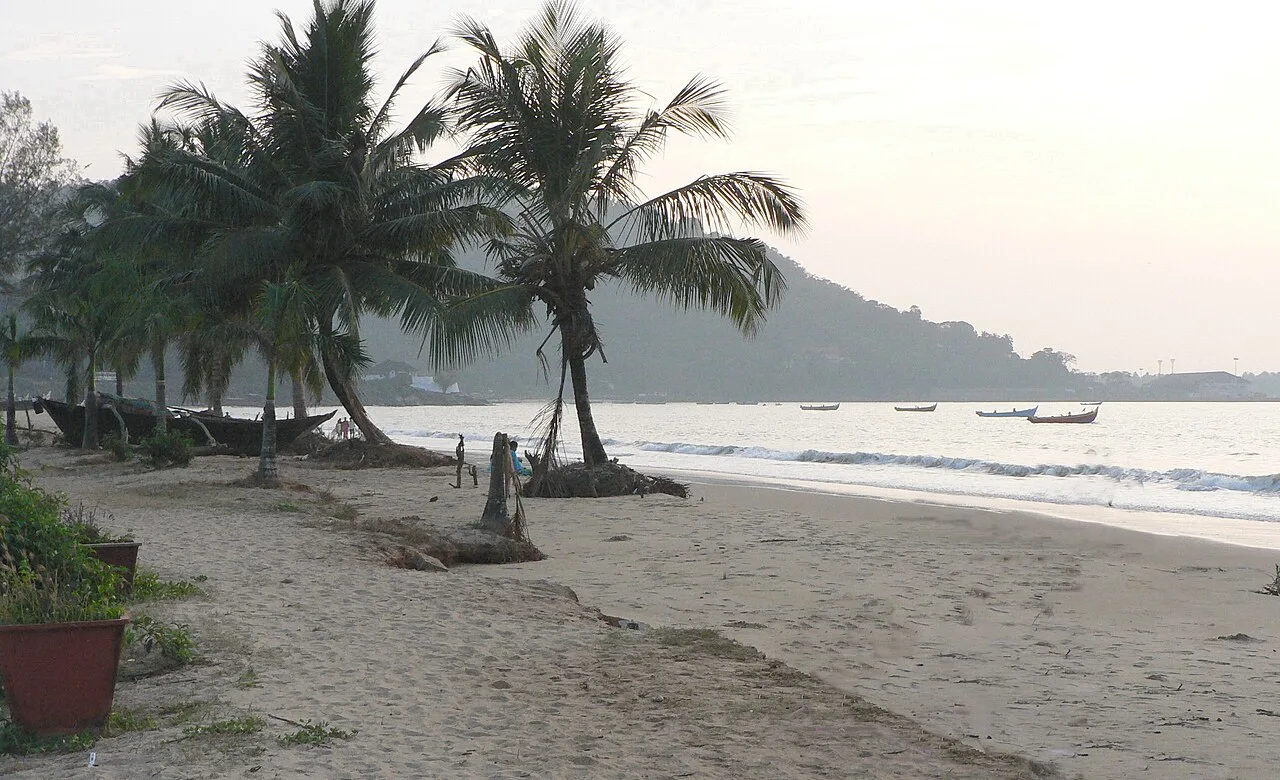
Life in Karwar reflects its coastal setting and its position near the Karnataka–Goa border. Kannada is widely used, alongside Konkani and Marathi; other languages are also heard in this district town. Fishing, seafood preparation and the rhythms of the harbour are visible parts of everyday life. Coastal Karnataka traditions include Yakshagana, devotional music and seasonal community gatherings, though performances are not necessarily scheduled for visitors. Clothing is varied, with everyday modern dress and traditional attire appearing at religious and family events. Hindu, Muslim and Christian communities contribute to the town’s public and social life. Ask before photographing people, homes, worship or ceremonies, and follow local guidance at religious places.
Local communities
Karwar’s residents include fishing families, traders, port and service workers, government employees and people connected with nearby villages. Fishing and fish vending remain important coastal livelihoods, while the harbour, transport, tourism and public administration support other work. Kannada-, Konkani- and Marathi-speaking communities have long-standing connections with the wider region, alongside other groups who have settled in the district. Island and shoreline communities may have distinct routines shaped by tides, weather and boat access. Visitors should treat working waterfronts as workplaces: keep clear of equipment, do not interfere with landing or selling activity, and ask permission before taking photographs.
Festivals & events
Ganesh Chaturthi, Navratri and other Hindu observances are marked in Karwar, while Eid and Christmas are celebrated by local Muslim and Christian communities. Dates follow religious calendars and vary from year to year. Coastal Karnataka also has seasonal fairs and cultural programmes; a Karavali Utsav or similar public event may be organised, but schedules are not guaranteed annually. Kambala races take place at venues elsewhere along the coast rather than being a regular beach event in Karwar. During major celebrations, processions and gatherings can make central roads and accommodation busier. Check local announcements before planning around an event.
Local food in Karnataka includes bisi bele bath, Mysore masala dosa, ragi mudde with sambar, Coorg's pandi (pork) curry, Mangalorean fish curry with neer dosa, Davangere benne dosa, Dharwad pedha and filter coffee everywhere. Ask what is fresh that day; many small eateries cook a limited daily menu. Vegetarian travellers eat very well across the state; the coast is the place for seafood, and Coorg has its own distinctive cuisine. Don't miss a tiffin breakfast of idli, vada and filter coffee. Remote sites may have no restaurant at all. Carry water and snacks, eat a proper breakfast before long drives, and ask your accommodation for a packed lunch if you are heading out early. Try a home-cooked or local thali meal when you can — it is often the best food on the route. Choose busy, clean places, drink sealed or filtered water, and carry your packaging back with you.
Shopping & local experiences
Karwar’s town markets are the practical place to look for everyday goods, seasonal produce and locally sold fish. Coastal food experiences may include fresh seafood and regional preparations, with availability depending on the catch and season. Cashew, kokum and spices are products associated with the wider coastal region, though their origin and production vary; ask sellers rather than assuming an item is locally made. Karnataka crafts such as Ilkal textiles or Channapatna toys are not specific to Karwar, so treat them as regional shopping finds rather than local crafts. Buy from established sellers, carry reusable bags and ask before photographing market stalls.
Karwar’s landscape combines sandy shores, rocky sections, the broad Kali River estuary and the Arabian Sea. The river mouth and nearby islands shape local currents and create varied coastal habitats; mangrove patches and other estuarine vegetation occur in the wider area. The coastline is backed in places by tropical vegetation, while the forested Western Ghats lie inland. Shorebirds and waterbirds may be seen around beaches, mudflats and estuary edges, with sightings depending on season, tide and disturbance. Marine life is part of the local environment, but encounters with dolphins or other wildlife should never be expected. Monsoon rain can bring rough seas, strong currents and changing access conditions. Do not enter the water where warning signs, surf or local advice indicate danger.
October to February; June to September for monsoon greenery in the Western Ghats
The nearest principal railway station by straight-line distance is Karwar, roughly 1 km away. The nearest operating airport by straight-line distance is Hubballi Airport, roughly 120 km away. These figures are calculated from map coordinates — actual road distance is longer. Bengaluru is the hub for the south and centre; Hubballi and Belagavi serve the north; Mangaluru serves the coast; Mysuru is the gateway to Coorg, and Hosapete is the railhead for Hampi. KSRTC buses connect the district towns, and the coast is served by the Konkan Railway with frequent buses from Mangaluru and Udupi. For Hampi, take a train or bus to Hosapete and an autorickshaw for the last 13 km. When comparing train, bus and flight, count the complete door-to-door time: a flight saves the most time only if the onward road transfer is short, while an overnight train can save a hotel night. Book your return before you leave, because seats fill quickly on weekends, festivals and holidays. Current train numbers, timings, return services and fares are not listed here; check IRCTC and NTES for trains and the airline's own schedule for flights. No permit is needed to visit Karnataka. Tiger safaris in Bandipur, Nagarhole and the Kali Tiger Reserve must be booked in advance through the forest department or authorised lodges — weekend slots sell out. Treks in Kudremukh National Park and some Western Ghat peaks need forest entry permission. Hampi's monuments have ASI entry tickets; the core zone is best seen with a bicycle, moped or autorickshaw for the day.
Confirm onward and return timings on IRCTC / NTES, the state bus operator or your airline before travel. A dash means current timings or fares have not been verified.
Getting around
Autos and hired cars or taxis can help visitors move between the town, beaches and nearby viewpoints; availability may vary by location and season. The town centre and some beach stretches can be explored on foot, but heat, traffic and uneven sand make longer walks tiring. Local buses serve routes within the district, though visitors should check routes and service conditions locally. Boats to islands or beach areas should be taken only through authorised operators, with weather and landing conditions confirmed first. Parking may be available near developed access points but can be limited during busy periods. Keep clear of port, naval and fishing operations.
Hours, tickets & permissions
Public access arrangements differ between beaches, waterfront areas, islands and managed attractions. Some locations may have entry controls, local permissions, boat-landing rules or restrictions because of port, naval, forest or other protected activity. Camera and drone rules can also vary, especially near strategic installations. Do not cross barriers or photograph restricted facilities. Carry identification if requested by an authorised official, and follow notices about swimming, fires, litter and dress at religious sites. Confirm current access rules, hours and any fees with the relevant local or managing authority before setting out.
Facilities
Facilities vary by beach and season. Developed areas in town may have food stalls or restaurants, drinking water, toilets and parking nearby, but these should not be assumed at quieter shoreline locations. Shops, pharmacies, banks and ATMs are easier to find in the town centre than at remote beaches. Guided visits and boat trips may be available through local operators; check credentials, safety equipment and weather arrangements before booking. Carry water, sun protection and any personal medication, and take rubbish back with you if bins are unavailable. Confirm current facilities locally, particularly after heavy rain or during quieter periods.
Accessibility
Access depends on the beach and route. Sand, rocks, uneven paths and changes in tide can make shoreline walking difficult, while the heat and limited shade may affect older visitors and young children. Some viewpoints or waterfront areas may be reached from roads, but step-free routes, ramps and accessible toilets cannot be assumed. Wheelchair users and visitors with strollers should check the exact approach and surface with a local contact before travelling; soft sand is generally difficult to cross. Keep walks short, choose a firm public access point where available, and avoid slippery rocks or water’s edge during rough conditions. A companion can help, but should not attempt unsafe lifting on sand or steps.
No permit is needed to visit Karnataka. Tiger safaris in Bandipur, Nagarhole and the Kali Tiger Reserve must be booked in advance through the forest department or authorised lodges — weekend slots sell out. Treks in Kudremukh National Park and some Western Ghat peaks need forest entry permission. Hampi's monuments have ASI entry tickets; the core zone is best seen with a bicycle, moped or autorickshaw for the day. Carry a photo ID at all times and save the emergency number 112 and your accommodation's contact offline. Heat in summer and heavy rain in the monsoon are the main weather risks; carry water, avoid midday sun and allow extra time when roads flood. Watch your belongings in crowds and on public transport, and follow posted instructions.
Photography
Soft morning or late-afternoon light can suit beach, estuary and coastal scenes; viewpoints near the Kali River offer changing views with tide and weather. Photography is generally appropriate in public areas, but follow signs and instructions at port, naval and other restricted locations. Ask permission before photographing residents, fishers at work, homes, children or religious ceremonies. Drone use may require permissions and can be prohibited near strategic sites, wildlife areas or crowds, so check rules before flying. Avoid blocking paths, disturbing birds or leaving equipment and litter behind.
Choose a stay by the full journey to Karwar Beach Town, not just the district name. Bengaluru, Mysuru and Mangaluru offer the widest choice; Hampi has guesthouses on both banks of the Tungabhadra, Coorg has plantation homestays and resorts, and the forest lodges at Bandipur and Nagarhole book out early. In summer, check air-conditioning; in the monsoon, check that the property is accessible if roads flood. Book in advance for weekends, festivals and the peak season (October to February; June to September for monsoon greenery in the Western Ghats). Confirm the exact location, meals included, check-in time and cancellation terms in writing. Avoid sending money to unverified contacts or touts at stations. Carry some cash, as card and digital payments can be unreliable in remote areas.
Sadashivgad Fort overlooks the Kali River area and offers a historical stop, subject to current access conditions. Devbagh and Majali are other coastal areas visitors may consider, while Kurumgad is an offshore island where access depends on authorised boat arrangements and sea conditions. Binaga is associated with the INS Chaple War Museum; check its current public access rules before including it. Further afield in Uttara Kannada, Gokarna is known for its temple and beaches, Yana for its distinctive rock formations, and the Dandeli–Anshi region for forest and river landscapes. Check routes and travel conditions before combining these places.
For couples, Karwar Beach Town rewards a slow pace: arrive early for soft light and fewer crowds, share a local meal and keep the evening free. A sunset over Hampi's boulders, a coffee-estate walk in Coorg or a quiet evening on a Gokarna beach makes the trip memorable. Public displays of affection can be frowned upon in conservative communities and at religious sites, so be discreet. Keep a buffer in your itinerary, because weather and road conditions can delay plans.
Q: How much time should I allow for Karwar Beach Town? A: A half day can suit a beach and waterfront visit; allow a full day if adding nearby stops, and check travel conditions. Q: When is a comfortable season to visit? A: October to February is generally pleasant. The June-to-September monsoon brings greenery but can mean rough seas and disrupted access. Q: Is there an entry fee or permit? A: Rules depend on the specific beach, island or managed site. Confirm current entry requirements and fees with the relevant authority or operator. Q: Is Karwar suitable for children and older visitors? A: It can be, if you choose a suitable public access point and keep walks modest. Sand, heat, currents and uneven surfaces need consideration. Q: Can I stay nearby? A: Karwar has accommodation options in town. Availability and suitability vary, so check current facilities and book ahead during busy periods.
Be the first to share photos, stories, advice or a helpful contact for Karwar Beach Town.
Loading…