Ghumoopedia — Explore, Discover, Experience
Sign in
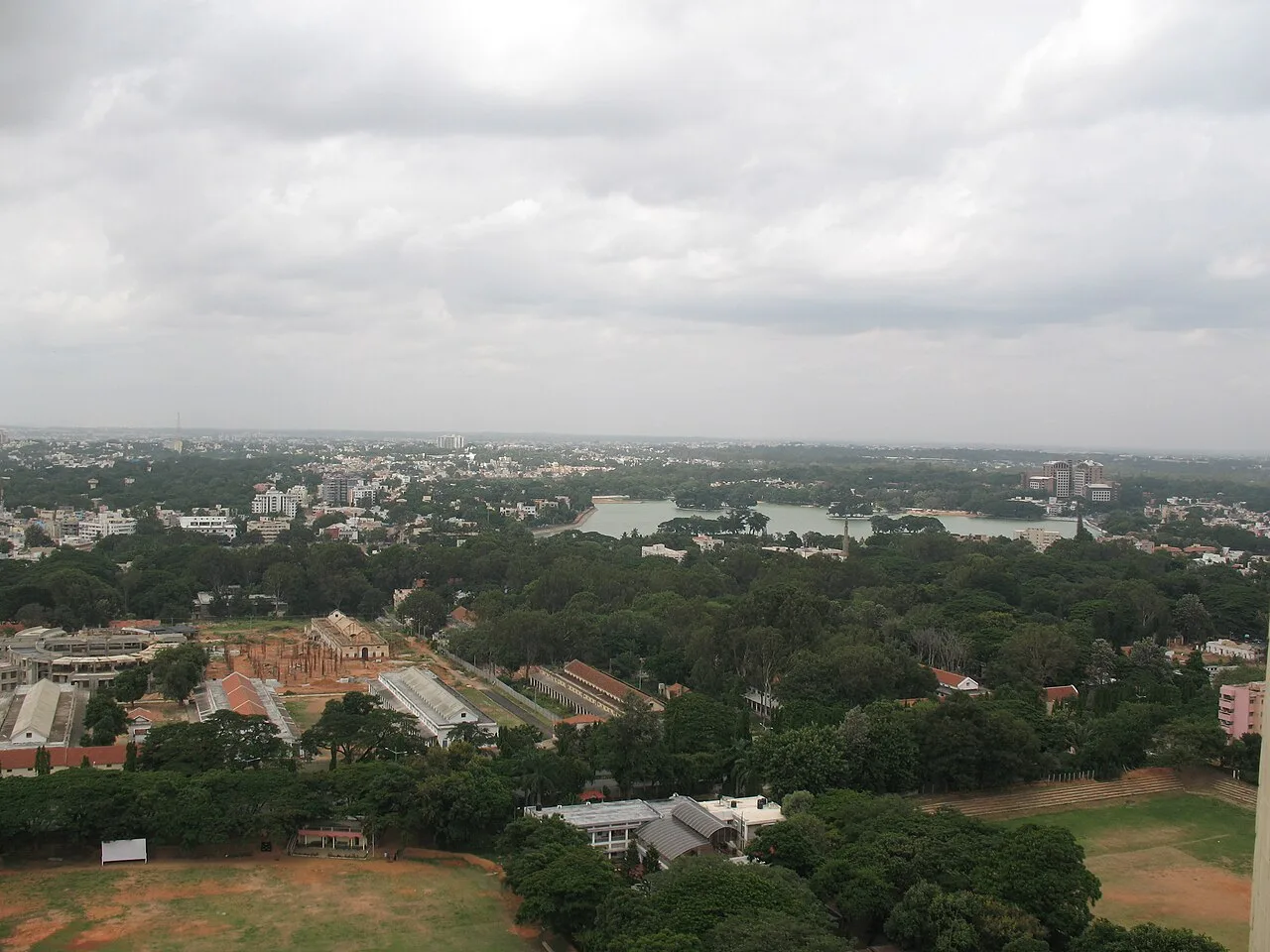
Ulsoor Lake, near Malur

City guide · Karnataka

Malur

Malur is a town in Kolar district, eastern Karnataka, serving as the administrative centre of its taluk. Its location about 50 kilometres from Bengaluru and 30 kilometres from Kolar connects it to the capital’s wider economy while keeping it rooted in the towns and farming communities of the Kolar region.

Famous for

  • Kolar district taluk centre
  • Bengaluru–Chennai rail link
  • Agricultural hinterland
  • Kannada–Tamil borderland
  • Regional manufacturing activity

Why Malur matters

Malur is a town in Kolar district, eastern Karnataka, serving as the administrative centre of its taluk. Its location about 50 kilometres from Bengaluru and 30 kilometres from Kolar connects it to the capital’s wider economy while keeping it rooted in the towns and farming communities of the Kolar region. The railway line and road links make Malur a practical stop for local travel and business rather than a major sightseeing destination in its own right.

Visitors encounter a working town with everyday markets, places of worship and a surrounding rural landscape. Malur’s position near the Tamil Nadu border is reflected in the movement of people and trade across the region. Its appeal lies chiefly in this mix of regional access and local life: it offers a quieter base outside Bengaluru, with Kolar and other eastern Karnataka destinations within reach. Agriculture, local commerce and growing manufacturing activity all contribute to its contemporary importance.
Famous for: crafts, trade & products

Malur is better known as a regional service and trading town than as a centre for a signature textile, handicraft or GI-tagged product. There is no widely established Malur saree or craft tradition to seek out as a defining local specialty. Its shops and everyday bazaar serve residents from the town and nearby villages, with general household goods, food and farm-related trade forming part of ordinary commercial life. For locally made or seasonal products, the town’s central shopping streets are the most practical place to look.

The surrounding taluk has an agricultural base, while Malur’s position on a major eastward transport corridor has supported manufacturing and other commercial activity. Businesses and industrial premises are found around the town and its outskirts, but these are working areas rather than visitor attractions. Travellers interested in the region’s economy can get a sense of it from the town’s markets, transport connections and roadside commercial activity. For specialist crafts, branded products or a wider selection of goods, Bengaluru and larger district centres offer more choice.

History

Malur’s history is closely tied to that of the Kolar region, an area shaped over centuries by changing South Indian kingdoms and regional powers. The wider region came under the influence of the Western Gangas and later the Cholas, whose rule extended into parts of present-day Karnataka. Subsequent centuries brought the Hoysalas and Vijayanagara rulers, followed by the Wodeyar kingdom of Mysore. These shifts affected local administration, religious institutions and patterns of landholding, though the town’s development was primarily regional rather than that of a major royal capital.

Under British rule, the Kolar area became part of the wider administrative and commercial network around Mysore and Bengaluru. In the modern period, Malur grew as a taluk headquarters, serving nearby villages with government offices, markets and transport links. Its railway connection and proximity to Bengaluru encouraged movement of people and goods. More recently, road access and industrial expansion in the wider corridor have strengthened its role as a small but connected centre in eastern Karnataka.

Food, festivals & culture

Kannada is the principal language of public life in Malur. Tamil and Telugu are also heard, reflecting the town’s position near state borders and the movement of families and workers through the region. Everyday food follows the broader South Indian and Karnataka pattern: rice-based meals, idli, dosa, sambar and local vegetarian dishes are readily found. There is no single sweet or dish that is especially identified with Malur, so visitors can explore ordinary eateries and shops for regional home-style cooking.

Ugadi, usually celebrated in spring, and harvest-season observances such as Sankranti are important across Karnataka. Deepavali and Ganesh Chaturthi are also widely marked, alongside local temple festivals whose timing varies by community and shrine. Religious life is centred on neighbourhood temples and other places of worship, which become focal points during festivals. Music and dance are generally encountered through devotional events, school and community programmes, and celebrations; classical and popular Kannada forms sit alongside influences from neighbouring Tamil Nadu.

Visiting the city

The cooler months, broadly from November to February, are generally comfortable for exploring Malur. Summers are warm, while the town’s climate is similar to Bengaluru’s, with relatively mild winters. The nearest major airport is Kempegowda International Airport in Bengaluru. Malur railway station is the town’s main rail access point, and road connections link it with Bengaluru, Kolar and nearby settlements.

Auto-rickshaws and local vehicles are useful for short journeys; confirm availability and arrangements locally. The town centre and bazaar are good places to see everyday commerce, while the railway-station area offers a sense of Malur’s transport links. Neighbourhood temples and the surrounding countryside can be explored at an unhurried pace. Malur works well as a brief stop or a base for regional travel rather than as a destination with a concentrated tourist district.

Trips from the city

Nearest places to visit from Malur

Our closest destination guides, by straight-line distance.

23 km away · Kolar district

Antaragange Caves

Antaragange, also called Anthargange, is a granite mountain in Karnataka’s Kolar district, drawing visitors to its Shiva temple, caves and opportunities for trekking and camping.

Ulsoor Lake

35 km away · Bengaluru Urban district

Ulsoor Lake

Ulsoor Lake, also called Halasuru Lake, is one of Bengaluru’s largest lakes. Visitors can see its islands and a waterbody associated with the city’s past.

Kolar Gold Fields

36 km away · Kolar district

Kolar Gold Fields

Kolar Gold Fields is a mining area in Karnataka’s Kolar district. Its gold-mining past, early electricity infrastructure and links to particle-physics research give visitors reasons to explore its history.

St. Mary's Basilica

36 km away · Bengaluru Urban district

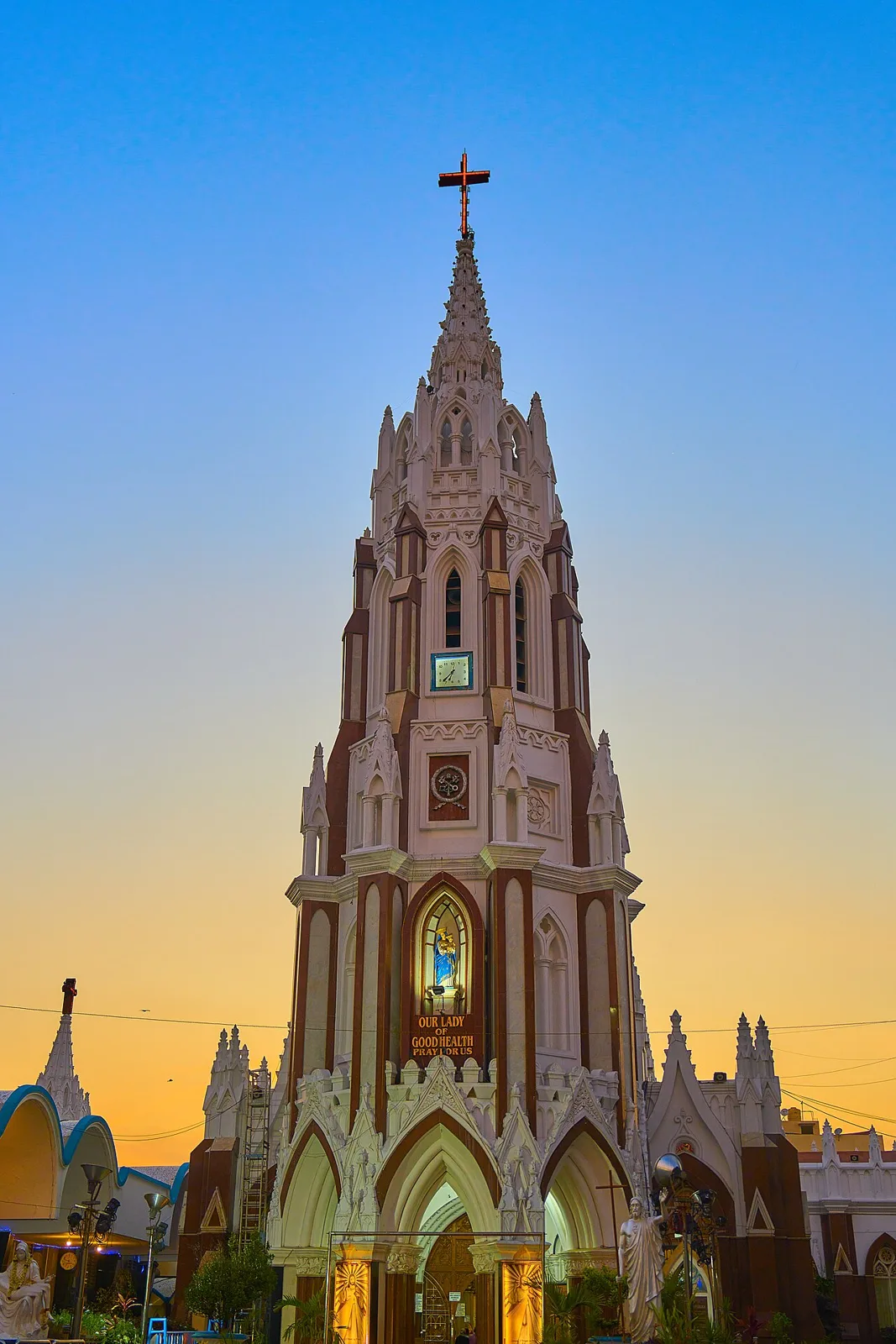
St. Mary's Basilica

In Bengaluru Urban district, St. Mary's Basilica is a shrine in Shivajinagar, also called Blackpally. Visitors come for its September feast, which draws devotees from across Bangalore’s metropolitan area.

Bengaluru Palace

37 km away · Bengaluru Urban district

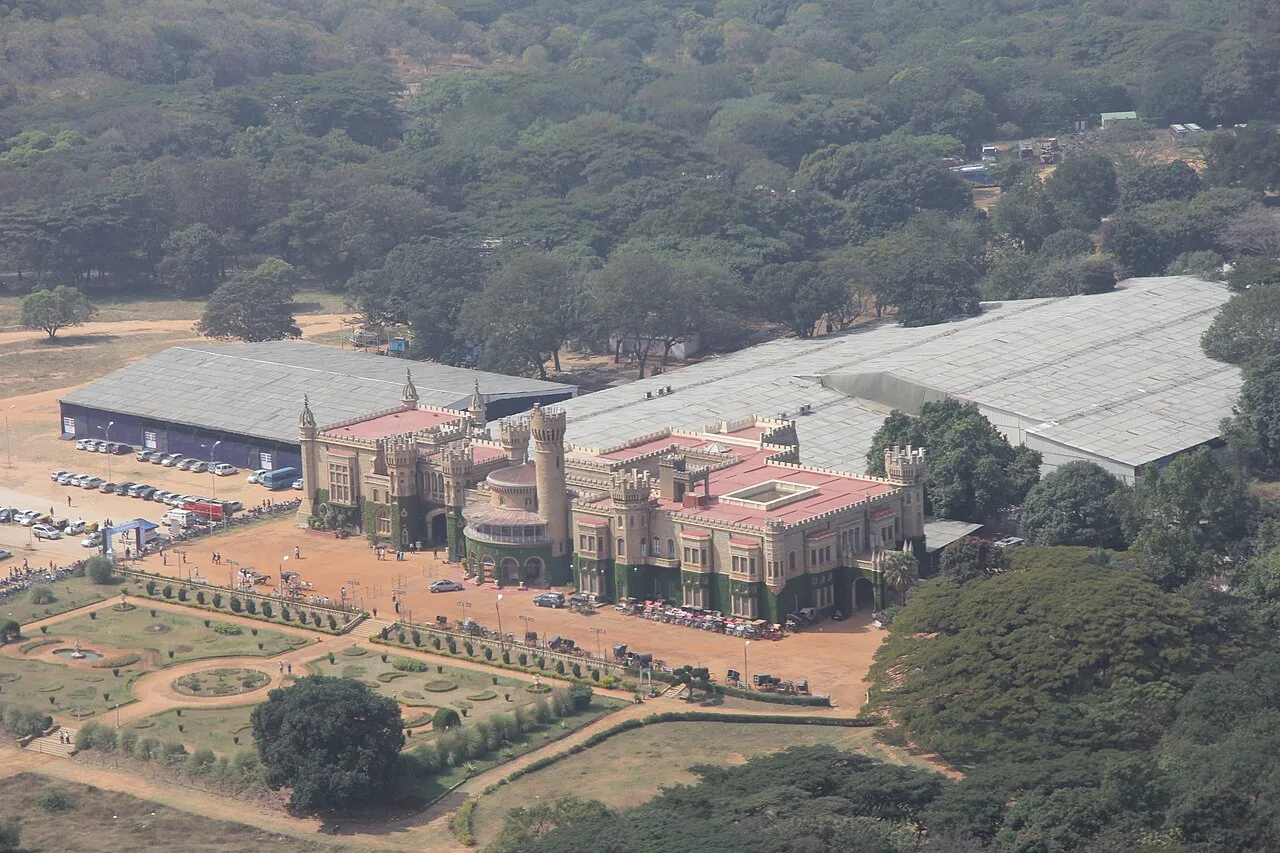
Bengaluru Palace

Bengaluru Palace is a nineteenth-century royal landmark in Bengaluru, Karnataka; visitors can view it and find fairs, events and an amusement park on its grounds.

Cubbon Park

37 km away · Bengaluru Urban district

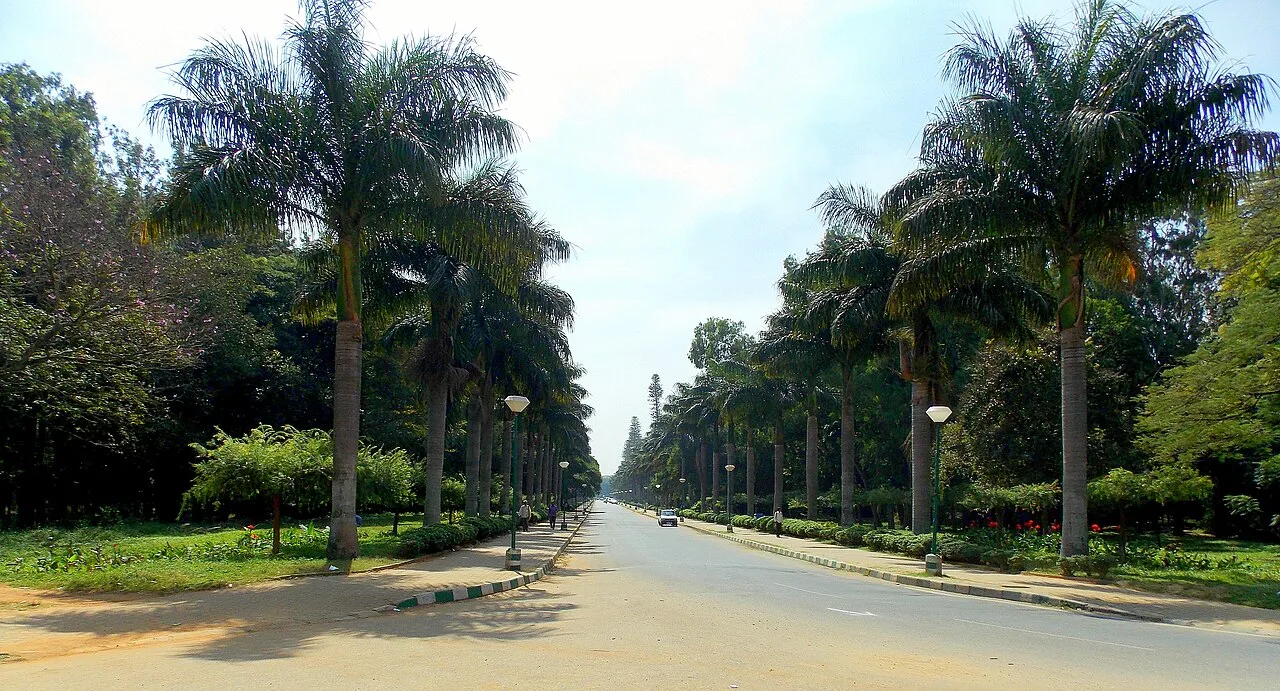
Cubbon Park

Cubbon Park, officially Sri Chamarajendra Park, is a historic public park in Bengaluru’s Central Business District, known for its greenery, monuments, walking routes and plant life.

Visvesvaraya Industrial and Technological Museum

37 km away · Bengaluru Urban district

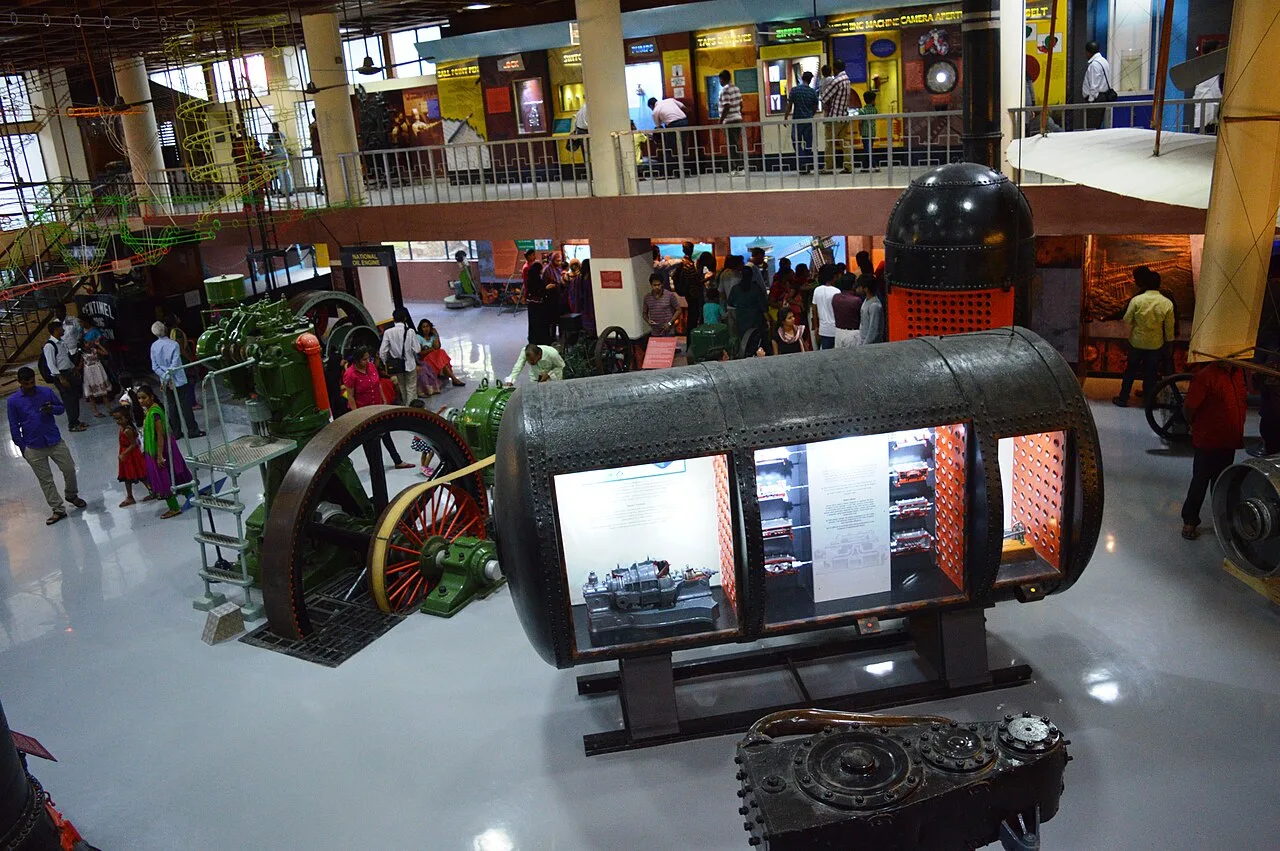
Visvesvaraya Industrial and Technological Museum

A science and industry museum in Bengaluru, VITM honours engineer Sir M. Visvesvaraya. Visitors come to see displays of industrial products, scientific models and engines.

Lalbagh Botanical Garden

38 km away · Bengaluru Urban district

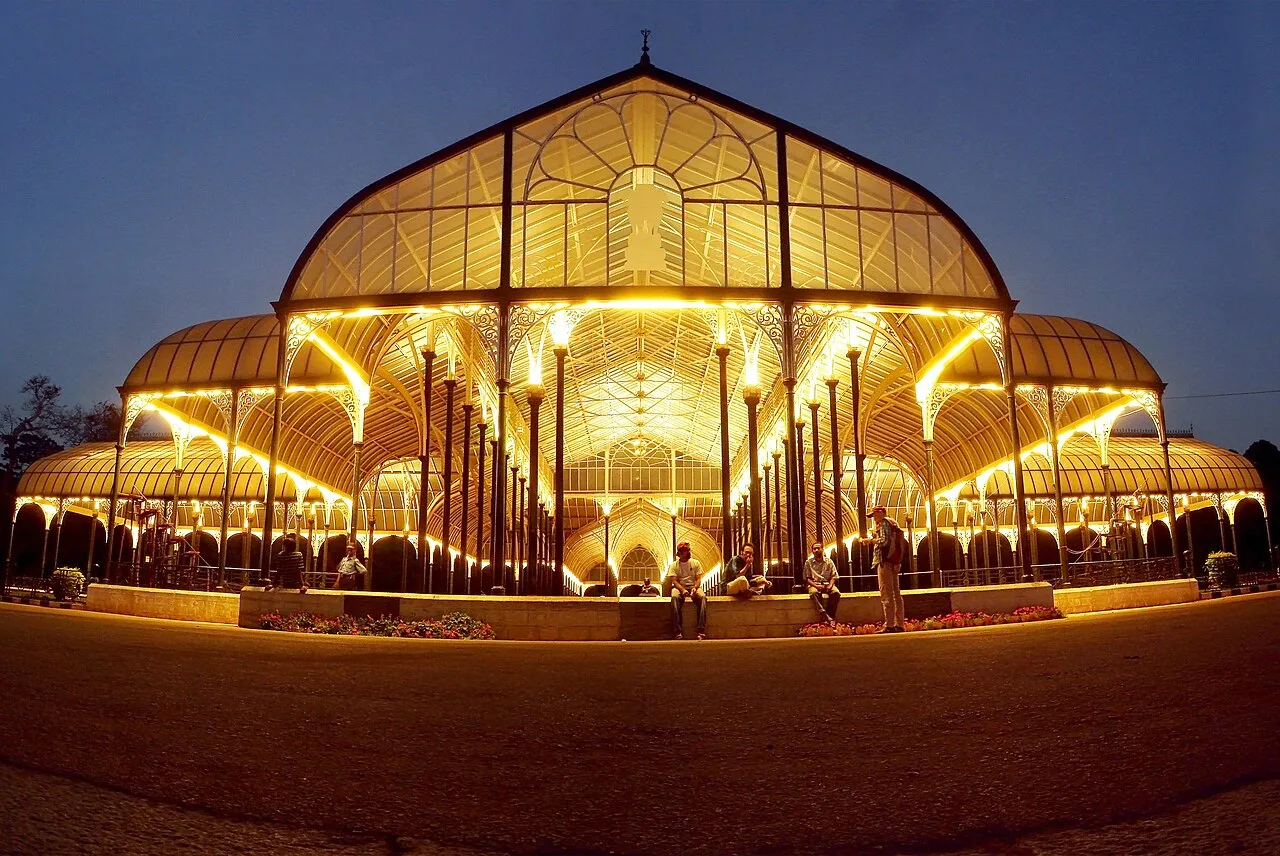
Lalbagh Botanical Garden

A historic garden in Bengaluru, Lalbagh is known for its plant collections, public parkland and flower displays, while also providing habitat for urban wildlife.

Map

Malur on the map

  1. 1Antaragange Caves
  2. 2Ulsoor Lake
  3. 3Kolar Gold Fields
  4. 4St. Mary's Basilica
  5. 5Bengaluru Palace
  6. 6Cubbon Park
  7. 7Visvesvaraya Industrial and Technological Museum
  8. 8Lalbagh Botanical Garden

Karnataka

Other cities to explore