Ghumoopedia — Explore, Discover, Experience
Sign in
Anegundi, near Kampli

City guide · Karnataka

Kampli

Kampli is a small town in Karnataka’s Ballari district and the headquarters of Kampli taluk. Its location, about 15 kilometres from Hampi, connects it to one of South India’s best-known historic landscapes.

Famous for

  • Kampili kingdom heritage
  • Proximity to Hampi
  • Tungabhadra-fed agriculture
  • Tuesday market
  • Rice milling

Why Kampli matters

Kampli is a small town in Karnataka’s Ballari district and the headquarters of Kampli taluk. Its location, about 15 kilometres from Hampi, connects it to one of South India’s best-known historic landscapes. Visitors exploring the Hampi area may find Kampli a quieter place to experience the region beyond its major monuments, with a working town centre and a strong agricultural character.

The Tungabhadra River supports farming around Kampli, where paddy, sugar cane, bananas and coconuts are important crops. The town also serves surrounding villages as a local centre for trade, education and services. Its Tuesday market draws vendors and shoppers dealing in everyday commodities, while rice mills reflect the importance of paddy cultivation to the local economy. Kampli’s historical associations with the medieval Kampili kingdom add another layer of interest to its setting near Hampi. Together, its regional role, river-fed countryside and proximity to heritage sites make it a useful stop for travellers interested in both present-day rural life and the area’s past.
Famous for: crafts, trade & products

Kampli’s best-known products are linked to agriculture rather than to a signature textile or handicraft. Paddy is a major crop, and the town has a sizeable rice-milling sector serving nearby villages and markets. Sugar cane, bananas and coconuts are also grown in the surrounding area, supported in large part by irrigation from the Tungabhadra. The town is not especially associated with a widely recognised GI-tagged product; its identity is more closely tied to farming and local commerce.

For everyday goods and a sense of the local trading scene, the town’s market is busiest on Tuesdays, when vendors bring a range of commodities for shoppers from Kampli and nearby villages. Small shops in the town centre are the practical place to look for household goods and locally traded produce; availability varies with the season. Rice mills are part of the local economy, but they are working facilities rather than visitor attractions, so access should not be assumed. Travellers seeking specialised crafts, textiles or heritage merchandise will generally find a broader selection around the Hampi visitor area than in Kampli itself.

History

Kampli takes its name from the medieval Kampili kingdom, a regional power whose rulers resisted the expansion of the Delhi Sultanate in the early fourteenth century. The kingdom’s defeat came before the rise of Vijayanagara, whose capital developed at nearby Hampi. This places Kampli within a landscape shaped by successive centres of power, although the town’s present-day character is chiefly that of a regional market and agricultural hub.

Over subsequent centuries, the wider Bellary-Hampi region came under changing Deccan and South Indian powers. During British rule, Bellary was administered within the Madras Presidency. After independence and the reorganisation of states, Kampli became part of Karnataka. In modern times, its role has grown through local administration, education, trade and agriculture rather than large-scale tourism. As headquarters of Kampli taluk, the town provides services to surrounding settlements. Irrigated cultivation and rice milling remain important features of its economy, while its closeness to Hampi keeps it connected to the region’s wider historical and visitor circuits.

Food, festivals & culture

Kannada is the principal language of daily life in Kampli; Urdu and Telugu are also heard in the wider region. The town’s culture reflects its agricultural setting and its role as a service and trading centre for nearby villages. Rice, millets and seasonal produce shape everyday meals. Local-style meals may include rice with saaru, vegetable palya and other familiar Karnataka dishes; jowar rotti and ragi preparations are also common across this part of the state. Holige and other traditional sweets are often prepared for festive occasions, though menus vary between households and eateries.

Ugadi, celebrated in spring, and Sankranti, around the harvest season in January, are important occasions, alongside Dasara and Ganesh Chaturthi. Muslim residents observe festivals such as Eid. Community celebrations, family visits and worship are central to these observances. Temples and mosques serve local communities, while music and dance are often part of festival and religious events. Visitors may encounter Karnataka folk and devotional traditions, but performances are not necessarily scheduled for tourists; Hampi’s larger cultural events are a separate draw in the surrounding area.

Visiting the city

The cooler months, roughly October to February, are generally the most comfortable time to visit; summer can be very hot, and monsoon conditions may affect road travel. Jindal Vijaynagar Airport at Toranagallu is the nearest airport commonly used for the area, while Hosapete Junction is a practical main railway gateway for reaching Kampli and Hampi. Check current onward connections before travelling.

Auto-rickshaws and local vehicles can help with short trips in town; taxis or hired cars are useful for visiting Hampi and other sites across the region. Explore Kampli’s town centre and Tuesday market for everyday local life, then take in the river-and-farmland setting around the settlement. Kampli is compact, but distances between villages and heritage sites make planning local transport worthwhile.

Trips from the city

Nearest places to visit from Kampli

Our closest destination guides, by straight-line distance.

Anegundi

13 km away · Vijayanagara district

Anegundi

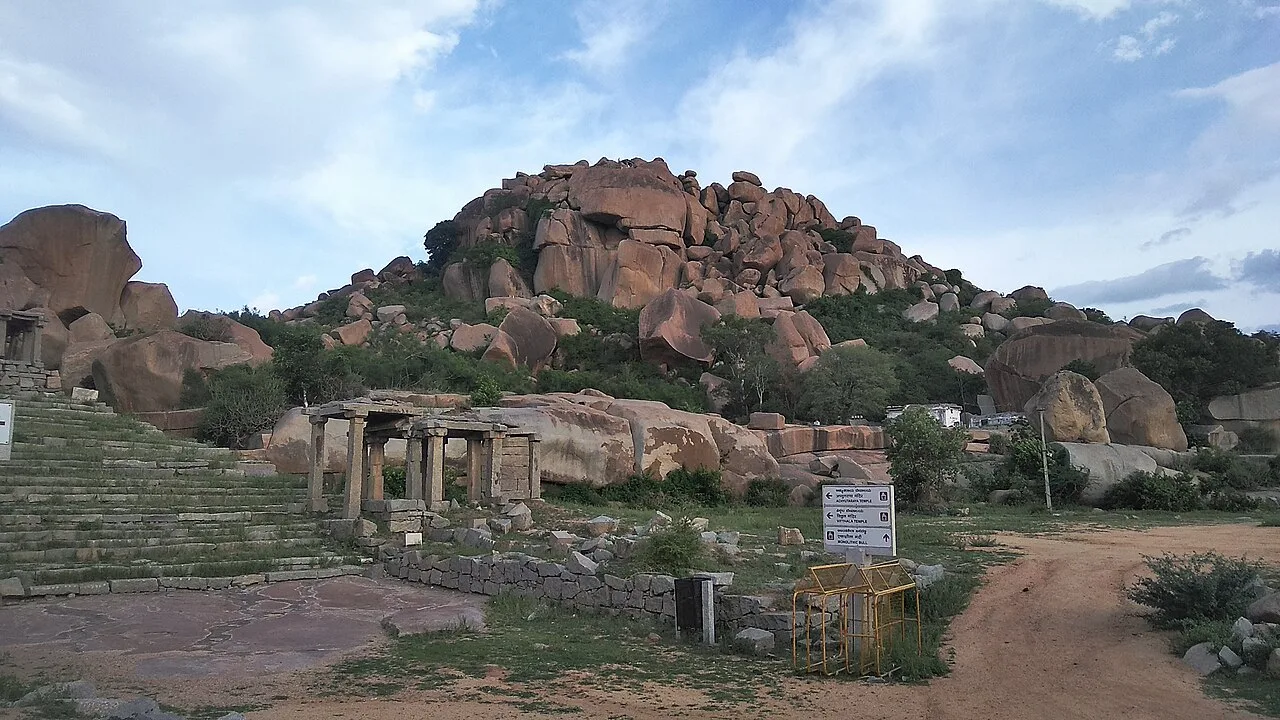
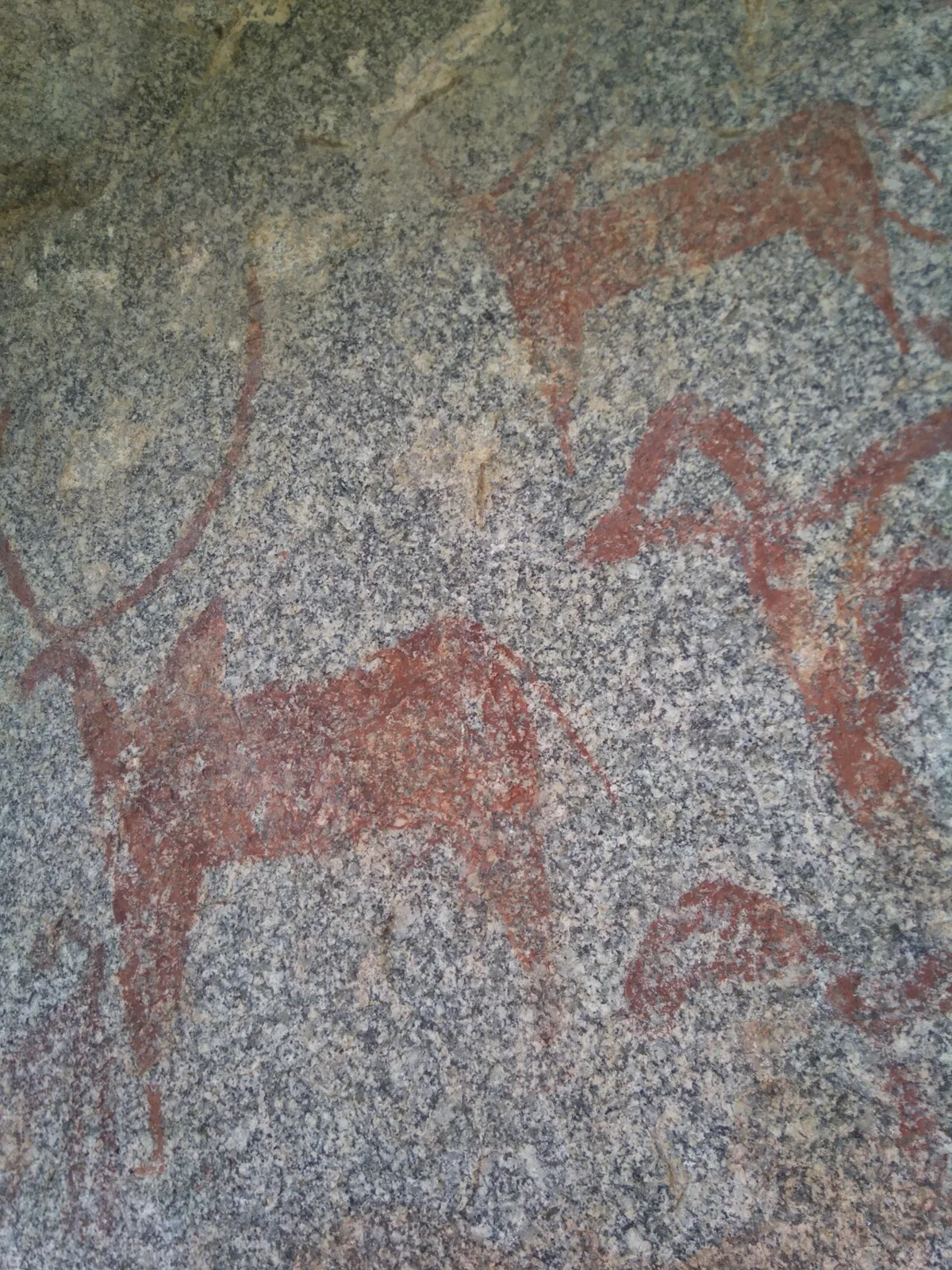
Anegundi is a Karnataka village once known as Kishkindha and considered older than Hampi. Visitors are interested in its historical associations and a nearby ash mound linked by tradition to Vali.

Hampi Monuments

17 km away · Vijayanagara district

Hampi Monuments

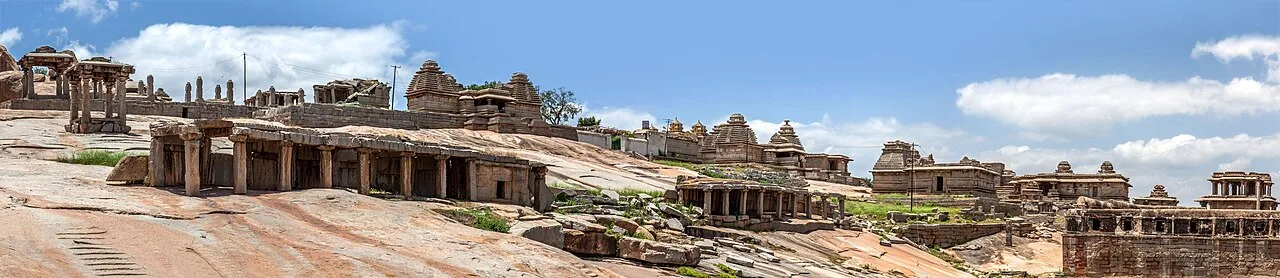
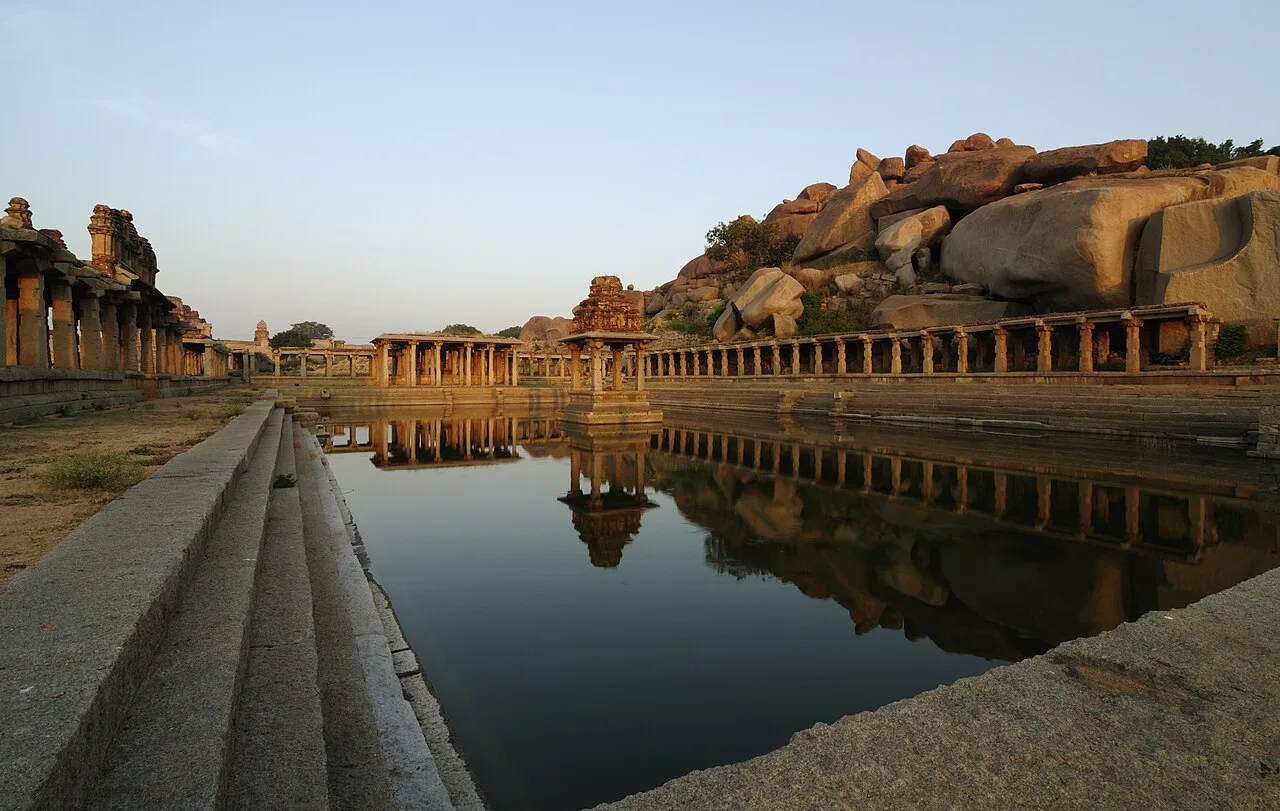
Hampi is a UNESCO-listed archaeological and religious landscape in Karnataka, known for its Vijayanagara-era remains. Visitors come to explore its temples, royal structures and continuing places of worship.

Lotus Mahal

17 km away · Vijayanagara district

Lotus Mahal

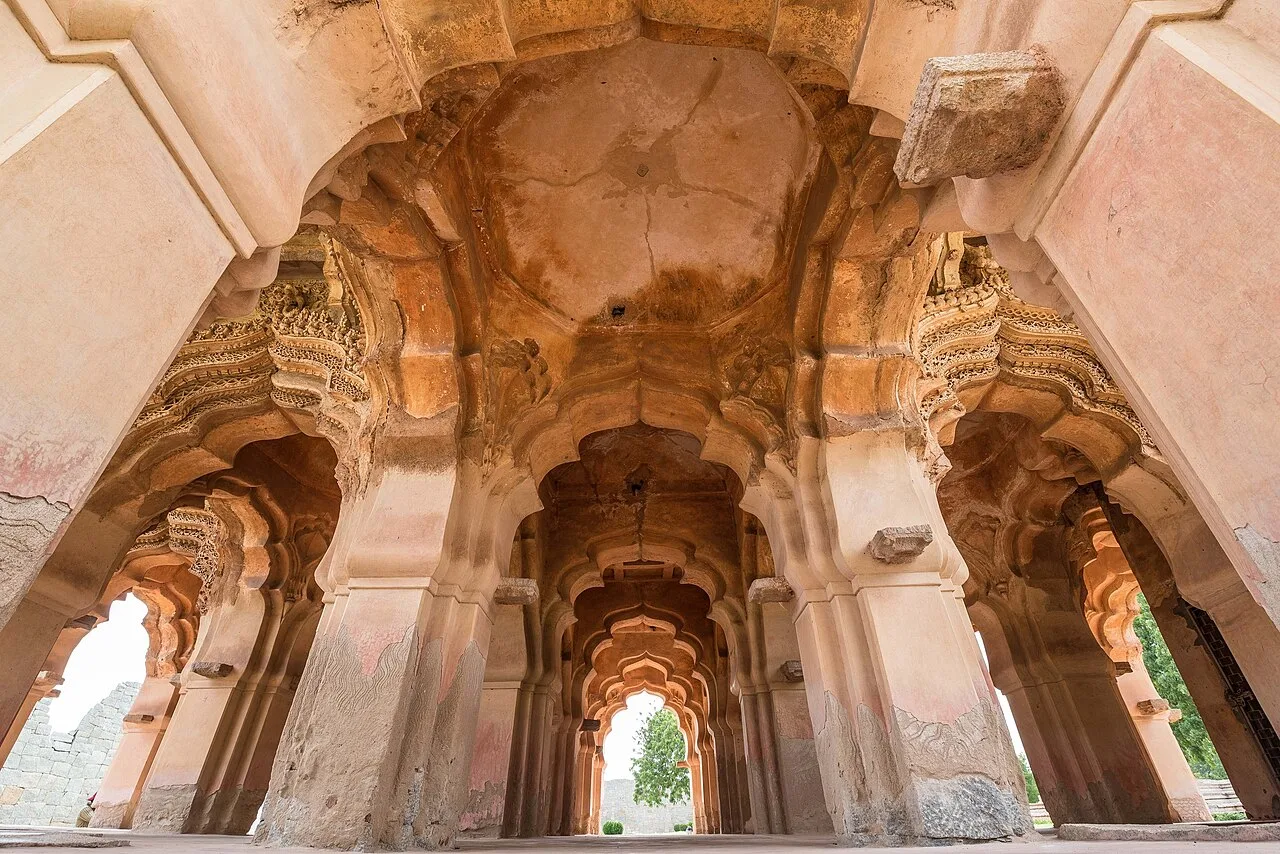
Lotus Mahal, also known as Chitrangini Mahal, is a secular building in Hampi, Karnataka. Visitors come to see its two-storey design, which reflects the architectural tradition of the Vijayanagara Empire.

Matanga Hill

17 km away · Vijayanagara district

Matanga Hill

In Hampi, Karnataka’s Vijayanagara district, Matanga Hill is a rocky rise associated with the Ramayana and the former Vijayanagara capital. Visitors explore its religious associations and place in the region’s history.

Virupaksha Temple

17 km away · Vijayanagara district

Virupaksha Temple

Set beside the Tungabhadra at Hampi, Virupaksha Temple is a historic Shiva shrine and the site’s principal pilgrimage destination, drawing visitors for its enduring religious significance.

Daroji Sloth Bear Sanctuary

21 km away · Vijayanagara district

Daroji Sloth Bear Sanctuary

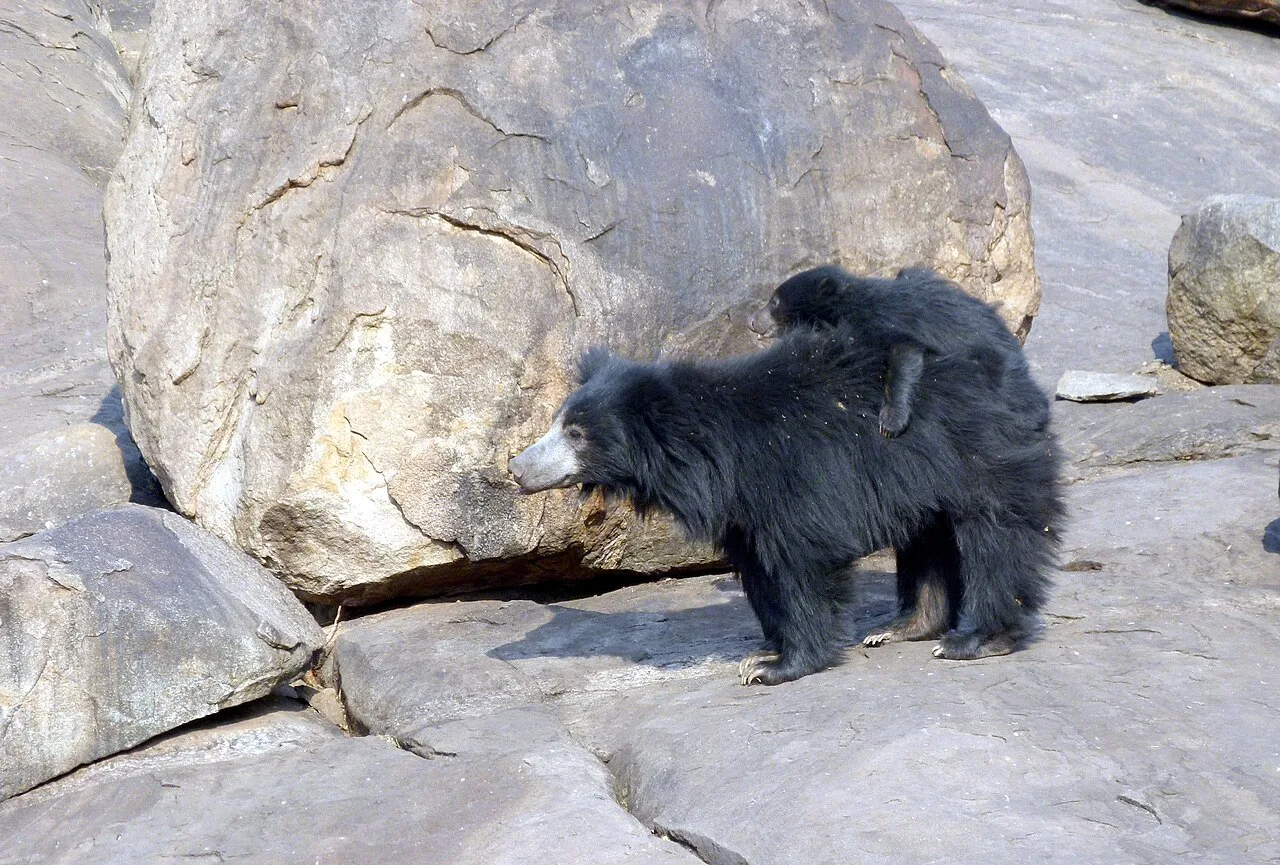
Daroji Sloth Bear Sanctuary in Karnataka protects sloth bears across a landscape near Ballari and Hampi. Visitors come to see bears, particularly as they descend the hillocks in the evening.

Tungabhadra Dam

31 km away · Vijayanagara district

Tungabhadra Dam

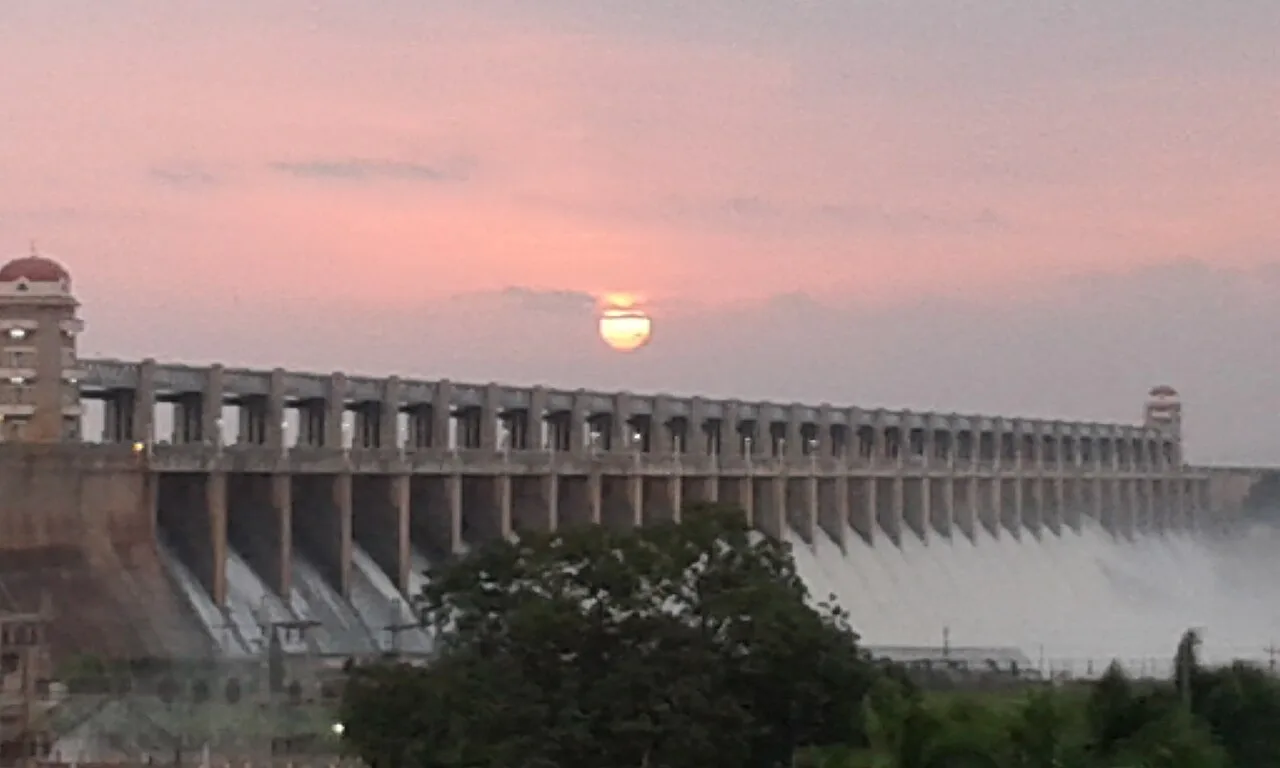
Tungabhadra Dam, also known as Pampa Sagar, is a multipurpose reservoir on Karnataka’s Tungabhadra River. Visitors interested in water infrastructure come to see its stone-masonry construction and its role in irrigation, electricity generation and flood management.

Kinhal Lacquer-Craft Village

50 km away · Koppal district

Kinhal Lacquer-Craft Village

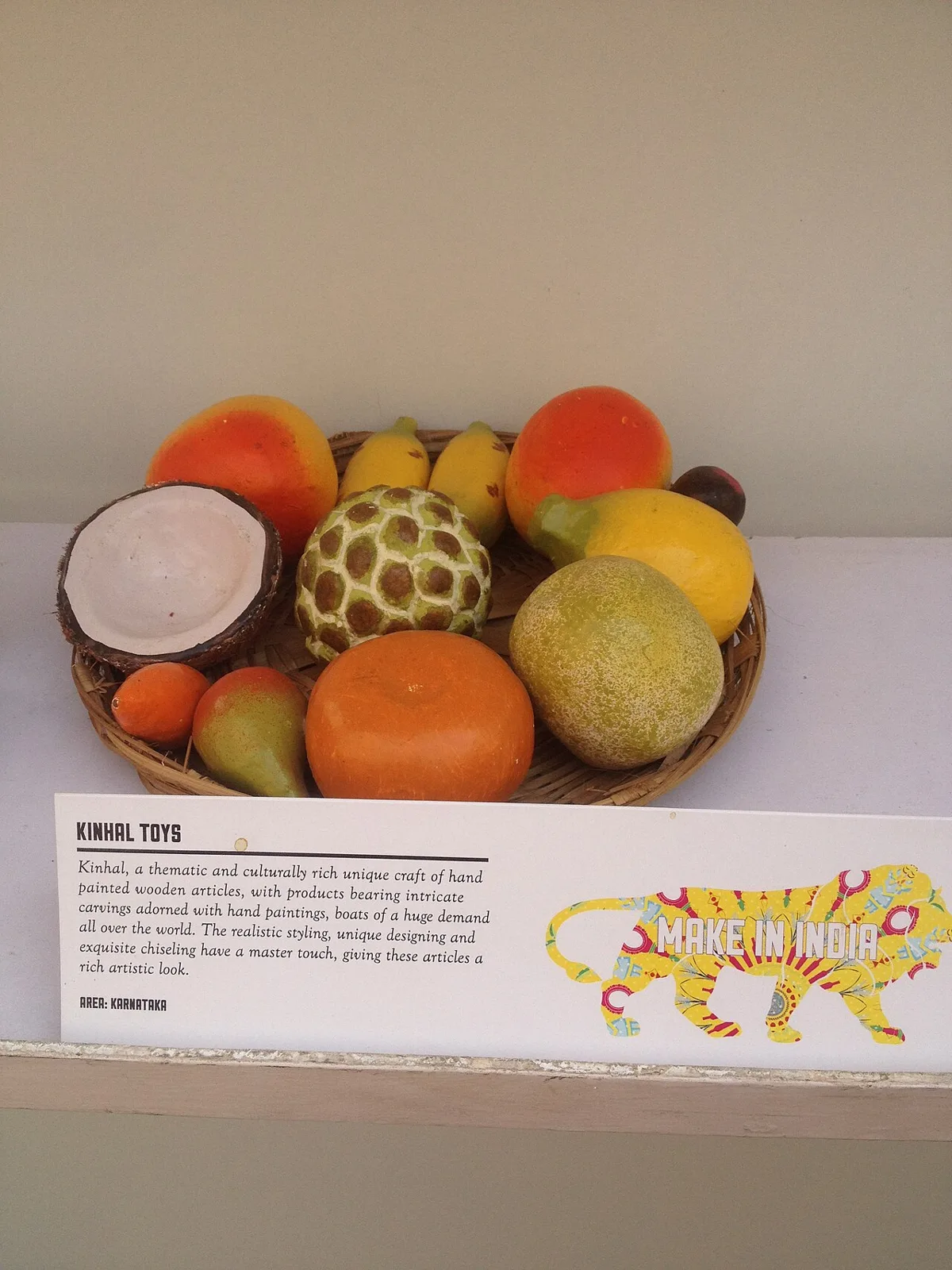
Kinhal Lacquer-Craft Village, also called Kinnal, is a settlement in Karnataka’s Koppal district. Visitors are drawn by its connection with Kinnal craft, which has geographical indication recognition.

Map

Kampli on the map

  1. 1Anegundi
  2. 2Hampi Monuments
  3. 3Lotus Mahal
  4. 4Matanga Hill
  5. 5Virupaksha Temple
  6. 6Daroji Sloth Bear Sanctuary
  7. 7Tungabhadra Dam
  8. 8Kinhal Lacquer-Craft Village

Karnataka

Other cities to explore