Ghumoopedia — Explore, Discover, Experience
Sign in
Badami cave temples, near Nargund

City guide · Karnataka

Nargund

Nargund is a small town in Gadag district, set amid the dry agricultural landscapes of north Karnataka. It serves local communities as a centre for administration, everyday trade and services, while its position on regional roads makes it a useful stop between larger towns.

Famous for

  • Nargund Fort
  • Nargund rebellion
  • Central hillock
  • Surrounding windmills
  • North Karnataka farming

Why Nargund matters

Nargund is a small town in Gadag district, set amid the dry agricultural landscapes of north Karnataka. It serves local communities as a centre for administration, everyday trade and services, while its position on regional roads makes it a useful stop between larger towns. The surrounding countryside and windmills give the area a distinctive open-horizon character.

The town’s most prominent landmark is Nargund Fort, a ruined stronghold on the hillock at its centre. Its layered history, from Maratha and Mysore rule to resistance against British authority, gives Nargund significance beyond its size. Visitors come chiefly to see the hill and fort remains, understand the story of the 1858 Nargund uprising, and experience a quieter town away from Karnataka’s major tourist circuits. The name is associated with “Nari Gundu,” or “Hillock of Foxes,” recalling the central rise that still shapes the town’s identity. Nargund is best approached as a heritage and regional-life visit rather than as a destination for resort tourism or specialist shopping.
Famous for: crafts, trade & products

Nargund is chiefly associated with its hilltop fort and its place in the history of resistance to colonial rule. It is not widely known as a centre for a particular textile, handicraft or GI-tagged product, so visitors should not expect a dedicated craft district or specialist souvenir market. The town’s commercial life is primarily practical and local in character.

Shops and market streets serve residents and nearby villages with household goods, clothing, food and agricultural supplies. The surrounding region is shaped by farming, and local trade reflects the needs of a rural hinterland; seasonal produce and staples may be available through ordinary shops and vendors. For a sense of the town’s daily economy, explore the central bazaar area rather than looking for a formal visitor market. Windmills are a notable feature of the wider landscape, but they are part of the area’s energy infrastructure, not a locally made product. Visitors seeking a broader range of crafts, textiles or regional specialities may find more choice in larger nearby centres such as Gadag or Hubballi.

History

Nargund’s history is closely tied to its central hill and fort. The stronghold is associated with Maratha ruler Chhatrapati Shivaji and was established in 1674 as a defensible position in the region. Mughal forces under Aurangzeb captured it in 1692; Maratha forces later regained control. In the eighteenth century it was governed by the Bhave family under Maratha authority, before Mysore ruler Hyder Ali took it in 1778. Tipu Sultan subsequently controlled the fort.

Nargund became especially significant during the Indian uprising against British rule. In 1858, Bhaskar Rao Bhave, remembered as Baba Saheb of Nargund, led a revolt. The rebellion was eventually defeated, and British forces retook the stronghold. The fort has since fallen into ruin, though its remains preserve the outline of this turbulent past. In modern times Nargund has developed as a small regional town serving surrounding settlements, with road connections, local commerce and farming central to everyday life.

Food, festivals & culture

Kannada is the main language of daily life in Nargund; Marathi may also be heard or understood by some residents. Food reflects the broader north Karnataka tradition, with meals commonly built around jowar rotti, rice, lentils and seasonal vegetables. Brinjal-based ennegayi and groundnut chutney are familiar regional accompaniments, while sweets such as holige are often associated with festive meals. Menus and availability vary between homes and local eateries.

The Hindu calendar shapes the town’s public and family celebrations. Ugadi in spring, Ganesh Chaturthi, Dasara in autumn and Deepavali are among the widely observed festivals; temple gatherings and local fairs may add a more neighbourhood-focused dimension. Worship takes place at local temples and other community religious spaces, though Nargund is not chiefly known as a major pilgrimage centre. Kannada folk traditions, devotional singing and music heard at festivals form part of the wider cultural setting of north Karnataka. Visitors should ask locally about any seasonal temple event, as dates follow the lunar calendar and can change from year to year.

Visiting the city

The cooler months, roughly October to February, are generally the most comfortable time to visit; summers can be hot, and monsoon conditions may affect road travel. Hubballi Airport is the nearest major airport, while Gadag Junction is the principal nearby railway station for rail connections. From either, continue by road; buses and hired vehicles connect the regional towns, and local auto-rickshaws can help with short trips within Nargund.

Begin in the town centre, where the hillock and Nargund Fort are the main points of interest. Allow time to see the fort remains and look across the surrounding landscape, then explore the central bazaar for everyday town life and food. Roadside areas beyond the centre offer views of the open countryside and windmills. Check local conditions before setting out for the fort, as facilities and access arrangements may be limited.

Trips from the city

Nearest places to visit from Nargund

Our closest destination guides, by straight-line distance.

Badami cave temples

39 km away · Bagalkot district

Badami cave temples

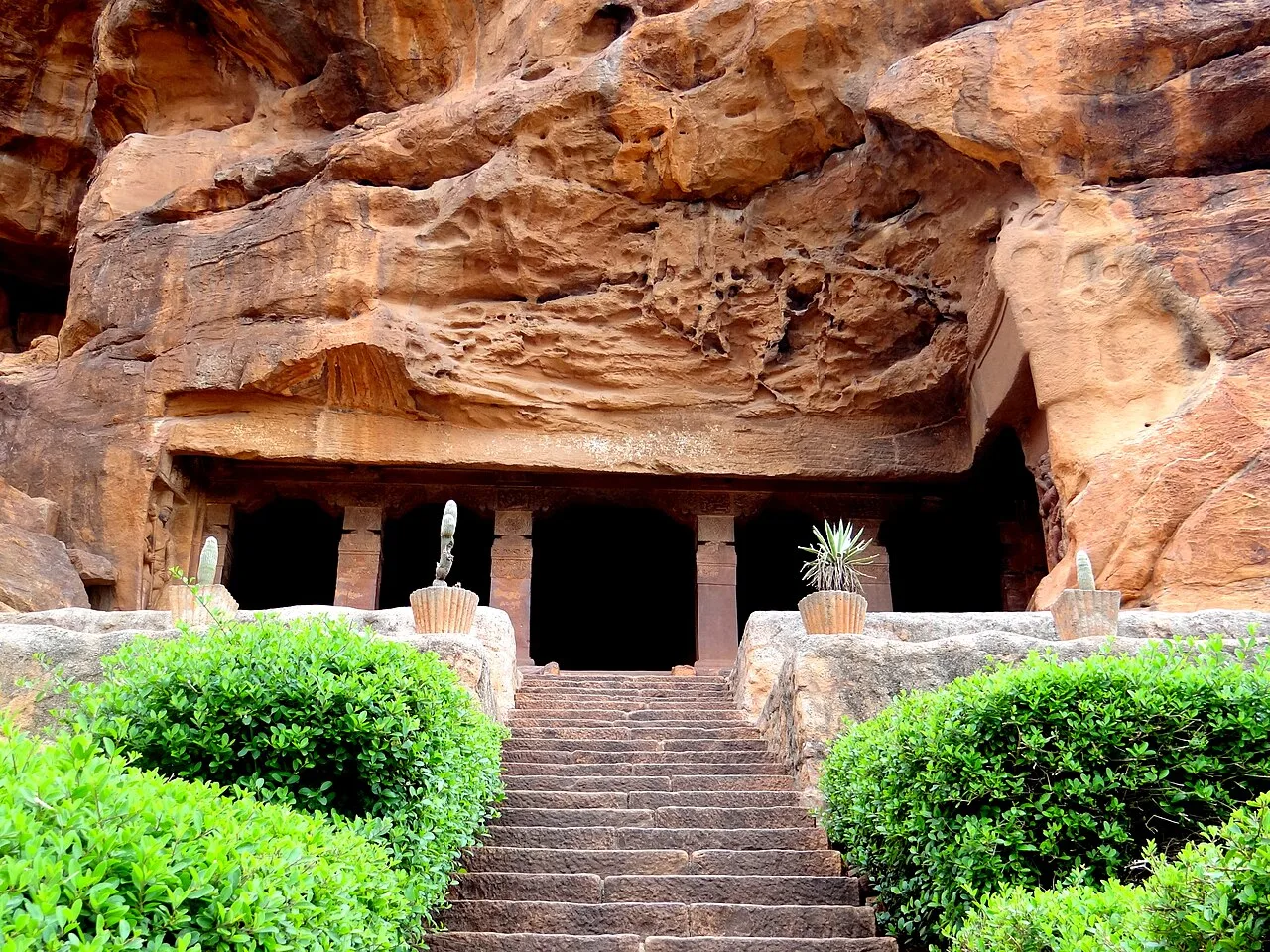
These rock-cut shrines in Badami, Karnataka, reflect Buddhist, Hindu and Jain traditions and early Chalukya-era art. Visitors come to see the sandstone architecture and carved religious figures.

Banashankari Temple, Badami

39 km away · Bagalkot district

Banashankari Temple, Badami

Banashankari Temple is a Hindu shrine at Cholachagudda near Badami, Karnataka. Visitors come to worship its goddess and attend the yearly jatre, which features cultural events, a boat festival and a chariot procession.

Trikuteshwara Temple, Gadag

42 km away · Gadag district

Trikuteshwara Temple, Gadag

In Gadag, Karnataka, Trikuteshwara Temple is a carved Hindu place of worship dedicated to Shiva. Visitors come to see its three lingas, Saraswathi shrine and carved columns.

Mahakuta Temples

43 km away · Bagalkot district

Mahakuta Temples

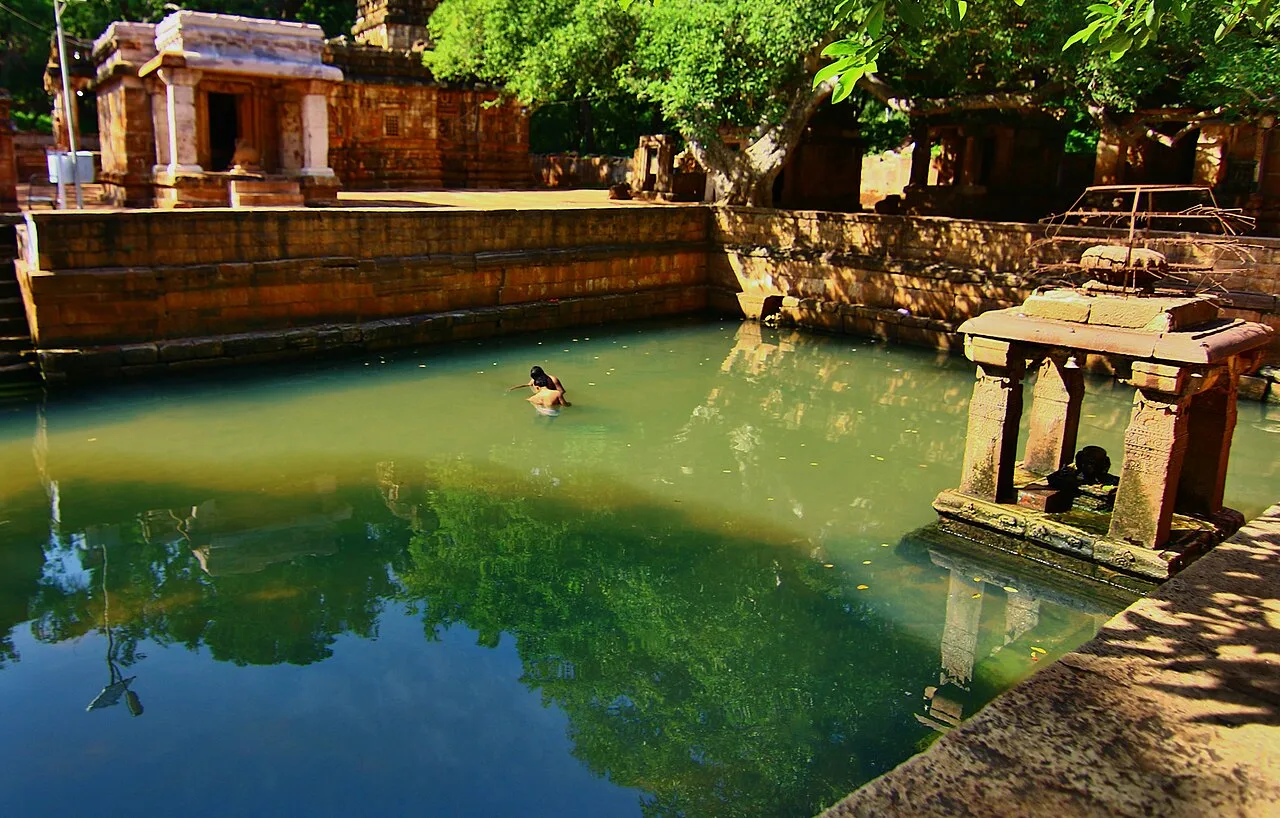
Mahakuta Temples is a Hindu temple complex and Shaiva monastic centre in Bagalkot district, Karnataka. People visit to worship and view its early Chalukyan architecture and inscriptions.

Chandramouleshwara Temple, Hubballi

48 km away · Dharwad district

Chandramouleshwara Temple, Hubballi

An 11th-century Shiva shrine in Unkal, Hubballi, Chandramouleshwara Temple draws interest for its Chalukyan design, distinctive plan and artwork representing several Hindu traditions.

Lakkundi

51 km away · Gadag district

Lakkundi

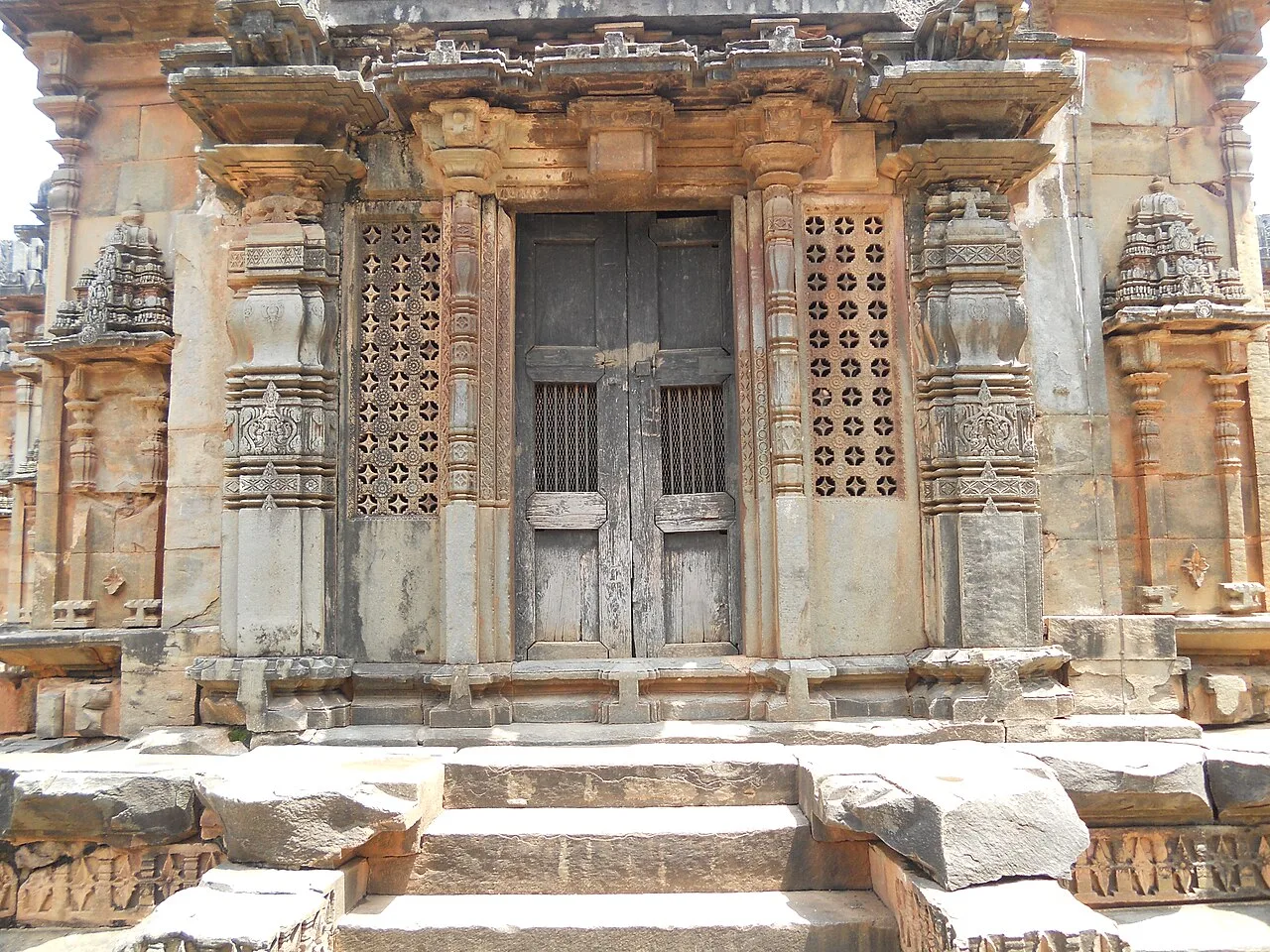
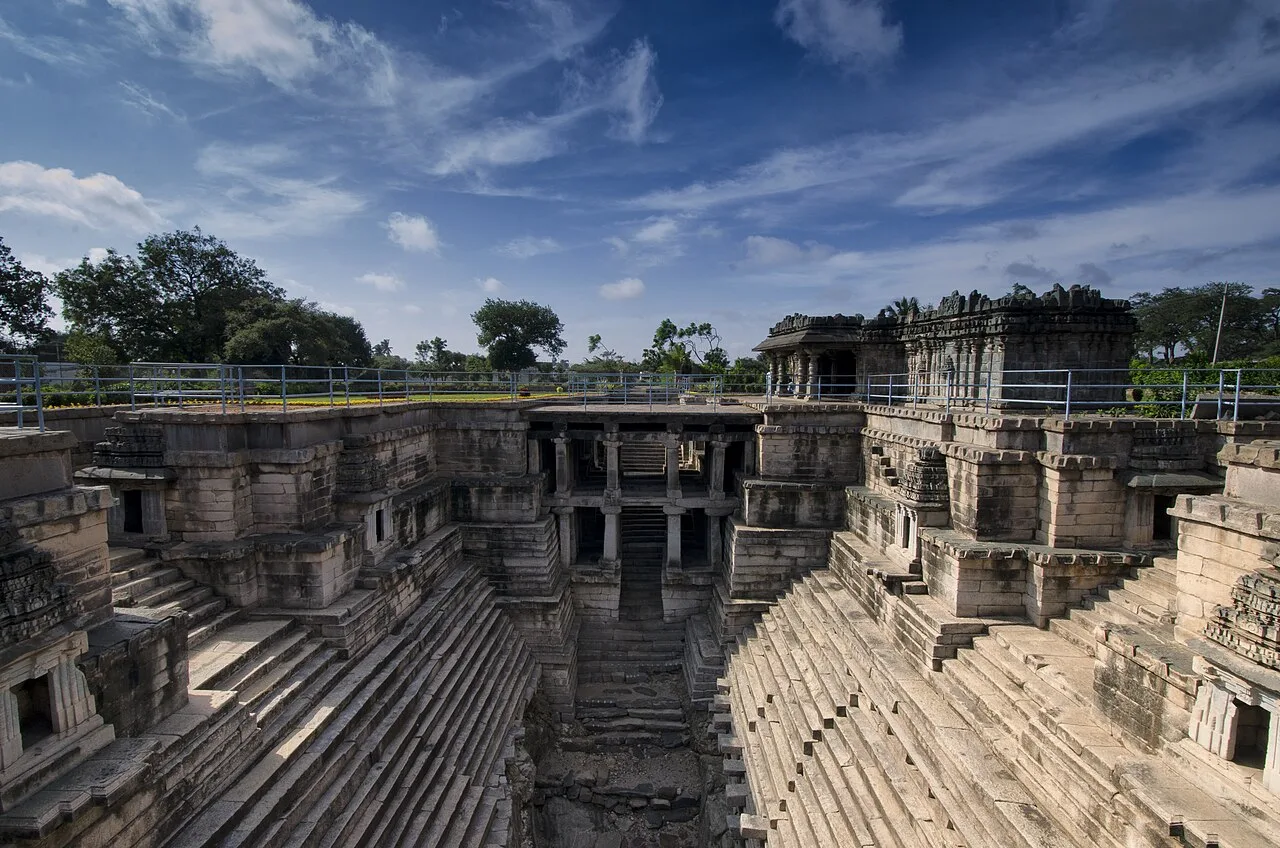
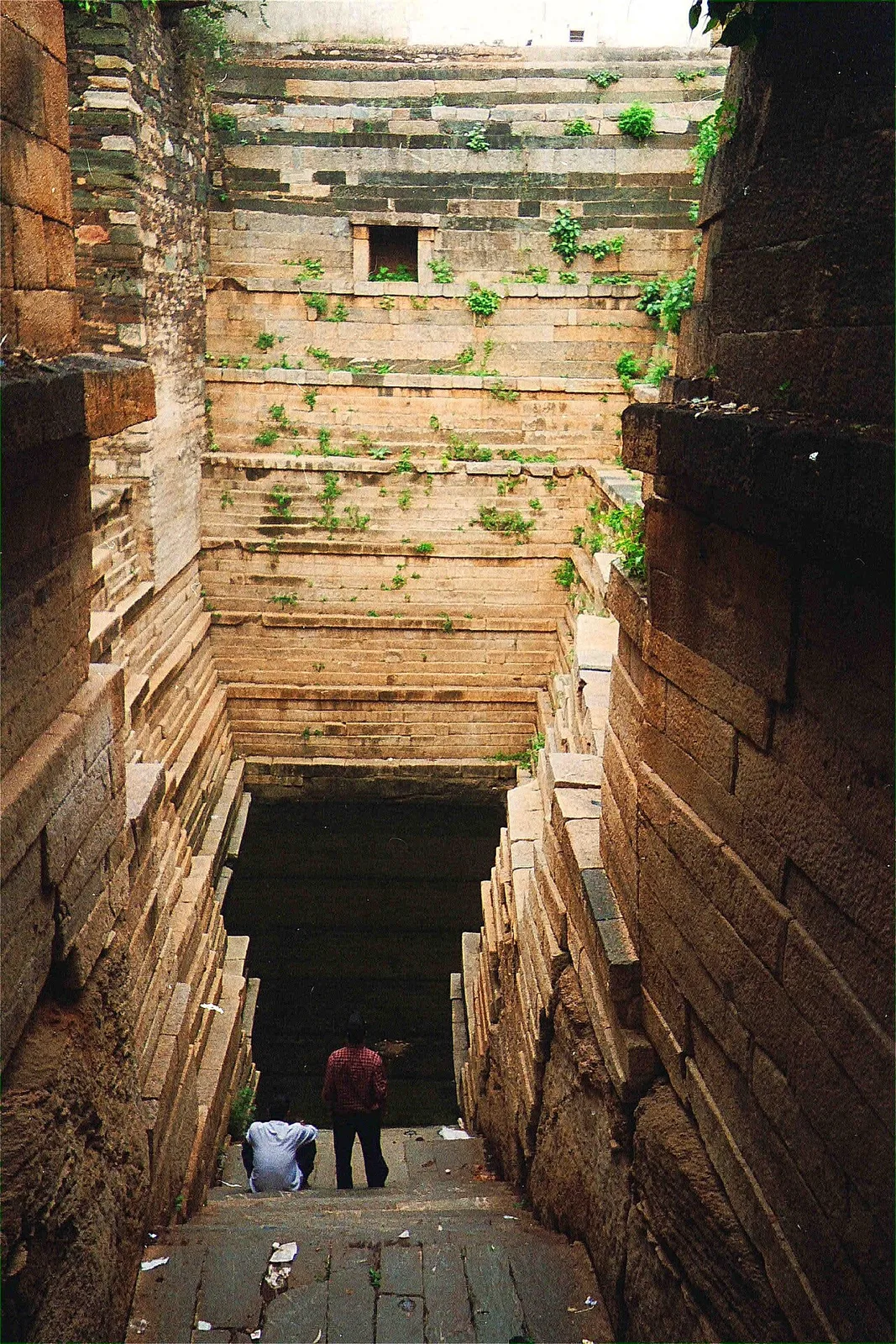
Lakkundi is a historic village in Karnataka’s Gadag district, visited for its Hindu and Jain temple remains, water structures and examples of Kalyana Chalukya architecture.

Pattadakal

52 km away · Bagalkot district

Pattadakal

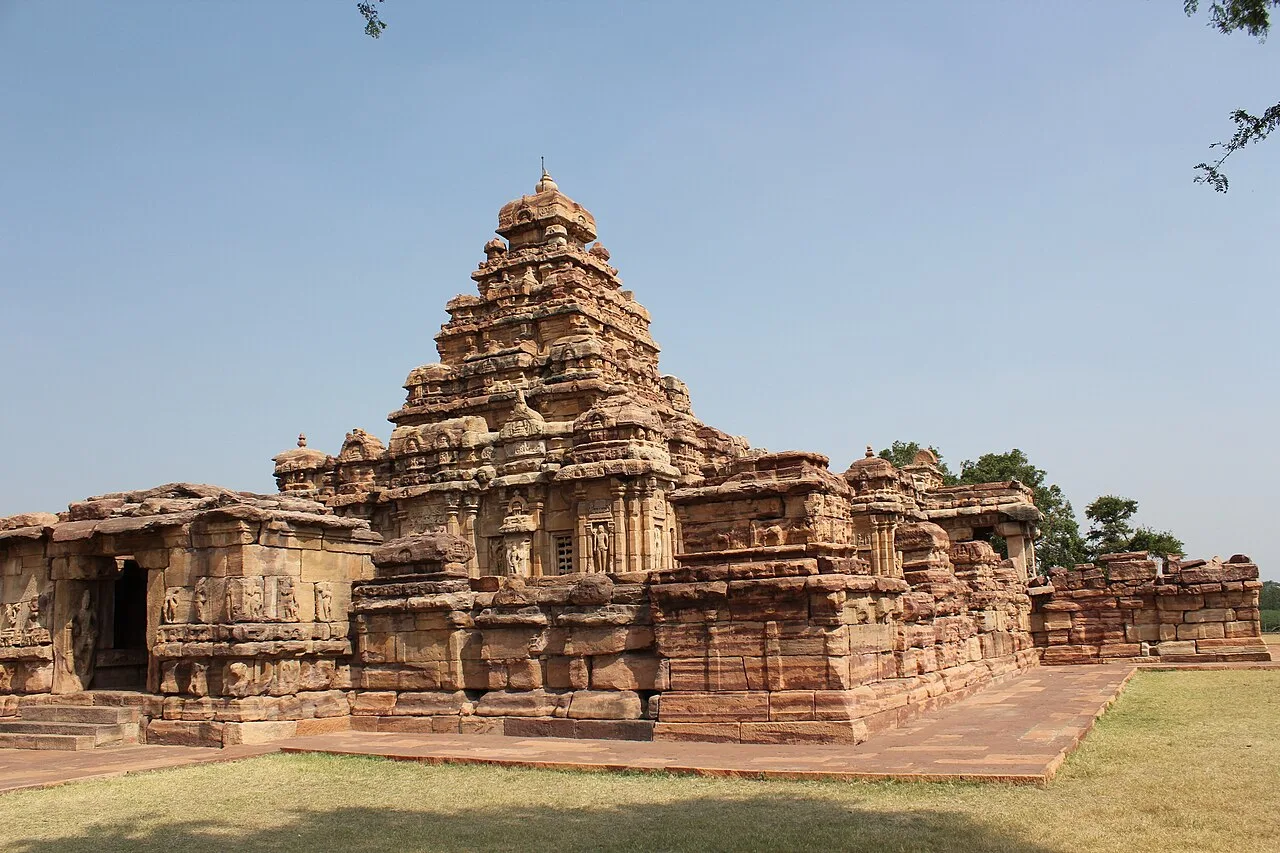
Pattadakal is a UNESCO-listed temple complex in Karnataka, with Hindu and Jain monuments from the seventh and eighth centuries. Visitors come to see its distinctive mix of northern and southern architectural traditions and its carved religious narratives.

Aihole

62 km away · Bagalkot district

Aihole

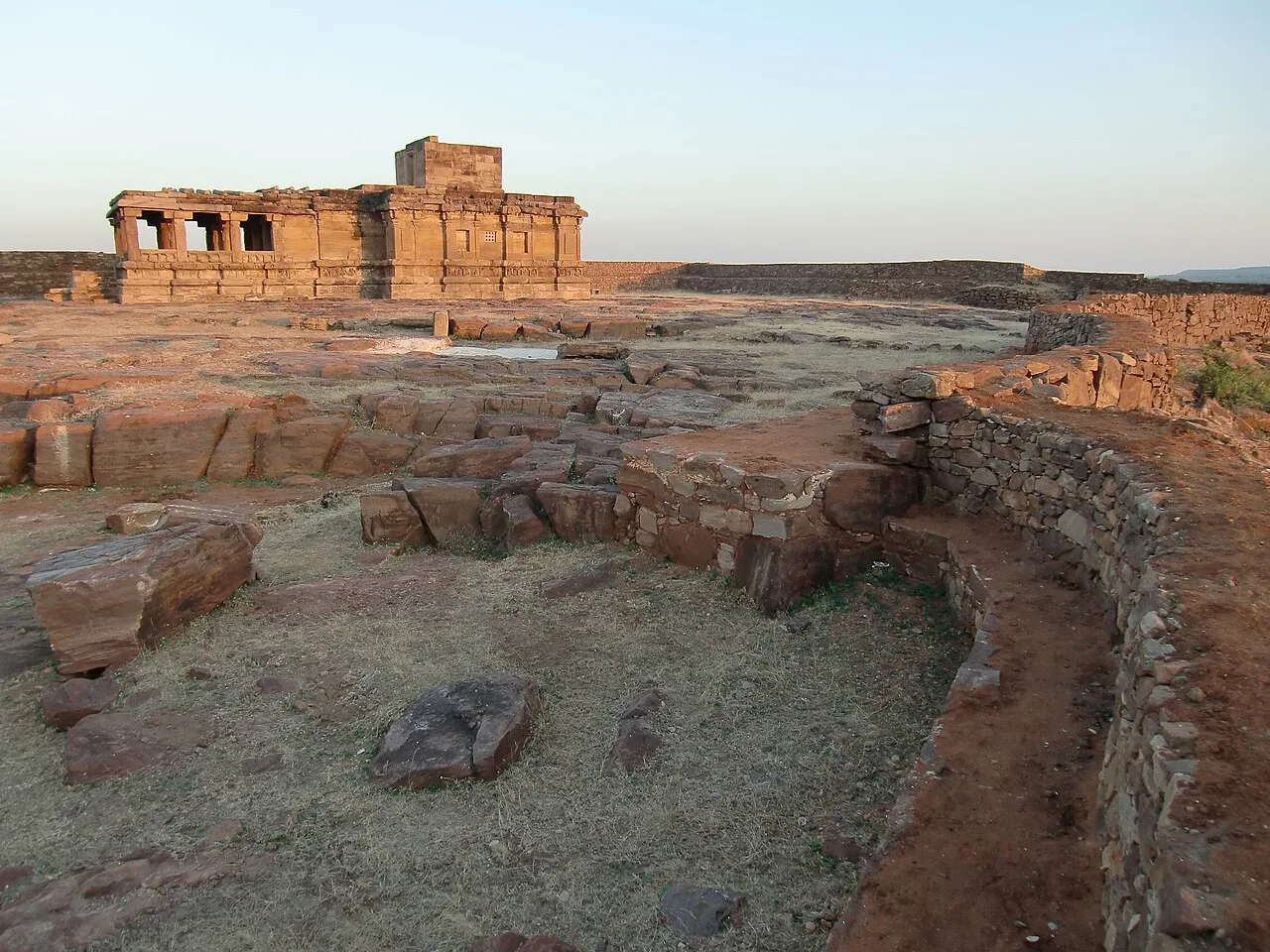
Aihole is a historic temple site in Karnataka, known for its Buddhist, Hindu and Jain monuments and for architectural experiments that influenced nearby Chalukya-era works.

Map

Nargund on the map

  1. 1Badami cave temples
  2. 2Banashankari Temple, Badami
  3. 3Trikuteshwara Temple, Gadag
  4. 4Mahakuta Temples
  5. 5Chandramouleshwara Temple, Hubballi
  6. 6Lakkundi
  7. 7Pattadakal
  8. 8Aihole

Karnataka

Other cities to explore