
Ghumoopedia — Explore, Discover, Experience
Sign in
Kinhal Lacquer-Craft Village, near Koppal

City guide · Karnataka

Koppal

Koppal is the administrative headquarters of Koppal district in northern Karnataka and a service centre for the surrounding towns and farming communities. Set among low hills, it combines everyday regional commerce with a rich religious and historical landscape.

Famous for

  • Koppal Fort
  • Jain heritage
  • Gavimath shrine
  • Kinnal wooden toys
  • North Karnataka cuisine
In the city
1
District
Koppal

Why Koppal matters

Koppal is the administrative headquarters of Koppal district in northern Karnataka and a service centre for the surrounding towns and farming communities. Set among low hills, it combines everyday regional commerce with a rich religious and historical landscape. The town’s landmarks include Koppal Fort, the shrine at Gavimath and Male Mallappa Temple; visitors also use it as a base for exploring attractions elsewhere in the district.

The wider region draws pilgrims and history-minded travellers to places such as Anjanadri Parvata, Pampa Sarovara and the tomb associated with Krishnadevaraya. Koppal is also remembered as Kopana Nagara and as Jaina Kashi, a reflection of its longstanding Jain presence. Today, its importance comes from both its district-level services and its position amid temples, forts and heritage sites. It offers a quieter point of entry to this part of Karnataka than the better-known Hampi area, while remaining connected to the region’s cultural routes.

Famous for: crafts, trade & products

Koppal is better known for its regional trade and heritage than for a distinctive city-based textile or product tradition. The surrounding countryside supports agriculture, and local markets serve nearby communities with everyday goods and farm produce. Shops and bazaars in the central town are the most practical places to browse local provisions, household items and seasonal produce; offerings vary, so visitors looking for a particular craft should ask locally before making a special trip.

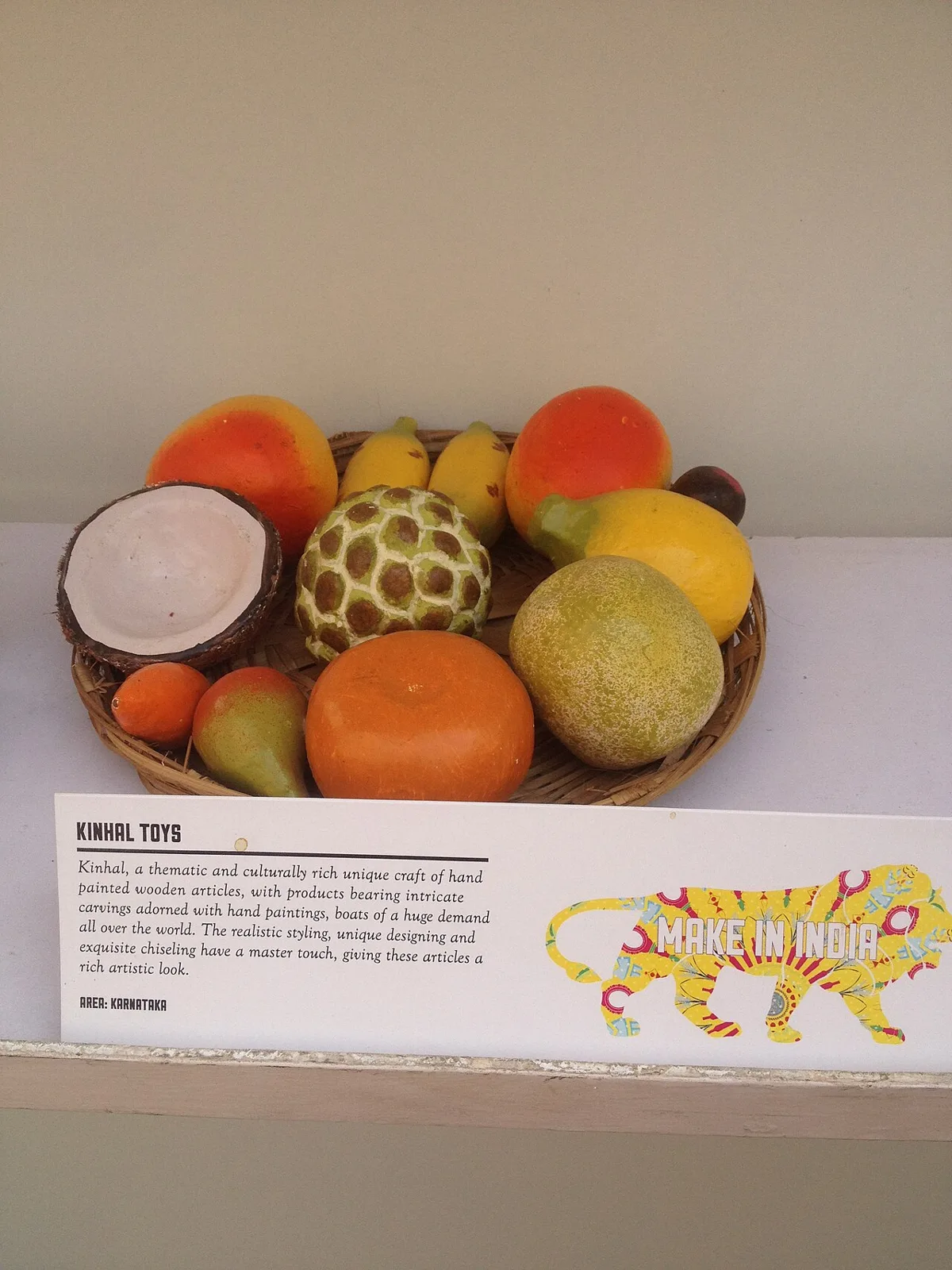
A notable craft connection lies just outside the city: Kinnal village, in Koppal district, is known for painted wooden toys and figures. These are often made by hand, with bright colours and traditional motifs. They may be available through local craft sellers, though the village is the more direct place to learn about the work and find makers. Koppal is not widely associated with a particular saree, major handicraft market or city-specific GI-tagged product. Its economic role is chiefly as a district headquarters, with government services, retail and agricultural commerce supporting the surrounding region.

History

Koppal, historically called Kopana Nagara, developed in a region shaped by successive Deccan powers. The wider area came under dynasties including the Chalukyas, Rashtrakutas and Vijayanagara rulers, followed by later Deccan sultanates. Its fort reflects the strategic value of this hill-ringed landscape, while temples and religious centres preserve other layers of its past. Koppal also acquired the name Jaina Kashi, linked to the area’s significant Jain heritage and its many basadis, or Jain places of worship and meditation.

The region passed through changing local and larger administrations during the pre-colonial and colonial periods; Koppal was not a major British colonial port or presidency city. In modern administration, it was part of Raichur district until Koppal district was formed on 1 April 1998. As district headquarters, the town has since served as a centre for public administration, transport, education, commerce and services for the surrounding settlements.

Food, festivals & culture

Kannada is the principal language of daily life, with Urdu and other regional languages also heard in the town and district. Food reflects northern Karnataka traditions: jolada rotti (sorghum flatbread), vegetable curries such as ennegayi, and accompaniments including peanut chutney are familiar choices. Millet-based dishes and simple rice meals are also common. Local eateries and central market streets are good places to sample regional cooking, though menus vary.

Religious life is visible at Gavimath, Male Mallappa Temple and other local shrines, as well as at Jain sites across the region. The Gavimath fair, commonly held around the Makar Sankranti season, draws devotees and visitors; Ugadi, Deepavali and Dasara are also observed. The district’s cultural calendar includes temple fairs and village celebrations. Folk performance traditions of northern Karnataka, including vigorous percussion-led dance forms, are part of the wider regional culture, alongside devotional music and community singing.

Visiting the city

The cooler months, roughly October to February, are generally the most comfortable time to visit; summers can be very hot, while monsoon conditions may affect road journeys. Koppal Railway Station is the main rail stop for the town. Vijayanagar Airport at Toranagallu is among the closest airports, though flight connections are limited; Hubballi Airport is another option for reaching the region.

Auto-rickshaws and local buses are useful for getting around town, while a hired vehicle is convenient for district sites farther afield. In Koppal, explore the fort, Gavimath and Male Mallappa Temple. Kinnal village is a worthwhile nearby stop for its wooden-toy craft. Anjanadri Parvata and Pampa Sarovara lie farther away in the Hampi-region landscape and are best planned as separate excursions.

Attractions

Places to visit in Koppal

Sights within about 12 km of each other, even when they fall in different districts.

Map

Koppal on the map

  1. 1Kinhal Lacquer-Craft Village

Karnataka

Other cities to explore