Ghumoopedia — Explore, Discover, Experience
Sign in
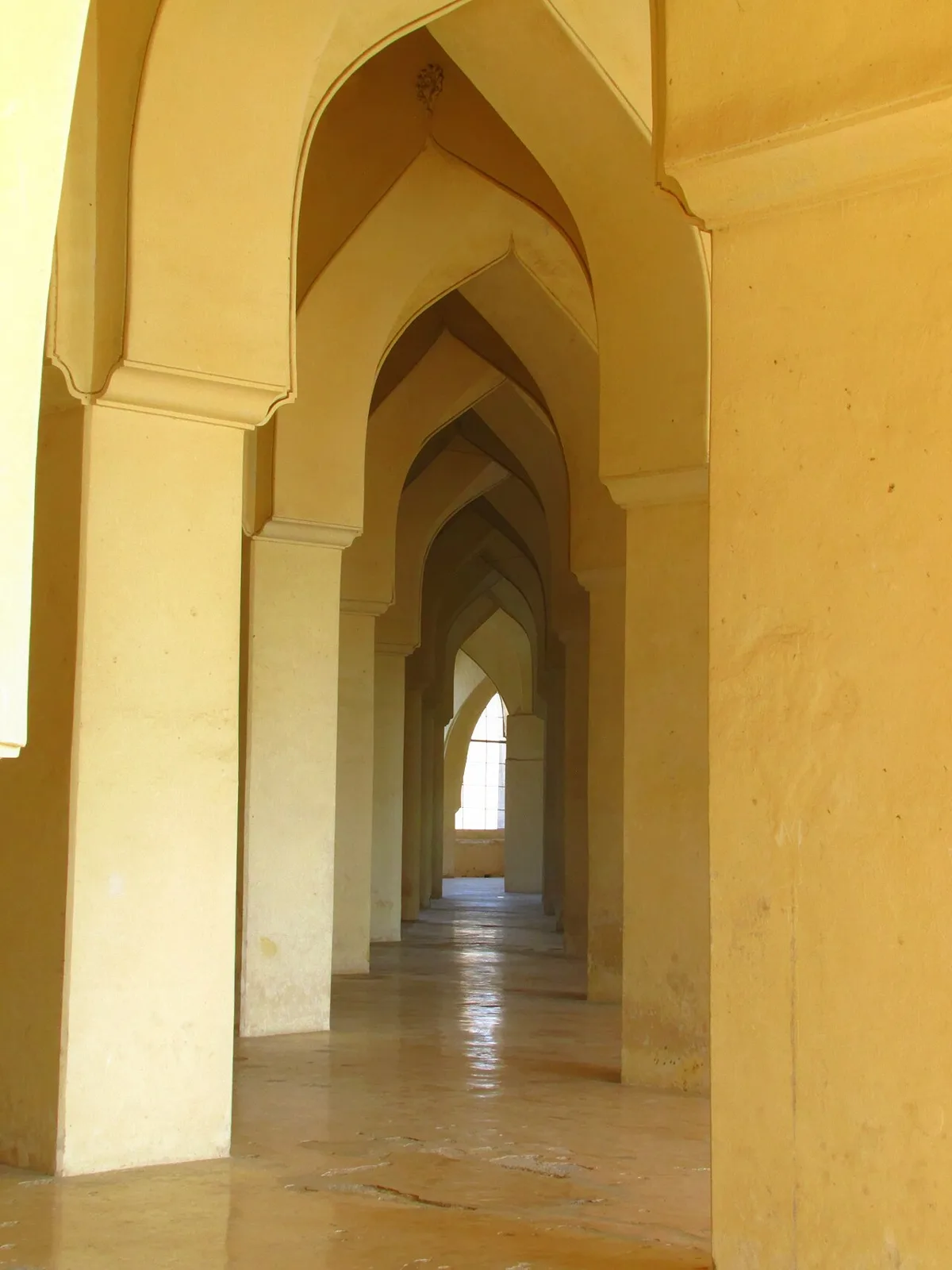
Gulbarga Fort, near Sedam

City guide · Karnataka

Sedam

Sedam, also called Seram, is a town in Kalaburagi district and the administrative headquarters of Sedam Taluka. It serves as a service and trading centre for surrounding settlements in this part of Karnataka, with local businesses, public services and transport links connecting the area.

Famous for

  • Kottal Basaveshwara Temple
  • Malkhed's Rashtrakuta heritage
  • Cement manufacturing
  • North Karnataka cuisine

Why Sedam matters

Sedam, also called Seram, is a town in Kalaburagi district and the administrative headquarters of Sedam Taluka. It serves as a service and trading centre for surrounding settlements in this part of Karnataka, with local businesses, public services and transport links connecting the area. Its importance today also comes from cement manufacturing, which is part of the region’s industrial economy.

For visitors, Sedam offers a glimpse of life in the dry Deccan plateau and a base for exploring nearby heritage. Kottal Basaveshwara Temple is a notable place of worship in town, while Malkhed, associated with the historic Rashtrakuta capital Manyakheta, is a nearby excursion. The wider area is also linked to the stone and cement trade. Sedam is not a major resort destination, but its combination of religious sites, regional history and working-town character makes it a useful stop for travellers exploring Kalaburagi district.
Famous for: crafts, trade & products

Sedam’s best-known modern industry is cement manufacturing. Vasavadatta Cement has an industrial presence here, making the town part of the wider cement economy of Kalaburagi district. The nearby Shahabad area is associated with stone production and trade; Shahabad stone is a regional building material, rather than a craft made specifically in Sedam. These industries, along with local commerce, shape the town’s economy.

Sedam is not widely identified with a distinct handloom saree tradition, a specialist handicraft cluster or a city-specific GI-tagged product. Visitors looking for local goods can browse general shops and markets in the town centre for everyday wares and regional produce, but should not expect a dedicated craft bazaar. For a closer look at the area’s industrial character, the cement works are a landmark of the local economy; access to industrial premises may be restricted, so visitors should check locally before planning a visit. Nearby Shahabad is the more relevant place to ask about stone products and sellers.

History

Sedam’s history is best understood in the context of the wider Deccan and the settlements around it. Nearby Malkhed, historically known as Manyakheta, became an important capital of the Rashtrakuta dynasty in the early medieval period. Its legacy gives this part of Kalaburagi district significance beyond the present-day town, although the historic capital and Sedam are separate places.

Over subsequent centuries, the region came under changing Deccan powers, including the later Chalukyas and the Bahmani and successor sultanates. In the colonial era, Sedam lay within the princely state of Hyderabad, ruled by the Nizam, rather than in British-administered Karnataka. Following the integration of Hyderabad State into India, Sedam became part of the reorganised Mysore State in 1956; the state was renamed Karnataka in 1973. In modern times, Sedam has developed as a taluka headquarters and an industrial centre, with cement production contributing to its regional role.

Food, festivals & culture

Food in Sedam reflects the flavours of North Karnataka. Jowar rotti is commonly eaten with vegetable curries, stuffed brinjal, lentils and spicy peanut or sesame chutneys. Holige, a sweet flatbread filled with lentils and jaggery, is a familiar festive treat in the region. Local restaurants and household cooking tend to favour filling meals suited to the Deccan’s hot, dry climate.

Kannada is the principal language of daily life; Urdu and Telugu are also heard in the wider area. Hindu festivals such as Ugadi in spring, Ganesh Chaturthi during the monsoon season and Dasara in autumn are observed, alongside Muslim festivals whose dates follow the Islamic calendar. Temple celebrations and local fairs bring communities together, though their schedules can vary. Devotional singing and regional folk performance traditions are part of the broader cultural landscape. Kottal Basaveshwara Temple is an important worship site in town, alongside neighbourhood temples and mosques.

Visiting the city

The cooler, drier months from about October to February are generally the most comfortable for visiting. Summer can be very hot, while monsoon conditions may affect road journeys. Kalaburagi Airport is the nearest commercial airport serving the area. Sedam railway station serves the town; Kalaburagi Junction is another regional rail hub.

Auto-rickshaws and local buses are useful for getting around Sedam, while taxis or hired vehicles make it easier to visit nearby places such as Malkhed. Explore the town centre and Kottal Basaveshwara Temple for local life and worship, then consider a trip to Malkhed for its historical associations. Shops and everyday markets are concentrated around the central town area. Check locally about access before attempting to visit industrial sites.

Trips from the city

Nearest places to visit from Sedam

Our closest destination guides, by straight-line distance.

Gulbarga Fort

52 km away · Kalaburagi district

Gulbarga Fort

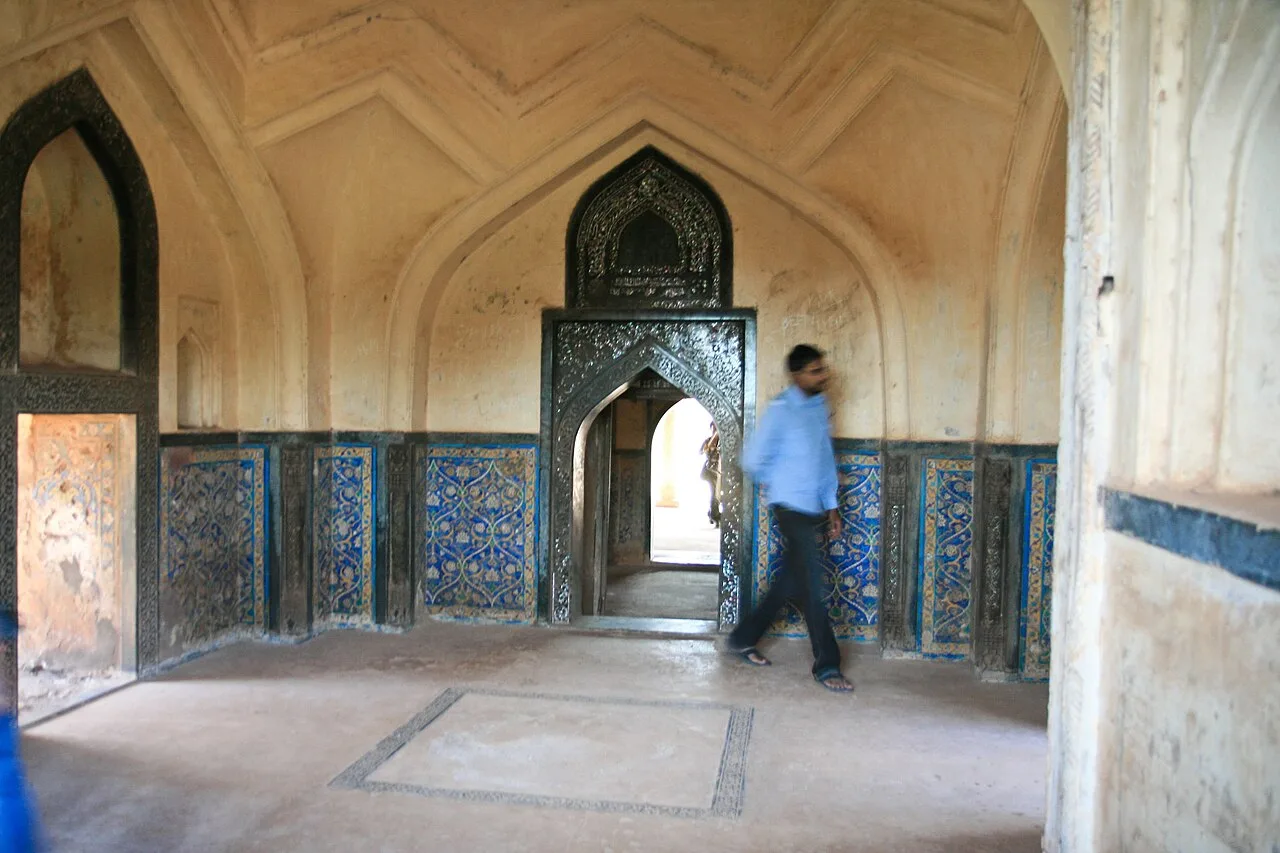
Gulbarga Fort is a historic stronghold in Kalaburagi associated with the Bahmani Kingdom. Visitors come to see its buildings, including the Jama Masjid, known for its enclosed form and Persian design.

Sharana Basaveshwara Temple

52 km away · Kalaburagi district

Sharana Basaveshwara Temple

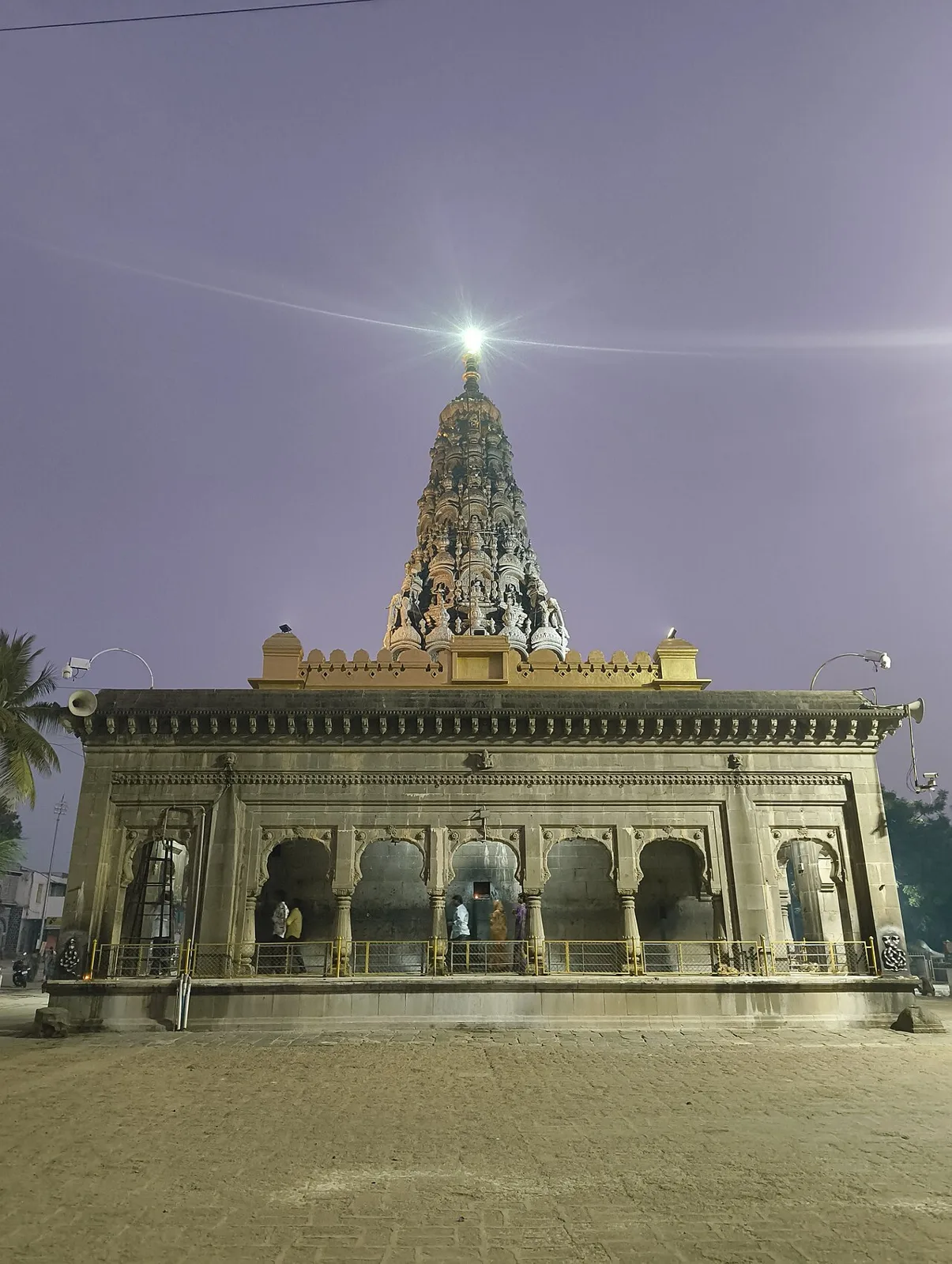
In Kalaburagi district, Karnataka, the Sharana Basaveshwara Temple is a shrine. Visitors come to worship at this site in Kalaburgi, an old town in the state’s northeast.

85 km away · Bidar district

Narasimha Jharni Cave Temple

Narasimha Jharni Cave Temple is a shrine in Bidar district, Karnataka, linked to Vishnu’s Narasimha avatar. Visitors come to worship at the cave temple and recognise its place in Vaishnavite tradition.

Guru Nanak Jhira Sahib

86 km away · Bidar district

Guru Nanak Jhira Sahib

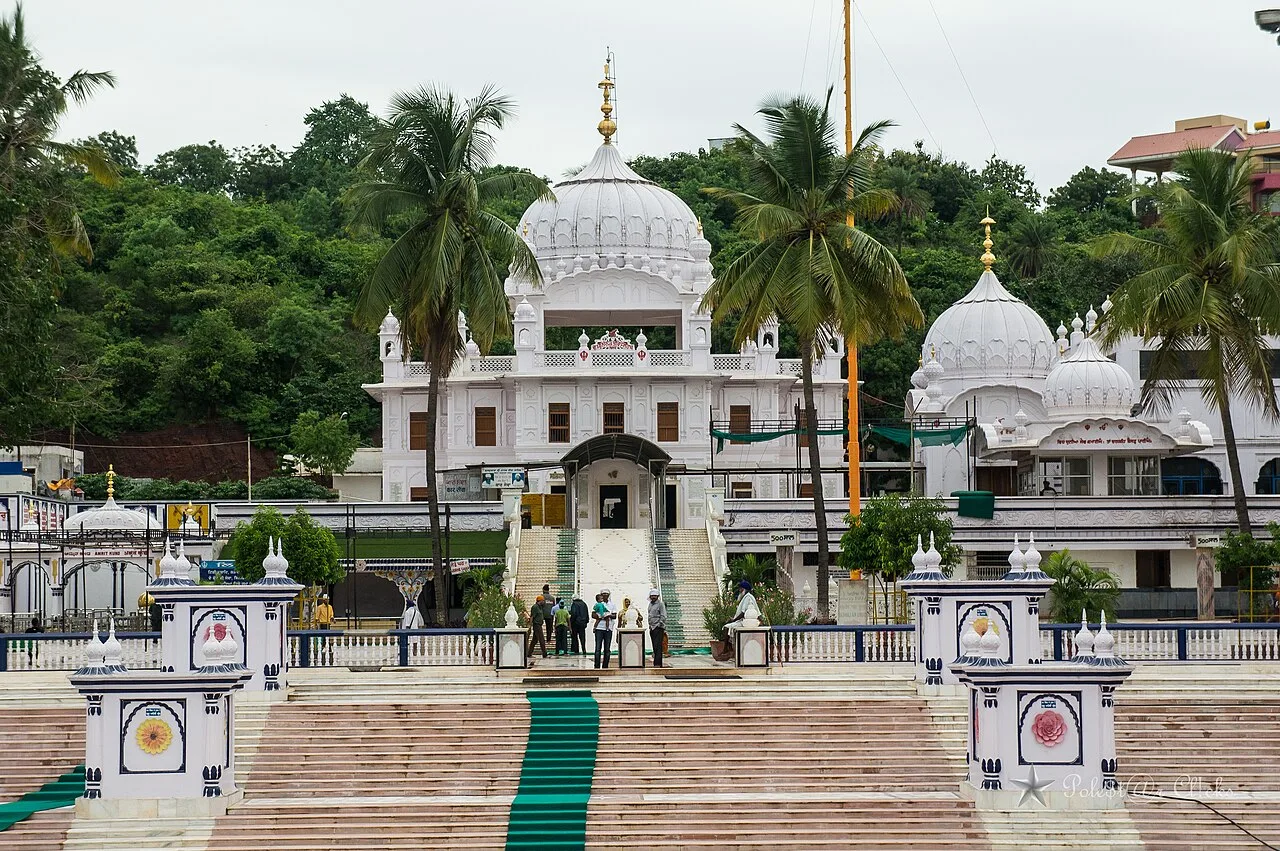
Guru Nanak Jhira Sahib is a Sikh shrine in Bidar, Karnataka, associated with Guru Nanak and the region’s Sikh history; visitors come to honour the first Sikh guru.

Bahmani Tombs

87 km away · Bidar district

Bahmani Tombs

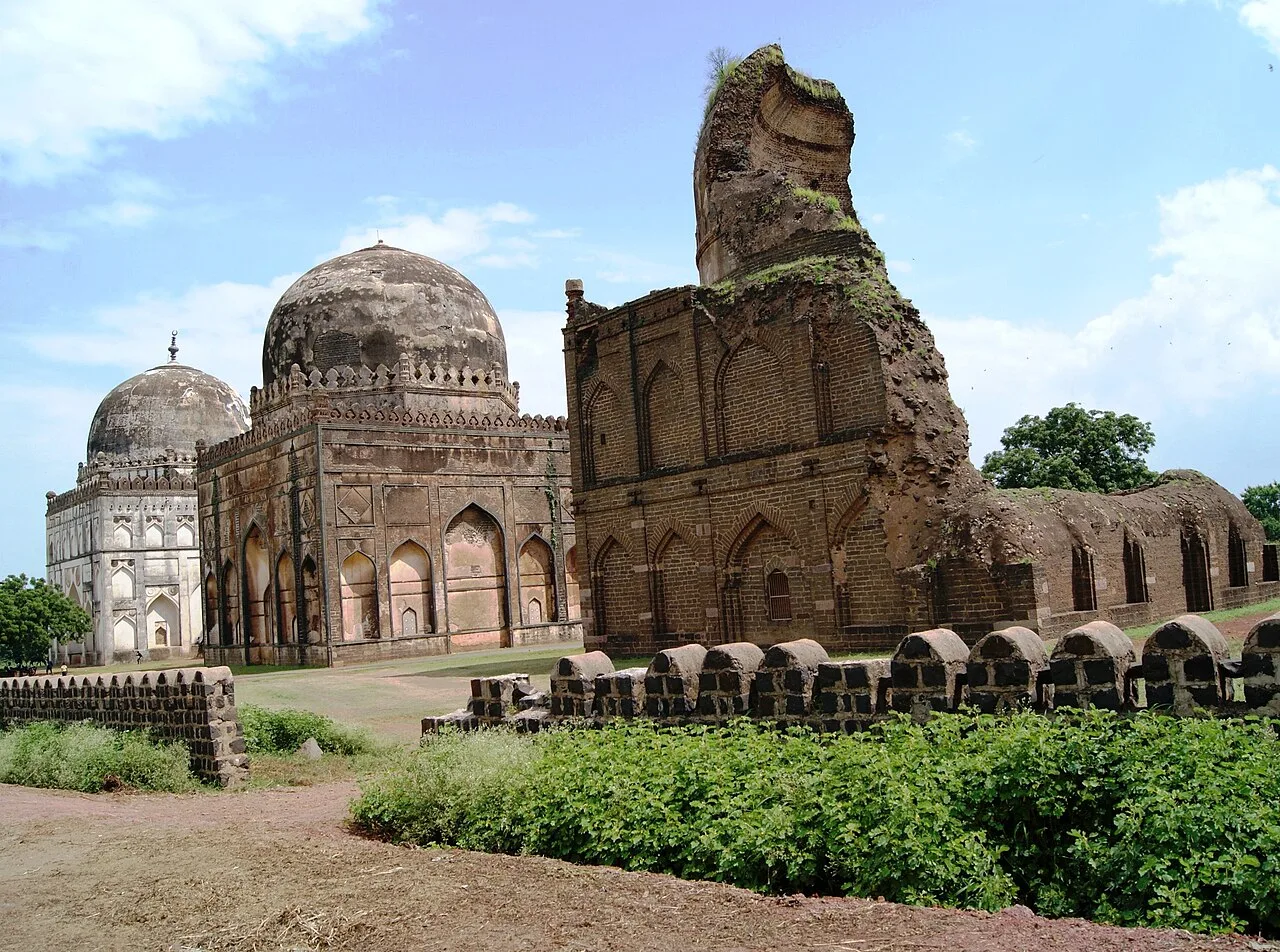
The Bahmani Tombs are a burial complex in Bidar, Karnataka, dating from the fifteenth and sixteenth centuries. Visitors come to see their distinctive Deccan architecture and blend of influences.

Bidar Fort

87 km away · Bidar district

Bidar Fort

Bidar Fort is a historic complex in Bidar, Karnataka, where visitors can explore more than 30 monuments and learn about the changing powers of the Deccan.

Raichur Fort

109 km away · Raichur district

Raichur Fort

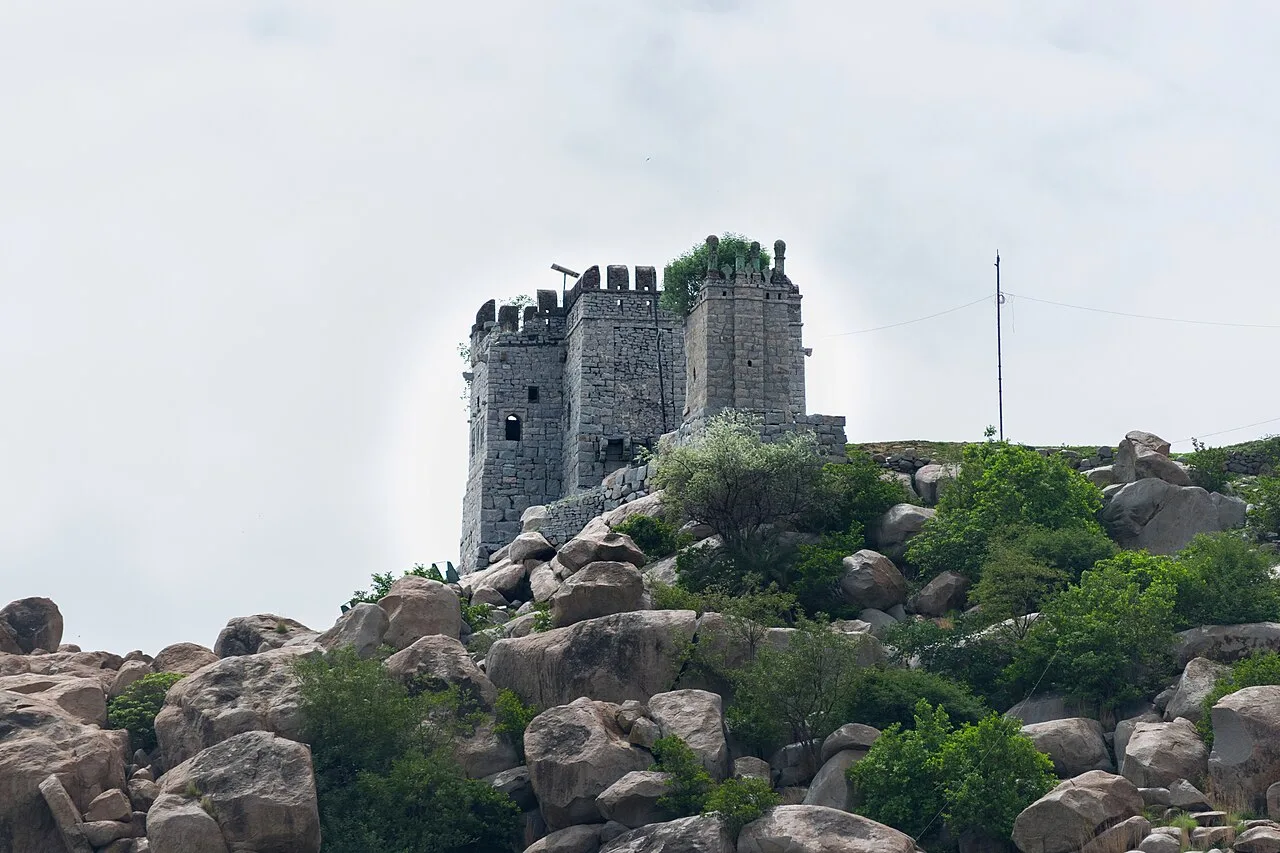
Raichur Fort is a hilltop stronghold in the city of Raichur, Karnataka. Visitors come to see its elevated setting and learn about the succession of powers that ruled the surrounding region.

Gol Gumbaz

170 km away · Vijayapura district

Gol Gumbaz

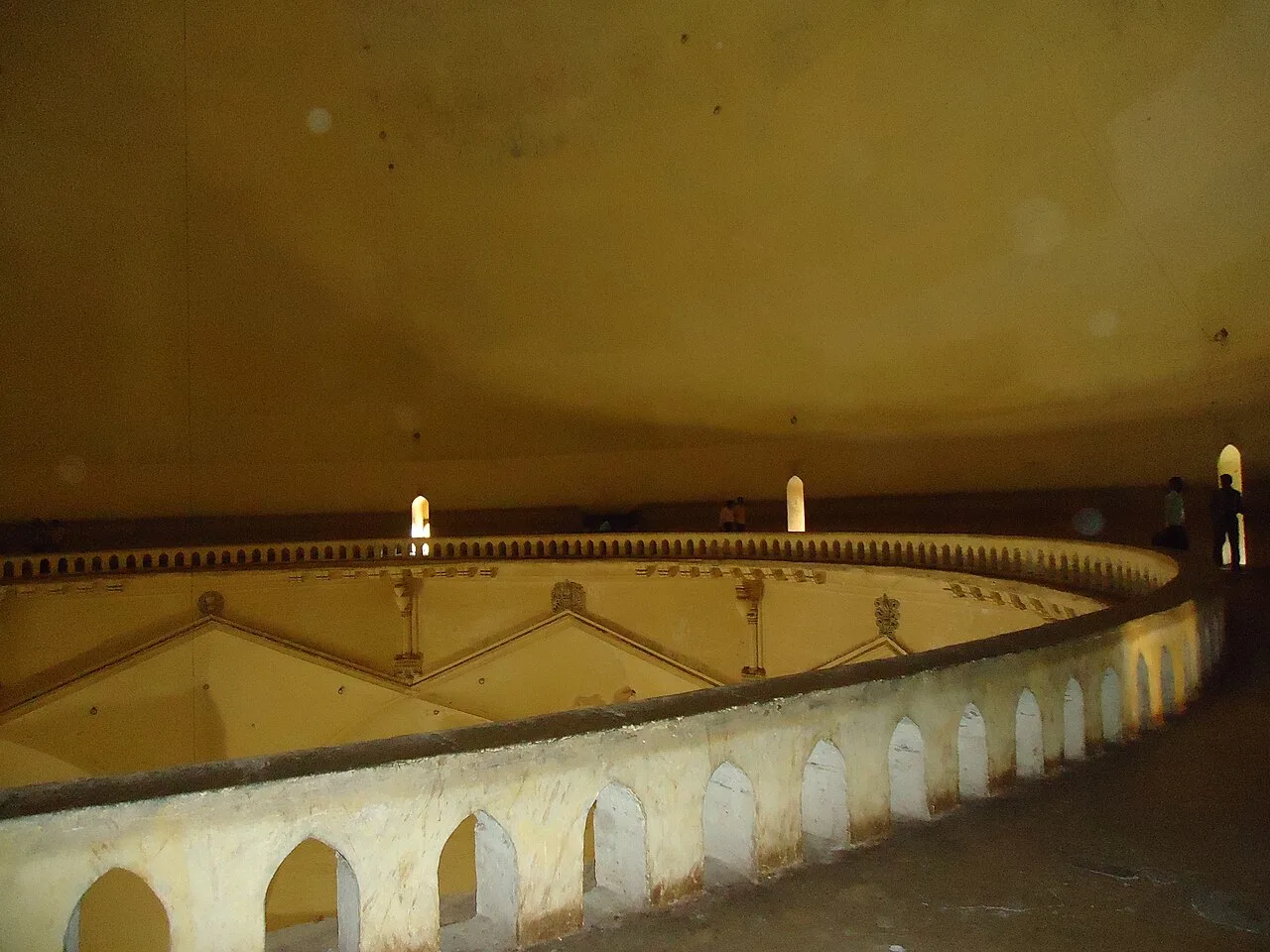
Gol Gumbaz is a basalt mausoleum in Bijapur, Karnataka, built for Mohammad Adil Shah. Visitors come to see its great dome, Indo-Islamic design and famous whispering gallery.

Map

Sedam on the map

  1. 1Gulbarga Fort
  2. 2Sharana Basaveshwara Temple
  3. 3Narasimha Jharni Cave Temple
  4. 4Guru Nanak Jhira Sahib
  5. 5Bahmani Tombs
  6. 6Bidar Fort
  7. 7Raichur Fort
  8. 8Gol Gumbaz

Karnataka

Other cities to explore