Ghumoopedia — Explore, Discover, Experience
Sign in
Guru Nanak Jhira Sahib, near Aurad

City guide · Karnataka

Aurad

Aurad is a small town in Bidar district, in Karnataka’s Kalyana-Karnataka region. Its importance is chiefly administrative and local: it serves as a taluka centre for surrounding villages and thandas, and its road links connect the area with Bidar and settlements across the northern Deccan.

Famous for

  • Manjra River boundary
  • NH 161A corridor
  • Bidar district taluka centre
  • Kalyana-Karnataka countryside
  • Dry Deccan climate

Why Aurad matters

Aurad is a small town in Bidar district, in Karnataka’s Kalyana-Karnataka region. Its importance is chiefly administrative and local: it serves as a taluka centre for surrounding villages and thandas, and its road links connect the area with Bidar and settlements across the northern Deccan. National Highway 161A passes through the town, while Bidar, the district headquarters, is about 42 kilometres away.

Aurad is not a major sightseeing destination, but it offers a grounded introduction to rural life in this part of Karnataka. The Manjra River marks sections of the taluka’s boundary, and the surrounding countryside is shaped by farming, seasonal rains and a dry climate. Visitors may use Aurad as a practical stop on a wider journey through Bidar district, whose historic landmarks are concentrated around Bidar city. In town, everyday interest lies in the local market, the movement of people and goods along the highway, and the contrast between hot summers and cooler winter days.
Famous for: crafts, trade & products

Aurad is not widely identified with a distinctive textile, saree, handicraft or GI-tagged product. It is better understood as a service and market centre for the surrounding rural area. The town’s shops and bazaar cater to everyday needs, including household provisions and goods used by farming communities. Visitors looking for local produce or regional specialties can ask vendors in the central market what is in season; availability varies, and there is no well-established tourist shopping district.

Bidriware, a metal inlay craft associated with Bidar, is a recognised product of the wider district, but it should not be confused with a craft made specifically in Aurad. Travellers interested in seeing or buying it are more likely to find specialist sellers in Bidar city. Aurad’s strongest local identity instead comes from its role as the taluka headquarters, its position on National Highway 161A and its connection to villages along the Manjra River.

History

Aurad’s local history is less widely recorded than that of Bidar city, so its development is best understood in the context of the surrounding Deccan region. Bidar and its hinterland passed through several periods of regional rule, including the Bahmani and Barid Shahi eras, followed by Mughal and later Hyderabad State administration. These larger political changes shaped the district, though they do not establish a specific monument or ruling seat in Aurad itself.

The area was part of Hyderabad State before its integration into India in 1948. In the States reorganisation of 1956, Bidar district became part of Mysore State, later renamed Karnataka. Aurad’s modern role has grown chiefly through local administration and road connectivity: it serves as a taluka centre for a broad rural hinterland, and National Highway 161A links it with Bidar and other settlements. For more visible evidence of the region’s dynastic history, visitors generally travel to Bidar city.

Food, festivals & culture

Aurad’s everyday culture reflects its position in northern Karnataka and the wider Deccan. Kannada is widely used, alongside languages such as Marathi, Urdu and Telugu in the multilingual district. Meals in the area commonly draw on regional staples such as jowar roti, rice, pulses and spiced vegetable or meat dishes; exact menus vary between homes and eateries. There is no single sweet or food strongly associated with Aurad as a town.

Ugadi, usually celebrated in spring, and Ganesh Chaturthi and Dussehra, generally observed during the monsoon or autumn festival season, are important occasions in the regional calendar. Eid is also celebrated by Muslim residents. Local temples and mosques serve as places of worship and community gathering; visitors should follow customary etiquette. Devotional singing and folk performances may accompany religious or seasonal gatherings, though programmes are local rather than regular tourist events. The town’s culture is most readily encountered through its market, food stalls and community celebrations.

Visiting the city

The cooler months, roughly October to February, are generally the most comfortable time to visit. Summer can be very hot, while rainfall is concentrated in the monsoon season. Aurad lies on National Highway 161A and is about 42 kilometres from Bidar. Bidar Airport is the nearest airport; check current flight availability before planning around it. Bidar railway station is the main rail connection for the area, with onward travel by road.

Buses and taxis connect Aurad with Bidar, and local auto-rickshaws can be useful for short journeys within town. The central market and town centre are practical places to explore on foot. Those with more time can make a road trip to Bidar city for its historic sites. The villages and countryside along the Manjra River offer a quieter sense of the rural taluka, but plan transport locally, as services may be limited.

Trips from the city

Nearest places to visit from Aurad

Our closest destination guides, by straight-line distance.

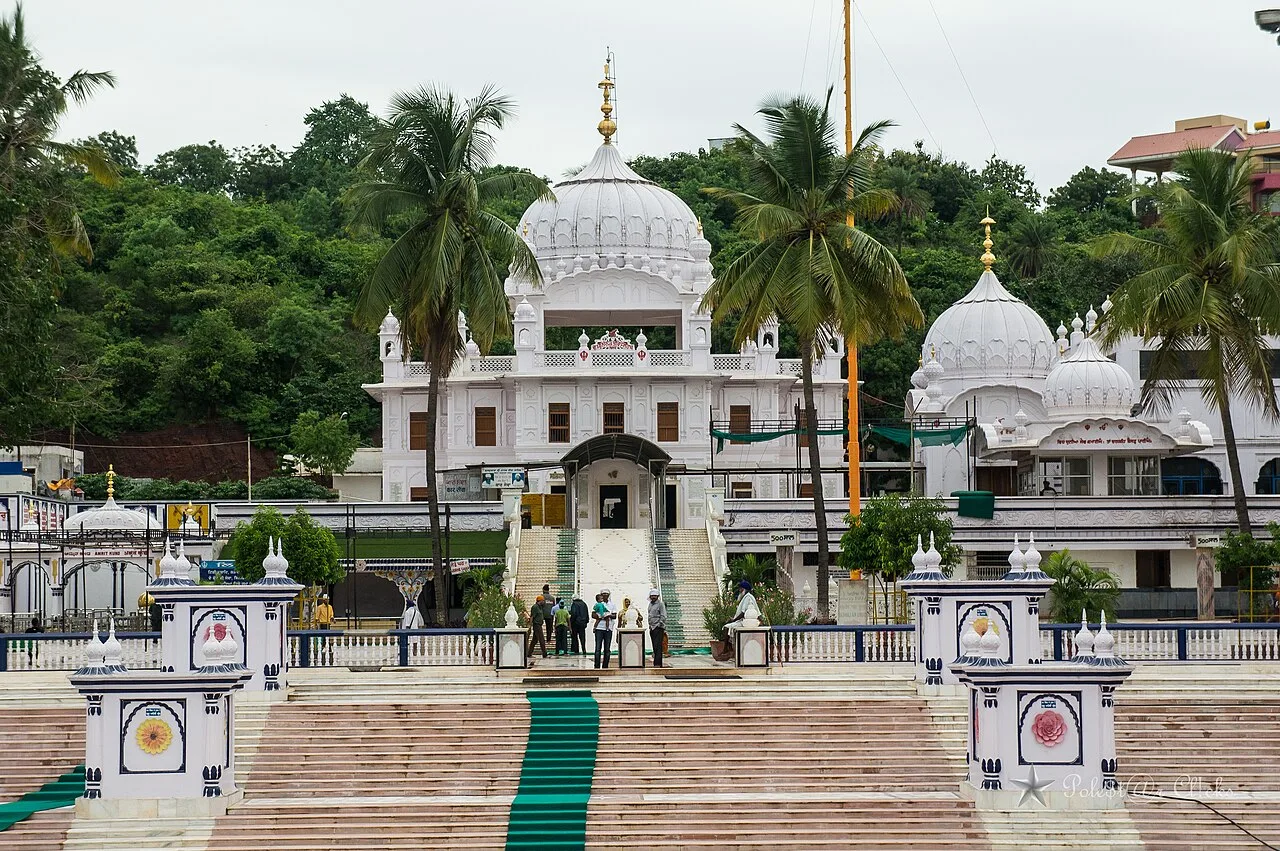
Guru Nanak Jhira Sahib

37 km away · Bidar district

Guru Nanak Jhira Sahib

Guru Nanak Jhira Sahib is a Sikh shrine in Bidar, Karnataka, associated with Guru Nanak and the region’s Sikh history; visitors come to honour the first Sikh guru.

Bidar Fort

38 km away · Bidar district

Bidar Fort

Bidar Fort is a historic complex in Bidar, Karnataka, where visitors can explore more than 30 monuments and learn about the changing powers of the Deccan.

Bahmani Tombs

41 km away · Bidar district

Bahmani Tombs

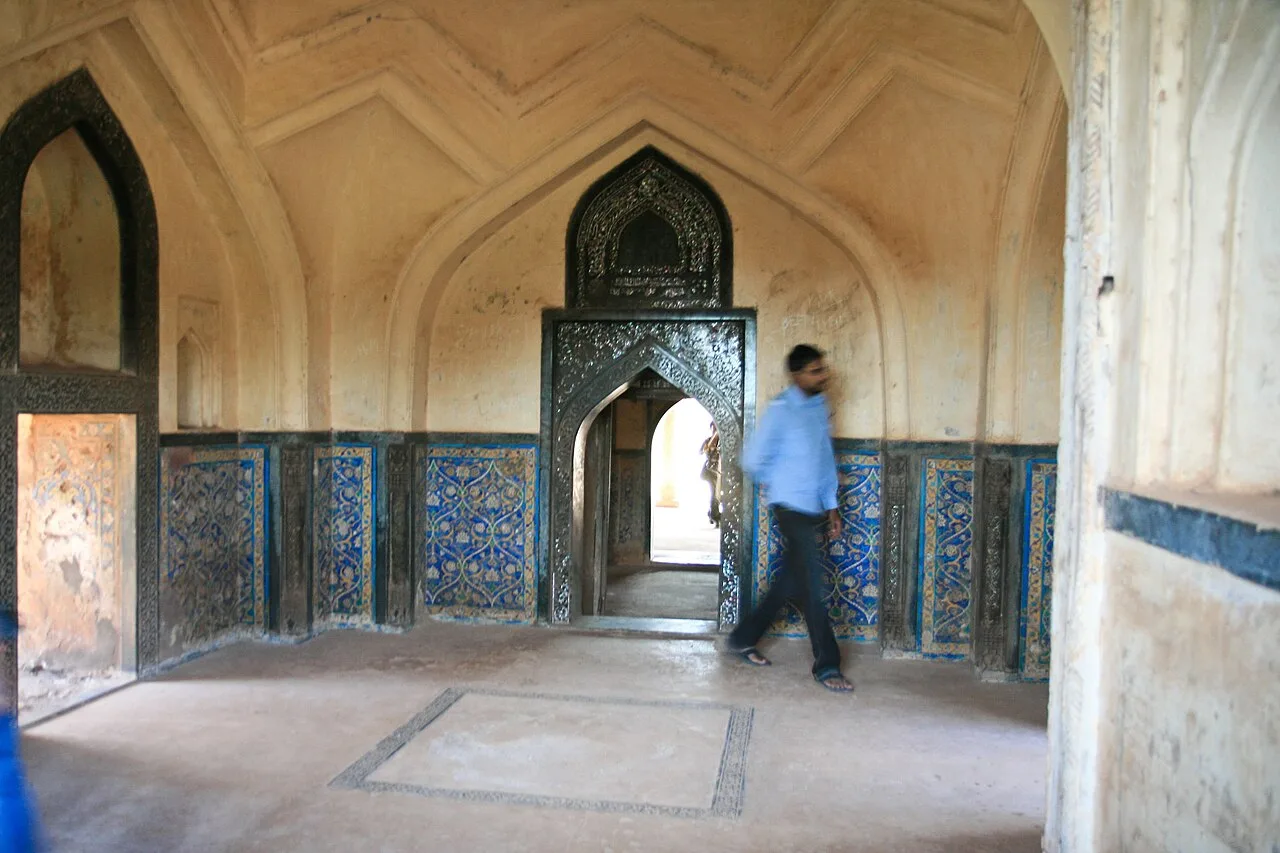
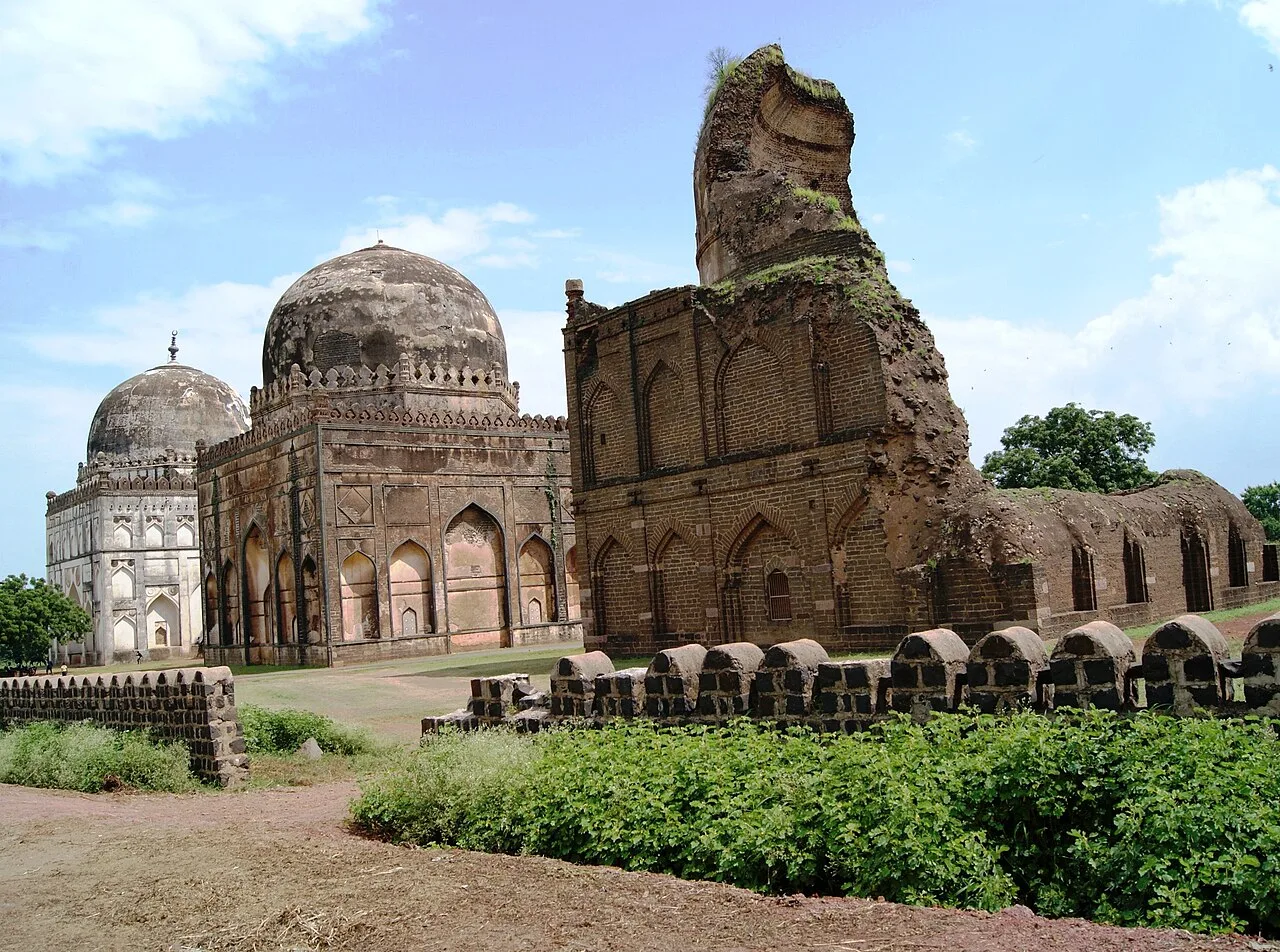
The Bahmani Tombs are a burial complex in Bidar, Karnataka, dating from the fifteenth and sixteenth centuries. Visitors come to see their distinctive Deccan architecture and blend of influences.

41 km away · Bidar district

Narasimha Jharni Cave Temple

Narasimha Jharni Cave Temple is a shrine in Bidar district, Karnataka, linked to Vishnu’s Narasimha avatar. Visitors come to worship at the cave temple and recognise its place in Vaishnavite tradition.

Gulbarga Fort

119 km away · Kalaburagi district

Gulbarga Fort

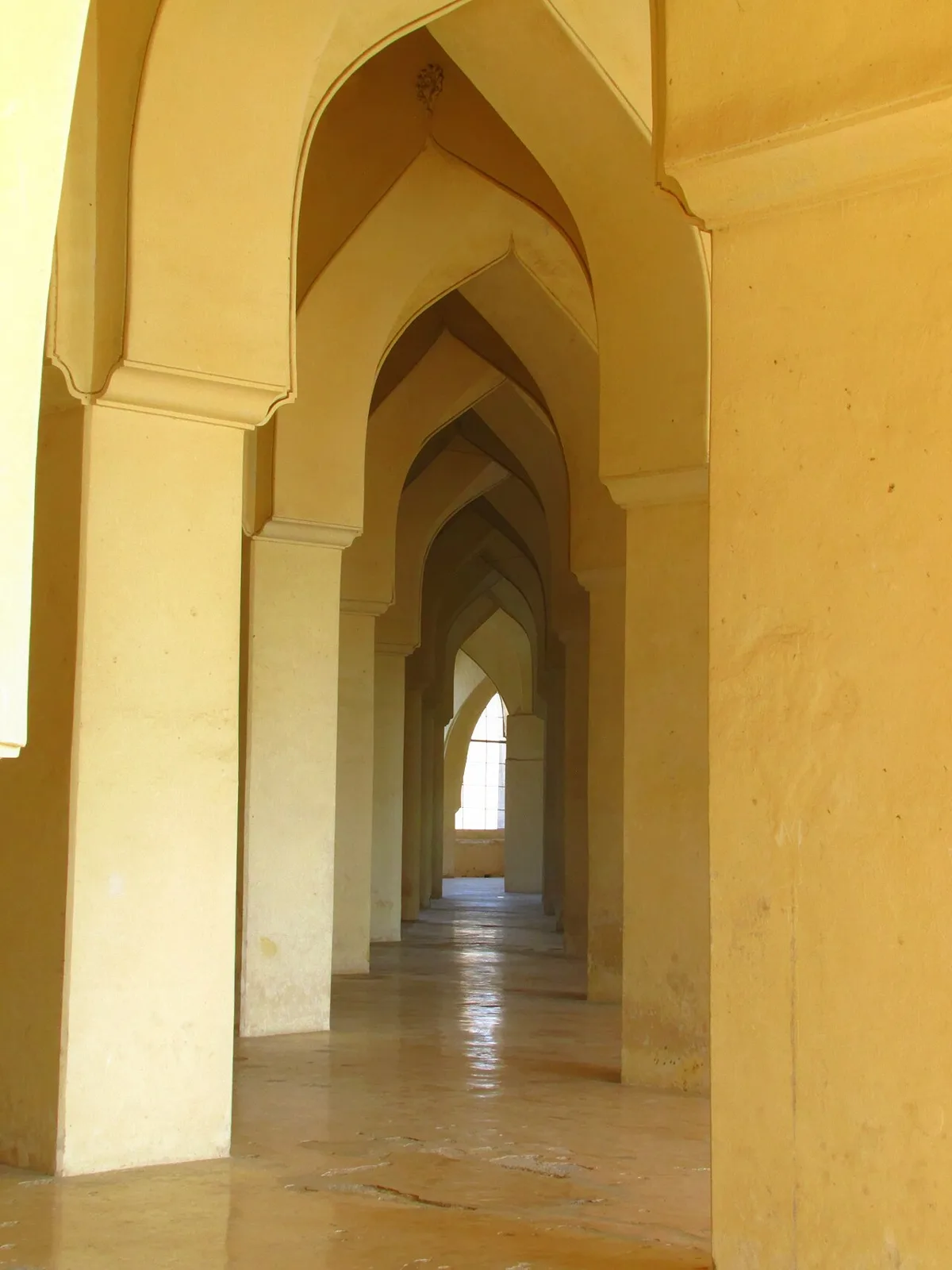
Gulbarga Fort is a historic stronghold in Kalaburagi associated with the Bahmani Kingdom. Visitors come to see its buildings, including the Jama Masjid, known for its enclosed form and Persian design.

Sharana Basaveshwara Temple

120 km away · Kalaburagi district

Sharana Basaveshwara Temple

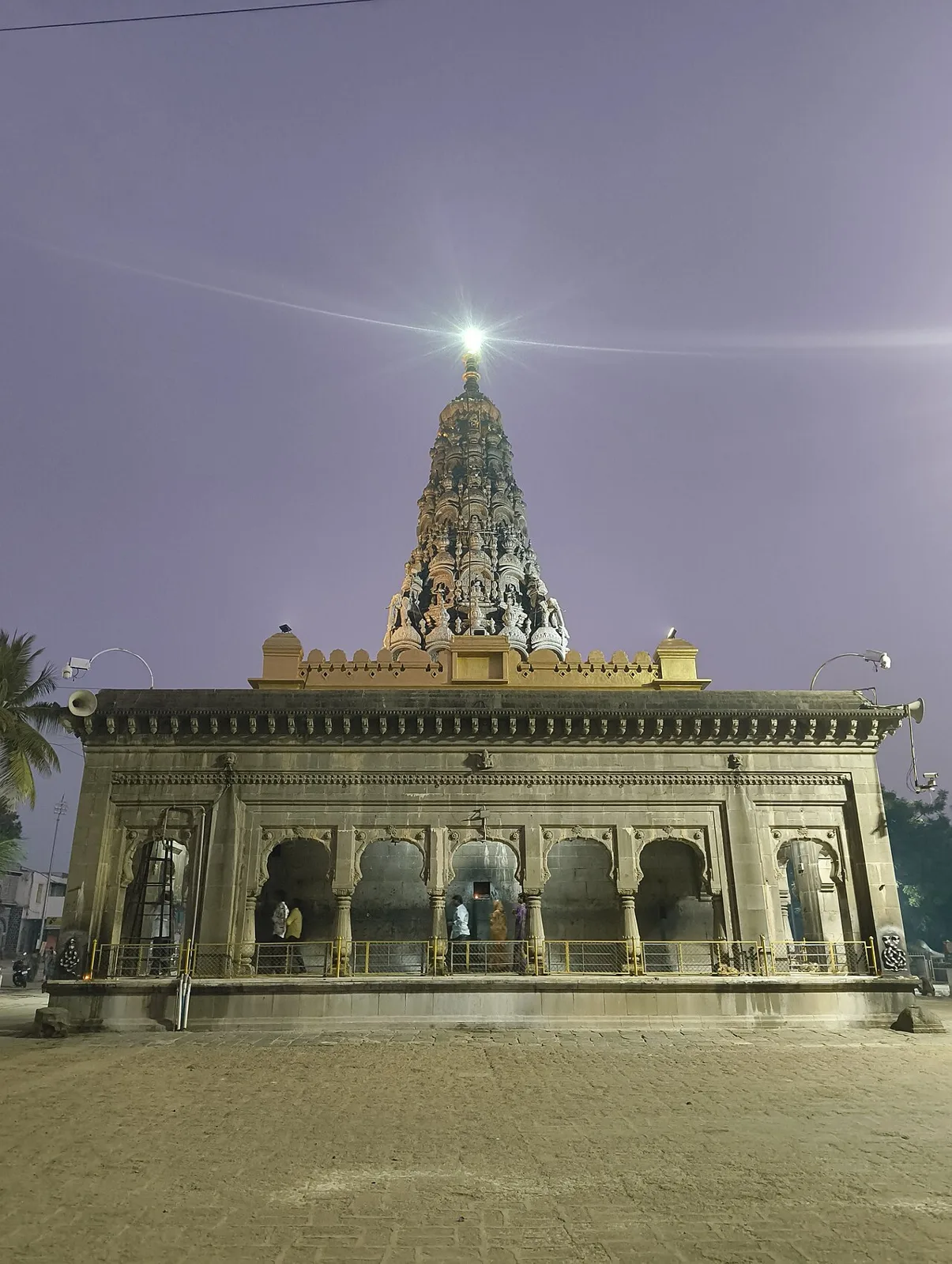
In Kalaburagi district, Karnataka, the Sharana Basaveshwara Temple is a shrine. Visitors come to worship at this site in Kalaburgi, an old town in the state’s northeast.

Raichur Fort

228 km away · Raichur district

Raichur Fort

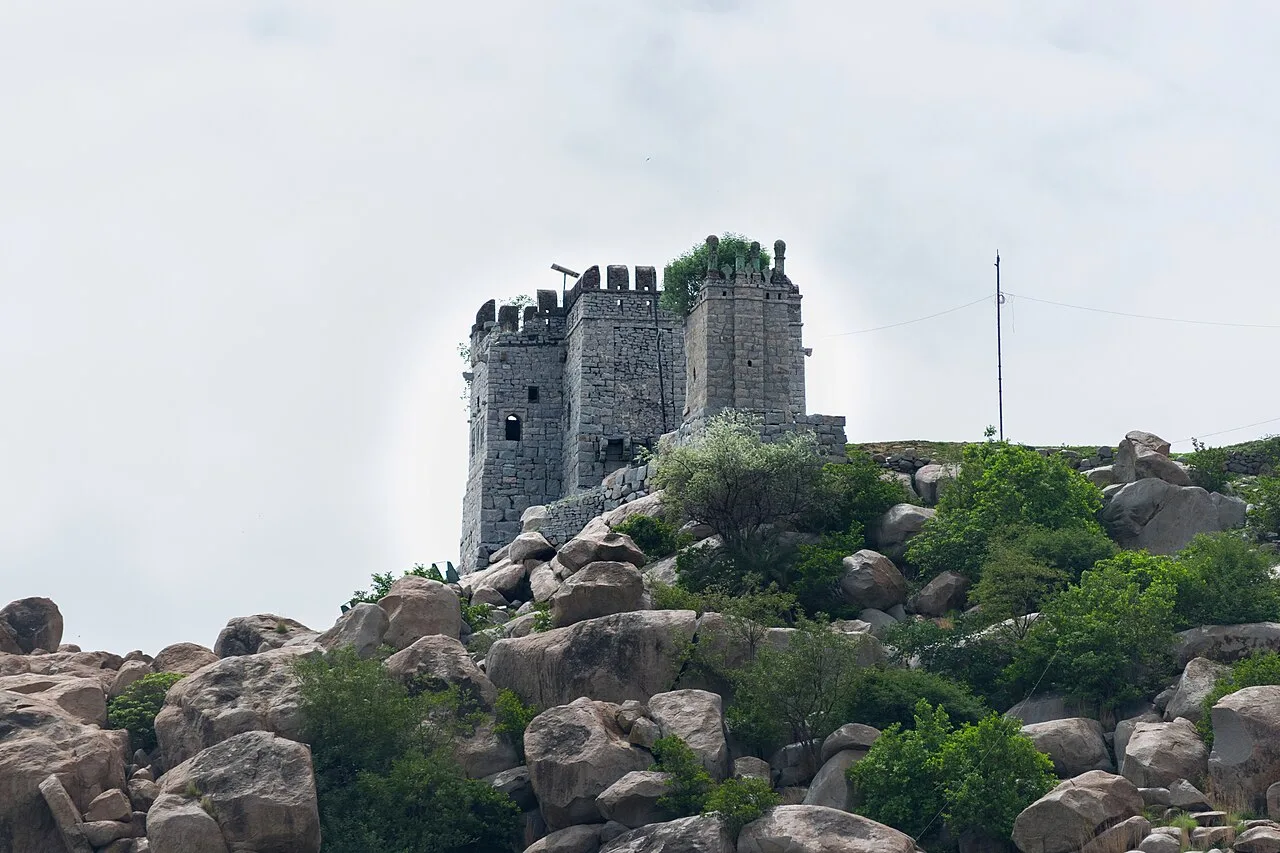
Raichur Fort is a hilltop stronghold in the city of Raichur, Karnataka. Visitors come to see its elevated setting and learn about the succession of powers that ruled the surrounding region.

Gol Gumbaz

238 km away · Vijayapura district

Gol Gumbaz

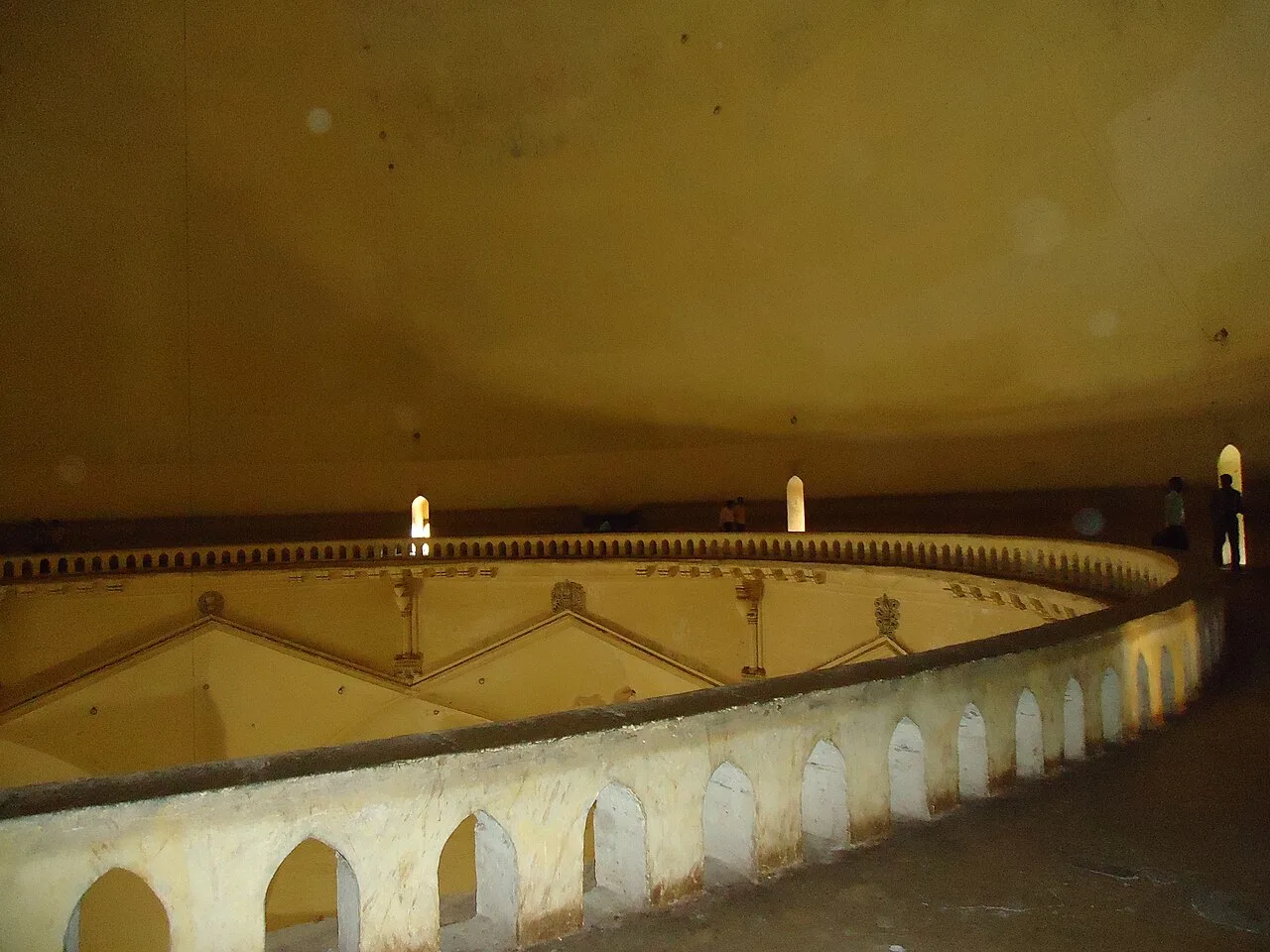
Gol Gumbaz is a basalt mausoleum in Bijapur, Karnataka, built for Mohammad Adil Shah. Visitors come to see its great dome, Indo-Islamic design and famous whispering gallery.

Map

Aurad on the map

  1. 1Guru Nanak Jhira Sahib
  2. 2Bidar Fort
  3. 3Bahmani Tombs
  4. 4Narasimha Jharni Cave Temple
  5. 5Gulbarga Fort
  6. 6Sharana Basaveshwara Temple
  7. 7Raichur Fort
  8. 8Gol Gumbaz

Karnataka

Other cities to explore